Best Charters Out of Old Saybrook Connecticut
Choosing the perfect fishing charter can feel like a daunting task, especially when you're looking for that ideal blend of expertise, comfort, and the promise of a great catch in a popular hub like Old Saybrook. Many anglers, myself included, have felt that twinge of anxiety wondering if they're booking with the right crew or if they'll end up on a boat that doesn't match their expectations. This guide aims to cut through that uncertainty, providing a deep dive into what makes Old Saybrook a prime fishing destination and how to confidently select the best charter to make your Connecticut fishing dreams a reality.
Why Old Saybrook is a Premier Fishing Hub
Old Saybrook, nestled at the mouth of the Connecticut River where it spills into Long Island Sound, isn't just a picturesque shoreline town; it's a strategic launchpad for some of the best fishing experiences Connecticut has to offer. Its unique geographical position gives anglers unparalleled access to a diverse array of fish species and fishing grounds, making it a favorite among local and visiting fishermen alike.
Strategic Location and Waterways
The magic of Old Saybrook truly begins with its geography. You're right there, at the confluence of the mighty Connecticut River and the expansive Long Island Sound. This isn't just any river mouth; it's a superhighway for baitfish, drawing in predators from the Sound with the changing tides. Think of it as a natural buffet line for game fish. The river itself offers a distinct freshwater influence, creating unique brackish zones that many species thrive in, especially during their migratory periods. Beyond the immediate river mouth, the Sound stretches out, offering a vast playground of reefs, wrecks, and diverse bottom structures that hold everything from bottom dwellers to pelagic cruisers. This means charter captains operating out of Old Saybrook have a huge advantage, being able to quickly access both inshore honey holes and offshore opportunities without long, arduous runs.
Diverse Fisheries Available
One of the biggest draws of fishing from Old Saybrook is the sheer variety of fish you can target. It's not a one-trick pony; this area genuinely offers something for every type of angler. In the spring, you'll find the first waves of Striped Bass Fishing in Long Island Sound migrating into the Sound, often congregating around the river mouth. As the waters warm, bluefish arrive, bringing their aggressive strikes and hard fights. For those who prefer bottom fishing, the local reefs and rocky bottoms teem with fluke (summer flounder), black sea bass, and the elusive blackfish (tautog). And let's not forget the incredible shad run up the Connecticut River in late spring, a unique and exciting fishery for light tackle enthusiasts. This diversity means that no matter your preference – be it casting artificials for stripers or patiently dropping bait for a trophy blackfish – an Old Saybrook charter can likely cater to your angling desires.
Infrastructure and Amenities for Anglers
Beyond the fish themselves, Old Saybrook offers excellent infrastructure that supports a thriving charter fleet and makes the angler's experience smooth and enjoyable. The town boasts well-maintained marinas and docks, providing easy access for charter boats to load and unload passengers and gear. Many local businesses are geared towards the fishing community, from bait and tackle shops where you can grab last-minute supplies to restaurants that are happy to cook your fresh catch. There's a real sense of community around the docks, too, with captains and crew often sharing tips and camaraderie. Plus, for those traveling from out of town, Old Saybrook offers a range of accommodations, from cozy inns to larger hotels, making it easy to turn your fishing trip into a full weekend getaway.
What Kinds of Charters Operate from Old Saybrook
When you're looking to book a fishing charter out of Old Saybrook, you'll quickly realize that "charter" isn't a one-size-fits-all term. There's a fantastic range of options available, each designed to cater to different fishing preferences, budgets, and group sizes. Understanding these distinctions is key to ensuring you pick the perfect trip for your angling adventure.
Inshore vs. Offshore Experiences
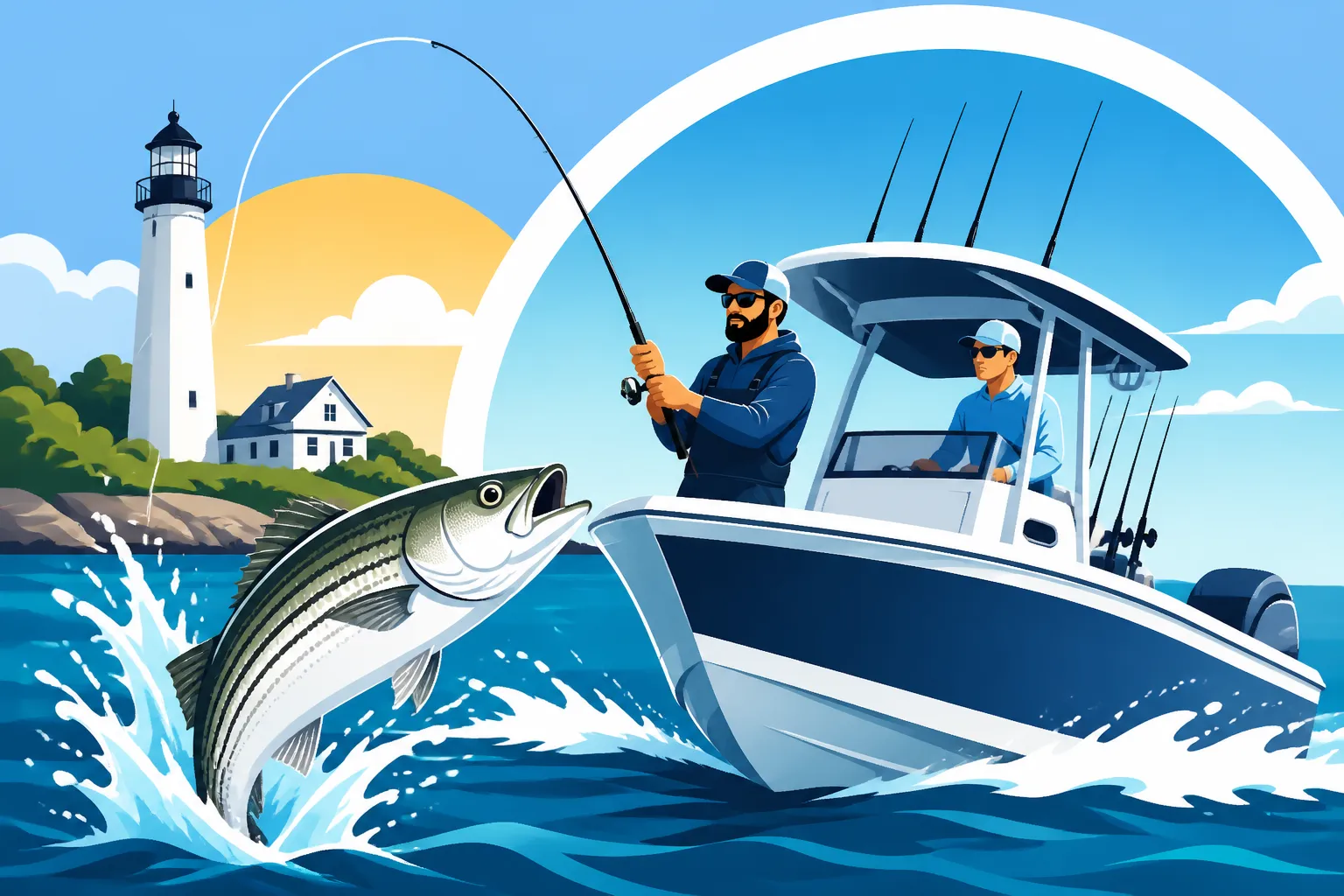
The primary distinction you'll encounter is between inshore and offshore charters. Inshore trips typically focus on the waters closer to shore, including the mouth of the Connecticut River, the shallower bays, and reefs within a few miles of the coastline in Long Island Sound. These trips are fantastic for targeting species like striped bass, bluefish, fluke, and blackfish. They're often shorter in duration, involve less travel time, and are generally more protected from rougher seas, making them ideal for families, beginners, or those prone to seasickness.
Offshore charters, on the other hand, venture further out into Long Island Sound, sometimes even beyond, seeking out deeper wrecks, reefs, and open water for species like black sea bass, larger fluke, and sometimes even sharks or tuna if conditions allow and the captain specializes in such trips (though true blue water tuna/shark trips are less common directly out of Old Saybrook than other New England ports, it's not unheard of for specialized boats to make the run). These trips are usually longer, covering more ground, and can be more physically demanding due to potentially rougher conditions. They often target larger, harder-fighting fish, offering a more intense angling experience. When talking to a captain or checking a listing on a site like FishingBooker, always clarify if they specialize in inshore, offshore, or offer a mix of both.
Half-Day and Full-Day Options
Another common differentiator is trip duration. You'll typically find charters offering half-day (usually 4-5 hours) and full-day (6-8 hours, sometimes longer for specialized offshore trips) options.
-
Half-Day Charters: These are incredibly popular for a reason. They're perfect if you're on a tighter schedule, fishing with young children who might lose interest, or if you just want a taste of the action without committing to a full day on the water. They're often focused on local, productive spots that don't require extensive travel time. You can still catch plenty of fish on a half-day trip, especially if the bite is on! These trips are often a great entry point for new anglers or those looking for a quick and fun outing.
-
Full-Day Charters: For the more serious angler, a full-day trip offers significantly more time to explore diverse fishing grounds, try different techniques, and pursue a wider range of species. This extra time allows the captain to travel further to less pressured spots, wait out slower bites, or target specific tides. If you're hoping for that trophy catch or simply want to maximize your time on the water, a full-day excursion is usually the way to go. Just be sure to pack plenty of snacks and drinks!
Private vs. Open Boat Charters
The dynamic of your fishing trip can also change dramatically based on whether you book a private or an open boat (also known as "head boat" or "party boat") charter.
-
Private Charters: This is where you book the entire boat for your group, whether that's two people or six (depending on the boat's capacity). This offers a highly personalized experience. You dictate the target species (within reason, of course), the departure time (within the captain's schedule), and the overall pace of the trip. The captain and mate's attention is entirely on your group, providing tailored instruction and assistance. It's perfect for families, groups of friends, or corporate outings where you want an exclusive, customized experience. While the upfront cost is higher, when split among a group, it can often be quite comparable to individual tickets on a party boat, while offering a superior experience.
-
Open Boat / Party Boat Charters: On these trips, you pay for an individual spot, and you'll be fishing alongside other anglers you may not know. These boats are typically larger, designed to accommodate more people, and operate on a set schedule with specific target species for the day. They're usually a more budget-friendly option for solo anglers or smaller groups who don't want to charter an entire boat. While you might not get the same level of personalized attention as a private charter, these trips can be incredibly fun, offering a chance to meet fellow anglers and share in the excitement of a group catch. However, they can also be more crowded, and you have less say in where you fish or what you target. Always check the capacity and amenities when considering a party boat.
Top Fish Species Targeted by Old Saybrook Charters
Fishing out of Old Saybrook puts you in a prime position to target a fantastic array of species. The diverse waters of the Connecticut River mouth and Long Island Sound are teeming with game fish, making it a hotspot for anglers throughout the season. Charters here specialize in putting you on the most sought-after catches.
Chasing Striped Bass and Bluefish
For many anglers casting out of Old Saybrook, the draw of striped bass and bluefish is undeniable. These two powerful game fish are a staple of the Long Island Sound fishery and provide exhilarating fights.
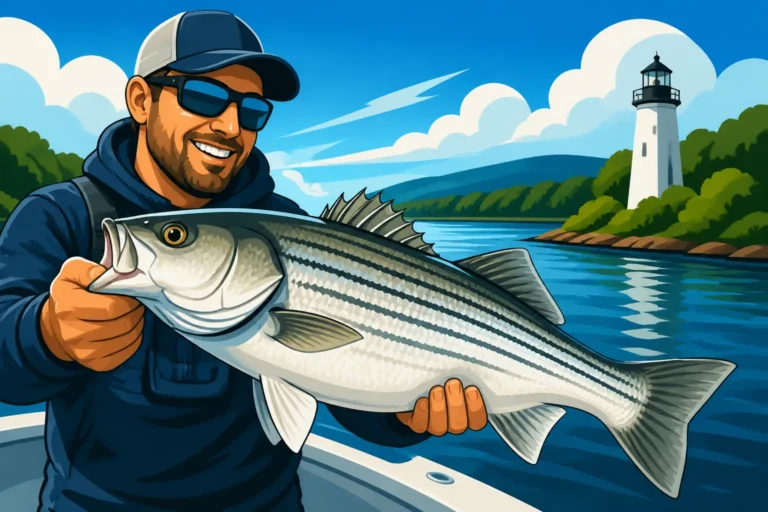
- Striped Bass: Often referred to as "stripers," these fish are revered for their strength and delicious table fare. They are migratory, moving into the Sound in spring and staying through the fall, often congregating around structure, rips, and, of course, the mouth of the Connecticut River where baitfish are abundant. Charters will employ a variety of techniques to catch them, from trolling tube-and-worm rigs or umbrella rigs, to live-lining bunker (menhaden), to casting artificial lures like topwater plugs or soft plastics. The thrill of a big striper hitting your line is something every angler should experience. The size limits and slot limits for striped bass are regularly updated, so it's essential to stay informed about Connecticut Striped Bass Slot Limit and Season.
- Bluefish: If you're looking for an aggressive bite and a toothy fight, bluefish are your quarry. These hard-hitting predators also migrate into the Sound, often arriving a bit after the stripers and staying through the warmer months. They're known for their voracious appetites and can make short work of bait schools. Charters target bluefish using similar methods to stripers, including trolling, casting metal jigs or poppers, and live-lining. Be prepared for some serious action when the blues are around, and remember their sharp teeth can quickly shred leaders, so captains usually come prepared with robust tackle.
Bottom Fishing for Fluke, Black Sea Bass, and Blackfish
Beyond the fast-paced action of stripers and blues, Old Saybrook offers some incredibly rewarding bottom fishing opportunities. This style of fishing is often a bit more relaxed but can yield equally impressive catches, particularly for those looking for some excellent eating fish.
- Fluke (Summer Flounder): These flatfish are a favorite among Connecticut anglers, particularly during the summer months. They lay in wait on sandy or muddy bottoms, ambushing passing baitfish. Charters target fluke by drifting over known channels, reefs, and humps, presenting bait (like squid strips or spearing) or bucktail jigs tipped with Gulp! artificials. The "doormat" fluke, as the biggest ones are called, can put up a surprisingly strong fight. Understanding Connecticut Fluke and Summer Flounder Regulations is critical before heading out.
- Black Sea Bass: With their beautiful iridescent colors and fantastic taste, black sea bass are another prized bottom fish. They tend to congregate around rocky structure, wrecks, and reefs, making them a prime target for Old Saybrook charters. Anglers typically drop jigs or bait, such as squid or clams, directly to the bottom in these areas. The season for black sea bass is specific, and bag limits are carefully managed, so be sure to check Black Sea Bass Fishing in Connecticut for the latest information.
- Blackfish (Tautog): Often called "blackfish," tautog are renowned for their incredible pulling power and their preference for rocky, structure-filled environments. They're a favorite among hardcore bottom fishermen, particularly in the fall and spring. Charters will anchor up on specific rock piles or wrecks and have anglers drop green crabs or fiddler crabs down to entice these powerful fish. Catching a large blackfish requires skill and a strong hookset. Learn more about these formidable fighters and their specific season in Blackfish (Tautog) Fishing in Connecticut before your trip.
Choosing the Right Charter for Your Trip
Selecting the right fishing charter is about more than just finding an available boat. It's about aligning your expectations with what the captain and crew can realistically deliver, ensuring everyone has a safe, enjoyable, and successful day on the water.
Factors to Consider: Target Species, Group Size, and Experience Level
Before you even start browsing listings, take a moment to consider what kind of trip you're truly looking for.
- Target Species: This is often the first and most important consideration. Are you dreaming of a trophy striped bass, a cooler full of delicious fluke, or the relentless tug of a blackfish? Different charters specialize in different species and techniques. Some are hardcore striper boats, others are set up perfectly for bottom fishing. Be upfront with your desired catch, and choose a charter known for success with that particular species in the Old Saybrook area. A good captain will also advise you on what's biting best during your desired fishing window.
- Group Size: How many people are in your fishing party? Charter boats have strict capacity limits, mandated by the Coast Guard, which can range from 1 to 6 passengers for a private charter. If you have a larger group, you might need to book multiple boats or consider an open boat/party boat option. The size of your group will also influence the cost per person for a private trip.
- Experience Level: Is this your first time fishing, or are you a seasoned angler looking for a challenge? Some charters are incredibly family-friendly and patient with beginners, offering hands-on instruction. Others cater to experienced anglers who prefer a more independent fishing style. If you're bringing kids, look for charters that explicitly advertise as Best Guided Kids Fishing Trips in Connecticut or family-friendly. Make sure the captain understands your group's experience level so they can tailor the trip accordingly.
What to Look For in a Captain and Boat
Once you know what you want, it’s time to assess the charters themselves. A great charter experience is largely defined by the captain and the condition of their vessel.
- Experience and Reputation: Look for captains who have extensive experience fishing the specific waters around Old Saybrook. They know the tides, the currents, the best spots, and how fish react to different conditions. Online reviews on platforms like FishingBooker are invaluable here, offering insights into other anglers' experiences. Look for consistent praise regarding the captain's knowledge, professionalism, and ability to find fish. A captain with a long-standing reputation in the local community is often a sign of reliability and expertise.
- Safety and Maintenance: A well-maintained boat is paramount for a safe trip. While you can't inspect the boat yourself during booking, you can infer a lot from photos and reviews. Look for boats that appear clean and well-kept. All legitimate charter captains hold a valid Coast Guard license and carry the necessary safety equipment, including life jackets, flares, and communication devices. Don't hesitate to ask about their safety protocols, especially if you're bringing children. A reputable captain will be happy to discuss their commitment to safety.
- Equipment and Gear: A good charter provides all the necessary rods, reels, bait, and tackle. Inquire about the quality of their gear. Are the rods and reels well-maintained? Is the tackle appropriate for the target species? Some charters offer specialized gear, like light tackle setups or fly fishing equipment, for specific requests. If you prefer to bring your own gear, confirm with the captain that this is acceptable. Understanding What Gear a Connecticut Charter Provides can help you pack appropriately.
Understanding Pricing and Inclusions
Charter costs can vary significantly, and it's essential to understand what's included in the price to avoid any surprises.
- Base Price and Duration: The posted price typically covers the boat, captain, and fuel for a specific duration (half-day or full-day). This is usually the starting point. Always clarify the exact number of hours included.
- Inclusions: Most reputable charters operating out of Old Saybrook will include rods, reels, bait, and tackle in their base price. Some might also include fish cleaning at the end of the trip. Always confirm these details. What is not typically included are fishing licenses (you'll almost certainly need your own Connecticut Fishing License Age Requirements), food and drinks (bring your own cooler), and gratuities for the mate.
- Potential Extras: Some charters might have optional add-ons, like specialty baits or premium tackle, that incur an extra charge. Clarify if there are any additional fees you should be aware of. For a general idea of what to expect, check out our guide on Connecticut Fishing Charter Cost Guide, but always confirm specific rates with the individual charter.
- Tipping: It is customary to tip the mate (and sometimes the captain, especially if they are also the primary deckhand) for their hard work. A general guideline is 15-20% of the trip's cost, assuming good service. Factor this into your overall budget. For more detailed guidance, see Tipping Etiquette for Connecticut Fishing Charters.
Preparing for Your Old Saybrook Fishing Adventure
A little preparation goes a long way in ensuring your fishing trip out of Old Saybrook is not only successful but also comfortable and enjoyable. From packing the right items to understanding the rules, being ready for anything will enhance your experience.
Essential Gear and What Charters Provide
While most charters will provide the heavy-duty fishing gear, there are definitely some personal items you'll want to bring along to make your day more comfortable.
- What Charters Provide: Typically, your Old Saybrook charter will supply all the necessary fishing rods, reels, lines, and terminal tackle appropriate for the target species. They'll also have the right bait, whether it's live bunker for stripers, crabs for blackfish, or squid for fluke. They are also equipped with safety gear like life jackets, first-aid kits, and communication devices. You can expect the boat to have coolers for your catch, though sometimes you might need a separate one for your personal food and drinks.
- What YOU Should Bring:
- Connecticut Fishing License: This is non-negotiable. You absolutely need your own valid Connecticut fishing license. Depending on what you're targeting, you'll need either a marine, inland, or all-waters license. Be sure to understand Connecticut Fishing License Age Requirements and purchase it beforehand. You can often buy them online or at local bait shops.
- Sun Protection: Even on cloudy days, the sun reflecting off the water can be intense. Pack sunscreen (at least SPF 30), a wide-brimmed hat, and sunglasses (polarized lenses are a bonus for spotting fish!).
- Layers of Clothing: The weather on Long Island Sound can change quickly. It might be chilly in the morning, warm up by midday, and get cool again if a breeze picks up. Dress in layers, including a waterproof or water-resistant outer shell, even if rain isn't forecast.
- Food and Drinks: Pack plenty of water, juice, and any snacks or meals you'll want for the duration of the trip. A small, soft-sided cooler is usually perfect for this. Alcohol is often permitted, but always check with your captain first about their policy.
- Cooler for Your Catch: If you plan on keeping fish, bring a separate cooler with ice to transport your fillets home. Most charters will bag your cleaned fish, but having your own cooler keeps them fresh.
- Non-Slip Shoes: Boat decks can get wet and slippery. Wear comfortable, closed-toe shoes with good grip.
- Motion Sickness Medication: If you're prone to seasickness, take preventative medication (like Dramamine or Bonine) well before you board the boat, allowing it time to take effect.
- Camera: You'll want to capture those trophy shots! Just make sure it's secure or waterproof.
- Gratuity for the Mate: Don't forget cash to tip your hard-working mate.
For a more detailed list, consider reviewing What to Bring on a Connecticut Fishing Charter.
Licensing, Regulations, and Safety
Fishing in Connecticut waters, especially the Long Island Sound, comes with specific rules and regulations designed to protect fish populations and ensure angler safety.
- Fishing Licenses: As mentioned, your own license is mandatory. Whether you need a freshwater, saltwater, or combination license depends on where you plan to fish and for what species. For saltwater, you'll typically need a marine waters fishing license. Always double-check Where and How to Buy a Connecticut Fishing License if you're unsure.
- Catch Limits and Seasons: Connecticut's Department of Energy and Environmental Protection (DEEP) sets specific size limits, possession limits, and open seasons for various species, especially popular ones like striped bass, fluke, black sea bass, and blackfish. Your charter captain will be well-versed in these rules, but it's good practice to familiarize yourself with Connecticut Saltwater Fishing Regulations by Species or Connecticut Fishing Regulations Explained yourself, especially if you plan to keep fish. Reputable captains strictly adhere to these regulations.
- Boat Safety: Your captain is responsible for the safety of everyone on board. They will typically give a safety briefing before departing, covering things like where life jackets are stored, how to use the head (bathroom), and what to do in an emergency. Always listen carefully to their instructions. If you have children, ensure they are wearing properly fitted life jackets, as specific rules apply to younger passengers, especially during certain times of the year, like the Connecticut Cold Water Life Jacket Rule (October to May).
Best Times to Book for Specific Species
Timing is everything in fishing! Knowing when certain species are most active or abundant around Old Saybrook can significantly increase your chances of a successful trip.
- Striped Bass & Bluefish:
- Spring (May-June): Excellent for migratory stripers moving into the Sound, often found at the river mouth. Bluefish start to arrive in June.
- Summer (July-August): Both species are abundant, with striped bass moving to deeper structure or feeding heavily at night. Bluefish are usually everywhere.
- Fall (September-October): Often the best time for trophy striped bass as they feed aggressively before migrating south. Bluefish are also very active.
- For dedicated striper anglers, Best Season to Book a Striped Bass Charter offers more detailed insights.
- Fluke (Summer Flounder):
- Summer (June-August): This is prime fluke season in Long Island Sound, when they are most active on the sandy bottoms.
- Black Sea Bass:
- Late Spring/Early Summer (May-June) & Fall (September-October): These are often the best windows, depending on specific regulatory open seasons. They're typically found over rocky structure.
- Blackfish (Tautog):
- Spring (April-May) & Fall (October-November): These cool-water periods are when blackfish are most actively feeding around structure. Fall is often considered peak season for trophy-sized fish.
Keep in mind that these are general guidelines. Fish behavior can be influenced by water temperature, bait availability, and weather patterns. A good Old Saybrook charter captain will always have the most up-to-date intel on what's biting.
How to Book Your Old Saybrook Fishing Charter
Booking your fishing charter should be a straightforward process, but knowing the best avenues and what questions to ask can make all the difference in securing the perfect trip.
Online Platforms and Direct Booking
In today's digital age, you have several convenient ways to find and book your Old Saybrook fishing charter.
- Online Booking Platforms: Websites like FishingBooker are excellent resources. They aggregate listings from numerous charter captains, allowing you to compare boats, prices, available dates, and read reviews all in one place. These platforms often provide detailed descriptions of the boats, target species, inclusions, and photos, making it easier to visualize your trip. They also frequently have secure booking systems and cancellation policies clearly laid out. When using such platforms, pay close attention to the captain's profile and the specifics of each trip offered.
- Direct from Captains/Websites: Many Old Saybrook charter captains also maintain their own websites or social media pages. Booking directly can sometimes allow for more personalized communication, and you might occasionally find special deals or more flexible scheduling. However, you'll need to do more research yourself to compare different options. Look for clear contact information and a professional online presence.
- Local Bait & Tackle Shops: Don't underestimate the power of local knowledge! Stopping by a bait and tackle shop in Old Saybrook can often get you recommendations for captains who are currently having success. They often have business cards or know captains personally. This can be a great way to find a charter if you're already in the area.
Asking the Right Questions Before You Commit
Once you've narrowed down a few potential charters, it's crucial to ask some specific questions before finalizing your booking. This ensures there are no misunderstandings and that the trip aligns with your expectations.
- "What's biting best right now?" This is a key question that helps you understand the current fishing conditions and whether your target species are active. A good captain will be honest about recent success.
- "What techniques will we be using?" Knowing this helps you mentally prepare and decide if the fishing style matches your preference.
- "What's your typical itinerary for this trip duration?" This helps you understand how much travel time versus fishing time to expect.
- "Is there a mate on board, and how many anglers will they assist?" A dedicated mate can greatly enhance your experience, especially for beginners or larger groups. Also, clarify the expected Tipping Etiquette for Connecticut Fishing Charters.
- "What happens in case of bad weather?" Understand the captain's cancellation or rescheduling policy for inclement weather. Reputable charters prioritize safety and will have a clear policy for unsafe conditions.
- "What's your policy on fish cleaning and bagging?" Some charters include this service, others charge a small fee, and some expect you to do it yourself.
- "What amenities does the boat have (e.g., restroom, shade)?" Especially important for longer trips or if you have specific needs.
- "Do I need to bring anything specific that isn't typically provided?" This is your chance to confirm the gear, food, and license requirements.
The Importance of Reviews and Reputation
In the world of fishing charters, reputation is everything. Reviews, whether on online platforms or through word-of-mouth, provide invaluable insights into a captain's professionalism, fishing prowess, and overall customer service.
- Read Reviews Thoroughly: Don't just look at the star rating. Read the actual comments. Look for recurring themes – positive remarks about the captain's patience, knowledge of the local waters, ability to find fish, and the cleanliness and safety of the boat. Conversely, be wary of consistent negative comments about unfriendliness, poor equipment, or a lack of fish.
- Look for Consistency: A charter with many recent, consistently positive reviews is a strong indicator of a reliable and enjoyable experience.
- Consider the Source: While online platforms are great, personal recommendations from fellow anglers or trustworthy local sources (like bait shops) often carry extra weight because they come from someone you know or a trusted community expert.
- Manage Expectations: Even the best captains can't guarantee fish every single time – that's why it's called fishing, not catching! However, a good captain will always work hard, be professional, and ensure you have a good experience, regardless of the size of the catch. Use reviews to gauge the overall experience, not just the fish count. A charter that earns praise for a great time on the water, even when the bite is slow, speaks volumes about their quality.
Disclaimer
This article is for general informational purposes only and does not constitute professional advice. Laws, prices and regulations vary by location and change over time. Consult a qualified professional for guidance on your specific situation.