Best charters for catching striped bass and bluefish together
It’s a common dream for many anglers dropping a line in Connecticut: landing both a hard-fighting striped bass and an aggressive bluefish on the same outing. While these two powerhouse species often share the same waters and seasons, finding a charter specifically tailored to maximize your chances of catching both can feel like navigating a maze. This guide is here to untangle that, helping you understand how to choose and what to expect from the best charters designed to hook you up with both stripers and choppers in Connecticut's abundant waters.
Understanding the Striped Bass and Bluefish Dynamic in Connecticut
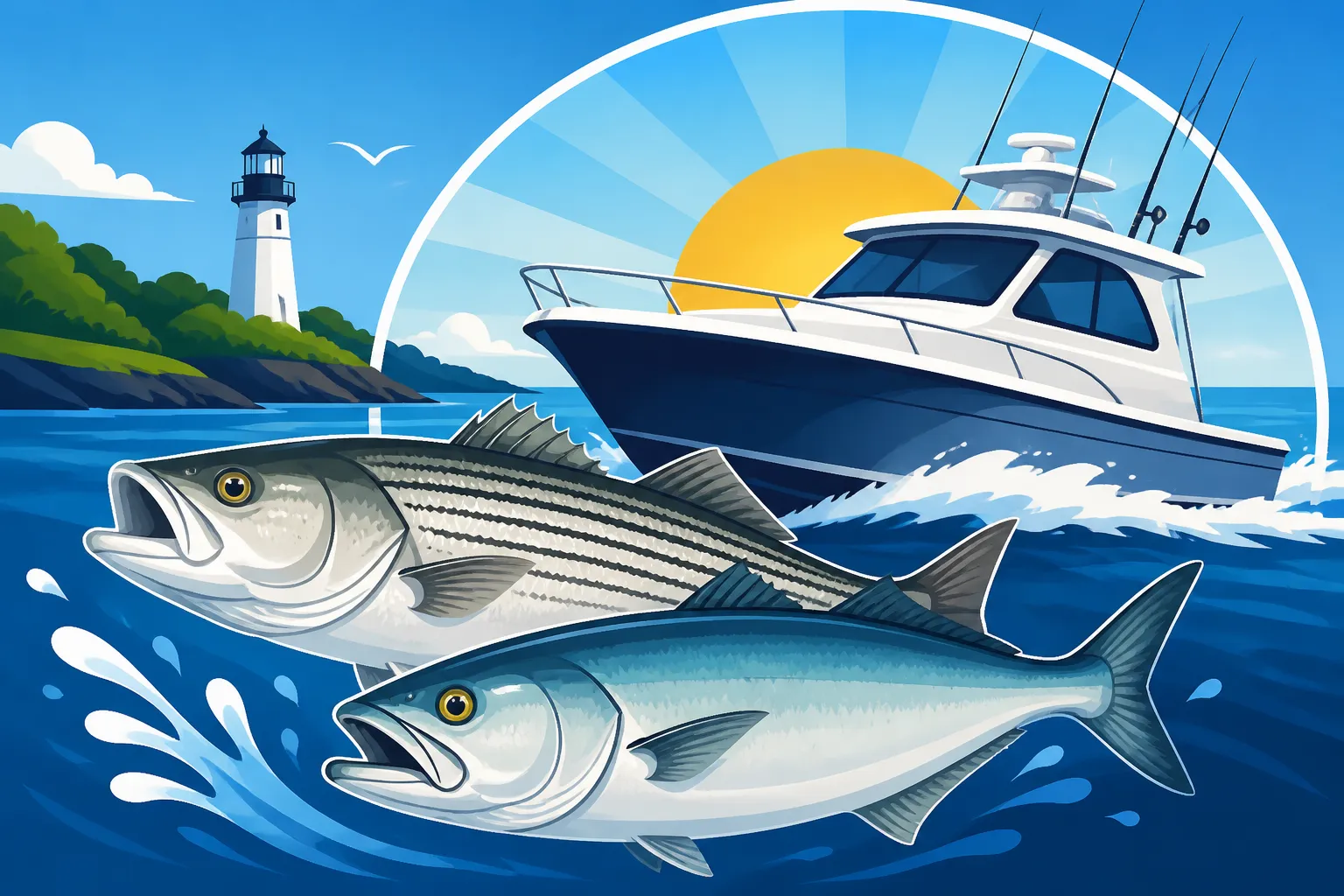
When you think about fishing in Connecticut, especially along the coast, striped bass and bluefish are probably the first two species that come to mind. They are iconic for good reason – they’re abundant, fight hard, and offer a fantastic challenge. The beauty of targeting them together is that their seasons and preferred habitats often overlap, making a combo trip a highly efficient and thrilling day on the water.
Why Target Both Species Together?
There's a unique satisfaction that comes from reeling in two different species that are both incredible game fish, especially on the same trip. For many anglers, it’s about experiencing the distinct fighting styles and characteristics of each. Striped bass are renowned for their powerful, sustained runs, often hugging structure and testing your tackle with their sheer strength. They can be elusive, requiring skill and patience to entice a bite. Then you have bluefish, known affectionately as "choppers" for their razor-sharp teeth and aggressive, almost frenzied attacks. When a bluefish hits, it's usually with a violent strike, followed by a series of head shakes and short, explosive bursts.
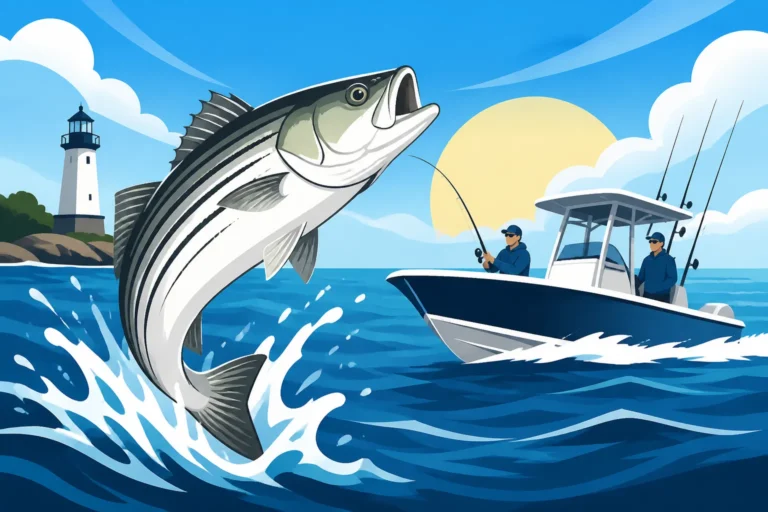
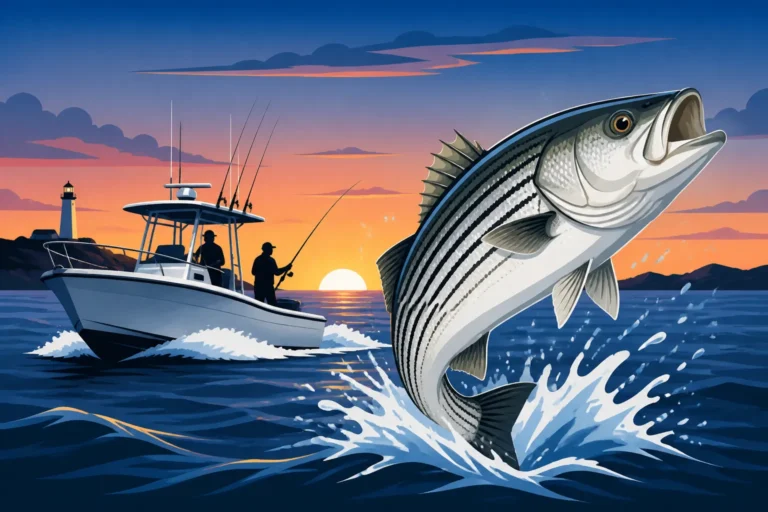
Opting for a combo trip means you’re doubling your chances of action and diversifying your angling experience. Imagine starting the day targeting striped bass with live bait or a well-placed jig around a rocky reef, feeling that familiar thump and the heavy pull of a striper. Then, later, the captain spots a bird play over breaking water, signaling a bluefish blitz, and suddenly you're casting topwater lures into a feeding frenzy. It's an adrenaline rush, offering two distinct angling adventures rolled into one. It’s also a smart strategy if you're not sure which species is more active on a given day; a good captain can pivot between targets based on conditions, ensuring more bent rods for everyone on board.
Seasonal Overlap and Hotspots
The fantastic news for anglers is that the peak seasons for both striped bass and bluefish in Connecticut's waters largely coincide. Generally, from late spring through early fall, particularly in the summer and into September and October, you’ll find both species actively feeding. Best Time of Year to Fish in Connecticut will give you a broader overview. As the waters warm up in May and June, migratory striped bass arrive in force, and bluefish aren't far behind. These fish are often found hunting the same baitfish – think bunker (menhaden), spearing, and squid – which means they can be encountered in similar locations.
Long Island Sound is the undisputed champion when it comes to hotspots for both species. You’ll find charters departing from ports like Old Saybrook, Niantic, and Norwalk, heading to productive grounds. Key areas often include major river mouths like the Connecticut River and Thames River, where baitfish congregate, as well as prominent reefs, rips, and rock piles spread throughout the Sound. For instance, you might find larger striped bass holding in deeper channels or tight to structure around the mouth of the Connecticut River, while bluefish are often found terrorizing bait schools in more open water or along current seams. Areas near the Watch Hill reefs or around Plum Gut can be particularly productive for both, depending on the tide and time of year. Knowing these overlaps is crucial for a successful combo charter, and experienced captains will have a deep understanding of where these species are likely to be found throughout the season.
Key Considerations for Booking a Combo Charter
Booking a charter isn't just about picking the first boat you see. When you want to specifically target both striped bass and bluefish, there are several key factors to weigh to ensure your trip is successful and enjoyable. It's about finding the right fit for your angling goals and group.
Boat Type and Capacity
The type of boat matters, especially when you're looking to target multiple species that might require different fishing situations. For a combo trip, you'll want a vessel that offers both stability and enough deck space for everyone to fish comfortably, whether you're trolling, casting, or jigging. A center console or a walk-around cuddy cabin boat is often ideal. These boats provide 360-degree fishability, which is perfect for when a school of bluefish erupts on the surface, or for working different angles around a piece of structure for stripers.
The capacity of the boat is also important, particularly if you’re heading out with a group. A larger vessel might be better suited for accommodating more anglers, ensuring everyone has enough elbow room for casting and fighting fish without tangling lines. For example, if you have a group of four to six friends, a 25-30 foot center console often provides ample space. If it’s just you and a buddy, a slightly smaller, nimbler boat might be able to get into shallower spots where stripers might be holding. Always consider comfort as well; some larger boats offer more amenities like a private head (restroom) or a shaded area, which can make a big difference on a full-day trip, especially if you have less experienced anglers or children aboard.
Captain's Expertise and Reputation
This is arguably the most critical factor for a successful combo trip. You need a captain who isn't just good at catching one of these species, but who is truly proficient in targeting both striped bass and bluefish. These species, while often co-existing, sometimes require different tactics, tackle, and understanding of their behavior. An excellent captain will know when to switch gears, whether that means changing locations, adjusting techniques, or modifying bait and lure presentations based on what the fish are doing that day.
When researching, look for captains with a track record of success with both species. Don's let a charter's flashy website be your only guide. Read reviews and testimonials carefully; past clients will often mention specific species caught. Online platforms, like FishingBooker, can be incredibly helpful for this, as they often aggregate reviews and allow you to filter by target species. Don't hesitate to call the captain directly and ask about their experience with combo trips. Questions like "What's your typical strategy for targeting both stripers and bluefish on the same trip?" or "Do you carry a variety of tackle to switch between species?" can provide valuable insights. A reputable captain will be happy to discuss their approach and instill confidence in their ability to deliver a productive multi-species trip.
Gear and Techniques Provided
A charter specializing in both striped bass and bluefish should come equipped with the right arsenal for each. This isn't just about having a few extra rods; it's about having the appropriate gear for varied situations. For striped bass, especially the larger ones, you might need medium-heavy spinning or conventional rods with stout reels capable of handling strong runs. Live bait setups, jigging gear, and perhaps even light-tackle casting rods for smaller schoolies might be needed. For bluefish, while they'll often hit striper gear, the captain should also have plenty of wire leader or heavy monofilament leader on hand to prevent their sharp teeth from cutting lines, especially if you're using braided line directly to the lure.
The techniques employed will also vary. For striped bass, a captain might start by trolling tube-and-worm rigs, or live-lining bunker or eels near structure. If fish are breaking, they might switch to casting soft plastics, bucktail jigs, or topwater plugs. For bluefish, trolling spoons or casting poppers and metal jigs into frenzied schools are common and incredibly exciting tactics. A good combo charter captain will have all these options covered, providing high-quality rods, reels, line, leaders, hooks, and a selection of proven lures and baits. They should also be skilled in teaching these techniques, especially if you or members of your party are less experienced, ensuring everyone has a chance to participate fully. What to Expect on a Connecticut Fishing Charter delves deeper into general charter expectations.
What to Expect on Your Striped Bass and Bluefish Combo Trip
So, you've booked your combo charter and the day is finally here! Stepping aboard, you're filled with anticipation for the day ahead. What does a typical trip look like when you're aiming for both stripers and choppers? It’s often a dynamic experience, adapting to the conditions and the fish's behavior.
Typical Fishing Strategies
An experienced captain targeting both species will often employ a flexible strategy, starting the day with one species and potentially switching to the other as conditions or opportunities arise. For instance, they might start by heading to a known striped bass haunt—perhaps a deep reef, a rip line, or a tidal choke point near a river mouth in Long Island Sound Fishing Guide—to try live baiting or slow trolling. Stripers are often more predictable in their holding patterns around structure.
As the day progresses, if they haven't found the stripers or if conditions shift, they might start looking for signs of bluefish activity. This could involve cruising areas where baitfish schools are known to gather, keeping an eye out for diving birds or surface commotion, which are classic indicators of a bluefish blitz. A captain might even have designated areas for each species, like a rocky shoreline for stripers and more open water for bluefish. The beauty of a good combo charter is the captain's ability to adapt, ensuring you're always fishing in the most productive way possible for either species. They might have a spread of trolling lures out that appeal to both, or they might quickly switch from bottom fishing rigs to topwater plugs when the opportunity presents itself.
The Thrill of the Fight: Differences and Similarities
One of the most exciting aspects of a combo trip is experiencing the distinct fights offered by each species. When a striped bass takes your bait or lure, especially a larger one, you'll feel a solid, heavy thud. Then, it's often a deep, powerful run, with the fish trying to get back to structure or use the current to its advantage. You'll need to hold on tight, apply steady pressure, and be prepared for multiple surges. The fight of a striper is often described as a sustained tug-of-war, testing your endurance and rod bend.
Bluefish, on the other hand, deliver a more explosive, violent strike. They hit with incredible aggression, and the fight is characterized by rapid head shakes and short, powerful bursts of speed. They don't always run far, but they're incredibly feisty and relentless at close range, trying to throw the hook with their thrashing. Because of their sharp teeth, handling a bluefish requires extreme caution, and many captains will use Boga Grips or pliers to remove hooks safely. Both species offer an incredible adrenaline rush, but in very different ways, making the combo trip a truly diverse angling experience. Understanding these differences also helps you anticipate what to expect when you get that strike.
Handling Your Catch and Regulations
Part of fishing responsibly is understanding the rules, and this is especially true when targeting two regulated species. Striped bass are often subject to strict slot limits, meaning only fish within a specific length range can be legally kept. Bluefish usually have a daily possession limit, meaning you can keep a certain number of fish regardless of size (though larger bluefish are less desirable for eating). Your charter captain will be intimately familiar with the latest Connecticut Fishing Regulations Explained for both species, including the Connecticut Striped Bass Slot Limit and Season and Connecticut Bluefish Daily Limit.
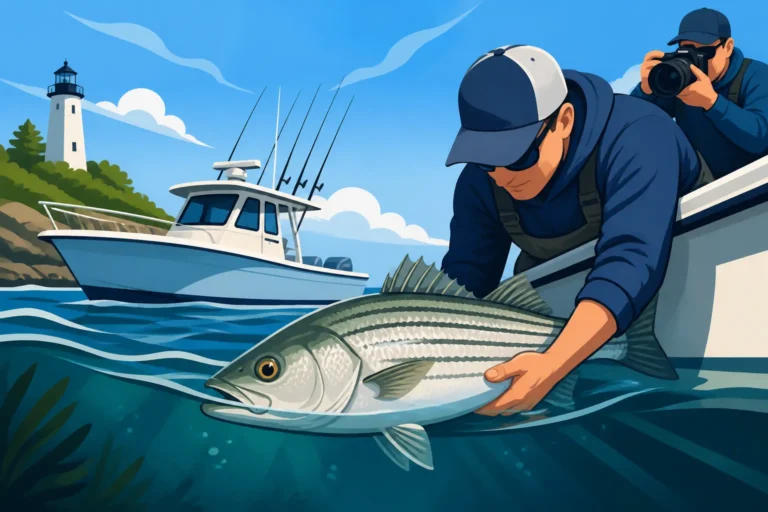
A good captain will not only ensure compliance with these rules but also demonstrate proper fish handling techniques, especially for fish intended for release. This means minimizing their time out of the water, careful unhooking, and proper resuscitation if necessary. If you plan to keep fish for dinner, most charters offer fish cleaning services, either included in the price or for a small additional fee. It's always a good idea to clarify this when booking. You should bring a cooler with ice to transport your cleaned fillets home. Knowing what to expect regarding limits and handling helps you prepare and ensures a smooth, ethical fishing trip.
Choosing the Right Charter and Making the Most of Your Trip
The decision to embark on a combo striped bass and bluefish charter in Connecticut is exciting, but picking the right charter for your needs is what truly makes the difference between a good trip and an unforgettable one. It's not just about getting on a boat; it's about finding the perfect guide and setting yourself up for success.
Researching and Booking Your Charter
Finding the best charter involves a bit of detective work. Start by looking at reputable online platforms like FishingBooker. These sites often provide detailed profiles of captains, including their vessel, what species they target, what gear they provide, and most importantly, reviews from past clients. Pay close attention to reviews that specifically mention success with both striped bass and bluefish, or praise the captain's versatility. For instance, if you're looking for Best Charters Out of Niantic Connecticut or Best Charters Out of Old Saybrook Connecticut, these platforms allow you to filter by location and read local feedback.
Once you’ve narrowed down a few options, don't hesitate to call the captains directly. This is your chance to ask specific questions:
- "What's your typical approach for a combo striped bass and bluefish trip? Do you prioritize one over the other?"
- "What kind of tackle do you use for each species, and is it suitable for larger fish?"
- "Do you provide all bait and lures, or should I bring anything specific?"
- "What's your cancellation policy for bad weather?"
A good captain will be transparent and eager to discuss your expectations. Understanding their philosophy will help you determine if their style aligns with your goals. Remember, this is an investment in your fishing experience, so take the time to choose wisely.
Preparing for Your Day on the Water
Once your charter is booked, preparation is key to a comfortable and enjoyable day. Even if the forecast looks clear, Connecticut weather can be unpredictable, especially on the water. Dress in layers, including a waterproof jacket, even in summer. The mornings can be chilly, and the spray from the boat can cool you down quickly. Sunscreen, a hat, and polarized sunglasses are absolute must-haves to protect you from the sun's glare, and they'll also help you spot fish or bait schools.
Bring plenty of water and snacks, or even a packed lunch, especially for a half or full-day trip. While some charters might offer drinks, it's always best to be self-sufficient. If you're prone to seasickness, take preventative medication well before you board – usually an hour or two prior. There’s nothing worse than having your trip ruined by nausea! Finally, bring your camera (ensure it's waterproof or in a waterproof case) to capture those memorable moments, but also be present and soak in the experience.
Maximizing Your Experience
On the day of your trip, the best way to maximize your experience is to be open-minded, enthusiastic, and respectful of your captain and crew. Listen to their instructions, as they are experts on these waters and these fish. They might suggest a technique you haven't tried or a specific spot that looks unconventional, but trust their judgment. Ask questions if you don't understand something; most captains love to share their knowledge.
Be a team player, especially if you're on a shared charter. Help celebrate others' catches, and be ready to reel in your line quickly if someone hooks into a big one to avoid tangles. Remember that fishing is called fishing, not catching, for a reason. While a good captain will put you on fish, there are no guarantees. Enjoy the scenery, the camaraderie, and the thrill of being out on the water. Finally, a note on appreciation: it’s customary to tip your captain and mate for their hard work and expertise. Tipping Etiquette for Connecticut Fishing Charters provides helpful guidelines, but a general rule of thumb is 15-20% of the trip cost if you feel they did a great job. Your gratitude goes a long way.
Here’s a quick overview of what to consider when targeting these two great species:
| Feature | Striped Bass (Striper) | Bluefish (Chopper) |
|---|---|---|
| Typical Season | Late spring to fall (peak summer/early fall) | Late spring to fall (peak summer/early fall) |
| Preferred Habitat | Structure-oriented (reefs, rips, rock piles, channels, river mouths) | Often open water, surface blitzes, current seams, bait schools |
| Fighting Style | Powerful, sustained runs; deep tug-of-war | Explosive strikes; aggressive head shakes; short, powerful bursts |
| Common Baits | Live bunker, eels, worms, squid; clam | Live bunker, spearing; cut bait |
| Common Lures | Soft plastics, bucktail jigs, topwater plugs, lipless crankbaits | Poppers, metal jigs, spoons, swimming plugs |
| Line/Leader | Heavier mono/fluoro leader, braided mainline | Wire leader or heavy mono/fluoro due to sharp teeth |
| Regulations | Slot limits often apply; strict catch & release rules | Daily possession limits |
| Eating Quality | Excellent, flaky white meat | Good, stronger flavor, best eaten fresh |
Disclaimer
This article is for general informational purposes only and does not constitute professional advice. Laws, prices and regulations vary by location and change over time. Consult a qualified professional for guidance on your specific situation.