Best guided trips for first-time fly anglers
Stepping into the world of fly fishing can feel a bit like learning a new language – all those strange terms, specialized gear, and delicate casting motions can be incredibly intimidating for first-timers. Many new anglers find themselves overwhelmed before they even make their first cast, unsure where to go, what equipment to use, or even how to properly hold a rod. This guide is designed to ease those anxieties and help you understand why a guided fly fishing trip in Connecticut is the absolute best way to kickstart your journey into this beautiful sport, connecting you with experienced professionals who can make your initial foray enjoyable and successful.
Why a Guided Fly Fishing Trip is Perfect for First-Timers in Connecticut
Let's be honest: fly fishing has a steep learning curve. It's not just about throwing a line in the water; it's an art, a science, and a dance all rolled into one. For someone brand new to it, trying to figure everything out on your own can quickly lead to frustration and perhaps even giving up before you truly experience the magic. That's where a guided trip really shines, especially here in Connecticut with our diverse and beautiful waters.
Learning the Ropes from a Pro
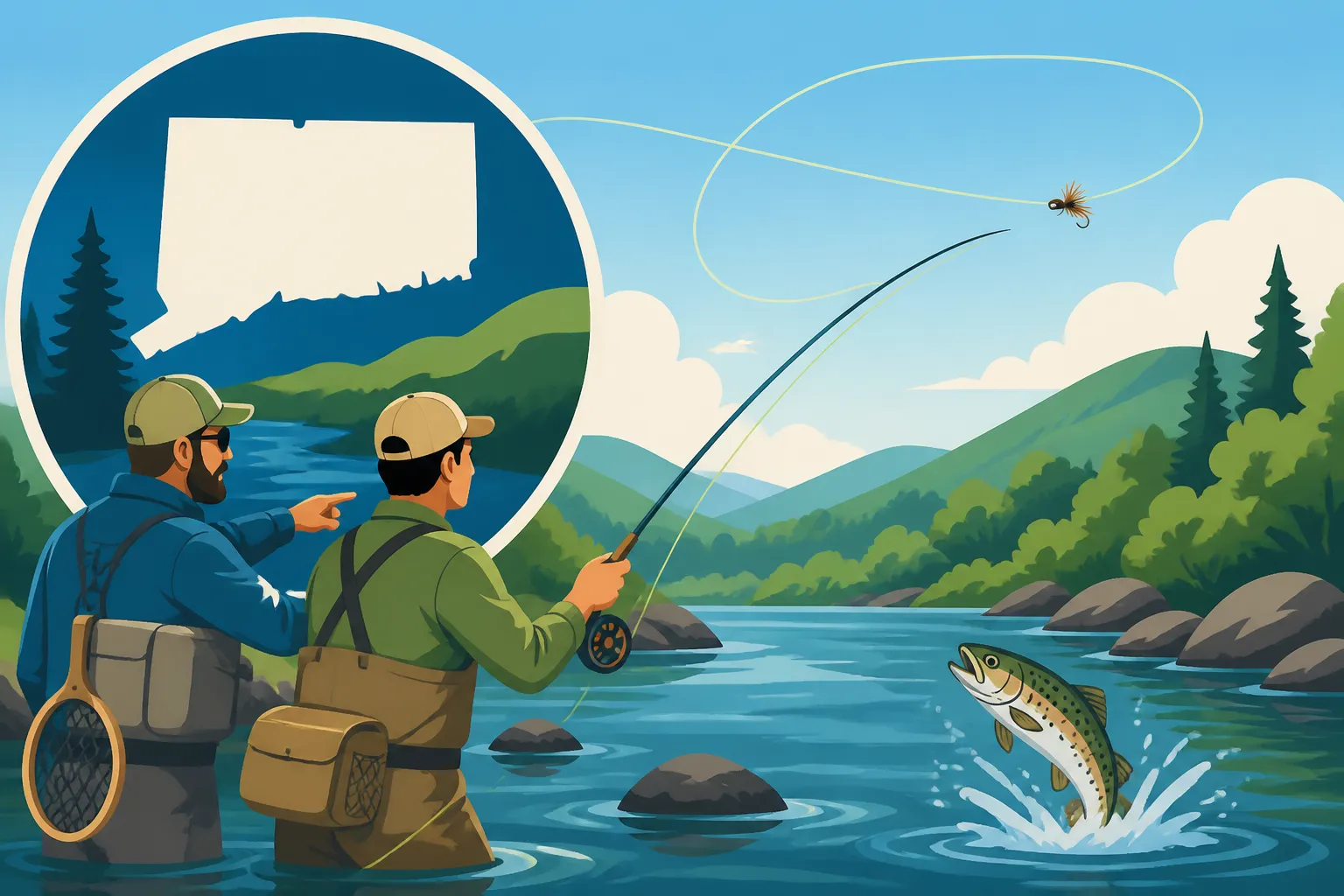
Imagine trying to learn to play the guitar by just watching YouTube videos and buying an instrument. You might pick up a few chords, but you'll likely develop bad habits and miss out on crucial techniques that a good teacher could show you in minutes. Fly fishing is very similar. A professional guide isn't just someone who knows where the fish are; they are an instructor, a mentor, and a patient coach rolled into one. They can demonstrate proper casting techniques, explain the nuances of reading the water, and teach you about entomology (bug life!) in a way that makes sense, all in real-time. This hands-on, personalized instruction is invaluable. You'll learn the proper grip, the rhythm of the cast, and how to mend your line – skills that would take months, if not years, to figure out through trial and error. They'll also explain local regulations, like those covered in Connecticut Fishing Regulations Explained, so you're always fishing responsibly.
Access to Prime Waters and Hidden Gems
One of the biggest hurdles for new anglers is simply finding good water. Connecticut has an abundance of fantastic rivers and streams, but knowing which stretches hold fish, when they're biting, and how to access them can feel like a secret society. Guides spend countless hours scouting, understanding water levels, and tracking fish movements. When you book a guided trip, you're not just getting a guide; you're getting instant access to years of accumulated local knowledge. They know the best runs, the deep pools where trout hide, and the riffles where they feed aggressively. They can often take you to private access points or less-fished public areas that you might never find on your own, significantly increasing your chances of success and providing a more serene learning environment. This is especially true for our renowned trout waters, as discussed in Best Fly Fishing Rivers in Connecticut.
All the Gear, No The Hassle
Let's face it, fly fishing gear can be expensive and overwhelming. Waders, boots, rods, reels, lines, leaders, tippets, flies – the list goes on. For a beginner, investing in all this equipment before you even know if you truly love the sport is a big commitment. The beauty of a guided trip is that most, if not all, of the necessary gear is provided. Your guide will have high-quality rods and reels perfectly matched for the local conditions, waders that fit, and a fly box filled with the exact patterns the fish are feeding on. This eliminates the upfront cost and the stress of choosing the right equipment. You can try out different rod weights and casting styles without having to buy anything, allowing you to focus purely on the experience.
What to Look For in a Connecticut Fly Fishing Guide for Beginners
Not all guides are created equal, especially when it comes to teaching first-timers. While many guides are fantastic at putting experienced anglers on fish, teaching someone from scratch requires a different set of skills: patience, clear communication, and a genuine passion for sharing the sport. When you're searching for a guide, platforms like FishingBooker can be helpful for reading reviews and comparing options, but knowing what specific qualities to prioritize is key.
Experience with Novice Anglers
This might seem obvious, but it's crucial. A guide who regularly takes out seasoned veterans might not have the patience or the teaching methodology required for someone who's never held a fly rod. Look for guides whose descriptions specifically mention catering to beginners, families, or those new to the sport. They should highlight their ability to teach casting, knot tying, and basic stream etiquette. A good guide for a first-timer will spend more time coaching and less time casting themselves, ensuring you get the most out of every moment. Don't hesitate to ask prospective guides about their experience level with completely green anglers.
Focus on Education Over Just Catching Fish
While catching fish is always a thrill, for a first-timer, the learning process should be the primary goal. A great beginner-focused guide understands this. They won't just hand you a rod and tell you where to cast; they'll explain why you're casting there, what the fish are eating, and how to present your fly naturally. They'll teach you about fish habitat, the life cycle of aquatic insects (think about topics covered in Fly Patterns for Connecticut Trout Streams), and the importance of conservation. The goal isn't just to hook a fish, but to understand the entire ecosystem and develop skills you can carry forward. They'll celebrate your first proper cast just as much as your first hooked trout.
Equipment Provided and Patient Instruction
Ensure the guide's service explicitly states that all necessary equipment is provided. This includes waders, boots, rods, reels, lines, and flies. It saves you money and ensures you have gear that's appropriate for the conditions and your skill level. More importantly, look for guides known for their patience. Learning to cast can be awkward and frustrating at first. A patient instructor will break down complex movements into simple steps, offer constructive feedback without discouragement, and have a good sense of humor. They'll be prepared to repeat instructions as many times as needed and adapt their teaching style to your individual learning pace. When researching guides on FishingBooker, pay close attention to reviews that mention a guide's patience and teaching abilities.
Top Connecticut Rivers for Beginner Fly Fishing and Guided Trips
Connecticut boasts some truly spectacular fly fishing opportunities, particularly for trout. Two rivers stand out as prime locations for first-time fly anglers, offering both abundant fish and excellent guide services. Knowing a bit about these rivers can help you choose the best setting for your initial experience. For broader context on where to cast your line, check out Connecticut Fishing Seasons by Month.
The Farmington River: A Classic Choice
The Farmington River, particularly its West Branch, is often hailed as one of the finest trout streams in the East. It's a true gem that offers a consistent fishery year-round thanks to its cold, clear waters and frequent stocking by the state. What makes it ideal for beginners, especially with a guide, is its diverse structure. You'll find long, gentle runs perfect for practicing your casting, as well as more challenging pocket water that teaches you how to read currents. Guides on the Farmington are exceptionally skilled at navigating its nuances. They can help you understand the various insect hatches, teach you drift fishing techniques, and lead you to stretches where actively feeding trout are more forgiving of a less-than-perfect cast. This river has designated Trout Management Areas (TMAs) that often have special regulations, which your guide will explain, as detailed in Connecticut Trout Management Area Regulations. Many guides offer specific trips like Best Guided Fly Fishing Trips on the Farmington River.
The Housatonic River: Diverse Opportunities
The Housatonic River, especially its upper sections and the famous Housatonic River Trout Management Area (HRTMA), offers a different but equally rewarding experience for beginners. It's a larger river in many stretches, which can feel less intimidating than smaller, brush-lined brooks. The Housatonic is known for its robust populations of brown and rainbow trout, and it's also a fantastic smallmouth bass fishery in its warmer sections. A guided trip here might involve wading, but many guides also use drift boats, allowing you to cover more water and fish from a comfortable, stable platform. This is a great way to experience different water types and learn about presenting flies in varied conditions. Guides on the "Housy" are adept at teaching fundamental skills while also exposing you to the challenges and rewards of a larger river system. They're also quite familiar with Best Guided Fly Fishing Trips on the Housatonic River options.
Smaller Streams: Intimate Learning
While the Farmington and Housatonic are stellar, Connecticut also has a myriad of smaller, lesser-known streams that can be incredibly intimate and rewarding for a first-timer. These streams often require more stealth and precise casting in tighter quarters, but they can be less intimidating than wide-open rivers. A good guide might opt for one of these smaller tributaries to focus intensely on casting accuracy and presentation, away from the pressure of other anglers. These spots are perfect for truly immersing yourself in the quiet beauty of nature while honing your skills on eager brook trout or smaller browns. The fish might not be trophies, but the satisfaction of catching a wild trout on a fly you presented perfectly is unmatched.
Preparing for Your First Guided Fly Fishing Trip
Alright, you've decided to take the plunge and book that guided trip – fantastic! Now what? A little preparation goes a long way in making sure your first experience is as smooth and enjoyable as possible. Remember, this is your journey into a lifelong passion, so embrace every moment.
What to Bring (and What Not To)
While your guide will provide most of the heavy gear, there are a few essentials you should bring to ensure your comfort and safety. Think of it like packing for any outdoor adventure, but with a fishing twist. Here's a quick checklist:
| Item | Why It's Important |
|---|---|
| Fishing License | Absolutely mandatory! Your guide can't provide this. Get it online or from a local vendor. |
| Polarized Sunglasses | Crucial for eye protection from errant hooks and to see fish and submerged structure in the water. |
| Hat | Provides sun protection and an extra layer of safety from hooks. |
| Sunscreen | Even on cloudy days, UV rays reflect off the water. Protect your skin! |
| Rain Gear | Weather can change quickly. A lightweight, waterproof jacket is a wise addition. |
| Layered Clothing | Be prepared for temperature fluctuations. Wicking materials are best. |
| Water Bottle/Snacks | Stay hydrated and energized throughout your trip. |
| Camera | Capture those memorable moments and your first fish! |
| Small Backpack | To carry your personal items. |
What not to bring? Don't bring your own fly rod or excessive tackle unless specifically instructed. Trust your guide's gear for the day. Also, avoid strong perfumes or colognes, as fish have a keen sense of smell. For a more general overview, you can also consult articles like What to Bring on a Connecticut Fishing Charter.
Setting Realistic Expectations
Your first fly fishing trip is about learning, experiencing, and enjoying nature – not necessarily about catching a trophy fish or hundreds of fish. It's totally normal to struggle with casting at first, or to miss a few bites. That's part of the process! Go into the day with an open mind, a willingness to learn, and a positive attitude. Celebrate the small victories: a smooth cast, a perfectly presented fly, or even just spotting a rising trout. Your guide will work hard to put you on fish, but ultimately, it's fishing, and success is never guaranteed. The true reward is the journey and the skills you acquire. Remember, even seasoned pros have days where the fish just aren't cooperating.
Understanding Fly Fishing Etiquette
Fly fishing, especially on busy rivers like the Farmington or Housatonic, has its own unspoken rules of etiquette. Your guide will certainly cover these, but knowing a few basics beforehand can be helpful. Always respect other anglers' space; give them plenty of room, typically at least 50-100 yards, especially if they are wading. Don't crowd someone's fishing spot. If you need to pass an angler, walk well behind them or on the opposite bank if possible. Practice catch and release, especially for wild or larger fish, and handle fish gently and quickly. Always ask your guide about specific regulations for the water you're on, such as Connecticut Trout Limit and Possession Rules. Being mindful and respectful helps ensure a pleasant experience for everyone on the water.
In conclusion, taking a guided fly fishing trip in Connecticut as a first-timer is arguably the most effective and enjoyable way to be introduced to this captivating sport. It provides expert instruction, unparalleled access to prime fishing spots, and all the necessary equipment, removing common barriers to entry. With platforms like FishingBooker, finding a suitable guide focused on beginner education is easier than ever. So, embrace the challenge, enjoy the beautiful Connecticut scenery, and get ready to cast your first fly – you might just discover a new lifelong passion.
Disclaimer
This article is for general informational purposes only and does not constitute professional advice. Laws, prices and regulations vary by location and change over time. Consult a qualified professional for guidance on your specific situation.