Connecticut Fluke and Summer Flounder Regulations
One of the most frustrating things about being a saltwater angler in Connecticut is keeping up with the ever-changing rules, especially for popular species like fluke. It feels like every season brings a new set of minimum lengths, bag limits, or open dates, making it tough to know if your catch is legal. This guide is here to break down the ins and outs of Connecticut's fluke and summer flounder regulations, helping you navigate the complexities and fish with confidence.
Understanding Connecticut's Fluke and Summer Flounder Regulations
If you've spent any time fishing the coastal waters of Connecticut, particularly Long Island Sound, you know that summer flounder, affectionately known as fluke, are a prized catch. Their delicious fillets and aggressive strikes make them a favorite among both recreational and commercial anglers. However, the joy of catching a beautiful fluke can quickly turn to anxiety if you’re unsure about the current regulations. These rules are designed not just to make your life harder, but to ensure that these incredible fish populations remain healthy and abundant for future generations to enjoy.
Why Regulations Matter for Fluke Fishing
The world of fisheries management can feel like a labyrinth, but at its core, the regulations for fluke are all about sustainability. Fluke are a migratory species, traveling up and down the Atlantic coast, and their populations face pressure from both recreational and commercial fishing. Without careful management, overfishing could severely impact their numbers, leading to a decline that would be felt by every angler in the state. Think about it: if everyone kept every fluke they caught, regardless of size or number, how long would it be before we saw a significant drop in catches? These rules are a delicate balance, aiming to allow anglers to enjoy their sport while also protecting the species' ability to reproduce and thrive. It’s a collective responsibility, and understanding the "why" behind the rules can make it a little less frustrating when you have to release a fish that's just shy of the legal limit. It ties directly into the broader effort of Connecticut Saltwater Fishing Regulations by Species, ensuring each popular marine species is managed effectively.
The Dynamic Nature of Fluke Rules
Unlike some freshwater species where the rules might stay consistent for years, saltwater regulations, especially for migratory fish like fluke, are often subject to annual review and change. This dynamic nature is a direct response to scientific data, stock assessments, and input from various regional councils like the Atlantic States Marine Fisheries Commission (ASMFC) and the Mid-Atlantic Fishery Management Council (MAFMC). These bodies monitor the health of fluke populations across their entire range, from North Carolina to Massachusetts, and make recommendations that trickle down to individual states, including Connecticut.
What does this mean for you, the angler? It means that the rules you followed last year might not be the exact same this year. You absolutely cannot rely on outdated information. Changes often occur due to fluctuations in fish abundance, changes in recruitment (how many young fish survive to adulthood), or even evolving environmental conditions. It’s a constant adaptation to what the fish populations are actually doing. This is why staying current, often by checking the Connecticut Department of Energy and Environmental Protection (DEEP) website or official publications, is paramount. You really need to read the Connecticut Fishing Regulations Explained every year, especially for saltwater species.
Key Regulatory Components for Fluke Anglers
When you're out on Long Island Sound, whether you're drifting a Berkley Gulp! or jigging for fluke, there are three primary regulatory components you need to commit to memory: minimum length, daily creel/possession limits, and the open season dates. These are the cornerstones of fluke management and are enforced strictly to maintain a healthy fishery. Getting these wrong can lead to fines and a ruined day on the water.
Minimum Length Requirements
The minimum length requirement for fluke is perhaps the most critical rule to understand. This isn't just an arbitrary number; it's scientifically determined to ensure that most fluke have had a chance to spawn at least once before they can be legally harvested. For many species, larger fish are more prolific spawners, contributing significantly more to the next generation. For fluke, which are known to grow to impressive sizes, letting the smaller ones go ensures they have a chance to mature and reproduce.
In Connecticut, this minimum length can vary slightly from year to year based on federal and regional assessments. Typically, you'll find that a fluke needs to be at least 19 inches to be legal. You absolutely need a reliable measuring device on your boat or in your tackle box. Don't eyeball it! A soft tape measure or a marked cooler lid can save you a lot of grief. If you catch a fish that's even a hair short, it needs to go back into the water immediately and with minimal harm. The goal is to send them back healthy so they can grow up and potentially be caught again when they are legal. This plays a huge role in the overall Fluke Habits in Long Island Sound and their lifecycle.
Daily Creel and Possession Limits
Beyond just the length, there's also a limit on how many fluke you can keep per day. This is known as the daily creel limit. This rule helps distribute the catch more evenly among anglers and prevents a small number of individuals from taking an excessive number of fish. Imagine if there were no limits—some anglers might keep dozens of fish, depleting local stocks much faster.
Currently, the daily creel limit for fluke in Connecticut is typically 4 fish per person per day. This means that once you've landed your four legal-sized fluke, your fluke fishing for the day is done. Any additional fluke you catch, even if they're well over the minimum length, must be released unharmed. The possession limit often mirrors the daily creel limit, meaning you can't have more than four legal fluke in your cooler, car, or home freezer that were caught in Connecticut waters. This is important if you're fishing multiple days or combining trips. Always ensure you only possess what is legally allowed. These regulations are sometimes influenced by the average size of fish, which can be found in resources like Fluke Average Size in Long Island Sound.
Defining the Fishing Season for Fluke
The fishing season for fluke isn't open all year round. There's a specific window of time when you are allowed to target and harvest these fish. This seasonal closure is another vital management tool, often designed to protect fluke during critical periods like spawning or when they are particularly vulnerable during certain migration patterns. For fluke, the season typically runs through the late spring, summer, and into early fall.
For example, a common season might start in mid-May and run through late September or early October. These dates can shift slightly each year, so it's always critical to confirm the precise start and end dates before you head out. Fishing for fluke outside of the designated season, even if you're just catching and releasing, can be problematic. The Connecticut DEEP website is your best friend for verifying these dates. Just a quick search for "Connecticut fluke regulations" will usually lead you to the most current information. The seasonal aspect directly dictates the Best months to catch fluke in Connecticut.
| Fluke Regulation Category | Typical Requirement (as of 2024-2025) | Notes for Anglers |
|---|---|---|
| Minimum Length | 19 inches | Always carry a reliable measuring device. Release fish immediately if short. |
| Daily Creel Limit | 4 fish per person | Once you keep 4 legal fluke, any additional fluke caught must be released. |
| Possession Limit | 4 fish per person | Matches the daily creel limit. Do not possess more than this amount from CT waters, even across multiple days or locations. |
| Fishing Season | Mid-May to late-September (approx.) | Dates are subject to annual change. Always check the official CT DEEP website before heading out. Seasonal closures protect spawning and vulnerable populations. |
Note: The typical requirements listed are based on recent years but are subject to change. Always consult the official Connecticut DEEP marine fishing regulations before your trip for the most up-to-date information.
Gear Restrictions and Best Practices
While fluke regulations primarily focus on length and limits, there are also considerations around the gear you use and how you handle fish. These aren't always strict "regulations" in the sense of being enforceable laws, but rather best practices encouraged by fisheries managers to minimize harm to released fish and promote responsible angling. For those who are passionate about conservation, these details are just as important as the legal limits.
Circle Hooks and Fluke Fishing
You might have heard a lot about circle hooks, especially in relation to striped bass fishing in recent years. While they are a mandatory requirement for certain species like striped bass when using bait, their use for fluke is generally a strong recommendation rather than a strict law in Connecticut. Circle hooks are designed to hook fish in the corner of the mouth, significantly reducing the chance of gut-hooking. This is crucial for fish that you intend to release, as gut-hooked fish have a much lower survival rate.
Even if not explicitly mandated for fluke, using circle hooks, especially when bait fishing with squid strips or spearing, is a fantastic practice. It shows a commitment to conservation and helps ensure that those undersized or over-limit fluke swim away strong. Brands like Gamakatsu and Owner offer excellent circle hook options that can be easily found at local tackle shops or even online at retailers like Amazon. When you’re Jigging for Fluke in Long Island Sound, the type of jig head may not be a circle hook, but for traditional bait rigs, it’s worth considering.
Best Practices for Catch and Release
Beyond the hooks, how you handle a fish you intend to release makes all the difference. We've all seen anglers mishandle fish, and it’s a cringe-worthy sight. For fluke, which are somewhat delicate, mindful handling is crucial.
Here are a few tips:
- Minimize Air Exposure: Fluke, like all fish, need water to breathe. Keep them in the water as much as possible, especially if you're just measuring and releasing.
- Wet Hands: If you must handle the fish, wet your hands thoroughly first. Dry hands can remove the fish's protective slime coat, making it vulnerable to disease.
- Support the Fish: Don't hold a fluke by just its tail or by sticking your fingers in its gills. Support its body horizontally, especially if it's a larger fish.
- Use a Dehooker: A dehooking tool, readily available at most tackle shops or from online stores like Amazon, allows you to remove hooks quickly and efficiently without having to grasp the fish directly. This is particularly useful if the hook is deep.
- Revive If Necessary: If a fish looks sluggish upon release, hold it gently in the water, facing into a mild current, until it regains its strength and can swim away on its own.
These practices, while not legally binding for fluke, reflect responsible angling and contribute significantly to the health of the fishery.
Staying Informed: Official Sources and Resources
Given the constantly evolving nature of fishing regulations, relying on old knowledge or hearsay is a recipe for trouble. You absolutely need to consult official sources. The Connecticut DEEP is the primary authority for all fishing regulations within the state, and they work hard to make this information accessible to the public.
Navigating the CT DEEP Website
The Connecticut Department of Energy and Environmental Protection (CT DEEP) website is the single most reliable source for up-to-date fishing regulations. It's designed to be user-friendly, although sometimes finding that specific page can feel like a treasure hunt.
Here’s how to usually find what you need:
- Start with the main DEEP page: Look for sections related to "Boating and Fishing" or "Fisheries."
- Find "Marine Regulations" or "Saltwater Fishing Regulations": This is where you'll find the specific rules for species like fluke, striped bass, black sea bass, and others. For example, you’ll see specific information on Connecticut Black Sea Bass Regulations for 2026 in the same section.
- Look for the Annual Guide: DEEP publishes an annual Angler's Guide, often in PDF format, that compiles all current regulations. This is an invaluable resource, often updated right before the fishing season kicks off.
Bookmark these pages! Make it a habit to check them at the beginning of each fishing season, and even periodically throughout the year, especially if you hear whispers of potential changes.
Other Ways to Access Regulation Information
While the DEEP website is king, it’s not the only way to get your hands on the rules.
- Printed Guides: Many tackle shops, particularly those along the Connecticut shoreline, will have free printed copies of the annual Connecticut Angler's Guide. These are often sponsored by local businesses and are convenient to grab. Some anglers even prefer a physical copy they can mark up or store in their tackle box, and you might even find copies or similar guides for sale on platforms like Amazon.
- License Vendors: When you purchase your Connecticut Fishing License Guide for 2026 or renew your existing one, whether online or in person, regulation summaries are often provided or made available. This is a great reminder to check the rules. You can also explore options like How to Buy a Fishing License Online in Connecticut or understand Printing or Carrying a Digital Fishing License in Connecticut which might include digital access to regulations.
- Local Tackle Shops: These shops are often hubs of local fishing knowledge. The staff there usually know the regulations inside and out and can offer advice. They're often the first to hear about any changes or clarifications.
- Fishing Forums and Social Media Groups: While these can be great for sharing information and tips, always exercise caution. Information shared here might be outdated or misinterpreted. Always cross-reference with official DEEP sources. Use these as discussion points, not as definitive guides.
Common Challenges and Misconceptions
Even with all the resources available, anglers still run into common challenges and misconceptions when it comes to fluke regulations. These often stem from misidentification, fishing across state lines, or simply misunderstanding the nuances of the rules. Clearing these up can save you a headache and potential legal issues.
Distinguishing Fluke from Other Flatfish
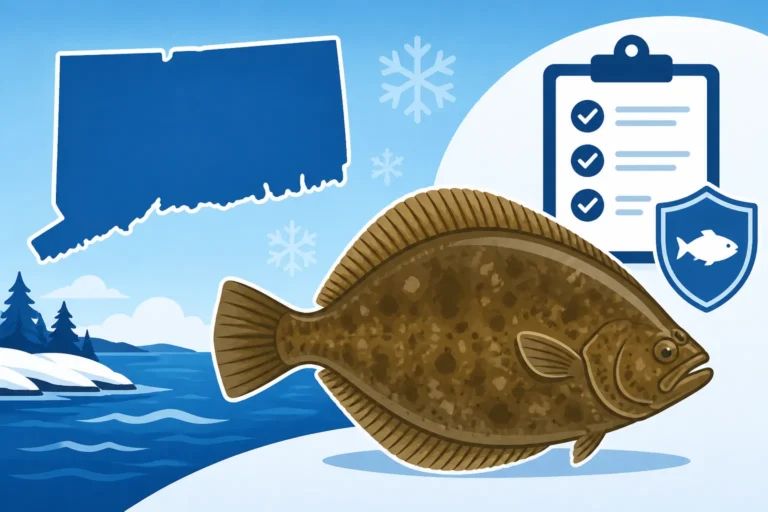
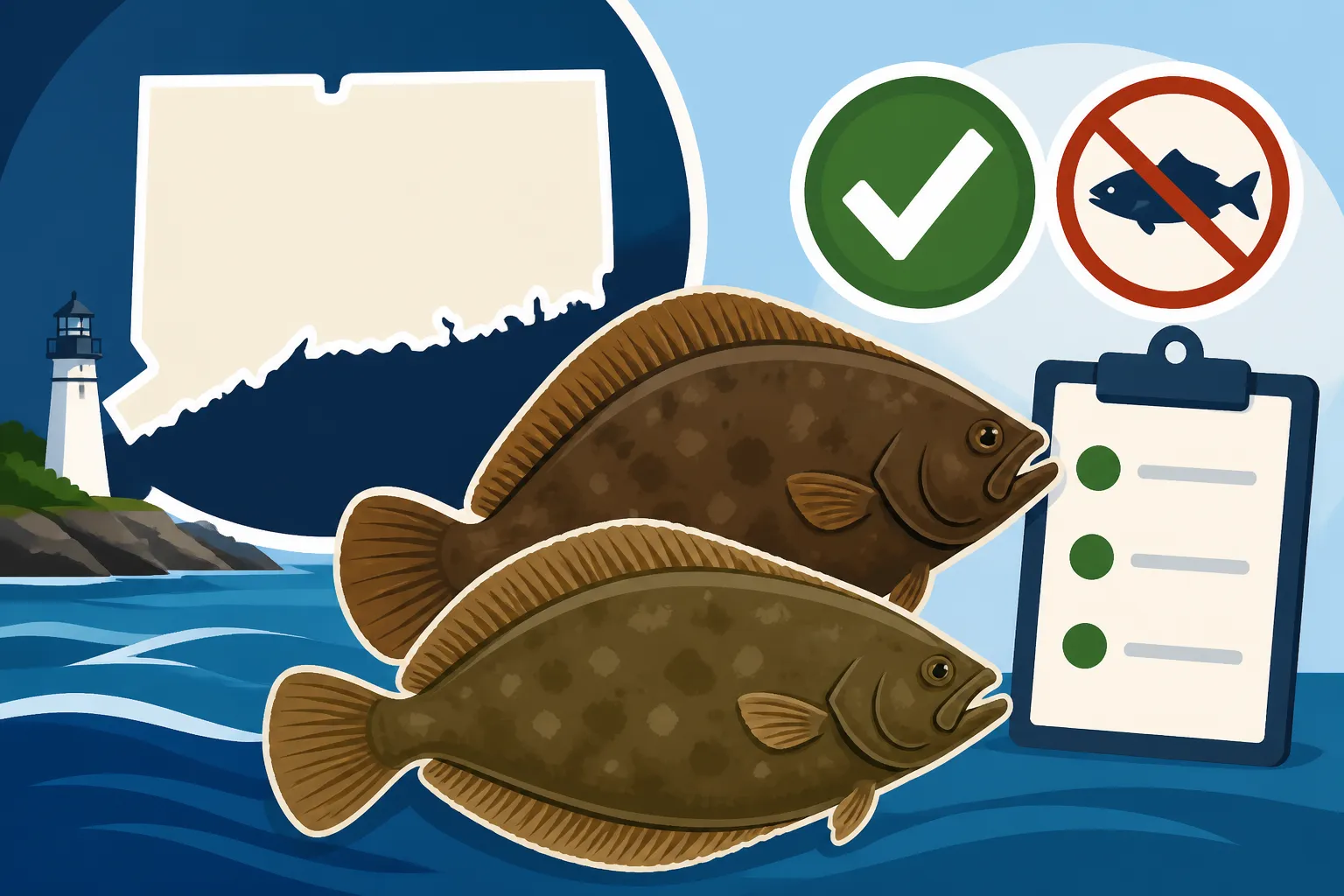
One of the biggest challenges, especially for newer anglers, is telling a fluke (summer flounder) apart from other flatfish species. Connecticut waters are home to several flatfish, including winter flounder (blackback flounder) and sometimes even smaller dab or sole species. Each of these can have different regulations, or in some cases, no specific regulations if they're not a commonly targeted game fish.
The key to distinguishing fluke:
- Eyes on the Left: Fluke are "left-eyed" flounder. This means if you hold the fish with its dark side up and its mouth pointing away from you, its eyes will be on the left side of its head. Winter flounder, on the other hand, are "right-eyed."
- Large Mouth: Fluke have a relatively large mouth with prominent teeth, adapted for ambushing baitfish. Winter flounder have a much smaller mouth, indicating they feed on smaller invertebrates.
- Distinct Spots: Fluke often have five or so distinct, dark "eye-spots" or ocellated spots on their darker, upper side. While their color can vary with their surroundings, these spots are usually a good indicator.
Mistaking a small fluke for another flatfish can happen, but it’s vital to get it right. If you're unsure, it’s always better to release the fish. Take a moment to really look at your catch and confirm its identity before deciding whether to keep it. The Long Island Sound Fishing Guide may offer insights into the different species you can expect to encounter.
Interstate Waters and Reciprocity
Connecticut shares Long Island Sound with New York, and the Connecticut River runs up into Massachusetts. This can lead to confusion when it comes to fishing licenses and regulations, especially if you're venturing close to state lines. Do Connecticut regulations apply, or New York's?
- Long Island Sound: Generally, if you launch from a Connecticut port and are fishing in Connecticut waters (which extend a certain distance offshore), you adhere to Connecticut regulations. The same applies if you launch from New York and are in New York waters. There isn't a blanket reciprocity for regulations, so you need to know which state's jurisdiction you're in. For example, New York's fluke regulations might differ slightly in length or season. If you are fishing on a charter out of a CT port, you'll be under CT rules, regardless of where the boat ventures. This is a topic often discussed by anglers wondering about the specifics of Connecticut fishing license age requirements if they're crossing borders with younger anglers.
- Connecticut River: For the Connecticut River, the rules are usually straightforward: if you're in the Connecticut section of the river, you follow Connecticut's inland or marine regulations, depending on your location on the river. There typically isn't a complex reciprocity agreement for regulations across state lines for species like fluke, as fluke are primarily a marine species that don't travel far up freshwater rivers. For other species, it’s a good idea to research Connecticut Fishing License Reciprocity on the Connecticut River with Massachusetts.
The safest bet when fishing near a state border is to possess licenses for both states if you plan on crossing into their waters, and always adhere to the most restrictive regulations if you're unsure of your exact location or jurisdiction.
Impact of Regulations on Fluke Conservation
It's easy to view fishing regulations as obstacles, but they are, in fact, the backbone of conservation efforts. Without them, even the most robust fisheries would quickly collapse under the pressure of recreational and commercial harvesting. Understanding the larger picture of conservation helps us appreciate why these rules, even when they seem inconvenient, are absolutely necessary.
The Role of Anglers in Fluke Sustainability
As anglers, we are not just consumers of the resource; we are also its most passionate stewards. Every time we adhere to a minimum length, release an over-limit fish carefully, or respect a closed season, we are directly contributing to the sustainability of the fluke population. It’s a collective effort, and individual actions really do add up.
Consider the immense popularity of fluke fishing. If even a small percentage of anglers disregarded the rules, the impact would be significant. By contrast, if everyone commits to responsible angling, we create a powerful force for conservation. This includes:
- Reporting Violations: If you witness someone clearly violating regulations, reporting it to the CT DEEP Environmental Conservation Police (EnCon Police) is a responsible act. This isn't "snitching"; it's protecting a shared resource.
- Educating Others: Share your knowledge with newer anglers, especially kids. Teach them the importance of regulations and proper catch-and-release techniques.
- Advocating for Conservation: Participate in local angler groups or conservation organizations that advocate for healthy fisheries and sound management practices.
Ultimately, the future of fluke fishing in Connecticut rests heavily on the commitment of its anglers.
Future Outlook for Fluke Fishing in Connecticut
The future of fluke fishing in Connecticut is constantly being assessed. Stock assessments are conducted regularly to determine the health of the overall population across its Atlantic range. These assessments look at population size, reproductive rates, fishing mortality, and environmental factors. Based on these findings, regional and state managers adjust regulations to achieve sustainability goals.
There's always a tension between maximizing fishing opportunities and ensuring the long-term health of the stock. Sometimes, this means stricter regulations are put in place if the stock is deemed to be struggling. Other times, if the population is robust, regulations might be slightly relaxed. The goal is always a healthy, self-sustaining population that can support both recreational and commercial fishing for generations. While no one can predict the exact future, active management and responsible angling practices mean there's a good chance we'll continue to enjoy chasing these delicious flatfish in Long Island Sound Fishing Guide for years to come.
Disclaimer
Please remember that fishing regulations, especially for marine species like fluke, are subject to change without notice. While this guide provides the most current and typical information, it is your responsibility as an angler to always consult the official Connecticut Department of Energy and Environmental Protection (DEEP) website or the latest Connecticut Angler's Guide before engaging in any fishing activity. The author and publisher are not responsible for any violations or consequences resulting from outdated or misinterpreted information.