Why the Housatonic River closes to fishing in summer
It's incredibly frustrating when you're geared up for a day of fishing on one of Connecticut's most iconic rivers, the Housatonic, only to find out certain sections are closed in the summer. This isn't some arbitrary rule, but a vital conservation effort. This guide will dive deep into the specific reasons behind these summer closures, helping you understand the "why" and equipping you with alternative strategies so your angling adventures never have to stop.
The Critical Reason for Summer Fishing Closures on the Housatonic
Many anglers, especially those new to the area or just visiting, often wonder why a perfectly good river like the Housatonic would shut down during prime summer months. It seems counterintuitive, doesn't it? But the truth is, this isn't about keeping people off the water; it's about safeguarding the very fish we love to catch, particularly the trout populations that call the Housatonic home.
The Peril of Warm Water Temperatures for Trout
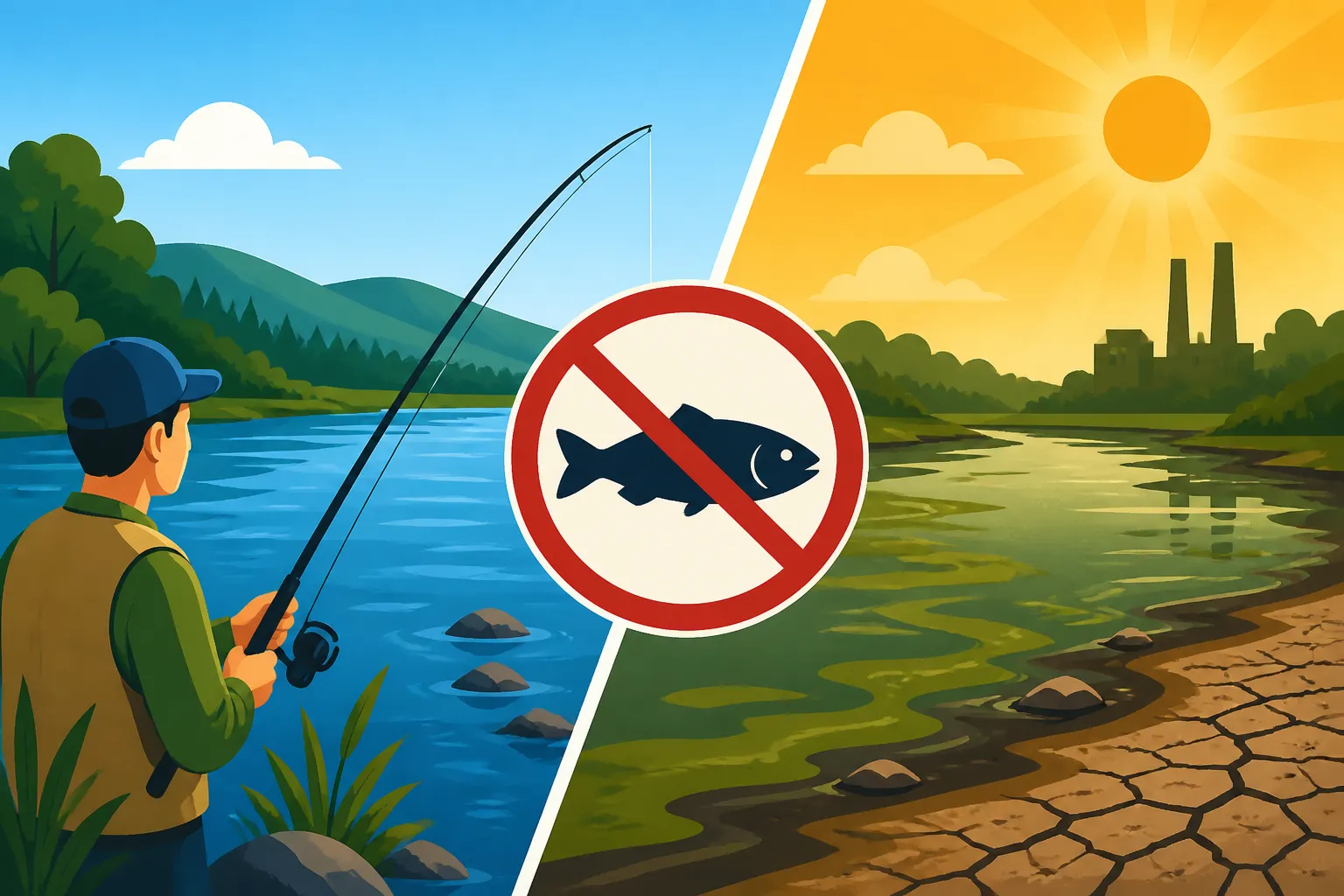
Trout, especially species like brown trout and rainbow trout which are prevalent in the Housatonic, are incredibly sensitive to water temperature. Unlike some other fish that can tolerate a wider range, trout thrive in cold, oxygen-rich water. When summer rolls around and the sun beats down, river temperatures can soar. Once the water temperature consistently climbs above 68-70 degrees Fahrenheit, trout become severely stressed.
Imagine trying to run a marathon in a sauna – that's essentially what it's like for a trout in overly warm water. Their metabolic rate increases dramatically, requiring more oxygen, but warm water holds significantly less dissolved oxygen than cold water. This creates a dangerous double-whammy: the fish need more oxygen but there's less available. This physiological stress makes them highly vulnerable to disease, exhaustion, and even death. Even if a fish looks lively after being caught and released, the cumulative stress from being hooked, fought, and handled in warm water can be fatal later on. The Connecticut Department of Energy and Environmental Protection (DEEP) has done extensive research on this, and their findings consistently point to thermal stress as a major factor in trout mortality during warmer months. This is particularly true for larger, more mature trout that require more oxygen and are often targeted by anglers. You can learn more about these critical environmental factors in our guide on What water temperature trout need to survive.
Connecticut DEEP's Proactive Conservation Efforts
Recognizing this critical vulnerability, the Connecticut DEEP implements a proactive conservation strategy: seasonal closures. These aren't just guesses; they're based on rigorous monitoring and scientific data. DEEP biologists regularly monitor water temperatures throughout the Housatonic River system. When temperatures reach a critical threshold, typically around the mid-60s, the decision to close certain sections to fishing is made.
This isn't a measure to punish anglers; it's a measure to protect the fishery. By temporarily closing sections, DEEP ensures that trout are not subjected to the additional stress of being caught and handled when they are already struggling to survive. It allows them a crucial period of respite to recover and endure the hottest parts of the summer. This foresight helps maintain healthy, robust trout populations for anglers to enjoy during the cooler seasons. It’s part of a broader commitment to sustainable fishing, aligning with guidelines detailed in the Connecticut Fishing Regulations Explained.
Understanding the Specifics of the Housatonic River Closure
The Housatonic River is a long and diverse waterway, so understanding which sections are affected and when is key. It's not a blanket closure for the entire river, but rather targeted sections that hold the most vulnerable trout populations.
The Affected Section and Timing
The most commonly affected section of the Housatonic River is its famous Trout Management Area (TMA) from the Cornwall Bridge to the confluence with the Still River in New Milford. Specifically, the segment from the Cornwall Bridge downstream to the Housatonic River Walk in Falls Village (just above the Great Falls Dam) is typically the one that sees this seasonal closure. This specific stretch is well-known for its excellent trout fishing, including wild brown trout and stocked fish, making it a critical area for conservation.
The closure usually commences around June 15th and extends through September 15th, though these dates can shift slightly based on actual environmental conditions. DEEP will issue official announcements, so it's always best to check their website or the latest Reading the Connecticut Fishing Guide for the most up-to-date information before planning your trip. Anglers often keep a close eye on the thermometer apps for this area, knowing that if the mercury starts to consistently creep up, the closure is likely imminent. This specific closure is often highlighted in our Connecticut Housatonic River Seasonal Closure Explained resource.
Regulations and Enforcement During the Closure
When a section of the Housatonic River is under a seasonal closure, it means all fishing is prohibited within that designated area for the specified period. This isn't just a suggestion; it's a legal regulation. Anglers found fishing in a closed section can face significant penalties, including fines and potential suspension of their fishing license. Environmental Conservation Police Officers (ENCON Police) actively patrol these areas to ensure compliance, understanding that adherence to these rules is vital for the long-term health of the river's ecosystem.
The purpose is clear: to eliminate any human-induced stress on the trout during their most vulnerable time. This allows the fish to conserve energy, reduces post-release mortality, and helps maintain a robust population for when the waters cool down. Respecting these closures is a fundamental part of responsible angling and contributes directly to the sustainability of this cherished fishery. You can find more details about specific rules for these unique areas in the Connecticut Trout Management Area Regulations.
What Anglers Can Do During the Summer Closure
Okay, so your favorite stretch of the Housatonic is closed. It’s a bummer, absolutely. But here in Connecticut, we’re spoiled for choice when it comes to fishing! A closure on one river doesn't mean you have to hang up your waders for the summer. It's an opportunity to explore new waters, target different species, or hone a different set of skills.
Exploring Alternative Fishing Opportunities in Connecticut
While the Housatonic’s trout may be off-limits, Connecticut offers a treasure trove of other fishing experiences. If you're still craving that freshwater action, many of our lakes and ponds hold thriving populations of warm-water species like largemouth bass, smallmouth bass, northern pike, pickerel, and a variety of panfish such as perch and sunfish. Lakes like Candlewood Lake, Bantam Lake, and Lake Lillinonah are renowned for their bass fishing, providing exciting action throughout the summer. You can find comprehensive guides on Best Fishing Lakes in Connecticut or even how to specifically target How to Catch Largemouth Bass in Connecticut.
For those who prefer moving water, many rivers and streams are open for smallmouth bass fishing, which can be incredibly dynamic and fun, especially with lighter tackle. The lower sections of rivers that drain into Long Island Sound also offer excellent opportunities for species like striped bass and bluefish, providing a thrilling saltwater experience from either boat or shore. Head down to the shoreline and explore the numerous coves, beaches, and jetties. There's plenty of striped bass action to be had, often accessible right from the beach. Check out our Long Island Sound Fishing Guide for more ideas.
Preparing for the Fall Reopening and Future Seasons
The summer closure isn't just downtime; it's prime prep time! Use these months to get your gear in tip-top shape. This is an excellent opportunity to deep clean your reels, replace old fishing line – which can degrade over time, especially monofilament – and stock up on terminal tackle. You might find great deals on new leader material, hooks, and sinkers on platforms like Amazon.
Consider researching new techniques you'd like to try for the fall reopening. If you've always wanted to try fly fishing, maybe now is the time to start practicing your cast in the backyard. There are fantastic resources for Fly Fishing for Trout in Connecticut that can get you started. Or perhaps you want to tie your own flies, a rewarding skill that can fill those summer evenings. Fall trout fishing on the Housatonic, once it reopens and the water temperatures drop, can be absolutely phenomenal. Planning ahead for specific hatches or baitfish movements will give you a significant advantage. This period can also be a good time to review your Connecticut Trout Season and Stocking Rules for the upcoming seasons.
Long-Term Impact and How Anglers Can Help
The seasonal closure of the Housatonic River for trout fishing isn't just about getting through a tough summer; it's an investment in the future of the fishery. When we respect these conservation efforts, we’re actively contributing to the health and vitality of a resource that brings so much joy to so many.
The Benefits of Conservation for the Housatonic Ecosystem
These summer closures provide an essential respite for the entire river ecosystem. By reducing human disturbance and eliminating angling pressure during critical periods of thermal stress, trout populations have a much higher chance of survival. This means more fish will live to spawn, contributing to natural reproduction and genetic diversity within the river. A healthier fish population means a more robust food web and overall ecosystem.
When the river reopens in the fall, you’re not just casting for fish; you're casting for a stronger, more resilient population. Anglers benefit directly from these measures with better catch rates and the opportunity to pursue larger, healthier fish. It’s a powerful testament to how small, temporary sacrifices lead to significant, long-term gains for both the fish and the fishing community. This cyclical health of the river is a reason why the Housatonic is considered one of the Best Trout Streams in Connecticut.
Responsible Angling Practices Year-Round
Even when the Housatonic is open, practicing responsible angling is crucial, especially when water temperatures are on the warmer side of the trout's comfort zone. Always carry a small fishing thermometer with you. If you notice water temperatures approaching the high 60s, consider changing your target species or moving to cooler, deeper waters if available. If you must fish for trout in marginal temperatures, employ stringent catch-and-release practices:
- Handle fish minimally: Keep the fish in the water as much as possible.
- Use wet hands: Never touch a fish with dry hands, as it removes their protective slime coat.
- Barbless hooks: These make for quick, easy releases. You can easily find barbless hooks or tools to crimp barbs on standard hooks on Amazon.
- Revive gently: Hold the fish facing upstream in the current until it swims away under its own power.
- Cut the line: If a hook is deeply embedded and removal would cause more harm, sometimes it’s best to simply cut the line as close to the hook as possible.
Beyond individual actions, consider supporting organizations that advocate for river conservation and healthy fisheries. Engaging with local fly fishing clubs, conservation groups, or even directly with the DEEP can help ensure that future generations will continue to enjoy the incredible fishing opportunities the Housatonic River provides. Remember that every angler plays a part in protecting our natural resources. For guidance on appropriate gear for catch and release, resources like Amazon offer a wide range of products designed for minimal fish handling.
Here's a quick overview of what we've discussed regarding Housatonic River summer closures:
| Aspect | Description | Typical Timing | Conservation Benefit |
|---|---|---|---|
| Primary Reason | High water temperatures stress trout by reducing dissolved oxygen and increasing metabolic rates, leading to potential mortality. | Summer (June-Sept) | Protects trout from thermal stress and exhaustion. |
| Affected Section | Trout Management Area (TMA) from Cornwall Bridge to Falls Village (or specific sections as announced by DEEP). | June 15 – Sept 15 | Focuses protection on key trout habitats. |
| Regulation Type | All fishing prohibited in designated sections. Violations carry fines and license repercussions. | Legal Requirement | Ensures complete rest and recovery for fish. |
| Alternative Activities | Target warm-water species (bass, panfish) in lakes/ponds, or saltwater species (striped bass, bluefish) in Long Island Sound. Prep gear for fall. | Year-round options | Keeps anglers active while respecting closures. |
| Angler Responsibility | Check DEEP announcements, carry a thermometer, practice careful catch-and-release (wet hands, barbless hooks, quick release) even when open, support conservation. | Year-round commitment | Contributes to long-term health of the fishery. |
Disclaimer
The information provided in this guide is for general informational purposes only and is subject to change. Fishing regulations in Connecticut, including specific closure dates and affected areas, are set by the Connecticut Department of Energy and Environmental Protection (DEEP) and can be updated annually or as conditions warrant. Always consult the official Connecticut DEEP fishing regulations and advisories before planning your fishing trip to ensure compliance with the most current rules and to ensure your safety.