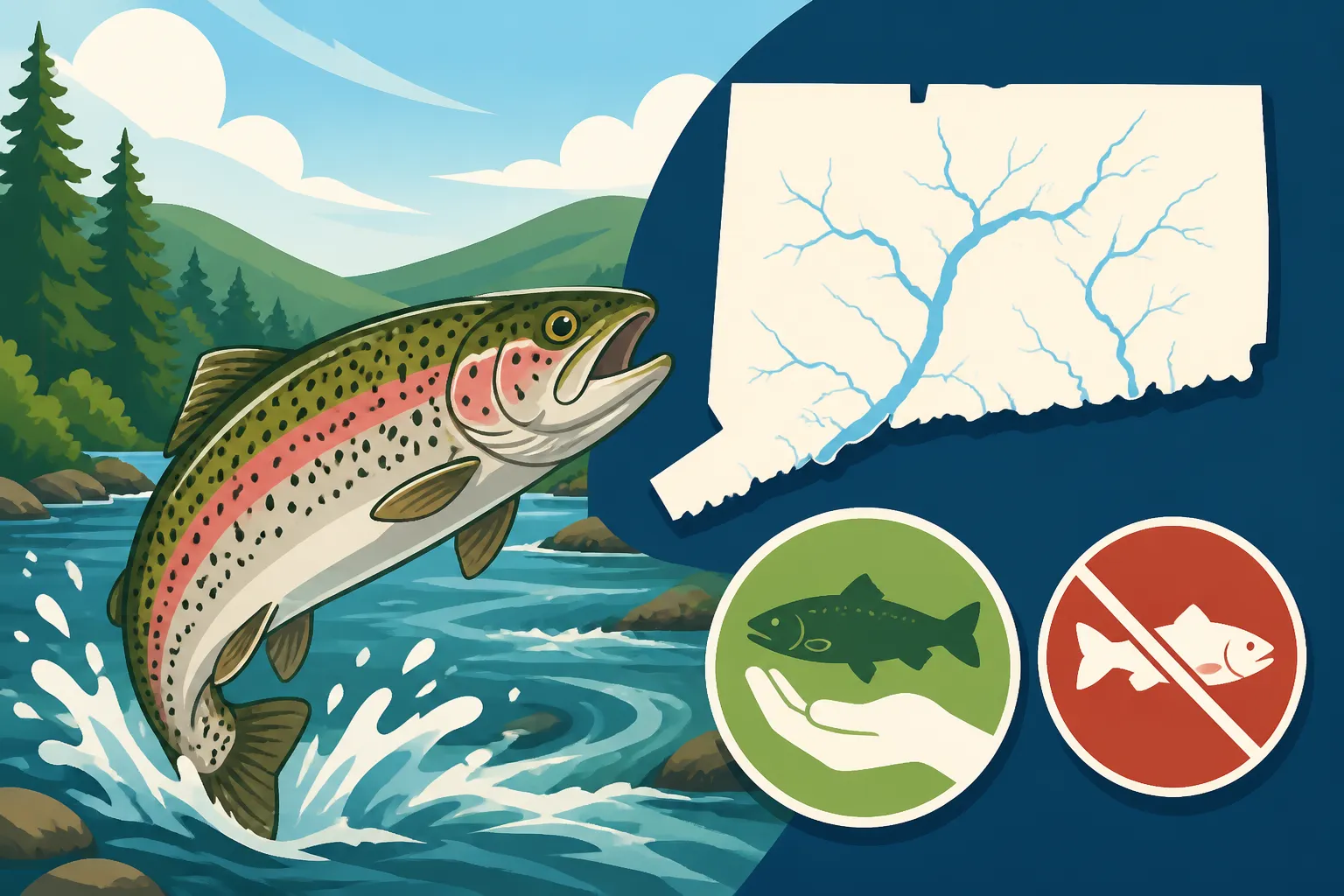
Connecticut trophy trout stream harvest rules by river
Navigating the specific harvest rules for Connecticut's trophy trout streams can feel incredibly complicated, especially when you’re just trying to enjoy a peaceful day on the water. It's not always clear which rivers have special rules, what those rules entail, or how they differ from general statewide regulations. This guide is designed to cut through that confusion, providing a comprehensive breakdown of the specific harvest rules for Connecticut's premier trout fishing rivers.
Understanding Connecticut's Trophy Trout Stream Designations
Connecticut is blessed with some truly incredible trout fishing opportunities, and a big part of that comes from the strategic management of certain waterways. When we talk about "trophy trout streams," we're often referring to specific sections of rivers and streams that the Connecticut Department of Energy and Environmental Protection (DEEP) manages with a focus on producing larger fish or providing unique angling experiences, often through a combination of stocking, habitat work, and specialized regulations.
What Makes a Waterbody a Trophy Trout Stream?
The DEEP's goal for these specially designated areas, often referred to as Trout Management Areas (TMAs) or Wild Trout Management Areas, isn't just about stocking more fish. It's about creating an environment where trout, particularly brown trout and rainbow trout, can grow to impressive sizes, offering anglers a shot at a truly memorable catch. These areas are managed differently than your average stocked pond or stream. You'll often find that the stocking protocols prioritize fewer, larger fish or that the habitat naturally supports substantial holdover trout. This careful management means that while you might not catch a fish on every cast, the ones you do hook have a much higher chance of being that trophy-sized specimen you've been dreaming about. The emphasis here is on quality over sheer quantity, creating a challenge and a reward that keeps anglers coming back year after year. For those interested in where these magnificent fish come from, you can check out the Connecticut Interactive Trout Stocking Map, Explained to see specific stocking locations.
General Regulations for Trophy Trout Streams
Before we dive into the nitty-gritty of individual rivers, it's crucial to understand that many of Connecticut's trophy trout streams, particularly those designated as Trout Management Areas, operate under a set of rules that often deviate significantly from the general statewide Connecticut Fishing Regulations Explained. These differences are put in place to protect the larger, more vulnerable fish populations and ensure the quality of the fishing experience. You'll frequently encounter restrictions on bait (often artificial lures and flies only), hook types (barbless hooks are common), and very specific catch-and-release or limited harvest windows. The season dates might also be extended or altered compared to the traditional Connecticut Trout Season and Stocking Rules, allowing for year-round angling in some sections, albeit with strict rules outside the typical harvest periods. It’s imperative to always consult the current official Connecticut Angler’s Guide because these rules can, and do, change periodically. Ignoring these specific regulations, even unintentionally, can lead to stiff penalties, including fines for Fishing Without a License in Connecticut: Penalties or for violating catch limits.
Specific Trophy Trout Stream Harvest Rules by River
Now, let's get down to the brass tacks: the specific rivers and their unique regulations. These are the places where understanding the rules is just as important as knowing your fly patterns or lure choices.
Farmington River West Branch Trophy Trout Management Area
The West Branch of the Farmington River is arguably Connecticut's most famous trout fishery, renowned for its incredible brown and rainbow trout, many of which are truly trophy class. This river attracts anglers from all over the Northeast, and its extensive Trout Management Area (TMA) means special rules are in effect to preserve its exceptional quality. The TMA stretches for miles, offering a variety of fishing experiences, but it's vital to know the distinct sections.
Historically, the Farmington River has specific regulations that dictate how and when you can fish, and if you can harvest. For instance, sections designated as "Trout Management Areas" typically have a year-round fishing season. However, harvest rules are often seasonal. From the second Saturday in April (Opening Day) through August 31st, many parts of the TMA allow for a limited harvest, usually two trout per day with a minimum length of 12 inches. Beyond August 31st and through to Opening Day the following spring, many of these same sections become strictly catch-and-release, with only artificial lures and flies permitted. There are also specific "Trophy Trout Stream" sections within the TMA where the rules might be even more stringent, such as a higher minimum length or different tackle restrictions. For the most up-to-date and granular information, referring to the official Connecticut Farmington River Trophy Trout Stream Rules is essential. The river below the Goodwin Dam is a prime example of a productive section, but regulations can change depending on whether you're upstream or downstream of specific bridges or landmarks. Carrying the official guide, either in print or digitally on your phone, is crucial here. You can even find waterproof versions or cases for your phone on Amazon to protect your digital copy while on the water.
Housatonic River Trophy Trout Management Area
The Housatonic River, particularly its upper reaches and the area around Cornwall, is another jewel in Connecticut's trout crown. It's known for its robust population of brown and rainbow trout, including some truly large specimens, and its accessibility makes it a favorite for many. Like the Farmington, the Housatonic has specific Trout Management Areas that come with their own set of harvest rules, designed to maintain the quality of this exceptional fishery.
The Housatonic River TMA also features a year-round fishing season, but its harvest regulations are usually tied to specific dates and sections. Typically, from Opening Day (second Saturday in April) through August 31st, anglers are often allowed to keep two trout per day, with a minimum length of 12 inches. However, what sets the Housatonic apart in some areas is its unique seasonal closure. The section from the confluence of the Housatonic River and the Ten Mile River downstream to the Massachusetts border closes to all fishing annually from October 1st through the first Friday in April. This closure is critical for spawning protection and habitat preservation. Understanding this specific closure is paramount, and you can learn more about its reasons and exact dates in our guide on Connecticut Housatonic River Seasonal Closure Explained. Outside of these harvest periods, the TMA usually reverts to a catch-and-release only policy, often with artificial lures and flies restricted. Always double-check the latest DEEP regulations, as boundaries for these sections and their specific rules can be quite intricate. Many experienced anglers find that having a dedicated fishing vest with multiple pockets helps keep their gear organized, and you can browse excellent options on Amazon that accommodate various tools and even a printed copy of the regulations.
Other Notable Trophy Trout Waters and Their Rules
While the Farmington and Housatonic often grab the headlines for trophy trout, Connecticut has other exceptional waters that are managed for larger trout and come with their own special regulations. These spots might not be as expansive as the major rivers, but they offer fantastic opportunities for those willing to seek them out and understand their unique rules.
- Salmon River TMA (Colchester): This river boasts a popular TMA that, similar to the larger rivers, typically allows for year-round fishing with specific harvest windows. During the traditional harvest season (Opening Day through August 31st), you might find a two-trout daily creel limit with a 12-inch minimum length. Outside of this period, it generally becomes catch-and-release only, often with artificial lures and flies required. Its smaller size compared to the Farmington or Housatonic makes it a more intimate experience, but the fish can still be impressive.
- Naugatuck River TMA (Various towns): The Naugatuck has seen significant habitat improvements over the years, leading to a vibrant trout fishery with designated TMAs. These sections follow a similar pattern: year-round fishing with a limited harvest season (e.g., two trout, 12-inch minimum from Opening Day to August 31st), transitioning to catch-and-release with artificial lures and flies only outside those dates. It's a testament to conservation efforts and offers fantastic opportunities, especially for those in western Connecticut.
- Special Regulation Ponds: Beyond rivers, some lakes and ponds are managed with "trophy" goals in mind, often featuring lower creel limits or higher minimum size requirements to foster larger fish. For example, certain areas might have an "only 1 trout over 18 inches" rule or similar. These can be incredible spots for a truly massive fish. Keep an eye on the Special Regulation Waters in Connecticut section of the official guide for these unique locations.
It's clear that the common thread across all these trophy waters is a commitment to conservation and quality. The rules are designed to balance angler enjoyment with the sustainability of these special fisheries. Always confirm the exact regulations for the specific section of river or pond you plan to fish, as even short stretches can have different rules.
Tips for Ethical Angling and Compliance
Fishing in Connecticut's trophy trout waters is a privilege, and respecting the regulations and the fish themselves ensures these opportunities remain available for everyone.
Reading the Regulations: Your Best Friend on the Water
The single most important tool in your tackle box for navigating these complex rules isn't a fancy new lure or a high-end rod – it's the official Connecticut Angler's Guide. This document, published annually by the DEEP, is the definitive source for all fishing regulations, including the intricate details of trophy trout stream harvest rules. Don't rely on word-of-mouth or outdated information. Regulations can change year to year based on fish populations, environmental conditions, and management objectives.
You can typically pick up a free physical copy at most tackle shops or from town clerks, and the DEEP website always has the most current digital version. Make it a habit to check the guide before every season, and especially before venturing to a new body of water or a section with special regulations. Many anglers find it helpful to print out the specific pages for the waters they frequent or save the PDF to their phone. Our guide on Printing or Carrying a Digital Fishing License in Connecticut also touches on the convenience of having digital copies of important documents, and the same applies to the regulations. Take the time to read the "Special Regulations" section carefully, as this is where all the specific length limits, creel limits, and tackle restrictions for waters like the Farmington and Housatonic TMAs are detailed.
Catch and Release Best Practices for Larger Trout
Given that these are "trophy" trout streams, many anglers choose to practice catch-and-release, especially for the larger, older fish that are crucial for spawning and maintaining the genetic health of the population. Even where harvest is permitted, consciously releasing fish, particularly outside of prime eating size, is a great conservation ethic. For trout in these waters, minimizing stress is paramount for their survival after release.
Here are some best practices:
- Use Barbless Hooks: Crushing the barbs on your hooks or using specific barbless hooks makes removal much easier and less damaging to the fish's mouth. You can often find a good selection of barbless hooks on Amazon or at your local tackle shop.
- Minimize Handling: Try to keep the fish in the water as much as possible. If you must handle it, wet your hands thoroughly beforehand to avoid removing the fish's protective slime coat.
- Support the Fish: When holding a trout, support its full body, especially under the belly. Avoid squeezing it or holding it vertically by the jaw or tail, which can damage internal organs or the spine.
- Quick Release: Have your camera ready (if you're taking a photo) and your release tool (forceps or pliers) easily accessible to minimize the time the fish is out of water.
- Revive Gently: If a fish seems sluggish, hold it gently facing upstream in a current, allowing water to flow over its gills until it regains strength and swims away on its own. Never forcefully throw a fish back into the water.
Following these steps helps ensure that the fish you release has the best possible chance of survival, contributing to the health of these incredible Best Trout Streams in Connecticut for future generations.
Summary of Major Trophy Trout Stream Harvest Rules
To help simplify the information, here's a quick overview of typical harvest rules for Connecticut's most prominent trophy trout streams. Remember, these are general guidelines, and it's always best to consult the current official DEEP Angler's Guide for precise, up-to-date regulations before you head out.
| River/Area | General Season Dates | Harvest Season (Typical) | Daily Creel Limit (Typical) | Minimum Length (Typical) | Tackle Restrictions (During C&R) | Notes |
|---|---|---|---|---|---|---|
| Farmington River West Branch TMA | Year-Round Fishing | Opening Day – August 31st | 2 Trout | 12 inches | Artificial Lures/Flies Only | Specific sections may vary. |
| Housatonic River TMA | Year-Round Fishing | Opening Day – August 31st | 2 Trout | 12 inches | Artificial Lures/Flies Only | Seasonal closure Oct 1 – Apr 1st in some sections. |
| Salmon River TMA | Year-Round Fishing | Opening Day – August 31st | 2 Trout | 12 inches | Artificial Lures/Flies Only | Smaller, intimate fishery. |
| Naugatuck River TMA | Year-Round Fishing | Opening Day – August 31st | 2 Trout | 12 inches | Artificial Lures/Flies Only | Improved fishery, good access. |
Please note: "Opening Day" refers to the second Saturday in April. "Artificial Lures/Flies Only" generally means no bait (like worms or corn) is allowed, and often, only single, barbless hooks are permitted. Specific lengths for Connecticut Trout Limit and Possession Rules can also vary, so cross-referencing is key.
Disclaimer
The information provided in this guide is for general informational purposes only and is subject to change. Anglers are solely responsible for understanding and complying with all current Connecticut fishing regulations. Always consult the official Connecticut Department of Energy and Environmental Protection (DEEP) Angler's Guide for the most accurate and up-to-date rules and regulations.