Long Island Sound Fishing Guide
Long Island Sound is a majestic body of water, but for many anglers, its vastness can feel incredibly intimidating. With shifting tides, diverse bottom structures, and a wide array of fish species to target, knowing where to start, what to use, and how to approach this unique fishery can be a real head-scratcher. This guide aims to cut through that confusion, offering a comprehensive look at how to successfully fish the iconic Long Island Sound, transforming overwhelm into excitement for your next angling adventure.
The Allure of Long Island Sound Fishing
There's something truly magical about fishing the Long Island Sound. It’s not just a body of water; it’s a living, breathing ecosystem that offers incredible opportunities for anglers of all skill levels. From its rocky shores to its deep channels, the Sound holds a mystique that keeps us coming back season after season. It’s a place where you can catch a trophy striped bass one day and be jigging for delicious fluke the next.
A Diverse Fishery Right in Our Backyard
One of the most appealing aspects of Long Island Sound is the sheer diversity of its aquatic inhabitants. We're not just talking about one or two species; the Sound is a vibrant crossroads for numerous game fish and baitfish alike. Depending on the season, you can find yourself battling powerful striped bass, reeling in feisty bluefish, or patiently waiting for a blackfish to bite. Then there are the bottom dwellers like fluke, scup, and black sea bass, which offer different challenges and equally rewarding catches. This incredible variety means there's almost always something biting, keeping the fishing interesting and dynamic throughout the year. It also allows anglers to switch up their tactics and target different species if one isn't cooperating, ensuring that no trip to the Sound is ever truly wasted.
The rich tapestry of life in the Sound isn't just about the bigger game fish; it's also about the forage they depend on. Schools of Atlantic menhaden, often called "bunker," fill the Sound, attracting predators from near and far. Sand eels, spearing, and various crabs also form the base of the food chain, influencing where and when certain species feed. Understanding these prey items is key to unlocking successful patterns. For instance, if you know the bunker are in, you can bet the striped bass and bluefish won't be far behind, creating exciting topwater action. This interconnectedness makes the Long Island Sound a fascinating place to observe and participate in the natural cycle of the marine world.
Understanding the Sound's Unique Ecosystem
Fishing the Sound successfully requires more than just knowing what fish are present; it demands a deep appreciation for its unique ecological characteristics. Long Island Sound is a large, tidal estuary, meaning it's where freshwater rivers meet the saltwater ocean. This blend creates a complex environment with varying salinity levels, especially near river mouths like the Connecticut River. These dynamics directly influence where certain species will thrive and migrate throughout the year. The tidal currents are perhaps the most significant factor for anglers, dictating feeding windows, fish holding patterns, and boat positioning. Learning to "read the tide" is paramount here.
Beyond the tides, the Sound boasts an incredibly varied bottom structure. You'll find everything from soft, sandy flats perfect for fluke, to rocky reefs and wrecks that are prime blackfish and black sea bass territory. There are also deep channels, shallow estuaries, and vast stretches of open water. Each of these habitats attracts different species and requires specific angling approaches. For example, a shallow flat might hold schools of baitfish in the spring, drawing in stripers, while a deep-water wreck further offshore could be a year-round haven for robust black sea bass. Having a good understanding of bathymetry, or the underwater topography, can give you a significant advantage, helping you pinpoint high-percentage areas even before you drop a line.
Top Target Species in Long Island Sound
When you head out onto Long Island Sound, you're stepping into a world teeming with potential catches. While many species swim these waters, a few stand out as perennial favorites for their fight, their table fare, and their sheer abundance. Knowing what you're after and understanding their habits is the first step to a successful trip.
Pursuing the Mighty Striped Bass
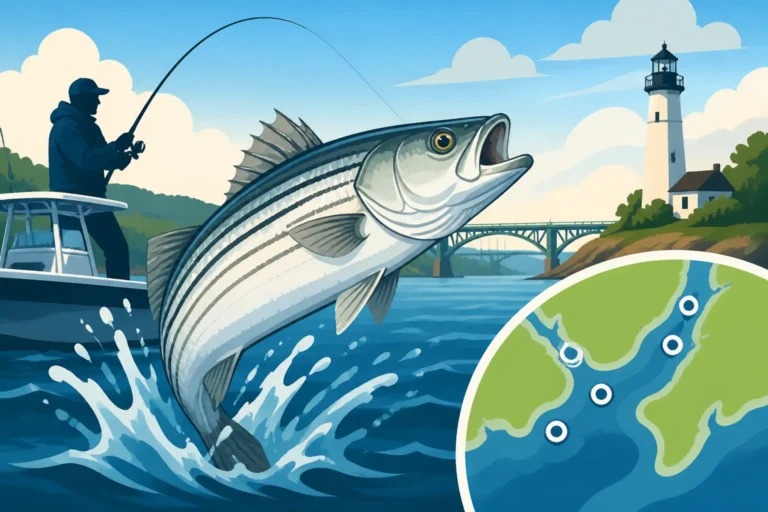
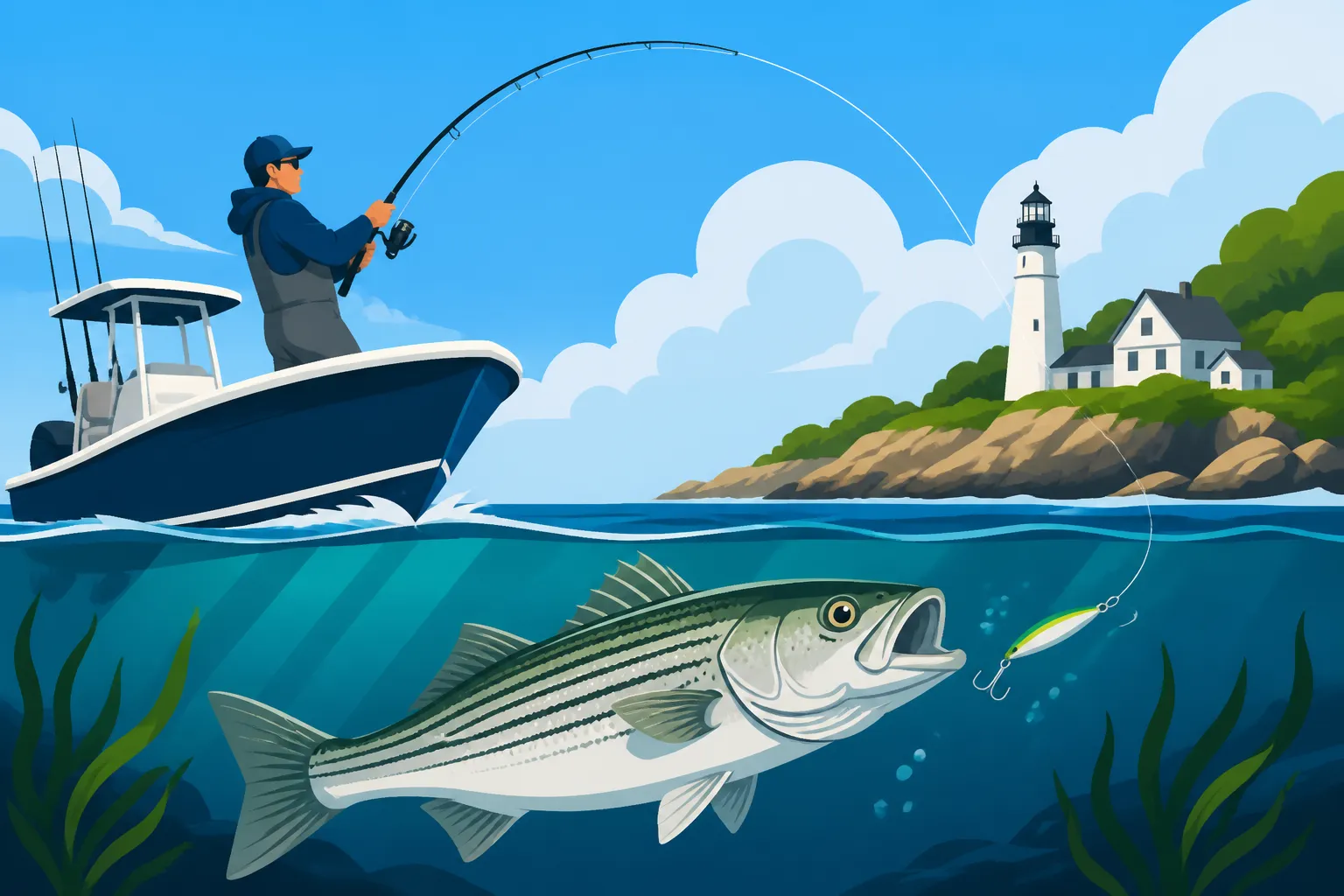
The striped bass, often affectionately called "striper," is arguably the king of Long Island Sound for many anglers. These powerful, hard-fighting fish migrate into the Sound from the ocean, following baitfish and seeking warmer waters in the spring. Their presence signals the true start of the fishing season for many. They can range from small "schoolie" stripers, perfect for light tackle fun, to true trophy fish exceeding 40 pounds. The thrill of hooking into a large striper and feeling its raw power as it peels line off your reel is an experience few anglers forget. Their migratory patterns mean that knowing the Striped Bass Migration Along the Connecticut Coast is key to intercepting them at different times of the year.
Successfully targeting striped bass depends heavily on the season and location. In the spring, they can be found gorging themselves near river mouths and in shallow estuaries, eagerly chasing bunker or herring. As summer progresses, they often move to deeper, cooler waters, concentrating around structure, reefs, and rips where current congregates bait. The fall run sees them once again on the move, actively feeding on huge schools of baitfish as they prepare for their journey south. Techniques vary widely, from live-lining bunker or eels, to casting large swimming plugs, soft plastics, or even fly fishing. Night fishing can be particularly productive for larger stripers, as they become more active under the cover of darkness. Many anglers prefer to target Long Island Sound Striped Bass Spots that are known for consistent action.
Fluke and Flounder: Bottom Fishing Delights
If you enjoy a more relaxed style of fishing but still want excellent table fare, fluke (summer flounder) and winter flounder are fantastic targets in Long Island Sound. Fluke are predatory flatfish that lie camouflaged on the sandy or muddy bottom, ambushing unsuspecting baitfish. They are known for their sharp teeth and a distinct "thump" when they hit your bait, followed by a surprisingly spirited fight. Winter flounder, while smaller, are equally delicious and herald the beginning of the spring bottom fishing season, often found in shallower, warmer bays and harbors after the ice-out.
Catching fluke typically involves drifting over sandy or gravelly bottoms, using a standard fluke rig tipped with bait like strips of squid, spearing, or silversides. Many anglers also incorporate gulp swimming mullet or similar artificials for added attraction. The key is to keep your bait near the bottom and cover as much ground as possible. As for winter flounder, they prefer softer, muddy bottoms in shallower water and are often caught while chumming with clam or mussel, using small hooks tipped with seaworms or bits of clam. Both species have specific length and bag limits, which are important to understand before heading out. Knowing How to Catch Fluke in Long Island Sound is a skill many local anglers pride themselves on, often having secret drifts and bait combinations.
Blackfish (Tautog) and Black Sea Bass: Structure Specialists
For those who love a challenge and a hard-fighting fish that tastes incredible, blackfish (tautog) and black sea bass are prime targets, especially around rocky structures. Blackfish are notoriously tough, inhabiting wrecks, rocky reefs, mussel beds, and bridge pilings. They have powerful jaws designed for crushing crabs and shellfish, which are their primary food source. Hooking a tautog feels like getting snagged on a rock, until the rock starts pulling back! Their season is usually split, with strong action in the spring and an even more intense bite in the fall as they fatten up for winter.
Black sea bass are another structure-loving species, often found in similar areas as tautog, but they can also be found over open hard bottom areas and artificial reefs. They are schooling fish, so where you find one, you often find many. Black sea bass are aggressive feeders and put up a great fight on light to medium tackle. They have beautiful iridescent scales and are considered one of the best-eating fish in the Sound. Targeting both species usually involves anchoring directly over or very close to the structure they inhabit. For blackfish, green crabs and fiddler crabs are the go-to baits, fished on a specialized tog rig. Black sea bass will hit clams, squid, and often artificial jigs. Understanding Blackfish Habits Around Structure is crucial for success, as they are incredibly adept at using their environment to their advantage. Learning How to Catch Blackfish in Connecticut is a rite of passage for many inshore anglers.
Bluefish and Other Pelagic Powerhouses
While striped bass might be the king, bluefish are the undisputed gladiators of the Long Island Sound. These aggressive, toothy predators are known for their ferocious strikes and brutal fights. When a school of bluefish moves into an area, they create a feeding frenzy, chopping up baitfish with their razor-sharp teeth. They are incredibly powerful, pulling hard and often jumping, making for an exhilarating battle. Bluefish typically arrive in the Sound in late spring to early summer and stay through the fall, often following the same baitfish migrations as striped bass.
Beyond blues, the Sound can also offer opportunities for other pelagic species. Spanish mackerel and false albacore sometimes make an appearance, particularly in the eastern reaches, offering lightning-fast runs and a true test of tackle and skill. While less common, these speedsters are a welcome surprise for light tackle enthusiasts. Targeting bluefish often involves casting fast-moving lures like metal spoons, poppers, or swimming plugs into breaking schools of bait. They are not particular and will hit almost anything, but their teeth mean you’ll want to use a wire leader or heavy monofilament to prevent bite-offs. Chumming can also bring blues right to your boat, leading to non-stop action.
Essential Gear and Techniques for Long Island Sound
Successfully fishing the Long Island Sound isn't just about knowing what fish are around, but how to catch them. The right equipment and a grasp of proven techniques will elevate your game, whether you're targeting bottom dwellers or chasing pelagic predators. Don't worry, you don't need a boatload of specialized gear right away, but understanding the basics will certainly help.
Rods, Reels, and Lines for Different Species
Choosing the correct rod, reel, and line setup is fundamental to matching the species you're pursuing and the conditions you'll face on the Sound. For striped bass and bluefish, especially in open water or when casting larger lures, a medium-heavy spinning rod (7-8 feet) paired with a robust spinning reel (4000-6000 size) spooled with 30-50 lb braided line is a common choice. The braided line offers superior casting distance, sensitivity, and strength, while a 30-50 lb fluorocarbon leader (3-5 feet long) provides abrasion resistance and stealth. For those who prefer baitcasting, a conventional setup with similar line ratings is also highly effective for live-lining or chunking.
When it comes to fluke, scup, and black sea bass, lighter tackle is often preferred to enhance the fun and sensitivity. A medium-light to medium action spinning rod (6.5-7.5 feet) with a 3000-4000 size reel, spooled with 15-30 lb braid, is ideal. Again, a fluorocarbon leader (15-30 lb) is essential. The lighter rod allows for better feel of subtle bites, which are common with these bottom feeders. For blackfish (tautog), a stiffer, medium-heavy conventional rod (often 7 feet) with a reel specifically designed for bottom fishing (like a small conventional reel with a strong drag) is preferred. You'll want 40-50 lb braid for the main line and a heavy fluorocarbon leader (40-60 lb) to withstand the rocky environments they call home. The beefier rod helps muscle these fish away from structure quickly.
Baits and Lures That Get Results
What you put on the end of your line can make all the difference. For striped bass and bluefish, live bait is often king. Live bunker (Atlantic menhaden), eels, and mackerel are irresistible to large predators. When live bait isn't an option, fresh cut bait like bunker chunks, squid, or mackerel fillets can be incredibly effective, especially when fished on the bottom or in a chum slick. Artificial lures also shine, including large swimming plugs (like those from Daiwa or Yo-Zuri), topwater poppers (think Gibbs or Pencil Poppers), and soft plastics (such as Tsunami or Bass Assassin shads) rigged on jig heads. The specific lure choice often depends on the baitfish present and the prevailing conditions.
For fluke, fresh strips of squid, spearing, and silversides are classic choices for bait. Many anglers enhance their presentation by adding a Berkley Gulp! Swimming Mullet or similar artificial bait to their fluke rig, often in chartreuse or white, for extra scent and visual appeal. For winter flounder, small pieces of clam, seaworms (sandworms or bloodworms), or mussels are deadly. Chumming with crushed clam or ground up frozen clam logs can dramatically improve your catch rate. For blackfish, fresh green crabs are the absolute gold standard. Fiddler crabs, Asian crabs, and even pieces of clam can also work, but green crabs are consistently productive. Black sea bass are less finicky and will readily hit squid strips, clams, and Gulp! artificials. Small metal jigs or bucktail jigs tipped with bait can also be highly effective for black sea bass, particularly when fishing over wrecks or reefs.
Mastering Key Fishing Techniques
Knowing how to present your bait or lure effectively is paramount to consistent success on Long Island Sound. Trolling is a popular method for covering large areas, especially when targeting striped bass and bluefish. Using umbrella rigs, Mojos, or deep-diving plugs at specific depths can intercept migrating fish or those suspended in the water column. Understanding optimal trolling speeds and depths, often dependent on currents and water temperature, is crucial.
Jigging is highly effective for bottom fish like fluke, black sea bass, and even stripers. For fluke, a slow, bouncing retrieve of a bucktail jig tipped with bait, or a fluke rig, simulates a wounded baitfish. For black sea bass, a quicker, more aggressive jigging motion with metal jigs often elicits a strike. Vertical jigging with large metal jigs can also entice striped bass and bluefish holding in deeper water or around structure. Drifting is another common technique, particularly for fluke. By allowing your boat to drift with the tide or wind, you cover a wide area, presenting your bait naturally to fish lying in wait. Adjusting your weight to maintain bottom contact during the drift is a key skill.
Chunking involves anchoring and creating a chum slick of cut bait (often bunker) to attract striped bass and bluefish. Baited hooks are then deployed at various depths within this slick. The scent trail draws fish in, and the chunks keep them actively feeding. Finally, surfcasting offers a fantastic land-based option, especially for striped bass and bluefish. Casting various plugs, metals, and bait rigs from beaches, jetties, and rocky points can be incredibly rewarding, especially during the spring and fall migrations. Each of these techniques has its nuances, and mastering them will make you a more versatile and successful angler on the Sound. Don't be afraid to experiment!
Prime Fishing Spots and Access Points Across the Sound
Long Island Sound is a vast and varied fishery, stretching over 110 miles from the East River in New York to Block Island Sound. Rather than thinking of it as one giant fishing spot, it's helpful to break it down into different regions, each with its own characteristics, common species, and popular access points. Understanding these distinctions will greatly improve your chances of finding fish and having a productive outing.
Western Sound Hotspots
The Western Long Island Sound, closer to the New York border, is characterized by its urban proximity, numerous harbors, and significant structure. Towns like Greenwich, Stamford, and Norwalk offer ample opportunities. This area features many rocky shorelines, mussel beds, and relatively deep channels, making it excellent for striped bass, bluefish, and blackfish. The numerous Norwalk Islands, for instance, provide fantastic current seams and rocky habitat that attract baitfish and, consequently, predators. Anglers often target these islands during moving tides with live bait or by casting artificials.
Another key feature of the Western Sound is the influence of major river systems, even if they are smaller than the mighty Connecticut River. The harbors and mouths of rivers like the Norwalk River or the Mianus River can hold transient striped bass, especially in spring and fall. Shore anglers can find success on town piers and jetties, while boaters have access to countless rocky reefs and deeper ledges. These areas are particularly strong for blackfish, given the abundance of hard structure. Look for areas with strong current, as these often concentrate bait and provide ambush points for game fish. For those considering a charter, many excellent captains operate out of these Western Sound ports, offering deep local knowledge. Platforms like FishingBooker can help you find reputable guides familiar with these specific zones.
Central Sound Productivity
Moving eastward, the Central Long Island Sound encompasses a broad stretch from the Bridgeport/New Haven area down towards Stratford. This section features a mix of sandy bottom, deeper channels, and significant river influences, making it incredibly productive for a wide array of species. The Housatonic River, for example, empties into the Sound near Stratford, creating a fertile estuary that is a major draw for striped bass, especially during their spring and fall runs. The blend of fresh and saltwater here provides a rich feeding ground. Knowing the Connecticut Housatonic River Seasonal Closure Explained can be helpful if planning to fish this area during certain times of year.
Further east, the New Haven Harbor and the surrounding coastline offer prime fishing for both boat and shore anglers. The breakwaters, light houses, and numerous reefs in this central zone are fantastic for striped bass, bluefish, fluke, and black sea bass. Drifting over sandy bottom patches between rocky areas is a classic tactic for fluke. The deeper shipping channels also hold fish, particularly larger striped bass that prefer the cooler water during summer. Many towns along this stretch, like Milford and West Haven, offer public boat launches and fishing piers. The diverse bottom structure and varied depth contours in the central Sound mean that anglers can often switch between targeting different species in relatively close proximity.
Eastern Sound Fishing Havens
The Eastern Long Island Sound, from Old Saybrook down to Stonington, represents a significant transition. Here, the Sound becomes deeper, more influenced by the open Atlantic, and experiences stronger currents, particularly around the mouth of the Connecticut River. This region is famous for its powerful rips, extensive reefs, and proximity to Block Island, making it a hotspot for trophy striped bass, large bluefish, fluke, black sea bass, and tautog. The mighty Connecticut River mouth, near Old Saybrook, is a major migratory highway for striped bass and bluefish, offering some of the most exciting fishing in the entire Sound.
Areas like The Race, Plum Gut, and Fishers Island Sound are legendary among local anglers. These rips are characterized by intense currents and submerged structure, which create ideal feeding grounds for large game fish. Trolling mojo rigs or live-lining bunker through these rips can yield truly enormous striped bass. Beyond the rips, there are numerous reefs and wrecks that hold excellent numbers of black sea bass and blackfish. Towns such as Niantic, Old Saybrook, and Stonington serve as popular departure points for charter boats and private anglers looking to tackle these more intense waters. Understanding Connecticut Saltwater Fishing Regulations by Species is especially important in these highly productive areas, as fish sizes and bag limits can change.
Shore Fishing Opportunities
Not everyone has a boat, and that's perfectly fine! Long Island Sound offers a surprising number of excellent shore fishing opportunities for those who prefer to keep their feet on solid ground. Public beaches, fishing piers, and rocky jetties provide access to many of the same species targeted by boaters, particularly during the spring and fall migrations. Best Shore Fishing Spots in Connecticut often include specific points along the coastline that jut out into current, or areas where deeper water is accessible from land.
For instance, the rocky shores and jetties around Bluff Point State Park in Groton, or the various town piers in cities like New Haven, Bridgeport, and Norwalk, can be fantastic for striped bass and bluefish. Small metal lures, swimming plugs, or fresh cut bait fished on the bottom can all be effective. During the spring, many bays and estuaries become accessible, offering shots at winter flounder and schoolie stripers. Even during summer, early morning or late evening high tides can bring fish close enough to shore to cast to. Remember to check local regulations, as some areas may have restrictions on fishing hours or bait usage. Always be mindful of other beachgoers and practice safe casting techniques.
Navigating Regulations and Seasons
Fishing in Long Island Sound, like any public fishery, comes with a set of rules and guidelines designed to protect fish populations and ensure sustainable angling for generations to come. Navigating these regulations can sometimes feel like a puzzle, but understanding them is absolutely essential for every responsible angler. Ignoring them can lead to hefty fines and impact the health of our precious fisheries.
Key Species-Specific Rules
Connecticut, in conjunction with regional and federal agencies, implements specific regulations for many popular species in Long Island Sound. These rules often dictate minimum length limits, maximum length limits (slot limits), daily possession limits, and specific open seasons. For instance, striped bass often have a slot limit, meaning you can only keep fish within a certain size range, and strict daily bag limits. This helps protect both juvenile fish and the large, mature breeding stock. The Connecticut Striped Bass Slot Limit and Season is one of the most talked-about regulations among local anglers due to its importance for conservation.
Fluke (summer flounder), blackfish (tautog), and black sea bass also have seasonal openings, minimum length requirements, and daily creel limits that can change from year to year based on stock assessments. For example, Connecticut Blackfish (Tautog) Season Dates often include spring and fall periods, with different bag limits depending on the time of year. Knowing these specifics before you head out is crucial. You can usually find the most up-to-date information in the annual Connecticut Angler's Guide, published by the Department of Energy and Environmental Protection (CT DEEP), which is a must-read for anyone fishing these waters.
General Marine Fishing License Requirements
Before you even think about dropping a line in Long Island Sound, you need to make sure you have the proper licensing. Most anglers 16 years of age and older are required to possess a valid Connecticut Marine Waters Fishing License. This license covers all fishing in the saltwater portions of the state, including Long Island Sound. There are different options for residents and non-residents, and even combination licenses if you also plan to hunt. Fortunately, obtaining a license is straightforward, whether you do it online through the CT DEEP website or visit a local vendor. You can learn more about Where and How to Buy a Connecticut Fishing License to ensure you're covered.
It's not just about having the license; it's about having it on you while you're fishing. Whether it's a printed copy or a digital version on your phone, you must be able to present proof of your license if requested by an EnCon Police officer. There are also specific rules about reporting certain catches, though this is less common for recreational anglers unless participating in specific research programs. Remember, a marine fishing license is your entry ticket to enjoy the amazing resources of Long Island Sound, and it helps fund critical conservation efforts. The Connecticut Fishing License Guide for 2026 provides a comprehensive overview of all requirements.
Boating Safety and Navigation
If you plan to fish Long Island Sound from a boat, safety and proper navigation are just as important as knowing the fishing regulations. The Sound can be a challenging body of water, with strong currents, unpredictable weather, and significant commercial and recreational boat traffic. First and foremost, ensure your vessel is properly registered and equipped with all required safety gear. This includes PFDs (life jackets) for everyone on board – and knowing the Life Jacket Requirements for Connecticut Boaters is non-negotiable.
Beyond essential gear, understanding navigational rules and hazards is critical. Familiarize yourself with aids to navigation (buoys, markers), read nautical charts, and pay close attention to marine weather forecasts. Sudden squalls can whip up dangerous chop on the Sound, especially when crossing open stretches. If you operate a motorized vessel, you might also be required to hold a Connecticut Safe Boating Certificate. The Connecticut Safe Boating Certificate Requirement outlines who needs this certification and how to obtain it. Always tell someone where you're going and when you expect to return, and carry appropriate communication devices like a VHF radio or a fully charged cell phone. Safe boating isn't just a suggestion; it's a responsibility that protects you, your passengers, and others on the water.
Hiring a Connecticut Fishing Charter or Guide
Sometimes, the best way to experience Long Island Sound fishing, especially if you're new to the area or targeting a specific species, is to go with a seasoned professional. Hiring a Connecticut fishing charter or guide can transform a potentially frustrating day of trial and error into a memorable and successful adventure. They bring invaluable local knowledge, specialized gear, and a deep understanding of the Sound's ever-changing conditions.
When to Consider a Charter
You might consider booking a fishing charter for several compelling reasons. Firstly, if you're visiting Connecticut and don't have your own boat, a charter provides immediate access to prime fishing grounds. Secondly, if you're targeting a particular species known for being elusive or requiring specialized techniques – like trophy striped bass in the rips or blackfish over deep wrecks – a captain's expertise is gold. They know precisely where and when the fish are biting, saving you countless hours of searching. Thirdly, charters are fantastic for learning. A good captain or mate will teach you casting techniques, knot tying, how to read structure, and how to properly handle fish. This educational aspect alone can be worth the investment, building your confidence for future solo trips.
Charters are also an excellent option for group outings, whether it's a family vacation, a corporate event, or a bachelor party. Many boats can accommodate multiple anglers, providing a shared experience without the hassle of coordinating individual gear or vessels. For families with kids, a charter can introduce children to the joys of fishing in a safe, controlled, and often highly productive environment, maximizing the chances of them catching fish and developing a love for the sport. You can check out Best Family-Friendly Fishing Charters in Connecticut for some great options.
Choosing the Right Charter for Your Trip
Selecting the right charter boat and captain is key to a successful experience. Start by considering what kind of fishing you want to do. Are you looking for offshore bottom fishing for black sea bass, inshore light tackle action for striped bass, or maybe a fly fishing trip? Different captains specialize in different styles and species. For instance, if you're keen on chasing the biggest stripers, you'd look for Best Striped Bass Charters on Long Island Sound with a reputation for trophy fish. If you’re a beginner, a captain known for patience and teaching might be a better fit.
Research is your friend here. Look for captains with a strong track record, positive reviews, and proper licensing. Ask about their vessel – is it comfortable, safe, and appropriate for the number of people in your party? Discuss what's included in the price: tackle, bait, fish cleaning? Many platforms, like FishingBooker, allow you to browse captains, see their specialties, read reviews, and compare prices all in one place. Don't hesitate to call potential captains directly to discuss your expectations and ask questions. A good captain will be happy to chat and ensure their trip aligns with what you're looking for.
What to Expect and How to Prepare
Once you've booked your charter, a little preparation goes a long way. Most charters provide all necessary fishing gear, bait, and sometimes even a cooler for your catch. However, you should bring your own food and drinks, sunscreen, sunglasses, and appropriate clothing (layers are always a good idea, as conditions on the Sound can change rapidly). A hat is essential for sun protection. If you're prone to seasickness, take preventative measures before you board the boat. Most captains will advise you on what to bring and what to leave at home.
Regarding licensing, while the captain holds a commercial license, you generally still need your own Connecticut Marine Waters Fishing License. Always confirm this detail with your captain beforehand. Tipping the mate (if there is one) and captain is customary, much like in the restaurant industry. A standard tip is 15-20% of the trip cost for excellent service. The most important thing is to communicate with your captain. If you have any concerns or specific requests, voice them early. Charters offer a fantastic way to enjoy the Sound's bounty, and with a bit of planning, you're set for an unforgettable day on the water.
Conservation and Sustainable Fishing Practices
As anglers, we have a profound responsibility to protect the incredible resources of Long Island Sound. The fish populations we enjoy today are not limitless, and our actions on the water directly impact their future. Practicing conservation and adhering to sustainable fishing practices isn't just about following rules; it's about being a good steward of the environment and ensuring that future generations can enjoy the same experiences we do.
Practicing Catch and Release Effectively
Catch and release fishing is a powerful conservation tool, especially for species with strict slot limits or for those you simply don't intend to keep. However, merely releasing a fish doesn't guarantee its survival. Effective catch and release requires specific techniques to minimize stress and injury to the fish. First, try to land the fish as quickly as possible to reduce exhaustion. If possible, avoid bringing the fish into the boat. For larger fish like striped bass, revive them in the water by holding them upright in the current until they can swim away on their own.
Use barbless hooks or crimp down barbs on your hooks to make removal easier and quicker. Always use wet hands when handling a fish to protect its protective slime coat, and support its body horizontally, especially large fish, to avoid internal organ damage. Avoid touching the gills or putting fingers in the eye sockets. If a fish is deeply hooked, especially in the gills or stomach, it's often best to cut the line as close to the hook as possible rather than trying to rip it out, as the hook will eventually rust away. Learn more about Striped bass catch and release survival tips to give these magnificent fish the best chance.
Respecting the Environment
Our responsibility extends beyond the fish themselves to the entire Long Island Sound ecosystem. This means practicing basic environmental etiquette every time we're on or near the water. The most fundamental rule: leave no trace. All trash, whether it's discarded fishing line, bait containers, plastic bags, or food wrappers, must be packed out and disposed of properly. Fishing line, in particular, can be deadly to marine life if left in the water. Carry a small mesh bag or a dedicated pocket for any stray bits of line or plastic that accumulate during your trip.
Be mindful of your boat's impact. Avoid disturbing sensitive habitats like eelgrass beds, which are critical nurseries for many species. Properly maintain your engine to prevent oil or fuel leaks, and use environmentally friendly cleaning products where possible. When anchored, ensure your anchor isn't dragging through or damaging delicate bottom structures. Consider the impact of lead weights on the environment and opt for non-toxic alternatives like steel or bismuth when possible. Every little effort contributes to the overall health and beauty of Long Island Sound.
The Role of Anglers in Fishery Health
Anglers are often the first to notice changes in fish populations or habitat, making us crucial eyes and ears for conservation efforts. Our observations, combined with adherence to regulations, directly contribute to the sustainability of the fishery. Supporting organizations like the Connecticut DEEP and regional fishery management councils through license purchases and participation in public comment periods helps ensure our voices are heard in management decisions. Engaging with your local fishing clubs can also provide avenues for community-based conservation initiatives.
By staying informed about Connecticut Fishing Regulations Explained and actively participating in stewardship, we play a vital role in protecting Long Island Sound. This means not only following catch limits and seasons but also considering voluntary conservation measures, such as reducing your personal catch or choosing to release fish even if legal to keep. Remember that fishing is a privilege, not a right, and with that privilege comes the responsibility to ensure that the bountiful waters of Long Island Sound remain healthy and vibrant for future generations of anglers.
| Species | Best Season(s) | Preferred Habitat | Common Techniques | Key Baits/Lures | Average Size Range (inches) |
|---|---|---|---|---|---|
| Striped Bass | Spring, Summer, Fall | River mouths, rips, reefs, rocky shores, open water | Trolling, Jigging, Live-lining, Chunking, Casting | Live Bunker/Eels, Plugs, Soft Plastics, Spoons | 18-40+ |
| Bluefish | Summer, Fall | Open water, rips, current seams | Trolling, Casting, Jigging, Chumming | Metal Spoons, Poppers, Swimming Plugs, Cut Bait | 15-30 |
| Fluke (Summer Flounder) | Late Spring, Summer, Early Fall | Sandy/muddy flats, channel edges | Drifting, Jigging | Squid Strips, Spearing, Gulp! Artificials, Bucktails | 16-25 |
| Blackfish (Tautog) | Spring, Fall | Wrecks, rocky reefs, mussel beds, bridge pilings | Bottom Fishing (anchored) | Green Crabs, Fiddler Crabs, Hermit Crabs | 14-22 |
| Black Sea Bass | Summer, Early Fall | Wrecks, reefs, hard bottom | Bottom Fishing, Jigging | Squid, Clam, Gulp! Artificials, Jigs | 12-18 |
| Winter Flounder | Early Spring | Shallow bays, muddy/sandy bottoms | Bottom Fishing (anchored) | Seaworms, Clam Pieces, Mussels | 10-15 |
Disclaimer
The information provided in this guide is for general informational purposes only and is subject to change. Fishing regulations, seasons, and licensing requirements in Connecticut and for Long Island Sound are set by the CT DEEP and other governing bodies, and they can be updated frequently. Always consult the most current official Connecticut Angler's Guide or the CT DEEP website before planning your fishing trip to ensure compliance with all applicable laws and regulations.