Mansfield Hollow Lake Fishing Guide
It's incredibly frustrating to pull up to a new lake, rod in hand, only to feel completely lost on where to start. You see all that beautiful water, but knowing the best spots, what fish bite where, and the right techniques to use can be a real head-scratcher. This comprehensive guide will cut through the confusion, helping you unlock the fantastic fishing opportunities at Mansfield Hollow Lake in Connecticut.
Getting to Know Mansfield Hollow Lake's Waters
Mansfield Hollow Lake isn't just another body of water; it's a dynamic flood control reservoir managed by the U.S. Army Corps of Engineers, nestled within a beautiful state park. This means it has a unique character compared to natural lakes, with varying water levels, extensive submerged structure, and a diverse range of fish species. Understanding its layout and features is the first step to a successful day on the water.
Geographical Layout and Key Features
Mansfield Hollow Lake is located primarily in the towns of Mansfield and Chaplin, encompassing over 500 acres when at its normal recreational pool. Its sprawling, irregular shape is fed by the Fenton River and the Mount Hope River, creating natural inflows that bring nutrients and baitfish into the reservoir. Anglers will find a mix of shallower coves, extensive submerged timber from its reservoir origins, rocky points, and deeper old river channels. The main basin can reach depths of around 30 feet, while many coves and tributaries remain considerably shallower, especially in the upper reaches of the reservoir. The fluctuating water levels due to its flood control purpose mean that structure and shoreline access can change throughout the year, adding an extra layer of challenge and opportunity. Keep an eye on the water level when planning your trip; what was a prime fishing spot one week might be high and dry, or completely submerged the next.
The Diverse Fishery: What You'll Find Biting
One of the great joys of fishing Mansfield Hollow Lake is its incredible diversity of fish species. It's truly a multi-species angler's dream. The lake is well-known for its healthy populations of both largemouth and smallmouth bass. You'll find largemouth lurking in the timber and weed edges of the shallower coves, while smallmouth often patrol the deeper, rockier main lake points and humps. Beyond the bass, Mansfield Hollow boasts a respectable population of northern pike, which can grow to impressive sizes, offering a thrilling fight for those targeting them. Panfish, including black crappie, yellow perch, and various sunfish, are abundant throughout the lake, providing consistent action, especially for younger anglers or those looking for a tasty meal. The Connecticut Department of Energy and Environmental Protection (DEEP) also periodically stocks adult trout, including rainbow and brown trout, particularly in the spring and fall, offering an additional angling opportunity. Don't be surprised if you hook into a channel catfish or bullhead as well, especially when fishing the deeper, muddier bottoms. This rich variety means you can often switch your target species based on the day's conditions or your angling preference.
Important Boating Considerations
While Mansfield Hollow Lake offers excellent fishing, it's crucial to understand the specific boating regulations in place. Due to its status as a public water supply area and a flood control project, there are restrictions on motor use. Specifically, only electric motors are permitted on Mansfield Hollow Lake. This is a critical detail that often catches unprepared anglers off guard. Gasoline motors, even if just used for trolling, are strictly prohibited. This electric-only rule helps maintain water quality and ensures a quieter, more peaceful angling experience, but it also means you need to plan your boat accordingly. If you're bringing your own boat, ensure it's equipped with a reliable electric trolling motor and ample battery life for a full day of fishing. For those without a boat, kayaks, canoes, and stand-up paddleboards are excellent ways to explore the lake's many coves and hidden channels, offering silent access to prime fishing grounds. Remember to always have all required safety equipment on board, as detailed in the general Connecticut boating laws.
Navigating Regulations and Licensing at Mansfield Hollow
Before you even think about casting a line into Mansfield Hollow Lake, you need to make sure you're properly licensed and aware of all the local regulations. Ignoring these can lead to fines and a ruined day on the water, which is definitely not what any of us want. Connecticut has specific rules that apply statewide, and sometimes additional regulations for individual bodies of water.
Securing Your Connecticut Fishing License
Let's be clear: almost everyone needs a fishing license to fish in Connecticut. There are very few exceptions, such as private ponds where you have permission, or specific free fishing days. For Mansfield Hollow Lake, which is a state-managed water, a valid Connecticut fishing license is absolutely mandatory. This applies to both residents and non-residents, and to freshwater fishing. The good news is, getting a license is pretty straightforward. You can easily purchase one online through the Connecticut DEEP website, or visit a participating license vendor like a local tackle shop or sporting goods store. It's always best to get your license ahead of time to avoid any last-minute stress. Make sure you check out the full details on the Connecticut Fishing License Guide for 2026 to understand the different types available and which one is right for you. Whether you're planning a single trip or a full season of fishing, having your license in order is your first and most important step. Don't forget that if you're taking someone else fishing, say a family member or friend, they too will need their own license unless they fall under one of the specific age exemptions.
Understanding Lake-Specific Rules and Limits
While your fishing license covers the right to fish, it doesn't automatically mean you can keep every fish you catch, or use any method you like. Mansfield Hollow Lake, like many waters in Connecticut, falls under general statewide fishing regulations, but it's always smart to double-check for any specific rules that might apply. For instance, there are typically minimum length limits and daily creel limits for popular species like largemouth and smallmouth bass, northern pike, and even trout if they are stocked. These limits are in place to help manage fish populations and ensure healthy fisheries for everyone. You'll find these detailed in the annual Connecticut Fishing Regulations Explained guide, which you can usually pick up wherever licenses are sold or download from the DEEP website. Pay close attention to rules regarding bait restrictions (e.g., live baitfish often have regulations), and any specific gear limitations. For Mansfield Hollow, the electric-motor-only rule for boats is a prime example of a lake-specific regulation that deviates from what might be allowed on other larger lakes. Always read the current year's fishing guide to avoid any surprises.
Trout and Salmon Stamp Requirements
If your angling plans at Mansfield Hollow Lake include targeting or even potentially keeping any of the trout that are periodically stocked, you'll need more than just a basic fishing license. Connecticut requires an additional Connecticut Trout and Salmon Stamp, Explained for anyone 16 years of age or older who wishes to fish for trout or salmon, or possess trout or salmon. This stamp is an extra endorsement on your fishing license and helps fund the state's trout stocking and management programs. It's a small additional cost, but it's vital if you're hoping to take home some of those freshly stocked rainbow or brown trout. While Mansfield Hollow isn't primarily known as a trophy trout lake, the DEEP does conduct stockings, particularly in the spring and fall, to provide put-and-take opportunities. So, if you're heading out during those times with trout on your mind, make sure your stamp is in order. You can easily add this stamp when you purchase or renew your fishing license, either online or at a vendor. Without it, even if you accidentally catch a trout, you'd technically be in violation if you intended to keep it.
Top Fishing Locations and Public Access
One of the biggest challenges at any new fishing spot is simply figuring out where to go. Mansfield Hollow Lake offers diverse access points and structures, and knowing how to approach them, whether from shore or boat, can make all the difference in your fishing success.
Productive Shore Fishing Spots
Even without a boat, Mansfield Hollow Lake offers plenty of fantastic opportunities for shore anglers. The Mansfield Hollow State Park, which surrounds much of the lake, provides numerous access points and trails. One of the most popular areas for bank fishing is near the main boat launch and picnic areas, where you can often find good access to deeper water and rocky shorelines. Another productive stretch is along the hiking trails that parallel the Fenton River arm of the lake, offering access to coves and areas where the river feeds into the main body. These areas can be excellent for targeting panfish with small jigs or worms under a bobber, or for casting lures for bass.
When targeting bass from shore, look for areas with downed trees, rocky outcrops, or sudden depth changes. During spring and fall, bass often move into shallower water, making them more accessible from the bank. For northern pike, focus on areas with submerged vegetation or weed lines, especially in the shallower coves; spoons and larger swimbaits can be very effective here. Remember, patience is key when shore fishing. Move along the bank, making casts at different angles and depths, until you find where the fish are holding. Always be mindful of other park users and respect designated swimming or picnicking areas. You might also want to consult the Best Bank Fishing Techniques for Connecticut Lakes for more specialized tips.
Boat Launch Facilities and Kayak Entry Points
For those with a boat (remember, electric motors only!), Mansfield Hollow Lake provides excellent launch facilities. The main public boat launch is located within Mansfield Hollow State Park off Bassett's Bridge Road in Mansfield. This paved ramp is well-maintained and suitable for trailered boats. There's ample parking available, though it can fill up quickly on busy weekend mornings, especially during peak season. From this central launch, you have direct access to the main body of the lake, allowing you to quickly reach deeper water, main lake points, and the mouths of various coves.
For kayak and canoe anglers, this main launch is also very convenient, but you might also find quieter, more primitive access points along the park's perimeter where you can easily put in smaller craft. The Fenton River and Mount Hope River arms of the lake offer fantastic paddling opportunities, allowing you to explore narrower sections and backwaters that might be less pressured. Many anglers enjoy paddling up the river arms in search of bass or pike in the calmer, shallower waters. If you're looking for an easy way to get out on the water, consider using a platform like FishingBooker to browse guided fishing trips or find local experts who might offer kayak rentals or guided trips tailored to Mansfield Hollow Lake. They often know the best launch points and hidden honey holes.
Finding Hidden Gems Around the Lake
Beyond the obvious access points, Mansfield Hollow Lake has numerous nooks and crannies that can hold incredible fishing opportunities. These "hidden gems" often require a bit more effort to reach, but the reward can be well worth it. Exploring the various small coves and inlets by kayak or canoe is one of the best ways to discover these less-pressured areas. Look for sections where the main rivers flow in, creating subtle current breaks and delivering fresh food sources. These inflow areas are magnets for baitfish, and consequently, larger predatory fish.
Another strategy is to utilize detailed bathymetric maps or a good fish finder on your boat. Mansfield Hollow, being a reservoir, has many submerged features like old roadbeds, foundations, and timber lines from when the area was flooded. These underwater structures don't always show up on standard aerial maps but can be fish magnets. Concentrate on areas where depth changes abruptly, where rocky bottom transitions to soft, or where there's dense submerged wood. These are prime ambush points for bass and pike. Don't be afraid to try different parts of the lake throughout the day; what's quiet in the morning might erupt with activity in the afternoon. Early morning and late evening often provide the best opportunities for exploring these quieter, more productive spots, especially during warmer months.
Effective Techniques for Mansfield Hollow's Fish
Now that you know where to go, let's talk about how to catch the diverse array of fish lurking in Mansfield Hollow Lake. Different species require different approaches, and having a few tricks up your sleeve for each will significantly boost your success rate.
Mastering Bass Fishing Strategies
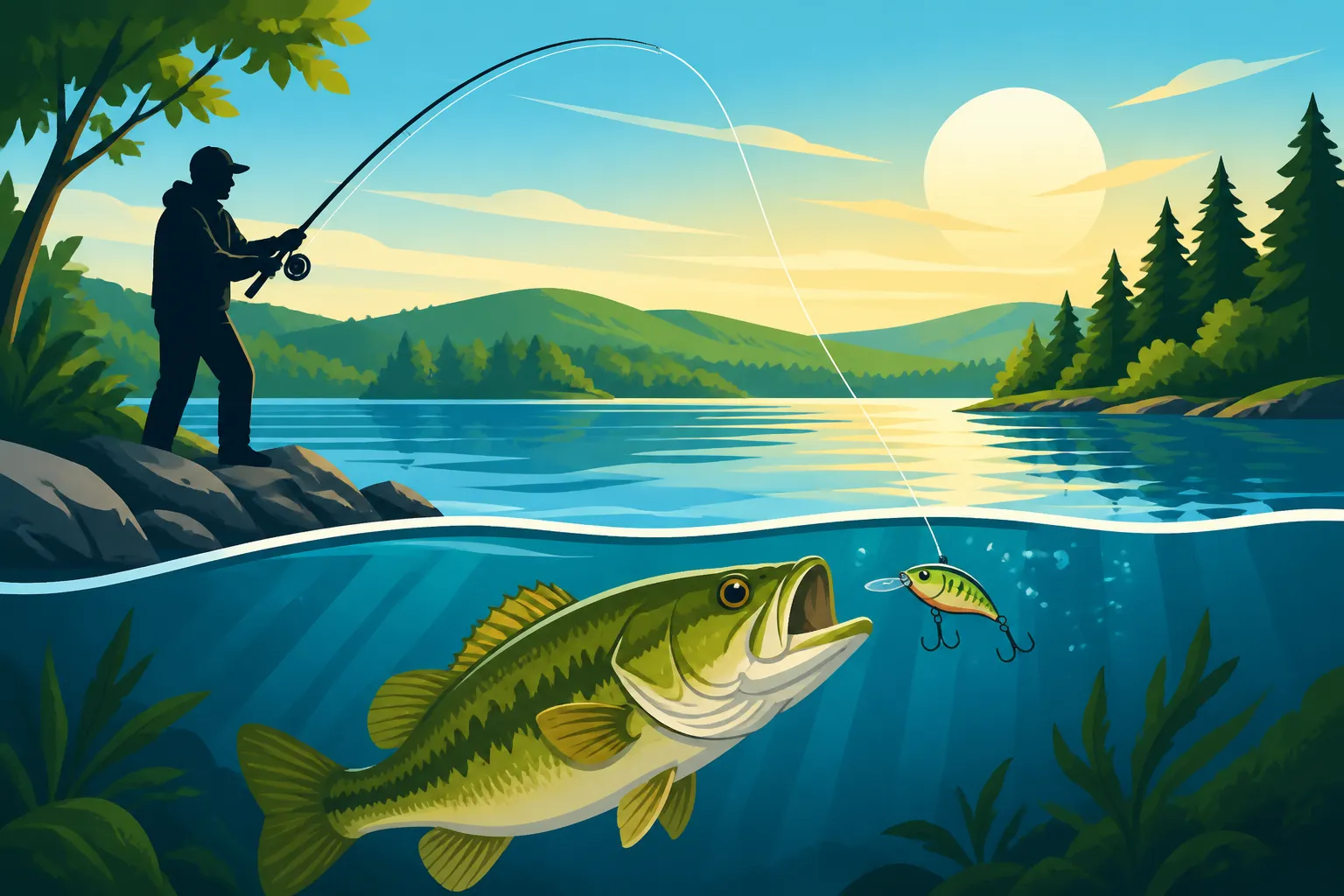
Mansfield Hollow is a fantastic bass fishery, with both largemouth and smallmouth thriving. For largemouth bass, your strategy should focus on cover and structure. Think weed lines, lily pads (in the shallower coves), fallen trees, stumps, and rocky shorelines. Spinnerbaits, chatterbaits, and Texas-rigged soft plastics (like worms or creature baits) are excellent choices for working through vegetation or around wood. During the warmer months, topwater lures like frogs or poppers fished over matted vegetation at dawn or dusk can produce explosive strikes. Don't forget jigging spoons or dropshot rigs for deeper submerged timber.
Smallmouth bass, on the other hand, often prefer open water structure like rocky points, humps, and the deeper edges of old river channels. They are typically less associated with dense cover than largemouth. Crankbaits, jerkbaits, and tubes or grubs fished along the bottom are deadly for smallmouth. Pay attention to your electronics to locate schools of baitfish, as smallmouth will often be nearby. In clear water, a dropshot rig with a finesse worm can be incredibly effective when the bite is tough. For more in-depth strategies, check out How to Catch Largemouth Bass in Connecticut and Smallmouth Bass Fishing in Connecticut guides, which offer universal tips applicable to Mansfield Hollow's unique features.
Enticing Trout and Panfish
While not primarily a trout lake, Mansfield Hollow does receive periodic stockings, offering a fun bonus for anglers. When trout are present, they'll often cruise the open waters of the main basin, or sometimes hold near cooler water inflows. Standard trout baits like PowerBait, corn, or small worms fished off the bottom with a simple egg sinker rig, or suspended under a bobber, can be very effective. Small spinners (like Rooster Tails or Mepps) or spoons (such as Kastmasters) are also great for casting and retrieving. For fly anglers, small streamers or nymph patterns might tempt a stocked trout.
Panfish — black crappie, yellow perch, and sunfish — are abundant and offer consistent action, making them perfect for family outings or when other species are finicky. Crappie often school up around submerged brush piles, standing timber, or docks (if present). Small jigs (1/32 to 1/16 ounce) tipped with a tiny plastic grub or a live minnow fished under a bobber are deadly for crappie. Yellow perch and sunfish can be found almost anywhere, especially in the shallower coves with vegetation. Worms, grubs, or small pieces of cut bait fished under a bobber or on a tiny jig head will usually produce plenty of bites. The key to panfish is often finding the schooling fish; once you locate them, the action can be non-stop.
Hunting for Northern Pike
Mansfield Hollow Lake is one of Connecticut's better northern pike fisheries, and these toothy predators offer a powerful fight. Pike are ambush predators, and they love to hide in areas with dense aquatic vegetation, submerged timber, or along sharp drop-offs near shallow weed beds. They're often found in the shallower, weedier coves and river arms. Large spoons (like Daredevls), big spinnerbaits, and swimbaits are excellent choices for pike. Many anglers also have success with large stickbaits or jerkbaits.
When targeting pike, remember they have sharp teeth, so a steel or heavy fluorocarbon leader is a must to prevent bite-offs. Cast your lures close to cover, retrieving them with varying speeds and pauses to entice a strike. Pike can be aggressive, especially in cooler water, but they can also be surprisingly subtle. Keep your retrieve erratic and be ready for a sudden, powerful take. Trolling larger lures slowly along weed edges or across deeper flats can also be an effective strategy for locating bigger pike. The Northern Pike Waters in Connecticut guide can provide more insights into their habits and best locations across the state, many of which apply directly to Mansfield Hollow's environment.
Seasonal Approaches to Mansfield Hollow Fishing
Mansfield Hollow Lake changes with the seasons, and so too should your fishing tactics. Understanding how fish behavior shifts throughout the year is crucial for consistent success, ensuring you're always presenting the right bait in the right place.
Spring and Early Summer Hot Spots
Spring is often heralded as one of the best times to fish Mansfield Hollow Lake. As the water temperatures begin to rise, fish become more active, moving out of their deeper winter haunts. In early spring, look for bass and pike to congregate in the shallower, sun-warmed coves, especially those with dark bottoms that absorb heat faster. These areas are critical for pre-spawn feeding. Slow-moving baits like jigs, lipless crankbaits, or even suspending jerkbaits can be very effective as fish are still a bit lethargic.
As spring progresses into early summer, and the water warms further, the bass will move into their spawning patterns. Largemouth will build nests in protected, shallow coves, often around submerged wood or vegetation. Smallmouth will typically spawn on harder bottom in slightly deeper water on main lake points or flats. During this time, sight fishing for bass on beds can be productive, but many anglers prefer to target pre-spawn and post-spawn fish that are actively feeding. Topwater action can also start to pick up during low light conditions. This is also when the DEEP usually conducts its first trout stockings, providing fresh opportunities for those targeting these cold-water species in the main lake basin.
Adapting for Summer's Heat
When the dog days of summer hit, fishing at Mansfield Hollow Lake can become a bit more challenging, but certainly not impossible. High water temperatures often push fish into deeper, cooler water, or into dense shade and heavy cover. For bass, this means focusing on deeper main lake points, submerged humps, old river channels, and dense mats of vegetation or deep timber. Early mornings and late evenings are often the most productive times, as fish will move shallower to feed under the cover of darkness or low light. Midday can be tough, requiring finesse techniques like dropshotting or deep cranking.
Pike will also seek refuge in cooler, oxygenated water, often in deeper weed beds or near the mouths of the feeder rivers where there might be some cooler current. You might need to use larger, more enticing baits to trigger a strike from a summer pike. Panfish, while still abundant, might also hold tighter to cover or in slightly deeper areas. Fishing near the dam structure, where there might be some deeper water, could also yield results. Consider employing techniques like vertical jigging or slow-trolling during the hottest parts of the day to cover water and find fish that aren't actively chasing. Using a reliable fish finder to locate schools of baitfish in deeper water is key during the summer months.
Fall and Ice Fishing Opportunities
Fall at Mansfield Hollow Lake brings a welcome change. As water temperatures cool, fish become incredibly active, entering a "fall feed" to pack on weight for winter. This is a prime time for bass and pike, as they will aggressively chase baitfish, which often congregate in shallower coves and along main lake points. Crankbaits, spinnerbaits, and swimbaits can be deadly for bass, while pike will readily strike large spoons and jerkbaits. The trout stockings usually resume in the fall, making this a great time to target them with standard baits or by casting spinners. Look for areas with dense baitfish schools; where there's bait, there are usually predators.
Once winter sets in and the lake freezes over, Mansfield Hollow Lake transforms into a popular destination for Ice Fishing in Connecticut. The electric-motor-only rule for open water doesn't apply to ice fishing, making access straightforward. Ice safety is paramount, so always ensure the ice is thick enough (at least 4 inches of clear, solid ice for foot travel). Popular species to target through the ice include yellow perch, crappie, and northern pike. Small jigs tipped with bait (like spikes or small minnows) are effective for panfish, while larger tip-ups rigged with live shiners or suckers are excellent for pike. The shallower coves and areas around submerged timber are often hotspots for ice anglers. Remember to check the DEEP website for specific ice fishing regulations, including any rules regarding ice shanties or equipment.
| Season | Primary Target Species | Key Locations | Recommended Techniques | Important Considerations |
|---|---|---|---|---|
| Spring | Bass, Pike, Stocked Trout | Shallow coves, river mouths, warmer flats | Jigs, lipless crankbaits, spinnerbaits, live bait (trout) | Pre-spawn/post-spawn activity, trout stocking |
| Early Summer | Bass, Panfish, Pike | Weed lines, submerged timber, main lake points | Topwater, soft plastics, crankbaits, small jigs (panfish) | Spawning patterns, increasing water temps |
| Summer | Deep Bass, Crappie, Pike | Deeper channels, main lake humps, dense cover | Dropshot, deep crankbaits, vertical jigs, large swimbaits (pike) | Early/late fishing, locate cool water/shade |
| Fall | Bass, Pike, Stocked Trout | Baitfish schools, main lake points, weed edges | Crankbaits, spinnerbaits, spoons, jerkbaits, live bait (trout) | "Fall feed" aggression, trout stocking repeats |
| Winter (Ice) | Panfish, Yellow Perch, Pike | Shallow coves, submerged timber, weed beds | Small jigs (panfish), tip-ups with minnows (pike) | Ice safety is crucial, check ice thickness |
Planning Your Trip to Mansfield Hollow Lake
A successful fishing trip isn't just about knowing where the fish are; it's also about being prepared. From the right gear to staying safe, a little planning goes a long way when heading to Mansfield Hollow Lake.
Recommended Gear and Bait
Your gear choice should primarily depend on what you're targeting at Mansfield Hollow Lake. If you're going for bass, a medium-heavy spinning or baitcasting rod with 10-15 lb fluorocarbon or braided line will handle most situations. Bring a variety of lures, including soft plastics, crankbaits, spinnerbaits, and topwater options. For northern pike, step up your tackle to a medium-heavy to heavy rod, a robust reel, and definitely use a wire or heavy fluorocarbon leader (20-30 lb test) to prevent bite-offs. Large spoons, swimbaits, and jerkbaits are good choices.
For panfish and trout, lighter tackle is generally more fun and effective. A light or ultralight spinning rod with 4-6 lb monofilament or fluorocarbon line is ideal. Small jigs, spinners, and live bait like worms or minnows are excellent. Don't forget essentials like pliers for hook removal (especially for pike!), a net, and a tackle box stocked with a variety of hooks, sinkers, and bobbers. Always bring plenty of extra line, leader material, and a sharp knife. Sunscreen, a hat, polarized sunglasses, and rain gear are also highly recommended, regardless of the forecast.
Safety on the Water
Safety should always be your top priority when fishing Mansfield Hollow Lake. If you're using a boat, remember the electric-motor-only rule and ensure your batteries are fully charged and you have a backup if needed. Always wear a U.S. Coast Guard-approved life jacket, or at least have one readily accessible for every person on board, as required by Life Jacket Requirements for Connecticut Boaters. This is especially important during the colder months, when the Connecticut Cold Water Life Jacket Rule (October to May) mandates wearing one.
Inform someone of your plans, including where you're going and when you expect to return. Carry a fully charged cell phone in a waterproof bag. Be aware of changing weather conditions; pop-up thunderstorms are common in summer. If fishing from shore, be mindful of slippery banks, especially after rain, and keep an eye out for ticks, especially in wooded areas. Basic first aid supplies are always a good idea. Respect wildlife and other park users, and practice catch and release for species you don't intend to keep, handling them gently to ensure their survival.
Disclaimer
Please note that fishing regulations and conditions can change. Always consult the latest Connecticut Department of Energy and Environmental Protection (DEEP) fishing guide and regulations before heading out on the water. This guide is for informational purposes only and should not replace official sources.