Long Island Sound Fluke Fishing Spots
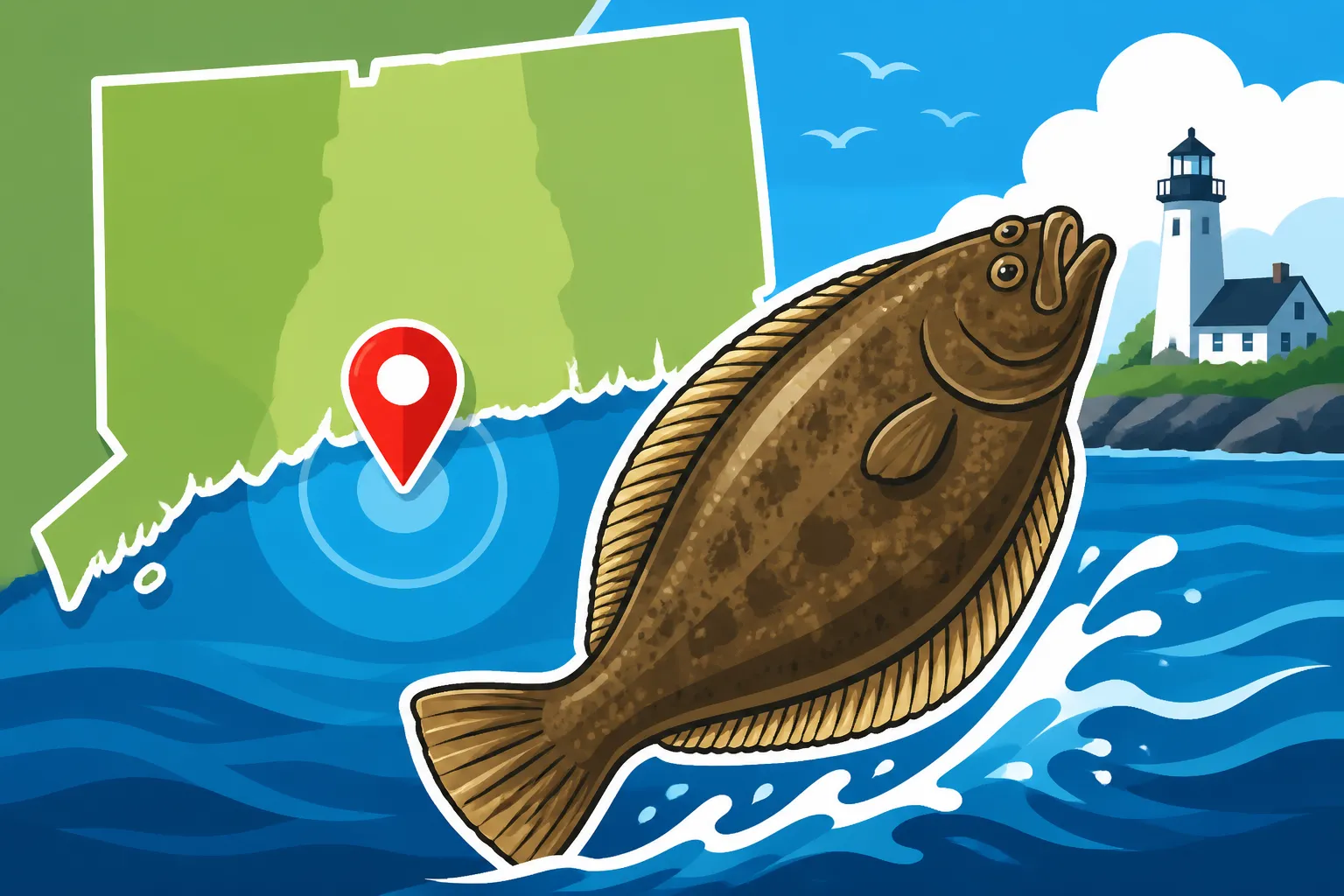
Finding the best fluke fishing spots in Long Island Sound can feel like trying to solve a complicated puzzle, with shifting sands, strong currents, and a vast expanse of water to navigate. Many anglers, even seasoned ones, struggle to consistently locate these elusive flatfish, often wasting precious fishing time in unproductive areas. This comprehensive guide will peel back the layers of mystery, providing you with detailed insights into where fluke gather, why they choose these locations, and how to effectively target them across the entire Connecticut shoreline of Long Island Sound.
Understanding Fluke Habits in Long Island Sound
Before we dive into specific locations, it's crucial to understand what makes a spot a "fluke hotspot." Fluke, or summer flounder as they're officially known, are ambush predators. They lie camouflaged on the bottom, waiting for an unsuspecting meal to drift by. This behavior dictates where you'll find them, making certain types of structure and water conditions irresistible to them. Knowing their preferences is half the battle won.
The Fluke Lifecycle and Seasonal Movements
Fluke in Long Island Sound exhibit predictable migratory patterns driven primarily by water temperature and their spawning cycle. In the colder months, they move offshore to deeper, warmer waters to spawn. As spring approaches and the waters of Long Island Sound begin to warm, typically from late April into May, adult fluke start their journey back into the Sound. They'll first appear in deeper channels and harbors, gradually moving into shallower areas, coves, and tidal flats as the water temperatures rise through June and July. This is often when you'll find the best opportunities for Fluke Fishing in Long Island Sound.
By mid-summer, they are well-established across various depths, often found in 20-60 feet of water, though smaller "schoolie" fluke can be in much shallower zones. As fall sets in, usually by late September and October, the cooling waters signal their offshore migration once again. Understanding these Fluke Habits in Long Island Sound and movements is paramount. For instance, in early spring, targeting deep river channels and harbor mouths is key, while in summer, expanding your search to include reefs, rocky areas, and sandy stretches adjacent to structure will be more productive. This seasonal pattern is vital for planning your trips, as the prime locations shift throughout the year.
Preferred Habitat and Structure for Fluke
Fluke aren't just looking for any old patch of sand; they're looking for specific features that provide both ambush points and access to food. Their ideal habitat combines relatively soft, sandy, or muddy bottoms for camouflage with nearby structure that creates current breaks and holds bait. Think of it like a perfectly designed hunting blind.
One of the most important elements is a distinct "edge" or transition. This could be where a sand flat drops off into a deeper channel, the boundary between a rocky reef and a sandy patch, or the entrance to a tidal creek where currents funnel bait. These edges concentrate baitfish and allow fluke to lie in wait without expending too much energy. Wrecks, rock piles, mussel beds, and artificial reefs are absolute magnets for fluke because they provide cover and attract smaller bait species. Similarly, areas with strong tidal currents, especially around points, shoals, and islands, become feeding funnels. The current washes food over the fluke, making it easy pickings. Even subtle changes in bottom contour, sometimes just a few feet of depth difference, can be enough to hold a school of fish.
Identifying Prime Fluke Forage
What are these flatfish feasting on? Knowing their diet helps you select the right baits and lures, and also helps you identify areas where food sources are abundant. Fluke are opportunistic predators, but they have their favorites. In Long Island Sound, their primary diet consists of various baitfish such as silversides, spearing, sand eels, and juvenile scup or porgies. Occasionally, they'll also gobble up squid, crabs, and shrimp, especially smaller crustaceans found on the bottom.
If you can locate schools of these baitfish, you're likely to find fluke lurking nearby. Keep an eye out for nervous bait on your sonar or visual signs on the surface. When the bait is thick, the fluke will be there. Many anglers swear by the effectiveness of Gulp! artificial baits because their scent and action mimic natural forage so well. However, nothing quite beats the real thing, so fresh strip baits cut from bunker, mummichogs, or even the fluke's own belly can be incredibly effective. The presence of these forage species is a clear indicator that you've stumbled upon a potential hotspot, making bait identification a key skill for any serious fluke angler.
Key Fluke Fishing Zones in Western Long Island Sound
The western part of Long Island Sound, closer to the New York border, offers a diverse range of fluke habitats. From bustling harbors to deeper channels, this area provides excellent opportunities throughout the season. The dynamics here are heavily influenced by the narrowness of the Sound and the proximity to the East River, creating strong currents that concentrate bait and, consequently, fluke.
Greenwich to Norwalk: Nearshore and Harbor Areas
This stretch of western Connecticut boasts numerous harbors and coastal embayments that serve as critical fluke grounds. Areas like Greenwich Harbor, Stamford Harbor, and Norwalk Harbor are not just safe havens for boats; they're also prime real estate for fluke, especially in the early and late parts of the season.
The mouths of these harbors, where the tide flows in and out, create natural funnels for baitfish. Look for the edges of the main channels, where depths might drop from 10-15 feet down to 20-30 feet. These ledges provide perfect ambush points. Inside the harbors, sandy depressions near mooring fields or along the base of breakwalls can hold fish. The currents here, while sometimes strong, are usually manageable, allowing for effective drifting. Don't overlook the smaller coves and beaches in between these major harbors, such as Calf Pasture Beach in Norwalk or Tod's Point in Greenwich. While shallower, they can be excellent for smaller, "short" fluke, particularly during peak summer months when they move closer to shore to feed. This area can be particularly good for those looking for shore access or launching smaller boats.
Bridgeport and Fairfield: Deeper Channels and Reefs
Moving slightly eastward, the Bridgeport and Fairfield area presents a different kind of fluke habitat, characterized by deeper navigation channels, significant natural reefs, and even some artificial structure. The main shipping channel leading into Bridgeport Harbor is a classic example. This channel, maintained for commercial vessel traffic, features distinct depth changes and current patterns that attract both bait and fluke.
Anglers often target the channel edges, particularly on the outgoing tide, as baitfish are swept out of the harbor. Depths here can range from 30 to 60 feet, so be prepared with heavier jigs or sinkers. Beyond the channels, the numerous natural reefs and rock piles scattered off the coasts of Fairfield and Stratford are superb. For instance, the reefs near Penfield Reef Lighthouse offer excellent habitat, providing a mix of rocky structure and sandy pockets where fluke lie in wait. Exploring these reefs with a good chartplotter and sonar is essential. These deeper, more exposed areas are often productive for larger Fluke Average Size in Long Island Sound, as bigger fish prefer the safety and abundant food found in such environments. Keep an eye on your fish finder for bait concentrations around these structures.
The Naugatuck River Mouth and Environs
While not a direct fluke hotspot in itself, the mouth of the Naugatuck River, flowing into Bridgeport Harbor, creates a unique scenario that draws fluke. Freshwater runoff from the river mixes with the saltwater of Long Island Sound, creating turbidity and nutrient-rich waters that attract various baitfish.
Fluke won't typically be found far up the river itself, but rather in the immediate vicinity of its confluence with the Sound. The strong currents and mixing waters here make for productive drifts. Focus your efforts on the outer edges of the river mouth and the adjacent sandy flats and channel drop-offs within Bridgeport Harbor. The change in water clarity can often concentrate bait, and consequently, ambush predators like fluke. This area can be especially good during periods of heavy rain when the river flow is increased, as it washes out additional food sources. Anglers working this spot should pay close attention to the tide, as the changing currents are critical to how baitfish move and where fluke position themselves for feeding.
Prime Fluke Grounds in Central Long Island Sound
Central Long Island Sound encompasses a broad range of habitats, from large tidal estuaries to expansive coves and the mighty Connecticut River mouth. This diverse environment ensures there's almost always a productive fluke spot to be found, regardless of the season or prevailing conditions. The central Sound is known for its strong tides and numerous natural features that concentrate fish.
New Haven to Old Saybrook: Estuaries and Current Seams
This extensive section of the Sound is characterized by several major rivers emptying into it, creating vast estuaries and intricate current patterns that are irresistible to fluke. The biggest players here are the Quinnipiac River, Housatonic River, and Connecticut River, all contributing to rich ecosystems.
Around New Haven Harbor, the confluence of the Quinnipiac and Mill rivers creates significant current seams and sandy-muddy bottoms where fluke thrive. Target the main channel leading out of the harbor and the adjacent sand flats, especially on an outgoing tide. Further east, the mouth of the Housatonic River is another prime location. Fluke will stage outside the river mouth, particularly around the jetties and the extensive sand flats that fan out from it, waiting for bait to be flushed out. The transition zones from sand to rocky bottom are especially productive. Heading towards Old Saybrook, you encounter even more varied terrain. The reefs and shoals off Hammonasset Beach State Park and the expansive sand flats near Clinton Harbor are well-known producers. Look for areas where subtle depth changes or isolated patches of rock break up the uniform bottom. These zones are perfect for drifting, allowing your bait or jig to cover a lot of ground.
Clinton to Niantic: Beaches, Coves, and Rock Piles
The coastline from Clinton eastward through Westbrook, Old Lyme, and Niantic offers a picturesque and highly productive stretch for fluke fishing. This area features long sandy beaches, numerous small coves, and scattered rock piles and reefs that hold fish.
Good examples include the waters outside Clinton Harbor, which transitions into the deeper, more varied terrain around Westbrook. The sand flats and patchy bottom extending from Hammonasset Point eastward toward the Black Point area are excellent. Here, you'll often find a mix of sand and gravel with isolated rock formations. Drifting over these mixed bottoms with jigs or bait will produce. Further east, Niantic Bay is a fantastic fluke nursery and feeding ground. The bay is relatively shallow but has distinct channels and sandbars that concentrate fluke. The rocky points and small islands around Black Point and south of the Niantic River mouth also hold significant numbers of fish. These spots are great for both boat anglers and, in some accessible areas, even shore-based casters targeting smaller fluke on light tackle. When fishing the larger coves, focus on the edges where the shallow water drops into deeper channels, as these transition points are where fluke will typically lie in wait.
The Connecticut River Mouth: A Fluke Highway
The mouth of the Connecticut River, particularly the area around Old Saybrook and Old Lyme, is arguably one of the most consistent and productive fluke fishing spots in all of Long Island Sound. This colossal river, the largest in New England, flushes immense amounts of nutrients and baitfish into the Sound, creating a literal highway for various predatory fish, including fluke.
The main river channel itself, especially its lower reaches, holds fluke, but the real hotspots are typically found just outside the mouth. Look for the sandbars, shoals, and channel edges that extend from the jetties out into the Sound. These areas are constantly shaped by the powerful currents of the river and the incoming/outgoing tides of the Sound, creating perfect ambush terrain. Depths here can vary wildly, from shallow sandbars to deep, scouring channels, sometimes reaching 60-80 feet. The ebb tide, when the river water pushes out into the Sound, is often incredibly productive as baitfish are swept from the river into waiting fluke. Key areas include the "Bug Light" area, the main channel entrance, and the extensive sand flats south and west of the mouth. This area is also fantastic for other species, so you might hook into striped bass or bluefish while targeting fluke. Booking a charter through a service like FishingBooker that specializes in this region can be a great way to learn the nuances of this dynamic fishery.
| Fluke Fishing Zone | Primary Structure Types | Typical Depth Range | Best Tide | Common Forage |
|---|---|---|---|---|
| Western Sound | ||||
| Greenwich-Norwalk | Harbor Channels, Sandy Flats, Breakwalls | 15-30 ft | Outgoing | Silversides, Spearing |
| Bridgeport-Fairfield | Deep Channels, Natural & Artificial Reefs | 30-60 ft | Incoming/Outgoing | Sand Eels, Scup |
| Naugatuck River Mouth | Channel Edges, Sandy Flats | 20-40 ft | Outgoing | Mixed Baitfish |
| Central Sound | ||||
| New Haven-Old Saybrook | Estuaries, River Channels, Sand Bars | 20-50 ft | Outgoing | Mummichogs, Juvenile Scup |
| Clinton-Niantic | Beaches, Coves, Rock Piles, Patchy Bottom | 10-40 ft | Both | Sand Eels, Shrimp |
| Connecticut River Mouth | Deep Channels, Sandbars, Shoals | 30-80 ft | Ebbing | Bunker, Herring |
| Eastern Sound | ||||
| Waterford-Stonington | Rocky Bottoms, Rips, Wrecks | 20-70 ft | Strong Current | Squid, Large Baitfish |
| Fishers Island Sound | Diverse Structure, Ledges, Boulders | 20-80+ ft | Strong Current | Squid, Sand Eels |
| Nearshore Islands/Reefs | Rock Piles, Ledges, Boulders | 15-50 ft | Both | Crabs, Small Baitfish |
Eastern Long Island Sound Fluke Hotspots
The eastern reaches of Long Island Sound are renowned for their rugged beauty and incredibly diverse fishing opportunities. This part of the Sound, closer to Block Island and the open Atlantic, experiences stronger currents and features more dramatic bottom structure, including numerous rocky reefs, ledges, and deep rips. These conditions create ideal hunting grounds for trophy fluke.
Waterford to Stonington: Rocky Bottoms and Rips
The coastline from Waterford through Groton and Mystic to Stonington is defined by its rocky character, numerous islands, and formidable rips. Unlike the sandy western and central Sound, this area features extensive hard bottom, making it a favorite for those seeking larger fluke that prefer to ambush from craggy hideouts.
Key areas include the numerous reefs and ledges off Waterford, such as Goshen Reef, which consistently produces good numbers of fluke. As you move east, the area around Fishers Island, while technically New York waters, heavily influences the fishing closer to the Connecticut shoreline. The Race and Plum Gut, famous for striped bass, also hold massive fluke on their edges, especially where deep water meets rocky structure. Here, the currents are incredibly powerful, often requiring heavy sinkers or jigs. Closer to Stonington, the waters around Lords Passage and the adjacent reefs are also highly productive. The irregular bottom contours, combined with the strong tidal flows, create numerous eddies and current breaks where fluke can lie in wait. Don't be afraid to fish in deeper water here; many of the largest fluke are caught in 40-70 feet of water around these rocky structures.
Fishers Island Sound: Diverse Structure and Currents
Fishers Island Sound, separating Fishers Island from the Connecticut mainland, is a world-class fluke fishery unto itself. This body of water is characterized by a complex mix of deep channels, shallow ledges, rock piles, sand flats, and submerged boulders. Its proximity to the open ocean means strong tidal influences and a constant influx of baitfish.
Anglers targeting fluke in Fishers Island Sound often focus on the numerous named and unnamed reefs and ledges. For instance, Black Point, just east of Niantic, and the extensive rocky bottom extending southeast are excellent. The deep water channels, such as those running close to Fishers Island itself, hold significant numbers of larger fluke. Drifting is the primary method here, allowing your bait or jig to bounce along the varied bottom. Pay close attention to your sonar to identify specific depth changes, rock piles, or bait concentrations. The key to success in Fishers Island Sound is often finding where the sand meets the rock, or where an eddy forms behind a prominent piece of structure. Many charter captains, like those you can find on FishingBooker, specialize in this area because of its consistent productivity for trophy-sized fluke and its challenging, yet rewarding, conditions.
Nearshore Islands and Reefs: Black Point, Bartletts, and More
Beyond the mainland coastline, several nearshore islands and prominent reefs act as critical waypoints for fluke, offering excellent fishing opportunities. These spots are often exposed to stronger currents and typically hold more substantial fish.
Black Point, off Niantic, isn't just a geographical marker; its surrounding reefs and ledges are a well-known fluke haven. The same goes for the extensive reef system known as Bartletts Reef, located south of Waterford. Bartletts is a large, underwater plateau with varying depths and structures that holds vast amounts of bait and, consequently, fluke. It's a popular destination for charter boats and private anglers alike. Other noteworthy areas include the numerous small islands and rock formations scattered throughout this eastern part of the Sound, like the ones around the mouth of the Mystic River or off the coast of Stonington. These isolated structures provide perfect ambush points in deeper water. When fishing these reefs and islands, remember that fluke will often be found on the down-current side of the structure, out of the main flow, waiting for food to drift past. This strategy is essential for increasing your catch rate.
Essential Techniques for Targeting Fluke in These Spots
Knowing where the fluke are is only half the equation; you also need to know how to catch them. Fluke fishing, while seemingly straightforward, benefits immensely from refined techniques, proper bait presentation, and an understanding of how tides and currents influence their behavior.
Drifting and Jigging Strategies
Drifting is by far the most popular and effective method for fluke fishing in Long Island Sound. It allows you to cover a wide area and present your bait or jig naturally with the current. The key is to match your weight to the current and depth, ensuring your offering maintains bottom contact without dragging too heavily. Too light, and you'll miss the bottom; too heavy, and your presentation will be unnatural. Most anglers use a "fluke rig" which typically involves a three-way swivel, a sinker on a dropper line, and a leader with a hook.
Jigging, especially with bucktail jigs, is another highly effective technique, particularly for larger fluke. Bucktails, often tipped with a strip of bait or a Gulp! grub, are worked with a series of lifts and drops, mimicking an injured baitfish. The motion of the jig helps to attract attention, and the scent trail from the bait closes the deal. When Jigging for Fluke in Long Island Sound, aim to keep the jig close to the bottom, imparting enough action to entice a strike without moving it too far off the strike zone. Combine both methods by using a bucktail jig on your main line with a teaser hook above it, or by having a separate rod ready with a jig for when you mark fish on your electronics. The subtle thump of a fluke inhaling your bait can be hard to detect, so a sensitive rod and braided line are distinct advantages.
Bait Selection and Presentation
Fluke are visual predators, but scent plays a significant role too. Therefore, the combination of visual appeal and a strong scent trail is often deadly. Fresh strip baits are a perennial favorite. These are typically cut from various fish, with the belly strips of a legal-sized fluke, sea robin, or mackerel being top choices due to their toughness and iridescent skin. These strips are usually 4-6 inches long and about 1/2 to 3/4 inches wide, tapered at one end to give a natural swimming action.
Artificial baits, particularly those from Berkley Gulp!, have revolutionized fluke fishing. Their scent dispersal and realistic action make them incredibly effective, sometimes outfishing natural bait. Popular choices include Gulp! grubs, swimming mullets, and jerk shads in white, chartreuse, or pink. These can be fished alone on a jig head or combined with natural bait for a "fluke sandwich." Live baits, such as spearing, killifish, or small peanut bunker, are also very effective but can be harder to keep alive and acquire. For deep channels, choosing the Best Bait for Fluke in Deep Channels might involve larger, more robust strips or even whole squid, which hold up better in strong currents and appeal to bigger fluke. Whatever your choice, ensure your bait is presented cleanly and naturally, allowing it to flutter enticingly in the current.
Reading Tides and Currents for Optimal Positioning
Understanding tides and currents is perhaps the single most critical factor for consistent fluke fishing success in Long Island Sound. Fluke are current-oriented fish; they use the moving water to their advantage, ambushing prey that is swept past them. Fishing the right tide can be the difference between a banner day and a complete skunk.
Generally, the moving tide – either incoming or outgoing – is best. This is when baitfish are most active and disoriented by the current, making them easy targets. Many anglers find the last two hours of the outgoing tide and the first two hours of the incoming tide to be the most productive periods, particularly around structure and channel edges. This coincides with the strongest current flow. However, some deep-water spots or areas with strong rips can be productive throughout the tide. Slack tide, the period between the change of tides when the water is still, is often the slowest for fluke, as there's less current to move bait. Knowing the Best time to fish for fluke at slack tide typically means looking for specific conditions, like a sharp drop-off that holds fish even when currents are minimal, or targeting areas that remain productive with subtle shifts in current. Always consult a tide chart for your specific fishing location, and observe how the currents behave on the water. Look for eddies, rips, and current seams that indicate where bait might be concentrated and where fluke might be staging.
Planning Your Fluke Trip and Maximizing Success
A successful fluke trip isn't just about showing up at a good spot with bait. It involves thoughtful preparation, leveraging modern tools, and having a realistic understanding of the fishery. From utilizing technology to considering a professional guide, every step can enhance your chances.
Leveraging Technology: Sonar and Chartplotters
Modern marine electronics are invaluable tools for fluke fishing in Long Island Sound. A reliable chartplotter with detailed nautical charts will help you identify promising bottom structure, such as channel edges, wrecks, reefs, and sudden depth changes. These charts often mark specific "obstructions" or "reefs" that are prime fluke habitat. Pre-marking these spots and planning your drifts accordingly can save immense time.
Coupled with a good sonar (fish finder), you can take your game to the next level. Your sonar won't necessarily show you individual fluke lying on the bottom, but it will show you baitfish schools, bottom contours, and hard structure. Seeing dense bait schools concentrated near a drop-off on your sonar is a huge clue that fluke are likely present. Side-scan and down-scan imaging can give you an even clearer picture of the bottom, revealing subtle features that traditional 2D sonar might miss. Learning to interpret your sonar effectively will allow you to fine-tune your drifts, ensuring you pass over the most productive parts of any given spot. Investing time in understanding how to use these tools can significantly boost your catch rates.
Chartering for the Best Local Insight
For those new to Long Island Sound fluke fishing, or even experienced anglers looking to learn new areas or techniques, booking a fishing charter is an excellent investment. Local charter captains possess an intimate knowledge of the Sound's currents, tides, and specific fluke hotspots that can take years to acquire independently.
They know exactly where the fish are biting at any given time of year, what baits and techniques are most effective, and how to navigate challenging conditions. Services like FishingBooker make it incredibly easy to find and book experienced captains across Connecticut, from Best Charters Out of Niantic Connecticut to Best Charters Out of Old Saybrook Connecticut. A good charter will not only put you on fish but will also teach you valuable lessons about reading the water, setting up drifts, and identifying productive structure. This firsthand experience can drastically shorten your learning curve and provide insights that no amount of reading can fully replicate. Plus, they typically provide all the necessary gear, bait, and knowledge of current Connecticut Fluke and Summer Flounder Regulations.
Conservation and Regulations
As responsible anglers, it's our duty to understand and adhere to current fishing regulations to ensure the sustainability of the fluke fishery. The Connecticut Department of Energy and Environmental Protection (DEEP) sets specific rules regarding fluke, including minimum size limits, daily possession limits, and season dates. These regulations are designed to protect the breeding stock and allow fish to reach maturity.
Always check the latest Connecticut Fishing Regulations Explained before heading out, as they can change annually. It’s also crucial to practice proper catch-and-release techniques for any fish you intend to return to the water, especially those that are undersized. Handle them gently, minimize their time out of the water, and release them carefully. Consider using circle hooks when bait fishing, as they tend to hook fish in the corner of the mouth, reducing gut-hooking and improving survival rates. By following these guidelines, we contribute to the health of the Long Island Sound ecosystem and ensure that future generations can enjoy the thrill of fluke fishing.
Disclaimer
Please remember that fishing conditions, regulations, and fish behavior can change rapidly. Always consult the latest official Connecticut DEEP fishing regulations before heading out. The information provided here is for general guidance and educational purposes only.