Candlewood Lake Ice Fishing Access Guide
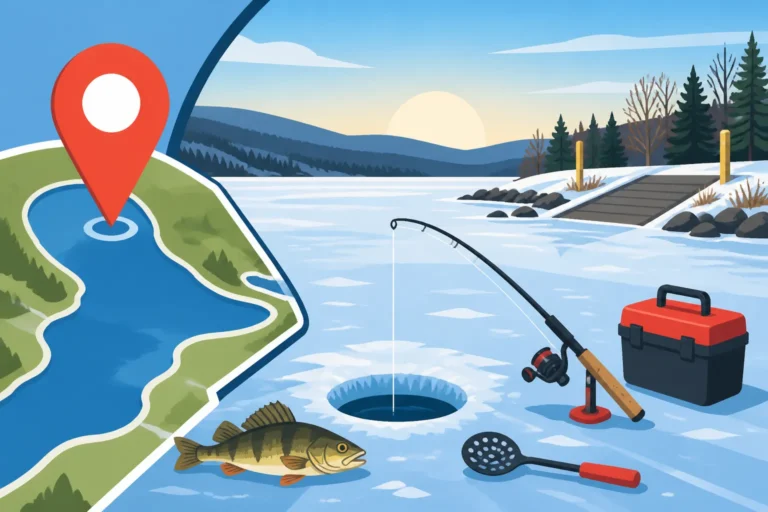
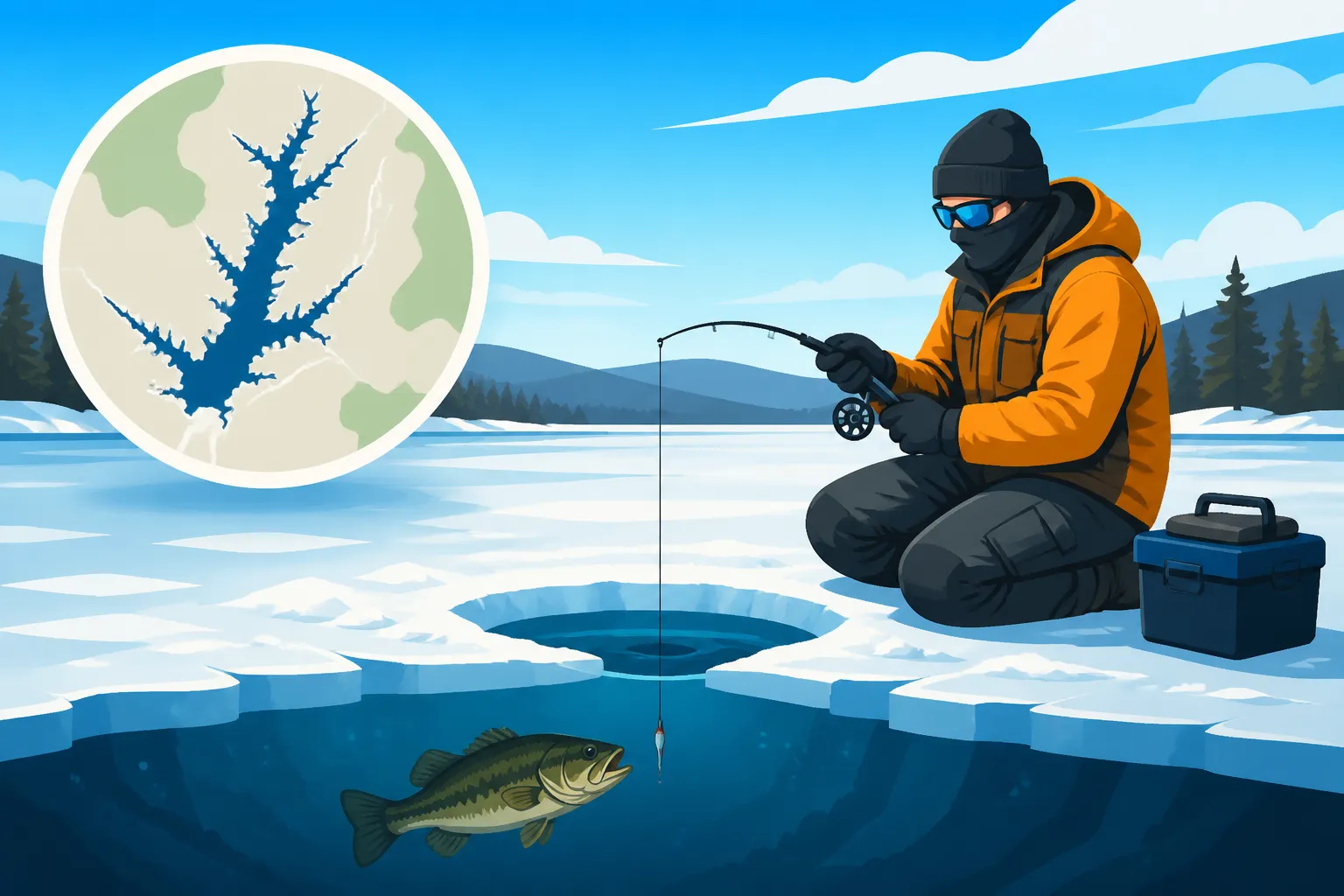
The biting cold of a Connecticut winter might send many anglers indoors, but for a dedicated few, it signals the start of prime ice fishing season, especially on a gem like Candlewood Lake. Trying to figure out where to safely access this massive body of water, what to expect, and how to stay safe can feel like navigating a frozen maze, leaving many feeling frustrated before they even drill a hole. This comprehensive guide is designed to cut through that confusion, giving you all the insider knowledge on prime ice fishing access points, safety considerations, and tips for a rewarding day out on Candlewood Lake's frozen surface.
Understanding Candlewood Lake for Ice Fishing
Candlewood Lake is Connecticut's largest lake, a sprawling man-made reservoir offering incredible fishing opportunities year-round, and that certainly includes the hard water season. Its sheer size and varied bottom structure mean diverse habitats for many fish species, but it also means ice conditions can vary wildly from one cove to another. Before you even think about drilling a hole, it's crucial to understand the lake's geography and how it influences ice safety and fish behavior.
Navigating Ice Thickness and Conditions
The number one rule of ice fishing is safety first, and that starts with understanding ice thickness. Candlewood Lake, being so large, rarely freezes uniformly. Coves and shallower bays tend to freeze earlier and thicker than the expansive main lake basin. Factors like currents, underwater springs, and even prevailing winds can create thinner ice in unexpected spots. It’s absolutely vital to check ice conditions locally and never assume ice is safe just because others are out there. A minimum of four inches of clear, solid ice is generally recommended for safe foot travel, with more required for snowmobiles or ATVs. Always carry ice picks, a rope, and tell someone where you're going. You can often find local reports on social media groups or by checking with bait shops in the area. Remember, just because it was safe yesterday doesn't mean it's safe today.
Prime Target Species Through the Ice
Candlewood Lake is a multi-species haven, and many of these fish remain active under the ice. You're primarily looking at targeting perch, crappie, bluegill, and the occasional feisty pickerel, which are often found in shallower coves and weed lines. But what truly draws many ice anglers to Candlewood is the chance at some impressive largemouth and smallmouth bass. While bass fishing can be more challenging through the ice, especially for trophy size, they are absolutely present and can be caught. Trout are also stocked in Candlewood, particularly brown trout and rainbow trout, offering another exciting opportunity. For those chasing game fish, understanding their winter habits – often relating to structure and deeper water adjacent to drop-offs – is key. You can learn more about specific species by checking out our guide on Fish Species Identification Guide for Connecticut.
Key Public Access Points for Ice Fishing
Finding safe, legal public access points is often the biggest hurdle for new ice anglers on Candlewood Lake. While many areas around the lake are private property, several state parks and boat launches provide excellent starting points. Always respect private property signs and park legally to avoid tickets or towing.
Squantz Pond State Park Access
Squantz Pond State Park, located in New Fairfield, offers perhaps the most well-known and reliably accessible ice fishing spot on Candlewood Lake. It's essentially a large cove connected to the main lake by a channel, making it somewhat protected from the harshest winds and often allowing for earlier, safer ice formation.
- Location and Parking: The park is easily accessible via Route 39. There's a sizable parking lot available, which is a huge plus for ice anglers who often haul quite a bit of gear. During the off-season (which includes most of the ice fishing season), the gatehouse is often unstaffed, but access to the parking lot is usually open. Always double-check park hours or any specific winter closures with the Connecticut DEEP.
- Ice Conditions and Fishing Opportunities: Squantz Pond itself is relatively shallow in many areas, averaging around 15-20 feet in its deeper sections, making it a great spot for panfish like yellow perch and crappie. These species tend to congregate around submerged structures, weed edges, and drop-offs within the pond. You'll often see groups of anglers scattered across the ice here, a good sign of consistent action and relatively safe ice, though vigilance is always required. The channel connecting Squantz Pond to the main lake is often one of the last areas to freeze and the first to become unsafe due to currents, so exercise extreme caution if venturing near it. This location is also often a good spot to target trout, as the lake receives annual stockings.
- Amenities: Restroom facilities might be closed during the winter months, so plan accordingly. There aren't any bait and tackle shops directly on site, so make sure you bring all your gear and bait with you. It’s a good idea to bring a portable shelter, especially on windy days, as there's not much natural cover.
Lattins Cove Public Boat Launch
Lattins Cove in Danbury is another popular spot, offering direct access to a larger section of Candlewood Lake. This launch is known for its convenience and ability to get anglers onto more expansive water, making it a favorite for those targeting a wider variety of species.
- Location and Parking: Located off Floral Drive in Danbury, the public boat launch provides a paved parking lot with ample space, though it can fill up quickly on busy winter weekends. It's a key access point for folks on the eastern side of the lake. Similar to Squantz, check for any winter-specific parking regulations or closures.
- Ice Conditions and Fishing Opportunities: Lattins Cove is typically deeper than Squantz Pond, with depths quickly dropping off into the main lake basin. This makes it an excellent choice for targeting smallmouth bass, which prefer deeper, rocky structures, and larger crappie. You'll want to use your portable sonar (flasher or even a handheld unit) to locate these fish and identify structure. The ice here can take longer to form due to the deeper water and exposure to wind, so always check local ice reports. The main body of Candlewood Lake nearby also holds some impressive largemouth bass, which might be found tucked into the deeper edges of the cove's structure. If you're looking to explore different parts of the lake, this launch provides a good starting point.
- Amenities: Like most public launches in winter, don't expect open restroom facilities or services. Pack in and pack out everything you need. The open nature of the cove means wind can be a significant factor, so a robust ice shelter is highly recommended. For those looking to plan future open-water trips or find local guides for the spring, resources like FishingBooker can help you connect with captains who specialize in Candlewood Lake's diverse fishery.
Other Potential Access Points (Use Caution and Verify)
While Squantz Pond and Lattins Cove are the most reliable, other areas may offer limited or less formal access. These spots require extra due diligence regarding legality, parking, and especially ice safety. Always verify current conditions.
- Candlewood Lake Road North and South Areas: Along the western shore of the lake, there are various small pull-offs and less formal access points along Candlewood Lake Road North and South. These are generally used by locals who know the specific safe spots. However, parking can be extremely limited, and much of the shoreline is private property. Trespassing is a real concern here, so unless you have explicit permission or are with a local who knows the ropes, it's best to stick to established public areas.
- Small Coves and Points: Many smaller coves around the lake, such as those near the marinas in Brookfield or New Milford, might freeze over. However, these are often surrounded by private residences or businesses. It's imperative to respect private property and only access areas where public entry is clearly permitted. Always assume private property unless explicitly stated otherwise. If you're unsure about a specific spot, it's always better to err on the side of caution and choose a known public access point.
Essential Gear and Safety Considerations
Ice fishing on Candlewood Lake, or any frozen water, demands specific gear and an unwavering commitment to safety. The beautiful winter scenery can quickly turn dangerous if you're unprepared.
Must-Have Ice Fishing Equipment
Don't head out onto the ice without the right tools. Beyond your standard fishing rod (typically a short, stiff ice fishing rod) and tackle, some items are non-negotiable for safety and success.
- Ice Augers: You'll need an auger to drill through the ice. Manual hand augers are sufficient for thinner ice (under 10 inches), but for thicker ice, a gas or electric power auger will save you a lot of effort and time. Consider the typical ice thickness on Candlewood, which can easily exceed a foot in mid-winter.
- Flasher/Fish Finder: A portable flasher or fish finder is invaluable for locating fish and understanding bottom structure. These devices allow you to see fish in the water column and identify changes in depth, which are crucial for targeting species like bass and crappie that relate to structure. Knowing the depth can help you position your bait precisely.
- Ice Picks and Spud Bar: Ice picks are critical safety devices worn around your neck, allowing you to pull yourself out of the water if you fall through. A spud bar (or chisel) is used to test ice thickness as you move across the ice, especially in unfamiliar areas. Never walk onto ice without first testing it.
- Warm Clothing and Shelter: Layering is key for staying warm. Wear waterproof outer layers, insulated boots, and a warm hat and gloves. A portable ice fishing shelter provides protection from wind and cold, making your time on the ice much more enjoyable. Brands like Eskimo and Clam offer excellent portable shelters that are easy to set up.
- Life Jackets: Even though you're on ice, a life jacket is a crucial piece of safety equipment. If you do fall through, it will keep you afloat and increase your chances of rescue. You can review all Life Jacket Requirements for Connecticut Boaters to understand when and where these are mandatory.
- First-Aid Kit and Emergency Supplies: A well-stocked first-aid kit, a fully charged cell phone, a whistle, and extra dry clothes are essential. Pack high-energy snacks and plenty of water or a warm beverage in a thermos.
| Access Point | Typical Species Targeted | Average Depth (Approx.) | Pros | Cons |
|---|---|---|---|---|
| Squantz Pond State Park | Perch, Crappie, Bluegill, Trout, Pickerel | 15-20 feet | Protected from wind, reliable ice, ample parking | Can get crowded, shallower |
| Lattins Cove | Smallmouth Bass, Largemouth Bass, Crappie | 20-50+ feet | Access to deeper water, good structure, ample parking | More exposed to wind, ice forms later |
| Candlewood Lake Rd. North/South (Select areas) | Varied, local knowledge dependent | Highly variable | Potentially less crowded | Limited parking, private property risk, variable safety |
Navigating Ice Hazards
Beyond just checking ice thickness, you need to be aware of other potential hazards. Currents, especially near the main lake channel or deeper water, can create thin spots or open water where you least expect it. Areas near aerators used by marinas or homeowners can also create dangerously thin ice. Snow cover can insulate ice, making it appear thicker than it is, or it can hide dangerously thin ice. Always be on the lookout for slushy spots, discolored ice, or areas where the ice looks different. Never ice fish alone, and always let someone know your plans, including your expected return time. This is particularly important on a large body of water like Candlewood.
Tactics for Successful Ice Fishing on Candlewood
Once you're safely on the ice, knowing how to approach Candlewood Lake's diverse fishery can significantly increase your success. It's not just about drilling a hole and dropping a line; understanding fish behavior and presenting your bait correctly are crucial.
Locating Winter Fish Habits
Fish in winter tend to be less active and often congregate in specific areas to conserve energy and find food. Understanding these patterns is key.
- Panfish: Yellow perch, crappie, and bluegill are often found in relatively shallow bays and coves, especially around submerged weed beds or the edges of drop-offs where they can ambush smaller baitfish or insect larvae. Look for them in areas with a soft bottom or decaying vegetation. Drilling a series of holes in a grid pattern and using your flasher to scan for schools can be highly effective. They often bite best during low-light conditions, early morning and late afternoon.
- Bass (Largemouth and Smallmouth): Largemouth bass will typically retreat to deeper weed lines or timber, often relating to structure like submerged trees or rock piles in 15-30 feet of water. Smallmouth bass, on the other hand, prefer rocky areas, humps, and steep drop-offs in slightly deeper water, sometimes 20-40 feet or more. Targeting these structure points is critical. For effective bass fishing, consider exploring some of the Best Bass Fishing Techniques for Candlewood Lake adapted for ice conditions. Look for sudden depth changes or isolated structure on your maps and then confirm with your flasher.
- Trout: Candlewood Lake is stocked with trout, and these fish can be found cruising the open water or relating to structure in deeper sections. They are often suspended at various depths rather than right on the bottom. Using a flasher to pinpoint their depth is essential, as they can be anywhere from 10 feet down to 40 feet or more. You can check the Connecticut Interactive Trout Stocking Map, Explained to see specific stocking locations within the larger Candlewood system.
Best Baits and Lures for Ice Fishing
Matching your bait to the species you're targeting and the prevalent forage is crucial. Winter fish are often lethargic, so finesse presentations are generally more effective.
- Panfish: Small jigging spoons (1/32 to 1/16 oz) tipped with a small piece of bait like a waxworm, mealworm, or a maggot are incredibly effective. Tiny tungsten jigs in bright colors, also tipped with bait, work wonders. Ultralight fishing line (2-4 lb test monofilament or fluorocarbon) is essential for a natural presentation and detecting subtle bites.
- Bass: For largemouth and smallmouth, slightly larger jigging spoons (1/8 to 1/4 oz) or blade baits can entice strikes. Live bait, particularly shiners or small minnows fished on tip-ups or under a bobber, is often the most productive method for larger bass. Finesse plastics, like small tubes or creature baits on a jig head, can also work when jigged slowly. The key is often a slow, enticing movement.
- Trout: Trout respond well to small jigging spoons, flashy spoons, or small jigs tipped with mealworms, corn, or PowerBait. Trolling spoons like Kastmasters or small Swedish Pimples can be deadly. If you're using tip-ups, a small shiner or worm suspended at various depths can also be effective. You might find more specific information on Fly Patterns for Connecticut Trout Streams and how some principles can be adapted to ice fishing if you're targeting trout with micro jigs.
Regulations and Etiquette for Ice Anglers
Just like during open water season, ice anglers on Candlewood Lake must adhere to Connecticut's fishing regulations and practice good etiquette to ensure everyone has a safe and enjoyable experience. Ignorance of the law is never an excuse.
Connecticut Fishing License Requirements
Every angler aged 16 and older needs a valid Connecticut fishing license to fish on Candlewood Lake, even through the ice. This includes residents and non-residents alike. You can easily purchase your license online through the CT DEEP website, at authorized vendors, or even sometimes at town clerks' offices. Make sure your license is valid for the current season. Our comprehensive guide, Connecticut Fishing License Guide for 2026, covers all the details you need, including how to obtain one and the different types available, such as the Connecticut Inland vs Marine vs All-Waters License, Explained.
- Youth and Senior Exemptions: While those under 16 generally don't need a license, it's always good to be aware of the specific Connecticut Fishing License Age Requirements. Seniors might also be eligible for discounted or even free lifetime licenses.
- Trout & Salmon Stamp: If you plan on keeping trout, you might also need a Connecticut Trout and Salmon Stamp, depending on the regulations. Always double-check the current Connecticut Trout and Salmon Stamp, Explained rules to ensure you're compliant.
Specific Ice Fishing Regulations and Limits
Connecticut has general fishing regulations that apply to ice fishing, along with specific rules for lines and shanties.
- Line Limits: Anglers are typically allowed to fish with up to six lines (rods or tip-ups) while ice fishing. Each line must be under the immediate control of the angler. This means you can't set up lines and wander off.
- Hole Size: Generally, ice holes should not exceed 10 inches in diameter. This is a safety precaution to prevent people from accidentally falling into larger, unmarked holes.
- Ice Shanties: If you plan to use an ice shanty (a portable or semi-permanent structure), it must be removed from the ice by a certain date (usually before mid-March) to prevent it from falling through as the ice thins. Shanties also often need to be marked with your name and address. Always check the current year's regulations published by the CT DEEP for specific dates and marking requirements.
- Creel and Size Limits: Don't forget that species-specific creel limits (how many fish you can keep) and size limits (minimum or maximum length) apply to ice fishing just as they do during open water season. For instance, there are specific Connecticut daily trout limit rules, and for bass, there are typically statewide minimum length limits. Always refer to the latest Connecticut Fishing Guide for current regulations, which you can usually find online or at a license vendor.
Practicing Good Ice Fishing Etiquette
Respect for fellow anglers and the environment ensures a pleasant experience for everyone.
- Trash No Trash: Pack out everything you pack in, and then some. This includes broken lines, bait containers, and any food wrappers. Leaving trash on the ice spoils the environment and reflects poorly on all anglers.
- Respect Others' Space: Give other anglers ample space. Don't drill holes right on top of someone else, especially if they are actively fishing a particular spot. A general rule of thumb is to stay at least 50 feet away unless invited closer.
- Noise Levels: Keep noise to a minimum, especially early in the morning or late in the evening. Loud music or yelling can disturb fish and annoy other anglers.
- Share Information (Respectfully): While it's great to share tips and success stories, avoid disclosing precise GPS coordinates or specific "honey holes" without permission, especially if the person shared them with you in confidence. However, sharing general conditions or safety information is always encouraged.
Ice fishing on Candlewood Lake can be a truly unique and rewarding experience, offering a serene escape and the thrill of catching fish in a completely different environment. By prioritizing safety, understanding access points, and respecting regulations, you can enjoy all that Connecticut's largest lake has to offer during the winter months.
Disclaimer
Fishing conditions and regulations in Connecticut can change rapidly. Always check the most current Connecticut Department of Energy and Environmental Protection (DEEP) Fishing Guide and local ice conditions before venturing out. This guide is for informational purposes only and does not guarantee ice safety. Ice fishing carries inherent risks, and anglers are responsible for their own safety and adherence to all laws.