Salmon River trout fishing access
Finding the perfect spot to cast a line on the Salmon River can sometimes feel like a treasure hunt, especially with its diverse stretches and regulations. It’s easy to get overwhelmed trying to figure out where to park, what type of fishing is allowed, and what kind of trout you might find. This guide is here to untangle all that, helping you discover some of the best and most accessible trout fishing spots along Connecticut's beautiful Salmon River, ensuring your next fishing trip is both enjoyable and rewarding.
Understanding the Salmon River Fishery
The Salmon River, a true gem in Connecticut's angling crown, offers a remarkably varied fishing experience depending on where you drop your line. It’s not just one homogenous stretch of water; rather, it’s a tapestry of different environments, each with its own character and opportunities for trout anglers. From its tranquil headwaters to its more robust lower sections, the river truly holds something for everyone, whether you're a seasoned fly fisher or just starting out with a spinning rod.
A River of Diverse Opportunities
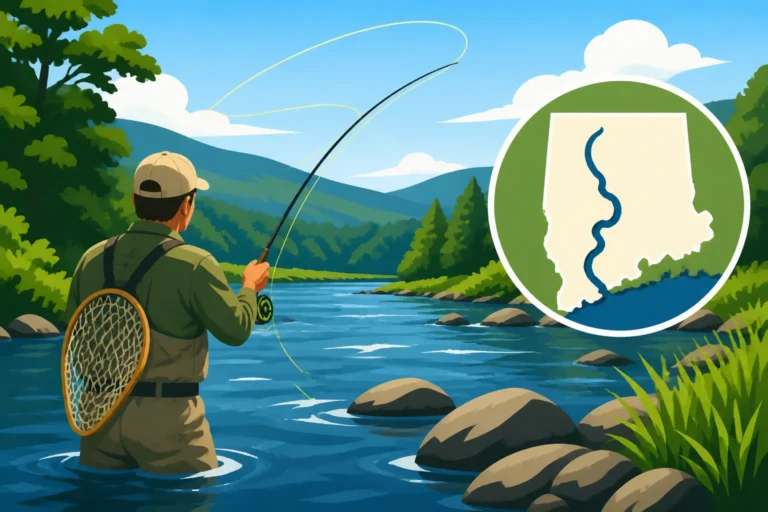
When we talk about the Salmon River, it’s crucial to understand that it presents a spectrum of fishing conditions. In its upper reaches, you’ll find smaller, colder tributaries that nurture populations of wild brook trout. These are often shyer fish, requiring a bit more stealth and a keen eye, but the reward of catching a native brook trout in its natural habitat is truly special. As the river gathers steam and flows downstream, particularly through areas like the Salmon River State Forest, it transitions into a prime stocking destination. Here, the Connecticut DEEP regularly releases thousands of trout – rainbow, brown, and brook – throughout the spring and fall seasons, creating fantastic opportunities for anglers looking for more consistent action. You might often hear chatter about the latest stocking reports, and checking the Connecticut Interactive Trout Stocking Map, Explained can be a real game-changer for planning your trip to these popular sections. Further down, some sections are managed as Trout Management Areas (TMAs), like the popular catch-and-release fly fishing only section, which offers a unique challenge and rewards anglers with larger, more experienced fish.
Key Species and Seasonal Highlights
The Salmon River is predominantly known for its trout, but the specific species you encounter will vary by section and season. Rainbow trout are probably the most commonly stocked and caught, often eager to hit a variety of baits and lures, especially after a fresh stocking. Brown trout are also regularly stocked, and these can grow quite large, offering a thrilling fight for those who target them. Then there are the beautiful native brook trout, which thrive in the colder, more pristine upper sections. Beyond trout, you might occasionally hook into a smallmouth bass or panfish in the lower, warmer stretches, adding a bit of variety to your day.
The best time to fish the Salmon River largely mirrors the Connecticut Fishing Seasons by Month. Spring, particularly from opening day right through May, is prime time thanks to regular stocking and active fish. The water temperatures are ideal, and trout are often actively feeding. If you're looking for an unforgettable experience, understanding Spring Trout Fishing Techniques for Connecticut Streams can make all the difference during this bustling period. Fall also offers excellent opportunities, especially for larger, holdover trout that have survived the summer, and the foliage makes for a stunning backdrop. Even in winter, certain sections can provide rewarding fishing for those brave enough to bundle up, often for those elusive holdover brown trout.
Public Access Points for Trout Anglers on the Salmon River
One of the great things about the Salmon River is the relatively generous public access, thanks to extensive state forest land and designated fishing areas. However, knowing where to go and what to expect at each spot can save you a lot of time and frustration. Let’s break down some of the most popular and productive access points from the lower river up.
The Lower Salmon River: Easy Access and Stocked Waters
The lower stretches of the Salmon River, particularly around the towns of East Hampton, Colchester, and Marlborough, are where many anglers find their initial success. These areas are generally wider, slower, and receive significant stocking, making them ideal for a relaxed day of fishing, often with the family.
A classic starting point is the area surrounding the iconic Comstock Covered Bridge in East Hampton. There's ample parking right by the bridge, making it incredibly convenient. From here, you can access both upstream and downstream sections of the river. The water here is typically wider and slower-moving than further upstream, which is great for bait fishing with worms or powerbait, or casting small spinners and spoons. The ease of access makes it a popular spot, especially on weekends and during stocking events. Downstream from the bridge, you'll find more open stretches, perfect for those who like to wander a bit. Upstream, the river becomes a bit more intimate, with some deeper pools and runs that can hold larger trout. This section is generally open to all legal methods of fishing, so it's a fantastic spot for beginners or those introducing kids to the sport.
Another excellent lower river access point is within the Salmon River State Forest, particularly around the River Road area. This road, which parallels much of the river, offers numerous pull-offs and designated parking spots. You can essentially park and walk down to the river in many places. The terrain here is generally flat, making it accessible for many anglers. These stretches are heavily stocked with trout, so your chances of success are good, especially during spring. It's not uncommon to see several other anglers here, but with so many access points, you can often find your own little piece of the river. Remember to always respect private property boundaries and stick to the state forest land. If you're ever in doubt about specific regulations or boundaries, the Reading the Connecticut Fishing Guide can be an invaluable resource.
Mid-River Sections: Balancing Convenience and Solitude
Moving upstream, the Salmon River starts to change character. The gradient increases slightly, the river becomes a bit narrower, and while stocking still occurs, you also begin to find more holdover trout and even some wild fish, particularly as you approach the designated Trout Management Area (TMA).
One of the most well-known mid-river spots is the Catch-and-Release Fly Fishing Only section, which runs for approximately two miles from the Comstock Bridge upstream to the Route 16 bridge in Colchester. This section is a true gem for fly anglers seeking a challenge and the chance to hook into larger, smarter trout. Access points include various pull-offs along River Road and some designated parking areas. While you can often park near the Comstock Bridge and walk upstream, there are also parking areas further up, closer to the Route 16 bridge. This specific section requires a higher level of skill and adherence to strict regulations, including the Connecticut Catch and Release Fly Fishing Only Waters rule and the use of artificial lures with a single barbless hook. The fish here are accustomed to angler pressure, making them more discerning, but the rewards are often substantial. It's a peaceful experience, focusing on presentation and technique.
Further upstream from the TMA, before the river truly becomes a series of smaller brooks, you'll find areas around Day Pond State Park in Colchester. While Day Pond itself is a popular fishing spot, the river sections connecting to it and flowing nearby also offer good opportunities. Access can be a bit more walk-in intensive, sometimes requiring a short hike from parking areas within the state park. These stretches are less crowded than the Comstock Bridge area and can offer a nice mix of stocked and holdover trout. You might find deeper pools and riffles that are perfect for drifting nymphs or swinging streamers. Keep an eye out for fallen trees and other natural structure, which often hold fish. The solitude here can be a welcome change for those who prefer a quieter fishing experience.
Upper Salmon River: Wild Trout and Seclusion
The uppermost reaches of the Salmon River and its feeder streams are where the truly wild trout thrive. These areas are characterized by smaller flows, denser forest cover, and often more challenging access, but they offer the unparalleled experience of pursuing native brook trout in pristine environments.
Accessing these headwaters often means trading wide-open parking lots for roadside pull-offs and short, sometimes steep, hikes through the woods. Look for areas within the Salmon River State Forest that are further away from main roads, requiring a bit more effort. These smaller streams are often canopied by trees, making casting a bit trickier, but they reward careful approaches and accurate presentations. Light tackle and subtle techniques are key here, as wild brook trout are incredibly wary. Many anglers prefer ultralight spinning gear with tiny spinners or small flies for these delicate fish. These sections are less about catching a limit and more about the experience of connecting with nature and a truly wild fish. Before heading into these more remote areas, it's always wise to let someone know your plans and be prepared for less mobile phone service. If you're interested in really delving into specific locations and even potentially finding a local guide to show you the more secluded spots, resources like FishingBooker can help you connect with guides who specialize in these types of experiences across Connecticut.
Navigating Regulations and Best Practices for Salmon River Fishing
A responsible angler understands that regulations aren't just arbitrary rules; they're vital tools for managing and conserving our precious fisheries. The Salmon River, with its diverse habitats and popular fishing spots, has specific rules that every angler must follow. Ignoring them isn't just illegal, it harms the resource we all love.
Essential Regulations to Know
First and foremost, you absolutely need a valid Connecticut fishing license. There are various options, including the Connecticut Fishing License Guide for 2026 for residents and non-residents, and it's super easy to obtain one online. Always carry proof of your license, whether it's a printed copy or on your phone (check out Printing or Carrying a Digital Fishing License in Connecticut for details).
The Salmon River falls under general statewide regulations for many of its stretches, but it's the special regulation areas that really demand attention. As mentioned, the Trout Management Area (TMA) from Comstock Bridge upstream to Route 16 is "Trout Management Area Regulations" for artificial lures and flies with a single barbless hook, and strictly catch-and-release year-round. This is a critical distinction from general regulation waters where you might be allowed to keep a certain number of trout, often covered under Connecticut Trout Limit and Possession Rules. Always check the most current Connecticut Fishing Guide published by the DEEP before you head out, as regulations can change. For example, some sections may have specific season dates or bait restrictions that differ from the norm.
Tips for a Successful and Respectful Day
Beyond the rules, a few best practices can greatly enhance your Salmon River experience and ensure you're a good steward of the environment.
- Wading Wisely: The Salmon River has a mix of rocky and gravelly bottom. Good wading boots with felt or studded soles are highly recommended for safety. Always use a wading staff, especially if you're exploring new areas or if the current is strong. Be mindful of disturbing the riverbed and spawning areas. Knowing Wading Techniques for Connecticut Trout Streams can be a real game-changer, especially in swift currents.
- Stealth and Approach: Especially in the clearer, shallower sections and the TMA, trout can be incredibly spooky. Approach the water slowly, keep a low profile, and avoid casting shadows over the water. Long casts and subtle presentations are often more effective than crashing through the brush and slinging your lure haphazardly.
- Gear for Success: For general stocked areas, a medium-light spinning rod with 4-6 lb test line is versatile for a variety of baits and lures. Small inline spinners (like Panther Martins or Mepps), spoons, and soft plastics can be very effective. If you're heading to the fly-fishing-only section, a 4 or 5-weight fly rod with a floating line is standard. Carry a variety of flies, including nymphs, dry flies, and streamers, as trout diets can change daily. You can find excellent advice on Fly Fishing for Trout in Connecticut to get you started.
- Leave No Trace: Pack out everything you pack in, and if you see any trash, consider taking it with you. Respect wildlife, vegetation, and other anglers. Public access is a privilege, and keeping these areas clean and pristine helps ensure they remain open and enjoyable for everyone. If you’re considering an alternative fishing adventure or wanting to explore another type of fishery with an experienced captain, looking through options on FishingBooker can provide you with opportunities beyond the Salmon River. It’s a great way to discover new spots or even try for a different species, perhaps with a guide who handles all the details, from gear to permits.
- Consider a Guide: If you're new to the Salmon River, especially the TMA, or want to explore more remote sections, hiring a local guide can be an invaluable investment. They know the river intimately, understand the fish behavior, and can teach you effective techniques. Platforms like FishingBooker can help you find reputable local guides who can truly unlock the river's secrets and enhance your learning curve.
The Salmon River is a remarkable place, offering some of the best trout fishing in Connecticut. By understanding its different sections, knowing where to access it, and respecting its rules and environment, you're set for many memorable days on the water.
Here’s a quick overview of some key access points:
| Access Point | General Location | Best For | Parking Availability | Key Features |
|---|---|---|---|---|
| Comstock Covered Bridge | East Hampton / Colchester | Stocked trout, bait/lure fishing, beginners | Ample | Iconic bridge, easy river access, popular spot, family-friendly |
| Salmon River State Forest | River Road, East Hampton/Colch. | Stocked trout, general access, wandering | Numerous pull-offs | Extends along the river, varied terrain, less crowded than bridge area |
| TMA Fly Fishing Only | Comstock Bridge to Route 16 | Catch & Release, fly fishing, experienced anglers | Limited pull-offs | Strict regulations, larger holdover trout, tranquil experience, challenge |
| Day Pond State Park Area | Colchester | Mixed stocked/holdover, walk-in access | Within park | Quieter sections, connecting waters, scenic, good for exploring |
Disclaimer
The information provided in this guide is for general informational purposes only and is subject to change. Fishing regulations, stocking schedules, and access conditions can vary. Always consult the latest official Connecticut Department of Energy and Environmental Protection (DEEP) fishing guide and local signage before fishing. Your safety and adherence to all laws are your responsibility.