Best kayak fishing on the Housatonic River
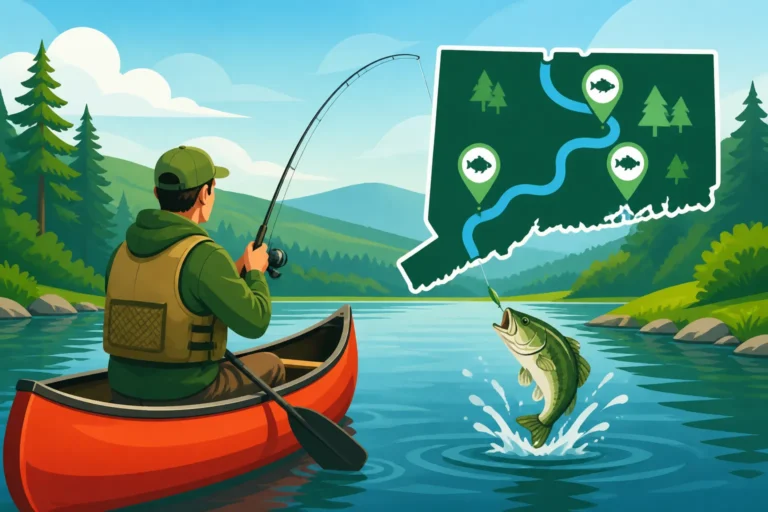
There's nothing quite like the freedom and intimacy of kayak fishing, but trying to figure out the best spots and strategies on a river as mighty and diverse as the Housatonic in Connecticut can feel a bit overwhelming. From its cold, clear upper reaches tumbling through the Litchfield Hills to its broad, tidal lower sections near Long Island Sound, this river presents a unique set of challenges and incredible rewards for the intrepid kayak angler. This guide is here to break down everything you need to know, helping you navigate the waters, understand the fish, and make your next Housatonic kayak fishing adventure truly unforgettable.
Why Kayak Fishing the Housatonic River is So Special
The Housatonic River is truly a jewel in Connecticut's angling crown, offering an experience that's distinctly different when explored from the vantage point of a kayak. It's not just about reaching inaccessible spots; it's about the connection to the water, the quiet approach, and the sheer variety of fishing opportunities.
Diverse Fisheries from Trout to Stripers
One of the most remarkable aspects of the Housatonic is its incredible biodiversity, especially within a single river system. Depending on where you launch your kayak, you could be targeting entirely different species, often within just a few miles of each other.
Upstream, particularly in the sections running through towns like Cornwall and Kent, the river transforms into a pristine coldwater haven. This is the heart of the Housatonic River Trout Management Area, renowned for its strong populations of brown and rainbow trout. Many anglers consider this one of the premier trout rivers in the Northeast, and for good reason. From a kayak, you can quietly drift through deep runs, fish seams behind boulders, and access stretches that bank anglers can only dream of reaching. You'll find yourself casting dry flies, nymphing subtle currents, or tossing small spinners and spoons, often rewarded with robust, wild-feeling trout. The solitude and natural beauty here are second to none.
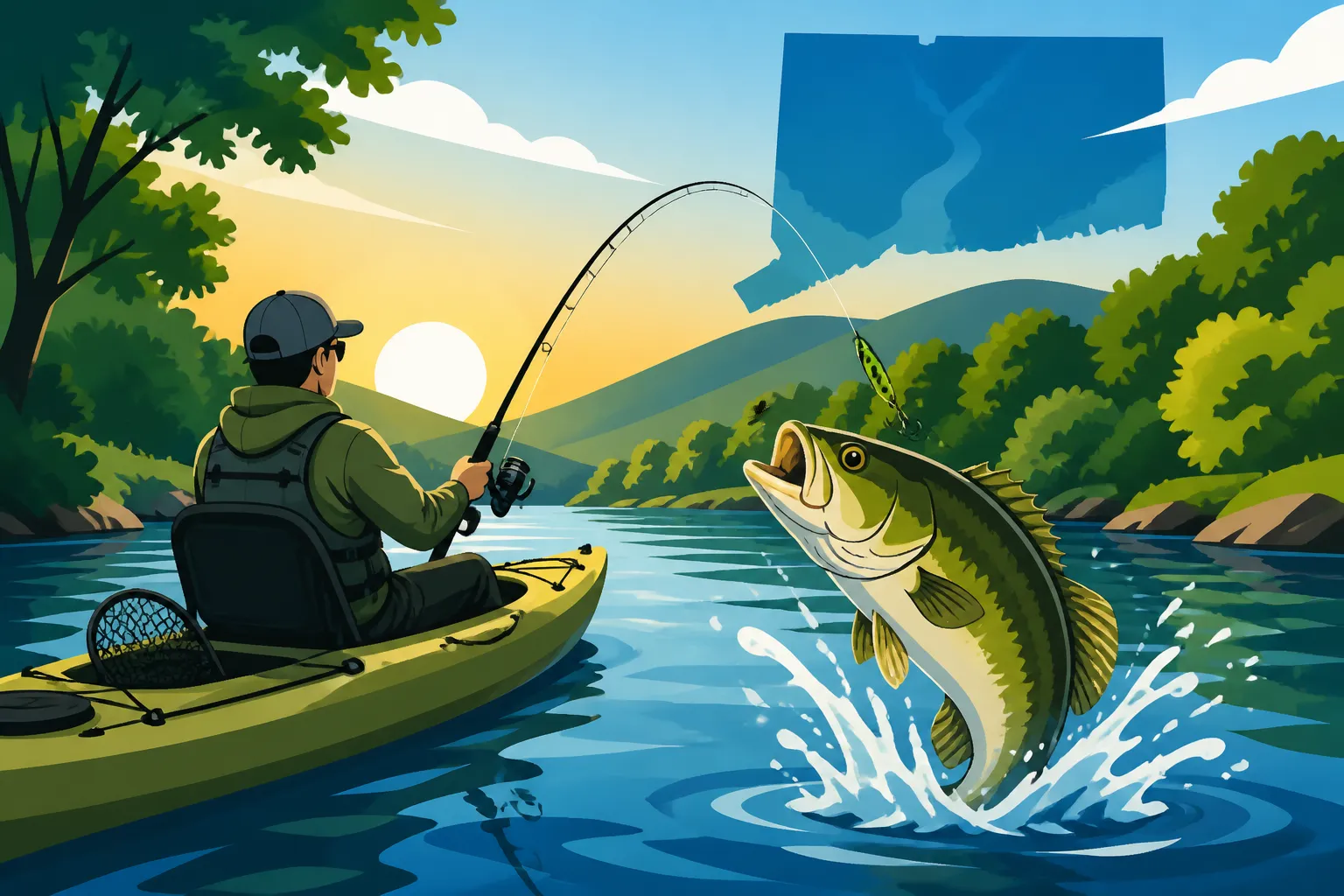
As you paddle downstream, the river gradually warms and widens, transitioning into prime habitat for warmwater species. The impoundments like Lake Zoar and Lake Lillinonah, formed by dams along the middle Housatonic, are fantastic for species like smallmouth and largemouth bass, pike, and various panfish. Kayak fishing in these sections allows you to explore intricate shorelines, submerged timber, and deep points that bigger boats might struggle to access. The smallmouth bass in particular are known for their aggressive strikes and powerful fights in the Housatonic's current. Further downstream, as the river approaches the city of Derby and then flows towards the Sound, it becomes tidal. Here, the freshwater species begin to mix with saltwater inhabitants. This lower section of the Housatonic River is a fantastic place to target striped bass, especially during their spring and fall migrations. The brackish water creates a unique environment where you might catch a feisty smallmouth and then, just a few casts later, hook into a hard-fighting striper. This incredible species diversity makes every trip on the Housatonic an exciting roll of the dice, always offering the potential for something new and thrilling.
The Beauty and Challenge of the River
Beyond the fish, the Housatonic offers an unparalleled aesthetic experience for kayak anglers. The upper reaches are framed by the rolling hills and dense forests of the Litchfield region, with picturesque small towns and historic covered bridges dotting the landscape. The water here is often crystal clear, allowing you to spot fish-holding structure or even trout finning in the current. It's a place where you can truly escape the hustle and bustle, hearing only the sounds of the river and local wildlife. You can find more details on this stunning waterway in our comprehensive Housatonic River Fishing Guide.
However, the Housatonic is also a river that demands respect. Its currents can be swift, especially after heavy rains or during spring runoff. Navigating rapids, boulder fields, and snags requires good paddling skills and constant awareness. The middle sections, with their broader stretches and impoundments, can be affected by wind, which can make paddling challenging. And the lower, tidal sections require a keen understanding of tides and currents, as a strong outgoing tide can make paddling back upstream an exhausting endeavor. But it's precisely these challenges that make the rewards so much sweeter. Successfully navigating a tricky section of river, landing a beautiful fish from a remote pocket, or simply enjoying the tranquility of a sunrise paddle makes the effort incredibly worthwhile. The Housatonic teaches you to be a more observant, adaptable, and skilled angler, honing your abilities with every bend and riffle.
Essential Gear and Safety for Housatonic Kayak Anglers
Getting out on the Housatonic in a kayak is an amazing experience, but it’s crucial to be prepared. This isn’t just about having the right fishing gear; it’s fundamentally about ensuring your safety and comfort on a dynamic river environment.
Kayak and Paddle Considerations
Choosing the right kayak is paramount for a successful and safe Housatonic adventure. For river fishing, stability is often prioritized over sheer speed. A wider, sit-on-top kayak provides excellent stability for casting, standing (if your kayak allows), and maneuvering around obstacles. These often come with ample storage for tackle boxes, coolers, and other essentials. If you plan on fishing the more tranquil sections or the impoundments, a recreational sit-in kayak might suffice, offering a bit more shelter from the elements, but they are less stable and harder to re-enter if you flip. Specialized fishing kayaks, from brands like Hobie or Old Town, often feature pedal drives for hands-free propulsion, allowing you to cast and drift simultaneously, which can be a game-changer on a river with current.
Your paddle choice is equally important. A lightweight, durable paddle that's properly sized for your height and kayak width will significantly reduce fatigue, especially on longer floats or against strong currents. Consider a paddle with an adjustable feathering angle to optimize efficiency. Always carry a spare paddle, or at least a paddle leash, because losing your primary paddle in a strong current is a scenario you absolutely want to avoid. If you're using a pedal-drive kayak, a regular paddle is still essential for shallow water, launching, and tight spots.
Safety First: PFDs, Waders, and Weather
Safety on the Housatonic cannot be overstated. The river, while beautiful, can be unpredictable. Always wear a properly fitted Personal Flotation Device (PFD). This isn't just a recommendation; it's a legal requirement in many situations and a non-negotiable for serious kayak anglers. You can review the specific Life Jacket Requirements for Connecticut Boaters to ensure you're compliant. A fishing-specific PFD often has pockets for small tackle, pliers, and other tools, making it convenient.
If you're fishing the colder months or the chilly upper stretches for trout, waders are essential. Breathable stockingfoot waders paired with sturdy wading boots will keep you dry and comfortable. However, be extremely cautious when wearing waders in a kayak. If you flip, waders can fill with water and become a serious hazard, potentially dragging you down. Always wear your PFD over your waders, and understand how to safely exit your waders in an emergency. Many experienced kayak anglers opt for quick-drying synthetic clothing instead of waders for increased safety, especially if there's a risk of submersion.
Weather conditions can change rapidly in Connecticut. Always check the forecast before you head out, paying close attention to wind speed, temperature, and chances of precipitation or thunderstorms. A sudden squall can turn a calm section of river into a dangerous one, especially on the wider impoundments. Carry appropriate rain gear, sun protection (hat, sunglasses, sunscreen), and enough water to stay hydrated. A dry bag is invaluable for protecting electronics, extra clothes, and snacks from splashes or an unexpected capsize. Inform someone of your float plan – where you're launching, where you expect to take out, and when you plan to be back.
Must-Have Fishing Tackle for River Species
Given the Housatonic's diverse fishery, your tackle setup will vary depending on what you're targeting and which section of the river you're fishing. However, some general principles apply. For trout in the upper river, a light to medium-light spinning rod (6' to 7') paired with a small reel spooled with 4-6 lb test fluorocarbon or monofilament is ideal. Fly anglers will typically opt for 4-6 weight fly rods. Common lures include small inline spinners, spoons, and soft plastic grubs. For fly fishing, having a good selection of nymphs, streamers, and dry flies is key. For more on specific fly patterns, you might check out guides like Fly Patterns for Connecticut Trout Streams.
Moving downstream to target smallmouth and largemouth bass, a medium to medium-heavy spinning or casting rod (6'6" to 7'6") with 8-15 lb test fluorocarbon or braid is a versatile setup. You'll want a variety of lures: small crankbaits, jerkbaits, soft plastic tubes and grubs, spinnerbaits, and topwater lures are all effective. The Housatonic's smallmouth are particularly fond of soft plastics fished on jig heads. Live bait, like shiners or crayfish, can also be incredibly effective. For those targeting pike, you'll need heavier tackle – medium-heavy to heavy rods, 20-30 lb braid, and a wire leader to prevent bite-offs from their razor-sharp teeth. Larger spoons, spinnerbaits, and swimbaits are good choices.
Finally, for striped bass in the lower tidal sections, you'll need a stout medium-heavy to heavy spinning rod (7' to 8'6") capable of casting heavier lures, paired with a reel spooled with 20-40 lb braid. Topwater plugs, soft plastic paddletails on jig heads, and bucktail jigs are proven striper getters. And remember, no matter what you're fishing for, a good pair of pliers and a net are invaluable for handling fish safely and efficiently from a kayak.
Prime Kayak Fishing Zones on the Housatonic River
The Housatonic River is a patchwork of diverse ecosystems, each offering its own unique kayak fishing experience. Understanding these distinct zones is key to planning your trip and maximizing your success.
The Upper Housatonic (Trout Management Area)
The upper reaches of the Housatonic River, roughly from the Massachusetts border downstream to the Stevenson Dam in Oxford/Monroe, are particularly famous for their coldwater fishery. The crown jewel here is the section from Cornwall Bridge downstream to Falls Village, designated as a Trophy Trout Stream and a significant portion of the Housatonic River Trout Management Area. This area is characterized by swift currents, deep pools, rocky riffles, and numerous boulders. The water is typically clear and cold, providing excellent habitat for wild brown trout and regularly stocked rainbow trout.
Kayak access in this upper section is possible at several public access points. For instance, putting in around Kent or Cornwall Bridge offers fantastic opportunities to drift through prime trout water. You'll want to carefully scout your put-in and take-out points, as many sections require negotiating rapids or wading around obstacles. Kayaks allow you to quietly approach fish-holding lies that are difficult to reach from the bank. Drifting with the current, while strategically positioning your kayak with subtle paddle strokes, allows for precise presentations of flies or lures. Remember to check the specific Connecticut Trout Management Area Regulations before you go, as special rules like artificial lures only or catch-and-release can apply to different sections. This is the place to go if you dream of quiet solitude and hard-fighting trout.
The Middle Housatonic (Smallmouth and Largemouth Haven)
As the Housatonic flows south, it encounters several dams, creating large impoundments that dramatically change its character. Lake Lillinonah and Lake Zoar are two of the most popular and productive bodies of water for kayak anglers in the middle Housatonic. These lakes offer a completely different fishing experience, characterized by larger, slower-moving water, diverse underwater structure, and abundant warmwater species.
Lake Lillinonah, formed by the Shepaug Dam, is a deep, sprawling lake known for its excellent smallmouth and largemouth bass fishing. Its rocky shorelines, submerged humps, and numerous coves provide endless opportunities for kayak anglers. From a kayak, you can sneak into shallow coves loaded with largemouth or patiently work deep rock piles for bronze-backed smallmouth. Similarly, Lake Zoar, located further downstream between Newtown and Southbury, is another prime spot. It’s also known for its bass, but it also holds good populations of chain pickerel and northern pike, offering exciting action for toothy critters.
Access to these impoundments is good, with several public boat launches available. For instance, the Paugussett State Forest boat launch on Lake Lillinonah near Newtown is a popular spot. When kayak fishing these sections, pay close attention to wind conditions, as the open water can get choppy, and boat traffic from larger vessels can create wakes. Your approach here will often involve casting towards structure, slowly working plastics, or ripping spinnerbaits. If you're looking for aggressive smallmouth action, be sure to check out guides like Best Baits for Smallmouth Bass on the Housatonic for specific recommendations.
The Lower Housatonic (Tidal Influence and Striped Bass)
The final section of the Housatonic River, downstream from the Derby/Shelton Dam to Long Island Sound, is completely tidal and represents another unique fishery. This brackish water zone is where freshwater meets saltwater, attracting a host of migratory species, most notably striped bass.
Kayak fishing in the lower Housatonic means dealing with strong tidal currents. Understanding the tides is absolutely critical here. Fishing the incoming or outgoing tide can concentrate baitfish and predatory stripers in specific areas like channel edges, bridge pilings, and rocky points. Access points like those in Derby, Shelton, or Stratford offer entry into this dynamic zone. From a kayak, you can quietly work the edges of marsh grasses, paddle around bridge abutments, and fish rips and current seams that bigger boats often ignore.
During the spring and fall migrations, this section of the river can be teeming with striped bass, from schoolies to larger cow stripers. Kayak anglers often use soft plastic paddletails, bucktail jigs, or even live bunker to entice these powerful fish. Bluefish are also common visitors, especially in summer. It’s an exhilarating experience to hook into a large striper from a kayak, feeling the raw power of the fish pull your small craft around. Just be prepared for the added challenge of navigating stronger currents and potentially more boat traffic closer to the Sound. For more on targeting these migrating giants, refer to our Connecticut Striped Bass Slot Limit and Season guide.
| Housatonic River Zone | Primary Species Targeted | Typical Kayak Fishing Style | Key Access Points (Examples) | Special Considerations |
|---|---|---|---|---|
| Upper (TMA) | Brown Trout, Rainbow Trout | Fly fishing, Light Tackle Drifting | Cornwall Bridge, Kent, Falls Village | Artificial lures only, catch & release sections, swift current, cold water |
| Middle (Impoundments) | Smallmouth Bass, Largemouth Bass, Pike, Panfish | Casting to structure, Trolling (pedal kayaks) | Lake Lillinonah: Paugussett SF Launch; Lake Zoar: Jackson Cove, LL Bean Paddle Sports | Wind can create chop, boat traffic on weekends |
| Lower (Tidal) | Striped Bass, Bluefish, White Perch | Drifting with tide, Casting to structure/current seams | Derby, Shelton, Stratford (public ramps) | Strong tidal currents, understanding tide charts essential, potential for larger boat traffic |
Navigating Access and Regulations on the Housatonic
Kayaking the Housatonic requires more than just paddling and fishing skills; it demands a solid understanding of where you can legally access the water and what rules govern your angling activities. Missteps here can lead to fines or, worse, safety hazards.
Public Launch Points and Parking
Thankfully, Connecticut has done a commendable job of providing public access points along the Housatonic River, making it relatively easy for kayak anglers to get on the water. However, these points vary greatly in terms of amenities, parking availability, and suitability for different types of kayaks.
In the upper sections, for the trout enthusiast, popular access points can be found in towns like Cornwall, Kent, and Falls Village. Many of these are simple dirt pull-offs or small boat ramps. For example, there's often good access with limited parking near the Cornwall Bridge, allowing you to put in and take out for shorter floats. Another well-known spot is the access off Boardman Road in New Milford, which offers entry into a productive middle river section. Always check local town websites or the Connecticut DEEP (Department of Energy and Environmental Protection) website for the most current information on public access, as conditions or regulations can change. Parking can be a significant challenge, especially on busy weekends in popular trout sections. Arrive early, park legally, and be respectful of private property signage.
Further downstream, on the impoundments of Lake Lillinonah and Lake Zoar, you'll find more developed boat launches. For Lake Lillinonah, the Paugussett State Forest boat launch in Newtown is a primary access point. For Lake Zoar, the Jackson Cove Recreation Area in Oxford and the LL Bean Paddle Sports Center in Southbury offer good access, though some may require a fee or seasonal pass. These larger launches typically have ample parking and paved ramps, making kayak deployment easier.
In the lower tidal Housatonic, public ramps in Derby, Shelton, and Stratford provide access to the saltwater-influenced zones. For instance, the public boat launch in Derby, near the mouth of the Naugatuck River, is a common spot for chasing striped bass. Many municipal ramps will require a parking permit or a small launch fee, so it's wise to carry cash or check requirements online beforehand. A quick search on resources like FishingBooker can often show you nearby boat launches and their facilities. Always ensure your vehicle is parked safely and legally to avoid towing or fines.
Understanding Seasonal Closures and TMA Rules
The Housatonic River, particularly its coldwater sections, is subject to specific regulations designed to protect its valuable fish populations. One of the most critical aspects to understand is the concept of seasonal closures and Trout Management Area (TMA) rules.
The upper Housatonic is home to significant TMA stretches, which often have unique rules regarding fishing methods, catch limits, and even tackle types. For example, some sections might be designated as "Trout Management Areas – Artificial Lure or Fly Only" with strict catch-and-release provisions for certain times of the year or year-round. These regulations are designed to promote trophy trout fisheries and protect wild populations. It is imperative to consult the current Connecticut Fishing Regulations Explained booklet published annually by the DEEP, or check their website, before heading out. Ignorance of the law is no excuse, and violating these rules can result in significant penalties.
Beyond TMAs, certain sections of the Housatonic, particularly the famed Housatonic River Trophy Trout Stream, may have specific closures. For example, some areas might close to fishing entirely during the winter months or during certain spawning periods to protect fish. Being a responsible angler means staying informed. When planning your trip, identify which section of the Housatonic you intend to fish and thoroughly research its specific regulations. This includes understanding the Connecticut Fishing License Guide for 2026 and ensuring you have the correct license and any required stamps (like the trout and salmon stamp) for the species you intend to target.
Respecting Private Property and River Etiquette
While there are many public access points, much of the land bordering the Housatonic River is private property. It's crucial to be mindful of property lines when launching, wading, or taking a break on shore. Trespassing can lead to confrontation and could jeopardize public access in the future. Always look for clear signage indicating public access or respect "No Trespassing" signs.
River etiquette is also vital for ensuring a pleasant experience for everyone. If you're drifting through a popular fishing spot, especially in the busy TMA sections, give bank anglers ample space. Don't paddle directly through a section where someone is actively fishing, and try to keep noise to a minimum. When sharing the water with other kayakers, canoeists, or even larger motorboats (especially in the impoundments or lower river), be courteous and aware of your surroundings. Understand basic Connecticut Boating Laws for Anglers to ensure you're operating your craft safely and legally. Packing out everything you pack in, and perhaps even picking up some litter you find, goes a long way in preserving the Housatonic's beauty for generations of anglers to come.
Tips and Techniques for Kayak Success on the Housatonic
Kayaking offers a unique advantage for anglers, allowing unparalleled stealth and access. To truly excel on the Housatonic, it's not just about getting there; it's about how you fish once you're on the water.
Drifting and Positioning for Optimal Presentation
One of the biggest advantages of kayak fishing on a river like the Housatonic is the ability to quietly drift with the current. This stealthy approach often allows you to get closer to fish without spooking them, particularly in the clear waters of the upper and middle sections. However, effective drifting isn't just letting the current take you; it's about controlled positioning.
Use subtle paddle strokes to slow your drift, pivot your kayak, or hold yourself in a productive seam or eddy. An anchor trolley system, which allows you to deploy a small anchor from either the bow or stern of your kayak, is an invaluable tool. It lets you stop and hold your position over a specific piece of structure, or slow your drift to meticulously work a section of water. Positioning your kayak correctly allows you to cast upstream or quartering upstream and then retrieve your lure or fly naturally with the current, mimicking natural baitfish or insects. When fishing a deep pool, you might want to anchor at the head of the pool and fan-cast, or drift slowly through it, making multiple presentations. Learning to "read the water" – identifying current breaks, eddies, and riffles – will help you anticipate where fish will be holding and how to best approach them from your kayak.
Reading the Water for Fish Holding Structure
Fish, regardless of species, are creatures of habit and structure. On the Housatonic, this means learning to identify the places where fish feel safe, have access to food, and can ambush prey. From a kayak, you have a unique vantage point to scan the water and look for these telltale signs.
For trout in the upper river, look for classic coldwater structure: large boulders that break the current, creating eddies where fish can rest; deep runs and pools; undercut banks; and fallen trees or log jams. Trout often hold in the slower water adjacent to fast currents, where food is swept to them. Smallmouth bass in the middle river will also relate to rocky structure, gravel bars, and current seams, but they'll also seek out submerged timber and rock piles in the impoundments. Largemouth bass will prefer denser cover like lily pads, weed beds, and fallen trees in the calmer coves of Lake Lillinonah and Lake Zoar.
In the lower tidal sections, striped bass will use structure that breaks the current and concentrates baitfish. This includes bridge pilings, rocky jetties, mussel beds, and channel edges. Keep an eye out for baitfish schools being pushed to the surface or birds diving, which are clear indicators of predatory fish activity. A good fish finder, even a small, kayak-mounted unit, can be incredibly helpful for identifying submerged structure, changes in depth, and even marking fish. It's a fantastic tool to have, especially when exploring new water or working deeper sections.
Kayak-Specific Angling Strategies
Fishing from a kayak requires some adaptations to your typical angling techniques. The low profile of a kayak can be an advantage for stealth, but it also presents challenges when fighting larger fish or casting in tight quarters.
Firstly, consider your casting angles. From a kayak, you often have the ability to cast to spots that are unreachable from the bank or from a larger boat. Use this to your advantage to target fish holding under overhanging branches, deep under docks, or tight against shoreline cover. Practice your roll casts or short, accurate pitches to get your lure into these precise locations.
When you hook a good fish, especially a strong trout in current or a striper, be prepared for your kayak to be pulled around. Don't fight the kayak; let the fish pull you if necessary, focusing on keeping tension on the line and controlling the fish. Having a net with a long handle is crucial for landing fish safely from a kayak, preventing them from getting tangled in your lines or under your boat. Many kayak anglers also use a "Hawg Trough" or similar measuring device permanently affixed to their kayak for quick, accurate fish measurements for catch-and-release, or to confirm legal size for retention.
Finally, remember to simplify. While it's tempting to bring every tackle box you own, space is limited in a kayak. Consolidate your gear, bringing only what you truly need for the species and conditions you expect. Using a tackle crate or bag designed for kayaks can keep your gear organized and easily accessible, reducing clutter and the risk of losing items overboard. Planning your trip on a platform like FishingBooker can help you streamline your gear list based on the target species and conditions reported by local guides. With practice and these specialized techniques, you'll find kayak fishing the Housatonic to be one of the most rewarding ways to experience this magnificent river.
Disclaimer
Please note that fishing regulations, access points, and river conditions can change. Always consult the official Connecticut Department of Energy and Environmental Protection (DEEP) website or their current fishing guide for the most up-to-date rules and information before planning your trip. Safety on the water is your responsibility; always wear a PFD and be aware of weather and river conditions.