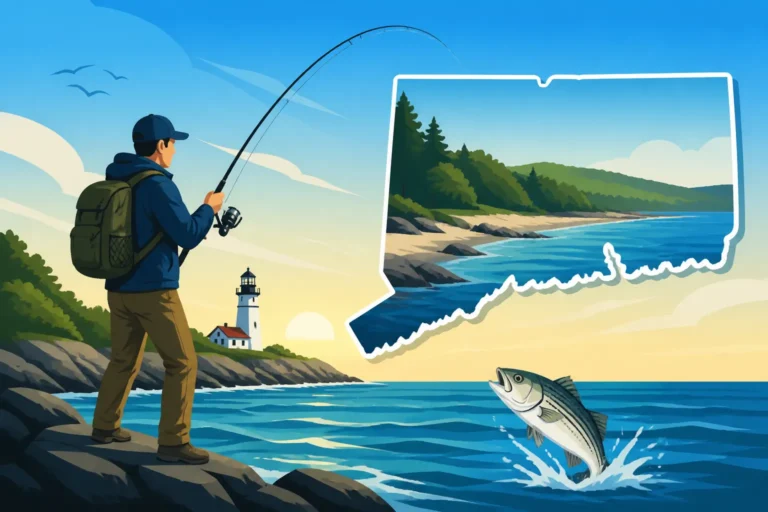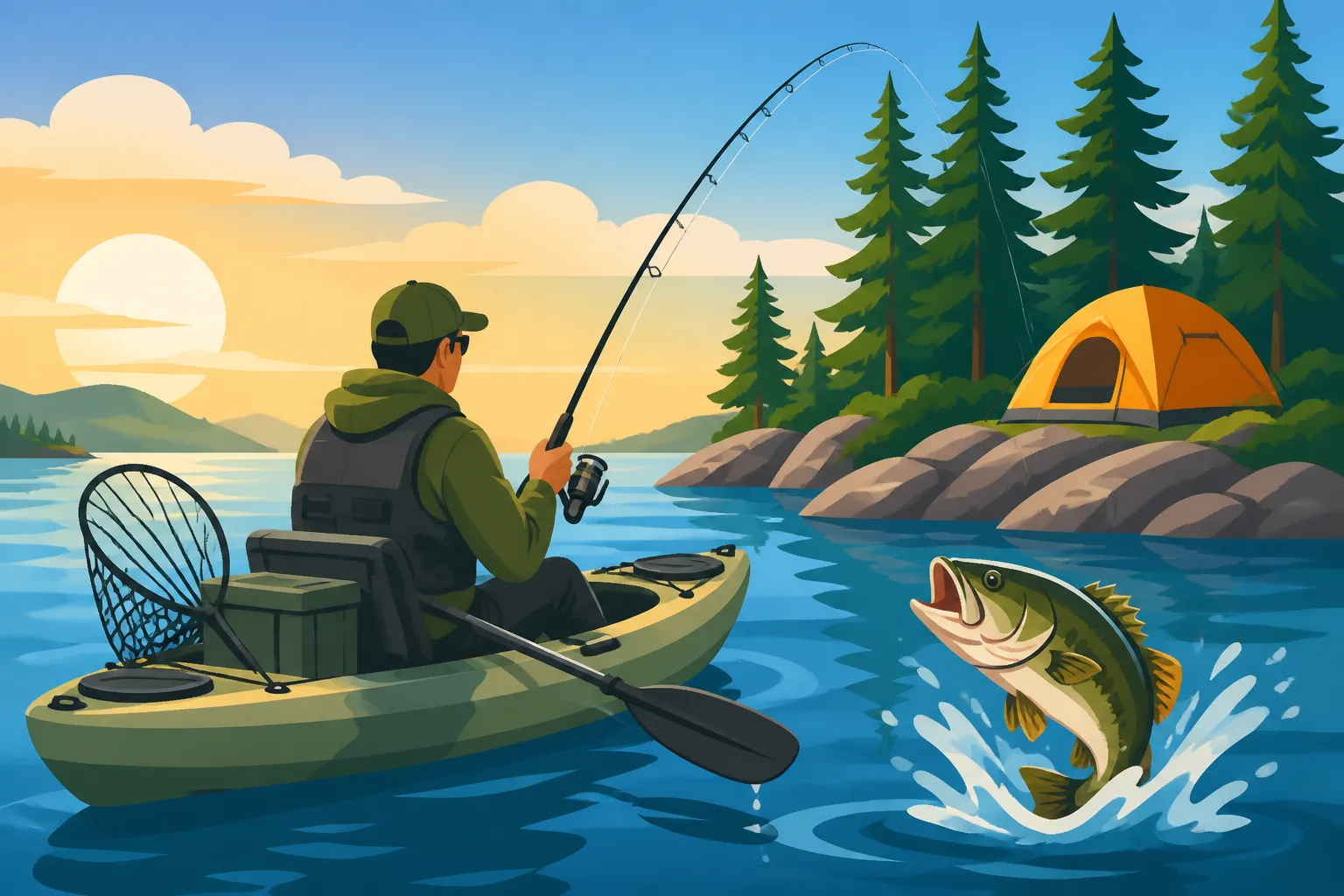
Best multi-day paddle fishing trips in Connecticut
There's nothing quite like the dream of truly getting away from it all, but for us anglers, finding that sweet spot for a multi-day paddle fishing trip in Connecticut can feel like a riddle. You want the tranquility, the access to untouched waters, and the thrill of the catch, but often face hurdles like figuring out overnight camping, permit requirements, and simply knowing where to go. This guide aims to cut through that confusion, giving you the practical insights and best destinations to plan your unforgettable, self-propelled fishing adventure right here in the Nutmeg State.
Why Consider a Multi-Day Paddle Fishing Adventure in Connecticut?
Let's be honest, life moves fast. Our daily routines often leave us craving a deeper connection with nature, a true escape. And for anglers, that often means more than just a quick run to a local pond. A multi-day paddle fishing trip isn't just about catching fish; it's about the journey, the solitude, and the unique perspective you gain from spending extended time on the water, propelled by your own effort.
Escaping the Everyday Grind
Imagine waking up to the sound of a rustling breeze in the trees, the gentle lapping of water against your kayak, and the promise of a full day of fishing ahead. That's the magic of a multi-day trip. You're not rushing back to beat traffic, you're not constrained by daylight hours, and the usual stresses of modern life melt away. It’s an immersive experience where your focus shifts entirely to the rhythm of the water, the wildlife around you, and the pursuit of your next big catch. This kind of trip offers a mental reset, a chance to truly decompress and recharge in a way a single afternoon just can't provide. You can set up camp, cook a simple meal over a fire, and simply exist within the natural landscape, letting the river or lake dictate your pace.
Unlocking Remote Fishing Opportunities
One of the biggest advantages of paddle fishing, especially on a multi-day excursion, is the ability to reach spots that traditional powerboats or even day-tripping kayakers can't easily access. Picture this: miles upstream on a winding river, far from any launch ramp, where the fish haven't seen a lure in days. Or a secluded cove on a large lake, protected by a long paddle, where the bass are unpressured and aggressive. These untouched areas often hold larger, more cooperative fish, offering an entirely different level of angling success. You can explore hidden backwaters, navigate shallow channels, and stealthily approach prime fishing grounds without the noise and disturbance of a motor. This increased access translates directly into unique and often more productive fishing experiences.
Planning Your Connecticut Multi-Day Paddle Fishing Trip
The thought of an extended paddle trip might seem daunting at first, but with a bit of foresight and preparation, it's entirely achievable. The key is breaking down the planning into manageable steps, from choosing your destination to gathering your gear and understanding the rules.
Choosing the Right Waterway
Connecticut offers a diverse range of waterways, each with its own character and challenges for a multi-day trip. The first big decision is whether you want to tackle a river or a large lake.
- Rivers: Rivers like the Connecticut River or sections of the Housatonic River offer a dynamic, ever-changing landscape. You'll need to consider current, potential rapids, and where you can safely pull out and camp. River trips often involve more logistics, such as shuttling vehicles between put-in and take-out points, unless you're planning an out-and-back journey on a slower section. Look for segments with public access points and designated camping areas, or secure permission for private land use. For example, some sections of the Connecticut River are wide and slow-moving, making them ideal for upstream and downstream paddles, while others may require more advanced paddling skills. Remember to check for any special regulations specific to the river, as outlined in the Connecticut Fishing Regulations Explained.
- Lakes and Ponds: Larger lakes such as Candlewood Lake or Bantam Lake can be excellent for multi-day trips if they offer suitable island or shoreline camping options. The advantage here is less current to contend with, allowing more freedom to explore different coves and structures. However, you'll need to be mindful of wind and boat traffic, especially on popular lakes. Some state parks might have campgrounds accessible by water, which simplifies the overnight aspect considerably.
When selecting your waterway, always research:
- Accessibility: Are there public launch points that accommodate an overnight stay?
- Camping Options: Are there designated campgrounds, or do you need to seek permission for dispersed camping (which is rare and often not allowed in Connecticut without specific permits)?
- Water Conditions: Check current flows for rivers, and prevailing winds for lakes.
- Target Species: What kind of fish are you hoping to catch? This will influence your gear and timing.
Essential Gear for Extended Paddle Trips
Packing for a multi-day trip means balancing necessity with minimalism. You're carrying everything yourself, so every item counts.
- Paddle Craft: A comfortable, stable kayak or canoe is paramount. For fishing, a sit-on-top kayak with ample storage is often preferred. Make sure it has enough capacity for you and all your gear. Brands like Old Town, Hobie, and Perception offer models well-suited for fishing and touring. Consider whether you prefer pedal-drive for hands-free fishing or traditional paddle power.
- Camping Gear: A lightweight, compact tent, a sleeping bag appropriate for Connecticut's overnight temperatures, and a sleeping pad are essential. Don't forget a headlamp, a compact cooking stove, and cooking utensils. Pack a small, folding camp chair for comfort if space allows.
- Fishing Tackle: Bring a selection of rods and reels suitable for your target species. Pack a variety of lures, baits, and terminal tackle, but avoid overpacking. A small tackle box or bag designed for kayak use is ideal. Remember to check the Connecticut Trout Limit and Possession Rules if you're targeting trout, and bring a measuring tape and camera for catch and release.
- Safety Equipment: This is non-negotiable. A properly fitted Personal Flotation Device (PFD) is required and should be worn at all times while paddling. You'll also need a whistle, a signaling device (like a bright flag), a first-aid kit, a repair kit for your boat, and a reliable navigation tool (GPS or detailed maps). Understanding Life Jacket Requirements for Connecticut Boaters and general Connecticut Boating Laws for Anglers is crucial for your safety and compliance.
- Water and Food: Carry plenty of drinking water or a reliable water filter. Pack non-perishable, energy-dense foods that are easy to prepare.
Navigating Permits and Regulations
Before you even dip a paddle, make sure you've got your paperwork in order. The last thing you want is a fine or interrupted trip because you overlooked a permit.
- Fishing Licenses: This is the absolute first step. Every angler aged 16 and over needs a valid Connecticut fishing license. You'll need to decide between an inland, marine, or all-waters license depending on where you plan to fish. You can find all the details in the Connecticut Fishing License Guide for 2026. Don't forget to get your Trout and Salmon Stamp if you're fishing designated trout waters. Once you have it, make sure you know about Printing or Carrying a Digital Fishing License in Connecticut.
- Camping Permits: Dispersed camping (setting up camp anywhere you choose) is generally not permitted in Connecticut state forests or parks without specific authorization. You'll almost always need to use designated campgrounds or private land with permission. Research state park campgrounds (like those at Hammonasset Beach State Park or Devil's Hopyard State Park, though they may not be directly water-accessible for multi-day paddle-in trips) or private camping facilities that cater to paddlers. Always check with the Connecticut Department of Energy and Environmental Protection (DEEP) for the most up-to-date regulations regarding camping on state land.
- Boating Regulations: Be aware of all state and federal boating laws. This includes carrying required safety equipment, understanding right-of-way rules, and knowing any specific regulations for different waterways. For instance, specific lakes might have horsepower restrictions or speed limits. You can brush up on the essentials with Connecticut Boating Laws for Anglers.
Top Destinations for Multi-Day Paddle Fishing in Connecticut
Connecticut might be small, but it punches above its weight when it comes to diverse environments for paddle fishing. From majestic rivers to serene lakes, there are some fantastic options for those looking to string a few days together.
Connecticut River Excursions
The Connecticut River, the longest river in New England, offers incredible opportunities for multi-day paddle fishing. Its sheer size means a variety of environments, from tidal estuaries to more tranquil upstream sections.
- Lower Connecticut River (Middlesex/New London Counties): This section, particularly from Middletown down to Long Island Sound, is vast and tidal. It's excellent for species like striped bass, bluefish, and American shad in season. You'll find numerous islands (some are state-owned and may offer primitive camping with permits) and marshy areas where you can explore back channels. While it’s primarily a big boat waterway, a multi-day paddle trip here allows you to meticulously explore specific coves and flats that might be overlooked by larger vessels. Keep an eye on tide charts, as the currents can be strong. Planning a trip on the lower Connecticut River is a fantastic way to experience Connecticut River Striped Bass Fishing.
- Middle Connecticut River (Hartford/Middlesex Counties): North of Middletown, the river becomes less tidal and offers a more consistent current flow. This stretch can provide excellent smallmouth bass, largemouth bass, and northern pike fishing. You'll find fewer developed camping options, so meticulous planning for shoreline access (with permission) or utilizing town-run parks that permit overnight stays will be key. This section might appeal more to those looking for a wilderness-style experience, though you'll still encounter occasional boat traffic.
Housatonic River Adventures
The Housatonic River is a true gem for anglers, particularly famous for its trout fishing, but also holding good populations of smallmouth bass, northern pike, and even carp in its lower reaches.
- Upper Housatonic (Kent to Cornwall): This section is revered by fly anglers, especially within the Housatonic River Trout Management Area Fishing. While portions are catch-and-release, the scenery is breathtaking, and the fishing for brown and rainbow trout can be world-class. A multi-day trip here would focus on finding legal camping spots near public access points, allowing you to hit the water at dawn and fish into dusk. The current can be moderate, requiring good paddling skills. This area truly offers some of the Best Fly Fishing Rivers in Connecticut.
- Lower Housatonic (Derby to Long Island Sound): As the river widens and becomes tidal near its confluence with Long Island Sound, it transforms into prime habitat for striped bass and other brackish water species. This section offers easier paddling due to the wider expanse and fewer rapids. Camping might be more challenging directly on the riverbanks, but there are towns along the way that could offer accommodations or designated parks for overnight stays. This area requires careful attention to tide charts, similar to the lower Connecticut River.
Lake and Pond Overnighters
While rivers offer a journey, lakes provide a base camp opportunity, allowing you to thoroughly explore a single body of water over several days.
- Candlewood Lake (New Milford/Danbury): As Connecticut's largest lake, Candlewood Lake is a prime spot for bass (largemouth and smallmouth) and trout. It features numerous islands and coves, some of which might offer suitable primitive camping with permission, or you can find organized campgrounds accessible by water. A multi-day trip here means you can move your camp daily to a new section of the lake, targeting different structures and depths. It's a popular lake, so expect some boat traffic, especially on weekends. Learn more about fishing this vast lake with the Candlewood Lake Fishing Guide.
- Bantam Lake (Litchfield): Connecticut's largest natural lake, Bantam is known for its excellent bass, pike, and crappie fishing. There are several islands on the lake, including Cranberry Island (a state natural area where camping is generally not permitted). However, surrounding areas or nearby private campgrounds might offer opportunities for a base camp. The lake is generally calm, making for enjoyable paddling, and its diverse structure provides endless fishing exploration. For those seeking other great lake options, our guide on the Best Fishing Lakes in Connecticut can offer more ideas.
Here's a quick comparison of potential multi-day paddle fishing spots:
| Waterway | Primary Species Targeted | Overnight Camping Accessibility | Paddling Difficulty | Unique Features |
|---|---|---|---|---|
| Connecticut River | Striped Bass, Smallmouth Bass, Pike, Shad | Moderate (some state lands/private) | Easy to Moderate (tidal currents) | Vast, diverse habitats, migratory fish runs |
| Housatonic River | Trout, Smallmouth Bass, Pike | Moderate (limited designated) | Moderate (currents/rapids) | Scenic beauty, world-class trout, less crowded |
| Candlewood Lake | Largemouth Bass, Smallmouth Bass, Trout | Challenging (private campgrounds) | Easy to Moderate (wind/boat traffic) | Large, varied structure, numerous islands |
| Bantam Lake | Largemouth Bass, Pike, Crappie | Challenging (private campgrounds) | Easy | Scenic, good for diverse species, calmer waters |
While planning your trip, consider using resources like the DEEP website for maps and regulations. And remember, if a full multi-day self-guided trip feels like too much planning, you could always book a guided day trip through a service like FishingBooker to scout out an area, get local insights, and then plan your independent trip for next time!
Practical Tips for a Successful Multi-Day Paddle Fishing Experience
Embarking on a multi-day paddle fishing trip is about more than just having the right gear; it’s about preparation, safety, and respect for the environment. These tips can make the difference between a memorable adventure and a challenging ordeal.
Packing Smart and Light
When you're carrying everything you need for multiple days in a paddle craft, every ounce and every cubic inch matters. Overpacking is a common mistake that can lead to an unnecessarily difficult and less enjoyable trip.
- Prioritize Multi-Use Items: Can your cooking pot double as a bowl? Can your rain jacket serve as an extra layer of warmth? Think about items that serve more than one purpose to reduce bulk.
- Waterproof Everything: This isn't just a suggestion; it's a rule. Invest in high-quality dry bags of various sizes for your clothes, sleeping bag, electronics, and food. Even if your kayak has dry storage compartments, an extra layer of waterproofing is always a good idea, especially if you're out on larger bodies of water like the Long Island Sound where conditions can change rapidly.
- Food and Water Management: Dehydrated meals or simple, non-perishable foods are your best friends. Plan your meals precisely to avoid carrying excess weight. For water, carry enough for at least a full day, and bring a reliable water filter or purification tablets. Knowing how to efficiently manage your food and water will lighten your load and ensure you stay nourished and hydrated.
- Organize for Access: Pack items you'll need frequently (like sunscreen, snacks, a map, or your primary fishing tackle) in easily accessible day hatches or small dry bags clipped to your boat. Your sleeping bag and tent can be packed deeper.
Safety First on the Water
Even the most experienced paddlers can encounter unexpected situations. Prioritizing safety is paramount, especially when you're far from immediate assistance.
- Tell Someone Your Plan: Always share your float plan (your route, estimated timeline, and expected return) with a trusted friend or family member. Include details about your put-in and take-out points. This is crucial for emergency responders if you don't check in as planned.
- Monitor the Weather Relentlessly: Weather conditions can change rapidly in Connecticut, especially on larger lakes and rivers. A calm morning can turn into a windy, choppy afternoon. Check the forecast before and during your trip. Know the signs of approaching storms and have a plan for seeking shelter. High winds can make paddling extremely difficult and dangerous, and lightning on open water is a serious threat.
- Always Wear Your PFD: We mentioned it before, but it bears repeating. Wearing your Personal Flotation Device at all times while on the water is not just a legal requirement; it's your lifeline. Even strong swimmers can be overwhelmed by cold water or unexpected currents.
- Know Your Limits: Don't overestimate your paddling abilities or try to cover too much distance. Plan a realistic itinerary, factoring in wind, current, and time for fishing. If you feel uncomfortable with a section of river or the conditions on a lake, don't push it. There's no shame in portaging or waiting out rough weather.
- Emergency Communications: Carry a fully charged cell phone in a waterproof case, but don't rely on it as your sole means of communication, as signal can be spotty in remote areas. A satellite messenger or marine radio can be a wise investment for true backcountry trips.
Leave No Trace Principles
Part of enjoying Connecticut's natural beauty on a multi-day trip is ensuring that it remains pristine for future generations. Adhering to Leave No Trace principles is fundamental.
- Pack It In, Pack It Out: This means everything. All your trash, including food scraps, fishing line, and anything else you brought with you, must leave with you. Consider bringing a separate trash bag to keep everything contained.
- Minimize Campfire Impact: If you have a fire, keep it small and contained. Use existing fire rings if available. Collect only dead and downed wood that can be broken by hand. Make sure your fire is completely extinguished and cold to the touch before leaving. In some areas, fires may be prohibited, so check local regulations.
- Respect Wildlife: Observe animals from a distance. Do not feed wildlife, as it can harm them and lead to undesirable human-animal interactions. Store food securely to prevent attracting critters to your campsite.
- Dispose of Waste Properly: Human waste should be buried in a cathole 6-8 inches deep and at least 200 feet from water, trails, and campsites. Pack out all toilet paper. For fish waste, either clean fish away from camp and dispose of entrails in deep, fast-moving water, or pack them out.
- Stay on Durable Surfaces: When pulling ashore or setting up camp, try to use existing clearings, rocky shores, or sandy beaches rather than trampling vegetation. Preserve the natural state of the areas you visit.
By following these guidelines, you'll not only have a safer and more enjoyable multi-day paddle fishing adventure in Connecticut, but you'll also help protect the beautiful environments that make these trips possible.
Disclaimer
The information provided in this guide is for general informational purposes only and does not constitute professional advice. Fishing regulations, licensing requirements, and access rules in Connecticut can change frequently. Always consult the most current regulations from the Connecticut Department of Energy and Environmental Protection (DEEP) or other relevant authorities before planning any fishing or boating trip. Safety on the water is paramount; always wear a PFD, understand local conditions, and be prepared for emergencies.