Best fishing spots in the Litchfield Hills
Many anglers feel overwhelmed when trying to pinpoint the absolute best fishing locations in a diverse state like Connecticut, especially when they dream of the tranquil, fish-rich waters of the Litchfield Hills. It’s tough to know where to start, what species to target, or which hidden gems truly offer a rewarding experience. This guide will cut through the confusion, diving deep into the premier freshwater fishing spots across the Litchfield Hills, offering detailed insights into species, access, and techniques to ensure your next outing is a resounding success.
The Unique Appeal of Litchfield Hills for Anglers
The Litchfield Hills region isn't just a picturesque postcard setting; it's a true angler's paradise, offering a remarkable blend of pristine natural beauty and incredibly diverse fishing opportunities. When you think of Connecticut fishing, images of historic New England towns, rolling hills, and crystal-clear waters often come to mind, and that's precisely what you'll find here. This northwest corner of the state boasts a unique geological and ecological makeup that supports a wide array of fish species, from the most sought-after trout to aggressive bass and panfish.
Diverse Habitats and Target Species
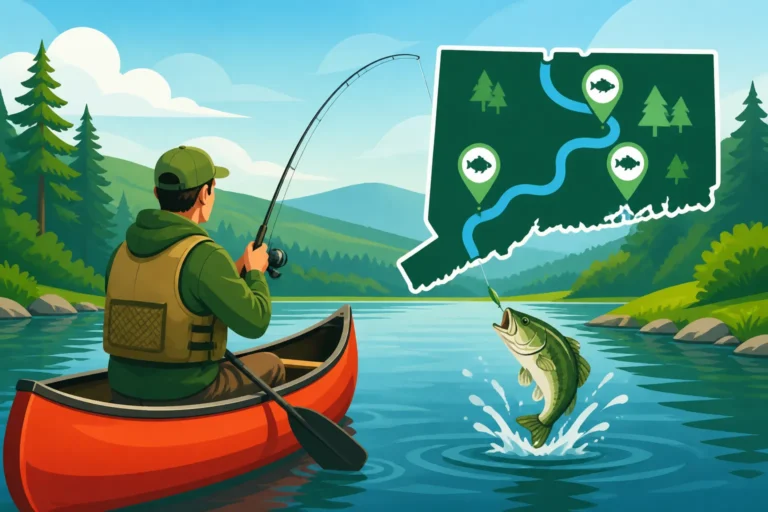
What makes the Litchfield Hills truly stand out is the sheer variety of its aquatic environments. You have everything from fast-flowing, oxygen-rich rivers that are perfect for cold-water species like trout, to expansive, deep lakes ideal for warm-water game fish such as largemouth and smallmouth bass, northern pike, and various panfish. This ecological tapestry means that no matter your preferred fishing style or target species, there’s a body of water in the Litchfield Hills perfectly suited for your adventure. For instance, the renowned Farmington River, with its consistent cold water releases, provides a blue-ribbon trout fishery year-round, while a lake like Bantam offers incredible opportunities for trophy bass and pike. The diverse topography, including glacial lakes, spring-fed ponds, and meandering streams, creates a multitude of micro-habitats, ensuring that anglers can always find a new challenge or a familiar favorite.
Accessibility and Natural Beauty
One of the greatest joys of fishing in the Litchfield Hills is how accessible these incredible spots are, often nestled within state parks, forests, or well-maintained public access areas. You won't typically find yourself bushwhacking miles through dense wilderness (unless you seek out those remote, wild brook trout streams, of course!). Instead, many prime locations offer convenient parking, boat launches, or well-trodden banks for shore fishing. This ease of access, combined with the region’s stunning natural beauty, makes every fishing trip an immersive experience. Imagine casting your line with vibrant fall foliage reflecting on the water, or the serene calm of a misty spring morning on a quiet pond. The Litchfield Hills provides an escape not just for the thrill of the catch, but for the soul-soothing tranquility that comes with being surrounded by nature. Whether you're a seasoned fly fisherman seeking solitude on a pristine river or a family looking for a fun day catching panfish at a local pond, the region delivers on both the angling and aesthetic fronts.
Premier Trout Fishing in Litchfield Hills
When you talk about fishing in the Litchfield Hills, trout are often the first species that come to mind, and for good reason. The region is home to some of Connecticut's most celebrated trout waters, drawing anglers from across the Northeast. These waters offer everything from highly stocked streams perfect for a family outing to challenging, technical fly fishing destinations for the purist.
The Iconic Farmington River West Branch
No discussion of Connecticut trout fishing is complete without a deep dive into the Farmington River, particularly its West Branch. This river is truly a gem, consistently ranked among the top trout streams in the eastern United States. What makes it so exceptional is the cold, consistent water temperatures maintained by releases from the Goodwin Dam, ensuring excellent conditions for trout even in the height of summer. The West Branch offers a diverse fishery, teeming with wild brown trout, robust rainbows, and brook trout, supplemented by regular stockings by the Connecticut Department of Energy and Environmental Protection (DEEP).
The river is segmented into various management areas, each with specific regulations designed to enhance the fishing experience. For example, the "Trophy Trout" section from the dam down to the Route 219 bridge in New Hartford is often a catch-and-release, artificial lures and flies-only zone for much of the year. This particular stretch is where you’ll find some of the largest, wariest trout, providing a significant challenge for even the most experienced fly angler. Nymphing techniques are incredibly effective here, especially with patterns mimicking caddis larvae, stoneflies, and various mayfly nymphs. During hatches, dry fly fishing can be phenomenal, with anglers matching insects like Hendricksons, Sulphurs, and various caddisflies. For those who prefer spin fishing, small spinners and spoons (single barbless hook, artificial lure regulations apply in trophy sections) can also be productive. Wading access is plentiful along Route 318, 219, and local roads, but always check current Connecticut Farmington River Trophy Trout Stream Rules before heading out, as regulations can vary. Further downstream, below the "Trophy Trout" section, more relaxed regulations often allow for bait fishing and retention of fish within state limits, offering a different kind of experience that's great for beginners or those looking to bring home a meal. The river offers ample public access points, from dedicated parking areas to state land, making it relatively easy to find your own stretch of water.
Productive Smaller Trout Streams and Ponds
While the Farmington River gets a lot of the spotlight, the Litchfield Hills are dotted with numerous other fantastic trout opportunities. Many smaller streams, often tributaries to larger rivers, hold native brook trout, especially in their upper, colder reaches. These "wild trout waters" are often more challenging to access and require a bit of hiking, but the reward of catching a beautifully colored native brook trout in its natural habitat is unparalleled. Streams like the Shepaug River, Bantam River, and sections of the Housatonic River tributaries offer these experiences. For more information, you might want to consult a Housatonic River Fishing Guide.
Beyond the rivers, the Litchfield Hills also boast an impressive number of stocked trout ponds and lakes. These are perfect for anglers of all skill levels, especially those looking for consistent action or introducing children to fishing. Places like West Hill Pond in New Hartford, Highland Lake in Winchester, and Tyler Lake in Goshen are regularly stocked with rainbow and brown trout, providing excellent shore and boat fishing opportunities. The stocking schedule typically ramps up in spring, making April and May prime months for these waters. Anglers often find success using power bait, worms, or small spoons and spinners near drop-offs and structure. For the most up-to-date information on where and when trout are being stocked, it’s always a good idea to check the Connecticut Interactive Trout Stocking Map, Explained. Remember to always abide by the Connecticut Trout Limit and Possession Rules to ensure sustainable fishing for everyone.
Understanding Connecticut Trout Season and Stocking Rules
Successfully fishing for trout in the Litchfield Hills hinges on a clear understanding of Connecticut's trout season and stocking rules. Unlike some states with year-round open seasons, Connecticut has specific dates for its general trout season, especially for streams and rivers, often highlighted by the much-anticipated "Opening Day" in mid-April. This is a time of great excitement, as freshly stocked trout provide ample opportunity for eager anglers. However, many waters, particularly the larger rivers and designated Trout Management Areas (TMAs), operate under special regulations that may allow for year-round fishing with specific gear restrictions (e.g., fly fishing or artificial lures only) and catch-and-release mandates outside the general harvest season.
Stocking plays a crucial role in providing diverse fishing opportunities across the region. The Connecticut DEEP tirelessly stocks thousands of trout—rainbow, brown, and brook—into hundreds of water bodies annually. These stockings occur primarily in the spring, with additional plants in the fall and occasionally mid-summer in waters that can support them. Knowing when and where these fish are released is a game-changer for anglers seeking active fishing. For instance, freshly stocked trout in ponds like Black Rock Pond in Watertown or Cream Hill Lake in Cornwall can be quite aggressive, often falling for simple baits like corn, worms, or small spoons right after stocking. As the season progresses, these fish become warier, requiring more finesse and a deeper understanding of their feeding patterns. Always make sure you understand the nuances of Connecticut Trout Season and Stocking Rules for the specific water body you plan to fish, as regulations can vary significantly from one location to another. Ignoring these rules can lead to disappointment or, worse, penalties for fishing without a license in Connecticut.
Top Warmwater Fisheries for Bass and Panfish
While trout often steal the show in the Litchfield Hills, this region also boasts some phenomenal warmwater fishing, offering exciting opportunities for bass, northern pike, and a variety of panfish. These waters provide a different kind of challenge and a chance to explore a different facet of Connecticut's diverse fisheries.
Bantam Lake and Its Trophy Potential
Bantam Lake, located primarily in Litchfield and Morris, is Connecticut's largest natural lake and a true gem for warmwater anglers, particularly those chasing trophy largemouth bass and northern pike. This sprawling lake, covering over 900 acres, is characterized by its extensive weed beds, rocky points, and submerged structures, all of which provide ideal habitat for ambush predators.
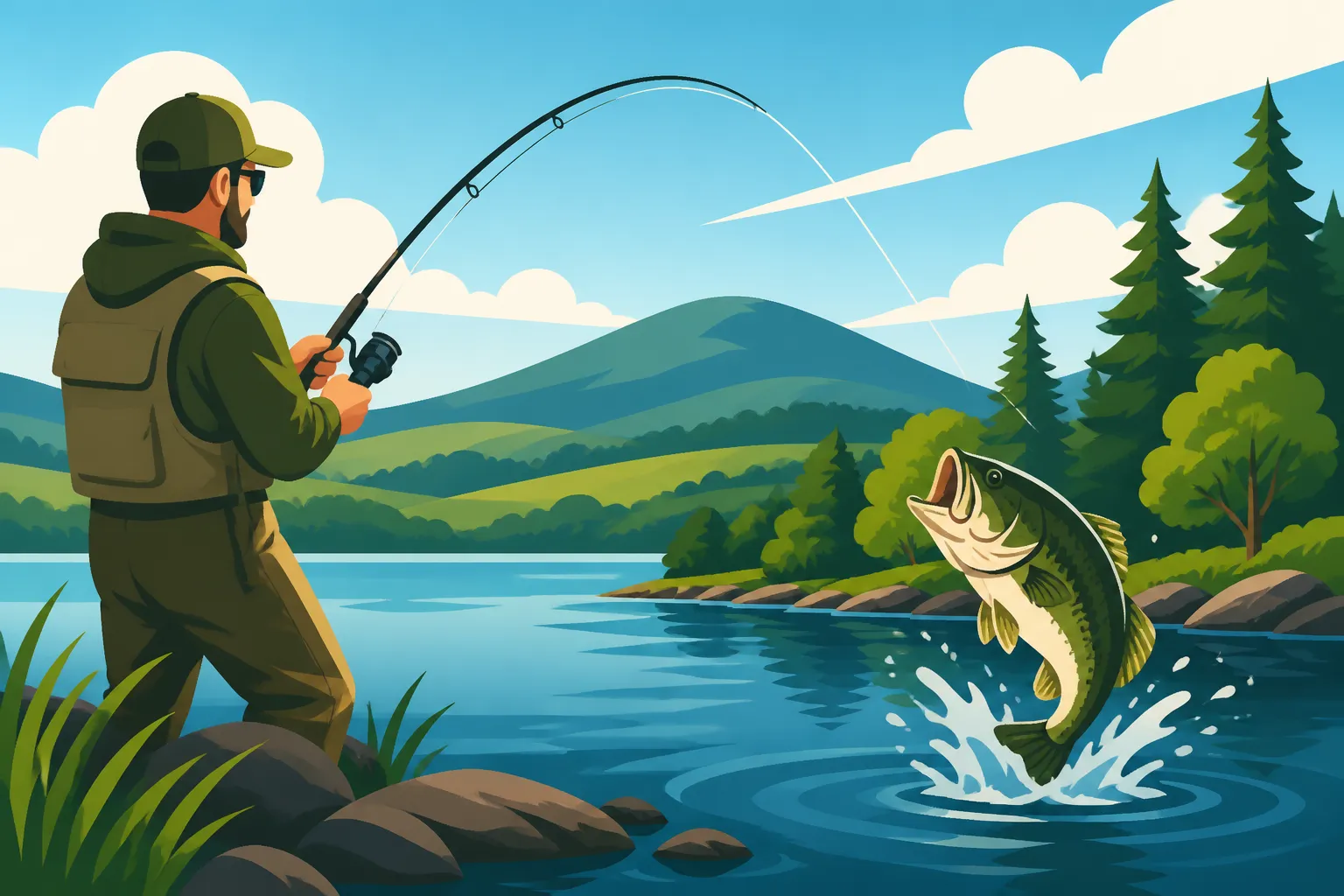
For largemouth bass, Bantam Lake is a must-visit. Anglers consistently report catching bass in the 3-5 pound range, with legitimate trophy fish exceeding 6 or 7 pounds caught each season. The key to success often lies in targeting the lake's abundant shallow cover: lily pads, emergent vegetation, and docks. Topwater lures like hollow-body frogs, poppers, and walking baits can be incredibly effective during low-light conditions or over dense mats of weeds. As the day progresses, flipping and pitching jigs or Texas-rigged soft plastics into the weed pockets or along the edges of weed lines can coax out bigger fish. Drop-shot rigs with finesse worms also produce when fish are pressured or holding deeper. Beyond bass, Bantam Lake is renowned for its northern pike population. These aggressive predators can grow quite large here, with fish over 30 inches common and true monsters over 40 inches making appearances. Pike are often found lurking at the edges of weed beds, near drop-offs, or around submerged timber. Large spinnerbaits, spoons (like Dardevles or Johnson Silver Minnows), and dead bait fished under a float are popular and effective methods. The lake offers multiple boat launches, including a state launch off Route 209, making access relatively easy for those with a boat. Shore anglers can find some access in certain areas, but a boat or kayak will significantly open up your fishing options on Bantam.
Lake Waramaug's Clear Waters and Diverse Fish
Lake Waramaug, nestled between Kent, Warren, and Washington, is another stunning Litchfield Hills lake, distinct from Bantam due to its deeper, clearer waters. This clarity, while beautiful, can make fishing a bit more challenging, as fish are often warier. However, the rewards can be substantial, with a diverse fishery that includes robust smallmouth bass, lake trout, yellow perch, and even some stocked brown trout.
Smallmouth bass thrive in Lake Waramaug's rocky points, ledges, and deeper offshore structures. Unlike largemouth that prefer heavy cover, smallmouth often roam open water or relate to hard bottom features. Early mornings and evenings during the warmer months are prime times, when smallmouth might push baitfish to the surface, allowing for topwater presentations with poppers or walking baits. During the day, targeting deeper structures with drop-shot rigs, Ned rigs, or small swimbaits can be very effective. Look for submerged humps and rock piles using your electronics. Lake Waramaug also holds a population of lake trout, an exciting deep-water species often targeted by trolling spoons or downrigging jigs in the deeper basins. Brown trout are regularly stocked, adding to the cold-water species mix, especially in the spring and fall. The lake has a public boat launch at Lake Waramaug State Park, but be aware of horsepower restrictions and other boating regulations that apply. Its unique clear-water environment demands a more subtle approach, lighter lines, and natural bait or lure presentations, but the pristine setting and quality fish make it a truly rewarding experience for the patient angler.
Smaller Lakes and Ponds for Family Fishing
Beyond the headliners like Bantam and Waramaug, the Litchfield Hills region is dotted with countless smaller lakes and ponds that offer fantastic, often overlooked, warmwater fishing opportunities. These spots are particularly wonderful for families, beginners, or anyone looking for a more relaxed outing without the pressure of chasing trophy fish. Places like Highland Lake in Winchester, with its mixed bag of bass, pickerel, and panfish, or Tyler Lake in Goshen, known for its crappie and perch, provide consistent action.
These smaller water bodies are often teeming with panfish – bluegill, pumpkinseed, yellow perch, and black crappie. Panfish are excellent for introducing kids to fishing because they are abundant, relatively easy to catch, and provide constant entertainment. A simple setup with a bobber, a small hook, and a worm or mealworm is usually all it takes. Cast near lily pads, docks, or submerged brush, and you’ll often find yourself with a bent rod. Largemouth bass are also prevalent in most of these ponds, often found hiding in the same cover as the panfish. Try casting small spinnerbaits, wacky-rigged worms, or topwater frogs around any visible structure or vegetation. Even chain pickerel, an aggressive toothy predator, offer exciting strikes in many of these lakes, particularly in areas with dense weeds. Public access varies, but many smaller town parks or state forest ponds offer shore access or car-top boat launches. Be sure to check local signage and regulations, as some smaller ponds might have specific rules regarding motors or access times. These local spots are perfect for a spontaneous fishing trip, a quiet afternoon, or making lasting memories with young anglers. Remember that a valid Connecticut Fishing License Guide for 2026 is almost always required, even for the smallest of ponds.
| Fishing Spot | Primary Target Species | Best Seasons | Typical Access | Special Notes |
|---|---|---|---|---|
| Farmington River (West Branch) | Brown Trout, Rainbow Trout, Brook Trout | Spring, Fall, Winter | Wading, Shore (public access) | Trophy sections are artificial/fly only; year-round. |
| Bantam Lake | Largemouth Bass, Northern Pike, Panfish | Spring, Summer, Fall | Boat (state launch), Limited Shore | CT's largest natural lake; excellent for trophy fish. |
| Lake Waramaug | Smallmouth Bass, Lake Trout, Brown Trout, Perch | Spring, Summer, Fall | Boat (state park launch), Limited Shore | Deep, clear water; specific boating regulations. |
| Highland Lake | Largemouth Bass, Smallmouth Bass, Panfish, Pickerel | Spring, Summer | Boat (town launch), Shore | Good all-around lake for various species. |
| Tyler Lake | Crappie, Perch, Bass | Spring, Summer, Fall | Boat (town launch), Shore | Excellent panfish action, good for families. |
| Shepaug River | Wild Brook Trout | Spring, Summer, Fall | Wading (hiking often required) | Remote, challenging, rewarding for native trout. |
Navigating Regulations and Enhancing Your Trip
Embarking on a fishing trip in the Litchfield Hills is an exciting prospect, but like any responsible angler, understanding the necessary regulations and how to maximize your experience is paramount. From licenses to local knowledge, a little preparation goes a long way in ensuring a successful and enjoyable day on the water.
Essential Regulations and Licensing
Before you even think about wetting a line in the beautiful waters of the Litchfield Hills, or anywhere else in Connecticut for that matter, you need to make sure you're properly licensed and informed about the rules. Fishing without a valid license is simply not an option, and the penalties can be steep. Thankfully, getting a license in Connecticut is straightforward. You can purchase a fishing license online through the DEEP's portal, or visit a licensed vendor, such as a tackle shop or town clerk's office. The type of license you'll need depends on your residency and the type of fishing you plan to do (inland vs. marine vs. all-waters). For a comprehensive guide, check out our resource on the Connecticut Fishing License Guide for 2026.
Beyond the general license, it’s absolutely critical to familiarize yourself with the specific regulations for the water body you intend to fish. As discussed earlier, places like the Farmington River West Branch have special regulations regarding lure type, catch-and-release rules, and seasons. Similarly, certain lakes might have specific horsepower limits, speed restrictions, or even restrictions on bait use. The DEEP publishes a detailed annual Connecticut Angler's Guide, which is your go-to source for all rules and regulations. Pay close attention to species-specific limits (minimum length, daily creel limits), season dates, and any special provisions for particular rivers, lakes, or ponds. Ignoring these rules isn't just illegal; it can also harm the fishery that we all enjoy. Always consult the official Connecticut Fishing Regulations Explained to stay current, as rules can change from year to year. Remember, being a responsible angler means doing your part to conserve these precious resources for future generations.
Planning Your Litchfield Hills Fishing Adventure
Planning your fishing trip to the Litchfield Hills involves more than just picking a spot and hoping for the best. To truly make the most of your adventure, consider a few key elements that can elevate your experience from good to absolutely fantastic.
Firstly, gear and tackle are crucial. For trout streams like the Farmington, a light-action rod with 4-6 lb test line is ideal, whether you're fly fishing with a 4-5 weight rod or spin fishing with small lures. For bass and pike in lakes like Bantam, you'll want medium-heavy to heavy action rods, capable of handling larger lures and bigger fish, with line in the 10-20 lb range (or heavier braided line for pike). Don't forget essentials like a net, pliers for hook removal, a tape measure, and a camera to capture your memories. And always check the weather forecast and dress in layers, as New England weather can be unpredictable.
Secondly, consider the best time of year and day. While trout fishing can be good year-round in certain TMAs, spring (post-stocking) and fall (before winter sets in) are generally prime for all species. Early mornings and late evenings often offer the most productive fishing for both bass and trout, as fish are more active and less pressured during these low-light periods. For specific insights, check out our guide on the Best Time of Year to Fish in Connecticut.
Finally, don't hesitate to tap into local knowledge. Local tackle shops in towns like New Hartford, Kent, or Litchfield are invaluable resources. The folks working there live and breathe fishing in the area; they can tell you what's biting, what flies or lures are working, and even point you to less-pressured spots. If you're new to the area or want to maximize your chances of a trophy catch, consider hiring a local guide. These professionals have years of experience on the waters and can provide expert instruction, put you on fish, and teach you techniques specific to the Litchfield Hills. You can often find reputable guides through platforms like FishingBooker, which lists local charter captains and fishing guides who specialize in the region's diverse fisheries, whether you're looking for a fly fishing guide on the Farmington or a bass guide on Bantam Lake. Sometimes, a guided trip can fast-track your learning and provide an unforgettable experience, especially for those seeking specific species or looking to try a new technique like fly fishing for trout in Connecticut. FishingBooker makes it easy to compare options and read reviews, helping you connect with the perfect expert for your Litchfield Hills adventure. Investing in local expertise, whether through a quick chat at the bait shop or a full-day guided trip arranged through a platform like FishingBooker, can truly transform your understanding of these waters and lead to more consistent success.
Disclaimer
The information provided in this guide is for general informational purposes only. Fishing regulations, stocking schedules, and local conditions are subject to change by the Connecticut Department of Energy and Environmental Protection (DEEP) and local authorities. Always consult the most current official Connecticut Angler's Guide and local signage before fishing. Adherence to all applicable laws and regulations is the responsibility of the angler. Fishing carries inherent risks; please fish safely and responsibly.