Best fishing spots near Mystic Seaport
Finding a great fishing spot near a bustling tourist destination like Mystic Seaport can feel like searching for a quiet corner in a crowded room. You want the charm and attractions Mystic offers, but you also crave that peaceful tug on your line, and it’s frustrating when all you see are sightseeing boats instead of prime fishing grounds. Don't worry, this guide is here to cut through the noise and point you to the best angling opportunities, both fresh and saltwater, right in and around the historic Mystic area.
The Unique Appeal of Fishing Around Mystic Seaport
Mystic, Connecticut, is renowned for its maritime history, quaint village charm, and attractions like the Mystic Seaport Museum and Mystic Aquarium. What many visitors (and even some locals!) don't realize is that this historic setting also offers a fantastic backdrop for a diverse range of fishing experiences. It’s not just about the ships and shops; the waters here teem with life, providing opportunities for anglers of all skill levels, whether you prefer casting from shore, paddling a kayak, or heading out on a boat.
A Blend of History and Angling Opportunities
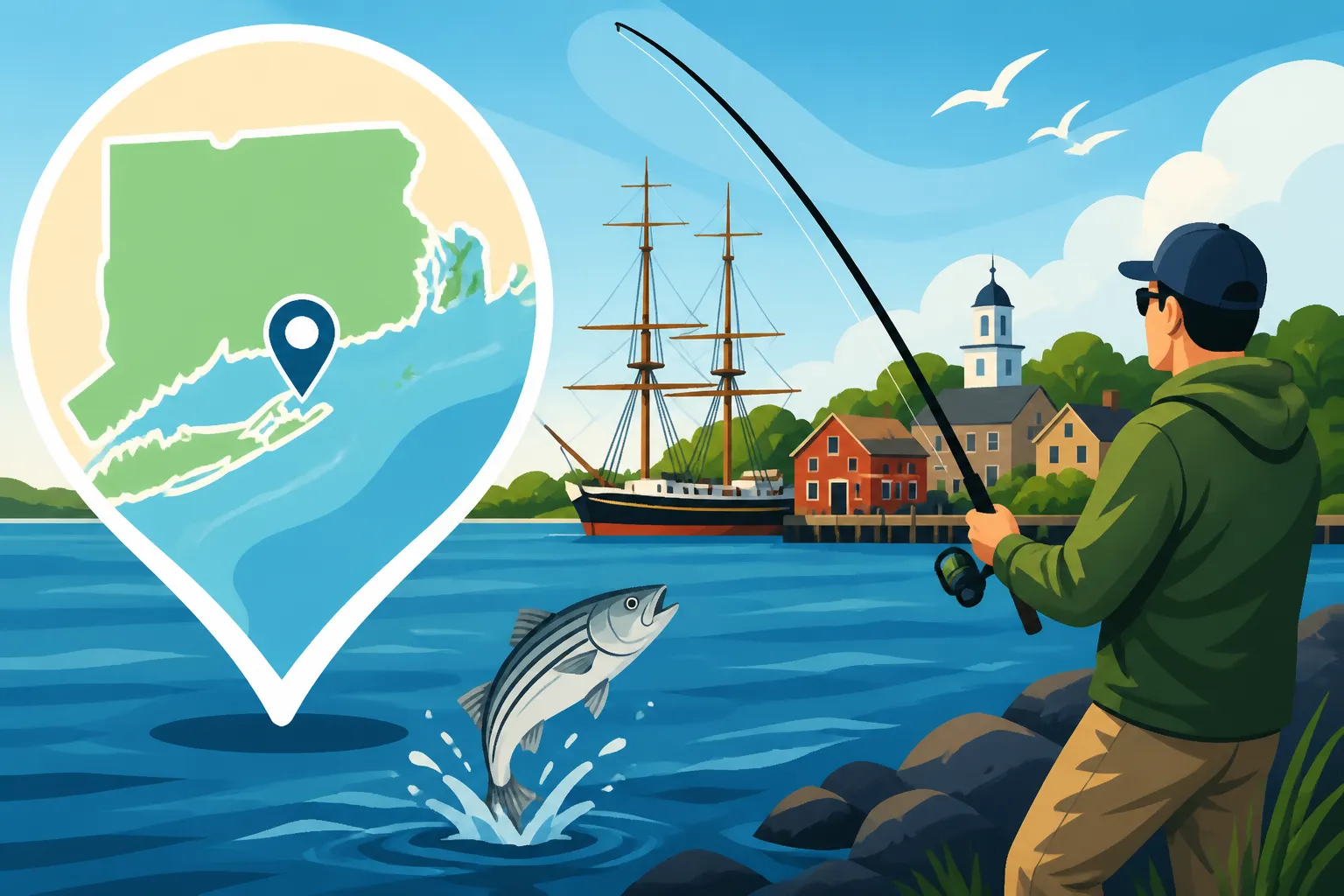
The Mystic area is uniquely positioned where the freshwater Mystic River meets the saltwater expanse of Long Island Sound. This confluence creates a dynamic ecosystem, supporting everything from anadromous species like alewives and shad making their spring runs, to resident populations of freshwater bass and panfish, and a robust migration of popular saltwater game fish. Imagine catching a striped bass with the masts of historic sailing vessels in the distance – that's the kind of experience Mystic offers. It truly allows for a unique trip where you can combine a family outing to explore the seafaring past with some serious rod-bending action. It's an ideal locale for families where some members might be more interested in maritime museums while others are eager to wet a line.
Species Diversity for Every Angler
The sheer variety of fish available here is impressive. In the saltwater realm, the Mystic River estuary and the nearby Long Island Sound are prime hunting grounds for highly sought-after species. Anglers regularly target striped bass, bluefish, summer flounder (fluke), scup (porgy), and black sea bass. As the seasons change, so do the opportunities; spring brings migratory fish closer to shore, while summer and fall offer consistent action. For those looking for freshwater action, numerous ponds, lakes, and smaller rivers within a short drive hold healthy populations of largemouth and smallmouth bass, various panfish like sunfish and crappie, and even stocked trout. This means you can easily switch gears if the saltwater bite is slow or if you're traveling with someone who prefers a different type of fishing.
Prime Saltwater Fishing Spots in the Mystic Area
The allure of Long Island Sound fishing is strong, and the Mystic area provides excellent access to these productive waters. From tidal rivers to open sound fishing, there's a spot for almost any saltwater angler.
Mystic River Estuary: Tidal Action and Structure
The Mystic River itself, particularly the lower section extending from the drawbridge out to its mouth, is a fantastic place to target striped bass and bluefish. The strong tidal currents that flow under the famous Mystic River Bascule Bridge create natural feeding lanes and ambush points for predatory fish. Look for structure like the bridge pilings, docks, and submerged rocks, which all hold baitfish and, consequently, game fish. During the spring and fall migrations, these areas can be absolutely teeming with stripers, from schoolie-sized fish to impressive keepers.
Shore anglers can find decent access points along portions of the river, especially around public parks or fishing access areas, though space can sometimes be limited by private property. For those with kayaks or small boats, launching into the Mystic River opens up a much larger range of productive water. You can drift the outgoing tide with live bait or cast artificials like soft plastics and topwater plugs around the numerous docks and mooring fields. Always be mindful of boat traffic, especially during peak tourist season. You'll also encounter winter flounder in the muddier bottoms of the river during colder months, and occasional scup. Make sure you understand the current Connecticut Fishing Regulations Explained for any species you intend to keep.
Nearshore Long Island Sound Access Points
Just a short drive from Mystic Seaport, you'll find some stellar shore and small boat fishing opportunities directly on Long Island Sound.
- Bluff Point State Park and Coastal Reserve (Groton): This is a true gem for shore anglers. Bluff Point offers miles of undeveloped shoreline, accessible by foot or bike. You can cast into the open Sound, explore tidal marsh creeks, or fish around the rocky outcrops. This area is famous for striped bass, bluefish, and false albacore in the fall. It's also a great spot for surfcasting for fluke in the sandy bottom areas. The hike in might deter some, but the reward of less crowded fishing is well worth it.
- Barn Island Wildlife Management Area (Pawcatuck): Located just east of Mystic, Barn Island boasts a boat launch that provides access to the tidal Pawcatuck River and Little Narragansett Bay, leading directly to Long Island Sound. This area is exceptional for kayak and small boat anglers targeting stripers and bluefish in the numerous tidal creeks and marsh edges. It's also a productive spot for fluke, black sea bass, and scup in the deeper channels and rocky areas. The diverse habitat here means there's always something biting. If you're planning a trip here, consider reviewing the Connecticut Saltwater Fishing Regulations by Species beforehand to ensure you're compliant.
- Westerly, RI Beaches (Napatree Point, Watch Hill): While technically in Rhode Island, these spots are literally minutes from Mystic and offer incredible saltwater fishing. Napatree Point, a long barrier beach, is famous for its excellent surfcasting opportunities for striped bass and bluefish, especially during baitfish migrations. It's also a popular spot for fly fishing in the calmer waters of Little Narragansett Bay.
When fishing these nearshore areas, tackle that can handle strong currents and potentially larger fish is key. A medium-heavy spinning rod with 20-30 lb braided line is a good all-around setup. For bait, fresh bunker, squid, or clam can be effective, while artificials like bucktail jigs, soft plastic paddle tails (e.g., Z-Man, Tsunami), and topwater poppers work wonders, especially during active feeding periods. For those who prefer to be guided through these productive waters, reputable local charters can be found through services like FishingBooker, which lists many experienced captains operating out of southeastern Connecticut.
Offshore Opportunities for Deeper Waters
For anglers with larger boats and a desire to explore beyond the immediate shoreline, the waters of Long Island Sound off Mystic offer excellent offshore opportunities. While not "deep sea" in the ocean sense, these waters hold deeper reefs, wrecks, and rock piles that are magnets for certain species. Black sea bass are particularly plentiful on these structures during their season, often caught by jigging or bait fishing with squid or clam. Tautog (blackfish) also call these rocky haunts home, especially in the cooler months, and can provide a challenging fight for those using green crabs or hermits. These trips often require more specialized bottom fishing gear, including stout rods and reels capable of handling heavy sinkers to reach the depths and pull fish away from structure. A local fishing report or a knowledgeable charter captain can provide precise coordinates for these productive offshore features.
Freshwater Escapes Near Mystic
While Mystic is predominantly known for its coastal charm, don't overlook the excellent freshwater fishing available just a short drive inland. These spots offer a different kind of tranquility and often yield impressive catches of bass, panfish, and trout.
Local Ponds and Lakes for Family Fun
Southeastern Connecticut is dotted with numerous ponds and small lakes that are perfect for a relaxing day of freshwater fishing, especially if you have younger anglers in tow. These waters are often stocked and provide reliable action.
- Lantern Hill Pond (North Stonington): This easily accessible pond is known for its healthy population of largemouth bass, pickerel, and various panfish. It's a great spot for canoe or kayak fishing, though shore access can be found. The relatively calm waters make it ideal for beginners, and a simple bobber and worm setup can often lead to success. If you're looking for Best Largemouth Bass Fishing in Connecticut tips, many of them will apply perfectly here.
- Lake of Isles (North Stonington): While primarily known for its golf course, the Lake of Isles is also a fantastic fishing lake with a public boat launch. It's a large lake with plenty of structure, holding big largemouth bass, smallmouth bass, and calico bass (black crappie). If you have a larger boat or a more advanced fishing setup, this lake can provide excellent opportunities for trophy fish.
- Pattagansett Lake (East Lyme): A bit further west, but still within a reasonable drive, Pattagansett Lake is another productive spot for bass, pickerel, and panfish. It's a popular lake, but its size offers plenty of room for anglers. Many of the state park ponds, which you can read about in our Connecticut State Park Fishing Guide, also offer good opportunities for stocked trout or resident bass and panfish.
For pond and lake fishing, a light to medium-action spinning rod with 6-10 lb test line is generally sufficient. Worms, shiners, or nightcrawlers are excellent natural baits. For artificials, consider soft plastic worms, spinnerbaits, crankbaits, and small jigs for bass and panfish. Always check local pond regulations, as some may have specific rules regarding motorboat use or harvest limits.
River Fishing for Trout and Bass
Connecticut also offers some excellent river fishing, and while the most famous trout streams like the Farmington River are a bit of a drive, there are closer options for a good day on the water.
- Pawcatuck River (North Stonington/Westerly, RI): The upper reaches of the Pawcatuck River system, before it becomes entirely tidal, offer opportunities for smallmouth bass and panfish. In certain sections, particularly those that receive trout stockings, you might also find holdover trout. This river offers a mix of riffles, runs, and deeper pools, making it interesting for anglers who enjoy wading or kayak fishing. It’s a peaceful river, a stark contrast to the busy coast.
- Smaller Unnamed Streams: Don't underestimate the many smaller, unnamed streams and brooks that feed into the larger rivers and coastal areas. Many of these hold native brook trout in their headwaters or receive seasonal stockings. While they often require a bit more bushwhacking to access, they offer a truly wild and rewarding experience. Light tackle and stealth are key for these smaller, more intimate waters.
When targeting river bass, look for current breaks, submerged logs, and rocky structure. Small crankbaits, tubes, and spinnerbaits can be very effective. For trout in rivers, a variety of techniques can work, from bait fishing with worms or powerbait to fly fishing with nymphs and dry flies. Remember that different sections of rivers can have varied regulations, so it's always wise to consult the Connecticut Fishing Regulations Explained or a specific guide like Connecticut Trout Season and Stocking Rules for the particular stretch you plan to fish.
Essential Tips for Anglers in the Mystic Area
Fishing around Mystic Seaport, or anywhere in Connecticut, means being prepared and informed. A little bit of planning can go a long way in ensuring a successful and enjoyable day on the water.
Gear Up for Success and Find Local Bait
Having the right gear is crucial, but you don't need to break the bank. For most saltwater inshore fishing, a 7-foot medium-heavy spinning rod with a 3000-4000 series reel spooled with 20-30 lb braided line will cover striped bass, bluefish, fluke, and black sea bass. For freshwater, a lighter 6-7 foot medium-light to medium action rod with a 2000-2500 series reel and 6-10 lb mono or braid is versatile enough for bass, panfish, and trout.
Local bait and tackle shops are invaluable resources. Stores like Rivers End Tackle in Old Saybrook (a bit of a drive but well-known) or smaller local shops closer to Mystic, like Noank Bait & Tackle, can provide not only live bait (worms, shiners, bunker, crabs) and frozen baits (squid, clams) but also up-to-the-minute local knowledge on what's biting, where, and on what. Don't be shy about asking the folks behind the counter for advice; they're usually happy to share their expertise. They'll also know about any specific local rules or temporary closures.
Navigating Regulations and Local Knowledge
Before you cast a line, ensure you have the proper licenses. Anyone aged 16 or older needs a valid Connecticut fishing license. Depending on whether you're targeting freshwater or saltwater species, you'll need an Inland, Marine, or All-Waters license. You can easily purchase these online or at authorized vendors. Our detailed Connecticut Fishing License Guide for 2026 can walk you through the process. Always carry your license with you, either physically or digitally.
Beyond the license, understanding local regulations is paramount. Size limits, creel limits, and season dates vary significantly by species and sometimes even by specific water body. For example, striped bass have a slot limit that changes regularly, and species like black sea bass and blackfish have very specific seasons. You can find all this information in the official Reading the Connecticut Fishing Guide or online via the Connecticut DEEP website. Knowing these rules not only keeps you legal but also contributes to the conservation of our valuable fish populations.
Hiring a Local Guide or Charter for an Enhanced Experience
If you're new to the Mystic area, short on time, or simply want to maximize your chances of success, hiring a local fishing guide or charter captain is a fantastic option. These professionals spend countless hours on the water and possess an intimate knowledge of local patterns, tides, and fish behavior. They'll know exactly where the fish are hiding, what they're biting on, and the best techniques to use.
Services like FishingBooker are excellent for connecting with highly-rated captains operating out of ports like Mystic, Stonington, or Groton. You can search for specific types of trips, whether it's a dedicated striped bass trip, a family-friendly fluke outing, or even a specialized fly-fishing excursion. A charter typically provides all the necessary gear, bait, and often even handles your fishing license needs for the duration of the trip, making it a hassle-free way to experience the best of Mystic's fishing. If you're wondering how to pick the right one, check out our guide on How to Choose a Connecticut Fishing Charter. They're especially invaluable if you're targeting specific, harder-to-find species or want to learn advanced techniques for catching bigger fish, providing a truly unforgettable experience.
| Fishing Spot/Area | Primary Species Targeted | Best Access Type | Best Season/Tide | Notes |
|---|---|---|---|---|
| Mystic River Estuary | Striped Bass, Bluefish, Flounder | Shore, Kayak, Small Boat | Spring/Fall, Tidal | Structure fishing around docks and bridge pilings. |
| Bluff Point State Park | Striped Bass, Bluefish, Fluke | Shore (walk/bike in) | Summer/Fall | Miles of undeveloped coastline, great for surfcasting. |
| Barn Island WMA | Striped Bass, Bluefish, Fluke | Kayak, Small Boat | Spring-Fall | Tidal creeks, marsh edges, deep channels. Public boat launch. |
| Lantern Hill Pond | Largemouth Bass, Panfish, Pickerel | Shore, Canoe, Kayak | Spring-Fall | Calm waters, family-friendly, good for beginners. |
| Lake of Isles | Largemouth Bass, Smallmouth Bass | Boat (public launch) | Spring-Fall | Large lake with diverse structure, potential for trophy bass. |
Disclaimer
The information provided in this guide is for general informational purposes only and is subject to change. Fishing regulations in Connecticut, including seasons, size limits, and creel limits, are established by the Connecticut Department of Energy and Environmental Protection (CT DEEP) and can be updated annually or even mid-season. Always consult the official CT DEEP fishing guide or website for the most current regulations before heading out to fish. Ensure you have the proper licenses and adhere to all local, state, and federal laws. Fishing inherently involves risks; please prioritize safety on and near the water.