Night Fishing for Striped Bass in Connecticut
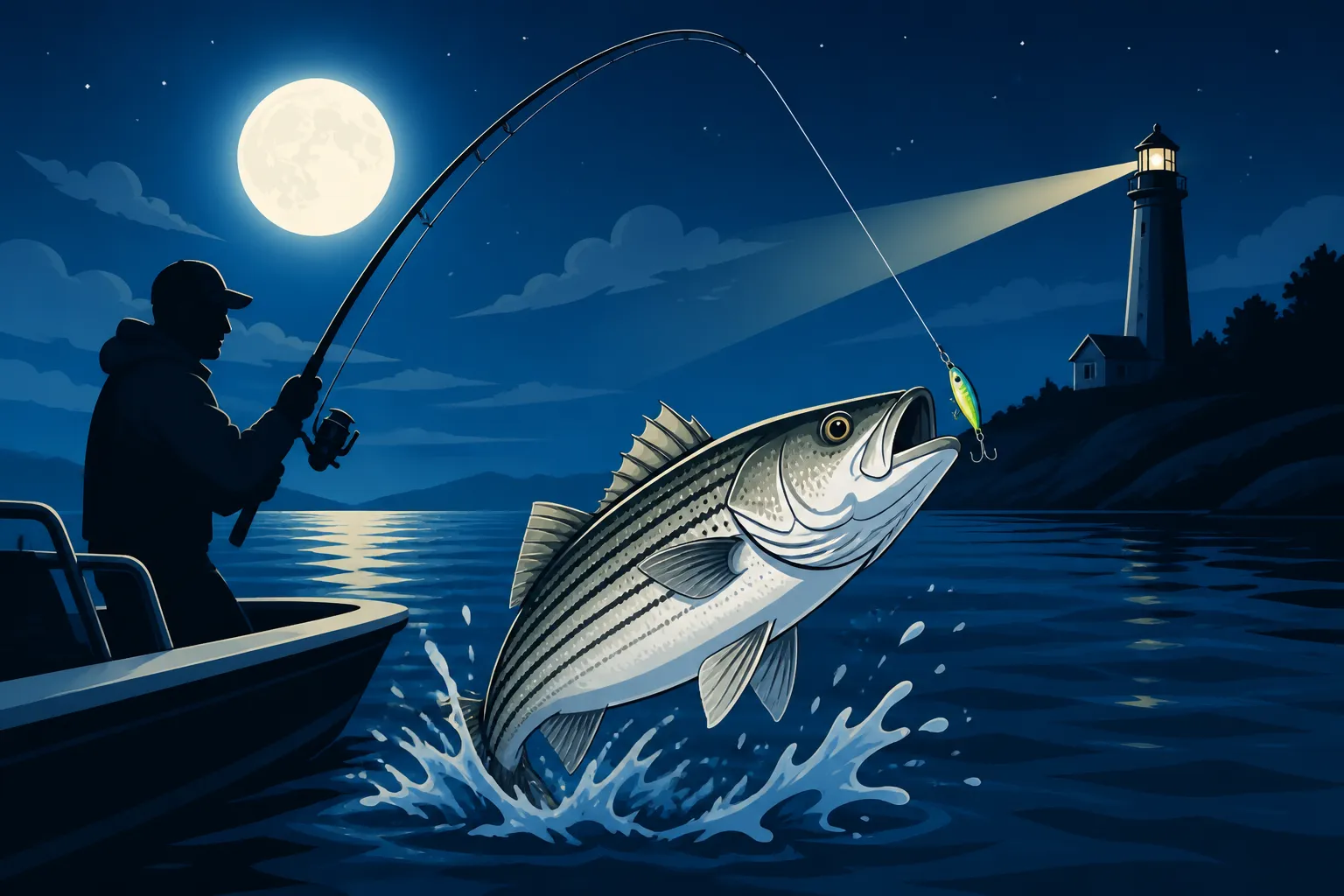
There’s nothing quite like the allure of the Connecticut coastline after the sun dips below the horizon, but for many anglers, the idea of chasing striped bass in the dark can feel daunting. From fumbling with knots to navigating unfamiliar waters, the challenges are real, but the rewards of connecting with a big striper under the cloak of night are absolutely worth it. This comprehensive guide will illuminate the path, covering everything you need to know to confidently tackle night fishing for striped bass in Connecticut, transforming those nocturnal anxieties into unforgettable angling triumphs.
Why Night Fishing for Striped Bass is a Game Changer in Connecticut
If you’ve ever wondered why some of the most dedicated striper anglers swear by fishing after dark, it’s not just for the solitude (though that's certainly a perk!). Nighttime brings a unique set of conditions that can dramatically increase your chances of landing that trophy striped bass you’ve been dreaming of. It's a completely different world out there, and once you understand it, you'll wonder why you ever packed up your gear at sunset.
The Nocturnal Advantage: What Draws Stripers Out
Striped bass are ambush predators, and under the cover of darkness, they gain a significant advantage. During the day, bright sun can make them skittish, pushing them into deeper water or shaded areas. But once night falls, the playing field changes. The reduced light gives them the upper hand, allowing them to stalk baitfish more effectively without being easily spotted. This is why you often find them moving into shallower water, along shorelines, and into estuaries where they wouldn't dare venture during peak daylight hours.
Think about it from a striper's perspective: fewer boat engines roaring, fewer swimmers splashing, and a veil of darkness that helps them blend in perfectly with their surroundings. This calmer, darker environment allows them to feed more aggressively and freely. They become bolder, less cautious, and far more willing to chase down a meal. The cooler water temperatures at night, especially during the sweltering summer months, also invigorate these powerful fish, making them more active and energetic, ready to smash a well-presented lure or bait. It's their prime time to hunt, and you, as the angler, are walking right into their wheelhouse.
Prime Locations to Target Under the Stars
Knowing why stripers feed at night is only half the battle; knowing where to find them is the other crucial piece of the puzzle. Connecticut’s diverse coastline offers a plethora of night fishing hotspots, each with its own charm and challenge. These fish often seek out areas where current is concentrated, baitfish gather, and structure provides cover for ambush.
Rocky shorelines, jetties, and breakwaters are classic night fishing locations. The rocks hold bait, create current breaks, and offer stripers excellent cover. Think of the long stone jetties around places like Stonington, Niantic, or the mouth of the Connecticut River – these are highways for striped bass at night. Estuaries and river mouths, such as the lower portions of the Connecticut River or the Housatonic River, are also phenomenal. As the tide pushes in or out, it flushes out baitfish, concentrating them into predictable ambush points for hungry stripers. Bridges and docks with subtle lighting can also be magnets, as the light attracts baitfish, and the pilings offer perfect hiding spots for stripers waiting to strike. Don't overlook quieter, less pressured beaches where the surf creates natural feeding lanes, especially on an incoming tide.
Essential Gear for Your Connecticut Night Striper Adventure
Venturing out into the darkness requires a slightly different approach to your gear selection. You need equipment that not only performs but also provides confidence when visibility is low. Fumbling with inadequate tools in the pitch black is a surefire way to get frustrated and lose fish. Investing in the right tackle makes all the difference, transforming a potential nightmare into a smooth, successful outing.
Rods, Reels, and Lines Built for the Dark
When the sun goes down, your sense of sight diminishes, and your reliance on touch and feel increases exponentially. This means your rod, reel, and line become extensions of your senses. For surfcasting from shore, a medium-heavy to heavy power rod, typically 9 to 11 feet long with a fast action, is ideal. This length allows for long casts to reach distant rips and structure, while the fast action provides the sensitivity needed to detect subtle bites and the backbone to fight powerful fish. Brands like Lamiglas, St. Croix, or Tsunami offer excellent options that can stand up to the rigors of the surf.
Pair that rod with a robust spinning reel in the 4000 to 6000 size range, known for its smooth drag and saltwater durability. Reliable reels from brands like Penn, Shimano, or Daiwa are popular choices among night anglers. Load your reel with 30-50 lb braided line for its incredible sensitivity and strength, which allows you to feel even the slightest tap in the dark. A braided mainline should always be connected to a 3-6 foot leader of 30-50 lb fluorocarbon. Fluorocarbon is nearly invisible underwater, extremely abrasion resistant against rocks and oyster beds, and provides a crucial shock absorber for aggressive strikes. Many anglers find great deals on these essential components on platforms like Amazon, especially when building out a dedicated night fishing setup. Having a reliable setup means you spend less time worrying about gear and more time focused on the bite.
Lures and Baits That Shine After Sundown
Choosing the right lure or bait at night is less about flashy colors and more about silhouette, vibration, and profile. Stripers hunt by feel and silhouette in the dark, so a lure that moves water or presents a clear outline against the dim sky is often more effective than something brightly colored. However, certain subtle color choices can also make a difference.
Topwater lures are incredibly exciting for night fishing. Large poppers and walk-the-dog baits create a commotion that stripers can easily detect and track, leading to explosive, heart-stopping strikes you'll hear before you see. Think large, dark-colored poppers or those with a subtle glow. Subsurface options like large paddle-tail swimbaits (e.g., Keitech, Hogy), soft plastics on jig heads (e.g., Z-Man, Berkley Gulp!), and bucktail jigs are also highly effective. Darker colors like black, dark green, or purple often create the best silhouette, while sometimes a white or chartreuse can mimic a squid or a distressed baitfish when there's a sliver of moonlight. Many anglers turn to Amazon to stock up on a variety of sizes and colors to be ready for any conditions. For those who prefer bait, fresh bunker (menhaden), mackerel, or eels are king. Live eels rigged weedless are legendary for tempting large stripers at night, while fresh cut bait fished on the bottom or under a float can also produce excellent results. The key is to present these offerings naturally, letting the current do some of the work.
Mastering Night Fishing Techniques for Connecticut Stripers
Night fishing isn't just daylight fishing in the dark; it requires a refinement of your senses and a shift in your approach. The techniques you employ need to account for reduced visibility, heightened fish sensitivity, and the unique ways stripers feed after sunset. It’s a learning curve, but one that quickly becomes intuitive with practice.
Strategies for Casting and Retrieving in Low Light
Accuracy in casting becomes even more critical in the dark, especially when targeting specific structure like jetties, submerged rocks, or narrow channels. Before you start fishing, take a few minutes during dusk to visually map out your casting lanes and identify any potential snags. When it's fully dark, rely on your memory and consistent casting motions. Fan casting – making casts in a wide arc across your target area – helps you cover water effectively and locate where fish are holding.
Once your lure is in the water, the retrieve is paramount. Stripers are less likely to chase down a fast-moving lure at night unless they are in a highly aggressive feeding frenzy. A slower, more deliberate retrieve is usually more effective, allowing the fish ample time to home in on the lure's vibration and silhouette. Experiment with subtle pauses and twitches, mimicking an injured or disoriented baitfish. Since you can't always see your line or the lure, you'll learn to feel everything. That slight bump, the sudden weight, the subtle change in vibration – these are your cues. Sensitivity in your rod and line, as discussed earlier, becomes your best friend. Don't be afraid to experiment with retrieve depths, too. Sometimes stripers are hugging the bottom, other times they're higher in the water column, especially if there's baitfish near the surface.
Live and Cut Bait Tactics for Nocturnal Giants
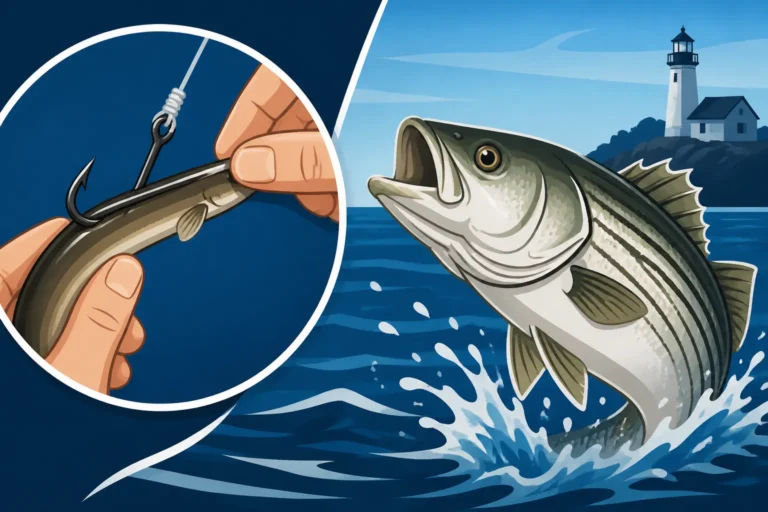
While lures are incredibly effective, nothing beats the allure of natural bait for tempting some of the largest, most cautious striped bass at night. Live eels are perhaps the most iconic night striper bait, renowned for their ability to entice truly massive fish. To rig a live eel, you can either use a single circle hook through the lower jaw and out the eye socket for a weedless presentation, or a weighted hook that allows it to swim naturally. When using eels, cast them out and let them swim freely or drift them slowly with the current. The key is to let the eel do its work, presenting it as naturally as possible.
Cut bait, such as fresh chunks of bunker (menhaden), mackerel, or even squid, can also be highly productive, especially when fish are less active or when you suspect larger, lazier fish are lurking. Freshness is paramount with cut bait. Rig it on a fish-finder rig with a circle hook, allowing the bait to sit on the bottom while the line runs freely, signaling a bite without alerting the fish to the weight of the sinker. This rig is particularly effective when fishing deeper channels, inlets, or areas with a strong current. Consider soaking your bait in a bait bucket with some additional blood or fish oils to create an enticing scent trail in the dark. For added appeal, some anglers will use a small glow stick near their bait, but generally, the scent and natural profile are what truly draw in the nocturnal predators. Always remember to check Connecticut fishing regulations explained for specific bait rules and restrictions, as they can vary by water body.
Safety First: Navigating the Night Waters of Connecticut
Fishing at night in Connecticut is an exhilarating experience, but it comes with inherent risks. Reduced visibility magnifies every potential hazard, from slippery rocks to unexpected boat traffic. Prioritizing safety isn't just good advice; it's absolutely essential for an enjoyable and incident-free outing. Don't let your excitement for big stripers overshadow common sense and preparation.
Personal Safety and Illumination
Your personal safety starts with what you wear and carry. A reliable headlamp is your most important piece of gear after your rod. Choose one with multiple brightness settings and, critically, a red light option. Red light preserves your night vision, is less disruptive to fish, and doesn't attract as many insects as white light. Always carry a spare headlamp or flashlight and extra batteries – Murphy's Law dictates your primary light will fail at the worst possible moment. Footwear is another non-negotiable; sturdy, cleated wading boots or shoes with excellent grip are vital for navigating slippery rocks, especially along jetties or uneven shorelines.
Never fish alone at night if possible. The buddy system offers an extra layer of security, as two sets of eyes and hands are always better than one in an emergency. If you must fish solo, always tell someone your exact fishing location and your expected return time. A properly fitting Personal Flotation Device (PFD) is crucial, even if you’re fishing from shore near deep water or strong currents, and especially if you're on a boat. Check out the Life Jacket Requirements for Connecticut Boaters and remember that the Connecticut Cold Water Life Jacket Rule (October to May) might even mandate wear during certain times of year. Carry a fully charged cell phone in a waterproof case, and consider a marine radio if boating. A basic first-aid kit is also a wise addition to your pack.
Boating Safety and Navigation Lights
If you're heading out on the water in a boat for night stripers, safety considerations multiply. Your boat must be equipped with proper navigation lights (red/green sidelights and a white all-around anchor light) and they must be fully functional. It's not just a legal requirement; it's a critical safety measure to prevent collisions. Beyond lights, ensure you have all other required safety equipment, including sound-producing devices (horn or whistle), visual distress signals (flares), and a fire extinguisher. Refer to the Connecticut Boating Laws for Anglers for a complete rundown of regulations.
Before you even leave the dock, meticulously check the weather forecast, paying close attention to wind and sea conditions. Night can make even moderate chop feel much worse. Always file a float plan with a trusted friend or family member, detailing your destination, estimated return time, and who is on board. On the water, proceed at a safe speed, especially in unfamiliar areas or channels. Be extra vigilant for unlit obstructions, derelict crab pots, or other boaters who may not be as well-prepared. GPS and sonar become invaluable tools for safe navigation and finding structure in the dark, but always have paper charts as a backup.
Reading the Conditions: Tides, Weather, and Moon Phases
Understanding how environmental factors influence striped bass behavior at night is key to consistent success. It's not just about showing up; it's about showing up when the conditions are ripe. Learning to read the water, the sky, and even the lunar calendar will elevate your night fishing game to a whole new level.
Harnessing the Power of Tides and Currents
For striped bass, especially in saltwater environments like Long Island Sound, tides and currents are everything. These fish are opportunistic feeders, and strong currents often bring food directly to them. At night, stripers will position themselves in current seams, eddies, and rips where baitfish are swept past them, making for an easy meal. Incoming tides often push baitfish into estuaries and shallower feeding flats, while outgoing tides can flush them out, concentrating them at river mouths and points.
The period around the change of tide, often an hour or two before and after peak high or low, is frequently considered prime time. This is when the current is at its strongest or beginning to slacken, creating prime ambush opportunities. Focus on choke points where water is forced through a narrow passage, creating intense current, or around prominent structures like jetties and bridge pilings where baitfish are disoriented by the flow. For specific guidance on timing your outings, understanding the Best Time of Day to Catch Striped Bass often applies equally to night fishing, emphasizing those critical tidal movements. Pay close attention to current charts and local knowledge for your chosen fishing spot, as every location will have its own tidal nuances.
Weather Wisdom and Lunar Influence
While tides are predictable, weather can be a wild card. Clear, calm nights might sound ideal, but often a slight chop or cloud cover can actually improve night fishing. A bit of chop on the water breaks up the moon's reflection and disguises your presence, allowing stripers to be bolder. Overcast nights are often fantastic because the absence of bright moonlight makes stripers feel more secure feeding in shallow water. Fog, however, can be dangerous for boaters and disorienting for shore anglers, so exercise extreme caution or stay home if dense fog rolls in.
The moon phase also plays a significant role in night fishing success. A new moon, which means little to no moonlight, creates the darkest conditions. Many experienced anglers swear by the new moon cycle for targeting large, aggressive stripers, as the profound darkness encourages them to feed heavily. Conversely, a full moon can sometimes make fish more skittish, as the increased light allows them to see better, but it can also trigger intense feeding frenzies if there's an abundance of bait illuminated by the moonlight. Experimentation is key; some anglers love the full moon, others prefer the dark. Pay attention to how the moon influences your local spots, and you'll start to recognize patterns.
Preserving the Resource: Catch, Care, and Release Practices
As stewards of our fisheries, responsible angling practices are paramount, especially when targeting prized species like striped bass at night. While catching is the thrill, ensuring the health and sustainability of the population for future generations is our collective responsibility. This means understanding how to properly handle fish and adhering to all current regulations.
Best Practices for Handling Striped Bass at Night
Night fishing adds a layer of complexity to fish handling due to reduced visibility. However, the core principles of catch and release remain the same: minimize stress and injury to the fish. When you hook a striper, fight it efficiently, avoiding prolonged battles that exhaust the fish. Use appropriate tackle that allows you to land the fish relatively quickly. For landing, a large, knotless rubberized landing net is ideal. This type of net minimizes scale and slime coat damage, which are vital for a fish's health and protection against disease. Avoid gaffing fish you intend to release.
Once landed, keep the fish in the water as much as possible. If you need to bring it aboard or onto shore for a quick photo, keep your hands wet to protect its slime coat. Support the fish horizontally, never vertically by the jaw or tail, which can cause internal damage. Have your de-hooking tools, such as long-nose pliers, hook removers, or even bolt cutters for deeply embedded hooks, ready before the fish is even landed. Circle hooks, now mandatory for striped bass when using bait, greatly increase survival rates by typically hooking the fish in the corner of the mouth, making removal easier and avoiding gut-hooking. After de-hooking, hold the fish facing into the current or gently move it back and forth until it regains its strength and swims away on its own. For more detailed information on successful release, you can find many guides online about Striped bass catch and release survival tips.
Understanding Connecticut Striped Bass Regulations
Connecticut has specific regulations in place to manage the striped bass fishery, and these are subject to change based on scientific assessments and regional management efforts. It is your responsibility as an angler to be aware of and abide by all current rules regarding size limits, daily creel limits, and specific gear requirements. Ignorance is not an excuse for violations, and penalties for fishing without a license or violating regulations can be steep.
For striped bass in Connecticut, you'll need to know the current slot limit, which dictates a specific size range of fish you can legally keep. For instance, the Connecticut Striped Bass Slot Limit and Season outlines these crucial numbers, which are designed to protect the breeding stock while allowing anglers to harvest some fish. Furthermore, as of 2021, a Connecticut Circle Hook Requirement for Striped Bass is in effect when using bait, meaning all recreational anglers using natural bait for striped bass must use a non-offset circle hook. Always consult the official Connecticut DEEP fishing guide or their website before each season, as regulations can be updated annually. Staying informed and compliant ensures that future generations can enjoy the thrill of night fishing for striped bass just as we do today.
| Lure Type | Ideal Conditions | Pros | Cons |
|---|---|---|---|
| Topwater Plugs | Calm to light chop, low light, active fish | Explosive, visual strikes; covers water | Less effective in heavy chop or deep water |
| Soft Plastics | Moderate current, varying depths | Versatile, realistic action; good for shy fish | Can get torn up easily; needs jig heads |
| Bucktail Jigs | Strong current, deeper water, rocky areas | Durable, sinks fast; great for bottom contact | Requires skill to impart action; snag-prone |
| Live Eels | Slow current, patient fishing, targeting large fish | Irresistible to big stripers; highly effective | Messy to handle; can be expensive; limited availability |
| Cut Bait | Bottom fishing, strong scent trail | Appeals to wary, larger fish; hands-off approach | Can attract unwanted species; less active presentation |
Disclaimer
Please note that fishing regulations, seasons, and licensing requirements in Connecticut can change. Always consult the official Connecticut Department of Energy and Environmental Protection (DEEP) website or the latest Connecticut Angler's Guide for the most up-to-date and complete information before heading out on the water. This guide is for informational purposes only and does not supersede state regulations.