How to rig eels for striped bass
There's nothing quite like the thrill of targeting big striped bass in Connecticut, and often, the key to landing those elusive trophy fish lies in using the right bait, rigged just so. Many anglers get frustrated trying to wrangle slippery eels or wonder if they're presenting them correctly, leaving them feeling like they're missing out on the action. This guide is here to demystify the art of rigging eels for striped bass, providing you with practical, step-by-step instructions and essential tips to boost your success on the water.
Why Eels are a Top Choice for Striped Bass
When it comes to enticing large, wary striped bass, eels are often considered the apex predator's preferred meal ticket. Their natural movements and potent scent create an irresistible temptation that few other baits can match, especially when you're after those bigger, smarter fish that have seen it all.
The Allure of Live Eels
Eels possess a magical quality that drives striped bass absolutely wild. Think about it: they're long, sinuous, and incredibly active in the water, mimicking a natural food source that big stripers commonly encounter, especially in places like Long Island Sound and the lower Connecticut River. The erratic, serpentine swimming motion of a live eel sends out vibrations that predatory fish can detect from a distance, piquing their curiosity and triggering their hunting instincts. Beyond their movement, eels also emit a distinct scent that travels through the water, acting like a dinner bell for hungry bass.
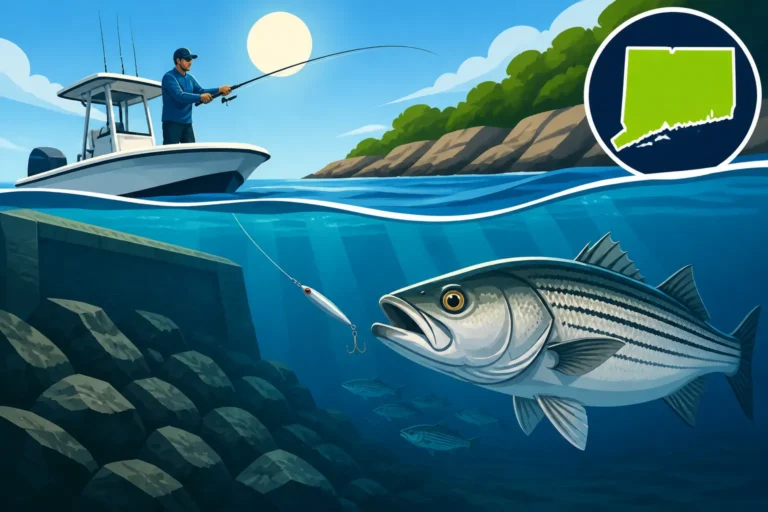
This combination of visual appeal, movement, and scent makes them exceptionally effective, particularly during low-light conditions like dawn, dusk, and throughout the night, which are prime times for targeting large stripers. Eels excel when fished around structure, such as rocky points, jetties, bridge pilings, and submerged wrecks, where big bass often lie in ambush, waiting for an easy meal to drift by. Knowing How to Catch Striped Bass in Long Island Sound effectively often involves incorporating live eels into your strategy.
Eels vs. Other Baits
While there's certainly a time and place for other fantastic baits like live bunker (menhaden), mackerel, or even large chunks of baitfish, eels often outshine them in specific scenarios. Bunker are fantastic, but they can be cumbersome to manage and often attract smaller fish before a true cow striper finds your offering. Mackerel are great, but sometimes getting them live can be a challenge.
Eels, on the other hand, are remarkably hardy and can withstand being fished in strong currents and around abrasive structure much better than softer-bodied baits. They also tend to be more resilient on the hook, meaning you can often present them for longer periods without needing to re-bait. This durability is a huge advantage when you're targeting big fish that might take a moment to commit to a strike. For anglers focusing on Night Fishing for Striped Bass in Connecticut, the subtle yet powerful presentation of an eel often outperforms anything else you could throw. Their ability to wriggle and create a disturbance in the dark, without requiring constant angler input, makes them a go-to for many dedicated striper hunters.
Essential Gear for Eel Rigging Success
Having the right tackle is non-negotiable when you're dealing with powerful striped bass and the unique challenges of fishing with live eels. You need gear that can handle the sliminess of the eels, the violent strikes of big fish, and the sometimes-abrasive environments where stripers live.
Rod, Reel, and Line Setup
For rigging eels, you'll want a robust setup. Think heavy-duty spinning or conventional gear that can cast a decent weight and handle a powerful fish.
- Rods: Look for a medium-heavy to heavy action rod, typically between 7 to 9 feet in length for boat fishing, and sometimes longer (up to 11-12 feet) for surfcasting. A fast tip is helpful for casting, but a strong backbone is crucial for fighting big fish away from structure. The rod should have enough power to control an eel during the cast and enough sensitivity to feel those subtle bumps and runs from a cautious striper.
- Reels: A reliable reel with a smooth, powerful drag system is paramount. Spinning reels in the 6000-8000 size range are popular for their versatility, while conventional reels (like a Penn Squall or Shimano Tekota) in a 20-30 size are excellent for their cranking power and durability, especially when you might be battling a fish that's trying to bury itself in the rocks.
- Line: Most anglers opt for braided line as their main line due to its strength-to-diameter ratio and lack of stretch, which provides superior sensitivity. A 40-60 pound test braid is a good starting point. You'll then connect this to a fluorocarbon or monofilament leader. Fluorocarbon is often preferred for its invisibility underwater and abrasion resistance, typically in the 50-80 pound test range, depending on the size of the bass you're targeting and the amount of structure present. Leader length can vary, but usually 3-6 feet is sufficient. You can find a wide array of strong braided lines and fluorocarbon leaders on
Amazonto suit your specific needs. For more on what to consider, check out Best Lures for Striped Bass in Long Island Sound even though we're talking bait, the principles of strong line hold true.
Hook Selection and Rigging Components
The right hooks and rigging components are critical for both successful hook-ups and ethical angling.
- Hooks: In Connecticut, it's generally required to use inline circle hooks when fishing for striped bass with bait. This is a fantastic regulation, as circle hooks dramatically increase the chances of a jaw hook-up, reducing gut hooking and improving the survival rate of released fish. For eels, you'll want a sturdy, sharp circle hook. Sizes can range from 7/0 to 10/0, depending on the size of your eels and the target fish. A good rule of thumb is to match the hook size to the eel: smaller eels (8-10 inches) might use a 7/0 or 8/0, while larger eels (12-16+ inches) will require a 9/0 or 10/0. Make sure the hook gap is wide enough to ensure a solid set around the eel's body.
- Swivels: A high-quality barrel or ball-bearing swivel (100 lb test minimum) is essential to prevent line twist, especially when casting and retrieving a live eel that's wriggling constantly. It also provides a strong connection point between your main line/leader and the sinker/hook rig.
- Weights: The type and amount of weight you need will depend heavily on the current and depth you're fishing.
- Egg Sinkers: These are ideal for drifting live eels. The line slides through the sinker, allowing the eel to swim more naturally and the fish to pick up the bait without feeling immediate resistance from the weight.
- Bank Sinkers: For anchoring or when you need your bait to stay put in stronger currents, bank sinkers are a better choice. They tend to dig into the bottom more effectively.
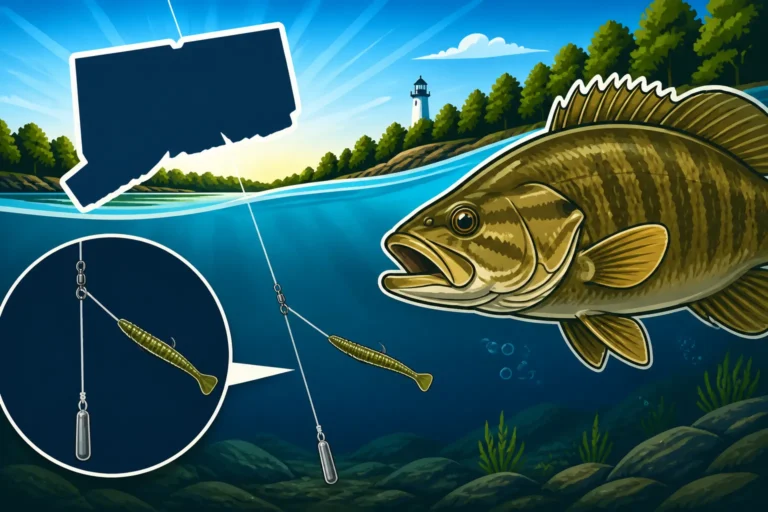
- Weight Range: Carry a variety of weights, from 1 oz up to 6 oz or more. On a calm night with minimal current, 1-2 oz might be enough. In a strong rip in Long Island Sound Fishing Guide, you might need 4-6 oz just to hold bottom.
- Beads: Some anglers like to place a plastic bead between the egg sinker and the swivel to protect the knot from the sinker's movement. You can find all these specialized rigging components, including a variety of hooks, swivels, and weights, on
Amazon.
Here’s a quick summary table of essential eel rigging gear:
| Component | Recommended Type/Size | Key Function | Notes |
|---|---|---|---|
| Rod | 7-9 ft Medium-Heavy to Heavy spinning/conventional | Casting weight, fighting power | Longer for surfcasting (up to 12 ft), strong backbone for leverage. |
| Reel | 6000-8000 spinning, or 20-30 conventional | Line capacity, smooth, powerful drag | Look for durable construction and a reliable retrieve. |
| Main Line | 40-60 lb Braided Line | Strength, sensitivity, minimal stretch | Allows for better feel of subtle bites and casting distance. |
| Leader | 50-80 lb Fluorocarbon or Monofilament (3-6 ft) | Abrasion resistance, invisibility (fluoro), shock absorption (mono) | Choose based on structure, water clarity, and target fish size. |
| Hook | 7/0 – 10/0 Inline Circle Hook | Secure hook-up, ethical release, compliance with CT regulations | Match hook size to eel size; essential for Connecticut Circle Hook Requirement for Striped Bass. |
| Swivel | 100 lb+ Barrel or Ball-Bearing Swivel | Prevents line twist, strong connection | Critical for managing active eels and maintaining line integrity. |
| Sinkers | 1-6 oz+ Egg Sinkers (drifting) or Bank Sinkers (anchoring) | Get bait to depth, hold position in current | Carry a variety to adapt to changing currents and depths; allow eel natural movement. |
| Optional | Plastic Bead | Protects knot from sinker abrasion | Small but effective for increasing knot longevity, especially with sliding sinkers. |
| Essentials | Headlamp, cutting pliers, de-hooker, rag, sharp knife | Safety, efficiency, fish care | Crucial for night fishing, handling eels, and safely releasing fish. |
Step-by-Step Guide to Rigging Live Eels
Rigging a live eel might seem daunting at first, especially with their slippery nature, but with a few tricks and a bit of practice, you’ll be a pro in no time. The goal is always to present the eel as naturally as possible while ensuring a solid hook-up.
The Nose-Hook Method (Live Eel)
This is by far the most common and often most effective way to rig a live eel, especially when you want maximum natural movement. It's relatively simple and allows the eel to swim freely.
- Preparation: First, you need to get a good grip on that slippery eel! Many anglers use a glove, a rag, or even a handful of sand or dirt to get some purchase. Hold the eel firmly but gently behind the head. Make sure your circle hook is ready and your leader is tied securely to your swivel.
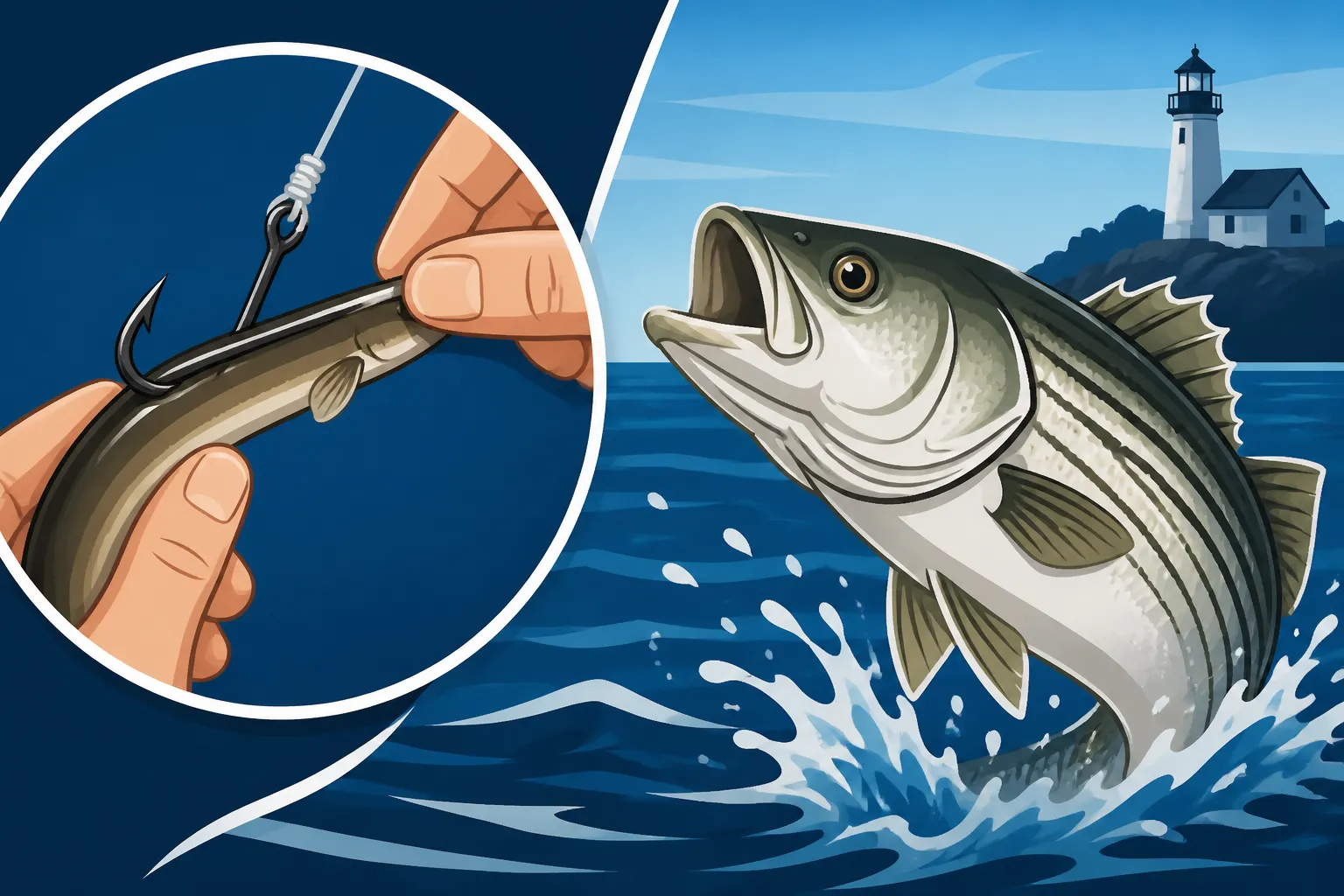
- Hooking the Eel: Take your circle hook and carefully insert the point through the very front of the eel's lower jaw, then bring it out through the top of its snout, just between its eyes or slightly behind them. The hook point and barb should be fully exposed and facing forward, away from the eel's body. The key here is to go through the toughest part of the eel's head to secure it without impeding its breathing or natural swimming action. Avoid hooking it through the eye or brain, as this will kill the eel quickly.
- Connecting the Rig: Your leader should be tied to the eye of the circle hook. Above the hook, you'll have your swivel, and above the swivel, your sliding egg sinker (if drifting) or your fixed bank sinker. The egg sinker should be free to slide up and down your main line, allowing the eel to swim away from the weight.
- Presentation: Once hooked, the eel should be able to swim naturally, wriggling and enticing those big stripers. This method is excellent for drifting over rocky areas or along channel edges, allowing the current to carry the eel and maximize its natural allure.
The Internal Hook Rig (Larger Eels or Tough Conditions)
While the nose-hook is standard, some anglers, especially when dealing with very large eels or fishing in areas with aggressive currents, might opt for a more discreet internal hook rig. This is a bit more involved and often results in a less lively eel, but it can be beneficial for stealth or specific presentations.
- Preparation: Again, secure the eel. For this method, you might want an eel needle or a long, thin bait needle, which you can typically find at tackle shops or on
Amazon. - Threading the Leader: Take your leader and tie it to the eye of your chosen circle hook (again, 7/0-10/0). Now, thread the bait needle through the eel's vent (anus) and carefully push it internally along the eel's spine, aiming to exit just behind its head or through its lower jaw. This requires a delicate touch to avoid puncturing vital organs or the spine, which would kill the eel instantly.
- Pulling the Hook Through: Once the needle exits, attach the loop of your leader to the end of the needle and carefully pull the leader and then the hook through the eel's body until the hook point exits the eel's vent. The hook bend should sit flush against the eel's body near the vent, with the point exposed.
- Securing the Hook: Some anglers will even use a small rubber band or floss to secure the hook to the eel's body if they want it extra snug, though often the tension from the line is enough.
- Benefits and Drawbacks: The main benefit of this rig is a very clean, streamlined presentation, which can be useful when stripers are finicky, or you're casting long distances. It also protects the hook from snags in rocky terrain. The major drawback is that it often stresses or kills the eel more quickly than the nose-hook method, reducing its natural swimming action. Use this method judiciously, mostly for larger eels that you plan to dead-stick or retrieve very slowly.
Dealing with Difficult Eels
Eels are notoriously slimy and wiggly, making them challenging to handle. But don't despair!
- Handling Slime: Always keep a dedicated rag or an old towel handy. Some anglers swear by using a small amount of sand, dirt, or even baking soda on their hands to get a better grip. Latex or rubber gloves can also work wonders, though they might reduce your tactile feel.
- Keeping Them Fresh: The fresher your eels, the livelier they'll be, and the more attractive to striped bass. Keep them in a well-aerated livewell or a dedicated eel bucket with some fresh saltwater, ideally chilled with frozen water bottles. Avoid overcrowding. If you're heading out for a longer trip, make sure you know how to maintain them; it's a huge factor in your success targeting Striped Bass Fishing in Long Island Sound.
- Safety First: Eels can bite! While their bite isn't dangerous, it can be startling. Always handle them with care, and keep them away from your face. A de-hooker is also a great tool for safely removing hooks from fish without putting your hands near sharp teeth or gill plates, especially when fishing for species with specific regulations like Connecticut Striped Bass Slot Limit and Season.
Fishing Techniques with Eels for Striped Bass
Now that you've got your eels rigged, it's time to put them to work. Whether you're casting from shore or drifting from a boat, the presentation is key.
Fishing from Shore and Jetties
Shore fishing for striped bass with eels can be incredibly rewarding, especially during the witching hours. This is often when the biggest bass move into shallower waters to feed under the cover of darkness.
- Casting: Make smooth, controlled casts to avoid "throwing" the eel off the hook. Aim for areas around structure like rocks, jetties, rips, or the edges of channels. Remember that big stripers love to ambush prey from cover.
- Dealing with Current and Structure: Strong currents can make presentation tricky. Adjust your sinker weight to ensure your eel is reaching the bottom or just above it, where stripers are likely feeding. If you're fishing near rocks or mussel beds, be prepared for snags. Sometimes, a slow drift over these areas is more effective than trying to hold bottom rigidly. For specific locations, knowing the Best Shore Fishing Spots in Connecticut can make all the difference.
- Best Times and Tides: The incoming or outgoing tide, especially around slack water, can be highly productive. Many anglers swear by fishing the last hour of the outgoing and the first hour of the incoming. As mentioned earlier, dawn, dusk, and nighttime are prime times for eel fishing. Patience is a virtue here; let the eel work its magic.
Fishing from a Boat (Drifting and Anchoring)
Fishing with eels from a boat offers more versatility, allowing you to cover more ground and target specific structures.
- Drifting Over Reefs and Rips: This is a highly effective method. Use an egg sinker rig, allowing the eel to swim freely as your boat drifts with the current over known striper haunts like reefs, rock piles, or current rips. Keep your rod in hand, feeling for any bumps or changes in the eel's movement. Your boat's speed should match the current for the most natural presentation. You can find essential boating accessories and even some fishing specific electronics to help you locate these structures on
Amazon. - Anchoring Near Channels and Bridges: If you've identified a specific hotspot, like a bridge piling, a drop-off, or the edge of a deep channel where stripers hold, anchoring can be incredibly effective. Position your boat upstream or upcurrent of the target area, and deploy your eels, allowing the current to carry them naturally into the strike zone. This is a great way to target schools of fish that are holding in a specific area.
- Specific Spots: For example, the lower Connecticut River or certain areas in Long Island Sound, like around the Thimble Islands or the mouth of the Housatonic River, are prime spots for boat-based eel fishing. Understanding the Best Time of Day to Catch Striped Bass will guide your boat trips too.
Presentation and Retrieve
The way you present and retrieve your eel is often what separates a successful trip from a frustrating one.
- Let the Eel Work: Eels are alive for a reason! They do most of the work for you. Once cast, let the eel swim naturally. If drifting, simply hold the rod and feel for the subtle movements of the eel. Avoid constant reeling or jerking motions, which can make the eel look unnatural or pull it out of the strike zone.
- Feeling for the Bite: A striper bite on an eel can range from a gentle "tap-tap" to a sudden, rod-bending yank. Often, a striper will "slurp" the eel, carrying it off for a moment before turning and swallowing.
- Waiting for the Strip: This is where many anglers make a mistake. With a circle hook, you do not set the hook by yanking your rod. Instead, when you feel a solid pull or the line starts to steadily peel off, simply drop your rod tip towards the fish (to create slack for the fish to turn with the eel) and then slowly and steadily apply pressure by sweeping the rod to the side or reeling, letting the circle hook do its job. The fish's movement against the line will pull the hook into the corner of its mouth. Premature hook sets will almost always result in a missed fish. Learning How to Catch Striped Bass in Long Island Sound effectively often comes down to mastering this technique.
Eel fishing for striped bass is a classic technique for a reason: it's incredibly effective for targeting large, aggressive fish. With the right gear, careful rigging, and a patient, deliberate approach, you'll be well on your way to experiencing the thrill of a big Connecticut striper on the end of your line.
Disclaimer
This article is for general informational purposes only and does not constitute professional advice. Laws, prices and regulations vary by location and change over time. Consult a qualified professional for guidance on your specific situation.