Best Techniques for Low Clear Water Conditions
There’s nothing quite like the frustration of arriving at your favorite fishing spot, only to find the water level dramatically lower than usual, and crystal clear. What was once a promising riffle or a murky bass hideout is now exposed, revealing every pebble on the bottom and making fish incredibly skittish. This guide is here to help you navigate those tricky, low, and clear water conditions, offering proven techniques to still find success when the odds seem stacked against you.
Understanding the Challenges of Low, Clear Water
When water levels drop and clarity increases, fish become more aware of their surroundings, and consequently, more wary of anglers. This isn't just a minor inconvenience; it fundamentally changes how fish feed, move, and react to threats. Ignoring these changes means you're likely to go home empty-handed.
Why Low Water Impacts Fish Behavior
Lower water levels essentially shrink the available habitat for fish, concentrating them into smaller pools or deeper channels. This sounds like it might make them easier to find, but it also increases competition and stress among fish. With less water to hide in, their natural instincts for survival kick into overdrive. They become incredibly alert to shadows, vibrations, and anything that looks out of place. Think about it from their perspective: a fish that normally has plenty of cover might now be sitting in a shallow pool with nowhere to hide. This heightened sense of vulnerability means they're far less likely to chase down a flashy lure or an improperly presented bait. It's a survival mechanism, pure and simple.
The Magnifying Effect of Clear Water
Clear water is a double-edged sword. On one hand, it allows you to see deeper into the water, sometimes even spotting fish. On the other hand, it allows fish to see you and your gear with incredible precision. Sunlight penetrates deeper, making everything, including your line and lure, more visible. Imagine trying to sneak up on a deer in an open field versus a dense forest; the clear water is that open field. Fish can easily discern unnatural movements, the gleam of a swivel, or even the thickness of your fishing line. This visibility demands a completely different approach to your presentation, moving away from aggressive tactics towards finesse and subtlety. When combined with low water, this effect is magnified, leaving fish fewer places to escape your gaze or, more importantly, the gaze of predators, including you.
Stealth is Your Best Friend
In low, clear water, your ability to remain undetected is paramount. Forget crashing through the brush or making loud splashes; every move you make needs to be deliberate and quiet. This principle applies to everything from how you approach the water to the very line you use.
Approaching the Water with Caution
Many anglers make the mistake of marching right up to the water's edge and casting. In low, clear conditions, this is a surefire way to spook every fish in the vicinity. Instead, approach the water as if you're stalking a wild animal. Stay low, use bankside vegetation or terrain to break up your silhouette, and avoid casting a shadow over the water. Fish are acutely aware of anything moving above them. Try to stay as far back from the bank as possible while still making an effective cast. Wading should be done slowly and carefully, shuffling your feet to avoid disturbing the bottom, which can send clouds of silt or vibrations through the water, alerting fish to your presence. Remember, the goal is to make your presence as minimal as possible, allowing the fish to maintain their natural behavior rather than bolting for cover.
The Importance of Presentation and Line Selection
Once you're in position, your presentation needs to be impeccable. Fish in clear water have ample time to inspect your offering. This means your bait or lure needs to look as natural as possible, both in appearance and movement. Avoid splashy casts that send fish scattering; instead, aim for gentle, accurate deliveries. When it comes to your line, this is where many anglers falter. Thick, brightly colored lines are easily spotted by fish. This is the time to downsize. Fluorocarbon leaders are incredibly effective in clear water because they have a refractive index very close to that of water, making them virtually invisible. Consider dropping down to a lighter breaking strain than you normally would. For freshwater trout, a 4-pound test fluorocarbon leader might be your best bet, while for saltwater species like striped bass, a 15-20 pound fluorocarbon might be ideal, still significantly thinner and less visible than heavy monofilament. The less visible your connection to the lure, the higher your chances of getting a bite.
Downsizing and Natural Presentations
When fish are under pressure from low, clear conditions, they become much pickier about what they'll strike. Gone are the days of aggressive, large lures. Now is the time for finesse and mimicking nature.
Lure and Bait Selection for Finesse Fishing
The golden rule in low, clear water is to go small and go natural. Large, flashy lures can be too aggressive and easily identified as unnatural. Instead, opt for smaller baits that imitate the natural forage fish are accustomed to seeing. For trout, think tiny nymphs, midges, or dry flies that match the local hatch. Small inline spinners, like those from Panther Martin or Mepps, in dull, natural colors (silver, brass, or black) can also be effective. If you're targeting bass, focus on small finesse worms, creature baits, or micro jigs. Colors should mimic natural prey: greens, browns, and black often work well. When fishing for saltwater species like fluke or striped bass in shallow, clear conditions, small soft plastics in natural baitfish patterns (peanut bunker, sand eel) rigged on a light jig head can be deadly. Even bucktail jigs should be smaller, lighter, and tied sparsely to avoid looking bulky. Using real bait, if allowed, like small shiners, earthworms, or strips of squid, can also be incredibly effective, presented as naturally as possible without heavy weights or hardware.
Mastering the Subtle Retrieve
A flashy, erratic retrieve that might work in murky or high water will often scare fish away in clear conditions. Instead, you need to master the art of the subtle retrieve. For finesse worms or jigs, think slow drags, tiny hops, and long pauses that allow the bait to subtly settle or drift. The goal is to make your lure appear injured, dying, or simply drifting along naturally with the current. For inline spinners, a slow, steady retrieve, just fast enough to get the blade spinning, is often more productive than a fast, aggressive one. When fly fishing, perfect dead drifts are crucial. Any drag on your line will pull the fly unnaturally, immediately signaling to the fish that something is wrong. For saltwater species, a slow jigging motion or a subtle "twitch, twitch, pause" retrieve can be far more effective than a fast retrieve that might spook a wary striper lurking in clear, shallow water. It's all about mimicking natural movement without telegraphing your presence.
Targeting Specific Species in Low Clear Water
Different fish species react to low, clear water in unique ways, and adapting your tactics to their specific behaviors is key to success. What works for trout won't necessarily work for a striped bass, and vice-versa.
Trout Tactics in Gin-Clear Streams
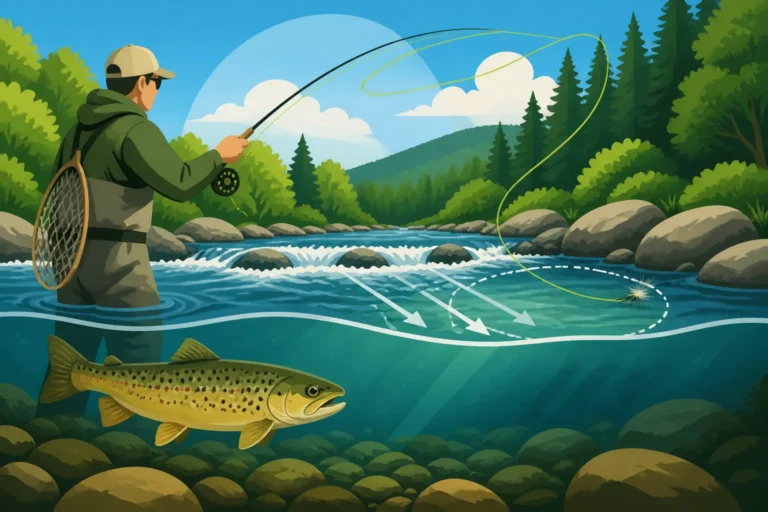
Trout in clear, shallow streams become incredibly spooky. They’ll often hold in the deepest parts of pools, under cut banks, or near submerged structure, darting out quickly to grab a passing meal before retreating. For Fly Fishing for Trout in Connecticut in these conditions, presentation is everything. Focus on long, light leaders, often 9-12 feet, tapered down to 5x or 6x fluorocarbon. Dry flies should be small, matching tiny midges, mayflies, or caddis. Accurate, delicate casts that allow for a perfect dead drift are non-negotiable. For nymphing, use very small, weighted nymphs (like a size 18 or 20 Pheasant Tail or Hare's Ear) and add just enough weight to get them down quickly without spooking fish with large indicators or split shot. When spin fishing, ultra-light tackle with 2-4 pound monofilament or fluorocarbon line is best. Small, natural-colored inline spinners (size 00 or 0) or tiny spoons are good choices. Cast upstream and retrieve just fast enough to keep the lure ticking along the bottom. Consider stealthy approaches on Best Fly Fishing Rivers in Connecticut like the Farmington River West Branch, where trout are notoriously wary.
Smallmouth and Largemouth Bass in Exposed Waters
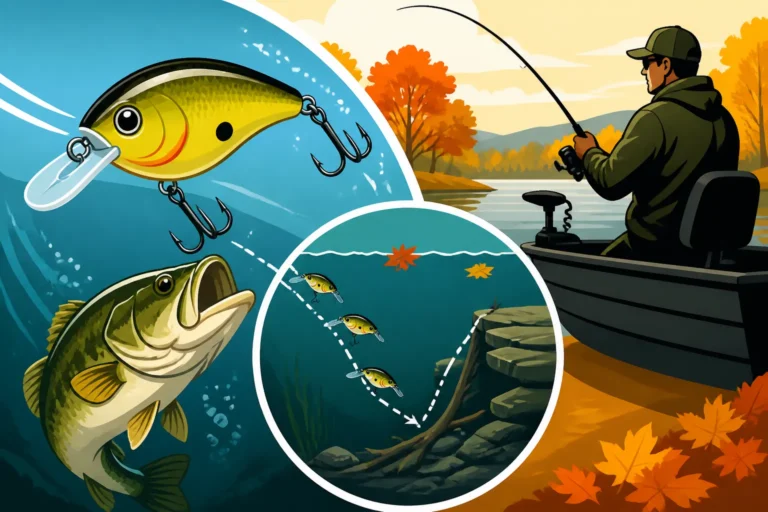
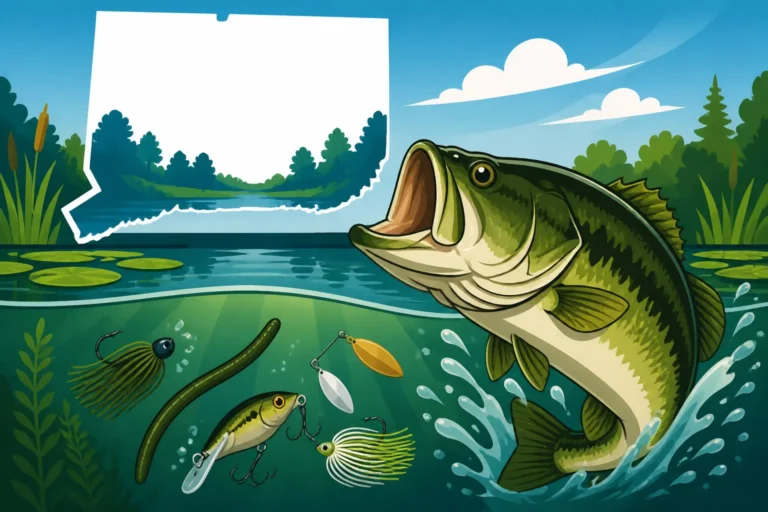
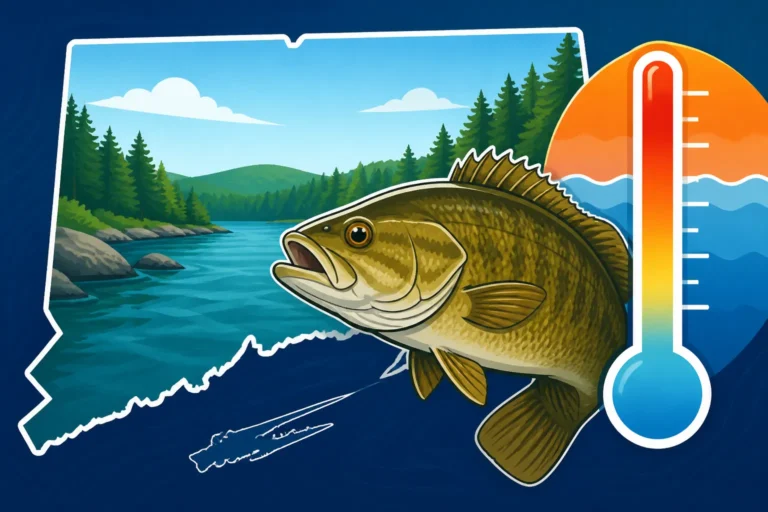
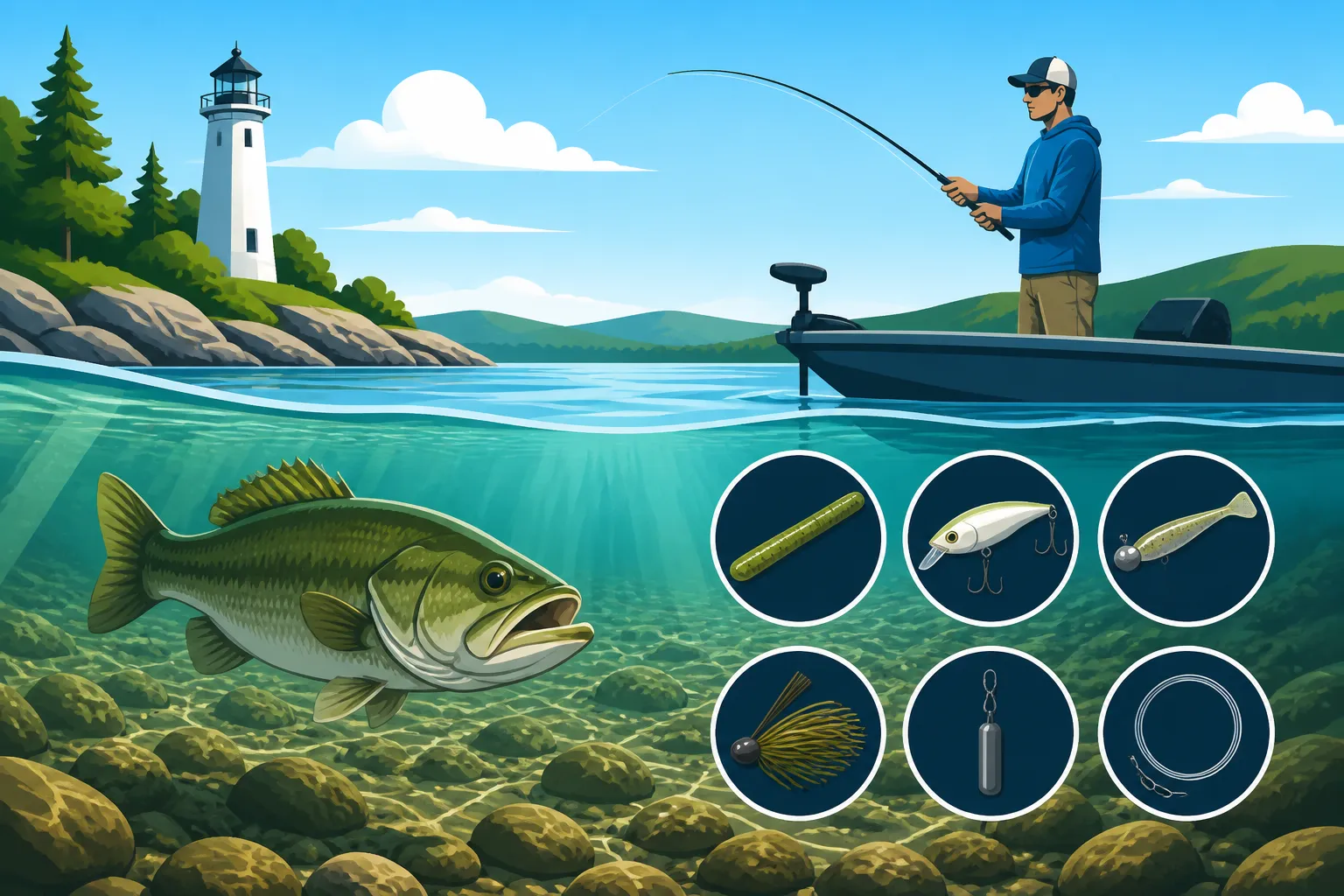
Bass also become highly sensitive to predation when their habitat shrinks and clarifies. Smallmouth bass in rivers, like those found on the Housatonic River, will often retreat to deeper pockets, behind large rocks, or into the fastest current seams where the broken surface provides some visual cover. Largemouth bass in lakes and ponds will hug tight to submerged cover, dock pilings, or deep weed edges. For How to Catch Smallmouth Bass in Connecticut Rivers or How to Catch Largemouth Bass in Connecticut in these conditions, finesse fishing shines. Drop shot rigs, Carolina rigs with smaller weights, and weightless wacky-rigged or Texas-rigged worms are excellent choices. Use natural colors like green pumpkin, watermelon, or black and blue. Retrieve these slowly, letting them sit for extended periods. Small swimbaits (2-3 inches) on light jig heads can also entice wary bass. When approaching, keep your distance and make long casts. Using an electric trolling motor on its lowest setting, or paddling a kayak very slowly, can help maintain stealth on Best Bass Fishing Lakes in Connecticut like Candlewood Lake.
Striper and Fluke Strategies in Shallow, Clear Saltwater
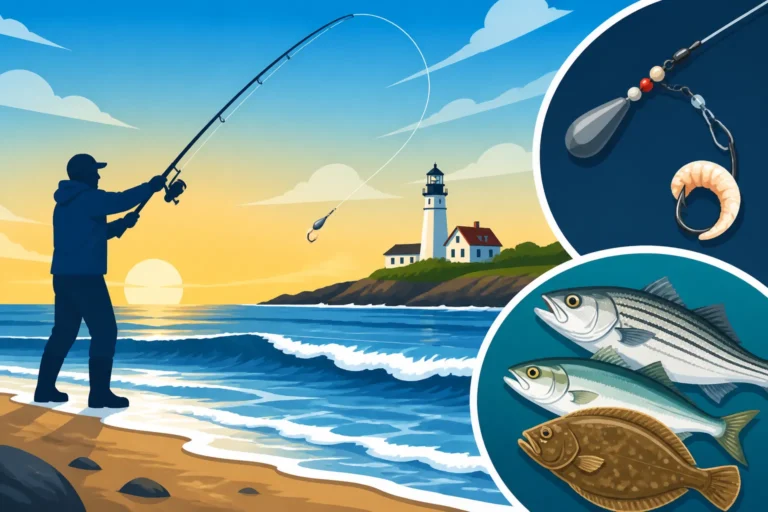
Even in the vastness of Long Island Sound, low, clear water can present challenges, especially in shallow estuaries, flats, or near shorelines. Striped bass become more skittish and will avoid direct sunlight or areas where they feel exposed. Fluke, masters of camouflage, might be even harder to spot and entice. For How to Catch Striped Bass in Long Island Sound in these conditions, early morning, late evening, or even night fishing become prime times. During the day, look for them holding in deeper channels or near structure that provides shade. Small, natural-colored soft plastics like Zoom Super Flukes or Hogy Epoxy Jigs, imitating sand eels or peanut bunker, are excellent. Fly fishing with small deceiver or clouser patterns can be very effective if you can make long, accurate casts. For How to Catch Fluke in Long Island Sound, focus on areas with subtle structure and a mix of sand and rubble. Use lighter bucktail jigs (1/2 to 1 oz) tipped with a Gulp! Swimming Mullet or a strip of natural bait. Long drifts and slow bounces are key to keeping your offering in the strike zone without alarming these bottom dwellers.
Essential Gear for Low Clear Conditions
Having the right equipment can make a significant difference in your success when facing low, clear water. It’s not just about what lures you use, but how you present them.
Rods, Reels, and Lines for Finesse
When fishing finesse techniques in clear water, your rod, reel, and line become a critical system.
- Rods: Opt for lighter power rods with a fast or extra-fast action. A light to medium-light spinning rod, typically 6'6" to 7'6" in length, will allow for delicate presentations and absorb the shock of a strike on light line. This sensitivity helps you detect subtle bites that are common from wary fish. For fly fishing, a longer, softer rod (like a 9-foot 4 or 5 weight for trout) helps with delicate roll casts and mending to achieve perfect drifts.
- Reels: Pair your rod with a small, smooth spinning reel (size 1000-2500 for freshwater, 2500-3000 for light saltwater). The key is a silky-smooth drag system, as you'll be fighting fish on lighter lines. A good quality reel ensures consistent line retrieval and prevents line twist, which can be a nuisance with light monofilament or fluorocarbon.
- Lines: This is perhaps the most crucial component. Braided line (6-10 lb test for freshwater, 10-20 lb test for saltwater) is excellent for its sensitivity and casting distance, but it must always be paired with a long (3-6 foot) fluorocarbon leader. Fluorocarbon is your best friend in clear water due to its low visibility and abrasion resistance. Monofilament can also work, especially in lighter tests (4-8 lb), but its higher visibility compared to fluorocarbon can be a disadvantage. Ensure your line is fresh and free of nicks or abrasions that can weaken it. You can find excellent options for all these components on Amazon, delivered right to your door.
Polarized Sunglasses and Wading Safety
Beyond your fishing setup, two often-overlooked pieces of gear are absolutely essential in low, clear water.
- Polarized Sunglasses: These aren't just a fashion statement; they are a vital tool. Polarized lenses cut glare off the water's surface, allowing you to see into the water, spot submerged structure, and, crucially, sometimes even spot fish before they see you. This visual advantage helps you make more accurate casts and avoid spooking fish. Brands like Costa Del Mar or Maui Jim are popular among serious anglers, but even more budget-friendly options found on Amazon can make a huge difference. Being able to spot a dark shape against the bottom, or the subtle twitch of a fin, can dramatically increase your hook-up ratio.
- Wading Safety: If you plan to wade in low, clear water, safety should be a top priority. Exposed rocks and slippery river bottoms become even more apparent. Quality wading boots with good ankle support and felt or studded soles offer superior traction. A wading staff provides stability and helps you probe the depth and stability of the bottom before you commit. Even in calm, clear water, unforeseen currents or sudden drop-offs can be dangerous. Always wade with a buddy, or at least let someone know where you're going and when you expect to return. Be especially careful in areas with strong currents or unknown obstacles, like sections of the Housatonic River or Farmington River.
Adapting to Different Connecticut Water Bodies
Connecticut offers a diverse range of fishing environments, from tranquil inland ponds to vast saltwater expanses. Each presents its own unique challenges and opportunities when faced with low, clear water.
Rivers and Streams
Connecticut's rivers and streams, such as the Farmington River and the Best Trout Streams in Connecticut, are particularly affected by low, clear conditions. Fish, especially trout and smallmouth bass, become acutely aware of anything moving above the surface. Your approach here must be as subtle as a whisper. Focus on fishing upstream, casting delicate presentations ahead of you, so the fish see your bait or fly first, rather than your line or shadow. Longer casts are vital to keep your distance. Target deeper pools, undercut banks, and current seams where fish can find both food and cover. During periods of extreme low water, some areas, like the Connecticut Housatonic River Seasonal Closure Explained, might even have specific restrictions or closures to protect stressed fish populations, so always check local regulations. Consider using natural baits like small worms or insect larvae drifted naturally, or tiny, subtle lures.
Lakes and Ponds
In lakes and ponds, low water can expose vast areas of shoreline, concentrating fish into deeper zones or around remaining cover. Clear water means bass, perch, and pickerel can easily see boats and shore anglers. For Best Bass Fishing Lakes in Connecticut like Candlewood Lake or Bantam Lake, stealth from a boat is crucial. Use your trolling motor sparingly and at the lowest setting, or paddle a kayak or canoe silently. Focus on deep structure: humps, ledges, submerged timber, or the deepest weed lines. Vertical jigging small spoons or soft plastics can be effective for fish holding tight to the bottom. From shore, make long casts to reach deeper water, and stay hidden behind trees or bushes. Early morning and late evening, or even night fishing, can be incredibly productive, as the reduced light penetration makes fish feel more secure and willing to move into shallower feeding areas.
Coastal Areas and Estuaries
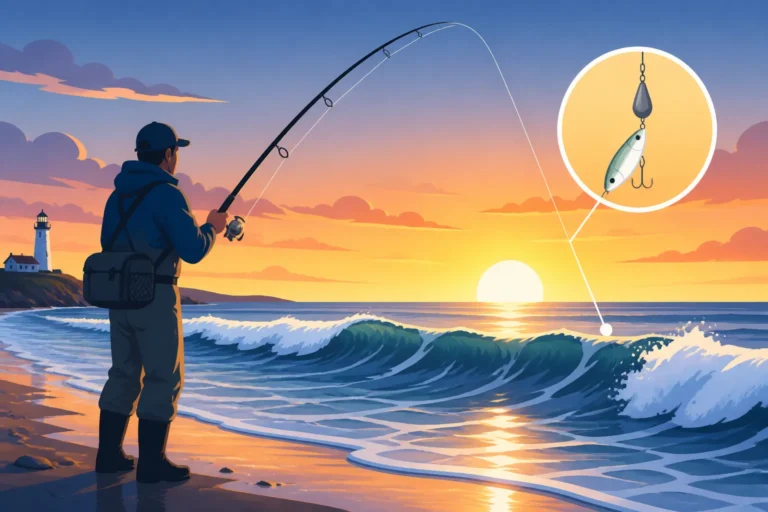
Long Island Sound and its many estuaries also experience the effects of low, clear water, particularly during low tides. Shallow flats, rocky shorelines, and tidal creeks can become exposed or crystal clear. Striped bass, bluefish, and fluke become more cautious. For Long Island Sound Fishing Guide trips in these conditions, timing your fishing around dawn, dusk, or night is often the most productive strategy, especially for striped bass that hunt under the cover of darkness. During the day, focus on deeper channels, rocky reefs, or areas with stronger currents that break up visibility. Smaller, natural-colored soft plastics, bucktail jigs, or even live bait (like eels or spearing) presented subtly are the way to go. If you're surfcasting, consider casting parallel to the shore in deeper troughs rather than directly out, as fish might be holding closer to the bank for cover. Wading can be effective, but remember the need for extreme stealth and light footsteps.
| Species | Recommended Lure/Bait Type | Preferred Color Palettes | Retrieve Style | Line/Leader Suggestion |
|---|---|---|---|---|
| Trout (Rivers) | Small Nymphs, Dry Flies, Micro Spinners, Worms | Natural (Tan, Olive, Gray, Black, Silver) | Dead Drift, Slow & Steady | 4-6 lb Fluorocarbon Leader |
| Smallmouth Bass | Small Finesse Worms, Tube Jigs, Grubs, Hair Jigs | Green Pumpkin, Watermelon, Brown, Black | Slow Drag, Light Hops, Pauses | 6-8 lb Fluorocarbon Leader |
| Largemouth Bass | Weightless Worms, Small Jigs, Creature Baits | Green Pumpkin, Black & Blue, Watermelon | Slow Sinking, Long Pauses | 8-10 lb Fluorocarbon Leader |
| Striped Bass | Small Soft Plastics (Sand Eel/Bunker Im.) | Clear, Silver, Olive, White, Chartreuse | Slow Twitch, Steady Retrieve, Pause | 15-20 lb Fluorocarbon Leader |
| Fluke | Small Bucktail Jigs, Gulp! Swimming Mullet | White, Chartreuse, Pink, Natural Baitfish | Slow Bounce, Drifting | 15-20 lb Fluorocarbon Leader |
| Panfish | Tiny Jigs, Worms, Crickets, Small Spoons | Natural, Bright (Red, Yellow, Orange) | Slow & Steady, Subtle Jigging | 2-4 lb Monofilament/Fluorocarbon |
Disclaimer
Fishing conditions and regulations in Connecticut can change frequently. Always consult the latest Connecticut Department of Energy and Environmental Protection (DEEP) fishing guide for the most up-to-date information on fishing seasons, creel limits, and any special area regulations before heading out. This guide is for informational purposes only and does not supersede official state regulations.