Best Techniques for Panfish in Connecticut
There’s nothing quite like the simple pleasure of catching panfish in Connecticut, but sometimes, what seems easy can actually be frustratingly difficult if you don't know the tricks of the trade. Whether you're chasing bluegill, crappie, or perch, understanding their habits and the best techniques to entice them can turn a slow day into a memorable one. This comprehensive guide will walk you through everything you need to know to become a panfish pro right here in our beautiful state.
Understanding Connecticut Panfish Species
Before you even think about casting a line, it's incredibly helpful to know what you're actually fishing for. Connecticut waters are teeming with various panfish, and while they might all seem similar at first glance, each species has its own quirks and preferences. Knowing these subtle differences can dramatically improve your success rate.
The Popular Panfish Species
When we talk about panfish in Connecticut, we're generally referring to a few key players that are widely distributed and provide excellent angling opportunities. The most common and beloved are bluegill, crappie (both black and white), yellow perch, and sunfish varieties like pumpkinseed and redbreast sunfish. Each of these offers a unique fight and taste experience, making them fantastic targets for anglers of all ages and skill levels. Many anglers start their journey targeting these smaller, feisty fish, and for good reason—they’re abundant and often willing biters. For a deeper dive into identifying these wonderful creatures, check out our Panfish Species Identification Guide for Connecticut.
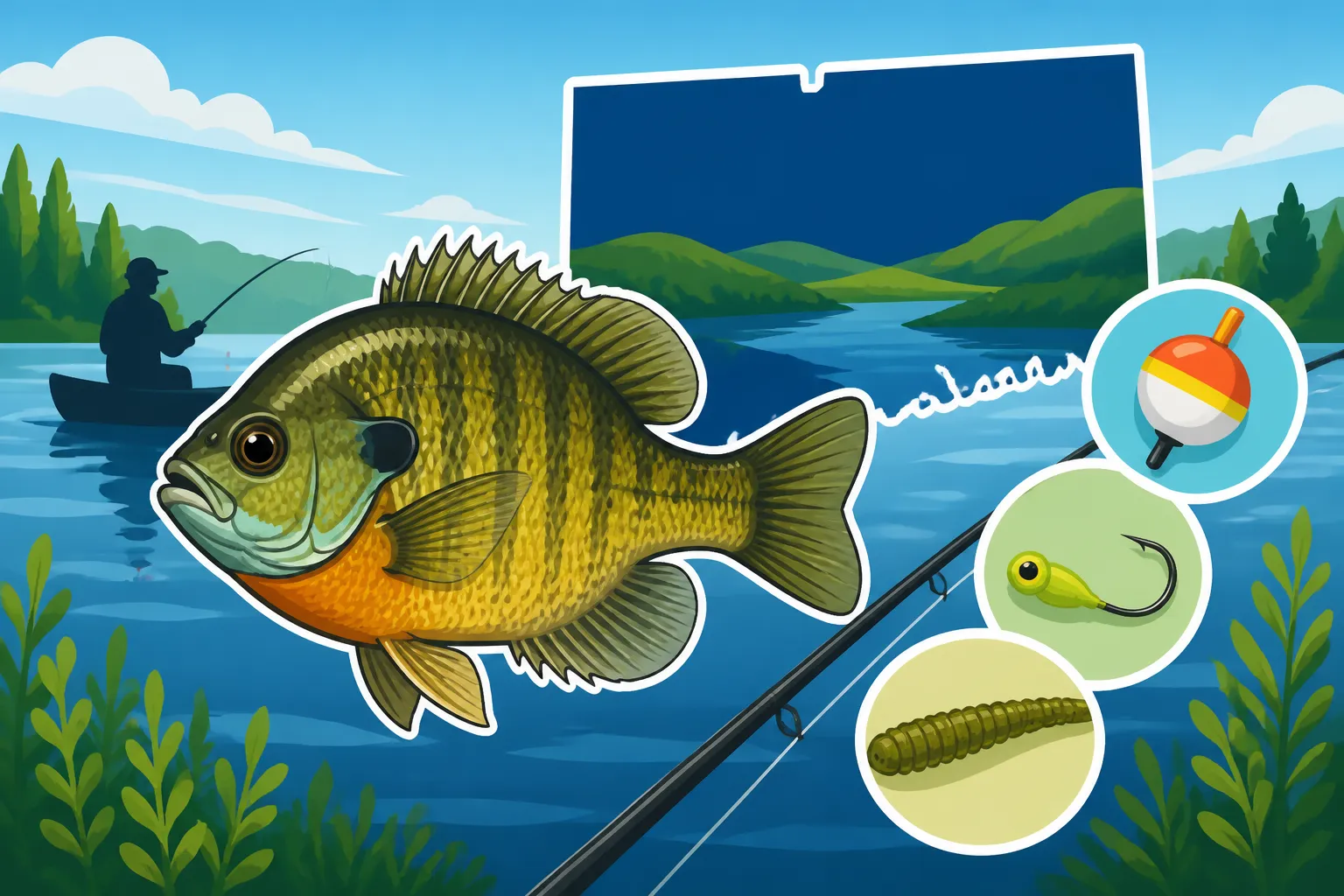
Crappie, for instance, are known for their paper-thin mouths and schooling behavior, often found suspended around submerged structures like brush piles or docks. They can grow quite large, offering a surprisingly strong fight on ultralight tackle. Yellow perch, with their distinctive vertical stripes, tend to congregate in deeper waters, especially as seasons change, and are a real treat to eat. Bluegill and other sunfish are the quintessential backyard pond fish, eager to strike at almost anything edible and perfect for introducing kids to fishing. Knowing which species you’re targeting helps you fine-tune your approach, from bait selection to fishing depth.
Panfish Behavior and Habitat Preferences
Understanding where and why panfish hang out in certain spots is probably the biggest secret to consistent catches. They are generally structure-oriented fish, meaning they love to hide and forage around anything that offers cover, shade, or ambush points. Think about submerged logs, weed beds, lily pads, docks, brush piles, rock formations, and even drop-offs where deeper water meets shallow. These areas provide protection from predators, a steady supply of insects and smaller baitfish, and comfortable water temperatures.
Their behavior also shifts with the seasons. In spring, they move into the shallows to spawn, becoming more aggressive and easier to locate. During the heat of summer, they often retreat to deeper, cooler water or seek refuge in dense shade. As fall approaches, they might become more active again, feeding heavily in preparation for winter, before becoming somewhat lethargic under the ice. Paying attention to these natural rhythms, combined with seeking out prime habitat, will greatly increase your chances of finding a honey hole. Observing the water for signs of activity, like subtle ripples near lily pads or shadows under a dock, can often lead you right to a school of hungry panfish.
Choosing the Right Gear for Panfish
You don’t need a fancy, expensive setup to catch panfish, but having the right gear can make all the difference in terms of enjoyment and effectiveness. The key is to think light, sensitive, and appropriately sized for these smaller, yet often feisty, fish. Overdoing it with heavy tackle will only diminish the fun and make detecting subtle bites nearly impossible.
Rods, Reels, and Line: Keeping it Light
For panfish, ultralight is the name of the game. A good ultralight spinning rod, typically between 5 and 6.5 feet in length, with a fast or moderate-fast action, is ideal. This type of rod is sensitive enough to feel even the faintest nibble and has enough backbone to handle a surprisingly strong panfish fight. Pair this with a small spinning reel, something in the 500 or 1000 series, which is balanced perfectly with the ultralight rod. You want a reel that’s smooth and has a decent drag system, as a big crappie or perch can still put a bend in your rod!
When it comes to line, lighter is definitely better. Monofilament line in the 2 to 6-pound test range is perfect. It has enough stretch to absorb sudden jerks and is thin enough to be nearly invisible to wary panfish. Braided line can also be used, especially if you want maximum sensitivity, but you might want to add a fluorocarbon leader to reduce visibility. Fluorocarbon leaders, usually 2 to 4-pound test, are a great choice as they are incredibly strong for their diameter and are practically invisible underwater. You can find excellent ultralight combos and various lines easily on platforms like Amazon, making it simple to get started with the right equipment without breaking the bank.
Terminal Tackle: Hooks, Sinkers, and Floats
Your terminal tackle needs to match the delicate nature of panfish and their small mouths. Forget those big bass hooks; you'll need something much smaller and sharper.
- Hooks: Size 8, 10, or even 12 Aberdeen or Baitholder hooks are typically perfect for panfish. Aberdeen hooks are thin-wired, which helps them penetrate easily and also allows you to bend them to retrieve if snagged, often saving your line. Baitholder hooks have small barbs on the shank to keep your bait in place, which can be a lifesaver when dealing with squirmy worms.
- Sinkers: You’ll rarely need heavy sinkers for panfish. Small split-shot sinkers are usually all that’s required to get your bait down to the desired depth. You might use one or two small split shots, just enough to barely sink your bait, or perhaps a tiny bell sinker if you're fishing a bit deeper without a bobber. The goal is a natural presentation, so avoid anything that makes your bait plummet unnaturally.
- Floats/Bobbers: These are indispensable for panfish fishing, especially for beginners. Small, sensitive bobbers are crucial for detecting light bites. Traditional red and white round bobbers are fine, but spring clip or slip bobbers offer more versatility. Slip bobbers are fantastic for fishing at specific depths, allowing you to cast much further than a fixed bobber while still setting your bait exactly where you want it. This is particularly useful when targeting fish suspended deeper in the water column.
Essential Accessories for Panfish Anglers
Beyond the core rod, reel, and terminal tackle, a few accessories can significantly enhance your panfish fishing experience, making it more comfortable and productive.
First, a small tackle box or bag is a must to keep your hooks, sinkers, and lures organized. There’s nothing more frustrating than fumbling around for a specific hook size when the fish are biting! A pair of small needle-nose pliers or a hook remover tool is incredibly useful for safely extracting hooks from a fish’s mouth, especially if they’ve swallowed the bait deep. This helps minimize harm to the fish if you plan on releasing them. A small ruler or measuring tape can be handy if you're keeping fish and need to adhere to specific length regulations, though for panfish, limits are often generous or non-existent for size. Always remember to check the Connecticut Fishing Regulations Explained before you head out.
Don't forget the practical items like sunscreen, a hat, and polarized sunglasses. Polarized sunglasses are particularly helpful as they cut glare off the water, allowing you to see submerged structure and even schooling fish that you might otherwise miss. A small cooler with ice for your kept fish (if that's your plan) and some drinks is also a good idea. For those long days by the water, a comfortable, lightweight fishing chair can make a world of difference. You can find many of these convenient accessories, from compact tackle organizers to specialized hook removers, on online retailers like Amazon, ensuring you're fully prepared for your panfish adventure.
Effective Baits and Lures for Panfish
Panfish aren't usually picky eaters, which is part of their charm, but some baits and lures definitely outperform others. The trick is to offer something small, enticing, and natural-looking that appeals to their opportunistic feeding habits.
Natural Baits That Panfish Can't Resist
When in doubt, go natural. Live bait is often the most effective choice for panfish because it appeals to their natural instincts with scent, movement, and taste.
- Worms: Small pieces of earthworms or red wigglers are probably the most universally effective panfish bait. They're cheap, readily available, and panfish absolutely love them. Just pinch off a small section and thread it onto your tiny hook, leaving a bit wiggling freely for maximum attraction.
- Minnows: For bigger panfish, especially crappie and yellow perch, live minnows are killer. Small shiners or fathead minnows, hooked lightly through the lip or back, suspended under a bobber, are irresistible. The struggling motion of the minnow is a huge attractant.
- Insects: Crickets, grasshoppers, and mealworms can also be incredibly effective, particularly during warmer months when insects are abundant. These are fantastic for bluegill and other sunfish. Mealworms are easy to keep and transport, making them a popular choice.
- Corn and Bread: Believe it or not, kernels of sweet corn or tiny balls of bread can catch panfish, especially in heavily pressured waters where they might be accustomed to human food. These are often used as chum to attract fish, then a hooked kernel is cast into the feeding frenzy.
The key with natural baits is often the presentation. A small, natural-looking offering that drifts or suspends enticingly is usually more effective than a large, clunky bait.
Artificial Lures for Aggressive Panfish
While live bait is often king, artificial lures can be incredibly effective, especially when panfish are actively feeding or you want to cover more water. Plus, no messy bait to deal with!
- Jigs: Tiny jigs, often called micro jigs or panfish jigs, are absolute killers. They come in various shapes, sizes (1/64 to 1/16 ounce), and colors, often with soft plastic bodies resembling grubs, tubes, or small worms. Tipping these jigs with a small piece of worm, a mealworm, or even a specialized panfish attractant can make them even more potent. Chartreuse, white, and black are common effective colors.
- Spinners: Ultralight inline spinners like those from Mepps or Rooster Tail are fantastic for covering water and exciting aggressive panfish, particularly yellow perch and larger bluegill. The flash and vibration mimic small baitfish or insects. Cast them out and retrieve slowly, just fast enough to get the blade spinning.
- Spoons: Tiny jigging spoons, especially during winter or when fishing deeper water, can be very effective for vertical jigging crappie and perch. They imitate dying baitfish and can be worked with subtle lifts and drops.
- Flies: For fly anglers, small nymphs, wet flies, and dry flies (like poppers or small woolly buggers) can be deadly, especially when panfish are actively feeding on insects near the surface. This is a more specialized approach but incredibly rewarding.
The beauty of artificial lures is their versatility. You can cast them, retrieve them, jig them, or even troll them slowly, adjusting your technique until you find what the fish want on any given day. Many tackle shops and large sporting goods stores carry a wide array of specialized panfish lures, and you can also find a fantastic selection of micro jigs and ultralight spinners on Amazon.
Scent and Attractants: An Edge in Tough Conditions
Sometimes, even with the right bait or lure, panfish can be a bit finicky. This is where scent and attractants can really give you an edge, especially in clear water, cold water, or when fishing pressure is high. These products enhance your offering by adding a powerful olfactory stimulant that can draw fish in and encourage them to hold onto the bait longer.
Scent sprays, gels, and dips infused with flavors like garlic, anisseed, or fish extracts (like shad or minnow) can be applied directly to artificial lures or even live bait. For jigs and soft plastics, the scent will slowly dissipate in the water, creating a "scent trail" that fish can follow. Brands like Berkley PowerBait and Fishbites offer a range of panfish-specific attractants that can be surprisingly effective.
Another option is specialized scented soft plastics, where the scent is impregnated directly into the material. These baits often work even when the fish aren't actively biting, as the scent alone can be enough to trigger a strike. While not always necessary, having a bottle of your favorite attractant in your tackle box can turn a slow fishing day into a successful one, proving that sometimes, a little extra appeal is all it takes to get those panfish to commit.
Mastering Panfish Techniques
Catching panfish might seem simple, but there are nuances to effective techniques that can significantly boost your catch rate. It's about presentation, patience, and knowing how to adapt to different conditions and fish behaviors.
Still Fishing with Floats and Bobbers
This is arguably the most classic and effective way to catch panfish, especially for beginners or when fishing a known honey hole. Still fishing involves casting your bait out and letting it sit in one spot, usually suspended under a float or bobber. The bobber serves as both a depth indicator and a strike indicator – when it goes down, you've got a bite!
To set up for still fishing, attach a small bobber to your line, then add a small split shot or two about 6-12 inches above your hook. The bobber should be set at a depth that places your bait right in the strike zone, which is often just above or within the cover where panfish hide. Cast your rig gently, letting it drift naturally. Watch your bobber closely. Any twitch, dip, or sudden movement could mean a panfish is inspecting or mouthing your bait. When the bobber goes completely under or moves sideways definitively, gently lift your rod tip to set the hook. This technique is fantastic for targeting specific pockets in weed beds or around docks, and it's particularly effective when panfish are less active.
Casting and Retrieving Small Lures
When panfish are more active, especially during feeding windows or in slightly open water, casting and retrieving small artificial lures can be incredibly productive. This technique allows you to cover more water and actively seek out schools of fish.
Small jigs, spinners, and even tiny crankbaits are perfect for this. Cast your lure towards promising cover like weed lines, submerged timber, or rocky points. Allow the lure to sink to the desired depth, then begin a slow, steady retrieve. For jigs, a "lift and drop" retrieve often works well, mimicking a struggling insect or baitfish. For spinners, retrieve just fast enough to get the blade spinning, creating flash and vibration. Vary your retrieve speed and depth until you find what the fish are responding to. Sometimes a pause, a twitch, or a slight acceleration can trigger a strike. This active approach is great for exploring new areas and can often lead to catching larger, more aggressive panfish. It’s a dynamic way to fish that keeps you engaged and constantly adjusting.
Ice Fishing for Panfish in Winter
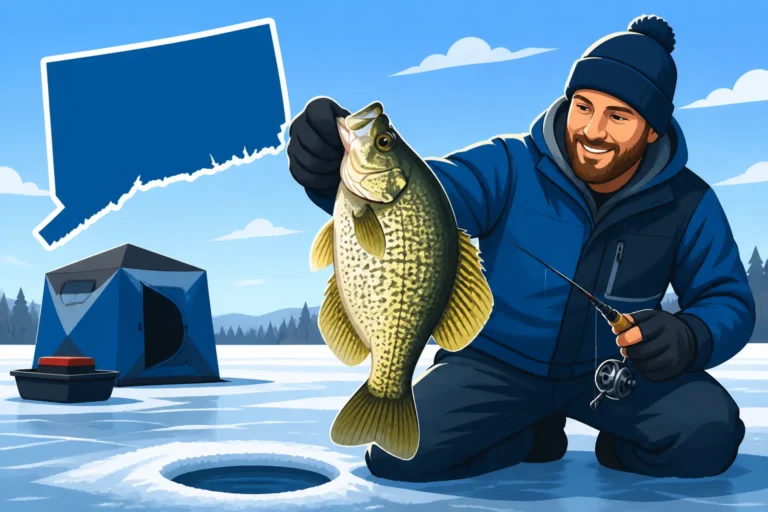
When the lakes freeze over in Connecticut, the panfish action doesn't stop; it just moves beneath the ice! Ice fishing for panfish is a hugely popular winter activity and employs its own set of specialized techniques. If you're looking for more details on winter angling, our guide on Ice Fishing in Connecticut is a great resource.
The basic setup involves a short, sensitive ice fishing rod, a small reel, and light line (often 2-4 pound test). You’ll drill holes through the ice using an auger and then employ tiny jigs, often tipped with a grub (like a wax worm or mealworm) or a piece of Berkley PowerBait. These tiny jigs, sometimes called "tear drops" or "micro jigs," are vertically jigged just above the bottom or at suspended depths where fish are marked on your fish finder. A subtle twitching motion is usually all it takes to entice a bite.
Another effective tactic is using tip-ups, which are devices that hold your line and signal a bite by raising a flag. Tip-ups are often rigged with small live minnows, especially for crappie and perch. You can set up multiple tip-ups across an area, effectively covering more water while you actively jig another hole. Ice fishing for panfish is a fantastic way to beat the winter blues, offering consistent action and a delicious meal. Just remember to always prioritize safety on the ice and check ice conditions carefully.
Where to Find Panfish in Connecticut
Connecticut is blessed with an abundance of diverse waterways, offering countless opportunities to catch panfish. From serene ponds to bustling rivers, knowing the best types of locations to focus your efforts will save you time and increase your chances of success.
Lakes, Ponds, and Reservoirs
These stillwater bodies are prime habitat for panfish and are often the easiest places to target them, especially for families or those new to fishing. Connecticut is dotted with hundreds of lakes, ponds, and reservoirs, many of which are regularly stocked or naturally support healthy panfish populations. Our guide to the Best Fishing Lakes in Connecticut is a great starting point for exploring these waters.
When fishing these areas, look for classic panfish structures:
- Weed Beds and Lily Pads: These provide cover, shade, and act as foraging grounds for insects and small baitfish. Panfish often hold just inside the edge of these dense patches.
- Docks and Pilings: Man-made structures offer shade and protection, attracting panfish that will congregate around the pilings. Cast your bait or lure close to or under these structures.
- Submerged Trees and Brush Piles: These natural fish attractors are magnets for crappie and perch. If you know of any sunken timber, it’s always worth investigating.
- Drop-offs and Ledges: Where shallow water suddenly deepens, panfish will often school along the transition, especially during hotter months.
- Coves and Inlets: Protected areas with calmer water and often abundant vegetation are ideal nurseries and feeding grounds.
Many state park ponds, town ponds, and smaller lakes like those detailed in best techniques for panfish in Connecticut ponds are excellent choices, offering easy bank access and plenty of panfish. Some popular spots known for good panfish action include Mashapaug Lake, Gardner Lake, and even smaller local ponds.
Rivers and Streams
While lakes and ponds are more commonly associated with panfish, rivers and streams can also hold fantastic populations, particularly in slower-moving sections, oxbows, and eddies. While trout and bass might dominate the discussion in many rivers, panfish are often overlooked but present in good numbers. Discover more river fishing opportunities in our Best Fishing Rivers in Connecticut article.
When targeting panfish in moving water:
- Slow-Moving Pools: Panfish prefer calmer water. Look for deep, slow-moving pools, especially those with plenty of cover like fallen trees or overhanging brush.
- Eddies and Backwaters: These areas where the current reverses or slows down significantly are sanctuaries for panfish, providing a break from the main current and a place to ambush food.
- Bridge Pilings and Log Jams: Just like in lakes, man-made and natural structures in rivers will attract panfish. Cast your bait or lure upstream and let the current carry it naturally past the structure.
- Confluence of Smaller Streams: Where a smaller, slower stream enters a larger river, the calmer water and potential food source can create a panfish hotspot.
Small rivers and larger creeks can be particularly productive. Using a light float rig that allows your bait to drift naturally with the current can be very effective in these environments, mimicking insects or small critters being carried downstream.
Public Access and Family-Friendly Spots
One of the great joys of panfishing in Connecticut is how accessible it is, making it perfect for families and new anglers. The Connecticut Department of Energy and Environmental Protection (DEEP) maintains numerous public access points, fishing piers, and boat launches across the state.
Many state parks and town parks offer excellent shore fishing opportunities, often with amenities like restrooms and picnic areas, making for a pleasant family outing. Places like Mansfield Hollow Lake, Hopeville Pond, and specific areas along the Connecticut River often have designated fishing access. Always look for signs indicating public access. Many of these spots are perfect for teaching kids to fish, offering consistent bites that keep them engaged. If you're bringing the younger generation, you might want to learn about the Connecticut Youth Fishing Passport, Explained as well.
The simplicity of panfishing gear and the abundance of willing biters also make it an ideal activity for those looking for a relaxing day by the water. Whether you’re casting from a quiet bank or exploring a pond by kayak, finding these public access points is key to enjoying Connecticut’s panfish bounty. Remember to always be respectful of private property and adhere to all local regulations. Our guide on Best Techniques for Bank Fishing Connecticut Lakes offers great tips for those fishing without a boat.
Seasonal Strategies for Panfish
Panfish are available year-round in Connecticut, but their locations and activity levels change dramatically with the seasons. Adapting your approach to these seasonal shifts is crucial for consistent success.
Springtime Panfish Bonanza
Ah, spring! This is arguably the best time of year to target panfish in Connecticut. As the ice melts and water temperatures begin to rise, panfish shake off their winter lethargy and move into the shallower, warmer waters to feed aggressively and eventually spawn. This pre-spawn and spawn period is when they are most accessible and easiest to catch.
- Pre-Spawn Feeding Frenzy: In early spring, as water temperatures climb into the 40s and 50s Fahrenheit, panfish will be gorging themselves to regain energy after winter. They'll often be found near the deepest drop-offs leading to shallow spawning flats, or along the first green weed lines. Focus on these transition areas.
- Shallow Water Spawning: Once water temperatures hit the mid-60s, panfish move right into the shallows to spawn. Look for them in less than 5 feet of water, often near submerged vegetation, fallen trees, or gravel beds. Bluegill will create distinct "beds"—small, circular depressions in the substrate. They become very territorial and aggressive during this time, readily striking at anything that invades their space.
- Baits and Techniques: Small worms, mealworms, tiny jigs, and ultralight spinners are deadly during spring. Use a bobber rig to suspend your bait just above or right on top of their beds. Casting small jigs and retrieving slowly along weed lines also works wonders. This is the time for quantity, and often quality, especially for crappie that stack up before spawning.
Summer's Deep Water Hauls
Summer fishing for panfish can be a bit more challenging than spring, primarily because the fish often move deeper to seek cooler, more oxygenated water. However, with the right techniques, you can still have incredible success.
- Seeking Deeper Structure: As surface waters warm significantly, panfish retreat to thermal refuges. Look for them around deeper submerged brush piles, rock piles, ledges, and drop-offs. If there are docks with significant depth under them, panfish will often congregate in the shade provided.
- Dawn and Dusk Activity: During the peak heat of summer, panfish might become more active in the shallower zones during the cooler periods of dawn and dusk. Early morning or late evening often provides a better bite.
- Techniques for Depth: Vertical jigging with tiny jigs (tipped with bait) or small jigging spoons is very effective for fish holding deep. A slip bobber rig allows you to precisely set your bait at a specific depth, which is crucial when targeting fish suspended at, say, 12 feet in 20 feet of water. If you have access to a boat or kayak, a fish finder can be invaluable for locating these deeper schools.
- Targeting Shade: Any form of shade – whether from overhanging trees, docks, or even large lily pads – can hold panfish during the sunny hours. Pitching your bait into these shady pockets can yield surprising results.
Fall and Early Winter Opportunities
Don't hang up your ultralight gear just yet when the leaves start to turn! Fall and early winter offer another fantastic window for panfish, especially as they feed heavily to prepare for the colder months.
- Autumn Aggression: As water temperatures begin to cool in fall, panfish become incredibly active again. They'll often move back into shallower areas, though not as shallow as spring, to feast on baitfish and insects before winter sets in. Look for them along prominent weed lines, rock piles, and near deeper points. Crappie, in particular, will school up tightly and can offer incredible action.
- Early Winter Stacking: As water temperatures drop into the 40s and 30s, panfish will start to congregate in deeper holes or basins, often near wintering structures. These can be the same deep spots they used in summer but now they're packed tighter. This is a great time for bottom fishing or vertical jigging.
- Baits and Lures: Live minnows become particularly effective in fall for crappie and yellow perch, as these fish are keying in on baitfish. Small jigs and spinners are also very productive. For bluegill and other sunfish, worms and mealworms are still excellent choices.
- Pre-Ice Fishing: The period just before the ice forms can be incredibly productive. Panfish are still active enough to chase lures, but they are also starting to hold in their wintering grounds, making them easier to locate. This transitional period often involves fishing depths similar to summer, but with a renewed sense of urgency from the fish. If you enjoy this type of cold-water fishing, you might also find success using Best Techniques for Winter Pickerel and other species.
| Panfish Species | Primary Habitat | Best Baits/Lures | Optimal Depth (Spring/Summer) | Distinctive Feature |
|---|---|---|---|---|
| Bluegill | Weeds, docks, shallow flats | Worms, mealworms, small jigs, tiny poppers | 2-10 ft / 5-20 ft | Small mouth, dark spot on gill flap |
| Black Crappie | Brush piles, submerged timber, open water | Live minnows, micro jigs, small tubes | 3-15 ft / 10-30 ft | Irregular black spots, deep body |
| White Crappie | Similar to Black Crappie, often in murkier water | Live minnows, micro jigs, small tubes | 3-15 ft / 10-30 ft | Vertical bars, less spots, deep body |
| Yellow Perch | Weed edges, rocky bottoms, open water | Worms, live minnows, jigging spoons | 5-20 ft / 15-40 ft | Prominent vertical stripes, two dorsal fins |
| Pumpkinseed | Weeds, shallow cover | Worms, mealworms, tiny jigs | 2-8 ft / 5-15 ft | Brightly colored, orange spot on gill flap |
Disclaimer
Fishing conditions and regulations in Connecticut can change, sometimes without much warning. While we strive to provide the most accurate and up-to-date information, it is always your responsibility to consult the official Connecticut Department of Energy and Environmental Protection (DEEP) website or their current printed fishing guide before heading out. This ensures you are fully compliant with all licensing requirements, season dates, catch limits, and any specific rules for the waters you plan to fish. Stay safe, be responsible, and enjoy your time on the water!