Best jig for winter pickerel through the ice
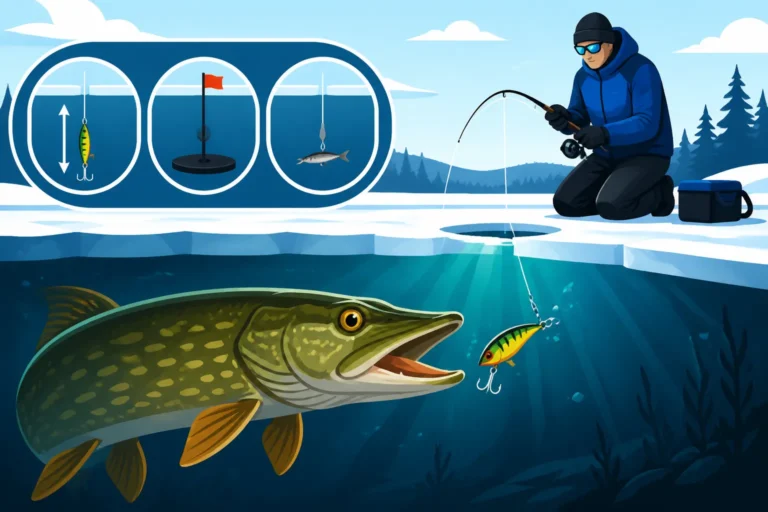
There's nothing quite like the crisp, still air of a Connecticut winter morning, bundled up on the ice, waiting for that tell-tale tap on your line. But let's be real, winter pickerel can be a finicky bunch. Many anglers struggle to find the right presentation and, more specifically, the perfect jig that truly entices these toothy predators when the water is frigid. This comprehensive guide is here to cut through the guesswork, helping you understand exactly which jigs are most effective for catching chain pickerel through the ice in Connecticut, and how to use them to maximize your success.
Understanding Winter Pickerel Behavior
Before we even talk about jigs, it's crucial to grasp what makes a pickerel tick once the lakes and ponds freeze over. Unlike some other species that become incredibly lethargic, pickerel remain active predators throughout the winter, although their movements and feeding habits do change. They're still looking for a meal, but they're often doing so in specific areas and with less explosive energy than in warmer months.
Where Pickerel Hide Under the Ice
When the ice forms, pickerel tend to gravitate towards areas that offer them both cover for ambushing prey and slightly warmer water pockets. Think about the places they hang out in open water, and translate that to an under-ice environment. Weeds, especially green weeds that still produce oxygen, are absolute magnets. Look for dying weed beds, transition lines where weeds meet open water, or even deeper rock piles and submerged timber. They're ambush predators, so they want to hide and dart out. If you're exploring new hardwater territory, check out our guide on Where chain pickerel live in Connecticut for more detailed insights on their habitat preferences.
They often won't be in the deepest parts of the lake, nor will they typically be suspended in open water far from structure. Instead, target depths from 4 to 15 feet, especially around points, coves, and areas where shallow flats drop off into slightly deeper water. These locations provide easy access to panfish, which are a primary food source, and offer the necessary cover for a successful ambush. Knowing these prime locations is half the battle; the other half is presenting the right bait. Our guide on What chain pickerel eat in Connecticut ponds also offers valuable context for understanding their winter diet.
How Pickerel Feed in Cold Water
In winter, a pickerel's metabolism slows down, meaning they're not expending massive amounts of energy chasing down fast-moving prey. While they can still strike aggressively, their feeding often becomes more opportunistic and less frenetic. They're looking for an easy meal that doesn't require a long, sustained chase. This directly impacts your jig choice and presentation. You want something that offers a tempting profile, a good amount of flash or vibration, but can be worked slowly and deliberately.
Think about a small baitfish, maybe a shiner or a perch, moving sluggishly through the cold water. That's the visual you're trying to replicate. Quick, erratic jigging might actually deter them. Instead, focus on subtle lifts, pauses, and gentle twitches. This slower approach allows the pickerel to get a good look at the offering, decide if it's worth the energy, and then commit to the strike. They might not hit it with the same gusto as a summer bass, so pay close attention to any resistance or subtle taps on your line.
Key Characteristics of an Effective Pickerel Ice Jig
Choosing the right jig for pickerel through the ice isn't just about grabbing the prettiest one off the shelf. It's about understanding what elements combine to make a jig irresistible to these cold-blooded predators. Several factors play a critical role, from size and weight to color and action.
Size and Weight Considerations
For winter pickerel, generally, you'll want to lean towards slightly larger jigs than you might use for panfish, but not necessarily massive ones. A good starting point is jigs in the 1/8 to 1/4 ounce range. This weight allows for a quick drop through the ice hole, which is important when trying to get your bait down to a specific depth without too much drift, especially if there's any subsurface current.
The size of the jig should mimic the common baitfish pickerel feed on in winter. A jig that's about 1.5 to 3 inches in length is often ideal. Too small, and it might not attract their attention or seem like enough of a meal. Too large, and it might be intimidating or simply too much effort for a lethargic pickerel to chase down. The weight is also crucial for controlling the jig's action. A heavier jig will fall faster and have a tighter, more vertical jigging motion, while a lighter jig will flutter more on the fall, mimicking a wounded baitfish. Often, a moderate weight offers the best versatility.
Color and Flash Patterns
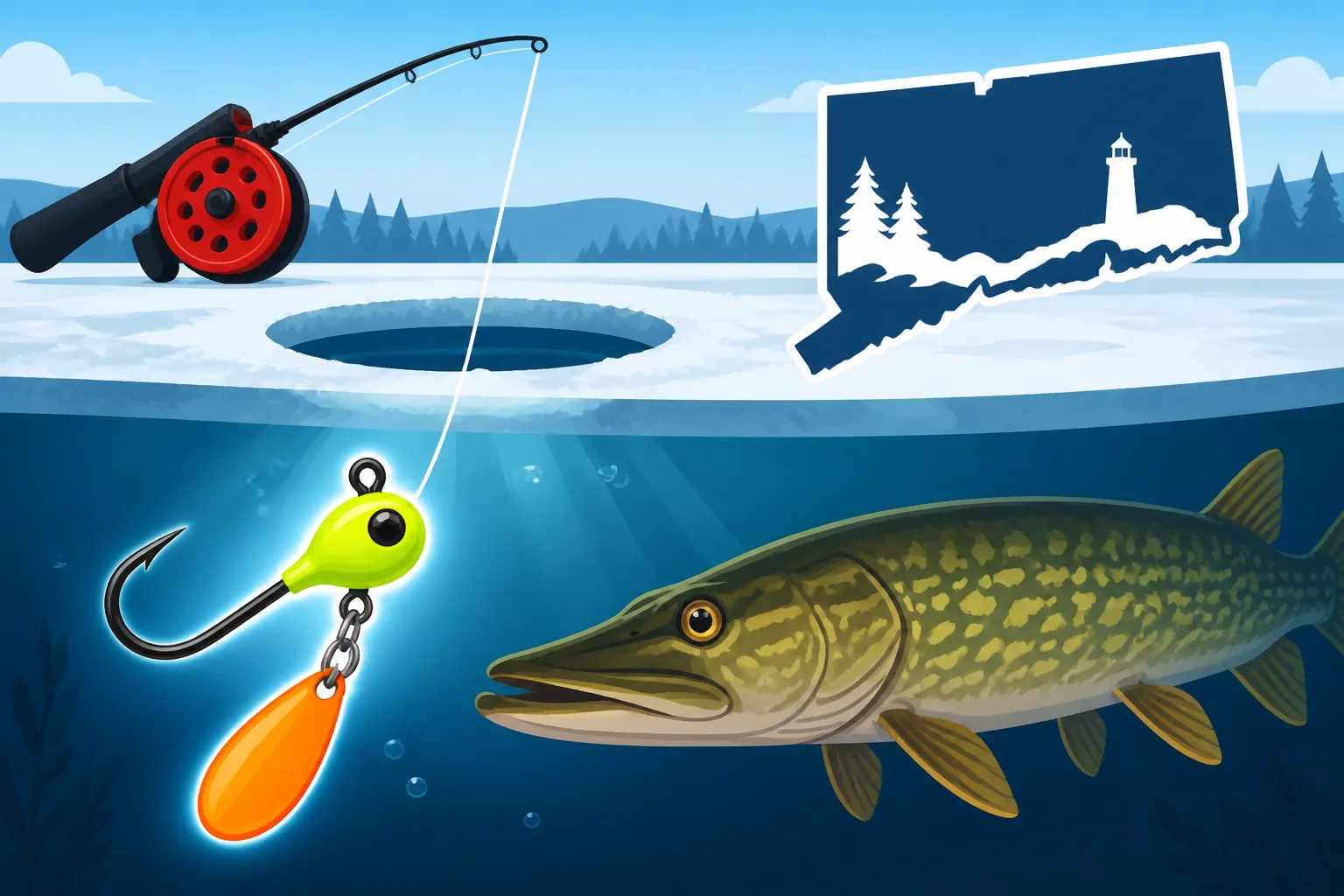
Pickerel, like many predatory fish, are highly attracted to flash and contrast. In the low light conditions under the ice, a jig that catches and reflects what little light is available can be a game-changer. Silver, gold, chrome, and white are perennial favorites because they imitate the natural flash of a shiner or minnow. Many anglers also have great success with chartreuse, orange, and fire tiger patterns, especially in stained or murky water. These bright, high-contrast colors offer better visibility when clarity is poor.
Another excellent choice is jigs that feature glow-in-the-dark properties. These can be "charged" with a flashlight before being dropped down the hole, providing an irresistible beacon in the dark depths. The combination of flash, bright colors, and glow can make your jig stand out, particularly when fish are less active. Experimentation is key; start with natural baitfish colors, but don't be afraid to switch to brighter, bolder options if the bite is slow.
Action and Profile
The action of a jig, how it moves through the water, is paramount for enticing a pickerel. You want a jig that, with minimal rod movement, creates an erratic, wounded-baitfish presentation. This means jigs with flat sides, a wider profile, or an off-center balance point can be incredibly effective. As you gently lift and drop your rod tip, the jig should dart, wobble, or glide, mimicking a struggling minnow.
Many successful pickerel jigs incorporate features like a small blade or a feathered tail to enhance this action. The blade adds flash and vibration, while a feather or hair tail can pulsate and provide a more lifelike appearance, especially during the pause. The profile is also important – a slim, elongated profile often works best to imitate slender baitfish. Always consider how the jig looks and moves in the water; if it looks natural and distressed, a pickerel is more likely to strike.
Top Jig Styles and Why They Work
Now that we understand what makes a good pickerel jig, let's dive into some of the specific styles that have proven themselves time and again on Connecticut's frozen waters. Each has its own strengths and ideal scenarios.
Spoon Jigs
Spoon jigs are arguably the most classic and widely used ice fishing lure, and for good reason—they are incredibly effective for pickerel. Their inherent design provides a fantastic combination of flash, wobble, and a wounded baitfish profile.
- Flutter Spoons: These lighter, thinner spoons, like the Swedish Pimple or a slender Kastmaster, have a wide, erratic flutter on the drop. This slow, dying-fish action is absolutely deadly for pickerel that are hesitant to chase. They suspend in the water column longer, giving the pickerel more time to inspect and commit. When targeting pickerel specifically, you'll want to upsize these a bit from what you'd use for tiny panfish.
- Dardevle Spoons: These iconic red-and-white striped spoons have a more aggressive wobble and are excellent for drawing attention from a distance. Their vibrant colors and strong thumping action can call in pickerel from surrounding cover. Brands like Acme Tackle and Williams provide excellent options for spoons, and you can often find a great selection on Amazon.
To use them effectively, jig a spoon with a moderate lift of your rod tip, allowing it to flutter on the fall. Crucially, always incorporate pauses—sometimes for as long as 10-15 seconds—during which the spoon will slowly settle or just hang enticingly. This is often when the strike occurs. For more general advice on hardwater angling, check out our guide to Ice Fishing in Connecticut.
Jigging Raps and Lipless Cranks
These lures are staples for many game fish, and pickerel are no exception. They offer a unique, horizontal swimming action that can be very productive.
- Jigging Raps (or similar Rapala Ice Jigs): These lures, like the Rapala Jigging Rap, are designed to swim in circles under the ice with each lift and fall. This motion perfectly mimics a frantic baitfish trying to escape. They come in various sizes and natural patterns, making them excellent choices for pickerel. The key is to impart a quick, sharp snap to get that circular glide, then let it settle.
- Small Lipless Crankbaits: While traditionally open-water lures, smaller lipless crankbaits can be fantastic for pickerel through the ice. Their tight wiggle and loud rattles (on some models) can create a lot of commotion, drawing in curious predators. They sink quickly, allowing you to cover the water column efficiently. However, their aggressive nature might be best suited for more active fish. You can find many effective models on Amazon.
These lures are best fished with more active jigging, though still incorporating those critical pauses. The horizontal presentation can sometimes trigger strikes when vertical presentations fail. Consider trying these when you're looking to aggressively entice a bite or when you believe the pickerel are more on the hunt.
Hair Jigs and Soft Plastics
Sometimes, a subtle, lifelike presentation is what it takes, especially for highly pressured or finicky pickerel.
- Hair Jigs: Bucktail or marabou jigs offer a soft, natural pulsation that can be irresistible. The hair breathes and moves enticingly even with the slightest twitch of the rod, perfectly mimicking a small minnow. Tipped with a small minnow head or a piece of a soft plastic, they provide scent and texture. Colors like white, black, or olive are often very effective. The key here is an extremely slow, methodical retrieve with plenty of long pauses.
- Soft Plastics on Jig Heads: Pairing a small shad-style swimbait, grub, or minnow imitation with a simple lead jig head (1/8 to 1/4 ounce) can also be highly effective. The soft plastic provides a realistic profile and feel, and its tail can wiggle and vibrate with minimal movement. This allows you to customize colors and shapes to perfectly match the forage. Again, tipping with a live minnow or a piece of bait can significantly boost its appeal. Look for various soft plastic bait options on Amazon from brands like Berkley or Z-Man.
These options excel in clear water or when pickerel are particularly wary. Their natural look and subtle action can often fool fish that have ignored more flashy presentations. Remember, pickerel might not hit these with a jarring strike, but rather a subtle weight or "thump," so stay alert.
| Jig Type | Key Feature | Best For | Action on Drop | Key Tip |
|---|---|---|---|---|
| Flutter Spoon | Wide, erratic flutter | Finicky, lethargic pickerel, clear water | Slow, dying-fish descent, long hang | Long pauses are crucial. |
| Dardevle Spoon | Aggressive wobble, flash | Active pickerel, murky water, attracting | Moderate wobble, faster sink | Incorporate sharp snaps and longer pauses. |
| Jigging Rap | Circular swimming motion | Searching for active fish, covering water | Horizontal glide, darting | Use sharp snaps followed by slow settling. |
| Lipless Crank | Tight wiggle, rattles (some) | Aggressive fish, drawing attention | Fast sink, subtle vibration | Good for working structure quickly. |
| Hair Jig | Natural pulsation, subtle | Clear water, pressured fish, subtle bites | Soft, natural undulation | Extremely slow retrieve with long pauses. |
| Soft Plastic | Realistic profile, customizable | Matching forage, adding scent with tipping | Tail action with twitches | Experiment with retrieve speeds and add scent. |
Rigging and Presentation Tips for Success
Having the best jig is only half the battle. How you rig it and, more importantly, how you present it, will often make the difference between a productive day on the ice and staring at an empty bucket.
Line Choice and Leader Material
Pickerel have teeth, and those teeth are sharp. Fishing without a leader is a surefire way to lose lures and fish. While a heavy fluorocarbon leader (12-20 lb test) can suffice for smaller pickerel or in clearer water where visibility is an issue, a light wire leader is generally a safer bet. A 6-9 inch wire leader with a small swivel will prevent bite-offs without significantly impacting the lure's action. Brands like American Fishing Wire offer good options, readily available from retailers or on Amazon.
For your main line, a good quality braided line (6-10 lb test) is excellent for ice fishing. It has minimal stretch, providing excellent sensitivity to detect those subtle winter bites, and its thin diameter cuts through the water well. Pair that with a small, sensitive ice fishing rod and reel combo, and you'll be well-equipped. For deeper dives into proper gear, consider our article on Best Techniques for Ice Fishing Pike, as many setups cross over for pickerel.
Jigging Motion and Retrieve Speed
The golden rule for winter pickerel is slow down. As mentioned, their metabolism is slower, so they're not typically interested in chasing down fast-moving prey. Your jigging motion should be subtle and deliberate.
- Subtle Lifts: Instead of aggressive, high lifts, try gentle 6-12 inch lifts of the rod tip.
- Long Pauses: This is critical. After each lift, let the jig settle and pause. Count to 5, 10, or even 15 seconds. Many strikes happen during this pause as the jig is falling or just hanging motionless.
- Gentle Twitches: During the pause, give the rod tip a tiny, almost imperceptible twitch. This can make a hair jig breathe or a spoon just barely shimmer, often triggering a strike from a curious pickerel.
Think of it as tempting, not chasing. You want to present an easy meal. If one retrieve speed isn't working, don't be afraid to experiment. Sometimes, a series of short, quick jigs followed by a long pause can trigger a reaction strike, but generally, slower is better. Knowing the Connecticut Fishing Seasons by Month can also help adjust your approach based on the overall activity level of fish during the colder months.
Adding Attractants and Tipping
Even the best jig can be made better with a little extra enticement. Adding natural scent and taste can be a game-changer, especially for hesitant pickerel.
- Live Bait Tipping: A small piece of a live shiner, perch belly, or even a minnow head hooked on your jig can provide an irresistible scent and natural movement. The flicker of a minnow's tail on a spoon or the added scent on a hair jig can be the difference. Just be sure to check local regulations regarding live bait use in specific Connecticut waters.
- Scent Gels/Sprays: Commercial scent attractants can be applied directly to your jig or soft plastic. Scents like garlic, anise, or baitfish extract can mask human odors and provide an appealing aroma trail for pickerel to follow. Keep a tube of your favorite scent in your tackle box – it's a simple addition that often pays off.
- Adding Eyes: Many jigs come with painted eyes, but adding stick-on 3D eyes to a plain jig or soft plastic can make it look even more lifelike, providing another target for the pickerel to strike. The visual cue of an eye can trigger a predator's instinct.
Remember, the goal is to make your jig as irresistible as possible to a cold, potentially sluggish predator. Every little bit of added appeal can increase your chances of success. For a broader understanding of where to focus your efforts, our guide to Best winter fishing spots in Connecticut offers excellent locations that often hold good populations of pickerel and other species. And always prioritize safety by understanding How thick ice needs to be to fish safely in Connecticut.
Disclaimer
Please note: Fishing regulations, including licensing requirements, season dates, and length/creel limits, can change. Always consult the latest Connecticut Department of Energy and Environmental Protection (DEEP) fishing guide before heading out. This article is for informational purposes only and does not constitute official legal advice.