Best bait for opening day trout in Connecticut
That first Saturday in April for Connecticut anglers isn't just another day; it's practically a holiday. The air is crisp, the anticipation is thick, and the sheer excitement of opening day for trout season is palpable. But with all that buzz comes the big question: what's the best bait to actually catch those freshly stocked trout? Many of us have stood by the water, scratching our heads, wondering if our tackle box holds the magic bullet. This guide is all about cutting through the noise and equipping you with the proven bait strategies to make your Connecticut opening day a success.
Understanding Connecticut's Opening Day Trout
Opening day for trout season in Connecticut is an institution. It’s a tradition passed down through generations, marking the unofficial start of spring for many outdoor enthusiasts. But to really conquer opening day, you need to understand the fish you're targeting and the conditions you're fishing in.
The Thrill and the Pressure of Opening Day
There's nothing quite like the collective energy at a popular trout stream or pond on opening day. You'll see families setting up their spots, seasoned anglers quietly working the runs, and kids, wide-eyed with excitement, ready to cast their first line. This shared experience is a huge part of the appeal, but it also means you're often fishing alongside a lot of other people. This pressure can sometimes make the trout a little skittish, especially as the day wears on, but it also means the fish are often highly concentrated in popular stocking areas. Knowing that these fish have just been introduced to a new environment, often from hatchery trucks, is key to choosing the right bait. They're not "wild" in the traditional sense; they're accustomed to a certain diet and less wary of immediate threats. This is where your bait choice can really shine.
What Kind of Trout Are We Talking About? Stocked vs. Wild
When we talk about opening day trout in Connecticut, we are overwhelmingly talking about stocked fish. The Department of Energy and Environmental Protection (DEEP) does an incredible job of stocking thousands upon thousands of rainbow, brown, and brook trout into our lakes, ponds, and rivers just before and around opening day. These fish are raised in hatcheries and are often quite naive compared to their wild counterparts. They're used to pelleted food, which is why artificial baits mimicking that look and smell can be so effective.
While there are some truly wild trout populations in Connecticut, particularly in certain remote streams, they are generally not the primary target for opening day crowds. Wild trout are much more selective, harder to fool, and require a different approach, often favoring natural insects or very realistic imitations. For opening day, you're usually after those fresh, hungry, hatchery-raised trout, which means relying on baits that appeal to their conditioned palates. Understanding this distinction is fundamental to your bait selection, as the "best" bait for a wild, wary brown trout in a secluded brook might be completely different from what works for a freshly stocked rainbow in a busy pond. You'll want to review the specific rules and learn more about Connecticut Trout Season and Stocking Rules to know where and when you can expect these fish.
Go-To Baits for Success on Opening Day
Alright, let's get down to brass tacks: what should you actually tie on your line? The beauty of opening day for stocked trout is that you don't always need the most complex lures or advanced fly patterns. Sometimes, the simplest, most effective baits are the ones that win the day.
PowerBait and Prepared Baits: The Angler's Secret Weapon
For freshly stocked trout, PowerBait and other prepared dough baits are often king. Why? Because these hatchery-raised fish spent their lives eating pellets, and these baits are designed to mimic that familiar scent, color, and texture. They are incredibly effective, and every serious opening day angler has them in their kit.
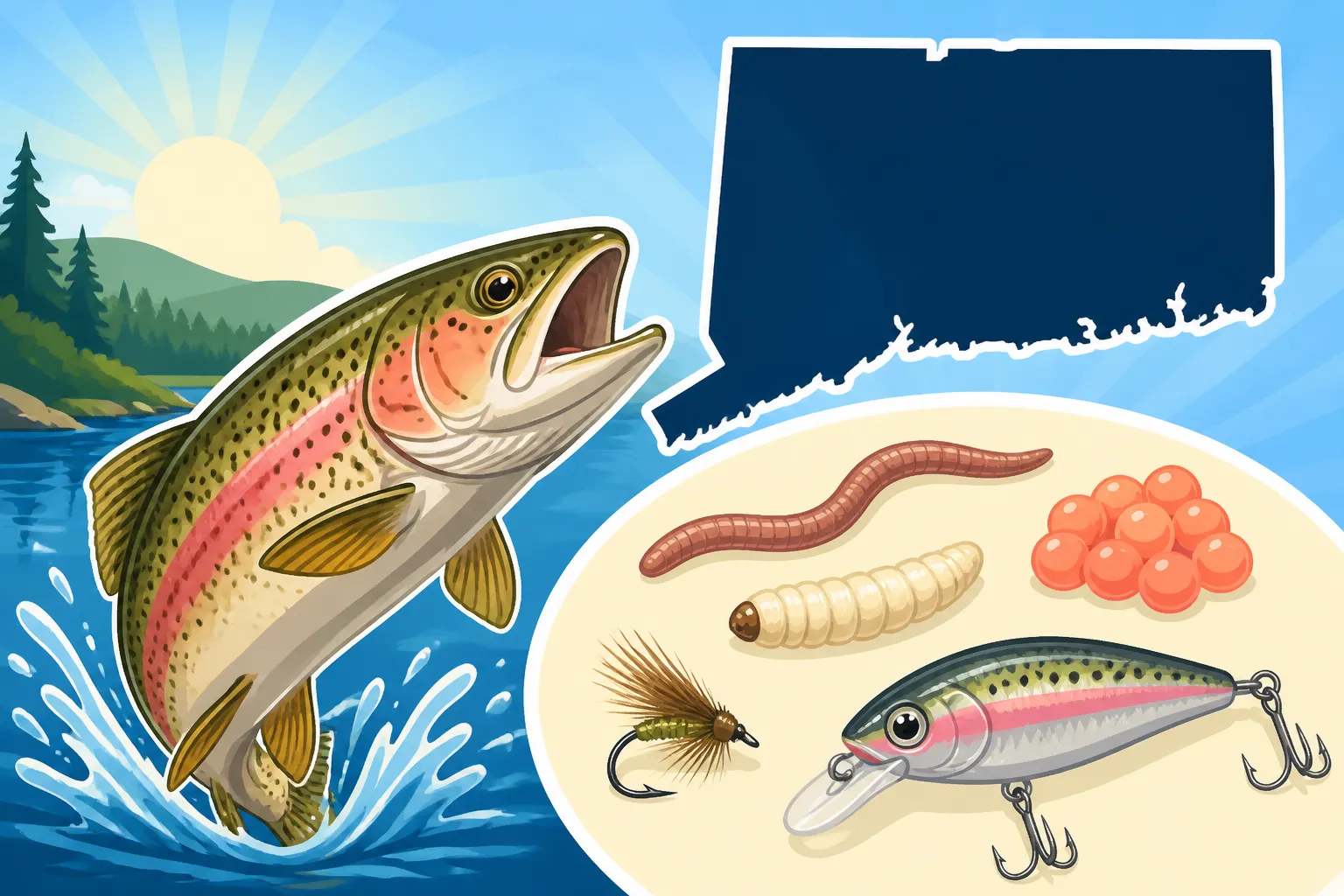
- Floating PowerBait Nuggets/Worms: These are incredibly popular for a reason. They float, which is crucial. Stocked trout often cruise along the bottom or just above it, and a floating bait presented just off the bottom on a short leader (using a slip sinker or split shot) puts it right in their strike zone. You'll find them in a dizzying array of colors – chartreuse, rainbow, pink, orange, and white are all common favorites. Don't be afraid to experiment with color. Sometimes, what worked yesterday doesn't work today, so having a few options on hand is always smart. Many anglers swear by the "rainbow" variety as a universal producer, but a vibrant chartreuse or fluorescent orange can be deadly in stained or turbid water. You can often find multi-packs of different colors on Amazon to ensure you have a variety.
- PowerBait Power Eggs/Maggots: These are smaller, more compact versions of PowerBait, often shaped like individual fish eggs or maggots. They also float and come in a variety of colors and scents. They can be particularly effective when fish are being finicky or when you want a smaller profile bait. Sometimes, just one or two Power Eggs on a small hook is all it takes to get a bite, especially when the fish have seen a lot of larger baits throughout the morning.
Live Baits: Natural Appeal That's Hard to Beat
While artificial dough baits are incredibly effective, nothing truly beats the natural appeal of live bait. The movement, scent, and natural presentation can often entice even the most pressured trout.
- Worms (Nightcrawlers, Mealworms, and Waxworms): This is the classic, go-to bait for a reason. Worms are universally appealing to almost all freshwater fish, including trout. Nightcrawlers can be cut into smaller pieces if the trout are hitting short or if you're using smaller hooks. Mealworms and waxworms are excellent choices for smaller trout or when the fish are being a bit pickier. They offer a more subtle presentation. The natural wriggle of a worm suspended in the current or just off the bottom is often irresistible. Make sure your worms are lively; dead or sluggish worms are far less appealing. Many anglers keep a small container of these in their cooler to keep them fresh and active throughout the day.
- Minnows (Small Shiners, Fatheads): While perhaps less common for the general opening day angler, small live minnows can be incredibly effective, especially for larger, more predatory brown trout that might be lurking in deeper pools. Rig them carefully through the lip or just behind the dorsal fin with a small hook, allowing them to swim naturally. You'll want to check local regulations carefully regarding the use of live baitfish, as some waters may have restrictions to prevent the spread of invasive species. If you're targeting bigger fish, a small minnow is a fantastic option, often outperforming artificial baits for those trophy-sized catches.
Other Effective Baits to Keep in Your Tackle Box
Beyond the mainstays, there are a few other baits that can surprise you with their effectiveness on opening day, especially as conditions or fish behavior changes.
- Corn: Yes, plain old canned corn. While some anglers debate its ethical implications (it's not naturally found in their diet), trout seem to love it. It's inexpensive, easily accessible, and has a bright color and sweet scent that can attract fish. A few kernels on a small hook can be incredibly effective, especially in heavily pressured areas where fish might have become wary of more common baits. Just like PowerBait, the key is to get it floating just above the bottom.
- Marshmallows: Similar to corn, marshmallows are a bit of a quirky bait, but they work! They float, they're white (which can mimic certain insect larvae or even PowerBait), and they absorb scents well. Some anglers will even douse them in a garlic or anise-based scent for added attraction. They are especially good for keeping the bait off the bottom in slower moving water or still ponds.
- Salmon Eggs: These natural or imitation eggs are another popular choice for trout, particularly where fish might naturally prey on fish eggs. They come in various colors and sizes, often packed in a scented liquid. They are best used on a very small, sharp hook to keep them from breaking apart. Some anglers prefer artificial salmon eggs, which are more durable and come in a wider range of colors, often found alongside other prepared baits on Amazon.
Rigging and Presentation: Maximizing Your Bait's Effectiveness
Having the best bait in the world won't do you much good if you don't present it properly. For opening day trout, simplicity and subtle presentation are often the keys to success. You're not usually casting long distances or needing complex retrieves; it's more about getting that bait in the strike zone and letting it do its job.
Simple Setups for Opening Day Success
You don't need fancy gear to catch trout on opening day. A basic spinning rod and reel with light line (4-6 lb test monofilament or fluorocarbon) is perfect. Here are a couple of go-to rigs:
- The Bottom Bouncer Rig (Slip Sinker or Split Shot): This is perhaps the most popular and effective rig for floating baits like PowerBait, corn, or marshmallows.
- Thread a small slip sinker (1/8 to 1/4 oz is common) onto your main line.
- Tie on a small swivel.
- Attach a leader of 12-24 inches (usually 2-4 lb test fluorocarbon for stealth) to the other side of the swivel.
- Tie a small, sharp hook (size 10-14 is typical for trout) to the end of the leader.
- Mold your PowerBait or thread your corn/marshmallow onto the hook, making sure the hook point is exposed. The floating bait will rise off the bottom, held in place by the sinker, putting it right where trout often feed. The slip sinker allows the fish to take the bait without feeling the weight, which is a huge advantage when they're biting lightly. This setup is a classic for a reason, effectively presenting bait just above the bottom, which is a prime feeding zone for newly stocked trout.
- The Bobber Rig: For fishing shallower water, slow-moving currents, or when fishing from a dock or bank, a simple bobber rig can be very effective.
- Attach a small bobber to your main line.
- Place one or two small split shots a foot or two above your hook to get the bait down.
- Tie on your hook (again, size 10-14).
- Attach your chosen live bait (worm, mealworm) or even a small piece of PowerBait. The bobber helps you detect bites and keeps your bait suspended at a consistent depth. It's especially useful for beginners or when fishing with kids, as it makes detecting a bite much easier. For more guidance, you might find tips on Best Techniques for Connecticut Trout Opening Day helpful.
Reading the Water for Optimal Bait Placement
You can have the perfect bait and rig, but if you're casting it into barren water, you won't catch anything. Stocked trout, especially on opening day, will gravitate towards certain areas.
- Deeper Pools and Eddies: Trout often seek refuge and feeding opportunities in deeper water, especially if it offers some protection from the current. Eddies (areas where the current swirls back on itself) are prime spots, as they bring food to the fish without them having to expend much energy.
- Around Structure: Logs, submerged rocks, bridge pilings, or even overhanging branches provide cover and ambush points. Trout will often hold near these features.
- Current Seams: In rivers and streams, the seam where fast water meets slow water is a fantastic place to present your bait. Food gets washed down the faster current and collects in the slower water, making it an easy meal for waiting trout.
- "The Bucket": In ponds and lakes, particularly those that are heavily stocked and popular, there will often be a "bucket" or a deeper section where the fish tend to congregate, especially early in the season when water temperatures are still cool. Pay attention to where other anglers are having success, but also look for less-pressured areas. Sometimes, the fish pushed out by crowds will be holding just outside the main congregation. Knowing where to fish can be as important as what you fish with, and our Connecticut Fishing Guide for 2026 can offer more insights into popular spots.
Adapting Your Approach Throughout the Day
Opening day isn't just one static fishing experience. The conditions, the fish's mood, and the fishing pressure can change dramatically from early morning to afternoon. Being willing to adapt is crucial.
- Morning Rush: Early morning, often right at "first light," is prime time. Fish are usually most active, and the crowds might not be at their peak yet. Stick with your most confident bait and rig.
- Mid-Day Lull: As the sun gets higher and the crowds grow, trout can become more wary. This is when switching to lighter line (2-4lb test), smaller hooks, and more subtle baits (like mealworms, smaller Power Eggs, or a single kernel of corn) can make a huge difference. You might also need to extend your leader length to create more separation between your sinker and bait, making the presentation appear more natural.
- Evening Bite: Sometimes, as the crowds thin out and the light fades in the late afternoon, the fish can become active again. It's worth trying your most effective baits from the morning, or perhaps even trying a small spinner or spoon if the fish are aggressively chasing. Always be prepared with a variety of options, perhaps even stocking up on different types of PowerBait from a reputable source like Amazon before you head out. Don't forget to check the Connecticut daily trout limit as you track your catch!
Essential Tips for a Great Connecticut Opening Day Experience
Opening day for trout fishing in Connecticut is more than just catching fish; it's an experience. To truly make the most of it, there are a few things to keep in mind that go beyond just bait and tackle.
Respecting the Resource and Fellow Anglers
With thousands of anglers hitting the water on opening day, showing respect for both the environment and your fellow enthusiasts is paramount. We're all out there for the same reason: to enjoy the beauty of Connecticut and hopefully catch some fish.
- Give Space: If you arrive at a popular spot and someone is already fishing, give them ample space. Don't crowd another angler's casting area. A friendly nod or "hello" goes a long way. This is particularly true in smaller streams or ponds where space can be limited. If you're on a narrow stretch of a river, consider rotating through spots to give everyone a chance.
- Practice Leave No Trace: This is a big one. Pack out everything you pack in, and then some. This includes old fishing line, bait containers, snack wrappers, and anything else. Let's keep our beautiful Connecticut waterways clean for everyone, including the wildlife. Unfortunately, some popular spots can get littered on busy days, so taking an extra moment to pick up a stray piece of trash you see helps everyone.
- Adhere to Regulations: Make sure you're familiar with all the Connecticut Fishing Regulations Explained for the waters you're fishing, including creel limits, size restrictions, and any special bait rules. Conservation is key to ensuring these opportunities exist for future generations. Ignorance of the rules is no excuse, and respecting them is a fundamental part of being a responsible angler.
Preparing for the Elements and Crowds
Early April in Connecticut can be unpredictable. You might get a gloriously sunny, mild day, or you might get biting wind, rain, or even snow flurries. Being prepared for anything will make your day much more enjoyable.
- Dress in Layers: This is the golden rule for early spring fishing. Start with a base layer, add insulating layers, and top it off with waterproof and windproof outer shells. You can always shed layers if it warms up, but you can't add what you don't have. Cold hands and feet will quickly end a fishing trip. Consider waterproof boots, even if you don't plan on wading.
- Bring Warm Drinks and Snacks: A thermos of hot coffee, tea, or cocoa can be a real morale booster on a chilly morning. Plenty of snacks will keep your energy up, especially if you're out there for several hours.
- Arrive Early: If you have a specific spot in mind, especially at a popular location like a state park pond or a renowned trout stream, plan to arrive well before sunrise. This gives you the best chance to secure your preferred spot before the crowds descend. Plus, the early morning bite is often the best! Consider looking into Connecticut State Park Fishing Guide spots, as these can be particularly popular.
Beyond the Bait: Enjoying the Tradition
While finding the best bait is a big part of the opening day quest, remember that the experience itself holds immense value. It's a chance to connect with nature, share a passion with friends and family, and participate in a beloved Connecticut tradition.
- Teach and Share: If you're an experienced angler, take the time to teach a beginner, especially a child. Sharing your knowledge, from bait selection to casting techniques, is incredibly rewarding. There's nothing quite like seeing the excitement on a child's face when they catch their first trout. Consider bringing a beginner-friendly setup, maybe even one you purchased on Amazon, just for teaching purposes.
- Photography: Capture the memories! A picture of a beautiful trout, a serene landscape, or a moment shared with loved ones will last long after the fish is released or taken home for dinner.
- Focus on the Fun: Don't get too caught up in numbers or comparing your catch to others. Some days you'll limit out, and some days you won't. The joy is in being out there, the anticipation of the bite, and the camaraderie of the angling community. Even if the fishing is slow, the opportunity to be outdoors in the fresh spring air is a win in itself. If you're looking for more general trout fishing knowledge, exploring topics like Trout Fishing in Connecticut can deepen your appreciation for the sport.
| Bait Type | Best Use Case | Pros | Cons |
|---|---|---|---|
| PowerBait Nuggets | Freshly stocked trout, still water, bottom fishing | Familiar scent/taste, floats off bottom, many colors, durable | Can be messy, less natural movement |
| Live Worms | All trout, varying conditions, natural appeal | High natural attraction, movement entices strikes, widely available | Can be fragile, harder to keep on hook, requires proper storage |
| Power Eggs | Finicky trout, smaller profile needed, clear water | Smaller profile, floats, scent variety, good for lighter bites | Less robust than nuggets, can be harder to keep on hook |
| Marshmallows | Keeping bait off bottom, slow currents, experimental | Floats well, inexpensive, absorbs scents, visually distinct | Less natural appeal, can attract non-target species, less durable |
| Canned Corn | Heavily pressured fish, sight fishing, bottom fishing | Visually appealing, strong scent, very inexpensive, floats when rigged | Less natural, can lead to gut-hooking if fish swallows deeply, debated |
Ultimately, opening day in Connecticut is a unique blend of challenge and tradition. By understanding the fish, having a variety of proven baits, practicing effective rigging and presentation, and approaching the day with respect and preparedness, you're setting yourself up for a truly memorable experience. Good luck out there, and tight lines!
Disclaimer
This article is for general informational purposes only and does not constitute professional advice. Laws, prices and regulations vary by location and change over time. Consult a qualified professional for guidance on your specific situation.