Best Techniques for Connecticut Trout Opening Day
Connecticut's Trout Opening Day is a tradition, a right of passage for many anglers, yet it often brings a mix of eager anticipation and a healthy dose of frustration. The excitement of casting that first line into freshly stocked waters is unparalleled, but battling crowds, unpredictable early spring weather, and trout that can be surprisingly finicky despite their recent release can really test your patience. This comprehensive guide will walk you through the best techniques and strategies to maximize your success and truly enjoy the thrill of opening day, ensuring you're ready for whatever the day throws your way.
Understanding Opening Day Challenges
Trout Opening Day in Connecticut is less of a quiet morning on the water and more of a festive, often bustling event. It's a day when thousands of anglers, from seasoned veterans to excited newcomers, converge on the state's trout waters. This unique atmosphere presents its own set of hurdles that, if understood, can be navigated with greater ease and success.
Crowds and Competition
One of the most undeniable realities of Opening Day is the sheer number of people. Popular trout parks, well-known rivers like the Farmington or Housatonic, and even smaller stocked ponds can see an incredible influx of anglers. This means less elbow room, more lines in the water, and often, the need to arrive well before dawn to secure a prime spot. The competition isn't just for physical space; it's also for the attention of those freshly stocked trout. You might find yourself casting alongside a dozen other people, all using similar baits or lures, which can make the trout warier than usual. Understanding this upfront helps manage expectations and encourages a spirit of camaraderie rather than frustration. Knowing the busiest spots helps you decide if you want to brave the crowds or seek out more secluded, though potentially less heavily stocked, areas.
Stocked vs. Wild Trout Behavior
The vast majority of trout caught on Opening Day are recently stocked fish. These trout, often raised in hatcheries, behave quite differently from their wild counterparts. They haven't had to forage extensively or escape predators in a natural environment, which makes them initially less cautious but also less predictable in their feeding patterns. They might strike at almost anything out of curiosity or hunger shortly after stocking, but they can also quickly become "educated" and wary due to the constant pressure from multiple lines and baits. Wild trout, on the other hand, even if present in a stocked section, are typically much more elusive and require a more subtle approach, often preferring natural presentations. Learning to distinguish between the two and adjusting your technique accordingly is key. For more on these differences, check out our guide on Difference between wild and stocked trout in Connecticut.
Unpredictable Early Spring Conditions
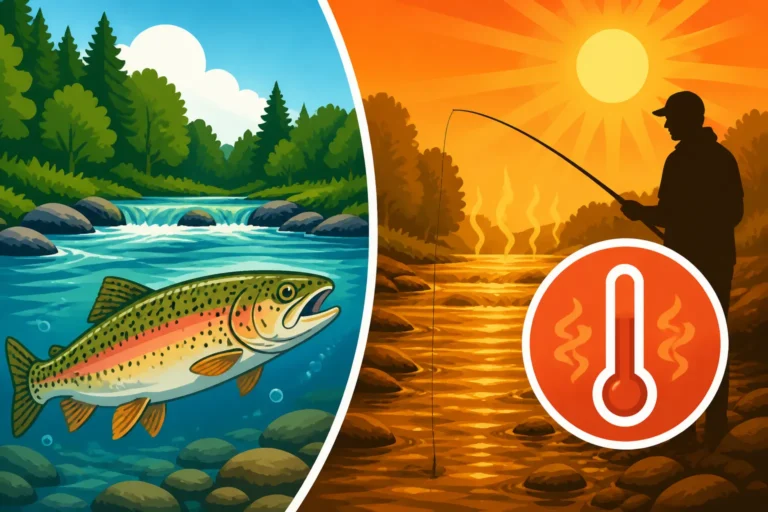
Connecticut's spring weather is, to put it mildly, temperamental. Opening Day, usually in April, can bring anything from crisp, sunny mornings to freezing rain, blustery winds, or even late-season snow flurries. Water temperatures will still be quite cold, which significantly impacts trout metabolism and their willingness to chase fast-moving baits. High water levels from spring rains or snowmelt can make wading treacherous and fishing difficult, while low, clear water might make fish spooky. Being prepared for a full spectrum of conditions, both in terms of your fishing strategy and personal comfort, is absolutely crucial. Dressing in layers, checking the forecast, and having a backup plan for changing conditions will save you a lot of discomfort and increase your chances of success.
Essential Gear and Setup for Success
You wouldn't go to battle without the right armor, and Opening Day trout fishing is no different. Having the right tools for the job, and knowing how to use them effectively, can make all the difference when those first casts hit the water. It’s not about having the most expensive gear, but rather the most appropriate and reliable.
Rod, Reel, and Line Choices
For Opening Day trout, versatility is your friend. A medium-light action spinning rod, typically 5 to 7 feet in length, is a solid choice. This allows for casting lighter baits and lures while still having enough backbone to handle a decent-sized trout. Pair this with a reliable spinning reel in the 1000-2500 size range, spooled with 4-6 pound test monofilament or fluorocarbon line. Monofilament offers good knot strength and shock absorption, while fluorocarbon is nearly invisible underwater, a distinct advantage in clear, pressured waters. If you're a fly angler, a 4- or 5-weight fly rod with a floating line is standard for trout streams, allowing for delicate presentations of nymphs, wet flies, and even some smaller streamers. You'll want a tapered leader, perhaps 7.5 to 9 feet long, ending in a 4X to 6X tippet, depending on the fly size and water clarity. Many experienced anglers keep a variety of line options on hand or even a second spool loaded with a different line type. For more information on rod and reel combinations that stand up to early season challenges, you can find a wealth of options on Amazon.
Terminal Tackle Must-Haves
This is where the rubber meets the road. Your terminal tackle is what the fish actually sees, so having a well-stocked tackle box is non-negotiable. For bait fishing, you’ll need an assortment of small hooks (sizes 8-14 are common), split shot weights in various sizes (from tiny BBs to small pinch weights), and swivels to prevent line twist. A few small bobbers or indicators can also be helpful. For spin fishing, pack a variety of small inline spinners (like Panther Martins, Mepps, or Rooster Tails in sizes #0 to #2), small spoons, and trout magnets. Don't forget some small jig heads paired with soft plastic grubs or scented dough baits. Fly anglers will need a selection of nymphs (e.g., Pheasant Tail, Hare's Ear, Prince Nymph), San Juan Worms, Squirmy Wormies, and a few small streamers. It's always a good idea to have more than you think you'll need, as snags and lost tackle are part of the game on busy Opening Day. Remember, having a small pair of forceps or pliers on hand for hook removal is also essential for fish care.
Waders, Boots, and Layering
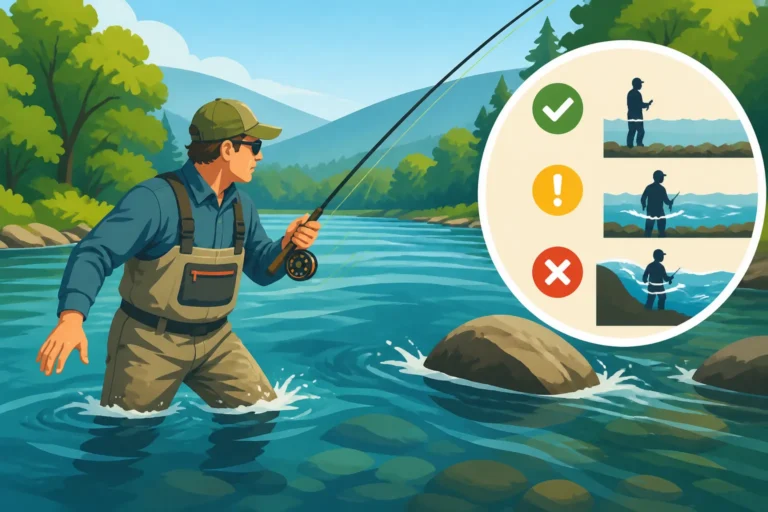
Comfort and safety cannot be overstated, especially with Connecticut Cold Water Life Jacket Rule (October to May) in effect. Early spring water temperatures in Connecticut are often frigid, sometimes barely above freezing. Quality chest waders made from neoprene or breathable material are a must if you plan on wading, protecting you from hypothermia. Pair these with sturdy wading boots that offer good ankle support and traction on slippery riverbeds. Don't skimp on wool socks! Beneath your waders, dress in layers of moisture-wicking materials like fleece or synthetic blends, avoiding cotton which loses its insulating properties when wet. A waterproof and windproof outer shell jacket is also vital to shield you from unexpected rain or chilling winds. Gloves and a warm hat are often overlooked but can make a huge difference in keeping you comfortable and focused on fishing, rather than shivering. Even if you're fishing from the bank, waterproof boots and layered clothing are highly recommended. A good quality waterproof backpack or dry bag, easily found on Amazon, can keep your extra layers, snacks, and electronics protected.
Top Techniques for Early Season Trout
Early season trout fishing in Connecticut demands specific strategies due to cold water, heavy fishing pressure, and the hatchery origins of most fish. Forget your summer dry fly patterns or fast retrieves; success hinges on slower, more methodical presentations and enticing scents.
Bait Fishing: The Traditional Approach
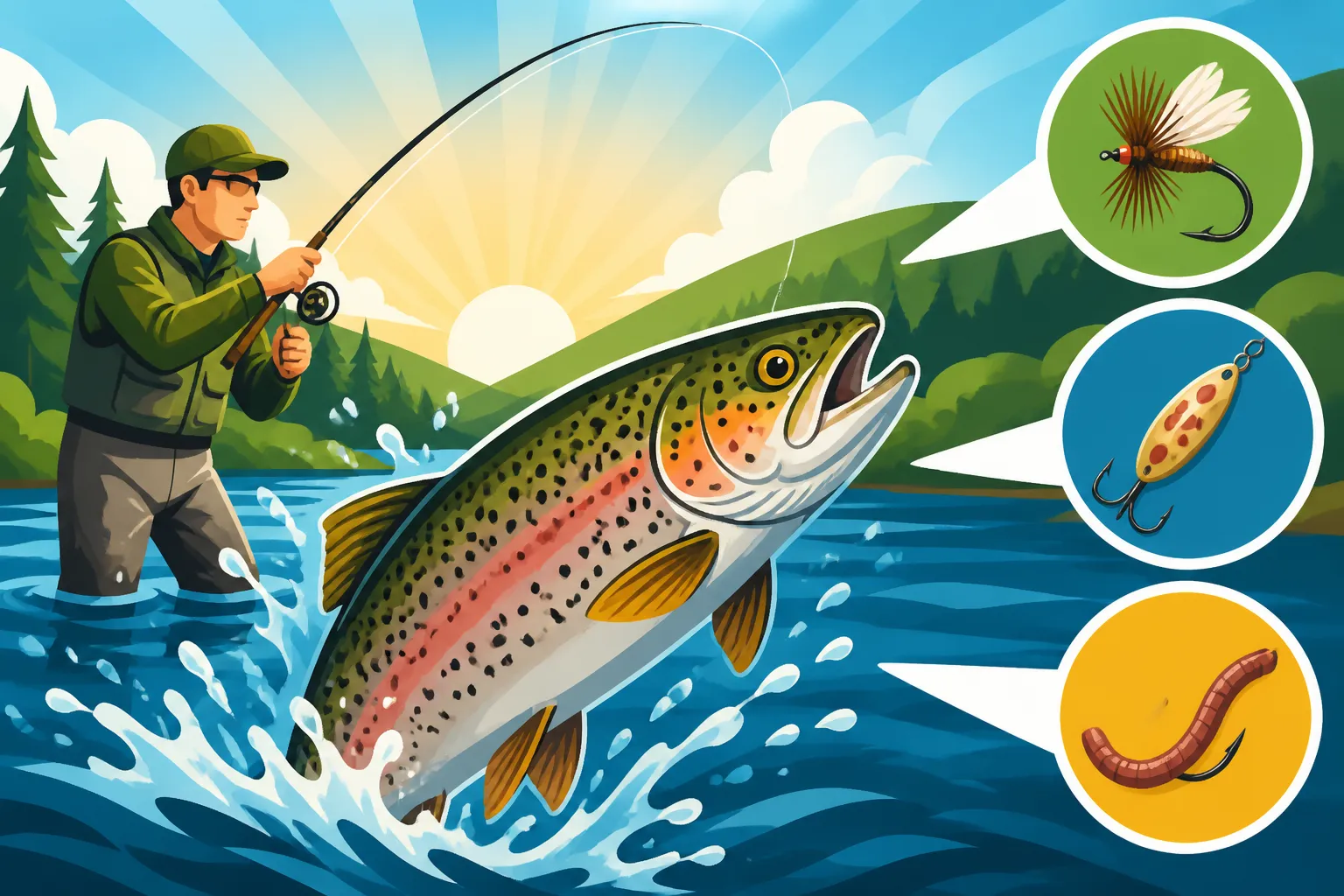
For many, Opening Day begins and ends with bait, and for good reason. It’s incredibly effective, especially for freshly stocked trout that are used to pelleted food and are often opportunistic feeders. The key is to present natural or scented baits in a way that allows the trout to easily find and consume them.
- Worms: Live worms, particularly nightcrawlers or smaller garden worms, are perennial favorites. Thread a small piece onto a size 8 or 10 hook, allowing some to dangle freely for maximum movement and scent. Fish them on the bottom with a small split shot or under a bobber in slower pools. The natural scent and wriggling action are often irresistible.
- Corn & PowerBait: These hatchery staples are what many stocked trout recognize as food. A single kernel of corn or a small pea-sized ball of PowerBait (in bright colors like chartreuse, orange, or rainbow) can be fished on a small hook (size 10-14). PowerBait's buoyancy keeps it off the bottom, making it easily visible. A light split shot placed 12-18 inches above the hook will help it sink and hold in place.
- Marshmallows: Believe it or not, plain miniature marshmallows can be very effective, especially when tipped with a piece of PowerBait or a worm. Their buoyancy helps float your offering just above the bottom, and they absorb scent well.
- Presentation: Drift your bait naturally with the current in rivers and streams, or cast and wait in stillwaters. In rivers, letting your bait bounce along the bottom can mimic natural food. In ponds, casting near drop-offs or submerged structure often yields results. Patience is a virtue when bait fishing; let the fish find your offering. More specific tips on Best Baits for Opening Day Trout in Connecticut can give you an edge.
Spin Fishing: Covering Water Effectively
Spin fishing offers a fantastic way to cover a lot of water quickly and present a variety of artificial lures that appeal to curious or aggressive trout. It's particularly effective when fish are somewhat spread out or when you're trying to locate schools of freshly stocked fish.
- Inline Spinners: Brands like Mepps, Panther Martin, and Rooster Tail are classic for a reason. Their spinning blades create flash and vibration that imitate small baitfish or insects, triggering strikes. Stick to smaller sizes (#0 to #2) in silver, gold, black, or even bright fluorescent colors. Cast upstream or across the current and retrieve just fast enough to get the blade spinning, letting it drift downstream slightly. Vary your retrieve speed.
- Small Spoons: Tiny Kastmaster, Little Cleo, or similar spoons flutter enticingly on the retrieve. Silver, gold, or brass are good starting points. These are excellent for casting long distances and can be jigged vertically in deeper pools. Their erratic action can provoke strikes from wary trout.
- Trout Magnets & Micro Jigs: These small, soft plastic lures on tiny jig heads are incredibly effective. Fish them under a bobber or simply cast and retrieve very slowly, adding small twitches. The subtle action and small profile are perfect for trout that are being finicky. Scenting these plastics with an attractant can further increase their appeal.
- Retrieve Speed: Remember, cold water means slower fish. A slower, more deliberate retrieve is usually better than a fast one. Give the trout time to see, follow, and commit to your lure. Don't be afraid to pause your retrieve briefly to let the lure flutter enticingly.
Fly Fishing: Matching the Hatch (or Lack Thereof)
Fly fishing on Opening Day in Connecticut is a unique challenge. While the "hatches" aren't typically in full swing, there are still very effective strategies for presenting flies to early season trout. It's often less about matching specific insects and more about imitating general food sources.
- Nymphing: This is hands-down the most productive fly fishing technique for early season trout. Most aquatic insect larvae and pupae (nymphs) live on the bottom of the stream, and trout are accustomed to feeding on them there. Use weighted nymphs like a Hare's Ear, Pheasant Tail, Prince Nymph, or Stonefly patterns. Fish them under a strike indicator, adding split shot to get them down to the bottom where the trout are holding. The goal is a drag-free drift that mimics a natural nymph tumbling downstream. Our guide on Fly Fishing for Trout in Connecticut has more advanced tips.
- Worm Patterns: San Juan Worms and Squirmy Wormies are incredibly effective, imitating earthworms washed into the stream by rain. Trout love them. Fish them either deep with nymphs or even solo under a small indicator. Their vibrant colors and squirming action are a powerful attractant.
- Small Streamers: While not always the first choice, small streamers (like Wooly Buggers in olive, black, or brown) can entice larger, more aggressive trout, especially after a fresh stocking. Strip them slowly near structure or in deeper pools, imitating a small baitfish or leeches.
- Presentation and Weight: Getting your flies to the correct depth is crucial in cold water. Don't be afraid to add more weight (split shot) to your leader if your flies aren't reaching the bottom. Focus on short, accurate drifts and watch your indicator intently for any subtle hesitations or dips that signal a strike. Learning Wading Techniques for Connecticut Trout Streams can also greatly enhance your fly fishing success.
| Technique | Primary Bait/Lure | Pros | Cons | Ideal Conditions |
|---|---|---|---|---|
| Bait Fishing | Worms, PowerBait, Corn | High success rate, especially for stocked fish; simple to learn. | Can be messy; often requires patience; less active fishing. | Cold water, slow-moving pools, high pressure. |
| Spin Fishing | Inline Spinners, Small Spoons, Micro Jigs | Covers water quickly; active fishing; triggers aggressive strikes. | Fish can become wary quickly; requires lure changes; can snag easily. | All water types, when fish are actively feeding or spread out. |
| Fly Fishing | Nymphs, Worm Patterns, Small Streamers | Precise presentations; targets bottom-feeding trout; highly rewarding. | Steeper learning curve; sensitive to wind; requires specific gear. | Clear water, varied depths, targeting specific holding lies. |
Reading the Water: Where Trout Hide
Knowing where to cast is just as important as what to cast. Trout, especially in early spring, are creatures of comfort and efficiency. They'll position themselves in spots that offer safety, shelter from current, and easy access to food. Learning to "read the water" is a skill that will serve you well beyond Opening Day.
Pools, Riffles, and Runs
Each section of a river or stream offers different opportunities.
- Pools: These are deeper, slower-moving sections of water. On Opening Day, pools are often where larger numbers of stocked trout will congregate, especially immediately after release. They offer a comfortable holding area with less current. Fish the head (where the water enters the pool), the body, and the tailout (where the water exits) thoroughly. Deep holes in pools can hold the most fish.
- Riffles: These are shallow, fast-moving sections of water, often with rocky bottoms. While trout might not hold directly in the fastest current, the edges of riffles, or pockets of slower water within them, can be productive. Riffles oxygenate the water and dislodge insects, making them feeding zones.
- Runs: These are moderately deep, consistently flowing sections. Trout often sit in runs, facing upstream, waiting for food to drift by. Look for subtle changes in depth or current speed, and focus your efforts there.
- Eddies and Seams: Pay close attention to eddies (swirling pockets of calmer water behind obstacles) and current seams (where fast water meets slow water). These are prime holding lies where trout can rest out of the main current but still have food delivered to them. A key strategy is to cast your bait or lure into the faster water upstream and let it drift naturally into the seam or eddy.
Structure and Cover
Trout feel vulnerable in open water, particularly in pressured environments. They seek out features that provide shelter and a sense of security.
- Submerged Logs and Rocks: Any significant underwater structure breaks the current and creates hiding spots. Trout will often hold tightly to these features. Cast your bait or lure as close as possible without getting snagged.
- Overhanging Branches and Undercut Banks: These provide overhead cover from predators (like eagles or ospreys) and also offer shade, which can be important on brighter days. Fish that feel secure are more likely to feed.
- Deep Pockets and Drop-offs: Changes in depth are natural holding zones. A sudden drop-off into deeper water gives trout a place to escape or to ambush prey. These are especially productive in larger rivers and lakes.
- Bridges and Culverts: Man-made structures often create current breaks and deep pockets, making them magnets for trout. Be mindful of fishing pressure around these popular spots.
Understanding Stocking Locations
The Connecticut Department of Energy and Environmental Protection (DEEP) does an excellent job of stocking trout, and they provide resources to help anglers. Knowing where they stock can give you a significant advantage on Opening Day.
- Interactive Trout Stocking Map: The DEEP's Connecticut Interactive Trout Stocking Map, Explained is an invaluable resource. This map shows where and when trout have been stocked. While it might not be updated precisely on Opening Day, historical stocking data can give you a good idea of which areas receive the most attention.
- Designated Trout Management Areas (TMAs) and Parks: Areas specifically managed for trout, such as sections of the Farmington River or Salmon River, or designated "Trout Parks," receive consistent and often heavy stockings. These are popular for a reason but also tend to be the most crowded.
- Access Points: Trout are usually released at easily accessible points along rivers or ponds, often near parking areas or bridges. These spots will experience the highest immediate pressure, but fish will eventually disperse. Don't be afraid to walk a little further from the crowds; often, the fish that have moved a short distance are less pressured. Reading the Connecticut Fishing Guide is another excellent way to stay informed about these areas.
Adapting to Weather and Water Conditions
As we've touched upon, early spring in Connecticut is a mixed bag when it comes to weather, and these conditions profoundly influence trout behavior. Being able to adapt your strategy on the fly is a hallmark of a successful angler.
Cold Water Strategies
Trout are cold-blooded, meaning their metabolism slows down significantly in cold water. This translates to less energy, slower movements, and a decreased willingness to chase fast-moving prey.
- Slow Down Everything: This is the golden rule for cold water fishing. Slow your retrieves, let your baits and lures sink deeper, and allow more time for fish to react.
- Deep and Slow: Trout will often be hugging the bottom in deeper, slower pools where water temperatures are more stable. Target these areas with weighted baits or nymphs. Use just enough weight to get your offering down without constantly snagging.
- Subtle Colors and Scents: While bright colors can sometimes trigger a reaction, more natural tones (browns, olives, black) and strong scents (PowerBait, worms) are often more effective when fish are sluggish. Scented lures or adding scent to your bait can be a game-changer.
- Focus on Holding Water: Don't waste time casting into fast, shallow riffles where trout are unlikely to hold in cold water. Concentrate on the calmer, deeper sections. Remember, understanding What water temperature trout need to survive helps explain why they seek these colder, deeper areas.
High Water and Turbidity Tactics
Spring rains and snowmelt can lead to elevated and sometimes murky water conditions. This presents its own set of challenges, but also opportunities.
- Safety First: High water currents can be dangerous. Exercise extreme caution when wading, or consider bank fishing exclusively if conditions are too risky. Always be aware of the Connecticut Boating Laws for Anglers and local water advisories.
- Hug the Banks: Trout will often move closer to the banks during high water to escape the main current and find calmer seams. These areas also tend to concentrate food sources washed in from the land.
- Use More Weight: You'll need extra weight to get your bait or lure down through stronger currents. Heavier split shot, larger sinkers, or more weighted nymphs will be necessary.
- Brighter Colors and Scent: In murky water, visibility is low. This is when brighter colored PowerBait, fluorescent spinners, or heavily scented baits can really shine. The flash and vibration of a spinner or the strong scent of a worm will help trout locate your offering.
- Focus on Eddies and Slack Water: These areas provide refuge from the heavy current and are where trout will congregate. Look for any break in the current flow.
Sunny vs. Overcast Day Adjustments
Even the amount of sunlight can affect trout behavior.
- Sunny Days: On bright, sunny days, especially with clear water, trout can become very spooky. They'll often seek deeper water or hide under cover (undercut banks, overhanging trees) to avoid direct sunlight and evade predators.
- Tactics: Use lighter line (4lb test), smaller baits/lures, and make longer casts to avoid spooking fish. Consider more natural colors. Approach fishing spots cautiously, keeping a low profile.
- Overcast Days: Overcast or drizzly days often provide ideal fishing conditions. The diffused light makes trout feel more secure and less wary, and they may be more willing to move into shallower water to feed.
- Tactics: You might get away with slightly heavier line or more aggressive retrieves. Trout can be more active and less selective. These are great days for inline spinners and even some surface action if insects are hatching.
Essential Regulations and Best Practices
Connecticut has robust fishing regulations designed to protect its fisheries and ensure sustainable angling for everyone. Being familiar with these rules and practicing ethical angling is crucial for a successful and responsible Opening Day.
Navigating Regulations and Licenses
Before you even think about casting a line, make sure you're properly licensed and understand the local rules.
- Connecticut Fishing License: Every angler 16 years of age or older needs a valid Connecticut fishing license. You can purchase these online, at various tackle shops, or at town clerks' offices. If you're wondering How to Buy a Fishing License Online in Connecticut, it's a straightforward process.
- Trout and Salmon Stamp: If you plan on fishing designated trout or salmon waters, which most Opening Day spots are, you'll also need to purchase a Connecticut Trout and Salmon Stamp, Explained in addition to your general fishing license.
- Season Dates and Limits: Be acutely aware of the Connecticut Fishing Season Dates and Closures, especially for trout. Opening Day is a fixed date, but daily creel limits (how many fish you can keep) and possession limits (how many you can have in your cooler/at home) are strictly enforced. The Connecticut Trout Limit and Possession Rules are paramount here. Check the current year's Connecticut Angler's Guide for exact numbers, as they can sometimes change.
- Special Regulation Waters: Some waters, like certain sections of the Farmington River or specific Trout Management Areas, have unique regulations, such as catch-and-release only, specific lure restrictions (e.g., fly fishing only), or different size limits. Always check these rules before fishing a new spot. Our guide to Special Regulation Waters in Connecticut can help. Fishing without the proper license or violating regulations can result in significant fines and penalties, as outlined in Fishing Without a License in Connecticut: Penalties.
Catch and Release Best Practices
Even if you plan to keep some fish, practicing proper catch and release for others is essential for the health of the fishery and ensuring good fishing for years to come.
- Handle Fish Gently: Minimize the time the fish is out of the water. Support its body horizontally, especially larger fish, to avoid damaging internal organs. Avoid squeezing or touching the gills.
- Wet Hands: Always wet your hands before handling a fish. Dry hands can remove the fish's protective slime coat, making it susceptible to disease.
- Barbless Hooks: Consider using barbless hooks, or crimp down the barbs on your hooks with pliers. Barbless hooks make removal much quicker and cause less damage to the fish.
- Use Appropriate Tools: Carry a pair of long-nosed pliers or forceps to quickly and safely remove hooks, especially if the fish has swallowed the bait.
- Revive Carefully: If a fish seems sluggish before release, hold it gently in the water, facing upstream, allowing water to flow over its gills until it swims away under its own power. Don't throw it back forcefully.
Respecting Others and the Environment
Opening Day is crowded, and respecting fellow anglers and the environment ensures everyone has a positive experience.
- Maintain Space: Give other anglers adequate space. Don't crowd someone's fishing spot, especially if they were there first. A general rule of thumb is to allow at least 25-50 feet, more if possible.
- Keep it Clean: Pack out everything you pack in, and then some. Don't leave behind fishing line, bait containers, or any other trash. Help keep Connecticut's beautiful waters pristine.
- Private Property: Be mindful of property lines. Many prime fishing spots run alongside private land. Respect "No Trespassing" signs and always ask for permission if you're unsure. The Connecticut Fishing Regulations Explained guide has details on access.
- Noise Levels: While it's a social day, try to keep excessive noise down, especially in areas where other anglers are concentrating. Loud talking, radios, or shouting can spook fish.
- Parking: Park legally and considerately. Don't block driveways or access roads. Carpooling is a great way to reduce congestion at popular spots.
By understanding these techniques and best practices, you'll not only increase your chances of a successful Opening Day but also contribute to a more enjoyable and sustainable fishing experience for everyone in Connecticut. It's more than just catching fish; it's about appreciating the tradition, the environment, and the community of anglers who share your passion.
Disclaimer
The information provided in this guide is for general informational purposes only and is subject to change. Anglers are responsible for consulting the most current Connecticut Department of Energy and Environmental Protection (DEEP) fishing regulations and licensing requirements before engaging in any fishing activities. Always prioritize safety and environmental stewardship.