Best time to fish before a cold front
There's nothing quite as frustrating as planning a prime fishing trip, only to have a cold front roll in and shut down the bite completely. We've all been there, casting into seemingly dead water, wondering where all the fish went. But what if I told you that knowing when a cold front is coming can actually lead to some of the most explosive fishing experiences in Connecticut? This guide will dive deep into how you can capitalize on those often-missed pre-front conditions, turning potential disappointment into triumphant angling.
Understanding the Pre-Front Feeding Frenzy
Before the air gets crisp and the fishing turns tough, there's a golden window of opportunity that many anglers overlook. Fish, much like us, can sense changes in their environment, and they instinctively react to an approaching cold front in a very particular way: they feed, and they feed hard.
The Science Behind the Shift: Why Fish Get Active
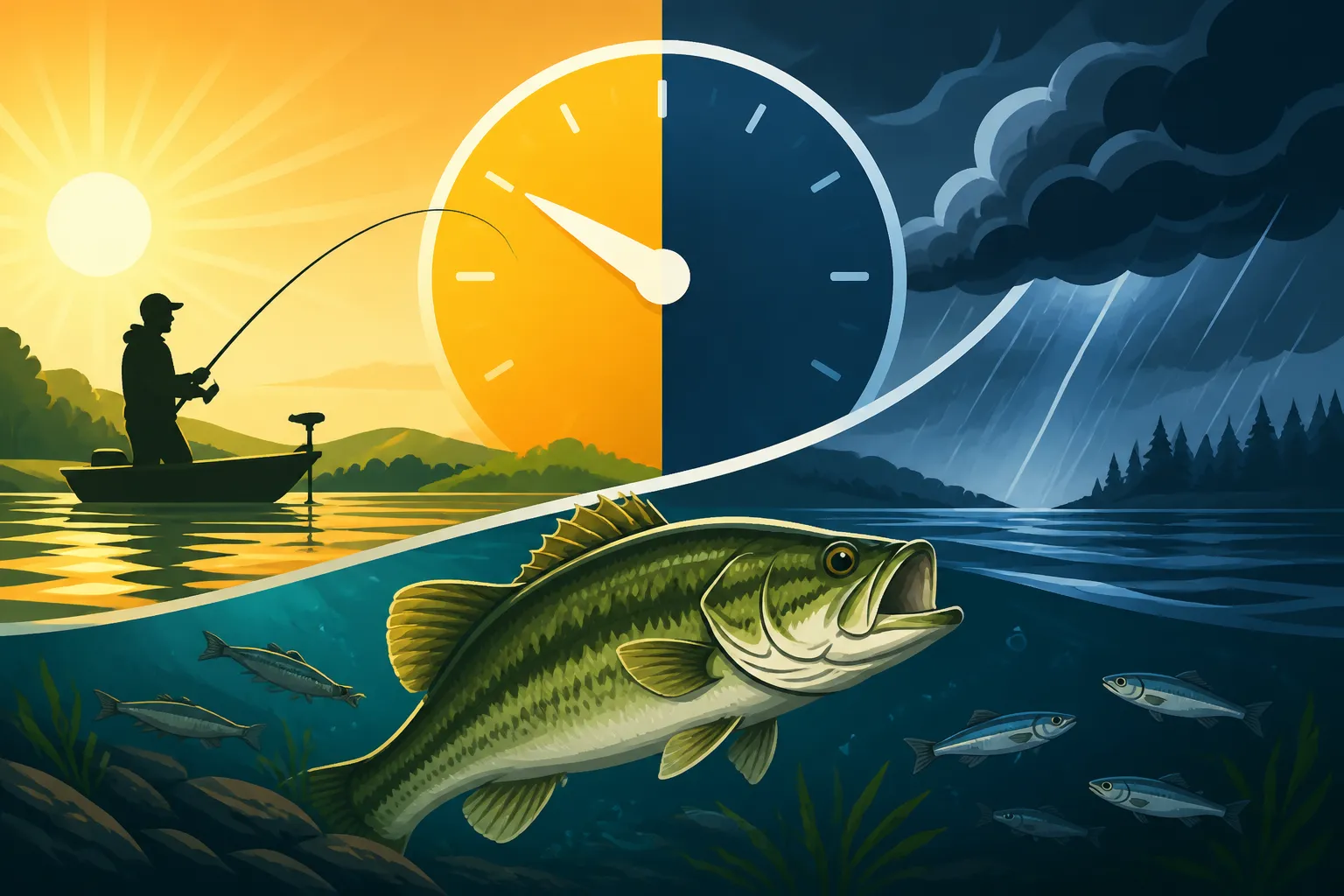
The primary driver behind this pre-front feeding frenzy is often a shift in barometric pressure. As a cold front approaches, the atmospheric pressure typically drops. For fish, this drop in pressure signals an impending change in weather conditions, often bringing colder temperatures, stronger winds, and sometimes less stable foraging opportunities. Their instinct kicks in, telling them to gorge themselves while the going is good. This isn't just a theory; it's a primal survival response. Fish become more active, moving into shallower waters or prime feeding lanes, seeking out baitfish and insects with renewed vigor. The dropping pressure can also affect their swim bladder, sometimes making them slightly uncomfortable, which can also contribute to increased movement and feeding as they try to equalize.
Think about it this way: if you knew a blizzard was coming and you wouldn't be able to get to the grocery store for a few days, wouldn't you stock up your pantry? Fish operate on a similar, albeit more instinctual, level. They know tough times are ahead, so they become less cautious and more focused on consuming as much energy as possible. For anglers in places like the Connecticut River, this means that species like smallmouth bass or even striped bass making their way upriver might become incredibly aggressive in the hours leading up to the front's arrival, presenting a fantastic chance to entice a strike.
Identifying the Signs of an Incoming Cold Front: How to Predict
Becoming proficient at fishing before a cold front starts with becoming a decent amateur meteorologist. You don't need fancy equipment, just a keen eye and a good weather app. The most obvious sign is the forecast itself – look for predictions of a sharp drop in temperature, especially overnight lows, and a noticeable increase in wind speed, often shifting direction. Pay attention to the barometric pressure readings; a steady decline over several hours is your cue.
Beyond the apps, nature often provides visual clues. You might notice wispy, high-altitude cirrus clouds gathering, often an indicator of an approaching weather system. The wind might start to pick up, but subtly at first, often from a different direction than usual. Sometimes, there's a distinct "calm before the storm" feeling in the air – an unusual stillness followed by a rapid onset of wind and darkening skies. If you're planning a trip to a popular spot like Candlewood Lake, keeping an eye on these indicators a day or two out can make all the difference. A simple, portable barometer, easily found on Amazon, can also be a game-changer, giving you real-time pressure readings. These insights allow you to time your outings perfectly, hitting the water just as the fish are ramping up their feeding activity.
Adapting Your Tactics for Pre-Front Success
Once you've identified that sweet spot just before the cold front hits, it's time to adjust your approach. The fish are active, less wary, and often looking for a substantial meal. This is not the time for subtle, finesse presentations.
Lure and Bait Selection: What to Throw
When fish are in a pre-front feeding frenzy, they're often less picky and more prone to reaction strikes. This means reaching for your more aggressive, attention-grabbing baits. Large lipless crankbaits, deep-diving crankbaits, spinnerbaits with flashy blades, and oversized swimbaits are excellent choices for freshwater species like largemouth and smallmouth bass. These lures displace a lot of water, create vibrations, and offer a substantial meal profile that fish are eager to snap up. For trout in a river like the Farmington River, while they might not hit giant crankbaits, they'll often respond well to larger, flashier spinners or spoons, and even aggressively presented nymphs or streamers that mimic sculpins or baitfish fleeing the incoming weather.
If you prefer using live bait, now is the time to really capitalize. Big shiners for bass, jumbo worms for aggressive panfish, or even live bunker or eels for striped bass in Long Island Sound can be incredibly effective. Present them actively – either by slow trolling, drifting them through current breaks, or imparting an aggressive retrieve when casting. You want to trigger that instinctual "eat now!" response. Don't be afraid to experiment with brighter, more contrasting colors than you might normally use. Sometimes, that pop of chartreuse or fire tiger on a crankbait is exactly what's needed to seal the deal. Stocking up on a variety of these aggressive lures is easy; you might find that perfect oversized swimbait on Amazon, ready for your next pre-front adventure.
Prime Locations and Times: Where and When to Cast
During the pre-front period, fish often move from their deeper, more secure holding areas into shallower water, points, and structural elements where baitfish are likely to gather. For bass anglers, this means focusing on weed lines, rocky points, submerged timber, and even shallow flats adjacent to deeper water. These are the fish's "dining rooms," and they'll be actively patrolling them. If you're fishing a pond or small lake, target the wind-blown side where baitfish are pushed, concentrating the predators.
For river anglers, the pre-front period can mean trout moving into the heads of pools, riffles, and current seams where food washes down. Smallmouth bass in rivers like the Housatonic River will often stack up on current breaks, seams, and gravel bars. In saltwater, stripers and bluefish in Long Island Sound will often push baitfish into shallow coves, along rocky shorelines, or around jetties and estuaries before the major weather shifts. Early morning and late evening are almost always prime times, but during these pre-front periods, the bite can extend well into the mid-day, especially if cloud cover is building. Don't restrict yourself to just dawn and dusk; be on the water throughout the day, constantly checking your barometer and the changing conditions. For more detailed information, you can also check out our guide on the Best Time of Day to Catch Striped Bass.
Common Mistakes to Avoid During Pre-Front Conditions
Even with the fish biting, it's easy to fall into traps that can derail your pre-front success. Knowing what not to do is just as important as knowing what to do.
Overlooking Subtle Changes: Don't Wait Too Long
One of the biggest mistakes anglers make is not paying close enough attention to the subtle shifts in weather and fish behavior. The "pre-front window" can be surprisingly short, sometimes just a few hours before the actual cold air mass arrives and shuts things down. If you wait until the wind is howling and the temperature has already plummeted, you've likely missed the best of the action. This is why having a reliable weather source and even a personal barometer is so crucial. A sudden drop in air pressure, even without immediate visual cues, should be your signal to get on the water as quickly as possible.
Many times, I've seen anglers arrive at the lake or river, fish for a bit, and then pack up just as the fish are really starting to turn on, because they're not fully aware of the impending weather system. Don't be that angler! Pay attention to the subtle increase in fish activity – a few more rises, a bumped lure, or a quick follow – and recognize that these might be the initial tremors of the feeding frenzy. These aren't just random occurrences; they're valuable clues from nature. It’s also wise to check out Connecticut Fishing Season Dates and Closures to ensure you're fishing legally within species-specific seasons.
Sticking to Your Comfort Zone: Be Willing to Adapt
Another common pitfall is sticking rigidly to your favorite techniques or baits, even when conditions are screaming for something different. If you're typically a finesse angler who prefers drop shots or shaky heads, but the fish are in an aggressive pre-front mode, trying to coax a bite with ultra-subtle presentations might mean you miss out on dozens of strikes. This is the time to power fish! Throw those big swimbaits, burn those spinnerbaits, rip those lipless cranks.
Similarly, don't be afraid to change locations. If your usual deep-water haunts are quiet, but you're seeing signs of increased activity closer to shore or in shallower bays, follow the fish! They're moving to where the food is, and where they feel comfortable feeding before the front. Adapting your retrieve speed, the depth you're fishing, and even your casting angles can also make a huge difference. Sometimes a super-fast retrieve on a crankbait will trigger a chase, other times a stop-and-go twitch will be the key. Being flexible and willing to try something new, even if it feels uncomfortable at first, is paramount to maximizing your pre-front success. A good supply of varied lures, which you can easily replenish from Amazon, helps ensure you have the right tools for any situation. You may also find our article on Best Techniques for High Water Spring Conditions helpful for similar adaptive fishing.
Species-Specific Pre-Front Strategies in Connecticut
While the general principles of pre-front fishing apply broadly, understanding how specific Connecticut fish species react can further refine your approach.
Freshwater Predatory Fish: Bass, Pike, Walleye
For warm-water predatory fish like largemouth and smallmouth bass, northern pike, and walleye, the pre-front period is arguably the most exciting. These fish are driven by strong feeding instincts and will often abandon their usual cautious behavior to pack on calories.
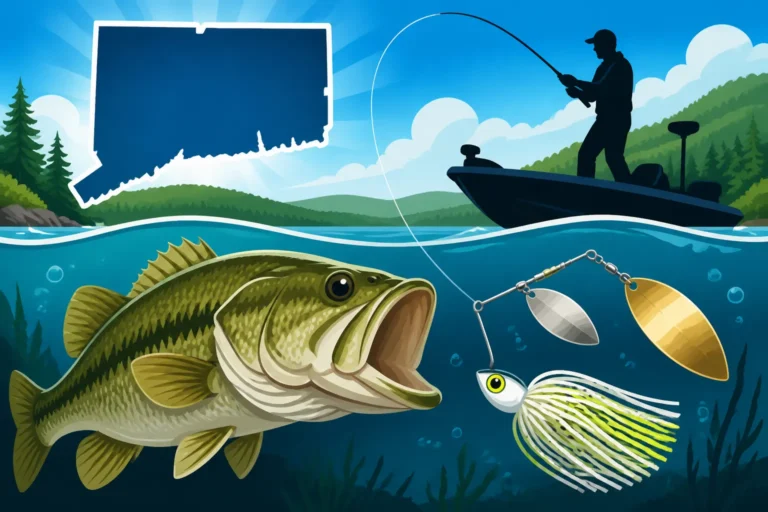
- Largemouth and Smallmouth Bass: In lakes such as Candlewood Lake or Lake Lillinonah, largemouth will likely move to the outer edges of weed beds, shallow coves, and areas with submerged timber. Focus on aggressive presentations like big crankbaits, spinnerbaits, and jigs with large trailers. Smallmouth bass, particularly in rivers like the Housatonic, will often stage on current breaks, ledges, and rocky points, looking to ambush baitfish being pushed by increased flow or wind. Fast-moving jerkbaits, tubes, and small swimbaits can be deadly. Don't be shy with your retrieve speed; often, the faster you go, the more reaction strikes you'll trigger. When fishing for Smallmouth Bass Fishing in Connecticut, remembering this aggressive nature can be key.
- Northern Pike: In waters like Bantam Lake, pike will become incredibly active. These ambush predators will often patrol shallow flats and weed edges with renewed vigor. Large spoons, spinnerbaits, and big swimbaits are excellent choices. Don't underestimate their willingness to hit anything flashy and fast during this window.
- Walleye: Though less common than bass or pike, walleye in Lake Zoar can also offer a great bite before a front. They tend to be light-sensitive, but the dropping pressure might make them more inclined to move shallower, especially during overcast conditions. Trolling crankbaits or casting blade baits near deep structure and drop-offs can be very effective.
Trout and Panfish: Rivers and Ponds
While trout and panfish might not exhibit the same dramatic "gorging" behavior as bass, they too respond positively to pre-front conditions.
- Trout: In famous trout streams like the Farmington River or the many stocked waters across the state, trout will often become more active and less spooky. For fly anglers, this means more aggressive takes on nymphs and streamers, and potentially even a window for dry fly action if insects are hatching before the weather turns. Spin anglers will find success with small spinners, spoons, and live worms drifted naturally or retrieved with a bit more speed than usual. Look for trout moving into shallower runs, riffles, and the heads of pools. They're trying to get a good meal in before the colder, more stable post-front conditions make them sluggish again. Remember that Connecticut Trout Season and Stocking Rules can vary, so always check local regulations.
- Panfish: Bluegill, perch, and crappie in local ponds and lakes will also respond to the barometric pressure drop. They might congregate in larger schools and be more willing to chase down smaller jigs, inline spinners, or even live bait like small worms or pieces of nightcrawler. These are often great species to target with kids during the pre-front window, as their increased activity can lead to a lot of bites and keep spirits high before the weather turns sour.
Saltwater Species: Striped Bass, Bluefish, Fluke
Connecticut's expansive coastline along Long Island Sound offers incredible opportunities for saltwater anglers before a front arrives.
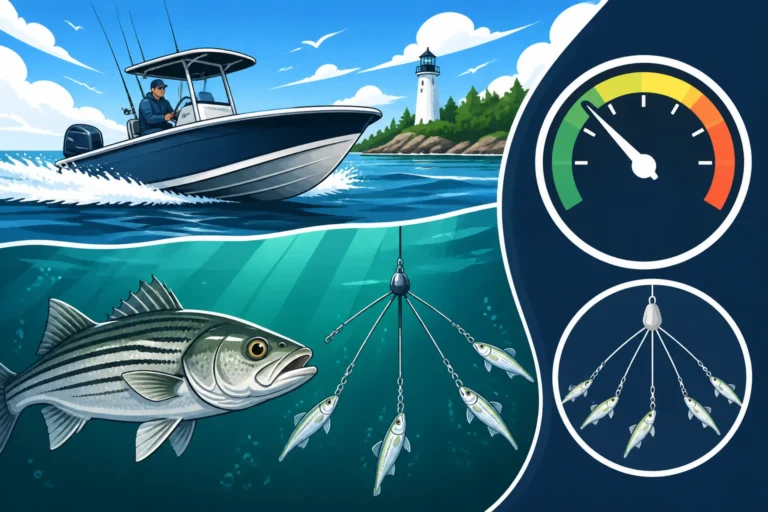
- Striped Bass and Bluefish: These powerful predators are incredibly sensitive to barometric changes. As a front approaches, they often become extremely aggressive, pushing baitfish into shallow areas, rocky shorelines, and tidal rips. This is prime time for topwater lures, large swimbaits, and even chunking bait or live-lining bunker or eels. If you're fishing for Striped Bass Fishing in Long Island Sound, you'll often find them chasing bait right up to the surface in a true feeding frenzy. Look for birds diving, which indicates bait being pushed up. The mouths of estuaries, like the Connecticut River or Thames River, can be especially productive as fish stage there.
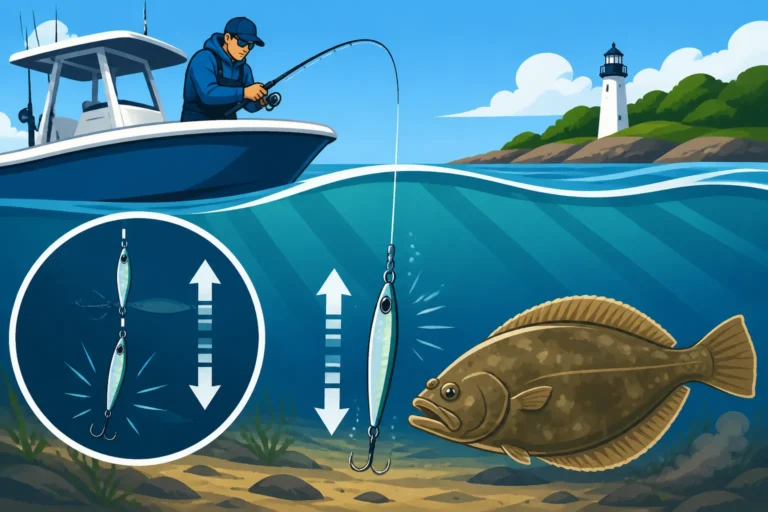
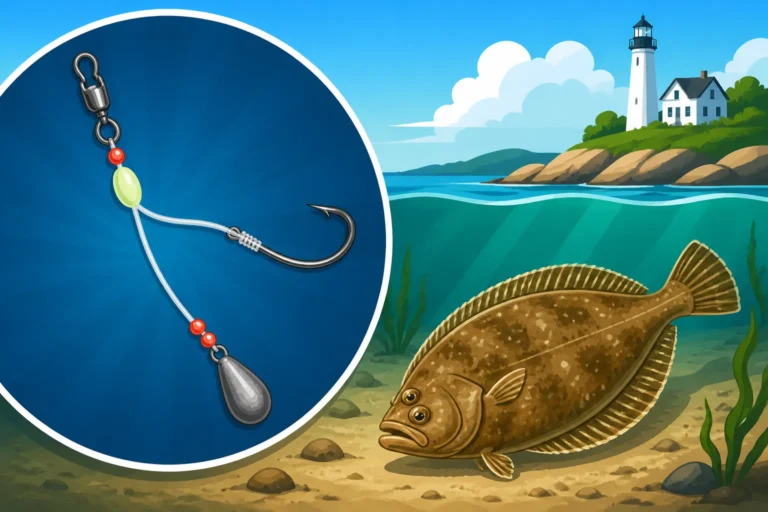
- Fluke (Summer Flounder): Even bottom-dwelling fluke can become more active pre-front. They might move into shallower channels and flats, becoming more receptive to jigging or drifting with bucktails tipped with Gulp! or strips of squid. The increased baitfish activity and current movement can make them more willing to chase. For more specific insights, our guide on How to Catch Fluke in Long Island Sound offers additional tips.
Remember, every fishing trip is a learning experience. By understanding the science, recognizing the signs, and adapting your tactics, you can turn an approaching cold front from a dreaded event into an anticipated opportunity for some truly memorable catches in Connecticut.
Here's a quick summary of pre-front tactics by species:
| Species | Prime Locations | Recommended Lures/Baits | Key Tactic |
|---|---|---|---|
| Largemouth/Smallmouth | Weed lines, rocky points, shallow coves, current breaks | Crankbaits, spinnerbaits, jigs, swimbaits, live shiners | Aggressive retrieves, power fishing |
| Northern Pike | Shallow flats, weed edges | Large spoons, spinnerbaits, big swimbaits | Fast retrieves, covering water |
| Walleye | Deep structure, drop-offs, overcast shallow flats | Trolled crankbaits, blade baits | Active jigging, vertical presentation |
| Trout | Shallow runs, riffles, heads of pools | Spinners, spoons, aggressive nymphs/streamers, worms | Active drifts, faster retrieves |
| Panfish | Shallow weed edges, congregating schools | Small jigs, inline spinners, worms | Active retrieves, targeting visible schools |
| Striped Bass/Bluefish | Shallow coves, rocky shorelines, tidal rips | Topwater lures, large swimbaits, live bunker/eels | Fast retrieves, chasing surface action |
| Fluke | Shallow channels, flats, current seams | Bucktails (tipped), squid, live spearing | Active jigging, drifting |
Disclaimer
This article is for general informational purposes only and does not constitute professional advice. Laws, prices and regulations vary by location and change over time. Consult a qualified professional for guidance on your specific situation.