Best time to fish after a cold front
It's a frustrating scenario many Connecticut anglers know well: one day the bite is hot, a cold front rolls through, and suddenly, fish seem to vanish, refusing to touch anything. That drastic shift can leave even seasoned anglers scratching their heads, wondering why their usual reliable spots and techniques suddenly fail. This comprehensive guide will dive deep into understanding what happens to fish after a cold front in Connecticut and equip you with the best strategies to adapt your approach and find success when the weather cools off and the pressure changes.
Understanding the Impact of a Cold Front on Fish Behavior
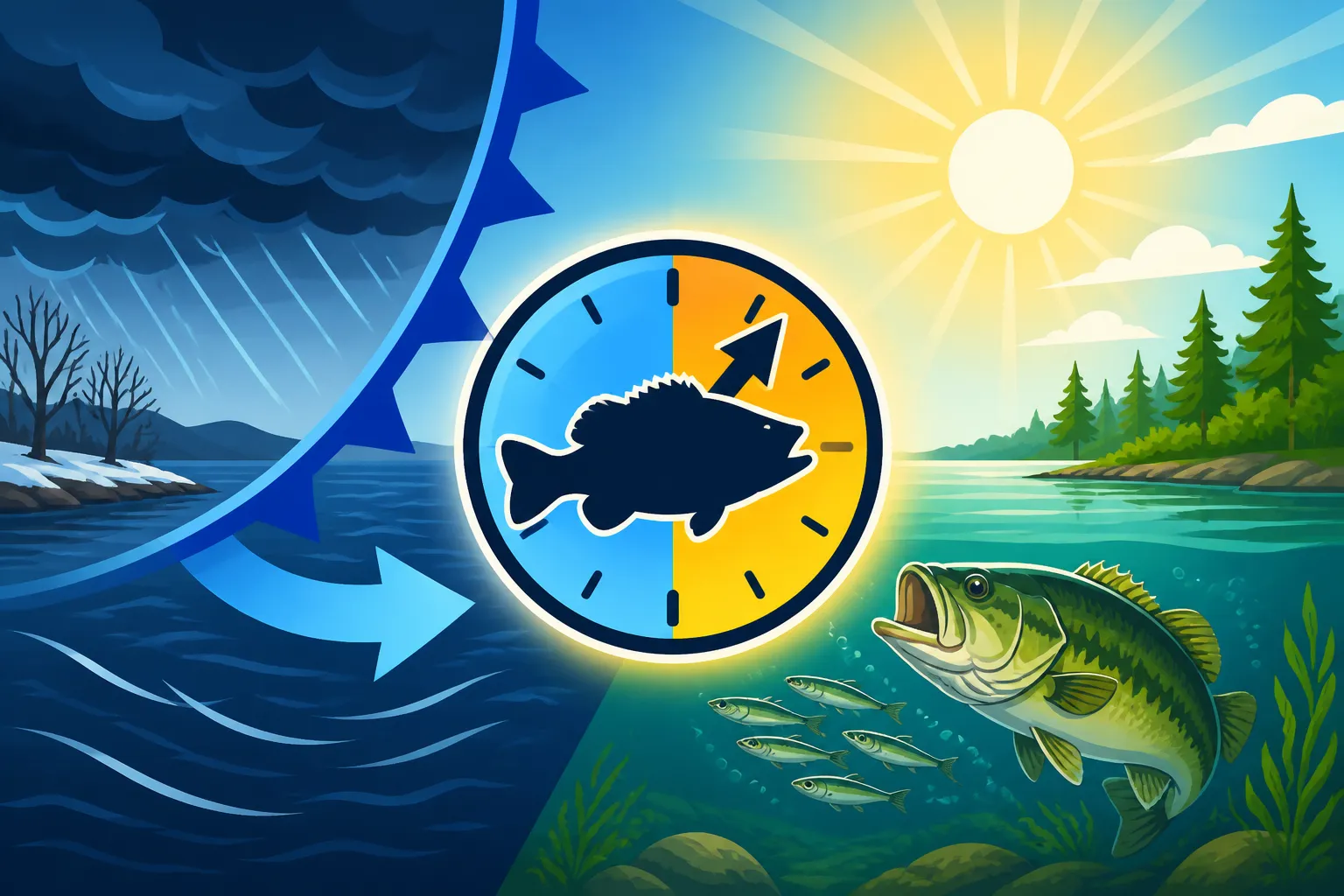
A cold front isn't just a drop in air temperature; it's a profound atmospheric event that drastically alters the underwater environment and, consequently, fish behavior. Anglers often struggle because they continue to fish as if nothing has changed, but below the surface, it's a whole new world.
Barometric Pressure: The Silent Culprit
One of the most significant, yet often overlooked, factors after a cold front is the change in barometric pressure. Before a front, pressure often drops, leading to an increase in fish activity and a hot bite. This is because fish, especially those with swim bladders, feel the change in pressure. A falling barometer makes it easier for them to expand their swim bladder and move around in the water column, often leading to them becoming more active and feeding aggressively.
Once the cold front passes, the barometric pressure stabilizes at a much higher level. This sudden increase in pressure can be quite jarring for fish. Imagine going from a comfortable altitude to a very high one in a short amount of time – it would make you feel uncomfortable, lethargic, and less inclined to move around. Fish experience something similar. Their swim bladders become compressed, making it harder to maintain buoyancy and often driving them deeper or causing them to cling tightly to structure to exert less energy. This is a critical factor in understanding how to fish after a cold front, as their discomfort often translates into a lack of appetite and a general "lockjaw" syndrome. Understanding how these changes occur can help you prepare for How barometric pressure affects Connecticut bass fishing.
Water Temperature and Light Penetration Shifts
Beyond pressure, cold fronts also bring a rapid drop in air temperature, which, given enough time, will begin to cool the surface water. While deeper water temperatures might not change immediately, shallow areas, coves, and smaller ponds will cool down faster. Fish are cold-blooded creatures, and their metabolism is directly tied to water temperature. A sudden drop in temperature can make them sluggish and less inclined to chase fast-moving baits.
Additionally, cold fronts often bring clear, bluebird skies due to high pressure. While beautiful for us, this means increased light penetration into the water. In shallower areas, this can make fish feel more exposed and vulnerable to predators (including you!). They often react by seeking deeper, darker water or hiding in dense cover, making them harder to find and entice. This is why you'll often hear about fishing being tough on bright, sunny days immediately following a storm system.
Immediate Post-Front Fishing Strategies
When that cold front has just swept through and the air feels crisp but the fishing feels dead, it's time to completely rethink your approach. Continuing with your pre-front tactics is a recipe for frustration. The key here is to embrace the slowdown and adapt to the fish's new, less aggressive demeanor.
Slow Down and Downsize Your Presentation
This is perhaps the most crucial adjustment. Forget those fast-moving reaction baits or aggressive retrieves that worked wonders before the front. Fish are lethargic, often hunkered down, and their metabolism is telling them not to expend much energy. You need to present baits in a way that requires minimal effort from the fish to strike.
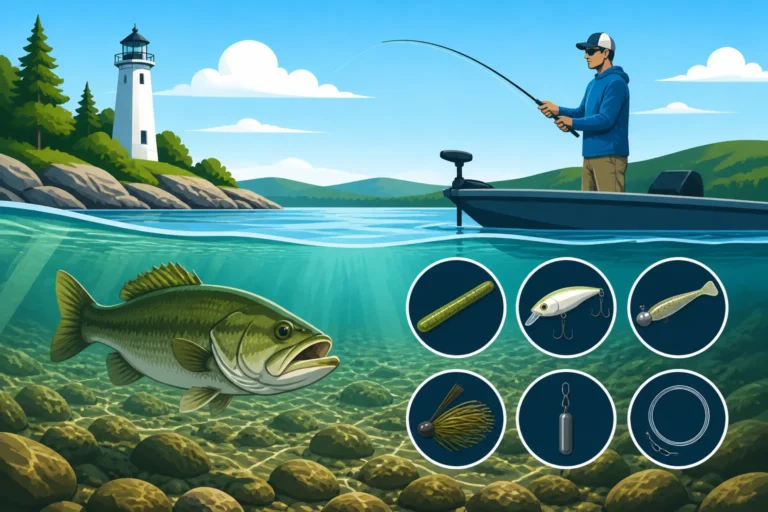
Think slow, slower, and then slower still. Finesse techniques become paramount. For bass, this might mean a tiny jig fished painstakingly slowly on the bottom, a Ned rig barely crawling, or a dropshot rig suspended almost motionless in front of their faces. For trout, smaller nymphs or carefully drifted natural baits like worms or salmon eggs are often more effective than flashy spinners. Don't be afraid to let your bait sit for an unusually long time. Sometimes, that prolonged presence is what finally coaxes a reluctant strike. When considering How to Catch Largemouth Bass in Connecticut, remember that this strategy is even more crucial after a cold front. A selection of tiny jigs or dropshot weights can be found on Amazon to help you adapt quickly.
Targeting Deeper Water and Heavy Cover
As discussed, higher barometric pressure and increased light penetration often drive fish deeper or into the densest available cover. If you were catching fish in shallow flats or open water before the front, it's time to explore new depths.
On lakes and ponds, look for drop-offs, submerged humps, old creek channels, or any significant change in bottom contour that offers deeper water. Fish will often stack up on the edges of these structures. For river anglers, focus on deep pools, eddies with slower current, or areas with thick woody debris or rock piles that provide shelter and shade. Don't forget that even in saltwater, species like striped bass might move to deeper channels or hug structure more tightly. Learning to read your electronics to find these subtle depth changes is invaluable. If you're targeting Smallmouth Bass Fishing in Connecticut in rivers, these deep pockets and current breaks are prime spots.
Color and Bait Choices
With clearer post-front skies, natural and subtle bait colors often outperform bright, flashy ones. Think muted greens, browns, and black for freshwater species, mimicking common forage like crayfish or leeches. In saltwater, natural baitfish colors or shades of white and pearl can be effective.
Sometimes, the best bait isn't a lure at all. Live bait, presented naturally, can be irresistible to finicky fish. A shiner or worm under a bobber, or a piece of clam on the bottom, requires almost no effort from the fish to consume, making it a perfect choice for post-front conditions. Carrying a diverse selection of baits and lures, easily stocked from Amazon, ensures you have options for these tricky conditions.
Longer-Term Recovery and Fishing Adjustments
While the immediate aftermath of a cold front can be challenging, fish do eventually adjust. The key is understanding this recovery period and making slightly different adjustments as the days pass.
The Gradual Warm-Up and Increased Activity
After a few days of stable, if cooler, weather, the water temperatures will stabilize, and fish will slowly start to become more active. The initial shock of the barometric pressure change will lessen, and their metabolism will begin to ramp up slightly. This doesn't mean a return to pre-front frenzies, but it does mean fish might be willing to move a bit more for a meal.
During this recovery phase, you can gradually start to introduce slightly more active presentations. While still favoring slow and deliberate, you might find success with a slowly retrieved crankbait or a jig hopped along the bottom with a bit more animation. This is also when fish might start to venture out of the deepest cover, perhaps moving to secondary points or deeper edges of weed lines to forage. Keep an eye on the Connecticut Fishing Seasons by Month to align your expectations for general activity levels.
The Power of the Sun and Afternoon Bites
On those clear, high-pressure days following a cold front, the sun can become your best friend, especially in the afternoon. As the sun beats down, it will slowly warm the shallowest areas of the water, even if only by a degree or two. This subtle warming can be enough to trigger a brief feeding window for fish.
Look for areas that receive prolonged sun exposure throughout the day, such as north-facing banks or shallow, dark-bottomed coves. These areas will warm faster and hold heat longer, attracting baitfish and, subsequently, the predators. Often, the late afternoon, once the water has had a chance to absorb some solar energy, will provide the best bite of the day. This can be especially true for species like trout in smaller streams. For Trout Fishing in Connecticut, focusing on sunny afternoons in certain areas can be a game-changer.
Species-Specific Considerations After a Cold Front
While general principles apply, different fish species react to cold fronts in slightly unique ways. Tailoring your approach to your target species can significantly improve your chances of success.
Freshwater Bass: Largemouth and Smallmouth
Both largemouth and smallmouth bass tend to become very lethargic and shy after a cold front. Largemouth will often bury themselves deep into thick cover like brush piles, submerged timber, or dense weed beds. Smallmouth, especially in rivers, will retreat to the deepest pools, large rock formations, or current seams with minimal flow.
For largemouth, target these heavy cover areas directly with Texas-rigged worms, jigs, or creature baits presented very slowly and methodically. Punching through vegetation with a heavy weight can be effective. For smallmouth, dropshot rigs, Ned rigs, or small tube jigs worked along the bottom of deep pools are excellent choices. Consider using scents on your lures to entice strikes from these finicky fish. Remember that Best Baits for Smallmouth Bass on the Housatonic might need to be downsized and slowed down significantly post-front.
| Condition | Largemouth Bass Behavior | Smallmouth Bass Behavior | Recommended Lures/Techniques |
|---|---|---|---|
| Pre-Front | Active, shallow, chasing | Active, schooling, aggressive | Spinnerbaits, crankbaits, topwater |
| Post-Front | Hunker in thick cover, deeper | Retreat to deep pools, structure | Jigs, Ned Rigs, Dropshot, Texas Rig, Live Bait |
| Recovery | Slowly emerge, deeper edges | Slowly move to secondary structure | Slowly retrieved crankbaits, jigs with more action |
Trout: Brooks, Browns, and Rainbows
Connecticut's trout are also highly sensitive to cold fronts, especially the stocked varieties. In streams, they'll often move out of fast-moving riffles and into slower, deeper pools, under cut banks, or behind large rocks where they can conserve energy. On lakes and ponds, they'll typically move deeper into the water column.
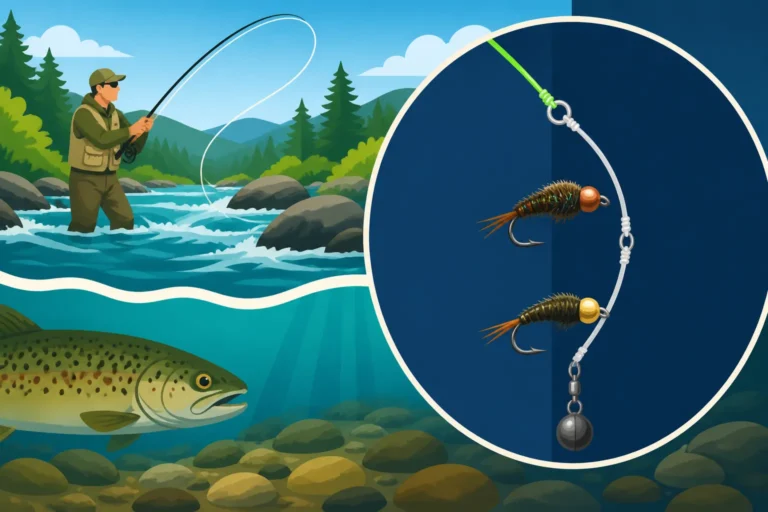
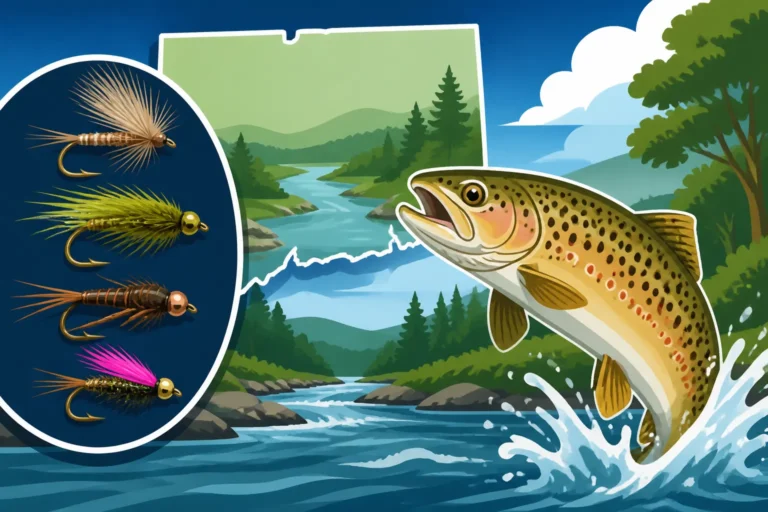
Your best bet for trout after a cold front is often natural bait. Worms, mealworms, or PowerBait drifted naturally in deep pools are very effective. For fly anglers, deep nymphing rigs with small, subtle patterns like tiny midges, pheasant tails, or sowbugs are key. Focus on areas with very little current. You might need to add split shot to get your flies or bait down to where the fish are holding tight to the bottom. Exploring Connecticut Trout Season and Stocking Rules can help you anticipate where freshly stocked fish might be hiding.
Saltwater Species: Striped Bass, Fluke, and Blackfish
Saltwater fish, while perhaps slightly less impacted than freshwater species by rapid pressure changes due to their larger water bodies, still react to cold fronts. Striped bass, for example, can become very finicky. They might move to deeper channels, structure, or suspend lower in the water column.
For striped bass, live lining baitfish like bunker or eels, if available, can be incredibly effective when they're not chasing lures. If using artificials, slow-jigging soft plastics or bucktails near the bottom in known rips or channels can entice a strike. Trolling deep with umbrella rigs or tubes at reduced speeds can also work. When planning your Striped Bass Fishing in Long Island Sound trip after a front, adjust your expectations for a slower bite.
Fluke (summer flounder) might move into slightly deeper channels or holes, or bury themselves more completely into the sand. Slow drifting with Gulp! Swimming Mullet or natural baits like squid strips or spearing on a fluke rig will be your best bet. Keep your bait moving very slowly and close to the bottom.
Blackfish (tautog) are bottom dwellers and might not be as dramatically affected by barometric pressure, but cooler water can still make them less active. They'll remain around their rocky haunts and wrecks, but you might need to leave your green crabs or hermit crabs down longer and be extra patient for a bite. A good, sensitive rod and reel combination, readily available on Amazon, is crucial for detecting those subtle post-front blackfish bites.
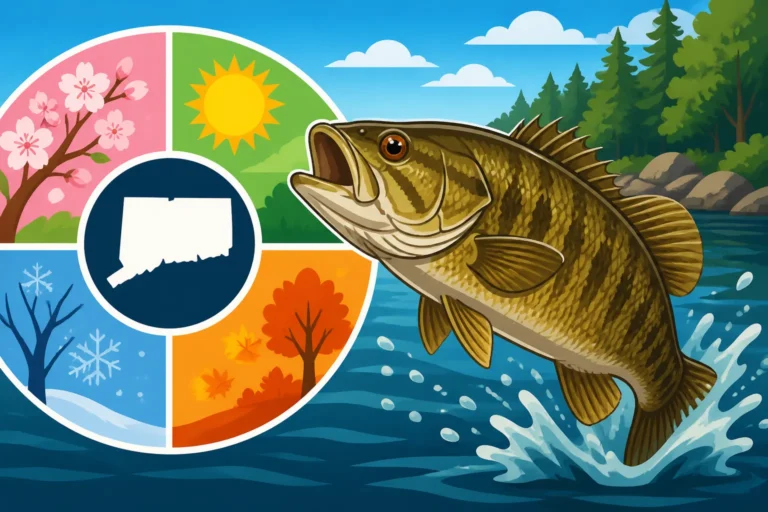
Navigating the waters after a cold front in Connecticut can test an angler's patience and skill, but by understanding the changes happening beneath the surface and adapting your strategies accordingly, you can still find rewarding success. Remember to slow down, go deep, and match your presentation to the fish's subdued mood. Keep a close eye on the Best Time of Year to Fish in Connecticut to understand seasonal patterns, but always be ready to adjust for these sudden weather shifts.
Disclaimer
This article is for general informational purposes only and does not constitute professional advice. Laws, prices and regulations vary by location and change over time. Consult a qualified professional for guidance on your specific situation.