Best shore fishing near Bridgeport Connecticut
It’s a common frustration for many anglers: you love the idea of casting a line, feeling the salty air, and the thrill of a fight, but you don't own a boat. Trying to figure out where to find reliable shore fishing spots, especially near a bustling city like Bridgeport, Connecticut, can feel overwhelming. You want to get out there and enjoy the incredible fishery of Long Island Sound without the hassle of a boat, and this guide is here to cut through the confusion and show you exactly where and how to do it effectively.
Unlocking Prime Shore Fishing Areas Around Bridgeport
Bridgeport, with its extensive coastline along Long Island Sound and various tidal creeks and rivers feeding into it, offers a surprising array of shore fishing opportunities. But it's not always obvious where the best spots are, or what kind of fish you can realistically expect to catch without a vessel. Understanding the local geography and the habits of the fish here is your first step to success.
The Influence of Long Island Sound and Estuaries
Bridgeport's unique position means anglers have access to both the open waters of Long Island Sound and the more sheltered, nutrient-rich estuaries that feed into it. This creates a diverse environment for various fish species. The Sound itself is a massive tidal estuary, constantly flushing with saltwater and bringing in migratory species like striped bass, bluefish, and fluke. Closer to shore, the confluence of freshwater from rivers like the Pequonnock and Ash Creek creates brackish zones that attract different species, including smaller stripers, white perch, and even occasional carp or catfish.
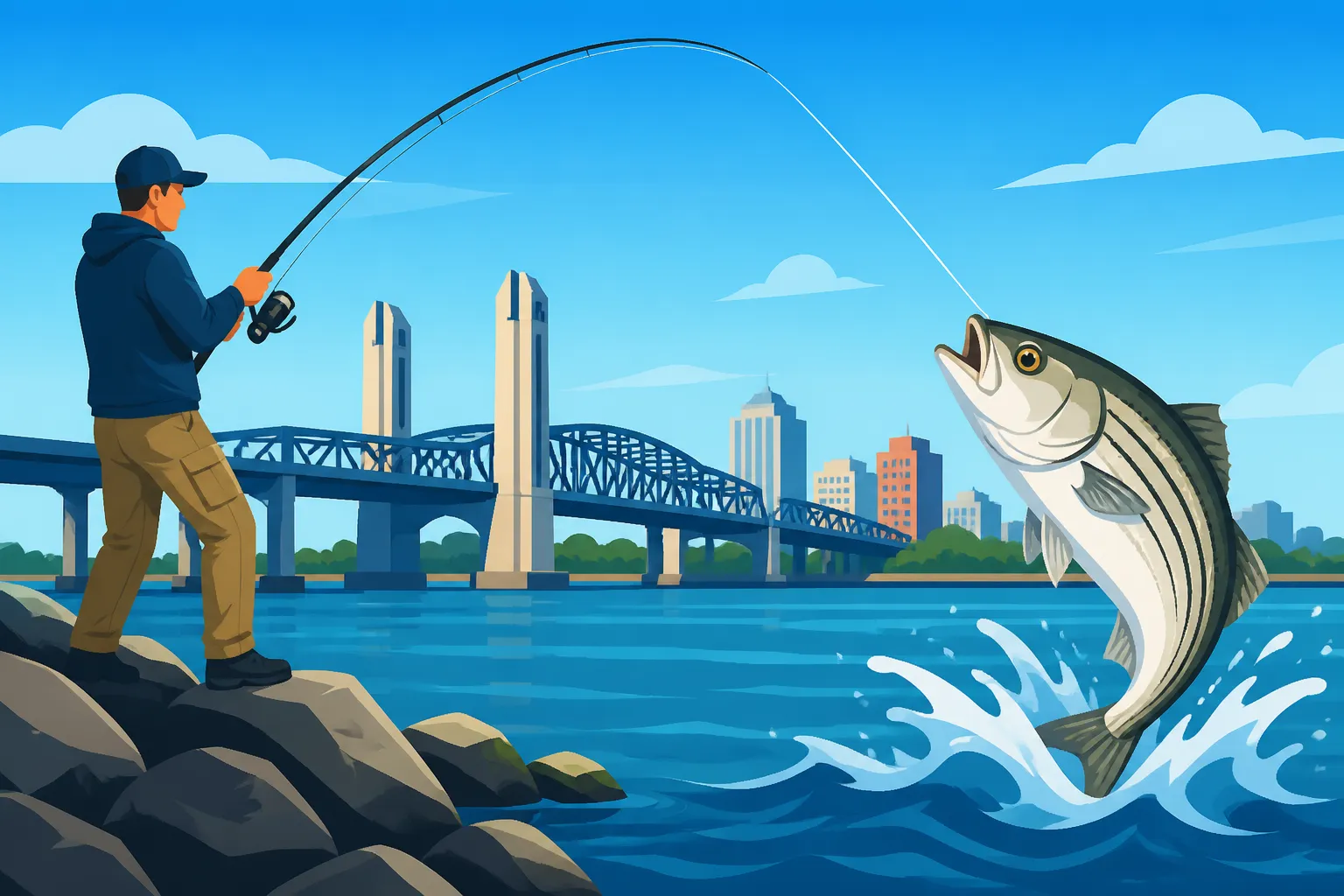
When you're looking for a good spot, consider the structure. Piers, jetties, rock walls, and even bridge abutments provide cover for baitfish and ambush points for predatory species. These man-made structures often extend into deeper water, giving shore anglers access to areas typically reserved for boaters. Look for areas where currents create eddies or where different types of bottom (rocky, sandy, muddy) meet. For instance, the transition zones between a sandy beach and a rocky outcrop are often magnets for flounder and tautog, while active currents around a jetty are prime spots for migratory stripers.
Key Species to Target from the Bridgeport Shore
Knowing what fish are likely to be around will help you tailor your gear and techniques. Near Bridgeport, you're primarily looking at these exciting saltwater species:
- Striped Bass (Stripers): Without a doubt, the most sought-after species. They migrate into Long Island Sound in spring and stay through fall. You'll find schoolie stripers (smaller ones) readily available, but larger fish are also caught from shore, especially at dawn, dusk, or during the night. They love structure and current.
- Bluefish: Known for their aggressive strikes and powerful fights, bluefish are abundant in the Sound during summer and fall. They often run in schools and can quickly strip a bait or destroy a lure.
- Fluke (Summer Flounder): These delicious flatfish prefer sandy or muddy bottoms and ambush baitfish as they drift by. They can be caught from piers, jetties, and even sandy beaches, especially near drop-offs or channels.
- Scup (Porgy): A schooling fish that's fantastic for family fishing, scup are abundant and readily take bait. They are often found around rocky areas and structure.
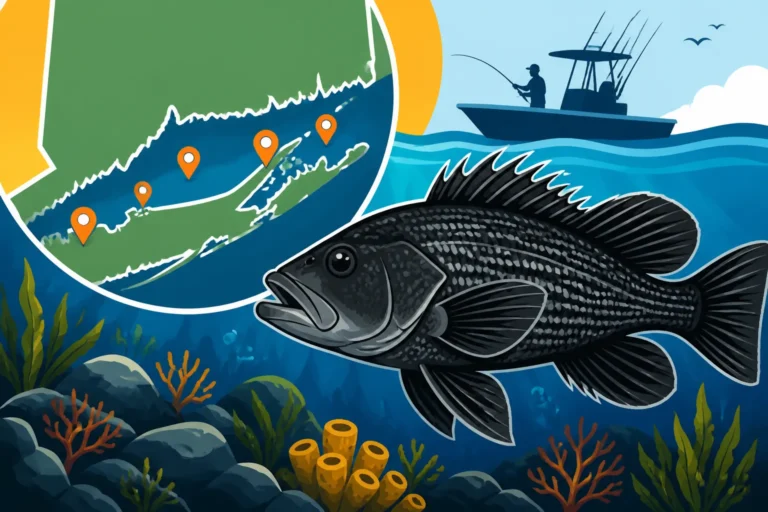
- Black Sea Bass: While often associated with deeper water and boats, black sea bass can be caught from shore, particularly around substantial rock piles, reefs, or artificial structures that extend into deeper water. They love to hide and ambush. For specific size and bag limits, always check the Connecticut Black Sea Bass Regulations for 2026.
- Other Species: Don't be surprised to encounter weakfish, winter flounder, and even various panfish in the calmer, estuarine areas.
Reading the Tides and Currents: Your Secret Weapon
For saltwater shore fishing in Connecticut, tides aren't just a suggestion – they're the absolute rulebook. Understanding the tidal swings and currents around Bridgeport will dramatically increase your success. Fish are often most active during periods of moving water (incoming or outgoing tides) as this brings baitfish closer to shore and makes it easier for predators to ambush. Slack tide, while sometimes productive, generally sees less activity.
- Incoming Tide: As the water rises, it pushes baitfish closer to shore and floods structure, providing new feeding opportunities for fish. This is often a prime time for stripers and bluefish to move in.
- Outgoing Tide: As the water recedes, it can funnel baitfish through choke points, making them easy targets for predatory fish. Estuaries and river mouths can be particularly good on an outgoing tide.
- Peak Currents: The strongest currents usually occur midway through the tidal cycle. These are often the most productive times for aggressive species.
Always check a local tide chart for the Bridgeport area before you head out. Websites and apps like FishingBooker often provide detailed tide information, alongside local charter availability for those days when you might want to venture further out. Learning to combine tide knowledge with your chosen location and target species is truly a game-changer for shore anglers.
Top Shore Fishing Locations Near Bridgeport
Now that we've covered the basics, let's dive into some specific, tried-and-true shore fishing spots near Bridgeport that offer excellent opportunities for the land-based angler. Each spot has its own unique characteristics, so exploring them all will give you a well-rounded experience.
St. Mary's by the Sea and Fayerweather Island
Located in the Black Rock section of Bridgeport, St. Mary's by the Sea is a beloved local gem offering picturesque views and fantastic fishing. The rocky shoreline here provides ample structure for striped bass, bluefish, and even some bottom fish. The real draw, however, is the access to Fayerweather Island and its historic lighthouse.
During low tide, a natural land bridge emerges, allowing you to walk out to the island. This gives you access to deeper water and strong currents that flow around the island's points. Anglers here often cast bucktails, soft plastics on jig heads, or various swimming plugs to target stripers and blues. The rocks can be slippery, so sturdy footwear with good grip is absolutely essential. Always be mindful of the tide when walking out to Fayerweather Island; you don't want to get stranded as the water rises! This spot truly shines during the spring and fall migrations when the larger predatory fish are moving through the Sound.
Seaside Park and Long Beach Park
These two parks offer extensive sandy beaches, providing great opportunities for classic surfcasting. While perhaps not as dramatic as the rocky points, the wide-open expanse of these beaches allows for long casts into the surf.
- Seaside Park: This historic park boasts a miles-long coastline. While much of it is relatively shallow, you can find success targeting schoolie striped bass and bluefish, especially during low light conditions or when baitfish are pushed close to shore. During the summer, fluke can be caught near the deeper channels or troughs that form just beyond the breaking waves. Using bait like sandworms or squid on a hi-lo rig, or casting small metal lures, can be very effective here. The accessibility and ample parking make it a great option for a casual outing.
- Long Beach Park (Stratford): Just east of Bridgeport, Long Beach Park in Stratford offers a similar environment. Its long, sandy stretch is perfect for soaking bait or throwing lures. You might also encounter species like weakfish in these areas, especially as the water warms. Both Seaside and Long Beach are excellent places to try for How to Catch Fluke in Long Island Sound using a spread of Gulp! soft plastics or a traditional fluke rig with a strip of squid.
Pleasure Beach Fishing Pier
Pleasure Beach, an island peninsula in Bridgeport, was once only accessible by boat, but a water taxi service now operates during warmer months, typically from Memorial Day to Labor Day, making its fishing pier a prime, accessible spot. The pier extends into the channel, providing access to deeper, faster-moving water and structure that shore anglers typically can't reach.
This pier is a fantastic place to target a variety of species. Striped bass and bluefish patrol the channel, especially around dawn and dusk. You can also expect to find scup (porgy) in abundance, which are great fun on light tackle and make for excellent eating. Fluke are often caught drifting jigs or bait off the pier bottom. The pier environment allows you to fish vertically or cast out into the channel, offering versatility. Remember to check the water taxi schedule and operating season before you plan your trip. It's a unique and highly productive spot worth the effort to get to.
Yellow Mill Pond and the Pequonnock River Estuary
For a slightly different experience, head to the brackish waters of Yellow Mill Pond and the lower Pequonnock River. These areas are heavily influenced by the tide but offer calmer conditions than the open Sound. You'll find a mix of freshwater and saltwater species here.
The Pequonnock River, especially below the Congress Street bridge, is a tidal estuary where smaller striped bass often hold over or venture in search of food. You might also hook into white perch, a feisty panfish, or even carp. Fishing with small soft plastics, spinnerbaits, or bait like worms or small pieces of clam can be effective. This spot is great for light tackle enthusiasts and offers a different challenge. Several access points exist along the river in Bridgeport, many within local parks or public areas. When looking up local fishing spots, don't forget to check resources like FishingBooker, which can sometimes highlight popular shore locations or local fishing guides who know these areas intimately.
Essential Gear and Techniques for Bridgeport Shore Angling
Having the right tackle and knowing how to use it effectively is paramount for successful shore fishing. Bridgeport’s diverse shoreline calls for a versatile approach, blending power with finesse depending on your target and location.
Recommended Rods, Reels, and Line
For general shore fishing around Bridgeport, you’ll want a setup that can handle decent-sized fish and cast lures a good distance.
- Rods: A medium-heavy to heavy action spinning rod, typically 8 to 10 feet long, is an excellent all-around choice. This length provides the necessary casting distance for covering more water from the beach or pier, while still offering enough backbone to fight strong saltwater fish. If you're targeting bigger striped bass or bluefish, an 11 or 12-foot surf rod might be beneficial, especially for fishing in rougher surf conditions. For calmer estuary fishing, a 7-foot medium-action rod can be perfect for light tackle.
- Reels: Pair your rod with a sturdy spinning reel in the 4000 to 6000 series size. Look for reels designed for saltwater use, with good drag systems and corrosion resistance. Brands like Shimano, Penn, and Daiwa offer excellent options that can withstand the harsh marine environment.
- Line: Spool your reel with 30 to 50 lb braided line. Braid offers superior casting distance, sensitivity, and strength compared to monofilament. You'll then tie on a fluorocarbon leader, typically 20 to 40 lb test, using a strong knot like an FG knot or an Albright knot. The leader provides abrasion resistance against rocks and sharp teeth, and its low visibility can be crucial in clear water. For striped bass, especially the larger ones, a longer leader (3-5 feet) can sometimes be the difference between a bite and a swing and a miss. Remember to check specific rules as part of your Connecticut Fishing Regulations Explained before heading out.
Baits and Lures That Work Best
The food chain in Long Island Sound is vibrant, and fish can be picky. Carrying a selection of both natural baits and artificial lures will prepare you for any situation.
- Natural Baits:
- Clams: Fresh clams, especially surf clams or hard clams, are irresistible to many bottom feeders like scup and flounder, and even stripers will take them. Fish them on a bottom rig with an egg sinker or fishfinder rig.
- Sandworms/Bloodworms: These are fantastic for a wide range of species, including stripers, fluke, and scup. They are particularly effective in the spring.
- Chunk Bunker (Menhaden): For striped bass and bluefish, fresh chunked bunker is hard to beat. Fish it on a fishfinder rig or a simple snelled hook setup. The oily scent is a major attractant.
- Squid: Versatile and readily available, squid strips or whole small squid work wonders for fluke, scup, and even smaller bluefish.
- Artificial Lures:
- Swimming Plugs (e.g., SP Minnow, Bombers): These slender, baitfish-imitating lures are deadly for striped bass and bluefish, especially when retrieved at a steady pace in current.
- Poppers: For exciting topwater action, especially at dawn or dusk, poppers are unmatched for attracting aggressive stripers and bluefish. The violent strikes are unforgettable.
- Soft Plastics (e.g., Fin-S Fish, Slug-Gos, Gulp!): Rigged on jig heads, soft plastics imitate a variety of baitfish and can be bounced along the bottom for fluke or retrieved through the water column for stripers and blues. Gulp! baits are particularly effective for fluke due to their scent.
- Bucktails: A classic for a reason, bucktail jigs tipped with a strip of pork rind or a soft plastic trailer are incredibly versatile. They can be jigged along the bottom for fluke or retrieved higher for stripers. For How to Catch Striped Bass in Long Island Sound, a white or chartreuse bucktail can be incredibly effective.
- Metal Lures (e.g., Kastmasters, Avas): Great for casting long distances and imitating fleeing baitfish, these are excellent for bluefish and actively feeding stripers.
Effective Shore Fishing Strategies
Beyond just casting, employing smart strategies will make a difference.
- Fan Casting: Instead of casting to the same spot repeatedly, fan cast, meaning you make a series of casts covering different angles of the water in front of you. This helps you locate where fish might be holding.
- Vary Your Retrieve: Don't just reel in at one speed. Experiment with fast retrieves, slow retrieves, pauses, and twitches. Sometimes a subtle change in action is all it takes to trigger a strike.
- Target Structure: Always look for natural or man-made structures—rocks, jetties, bridge pilings, submerged trees—as these are prime hiding and feeding spots. Cast as close as you can to them without getting snagged.
- Work the Current: As mentioned, current is key. Cast upstream or upcurrent and let your bait or lure drift naturally with the flow, mimicking a struggling baitfish.
- Night Fishing: For trophy striped bass, night fishing is often the most productive. These nocturnal predators become bolder under the cover of darkness. Use dark-colored lures or eels, and always prioritize safety with a headlamp and a buddy.
| Species | Best Time of Year | Common Baits/Lures | Typical Shore Locations |
|---|---|---|---|
| Striped Bass | Spring (May-June), Fall (Sept-Nov) | Chunk Bunker, Sandworms, SP Minnows, Soft Plastics, Poppers | Piers, jetties, rocky points, surf |
| Bluefish | Summer (July-Aug), Early Fall | Chunk Bunker, Metal Lures (Kastmasters), Poppers | Piers, jetties, surf |
| Fluke | Summer (June-Sept) | Squid Strips, Gulp! Grubs, Bucktails | Sandy bottoms near channels, piers, jetties |
| Scup (Porgy) | Summer (July-Oct) | Clams, Small Squid Strips, Worms | Rocky areas, piers, jetties |
| Black Sea Bass | Summer (June-Sept), Early Fall | Small Squid, Clams, Jigging Spoons | Near deep rock piles or artificial reefs |
Navigating Regulations and Responsible Angling Practices
Connecticut is passionate about its fisheries, and protecting them requires everyone to do their part. Understanding and adhering to regulations is not just about avoiding fines; it’s about ensuring healthy fish populations for generations to come.
Understanding Connecticut's Saltwater Regulations
Before you even make your first cast, make sure you're up to date on all the rules. The Connecticut Department of Energy and Environmental Protection (DEEP) sets the regulations, and they can change annually.
- Fishing Licenses: For residents, a marine fishing license is not required when fishing in saltwater from shore, docks, or bridges. However, if you venture into inland waters or want to fish freshwater, a license is required. If you're a non-resident, or if you plan to fish from a boat, different rules apply. It's always a good idea to consult the Connecticut Fishing License Guide for 2026 for clarity on your specific situation.
- Size and Bag Limits: This is where it gets critical. Each species has specific minimum and maximum size limits (slot limits), as well as daily possession limits. For instance, Connecticut Striped Bass Slot Limit and Season dictates a slot limit, meaning you can only keep fish within a certain size range, and a daily bag limit. Similarly, species like fluke and black sea bass have their own rules. Consult the Connecticut Saltwater Fishing Regulations by Species for the most current information before every trip. Ignorance of the law is never an excuse, and fines can be steep.
- Gear Restrictions: Certain gear might be prohibited or required for specific species. For example, Connecticut Circle Hook Requirement for Striped Bass is now in effect when fishing for striped bass with bait, to minimize gut-hooking and increase survival rates for released fish.
- Season Dates: While many saltwater species are open year-round, others, like tautog (blackfish) or some flounder species, have specific open and closed seasons. Check the Connecticut Fishing Season Dates and Closures to ensure your target species is in season.
Always carry a copy of the current Connecticut Angler's Guide (available online through the DEEP website or at tackle shops) or have a reliable app on your phone. FishingBooker, for example, often integrates local regulations to help anglers stay compliant.
Respecting the Environment and Fellow Anglers
Responsible angling goes beyond regulations; it's about stewardship and courtesy.
- Leave No Trace: Whatever you bring in, take out. This includes fishing line, bait containers, food wrappers, and anything else. Monofilament fishing line, in particular, is an environmental hazard to wildlife. Many shore fishing spots near Bridgeport are public parks; let's keep them pristine.
- Proper Fish Handling: If you plan to release a fish, handle it with care. Minimize its time out of the water, use wet hands when touching it, and consider using a de-hooking tool to quickly remove hooks. For striped bass, especially, proper catch and release techniques are vital for their conservation.
- Share the Space: Popular spots like St. Mary's by the Sea can get crowded, especially on nice weekends. Be mindful of other anglers, respect their space, and avoid casting over their lines. A friendly "hello" and a smile go a long way.
- Don't Waste Fish: Only keep what you intend to eat and what is within legal limits. Take only what you need, and cherish what you catch.
Safety Considerations for Shore Anglers
Safety is paramount, especially when fishing near open water, busy channels, or rocky shorelines.
- Check Weather and Tides: Always consult the marine weather forecast and tide charts before heading out. A sudden storm or rapidly rising tide can turn a pleasant outing into a dangerous situation.
- Wear Appropriate Footwear: When fishing rocky areas or jetties, wear sturdy, non-slip footwear. Wading boots or cleated shoes are ideal to prevent slips and falls on wet, algae-covered rocks.
- Bring Essential Gear: Always carry a first-aid kit, plenty of water, sunscreen, insect repellent, and a fully charged cell phone. A headlamp or flashlight is non-negotiable for low-light or night fishing.
- Inform Someone: Let a friend or family member know where you're going and when you expect to return. This is especially important if you're fishing alone or in a remote area.
- Be Aware of Your Surroundings: Watch for boat traffic, especially when casting near channels or busy harbors. Be cautious of slippery surfaces, steep drop-offs, and unstable ground. Never turn your back on the ocean, as rogue waves can sometimes occur.
By embracing these regulations and best practices, you'll not only enhance your own fishing experience but also contribute to a healthier, more enjoyable environment for everyone who cherishes Connecticut's beautiful waters.
Disclaimer
Fishing regulations, conditions, and access points can change. While this guide aims to provide the most current and accurate information, it is always the angler's responsibility to verify all regulations with the Connecticut Department of Energy and Environmental Protection (DEEP) before fishing. Always prioritize safety and respect the environment.