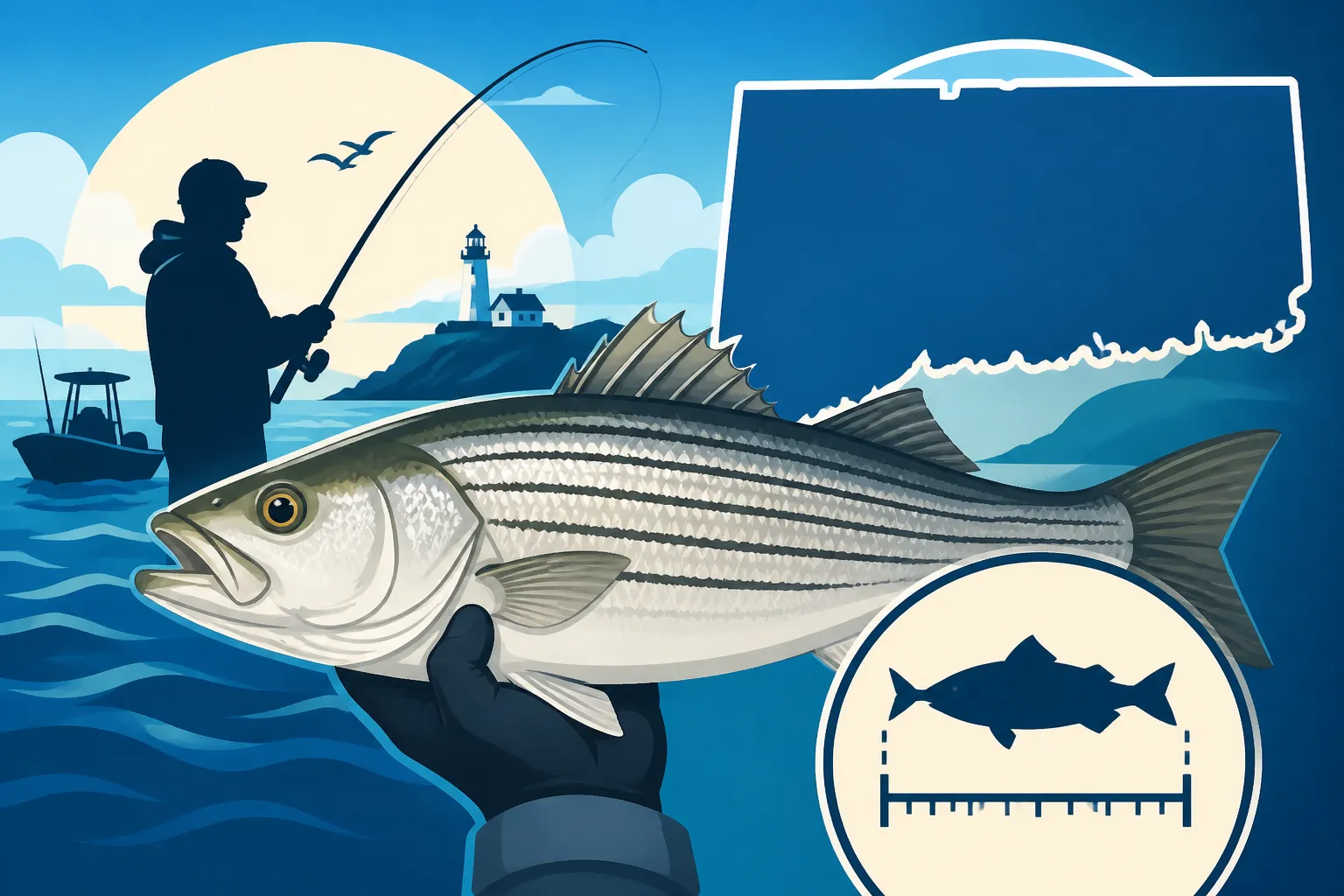
Connecticut striped bass minimum size limit
It's incredibly frustrating to head out for a day of fishing, excited to hook into a beautiful striped bass, only to realize later you weren't entirely clear on the regulations. The rules around minimum size limits are there for a good reason – to protect our fish stocks – but they can feel like a minefield if you're not absolutely confident. This guide is here to untangle the specifics of Connecticut's striped bass minimum size limit, ensuring you're fishing legally and responsibly every time you cast your line.
Understanding the Connecticut Striped Bass Minimum Size Limit
Connecticut anglers often look forward to targeting striped bass, a truly iconic species in Long Island Sound and its connecting rivers. But with the joy of the catch comes the responsibility of understanding and adhering to the regulations designed to keep these populations healthy. Getting the size limit wrong isn't just a minor infraction; it can lead to hefty fines and, more importantly, undermine the conservation efforts we all benefit from.
The Current Regulation Explained
As of the current fishing season, anglers in Connecticut must adhere to a very specific size range for keeping striped bass. The rule states that any striped bass you keep must be 28 inches total length to less than 31 inches total length. This isn't just a minimum, but actually a slot limit. While the core of your query is about the minimum, it’s crucial to understand it within this slot. What does this mean in plain language? It means any striped bass you catch that is under 28 inches must be immediately released unharmed. Likewise, any fish that is 31 inches or longer must also be released. You can only keep fish that fall precisely within that 28 to just under 31-inch window.
The "total length" measurement is key here. It means measuring from the tip of the snout to the furthest tip of the tail, with the tail pinched together. We'll dive into the specifics of accurate measurement in a bit, but for now, just know that precision is paramount. This slot limit is a vital tool for conservation, allowing younger, immature fish to grow and older, larger, more prolific spawners to continue contributing to the population. If you're ever in doubt, the best policy is always to release the fish. For a comprehensive overview of all the rules, be sure to check out our full guide on Connecticut Fishing Regulations Explained.
Why Size Limits Matter for Striped Bass Conservation
You might wonder why such specific numbers are chosen. It's not arbitrary; these limits are carefully set based on scientific data about the striped bass life cycle, growth rates, and reproductive maturity. Striped bass, particularly the larger females, are incredibly important for the species' sustainability because they produce exponentially more eggs than smaller females.
When we talk about a 28-inch minimum size, we're essentially giving most striped bass a chance to reach sexual maturity and spawn at least once, if not several times, before they become eligible for harvest. The "less than 31 inches" upper limit in the slot is designed to protect those large, trophy-sized fish that are the most valuable breeders in the population. These big females are often referred to as "brood stock" because they contribute so significantly to future generations of striped bass. By protecting both the juvenile fish and the largest, most productive adults, slot limits aim to create a balanced population structure, ensuring there are plenty of fish across all age classes. This approach helps to build a more resilient fishery that can withstand environmental pressures and continue to provide exciting angling opportunities for years to come. It’s a collective effort, and every angler plays a part in this long-term strategy for Striped Bass Fishing in Long Island Sound.
How to Accurately Measure Your Striped Bass
Let's be honest, in the heat of the moment, with a beautiful striper flopping at your feet, it's easy to rush a measurement or get it wrong. But an accurate measurement is non-negotiable for adhering to the size limit and avoiding potential penalties. It's also about doing right by the fish, ensuring quick handling and release for those that need to go back.
Essential Measuring Tools and Techniques
The cornerstone of accurate fish measurement is having the right tool. Forget that flimsy tape measure that's seen better days in your tackle box. For saltwater species like striped bass, a dedicated bump board or a rigid, waterproof tape measure is your best friend. Bump boards are fantastic because they have a fixed end that the fish's snout can be butted up against, eliminating error at one end of the measurement. You can find excellent, durable bump boards and measuring tapes on Amazon, often specifically designed for saltwater fishing and marked with clear, easy-to-read increments.
Here’s how to measure correctly:
- Prepare for the Measure: Before you even land the fish, have your measuring device ready and ideally wet it down. This prevents the fish from losing its protective slime coat, which is crucial for its health upon release.
- Handle with Care: Support the fish horizontally, ideally with wet hands or a wet towel, especially if you're measuring on a boat deck. Avoid holding it vertically by the jaw or gills, as this can cause internal damage.
- Position the Fish: Lay the fish flat on its side, belly down, against your measuring device. Gently press its snout against the fixed end of the bump board or the zero mark of your tape.
- Pinch the Tail: This is where many anglers go wrong. "Total length" requires you to gently pinch the tail lobes together, extending them as far as they can go. Read the measurement at the furthest point of the pinched tail. Don't just measure to the fork of the tail or let the tail splay naturally, as this will give you an inaccurate, shorter reading.
- Read and Release (or Retain): Quickly read the measurement. If it falls within the 28 to less than 31-inch slot, and you've decided to keep it, you're good. If it's outside that range, or if you plan to release it anyway, get it back in the water as swiftly and gently as possible.
Common Measuring Mistakes to Avoid
Even experienced anglers can make mistakes, especially when the fishing is hot and heavy. Being aware of these common pitfalls can save you a headache (and a potential fine) down the line.
- Not Pinching the Tail: As mentioned, this is probably the most frequent error. A striped bass's tail naturally forms a V-shape. If you don't pinch it, you'll underestimate the fish's length. Always remember to gently squeeze the tail lobes together to get the maximum length.
- Measuring on an Uneven Surface: Trying to measure a fish on a lumpy cooler lid or a rocking boat deck without a proper bump board can lead to an inaccurate reading. The fish needs to be as flat and straight as possible for an honest measurement.
- Rushing the Measurement: While speed is important for catch and release, rushing can lead to misreading the numbers or improper tail pinching. Take a breath, secure the fish gently, and get a clear read. If you're on a charter, your captain or mate will be a pro at this. To learn more about what to expect on a guided trip, check out our guide on What to Expect on a Connecticut Fishing Charter.
- Ignoring Fish Handling: Dropping the fish on the deck or holding it improperly not only stresses the fish but makes an accurate measurement more difficult. Always prioritize gentle handling. Keep the fish wet and supported. If you're fishing solo and struggle with a feisty fish, consider using a lip gripper or a large, soft-rubber landing net to momentarily secure the fish while you measure.
Releasing Undersized Striped Bass Responsibly
Catching an undersized striped bass, or even a legal one you intend to release, comes with a responsibility to ensure its best chance of survival. Simply tossing it back isn't always enough; proper catch and release techniques are vital for the health of our fisheries. Nobody wants to contribute to dead discards.
Best Practices for Catch and Release
When you hook into a striped bass that's either too small or too large for the slot limit, or if you're just practicing catch and release, your actions in those crucial moments can determine whether that fish survives to fight another day.
- Minimize Air Exposure: This is perhaps the single most important rule. Striped bass, like most fish, are designed to breathe water, not air. Keep the fish in the water as much as possible, even during hook removal and measurement. If you must lift it, do so quickly and only for a few seconds.
- Proper Handling: Always wet your hands before touching the fish. Dry hands can remove the fish's protective slime coat, making it vulnerable to disease. Support the fish horizontally, cradling its belly and tail. Avoid squeezing its midsection, which can damage internal organs. Absolutely do not touch its gills or poke its eyes.
- Use the Right Tools: A good pair of long-nosed pliers or a dedicated dehooking tool can be invaluable, especially when a fish has swallowed the hook a bit deeper. These tools allow for quick and precise hook removal with minimal trauma. Many excellent options are available on Amazon that fit easily into a tackle box or belt holster. If you're using bait, you're already ahead of the game with our next tip.
- Consider Circle Hooks: Connecticut regulations actually require circle hooks when fishing for striped bass with bait. Circle hooks are designed to hook in the corner of a fish's mouth, making them much less likely to be swallowed deep into the gut, significantly increasing the chances of a successful release. This is a game-changer for release survival rates and a mandatory part of Connecticut Striped Bass Circle Hook Requirement.
For more detailed tips on how to give released fish the best chance, make sure to read up on Striped bass catch and release survival tips.
Recognizing Signs of Stress and Ensuring Survival
Sometimes, despite our best efforts, a fish might be particularly stressed after a fight, especially in warmer water or if the fight was prolonged. Knowing how to recognize these signs and how to help can make all the difference.
- Signs of Stress: A stressed fish might appear listless, swim erratically, or float on its side. Bleeding from the gills or mouth is a more severe sign of trauma. If the fish feels limp in your hands, it's definitely struggling.
- Reviving a Struggling Fish: If a fish is lethargic, don't just toss it back. Gently hold the fish upright in the water, facing into a mild current. Move it gently back and forth to force water over its gills, simulating swimming and helping it oxygenate. This can take a few minutes. Wait until the fish firmly kicks its tail and tries to swim out of your grasp on its own.
- Getting it Back Quickly: Once revived, let the fish swim off on its own power. Avoid throwing or dropping it back into the water from a height. A gentle release allows it to reorient itself and find its way back to deeper, safer waters. Remember, the goal is for that fish to recover fully and continue its journey.
Broader Connecticut Striped Bass Regulations and Resources
While the minimum size limit is a critical piece of the puzzle, it's just one part of the comprehensive framework designed to manage the striped bass fishery in Connecticut. Being a responsible angler means understanding the full picture.
Beyond the Minimum Size: Daily Limits and Circle Hooks
It's easy to get fixated on the size, but there are other important rules for striped bass that work in tandem with the minimum size limit to protect the population.
- Daily Creel Limit: In addition to the size restriction, there's also a daily bag limit for striped bass. Currently, you are allowed to keep one fish per person per day. This means even if you catch five legal-sized striped bass, you can only keep one of them. This regulation helps distribute the harvest among more anglers and reduces the overall pressure on the stock. You can find more specific details on the Connecticut Striped Bass Daily Limit.
- Circle Hook Requirement: We've touched on this, but it bears repeating: when fishing for striped bass with bait, circle hooks are mandatory. This applies whether you're using live bait like eels or bunker, or cut bait. The design of a circle hook significantly reduces gut hooking, leading to higher survival rates for released fish. If you're new to circle hooks, it might take a little getting used to, as the hook set is different (more of a slow pull than a hard jerk), but they are incredibly effective and essential for conservation. Ensure you have a good supply of varying sizes for different bait presentations, which are readily available on Amazon or at your local tackle shop.
- Closed Seasons/Areas: While generally open year-round, always be aware of any potential seasonal closures or specific areas with different regulations. For instance, some rivers or estuaries might have temporary restrictions during spawning periods. Always consult the latest DEEP guide.
Where to Find Official Connecticut Fishing Regulations
Staying informed is your best defense against inadvertently breaking the rules. Regulations can and do change, sometimes annually, sometimes mid-season if emergency measures are needed.
- Connecticut DEEP Website: The official source for all fishing regulations in Connecticut is the Department of Energy and Environmental Protection (DEEP) website. They provide the most up-to-date information, including the current striped bass regulations. It's a treasure trove of information, though sometimes a bit dry to navigate.
- Annual Connecticut Angler's Guide: Each year, the CT DEEP publishes a comprehensive fishing guide, often available online as a PDF and in print at tackle shops and town halls. This guide is an invaluable resource, detailing all freshwater and saltwater regulations, stocking schedules, and special rules for specific water bodies. Make it a habit to grab the newest edition every year. We have a helpful article, Reading the Connecticut Fishing Guide, that can make this easier.
- Local Bait and Tackle Shops: These local businesses are often run by seasoned anglers who live and breathe fishing in Connecticut. They are excellent resources for clarifying regulations, getting local tips, and understanding any recent changes. Don't be shy about asking questions when you pick up your bait or tackle. They're usually more than happy to help you stay compliant and catch more fish.
- Boating Laws: If you're heading out on the water, remember that specific Connecticut Boating Laws for Anglers also apply, from life jacket requirements to safe boating certificates. Combining your fishing knowledge with boating safety makes for a complete and enjoyable experience.
Here's a quick summary of the current striped bass regulations for Connecticut:
| Regulation | Detail |
|---|---|
| Minimum Size Limit | 28 inches total length |
| Maximum Size Limit | Less than 31 inches total length |
| Slot Limit | 28 inches to less than 31 inches total length |
| Daily Creel Limit | 1 fish per person per day |
| Circle Hook Rule | Required when fishing with bait |
By keeping these guidelines in mind, you're not just avoiding fines; you're actively participating in the conservation of one of Connecticut's most beloved fish species. Happy fishing, and may your lines be tight with legal-sized stripers!
Disclaimer
The information provided in this guide is for general informational purposes only and is subject to change. While we strive to provide accurate and up-to-date information, fishing regulations can be complex and are frequently updated by the Connecticut Department of Energy and Environmental Protection (DEEP). It is always the angler's responsibility to consult the most current official Connecticut fishing regulations and statutes before engaging in any fishing activity.