Atlantic Menhaden as Forage Fish in Long Island Sound
It’s a common frustration for anglers in Connecticut to head out on the water, eager for a productive day, only to find the gamefish are scattered or simply not biting. Often, the missing piece of the puzzle isn't your tackle or technique, but a fundamental understanding of what drives the entire marine ecosystem you're fishing: the humble Atlantic Menhaden. This comprehensive guide will pull back the curtain on these unsung heroes, explaining their critical role in Long Island Sound and how knowing them better can transform your fishing success.
The Unsung Heroes of Long Island Sound: What are Atlantic Menhaden?
When you talk about the foundation of a thriving marine ecosystem in Connecticut, you absolutely have to talk about Atlantic Menhaden. These small, silvery fish might not be the glamour species that anglers chase, but their presence, or lack thereof, directly impacts everything from striped bass to osprey. They're often overlooked, yet they are the pulse of our coastal waters, especially within the bountiful Long Island Sound Fishing Guide. Understanding them is like getting a backstage pass to the ocean's intricate show.
Identifying the "Bunker" – A Crucial ID Guide
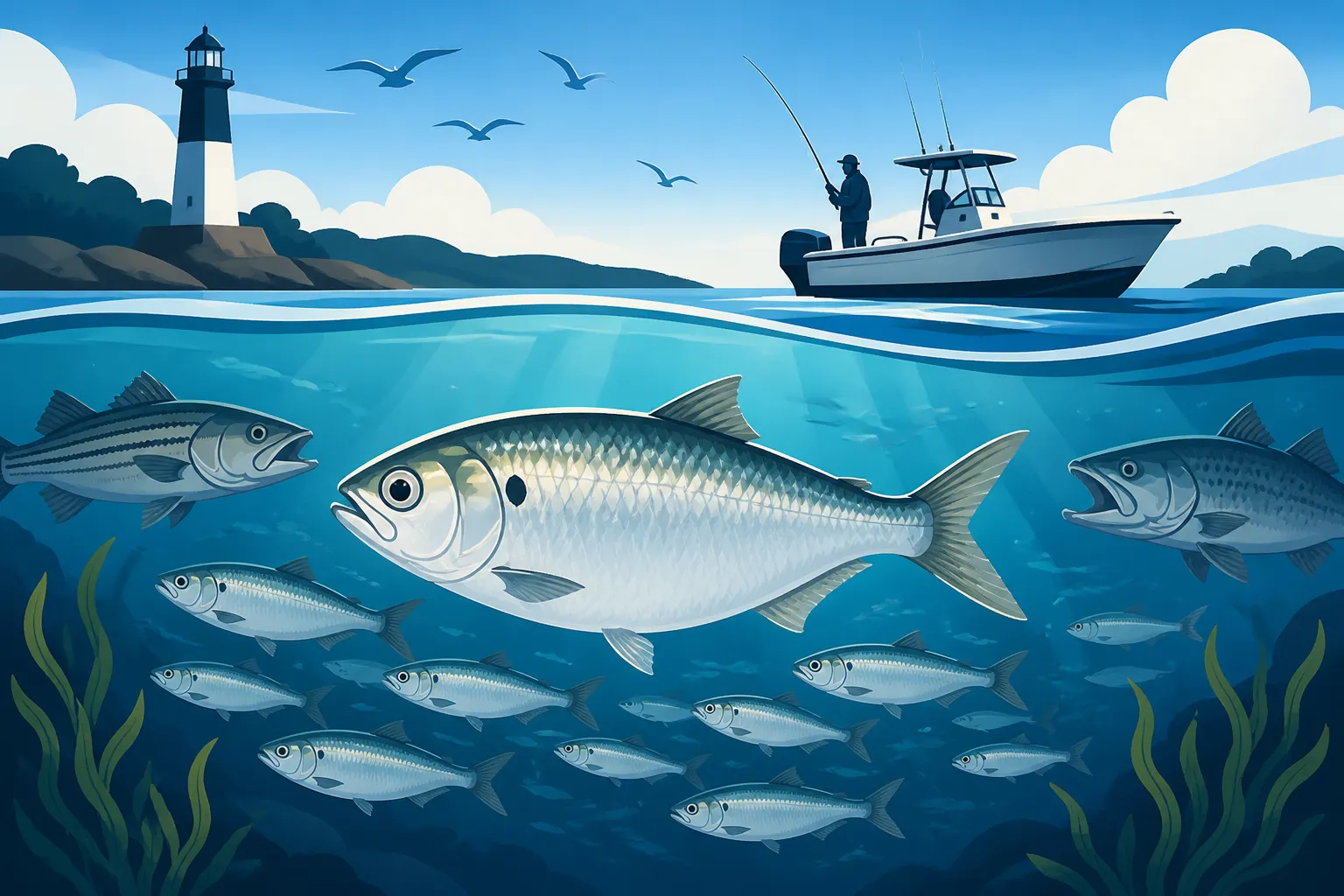
Atlantic Menhaden, often referred to locally as "bunker" or "pogies," are easily recognizable once you know what to look for. They are deep-bodied, compressed fish, almost disc-shaped from a side profile, with a large head and a deeply forked tail. Their scales are relatively large and can appear quite iridescent, shimmering silver-blue along their backs and silvery white on their bellies. A key identifying feature is a distinct dark spot located behind their gill plate, often followed by several fainter spots. They typically school in incredibly dense formations, sometimes covering acres of water, and it's this schooling behavior that makes them such a visible and vital part of the food web. When you see a mass of fish "flipping" at the surface, especially in the spring and fall, chances are you're witnessing a school of menhaden.
These schools can range from small pods to massive, seemingly endless formations, and they'll often move slowly, almost lazily, close to the surface, particularly in calm conditions. You might notice them congregating in harbors, estuaries, or along the open coast of Long Island Sound. Their unique body shape isn't just for show; it's adapted for filter-feeding, which is their primary mode of sustenance. They swim with their mouths open, straining plankton from the water through specialized gill rakers. This makes them a direct link between microscopic life and the larger predators we love to catch.
Understanding Their Life Cycle and Seasonal Movements
The life cycle of Atlantic Menhaden is a fascinating journey that directly influences the availability of gamefish in Connecticut waters. Menhaden typically spawn offshore, with different populations spawning at various times of the year. In our region, spring and fall spawning events contribute significantly to the local population. Larvae and juvenile menhaden drift with currents into estuarine nursery habitats, including the many rivers and protected bays that feed into Long Island Sound. Here, they grow rapidly, feeding on phytoplankton and zooplankton, converting these tiny organisms into energy-rich biomass.
As they mature, these juvenile menhaden, often called "peanut bunker," will begin to move out of the estuaries and join larger schools in the Sound. Their movements are highly seasonal. We typically see significant influxes of menhaden into Long Island Sound in the spring, usually by April or May, as water temperatures rise. They spend the warmer months feeding heavily, building up fat reserves. As fall approaches and water temperatures begin to drop, they undertake a southward migration, seeking warmer waters offshore to overwinter. This seasonal ebb and flow of menhaden is a crucial calendar marker for local anglers; understanding Connecticut Fishing Seasons by Month truly requires knowing when the bunker are around. A sudden disappearance of large bunker schools often signals a significant shift in predator behavior, as those gamefish will either follow the menhaden or switch to other available forage.
The Ecological Cornerstone: Menhaden's Vital Role in the Sound's Food Web
It's truly hard to overstate the importance of Atlantic Menhaden to the health and vitality of Long Island Sound. They are not just another species of fish; they are the bedrock upon which much of the marine ecosystem is built. Without a robust menhaden population, the entire food web would suffer, and the fishing opportunities we cherish would dwindle dramatically. They fulfill several critical roles that benefit countless other species, including many that are highly valued by commercial and recreational anglers.
Filter Feeders and Nutrient Cyclers: More Than Just Bait
One of the most profound roles menhaden play is that of a filter feeder. Unlike most fish that actively hunt specific prey, menhaden cruise with their mouths open, straining vast quantities of water through their specialized gill rakers. They consume microscopic phytoplankton and zooplankton, essentially cleaning the water and converting these tiny organisms into a larger, more accessible food source for bigger fish. This process is not only vital for transferring energy up the food chain but also has a significant impact on water quality. By consuming phytoplankton, menhaden can help mitigate the effects of excessive nutrient runoff, which can lead to harmful algal blooms and low oxygen conditions.
Think of them as the ocean's natural purifiers. When menhaden populations are healthy, they are tirelessly working to process nutrients and maintain the balance of the ecosystem. Their ability to take energy from the bottom of the food chain and transform it into a protein-rich package makes them an invaluable link. This biological conversion means they are essentially turning sunlight and microscopic life into fuel for everything from small bottom dwellers to apex predators. It's a testament to their ecological efficiency and highlights why their abundance is so indicative of the overall health of Long Island Sound.
Sustaining Connecticut's Prized Gamefish and Wildlife
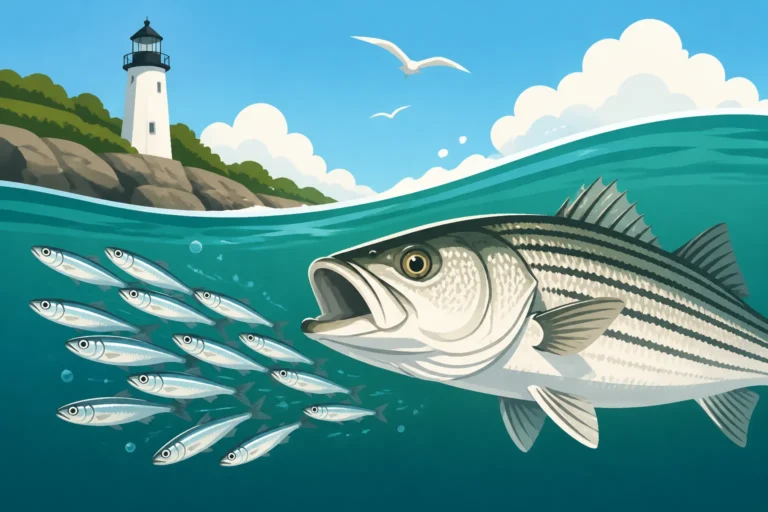
This is where the menhaden really shine from an angler's perspective: they are a primary food source for a staggering array of gamefish and marine wildlife. They are energy-dense, swim in massive schools, and are relatively slow-moving, making them an ideal target for predators. Iconic species like the Striped Bass Fishing in Long Island Sound and Bluefish in Long Island Sound literally depend on menhaden for survival, especially during their feeding migrations. When schools of bunker are abundant, these predators gorge themselves, growing larger and healthier.
But it’s not just the popular gamefish that benefit. Other species like weakfish, fluke, and even offshore pelagics like tuna that occasionally venture close to our waters will feast on menhaden. Beyond fish, marine mammals such as seals and various species of whales, including humpbacks and fin whales, will follow and feed on large menhaden schools in the Sound. Shorebirds like ospreys, gulls, and cormorants also rely heavily on menhaden, diving into schools to snatch their fill. Observing bird activity is, in fact, one of the best ways to locate bunker and, by extension, the gamefish that are chasing them. When you see a chaotic scene of birds diving and fish boiling on the surface, you're witnessing the menhaden's critical role in action – a testament to How menhaden schools attract striped bass and bluefish.
Strategic Angling: How Menhaden Dictate Fishing Success
For any angler worth their salt, understanding Atlantic Menhaden isn't just an academic exercise; it's a game-changer. These fish don't just exist in the Sound; they orchestrate the movements and feeding habits of the gamefish we love to catch. Incorporating menhaden knowledge into your fishing strategy can significantly increase your chances of success, turning a slow day into a memorable one. It’s all about working with nature, not against it.
Spotting the Schools: Reading the Water for Bunker Activity
The first step in utilizing menhaden to your advantage is finding them. Fortunately, their schooling behavior often makes them quite visible. Keep a keen eye on the water's surface. Look for "flips" – individual menhaden breaking the surface as they feed or move. Larger schools can create a ripple effect or even "boils" on the water, almost as if it's raining in a specific area. These are tell-tale signs of dense baitfish concentrations.
Beyond visual cues on the surface, pay close attention to bird activity. Gulls, terns, and ospreys are highly efficient at spotting menhaden schools from above. If you see birds diving repeatedly into a concentrated area, especially in a frenzy, it's a strong indicator that a menhaden school is being harassed by predators. This is exactly where you want to be! Don't forget your electronics either. A good fishfinder can light up huge schools of menhaden, showing them as dense clouds of bait on your screen, often suspended at various depths. Combining these observations – surface activity, bird action, and sonar readings – will help you pinpoint where the bunker, and likely the big gamefish, are holding. It's a critical skill for Long Island Sound Striped Bass Spots and other prime fishing locations.
Matching the Hatch: Lures, Baits, and Techniques that Imitate Menhaden
Once you've located the menhaden, or you're fishing in an area where they are known to be present, the next step is to present an offering that looks, feels, or smells like one. This concept, often called "matching the hatch," is paramount. For artificial lures, think about profile, color, and action. Menhaden are deep-bodied and silvery, so lures that mimic this shape and flash are excellent choices. Large soft plastics, swimbaits, and even some topwater plugs that have a wide profile can be incredibly effective. Silvery, white, chartreuse, or olive colors tend to work well. You can find a vast array of these types of lures on platforms like Amazon, often with reviews from other anglers that can guide your choices.
When it comes to live bait, nothing beats a live menhaden. They can be caught with a cast net in areas where they are schooling, or sometimes with sabiki rigs. Live-lining a frisky bunker under a balloon or free-lining it into a rip current is a deadly technique for large striped bass and bluefish. If live bait isn't an option, chunking with cut menhaden is another highly effective method. The oily scent trail released by the cut bait can draw in predators from a distance. A fresh chunk of bunker, fished on the bottom or suspended mid-water, can be irresistible. Consider how What striped bass eat in Long Island Sound influences your choices – bunker is high on their menu.
Here’s a quick comparison of popular techniques using menhaden:
| Technique | Description | Ideal Situation | Pros | Cons |
|---|---|---|---|---|
| Live-lining | Presenting a live menhaden on a hook, often with a float or free-lined. | Active schools of menhaden, visible predators. | Highly effective for big, aggressive fish. | Requires catching/keeping live bait; complex rigging. |
| Chunking | Using cut pieces of menhaden as bait, typically fished on the bottom. | Deep water, strong currents, or when fish are less active. | Creates a strong scent trail; attracts fish from afar. | Can attract crabs/undesirable species; messier. |
| Artificials | Using lures (swim baits, plugs) that mimic menhaden's appearance/movement. | When menhaden are present but not actively schooling/feeding. | Versatile, less messy, doesn't require live bait. | Success depends on matching lure to fish mood and conditions. |
Timing is Everything: Aligning Your Trips with Menhaden Patterns
The presence of menhaden in Long Island Sound is highly seasonal, and understanding these patterns is key to successful fishing throughout the year. As mentioned, spring brings the first significant push of menhaden into our waters, signaling the arrival of hungry striped bass and bluefish. This is often an excellent time for light tackle action as predators key in on the easy meal. Summer sees large schools of menhaden spread throughout the Sound, often in deeper channels or near structure, making them a consistent food source. This can be a challenging time for anglers, as the sheer abundance of natural bait means your offering needs to stand out.
The fall run, however, is often considered the peak time for fishing around menhaden. As water temperatures drop, menhaden schools begin their southward migration, often hugging the shoreline or moving through major river mouths. This mass exodus creates frantic feeding opportunities for predators fattening up for winter. Large bass and bluefish will gorge themselves, leading to explosive topwater action and incredible opportunities for anglers. Knowing Best Techniques for Fall Striped Bass often means understanding how to fish the menhaden migration. Planning your trips around these seasonal movements, and even specific tides when menhaden might be pushed into accessible areas, can be the difference between a good day and an epic one.
The Delicate Balance: Menhaden Conservation and Management
While menhaden are incredibly prolific, their sheer abundance has also made them a target for large-scale commercial fishing operations, particularly in the mid-Atlantic. This commercial pressure, combined with their vital ecological role, has made menhaden a focal point for conservation efforts. As anglers who rely on a healthy ecosystem, it's important to understand the bigger picture surrounding these essential baitfish and how management decisions can impact our future fishing opportunities in Connecticut.
Navigating Commercial Pressures and Ecosystem Needs
Atlantic Menhaden have been commercially harvested for centuries, primarily for their oil (used in supplements, cosmetics, and industrial products) and their meal (used in animal feed and fertilizer). This is a vast and economically significant fishery, primarily concentrated south of Connecticut. Historically, there have been concerns that commercial harvest levels were unsustainable, potentially impacting the menhaden population and, by extension, the health of the entire ecosystem that depends on them. Over-harvesting could lead to fewer menhaden available for predators, forcing gamefish to either seek alternative, less abundant food sources, or migrate away from areas they historically frequented.
Recognizing the critical role of menhaden, regulatory bodies, such as the Atlantic States Marine Fisheries Commission (ASMFC), have implemented management plans to ensure sustainable harvest levels. These plans involve setting quotas and monitoring the health of the menhaden stock across its range. It's a complex balancing act, trying to meet the needs of the commercial industry while also ensuring enough menhaden remain in the water to support the ecosystem. Discussions often involve a concept called "ecological reference points," which aim to manage menhaden not just for their own numbers, but also for their role as forage for other species. This ongoing dialogue is crucial for maintaining the delicate balance of the Sound's vibrant marine life.
Your Role as an Angler in Protecting This Essential Resource
As recreational anglers in Connecticut, we have a direct stake in the health of the Atlantic Menhaden population. A thriving bunker stock means more vibrant gamefish populations and better fishing. While we might not be directly involved in the large-scale commercial fishery, our voices and actions matter. Staying informed about menhaden management decisions, supporting organizations that advocate for sustainable fisheries, and even practicing responsible fishing yourself are all ways to contribute.
Understanding the regulations, which are periodically updated, helps ensure the longevity of the species. Beyond direct conservation, simply appreciating the menhaden's role can shift your perspective as an angler. Instead of just seeing them as "bait," recognize them as the engine that drives so much of the fishing experience in Long Island Sound. Participate in discussions, share your observations with local fisheries departments, and encourage fellow anglers to learn more about the ecosystem. By recognizing the menhaden as fundamental to Connecticut fishing, we can all contribute to a healthier, more productive Long Island Sound for generations to come.
Disclaimer
This article is for general informational purposes only and does not constitute professional advice. Laws, prices and regulations vary by location and change over time. Consult a qualified professional for guidance on your specific situation.