Connecticut state record largemouth bass weight
For many of us who love casting a line into Connecticut's freshwater lakes and ponds, there's always that underlying dream: to hook into a true giant, a fish that makes your heart pound and your reel scream. And when it comes to freshwater game, the largemouth bass often sits at the top of that wish list. Many anglers wonder just how big these fish can truly get in our state, specifically what the undisputed champion, the Connecticut state record largemouth bass, actually weighed in at. This guide is here to settle that curiosity, provide details on this incredible catch, and offer insights into chasing your own trophy largemouth dreams right here in Connecticut.
The Unmatched Connecticut State Record Largemouth Bass
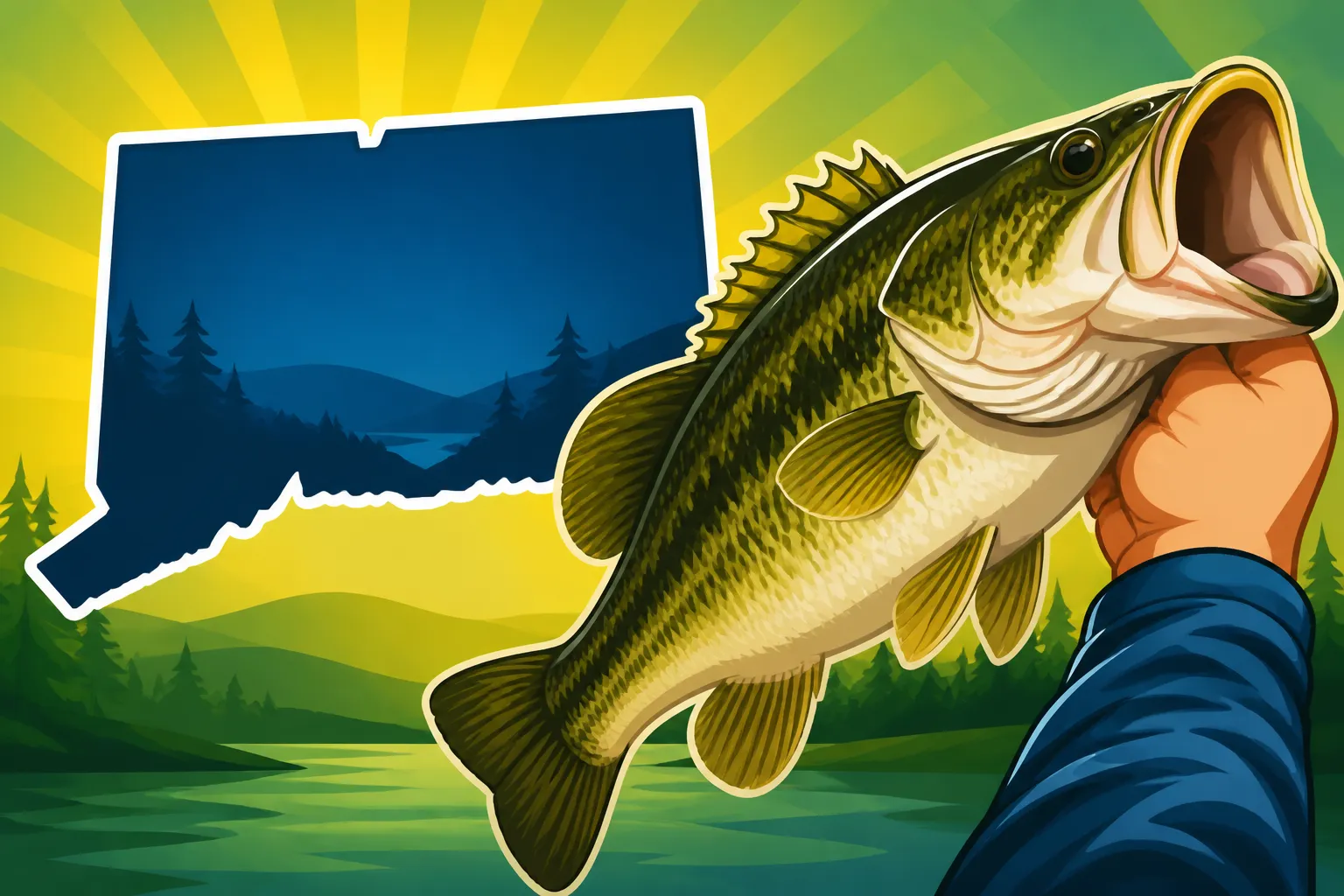
Let's cut right to the chase, because the anticipation of knowing that ultimate number can be real. The official Connecticut state record for largemouth bass stands at a truly impressive 12 pounds, 14 ounces. This behemoth of a bass was caught by Andrew "Andy" West on May 24, 1961, from word-of-mouth legends say one of the smaller, private ponds nestled in the quiet corners of the state.
The Record-Breaking Catch: A Glimpse into History
Imagine the scene back in 1961. Fishing wasn't as digitized as it is today; there were no immediate phone cameras for a quick photo and text to your buddies. This was a monumental catch that would have been talked about in tackle shops and around kitchen tables for years. Andy West's 12-pound, 14-ounce largemouth bass wasn't just big; it was exceptionally so, even for that era. While exact details about the lure or bait used often become lost in the mists of time or are fiercely guarded secrets, the sheer size of the fish speaks to a perfectly executed cast and battle. This fish wasn't just a lucky catch; it represented a combination of ideal conditions, an angler's skill, and a truly exceptional specimen of a largemouth bass. For many, catching a bass even half this size is a lifetime achievement, making Andy's feat legendary in Connecticut angling circles.
Why State Records Matter to Anglers
For every angler who spends hours on the water, whether it's on a sprawling lake like Candlewood or a hidden local pond, the state record isn't just a number; it's an inspiration. It represents the pinnacle of what's possible, a benchmark that fuels dreams and encourages dedicated pursuit. When we talk about Connecticut State Fish Records by Species, it's not just about ego; it's about the biological potential of our waters. A record-breaking fish proves that the habitat, forage, and genetics within certain bodies of water are capable of producing truly world-class specimens. It encourages conservation efforts and helps anglers understand what to look for when scouting new locations or refining their techniques. It also sparks friendly competition and a shared sense of wonder among the fishing community, connecting generations through a common passion.
Understanding Largemouth Bass Potential in Connecticut
Connecticut's diverse waterways, from its countless ponds and small lakes to larger reservoirs, offer excellent opportunities for largemouth bass fishing. However, understanding the difference between a commonly caught fish and a true trophy — let alone a state record — is key to appreciating Andy West's legendary catch.
Average Size vs. Trophy Potential
Most anglers in Connecticut consider a largemouth bass over 3 pounds to be a good catch, a "keeper" that brings a smile to their face. A 5-pound largemouth is definitely a trophy for many, a fish worthy of a photo and a proud story. Anything pushing 7 or 8 pounds starts to enter the realm of truly exceptional, rare catches that seasoned anglers might only see a few times in their lives. The 12-pound, 14-ounce state record bass, therefore, is in a league entirely its own. This vast difference highlights how truly special the state record is. It's not just about being bigger; it's about defying the odds, growing to an almost unimaginable size within the environmental constraints of our region. The average length for a mature largemouth in Connecticut might be around 14-18 inches, whereas a fish approaching the state record would likely be well over 20 inches, with an immense girth.
| Largemouth Bass Category | Typical Weight Range | Typical Length Range | Rarity in CT |
|---|---|---|---|
| Average Catch | 1-3 pounds | 10-14 inches | Common |
| Good Catch | 3-5 pounds | 14-18 inches | Frequent |
| Trophy Bass | 5-8 pounds | 18-22 inches | Rare |
| Exceptional Trophy | 8-10 pounds | 22-24 inches | Very Rare |
| State Record | 12 pounds, 14 ounces | 25+ inches | One of a Kind |
Factors for Giant Bass Growth: The Science of a Monster
What makes a bass grow to such incredible proportions? It's usually a perfect storm of several factors. First, genetics play a huge role. Some bass are simply predisposed to grow larger and live longer than others. Second, an abundant and rich food source is critical. These giant bass aren't just eating a few minnows; they're consuming large quantities of baitfish like alewives, shiners, or even smaller panfish. Third, optimal habitat is essential. This includes plenty of submerged structure (weed beds, fallen trees, rock piles) for ambush points, deep water access for thermal refuge, and clean, oxygenated water. Fourth, fishing pressure (or lack thereof) contributes. A bass that lives long enough to reach such a size often resides in waters with minimal angling pressure, or they are exceptionally wary fish that have learned to avoid hooks. Finally, water temperature and a long growing season allow fish to bulk up over multiple years. While Connecticut isn't known for the year-round warmth of southern states, certain deep, fertile lakes can create micro-climates that support larger, older bass. Understanding these elements can give you an edge when you're out Largemouth Bass Fishing in Connecticut.
Chasing Your Own Largemouth Dream in Connecticut
Even if you're not aiming for the state record, the thrill of catching a truly large largemouth bass is an experience every angler cherishes. While record-breakers are exceedingly rare, there are definitely ways to increase your odds of hooking into a trophy-sized fish in Connecticut.
Best Spots for Big Bass in Connecticut
While the exact location of the state record catch remains a closely guarded secret of angling lore, there are certainly lakes and ponds throughout Connecticut known for producing larger-than-average largemouth. When you're looking for Best Bass Fishing Lakes in Connecticut, you generally want to seek out waters that are known for fertility, good forage bases, and diverse habitat. Lakes with ample submerged structure, like deep weed lines, timber, rock piles, and points, are often key. Reservoirs and larger natural lakes often have the space and depth for big fish to grow old and large. Places like Candlewood Lake, Lake Lillinonah, and Lake Zoar are regularly cited as top-tier bass fisheries. However, don't overlook smaller, lesser-known ponds, especially those with limited public access, as these often hold unpressured giants, just like the one Andy West famously caught. Always remember to check regulations for specific water bodies, as some might have special rules for bass.
Tactics for Trophy Largemouth
Catching big bass isn't just about luck; it's about strategy, patience, and using the right tools for the job. Trophy largemouth are often older, wiser, and more wary.
They tend to relate to deeper, more complex cover than smaller fish.
- Big Baits for Big Fish: This old adage holds true. Larger swimbaits, deep-diving crankbaits, jigs, and substantial soft plastics (like 10-inch worms or large creature baits) are excellent choices. Trophy bass are opportunistic predators looking for a substantial meal, not a snack. You can find a wide array of effective largemouth lures and quality fishing line on Amazon, perfect for stocking your tackle box.
- Targeting Structure: Focus on areas with significant submerged structure. This includes thick weed edges, deep submerged timber, rocky points, sudden depth changes (drop-offs), and even man-made structures like bridge pilings or docks. Big bass use these as ambush points.
- Slow and Deliberate Presentation: Often, a slower, more methodical presentation works best for wary trophy bass. Let a jig sit for a moment longer; work a soft plastic with subtle twitches rather than aggressive retrieves. These fish aren't always chasing; they're waiting for an easy meal.
- Dawn, Dusk, and Night Fishing: These low-light conditions often bring big bass out of their deeper haunts to feed in shallower water. Night fishing with large, dark-colored lures can be incredibly effective for giants.
- Gear Up Appropriately: For big bass, you'll need stout gear. A medium-heavy to heavy power rod, paired with a reliable baitcasting reel spooled with strong braided line and a fluorocarbon leader, is ideal. Ensure your hooks are sharp and strong enough to handle a powerful fish. Don't skimp on quality, and remember that reputable brands are readily available through retailers like Amazon. Getting the right setup can make all the difference when that monster strikes. To learn more about specific approaches, dive into Best Techniques for Largemouth Bass in Connecticut Ponds.
What to Do If You Catch a Potential State Record
While the odds are slim, every angler dreams of it: that moment you reel in a fish so massive, you wonder if it could be the one. If you ever find yourself holding a largemouth bass that feels truly exceptional, potentially challenging the 12-pound, 14-ounce record, there are crucial steps you need to take immediately.
The Official Verification Process
Connecticut's Department of Energy and Environmental Protection (DEEP) has a rigorous process for verifying state record fish, and for good reason—accuracy is paramount. First and foremost, you need to have the fish officially weighed on a certified scale. This is not your typical bathroom scale or hand scale from your tackle box. This needs to be a scale certified for trade, often found at post offices, butcher shops, or some marinas and larger tackle shops. The scale must be zeroed in the presence of witnesses. Second, the length and girth of the fish must be accurately measured. Third, you'll need clear photographs of the fish, ideally from multiple angles, showcasing its full body, and a photo of it on the certified scale with the weight visible. Fourth, you'll need to contact the Connecticut DEEP Fisheries Division as soon as possible after the catch. They will guide you through the official documentation, which often includes completing an application form, providing witness statements, and possibly requiring a biologist to inspect the fish for species verification. Time is often of the essence, especially if you plan to release the fish or if you need to preserve it for verification. You can find general information on procedures by looking into Connecticut Fishing License Guide for 2026, which often points to broader DEEP resources.
Essential Gear for Documentation
Being prepared is key, even if you never catch a record. Every serious angler should carry a few essential items to properly document any trophy catch, let alone a potential record. A high-quality, certified digital scale that can handle weights up to 50 pounds or more is a smart investment. While not usually officially certified for record purposes, having a high-accuracy model from Amazon can give you a very strong indication of the fish's weight before seeking out an official scale. You'll also need a reliable measuring tape or bump board for accurate length measurements. A waterproof camera (many modern smartphones fit the bill) is critical for capturing clear, well-lit photos. If you intend to release the fish, a large livewell or an oversized landing net and a specialized weighing sling will help keep the fish safe and minimize stress during the brief weighing and measuring process. Being able to quickly and accurately document your catch without harming the fish is a sign of a responsible and prepared angler, and it helps ensure that if you ever do break a record, you have the evidence to back it up.
Disclaimer
This article is for general informational purposes only and does not constitute professional advice. Laws, prices and regulations vary by location and change over time. Consult a qualified professional for guidance on your specific situation.