Connecticut state record fluke weight
For many anglers casting lines in Connecticut's beautiful saltwater, there's a quiet thrill that goes beyond just filling the cooler. It's the dream of landing that one fish, that true behemoth, that might just etch your name into the state's record books. While catching any fluke can be exciting, pursuing a state record fluke demands a special blend of skill, patience, and a bit of luck. This guide will dive deep into what it takes to understand, pursue, and potentially claim the coveted Connecticut state record for fluke, often known as summer flounder.
Understanding the Connecticut State Record Fluke
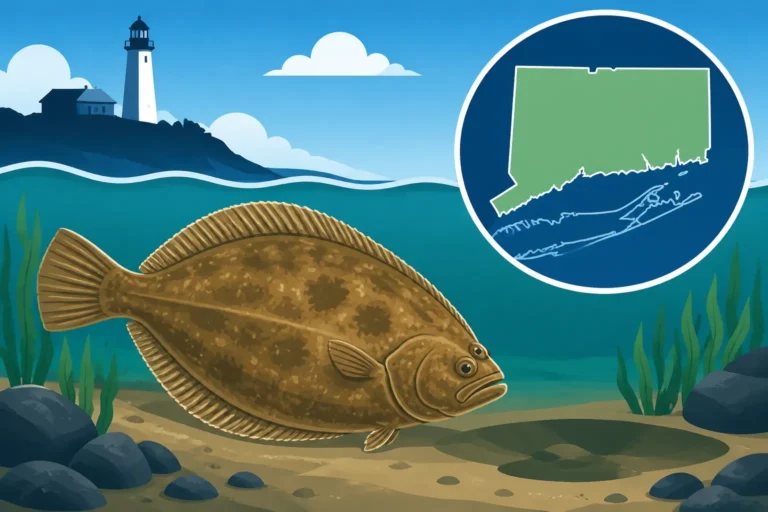
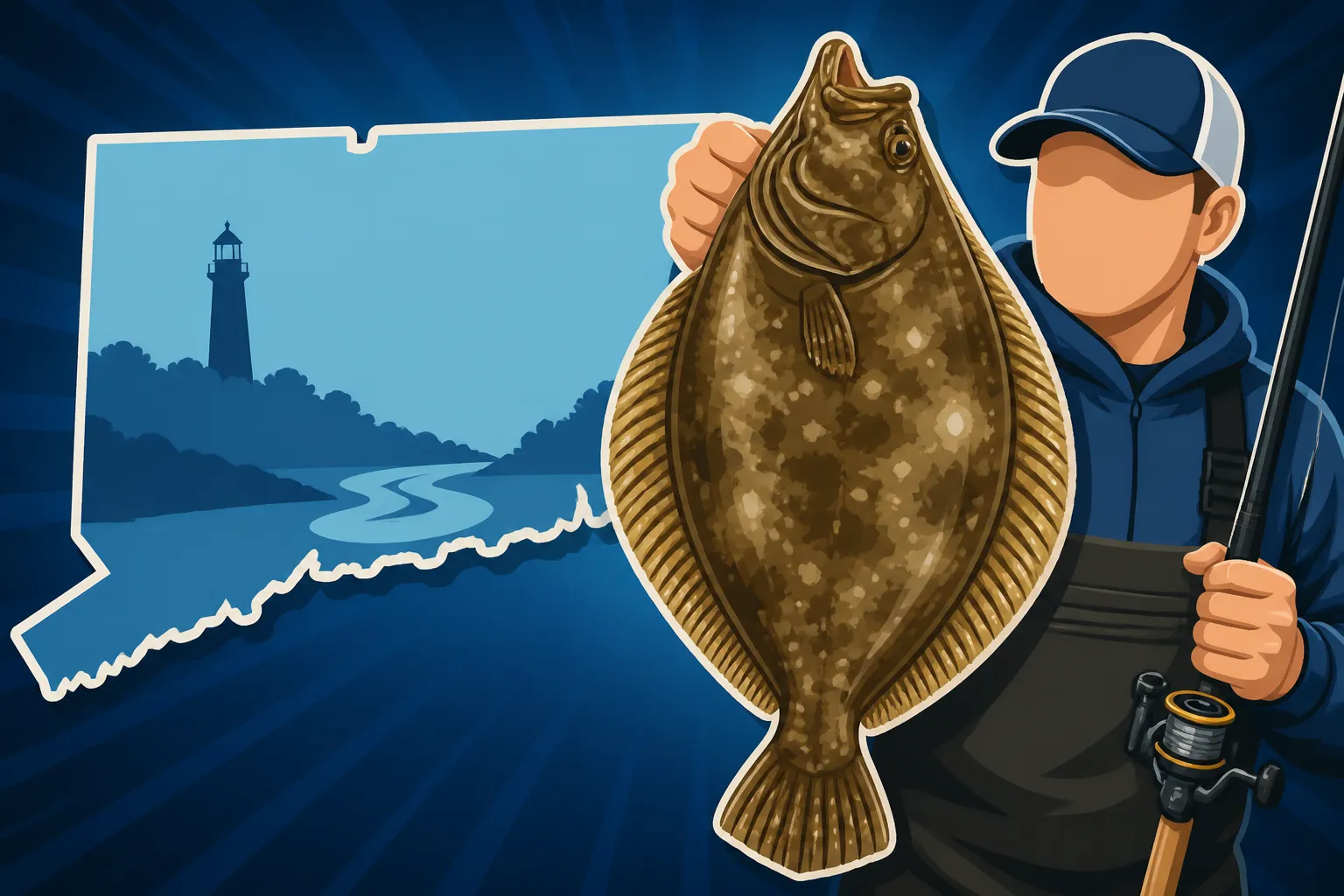
The allure of a state record isn't just about the numbers; it's about the story, the dedication, and the sheer challenge of besting every other angler who's ever wet a line in Connecticut waters. When it comes to fluke, also known as summer flounder, this distinction belongs to a fish of truly impressive proportions. While precise figures and names might change over time, the current record stands as a testament to the abundant, quality fishing available in places like Long Island Sound. This isn't just a big fluke; it's a monumental one, weighing in at a significant figure that makes seasoned anglers raise an eyebrow in admiration.
Imagine the battle – the drag screaming, the rod bent double, the heart pounding as you realize this isn't just another keeper. This is a fish that fights with a power and determination that hints at its size, a size that pushes the limits of what these flatfish typically achieve. The sheer weight of such a fish isn't just a number; it represents years, perhaps even decades, of growth in the fertile waters of our coast. It speaks to a thriving ecosystem and the potential for any angler, on any given day, to connect with a true monster. The spirit of the record isn't just in the fish itself, but in the collective aspiration of every angler hoping to one day meet such a formidable adversary.
The Significance of a Record Fluke
A state record fluke isn't just a trophy; it represents a benchmark for the species in our local waters. It tells us about the health of the fishery, the potential for growth, and the incredible specimens that roam the deeper channels and sandy flats of Long Island Sound. For the angler who catches it, it's a lifetime achievement, a story that will be told and retold for generations. It solidifies their place in Connecticut's angling history and inspires countless others to push their limits and explore new techniques.
Beyond personal glory, these records also serve a valuable purpose for fisheries management. They provide data points on the maximum growth potential of a species within a specific geographic area, offering insights into environmental conditions, forage availability, and genetic strength. So, while you might be dreaming of glory, your pursuit of a record fluke also contributes, in a small way, to the ongoing understanding and preservation of our cherished marine resources. It's a testament to the dynamic nature of our waters and the consistent opportunities for truly memorable catches.
Where These Giants Typically Roam
While fluke can be found in many areas, the ones that grow to state record proportions usually inhabit specific environments. These trophy fluke tend to favor deeper waters, often congregating around prominent structures, ledges, and channels in Long Island Sound. Areas with strong tidal currents that sweep over sandy or muddy bottoms, where baitfish are concentrated, are prime locations. Think of deep-water rips, rocky reefs, and the edges of shipping lanes where baitfish are forced through bottlenecks. These areas provide both ample food and protective cover for these large predators.
Fishing around major river mouths, particularly during outgoing tides, can also be incredibly productive, as larger fluke often ambush baitfish being flushed out to sea. These locations are not always easy to access or fish, often requiring specialized tackle and boat handling skills. But the effort is well worth it when you consider the potential reward. The biggest fluke are not typically found in the shallows that hold schoolie-sized fish; they are often in more challenging, deeper environments, reflecting their need for larger prey and less competition from smaller individuals.
What Makes a Fluke a Record Contender?
Catching a genuinely large fluke is one thing; catching one that might contend for a state record is another entirely. It's not just about length; it's about sheer mass and condition. A record-setting fluke will be exceptionally heavy for its size, indicating a healthy, well-fed fish that has spent years feasting on the abundant forage of Long Island Sound.
Think about the difference between a long, lean runner and a powerful bodybuilder – both impressive, but one has significantly more mass. The same applies to fluke. A record fish will likely have a robust, thick body, not just a long one. Its weight will be disproportionately high compared to what you might expect from a "big" fluke you've caught before. This condition often comes from a consistent diet of larger baitfish like bunker, squid, and larger crabs, allowing them to pack on the pounds. It's a truly formidable sight when one of these giants surfaces beside the boat.
Identifying a Potential Record Fluke
When you reel in a fluke, how do you know if it's "the one"? First, trust your gut reaction. If it feels significantly heavier than any fluke you've ever battled, pay attention. Visually, look for a broad body, thick shoulders, and a powerful tail. The overall impression should be one of immense density and power. Don't rely solely on length measurements while on the water; weight is the critical factor for a state record.
Having a reliable scale on board is paramount. Many anglers who seriously pursue trophy fish invest in certified digital scales that can accurately measure heavy weights. You can find robust, waterproof fishing scales on Amazon that are perfect for this purpose. Immediately after landing, if you suspect a record, get an accurate weight. Time is of the essence, as fish can lose weight over time, especially if not properly handled. Also, measure the length and girth, as these details help support the authenticity of your catch. These measurements provide corroborating evidence that often accompanies the official weight.
Where Trophy Fluke Are Often Caught
Trophy fluke in Connecticut are predominantly caught in Long Island Sound, where the combination of deep channels, extensive baitfish migrations, and varied bottom structures provides ideal conditions for them to thrive and grow to immense sizes. Specific areas known for producing larger fluke include the rips and reefs off the southeastern coast, near places like Montauk and Block Island (though the latter is outside CT waters, its influence on migratory fish is significant). Nearshore structure, prominent ledges, and deep-water humps in the central and western Sound can also hold giants.
Consider areas where there's a confluence of currents and structure, creating ambush points for these flatfish. Depths ranging from 40 to 80 feet are often productive, though trophy fluke can sometimes be found shallower or deeper depending on water temperature and bait location. Long Island Sound Fishing Guide provides a good overview of the vast potential here. These specific locations offer the consistent food sources and lower predatory pressure that allow fluke to reach their maximum growth potential.
Targeting Trophy Fluke in Connecticut
Successfully targeting trophy fluke requires a departure from casual fishing techniques. You're not just trying to catch a limit; you're actively hunting for that one exceptional fish. This means upgrading your gear, refining your presentation, and spending time in proven big-fish areas. It's a commitment, but the payoff can be immense.
You'll need a robust setup capable of handling powerful fish in potentially strong currents and deep water. This means heavier rods, larger reels with ample line capacity, and stout leaders. Many experienced trophy hunters focus on specific tides and weather conditions, knowing that these factors can greatly influence when and where the largest fluke are actively feeding. It’s a game of patience and precision, where every detail matters, from the knot you tie to the bait you select.
Essential Gear for Trophy Fluke
To stand a chance against a record fluke, your gear needs to be up to the task. Forget the light freshwater spinning rods; you'll want a medium-heavy to heavy conventional or spinning rod, typically 6 to 7 feet long, with a fast action to detect subtle bites in deep water. Pair this with a robust reel capable of holding at least 200-300 yards of 30-50 lb braided line. Braided line is crucial for its sensitivity and minimal stretch, allowing you to feel those faint taps from a large fluke far below.
- Rods: Medium-heavy to heavy, fast action, 6-7 feet.
- Reels: Conventional or heavy-duty spinning, capable of holding significant line.
- Line: 30-50 lb braided mainline with a 20-40 lb fluorocarbon leader.
- Weights: Heavy sinkers, often 4-8 ounces or more, to hold bottom in strong currents. You can find a good selection of specialized fluke jigs and weights on Amazon.
- Hooks: Sharp, strong, wide-gap hooks, typically 4/0 to 6/0.
- Nets: A large, sturdy landing net is critical. A gaff should only be considered if you are absolutely certain the fish is going to be kept and is of record proportions, as gaffing can damage fish intended for release.
Having a proper fish measuring board and an accurate scale is also non-negotiable. Don't rely on guesswork when a potential record is on the line. What Gear a Connecticut Charter Provides often includes this, but for private boats, it's a must-have.
Baits and Lures That Attract Giants
Trophy fluke are opportunistic predators, but they tend to key in on larger, meatier offerings. Live bait is often king. Large peanut bunker, snapper blues, spearing, or even small porgies can be irresistible to a massive fluke. These are often fished on a three-way swivel rig or a sliding sinker rig, allowing the bait to swim naturally near the bottom.
When it comes to artificials, large bucktail jigs tipped with generous strips of squid, Berkley Gulp! fluke strips, or even a whole baitfish are incredibly effective. Jig weights often range from 2 to 8 ounces, depending on current and depth. Drifting these jigs along structure, imparting a subtle lift and drop motion, is a classic technique. Best Baits for Fluke in Deep Channels and Jigging for Fluke in Long Island Sound offer more specialized advice for these techniques. Don't be afraid to use bigger baits and lures than you might for average-sized fluke; remember, you're trying to attract a true monster.
Best Techniques for Landing a Trophy Fluke
The most effective technique for trophy fluke involves controlled drifting. You want your boat to drift at a speed that allows your bait or lure to stay in the strike zone, typically very close to the bottom. This means paying close attention to wind, current, and boat speed. Sometimes, using a drift sock or sea anchor can help slow your drift to the ideal pace.
When you feel that characteristic "thump" or subtle pressure, resist the urge to set the hook immediately like you might for a bass. Fluke often "mouth" the bait first. Let the fish take the bait for a few seconds, allowing it to fully engulf it, then set the hook with a firm, sweeping motion. During the fight, keep steady pressure on the fish. Large fluke have powerful heads and can make strong runs and head shakes, especially as they get closer to the surface. The goal is to get the fish up quickly but smoothly, minimizing the chances of it shaking the hook or finding structure to break you off. How to Catch Fluke in Long Island Sound provides excellent guidance on these methods.
The Process of Certifying a State Record
So, you've landed what you believe is a state record fluke. Congratulations! But the job isn't over. Getting it officially recognized requires following a specific procedure to ensure the catch is legitimate and meets all the established criteria. This isn't a quick handshake and a photo; it's a precise process designed to maintain the integrity of the state record system.
Having an understanding of these steps before you even hit the water can make all the difference. Imagine catching that fish of a lifetime only to find out it can't be certified due to a technicality. That would be a heartbreaking scenario. Therefore, preparing for this possibility is just as important as preparing your fishing gear. Every detail counts, and meticulous adherence to the guidelines is essential.
Weighing and Measuring Your Catch
The absolute most critical step is an accurate, certified weight. You need to weigh your potential record fluke on a scale that is officially certified for trade, such as those found at tackle shops, marinas, or even some grocery stores. The scale must have been inspected and sealed by a Weights and Measures official. The weighing should be done in the presence of witnesses, ideally a certified weighmaster or other credible individuals.
Before weighing, ensure the fish is as fresh as possible. You can place it on ice or in a cooler to preserve its condition. Do not clean or gut the fish before weighing; it must be presented in its whole, natural state. Take multiple clear, well-lit photographs of the fish, especially on the scale with the weight visible, and next to a measuring device to show length and girth. These photos serve as crucial evidence during the certification process.
Documentation and Submission Requirements
Once you have the official weight and measurements, you'll need to complete the necessary paperwork. This typically involves a state-issued application form for record fish. This form will ask for details about the angler, the date and location of the catch, the equipment used, the type of bait or lure, and the names and contact information of witnesses. You'll need to sign the application, and often, the certified weighmaster or a notary public will need to sign to verify the details.
It's also a good idea to write a detailed narrative of the catch, describing the circumstances, the fight, and how the fish was landed. This adds to the credibility and story of your achievement. All this documentation, along with your photographs, is then submitted to the relevant state agency, which in Connecticut is the Department of Energy and Environmental Protection (DEEP) Fisheries Division. They will review all materials to ensure compliance with their rules. Remember, thoroughness is key here.
Rules and Regulations for Record Fish
Connecticut has specific rules that govern the taking of fish, and these apply even more stringently to potential record catches. Always ensure you have the proper Connecticut Fishing License Guide for 2026 for the waters you are fishing. Beyond that, adhere strictly to all Connecticut Saltwater Fishing Regulations by Species, including minimum size limits, daily creel limits, and season dates for fluke. A fish caught illegally, even if it's a monster, will not be recognized as a state record.
There are also specific rules about how a fish must be caught: it must be taken by angling (rod and reel) in a sporting manner. No snagging, netting, or other non-sporting methods are allowed. If fishing from a charter, ensure your captain is fully aware of your intentions to pursue a record, as they will be valuable witnesses and can help ensure all protocols are followed. Be aware of Connecticut Fluke and Summer Flounder Regulations to avoid any discrepancies. These rules are in place to ensure fair chase and protect the integrity of the record.
| Aspect of Record Fluke Pursuit | Key Action | Important Consideration | Recommended Tool/Resource |
|---|---|---|---|
| Identifying Potential Record | Trust your gut, look for immense body mass. | Don't rely on length alone; weight is paramount. | Reliable, certified digital scale (e.g., from Amazon) |
| Accurate Weighing | Weigh on a certified scale, with witnesses. | Must be whole, uncleaned fish; scale must be inspected. | Local tackle shop, marina, or grocery store with certified scale |
| Documentation | Complete state application, photos, witness info. | Meticulous detail, clear photos are crucial. | CT DEEP Fisheries Division official record application form |
| Legal Compliance | Adhere to all fishing licenses and regulations. | Illegally caught fish will be disqualified. | Connecticut Fishing License Guide for 2026, Connecticut Saltwater Fishing Regulations by Species |
| Tackle Preparation | Use heavy-duty rods, reels, braided line, strong hooks. | Ensure gear can handle a massive fish and deep water. | High-quality fishing rod, reel, and line, available on Amazon |
| Targeting Strategy | Focus on deep water, strong currents, specific structures. | Patience and understanding of fluke habits are key. | Fluke Habits in Long Island Sound, depth sounder/GPS |
Disclaimer
This article is for general informational purposes only and does not constitute professional advice. Laws, prices and regulations vary by location and change over time. Consult a qualified professional for guidance on your specific situation.