Are There Blue Catfish in Connecticut?
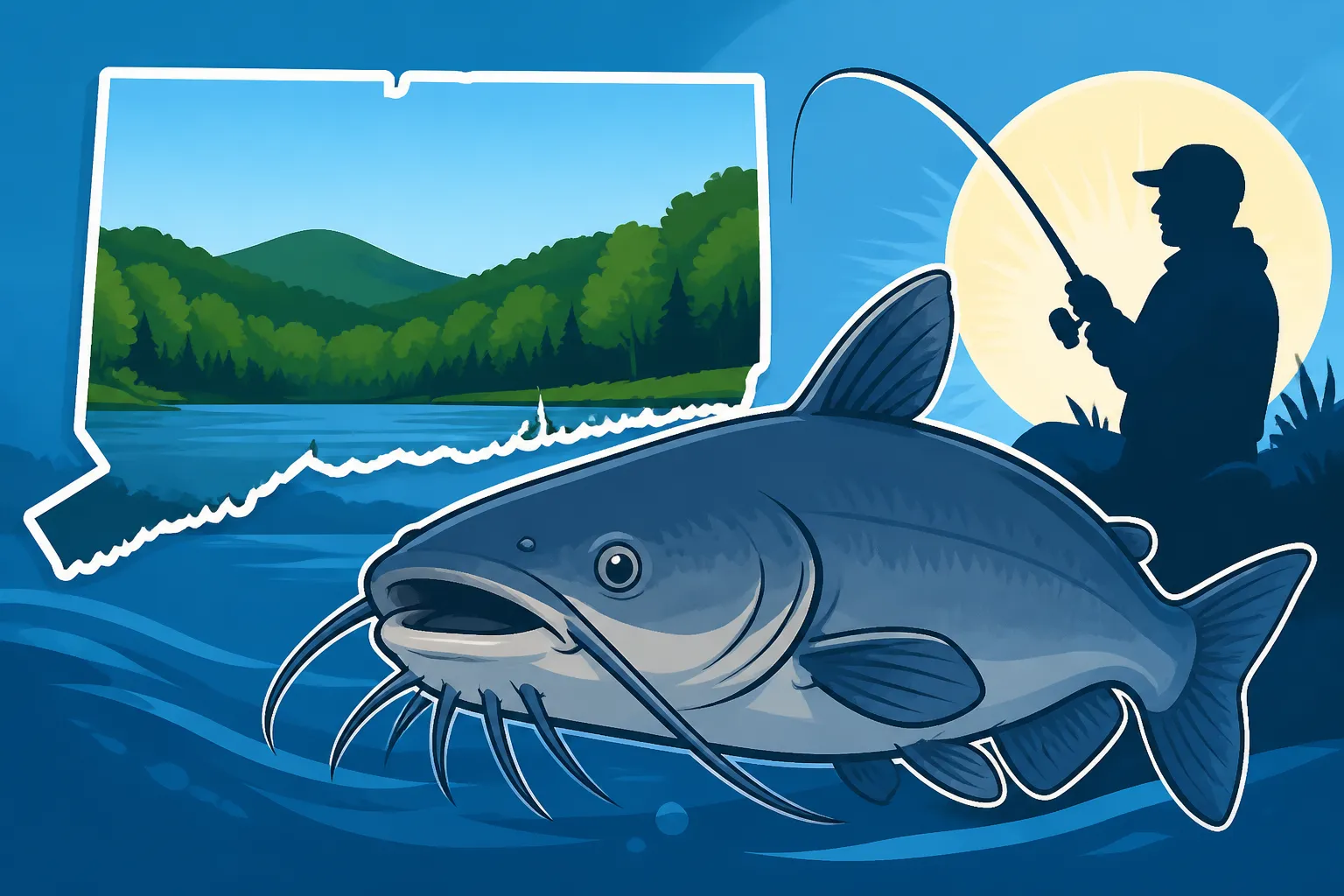
It's a question many curious anglers, especially those familiar with the immense blue catfish fisheries down south, often ask: are these giant whiskered behemoths roaming Connecticut's rivers and lakes? The thought of tangling with a 100-pound freshwater leviathan right here in our backyard is certainly exciting, but the reality for Connecticut anglers is a bit different from what you might hope. This guide will dive deep into whether blue catfish are present, what species of catfish you can find, and why it's so important to correctly identify your catch.
The Truth About Blue Catfish in Connecticut Waters
Let's cut right to the chase for those of you eager for a clear answer: as of now, there are no established populations of blue catfish in Connecticut waters. While they are certainly a prized sportfish in other parts of the country, particularly in the mid-Atlantic and southern states where they can grow to truly epic proportions, Connecticut has not seen blue catfish establish themselves. This isn't to say one might never be caught—accidental introductions or illegal stockings can always lead to isolated incidents—but there's no evidence of a breeding population thriving here.
The confusion often arises because Connecticut does have a healthy population of other catfish species, most notably the channel catfish. These fish can also grow to a respectable size and share some visual similarities with blue catfish, leading to misidentification. Anglers might see a substantial channel cat and, hoping for the more famous blue, mistakenly identify it. Understanding the differences between these species is crucial, not just for bragging rights, but for the ecological health of our waters. Our state environmental agencies, like the Connecticut Department of Energy and Environmental Protection (DEEP), are very vigilant about monitoring for and preventing the introduction of non-native species like the blue catfish, as they can have significant impacts on existing ecosystems.
Common Catfish Species You Will Find in Connecticut
While blue catfish might not be on the menu, Connecticut offers some fantastic angling opportunities for other native and established catfish species. These whiskered bottom-dwellers provide excellent sport and can be found in various freshwater environments across the state, from our large rivers to smaller ponds. Knowing what you're likely to catch can help you tailor your gear and approach.
Channel Catfish: The Widely Stocked Favorite
The channel catfish is, without a doubt, the king of catfish in Connecticut. These guys are widespread and well-loved by anglers. You'll find them stocked regularly in many of our state'managed lakes and ponds, as well as naturally reproducing in our larger river systems like the Connecticut River. They're characterized by their sleek, often silvery-gray bodies, deeply forked tails, and scattered dark spots, especially on younger fish. As they get older, these spots can fade.
Channel cats are incredibly popular because they fight hard, grow to a decent size (it's not uncommon to pull in fish weighing several pounds, with bigger ones out there!), and are quite good to eat. They're opportunistic feeders, meaning they'll take a wide variety of baits, from stinkbaits and chicken livers to cut bait, worms, and even some artificial lures. If you're looking for a fun fight and a tasty meal, targeting channel catfish is a fantastic option. They prefer deeper pools in rivers, the main basins of lakes, and areas with some structure like submerged logs or rock piles. Check out Panfish Fishing in Connecticut for more tips on catching these and other common species.
Brown Bullhead: The Bottom-Dwelling Staple
Ah, the humble brown bullhead! These are the catfish most of us probably remember catching as kids down at the local pond. Brown bullheads are considerably smaller than channel catfish, typically topping out around 1 to 2 pounds, though larger specimens are certainly caught. They have a stout body, a square or slightly rounded tail, and a mottled brown or olive-green coloration. Unlike channel cats, they usually don't have spots, and their whiskers (barbels) are often darker.
Brown bullheads are incredibly adaptable and can thrive in a wide range of habitats, from warm, weedy ponds and sluggish rivers to larger lakes. They're excellent targets for family fishing trips or anyone looking for consistent action. A simple worm or piece of corn on the bottom is often all it takes to entice a bite. While not known for their fighting prowess like channel cats, they offer plenty of tugs and are a blast to catch, especially for younger anglers. They're also quite good on the dinner table, especially when filleted and fried. For more general guidelines, you might find information on Connecticut Fishing Regulations Explained helpful when planning your trip.
White Catfish: Less Common, But Still Present
The white catfish is a bit of an anomaly in Connecticut; it's less frequently encountered than the channel catfish or brown bullhead, but it is present in some of our larger tidal river systems and brackish waters. Visually, they often fall somewhere between a channel catfish and a bullhead. They have a moderately forked tail (less so than a channel cat, more so than a bullhead) and a lighter, often pale gray or whitish coloration, hence their name. They can grow larger than brown bullheads, sometimes reaching up to 5 pounds or more, but rarely rival the size of larger channel catfish.
White catfish prefer slower-moving water and often tolerate slightly brackish conditions better than other freshwater catfish. They're generally found in the lower stretches of rivers that feed into Long Island Sound. Like other catfish, they're not picky eaters and will readily take worms, cut bait, and various prepared baits. If you're fishing the tidal sections of rivers, keep an eye out for these unique whiskered fish.
Why Blue Catfish Haven't Established in Connecticut (Yet)
It's natural to wonder why a fish so prolific and widespread in nearby states hasn't found a foothold in Connecticut. It boils down to a combination of environmental factors and active management strategies designed to protect our existing aquatic ecosystems. The lack of an established blue catfish population isn't accidental; it's a testament to both nature and vigilance.
Habitat and Climate Considerations
Connecticut's climate and many of its freshwater habitats, while suitable for channel catfish and bullheads, don't perfectly align with the preferred conditions for large, thriving blue catfish populations. Blue catfish typically prefer large, warm, slow-moving rivers with significant deep channels and ample forage. Think of the mighty Mississippi, James, or Santee Cooper rivers – massive systems with vast, nutrient-rich waters. While Connecticut has large rivers like the Connecticut River, they tend to be cooler and faster-flowing in many sections, and lack the sheer scale and extended warm-water periods that blue catfish often exploit for rapid growth and reproduction.
Furthermore, blue catfish are prodigious eaters, and establishing a dominant population would require a massive and consistent food supply, often consisting of other fish species. While our waters are rich, the specific dynamics and available biomass might not be ideal for a species that can reach such immense sizes and numbers. The delicate balance of our ecosystem could easily be disrupted by the introduction of such a dominant predator.
Proactive Management and Prevention Efforts
The Connecticut DEEP actively monitors for and discourages the introduction of non-native species. This isn't just about blue catfish; it's a broader effort to prevent Invasive Fish Species in Connecticut Waters from disrupting native fish populations and aquatic ecosystems. Introducing a non-native species, even one as popular as the blue catfish, can have unforeseen and often detrimental consequences. They can outcompete native species for food and habitat, introduce diseases, or even prey directly on vulnerable native fish.
Strict regulations are in place to prevent such introductions. For instance, the illegal stocking or transport of fish can carry significant penalties. Anglers are encouraged to never move fish from one water body to another. This proactive stance, combined with monitoring efforts, helps ensure that blue catfish remain a species enjoyed elsewhere, preserving the unique character and ecological health of Connecticut's own waters. If you're interested in all the rules, it's a good idea to consult Reading the Connecticut Fishing Guide.
Responsible Angling and Reporting Suspicious Catches
Being a responsible angler means more than just having a Connecticut Fishing License Guide for 2026 and knowing your daily limits. It means being aware of the species you're targeting, understanding local regulations, and actively helping to protect our aquatic environments from invasive threats. For catfish anglers in Connecticut, this specifically means being able to correctly identify your catch.
Identifying Catfish Species Accurately
The most crucial step in preventing the spread of potential invasive species is accurate identification. Distinguishing a channel catfish from a blue catfish is relatively straightforward once you know what to look for, but it's easy to confuse them at first glance, especially if you're excited. Here's a quick rundown of key differences:
| Feature | Channel Catfish | Blue Catfish | Brown Bullhead | White Catfish |
|---|---|---|---|---|
| Tail Fin | Deeply forked | Deeply forked (often more so than channel) | Square or slightly rounded | Moderately forked |
| Color | Olive-brown to silvery-gray; often spotted (especially younger) | Slate-blue to silvery-gray, no spots | Mottled brown to olive-green, dark barbels | Pale gray to whitish, often unspotted |
| Anal Fin | Rounded edge, 24-29 rays | Straight edge, 30-35 rays (longer base) | Rounded edge, 17-24 rays | Rounded edge, 19-22 rays |
| Body Shape | Slender, streamlined | Robust, larger head, often humped dorsal | Stout, heavy-bodied | Moderately slender |
| Maximum Size | Up to 20-30 lbs, typically 1-10 lbs | Can exceed 100 lbs (often 10-50 lbs) | Up to 5-6 lbs, typically 0.5-2 lbs | Up to 10-15 lbs, typically 1-5 lbs |
If you're unsure, a good field guide is an angler's best friend. You can often find excellent local guides on platforms like Amazon that specifically cover freshwater fish in your region. Learning the subtle differences in fin ray counts, tail shape, and body profiles can save you a lot of guesswork and ensure you're compliant with regulations. It's similar to the importance of knowing the difference between Largemouth Bass vs Smallmouth Bass Identification.
What to Do If You Think You've Caught a Blue Catfish
This is where your role as a conservation-minded angler truly comes into play. If you catch a fish that you strongly suspect is a blue catfish, or any other species you believe to be non-native or invasive, the absolute most important thing to do is do not release it back into the water. This might go against your usual catch-and-release instincts, but in the case of a potential invasive species, preventing its spread is paramount.
Here's a step-by-step guide on what to do:
- Do not release the fish. Keep it.
- Take clear photos. Get several angles of the fish, focusing on the tail, the anal fin, and its overall coloration. Place an object like a common lure or a ruler next to it for scale.
- Note the exact location. Use your phone's GPS or note landmarks, town, and water body name. The more precise, the better.
- Contact the Connecticut DEEP. Reach out to their Fisheries Division as soon as possible. They will want to know about your catch and can help confirm the identification. Their website usually has contact information for reporting invasive species.
- Follow their instructions. They may ask you to preserve the fish or bring it to a specific location for examination.
Reporting unusual or potentially invasive catches is a critical service you can provide to protect Connecticut's fisheries. Your vigilance helps DEEP track and manage these threats, ensuring the health and balance of our beloved fishing spots for generations to come. Remember, while it's tempting to think of new fish as exciting, safeguarding our existing ecosystems is always the priority. For guidance on ethical fishing, you can also look into topics like Is It Legal to Release a Striped Bass You Catch in Connecticut?, which discusses release practices for native species.
Disclaimer
This article is for general informational purposes only and does not constitute professional advice. Laws, prices and regulations vary by location and change over time. Consult a qualified professional for guidance on your specific situation.