What to do if you catch an invasive fish species in Connecticut
It's incredibly frustrating and even a little unsettling when you're out enjoying a peaceful day on the water in Connecticut, casting lines, and suddenly you reel in something that just doesn't look right. You know it's not one of our beloved native species, and a little alarm bell goes off in your head, wondering if it's one of those "invasive" fish you've heard about. What on earth are you supposed to do next? This guide is here to walk you through exactly what steps to take if you find yourself face-to-face with an invasive fish species in our beautiful Connecticut waters.
Understanding Invasive Fish Species in Connecticut
Let's be real, the term "invasive species" can sound a bit academic, but it's a very practical problem for anyone who cares about Connecticut's natural beauty and fishing heritage. These aren't just fish that are "visiting" or "new to the area"; they're species that pose a serious threat to the delicate balance of our local ecosystems. Knowing what you're up against is the first step in being a responsible angler.
What Makes a Species Invasive?
So, what exactly elevates a species from merely "non-native" to "invasive"? It's more than just being from somewhere else. An invasive species is typically non-native to an ecosystem and causes, or is likely to cause, environmental or economic harm, or harm to human health. Think of it like this: a new neighbor moving in is fine, but if that neighbor starts tearing up your garden, bringing in pests, and generally disrupting the peace, then you've got a problem.
For fish, this usually means they reproduce rapidly, outcompete native species for food and habitat, prey on native fish or their eggs, introduce diseases, or alter the aquatic environment in harmful ways. They often lack natural predators in their new environment, allowing their populations to explode unchecked. Our local waters, from the tranquil ponds of eastern Connecticut to the bustling Long Island Sound, are finely tuned systems, and invasives can throw everything out of whack. It’s a serious threat to the health and future of fishing here.
Common Invasive Fish to Watch Out For
Connecticut is home to a variety of fish, but there are a few particularly problematic invasive species that anglers should be aware of. While the state's efforts help control some, new threats can emerge, and it’s important for every angler to be vigilant. You'll want to be familiar with species like the Northern Snakehead, which is a predatory fish that can breathe air and even "walk" short distances over land. Its long, snake-like body and distinct patterns can make it stand out. Then there are various species of Asian Carp, although their presence might be more associated with larger river systems, staying informed is crucial. The Round Goby is another one to keep an eye on, a small, bottom-dwelling fish that outcompetes native darters and sculpins and preys on the eggs of sport fish like smallmouth bass.
These are just a few examples, but the key is to be observant. If you catch something that looks truly alien to our waters, something you've never seen in the official Reading the Connecticut Fishing Guide or the like, that's your cue to take a closer look. They often have distinct features that don't quite match up with our native trout, bass, or panfish. Being aware of the Invasive Fish Species in Connecticut Waters is crucial for all anglers.
Why Invasives Are a Problem for Connecticut's Ecosystems
The impact of invasive fish species can be devastating. Imagine a prized trout stream, carefully managed and stocked, now facing a predator that devours young trout or outcompetes them for the very insects they need to survive. Or consider a beloved bass lake, suddenly overrun by a species that eats all the available forage, leaving our native largemouth and smallmouth struggling to find food. This isn't just an abstract ecological concept; it directly affects the quality of fishing and the health of the fish populations we all cherish.
Invasives can disrupt the food web by consuming primary food sources, preying on native fish eggs and juveniles, or even introducing parasites and diseases that our native species have no natural immunity against. This can lead to a decline in native populations, reduced biodiversity, and a less resilient ecosystem overall. When native species dwindle, the entire balance shifts, impacting everything from aquatic insects to the larger fish we love to catch. It really hits home when you think about how much effort goes into maintaining healthy fish populations in places like our Best Fishing Lakes in Connecticut and Best Fishing Rivers in Connecticut.
Your Immediate Actions Upon Catching an Invasive Species
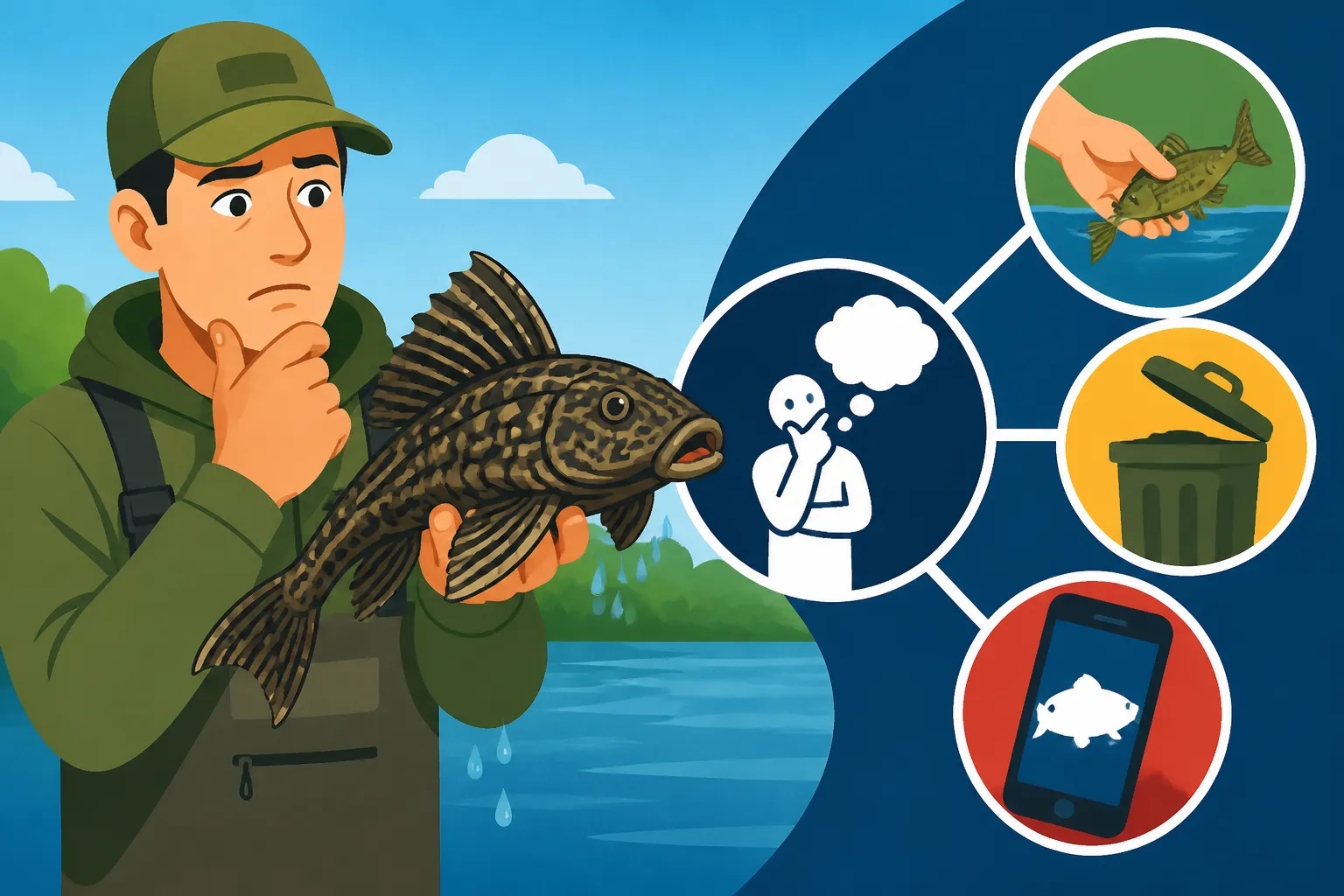
Okay, so you've reeled in a fish, and your gut tells you it's an invasive. This is where your role as a responsible conservationist truly comes into play. What you do in the moments after catching that fish can make a big difference.
Identification is Key: Don't Guess!
Before you do anything else, you need to be as certain as possible that what you've caught is indeed an invasive species. Misidentifying a native fish as an invasive could lead to unnecessary harm to our local populations, which we definitely don't want. Take a moment to examine the fish carefully. Pay attention to its overall shape, fin structure, mouthparts, color patterns, and any unique markings.
If you're unsure, try to snap a clear photo from multiple angles. Get shots of the entire fish, close-ups of its head and fins, and anything else distinctive. These photos will be invaluable later for official identification. You can also consult resources like the Connecticut Department of Energy and Environmental Protection (CT DEEP) website or their official publications. They often have detailed guides specifically designed to help anglers identify common and invasive species. Don't be shy about comparing it to what you know about Trout Species Identification Guide for Connecticut or Panfish Species Identification Guide for Connecticut – sometimes the difference is subtle, but often it’s glaring.
The "Do Not Release" Rule
This is probably the most crucial piece of advice when it comes to invasive fish: do not release it back into the water. This applies even if you're not 100% sure, but you suspect it's invasive. Releasing it, even unknowingly, could allow it to continue reproducing and spreading, undermining all the efforts made to control its population. It's a tough call, especially if you're used to catch and release for most species, but with invasives, the stakes are different.
While for native species like a striped bass, there are specific Is It Legal to Release a Striped Bass You Catch in Connecticut? regulations, for invasives, the directive is clear: keep it out of the water. This isn't about ethical angling in the traditional sense; it's about protecting the broader ecosystem. If you are truly uncertain, keep the fish, take photos, and contact the CT DEEP for confirmation. It's always better to err on the side of caution.
Humanely Dispatching and Retaining the Fish
Once you've made a positive identification or are strongly convinced it's an invasive species and you understand the "do not release" rule, the next step is to humanely dispatch the fish. This might sound harsh, but it's a necessary action to prevent further ecological damage. The most common and humane method is to use a swift, forceful blow to the head with a blunt object, like a priest or a heavy fishing club, ensuring immediate brain death. Some anglers might use a sharp knife to quickly sever the spinal cord behind the head. The goal is to minimize suffering as quickly as possible.
After the fish has been dispatched, you need to retain it. Do not throw it back on the shore or leave it where it could accidentally re-enter the water or be picked up by wildlife and moved. Place the fish in a cooler, a sturdy plastic bag, or another secure container. If you're on a multi-day trip, having a dedicated cooler for this purpose is a good idea. You can find robust, insulated coolers on Amazon that will keep your catch secure until you can properly dispose of it or report it. Make sure it's clearly separated from any fish you intend to keep for consumption.
Reporting and Disposal Procedures
Catching an invasive fish is only half the battle; reporting your discovery and properly disposing of the fish are just as vital to the overall effort. Your actions here provide crucial data for environmental agencies and prevent the further spread of these problematic species.
Documenting Your Catch
Remember those photos you took? Now they really come into play. Along with the clear images of the fish, you'll need to gather some critical information:
- Date and Time: When did you catch it? Specificity helps.
- Location: Where exactly were you fishing? GPS coordinates are ideal if you have them, otherwise, be as descriptive as possible (e.g., "western shore of Candlewood Lake, near the public boat launch," or "approximately 1 mile upstream from the Route 7 bridge on the Housatonic River"). Knowing the exact spot helps authorities target their efforts.
- Method: What bait or lure were you using? (e.g., "worm on a bobber," "spinnerbait," "fly fishing with a streamer"). This can sometimes give clues about the fish's habits.
- Size: Approximate length and weight if possible.
Having all this information organized makes your report much more useful to the Connecticut DEEP. Think of yourself as a citizen scientist, contributing valuable data to protect our shared natural resources.
How and Where to Report
Once you have your documentation, it's time to report your catch. The primary agency for this in Connecticut is the Connecticut Department of Energy and Environmental Protection (CT DEEP). They have specific channels for reporting invasive species.
You'll typically want to look for an online reporting form on the CT DEEP website, often under their "Fisheries" or "Invasive Species" sections. These forms are designed to collect all the necessary details efficiently. If an online form isn't readily available or if you prefer, you can also contact their Fisheries Division directly via phone or email. Their contact information is usually available in the Connecticut Fishing Regulations Explained booklet or on their official website. Be prepared to provide all the details you documented, including sending your photos. The sooner you report, the better, as it allows agencies to respond quickly and assess the potential threat.
Safe Disposal of Invasive Species
After reporting, the final step is the safe and responsible disposal of the invasive fish. The absolute most important rule here is: do not release it, and do not use it for bait. Using an invasive species as bait, even if it's dead, could potentially spread disease or viable eggs if parts of the fish are ingested or discarded. Similarly, simply leaving it on the bank could lead to it being carried back into the water by high tides, rain, or scavengers.
The best method of disposal is to bag the fish securely (double-bagging in heavy-duty trash bags, which you can easily find on Amazon, is a good practice) and dispose of it in a municipal trash receptacle. This ensures it goes to a landfill and cannot re-enter any water body. If you're on private property, burying it deeply away from water sources is another option, but ensure it's deep enough that animals won't dig it up. Composting should generally be avoided unless you are absolutely certain that no viable eggs or spores could survive the process. The goal is complete containment and destruction.
Preventing the Spread of Invasive Species
Catching and reporting an invasive fish is fantastic, but proactive prevention is truly where we make the biggest difference. Every angler has a role to play in stopping the spread of these unwanted guests. It's about developing good habits and sticking to them every time you're on or near the water.
"Clean, Drain, Dry" Protocol
This three-step protocol is the golden rule for preventing the spread of aquatic invasive species, not just fish, but also plants, mussels, and other organisms. It applies to boats, trailers, fishing gear, waders, and anything else that comes into contact with the water.
- Clean: Before leaving the boat launch or fishing area, inspect your boat, trailer, and all fishing equipment thoroughly. Remove any visible mud, plants, or aquatic animals. This includes fishing lines, nets, waders, and boots. A stiff brush, a towel, or even a portable vacuum can be helpful here. You can find specialized cleaning tools for boats and gear on Amazon to make this process easier and more efficient.
- Drain: Drain all water from your boat, livewell, bait bucket, and bilge before leaving the area. This prevents the transport of microscopic larvae or other organisms that might be hidden in the water. Remember, even a small amount of water can harbor invasives. This is particularly important for boaters following Connecticut Boating Laws for Anglers.
- Dry: Allow all equipment to thoroughly dry for at least 5 days, if possible, before using it in another water body. If you can't dry it for that long, consider washing it with high-pressure hot water (preferably 140°F or hotter) or freezing it. Drying kills many organisms, breaking the cycle of spread.
Never Transport Live Fish or Bait
This might seem obvious, but it bears repeating: never transport live fish from one body of water to another. This is often how invasive species are introduced. That small sunfish you caught in one pond might seem harmless, but if it's released into a new pond, it could quickly become an invasive threat if it's not native to that new ecosystem. The same goes for live bait. While you might want to bring your leftover minnows home, it's best to dispose of them properly rather than risking accidental introduction to another waterway.
Regulations often prohibit the use of certain types of bait or the transport of live bait between water bodies. Always check the current Connecticut Fishing Regulations Explained to be sure. It’s important to know the rules, especially when considering Best Baits for Smallmouth Bass on the Housatonic or other specific fishing techniques, to ensure you're not inadvertently contributing to an invasive species problem. Even the thought of potentially moving something like a small Round Goby from one river to another is enough to make any conscientious angler shudder.
Educating Fellow Anglers
Finally, part of preventing the spread of invasive species is sharing knowledge and encouraging responsible practices among your fellow anglers. If you see someone doing something that could potentially spread invasives, a friendly conversation can go a long way. Share what you've learned about the "Clean, Drain, Dry" protocol or the importance of proper bait disposal.
The more people who are aware and actively participate in these preventive measures, the better off Connecticut's waters will be. It's a community effort, and every angler plays a crucial role in safeguarding our beloved fishing spots for generations to come. From understanding the Connecticut Fishing License Guide for 2026 to knowing the ins and outs of preventing invasives, it's all part of being a well-rounded and responsible member of the angling community.
Disclaimer
This article is for general informational purposes only and does not constitute professional advice. Laws, prices and regulations vary by location and change over time. Consult a qualified professional for guidance on your specific situation.