How deep striped bass go in summer
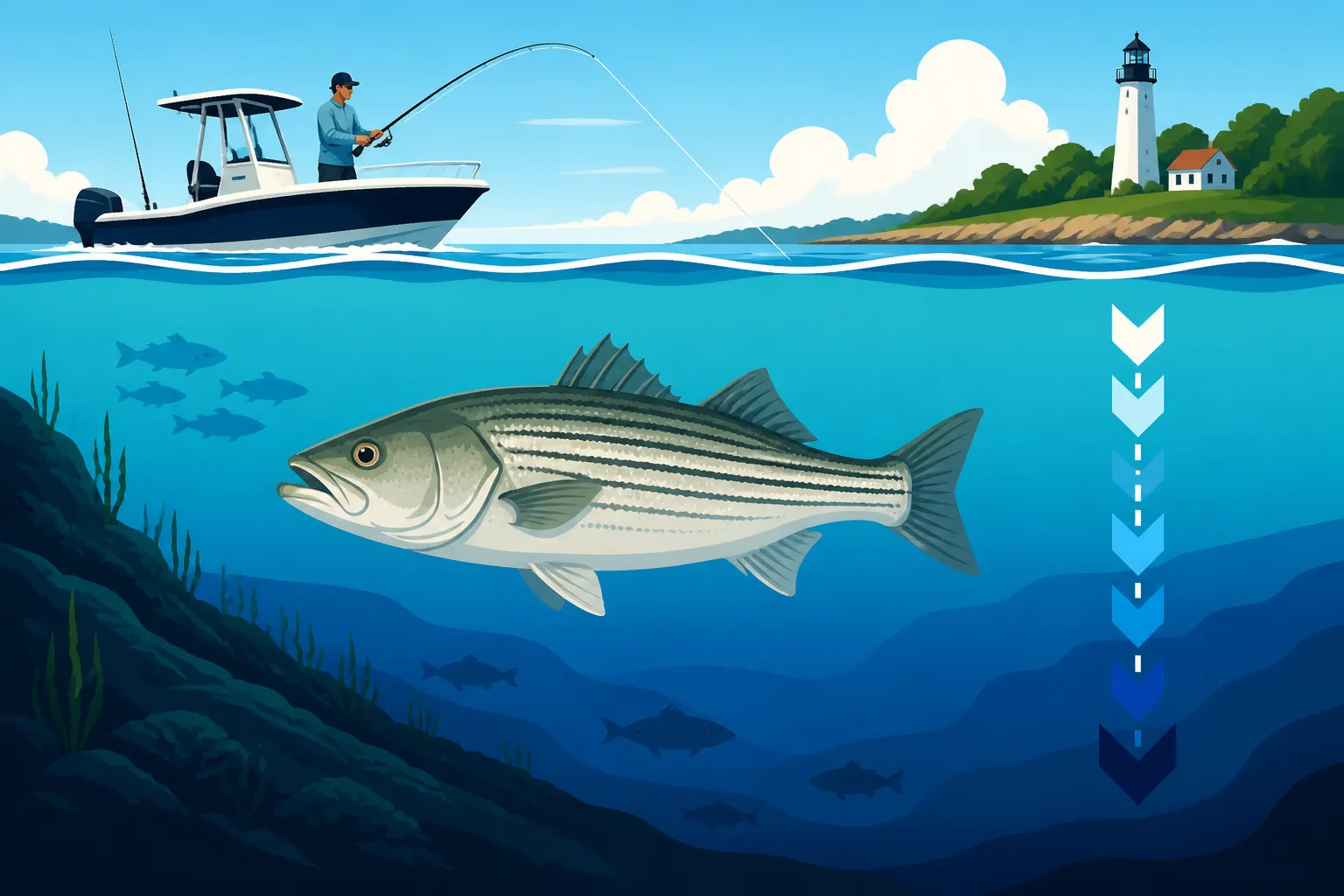
Ah, summer in Connecticut! The sun is high, the water's warm, and many anglers find themselves scratching their heads, wondering where on earth the striped bass have gone. It's a common frustration, isn't it? You hit your favorite shallow spots, cast your usual lures, and come up empty, leaving you to ponder if the fish have vanished entirely. But rest assured, they haven't disappeared; they've simply made a strategic retreat to cooler, more comfortable waters. This guide will dive deep into understanding how deep striped bass go in summer and, more importantly, how you can find them even when the heat is on.
The Summer Striped Bass Retreat: Why They Go Deep
When the dog days of summer hit Connecticut, particularly in Long Island Sound and its tidal rivers, conditions change dramatically from the vibrant spring and fall runs. This isn't just about the calendar; it's about fundamental biological needs that drive striped bass to seek out more hospitable environments. Understanding these drivers is the first step to successfully locating them.
Water Temperature and Oxygen Levels
The biggest factor influencing where striped bass go in summer is water temperature. These fish are cold-blooded, and their metabolic rates are highly sensitive to the surrounding water. They have a preferred temperature range for feeding and comfort, and when surface waters exceed that, they simply have to move.
Imagine trying to run a marathon in a sauna – you wouldn't last long, right? Striped bass feel a similar stress when the shallow, sun-baked waters of bays and nearshore areas start to climb into the high 70s or even 80s. Their ideal temperature range is generally in the 55-68°F (13-20°C) ballpark. Once that surface layer gets too warm, they begin actively searching for cooler refuge. Often, this means heading to deeper channels, drop-offs, or the cooler, more stable waters found offshore in Long Island Sound. These deeper areas act like natural air conditioning, providing a thermal sanctuary where they can conserve energy and stay comfortable.
Furthermore, warm water holds less dissolved oxygen than cold water. As temperatures rise, and especially in stagnant areas without good current flow, oxygen levels can drop significantly. This creates a double whammy for stripers: not only is the water too hot, but they also have to work harder to breathe. Deeper waters, often with more consistent currents and less direct sun exposure, tend to maintain higher oxygen levels, making them a much more attractive habitat during the summer months. It's not just about comfort; it's about survival. You can learn more about how different species cope by checking out Striped Bass Migration Along the Connecticut Coast.
Forage Fish Behavior in Summer
Striped bass are predators, and like any good hunter, they follow their prey. The behavior of baitfish is intrinsically linked to water temperature and oxygen as well. Just as stripers seek refuge, many of their primary food sources – like Atlantic menhaden (bunker), squid, or smaller finfish – will also adjust their depth and schooling patterns in response to summer conditions.
Consider menhaden, a staple for larger stripers. While they might be found schooling on the surface in spring and fall, during the intense summer heat, they often descend into deeper, cooler waters, sometimes suspending over structure or in channels. If the bait is deep, the stripers will be right there with them. You might mark massive bait balls on your sonar, and if you look closely, you'll see larger, arc-shaped marks (the stripers!) just beneath or within those schools. These deeper baitfish concentrations become key feeding grounds, especially during periods of reduced light or strong tidal movements. It’s all about efficiency; why burn energy chasing sparse, stressed bait in warm water when a banquet awaits just a few feet deeper? Understanding What striped bass eat in Long Island Sound can give you an edge in predicting their whereabouts.
Typical Depths for Striped Bass in Connecticut Summers
So, how deep are we actually talking? The answer, as with most things in fishing, is "it depends." It depends on whether you're fishing inshore or offshore, the specific body of water, and the available structure. However, there are general patterns we can look for that will guide your efforts.
Inshore vs. Offshore Depth Ranges
The depth a striped bass will hold in summer varies significantly between different environments.
Inshore Waters (Estuaries, Rivers, Bays): In the shallower, warmer waters closer to shore, such as the lower Connecticut River, Thames River, or the numerous bays and harbors along Long Island Sound, truly "deep" water might only be 15-30 feet. Here, stripers will often hug the deepest available channels, river bends, bridge pilings, or shadowed areas like docks and moored boats. They're looking for any slight thermal refuge or current break that offers a reprieve from the sun and heat. During low light hours (dawn, dusk, and especially at night), these fish might push shallower to feed, but during the bright, hot part of the day, they will likely be concentrated in the deepest holes they can find within that system. Think about where those large river channels run or the deep pockets around prominent underwater features.
Offshore Waters (Long Island Sound, Reefs, Ledges): This is where you'll find stripers going truly deep. In the expansive waters of Long Island Sound, particularly off the coasts of Norwalk, New Haven, Old Saybrook, or Niantic, significant structure exists in depths ranging from 40 to 100 feet, or even deeper in some canyons. Reefs, wrecks, rock piles, ledges, and pronounced channel edges become prime holding areas. Here, stripers can comfortably sit in cooler water, often 50-80 feet down, suspending over structure or right on the bottom. These deeper offshore structures provide cooler temperatures, consistent currents, and often attract large schools of baitfish, making them ideal summer residences. If you're targeting big, mature stripers during the summer, these offshore deep-water structures are usually your best bet. A detailed Long Island Sound Fishing Guide can point you towards these productive zones.
Tides, Currents, and Structure Interaction
Even when stripers are deep, their precise location is heavily influenced by the interplay of tides, currents, and underwater structure. They aren't just aimlessly swimming in the cool depths; they're strategically positioning themselves.
Currents: Strong tidal currents play a crucial role, even in deep water. Currents can bring in cooler, more oxygenated water, and they also disorient baitfish, making them easier targets. Stripers will often stage just out of the main current flow, in current seams or eddies behind underwater structures, waiting to ambush bait swept past them. Think of a large rock pile in 60 feet of water; the stripers might be on the leeward side of that structure, out of the strongest current, but still close enough to dart out and grab a meal. The strength and direction of the tide can shift their preferred holding spots around the same piece of structure throughout the day. Paying attention to tidal charts and understanding how the current interacts with the bottom is paramount.
Structure: Whether it's a natural rock reef, a sunken barge, or a sharp drop-off along a shipping channel, structure provides cover, ambush points, and often concentrates bait. Deep-water stripers will relate tightly to these features. They might be right on top of a hump in 50 feet of water, clinging to the side of a ledge at 70 feet, or suspended just above a wreck at 80 feet. Your sonar becomes an indispensable tool for identifying these structures and the fish holding on or near them. Without good structure, even deep water can be a barren wasteland. For more on finding these spots, consider reading Where to Find Striped Bass in Long Island Sound.
It’s important to remember that even deep-dwelling stripers will often move shallower during prime feeding windows. These windows typically occur around dawn, dusk, or throughout the night when light levels are low. During these times, the surface waters cool slightly, and the fish feel more confident to pursue bait higher in the water column or closer to shore. So, while they might hold deep during the bright afternoon, don't rule out shallower bites in the early morning or late evening.
Strategies for Locating Deep Summer Stripers
Finding these deep-water summer stripers requires a shift in tactics from your typical shallow-water spring fishing. It's less about blind casting and more about precise boat positioning, electronics interpretation, and presenting your offering effectively at depth.
Interpreting Your Electronics
A reliable fish finder (sonar) is your most valuable asset for locating deep summer stripers. Without it, you're essentially fishing blind.
Reading Bottom Contours and Structure: Start by thoroughly scanning the areas known for deep structure. Look for variations in the bottom: humps, depressions, ledges, rock piles, and wrecks. Your sonar will paint a picture of these features. Modern fish finders, especially those with side-scan or down-scan capabilities, can provide incredibly detailed images of underwater terrain. Mark these promising structures as waypoints on your GPS. You might notice these features on marine charts, but your sonar will confirm their exact depth and shape, as well as show you if there's any bait or fish around them. Investing in a quality unit from a retailer like Amazon can make a huge difference in your success.
Identifying Bait Schools and Fish Marks: Once you find structure, look for bait. Baitfish will often show up as large, dense clouds or balls on your screen. Striped bass, being larger fish, will appear as distinct, typically banana-shaped or arch-shaped marks, often directly beneath, within, or just off to the side of these bait schools. Pay attention to how high off the bottom these marks are. Sometimes, stripers will be glued to the seafloor; other times, they might be suspended 10, 20, or even 30 feet up in the water column, especially if that's where the bait is holding. Don't just focus on the bottom; scan the entire water column. The better you get at interpreting these signals, the more precise your fishing will become.
Presenting Baits and Lures at Depth
Once you've located the fish on your electronics, the next challenge is getting your bait or lure down to them and keeping it in the strike zone. This often means using heavier tackle and specific techniques.
Heavy Jigs and Three-Way Rigs: Vertical jigging with heavy metal jigs (often 4-8 ounces or more, depending on depth and current) is a highly effective method. Drop the jig directly down to the marked fish and work it with a series of lifts and drops. Soft plastic swim shads rigged on heavy jig heads are also excellent. For bottom-hugging fish, a three-way rig with a heavy sinker on the bottom and a live or cut bait (like bunker, mackerel, or eels) suspended above it is incredibly deadly. This allows you to keep your bait right in the fish's face, even in strong currents. You can find a wide assortment of heavy jigs and rigging components on Amazon.
Live-Lining and Trolling: If you can catch live bunker, eels, or other prime baits, live-lining them on a strong circle hook with enough weight to get them to the desired depth is a top technique. For covering more ground, especially over expansive reefs or along channel edges, slow trolling deep-diving plugs or umbrella rigs can be very productive. These lures are designed to get down to significant depths and imitate schools of baitfish. Make sure your trolling speed is appropriate for the lure's action and the fish's activity level. For more advanced techniques, check out Trolling Techniques for Long Island Sound Striped Bass.
Line Selection: Using braided line is almost a must for deep-water fishing. Its thin diameter for its strength reduces drag in the water, allowing your lure to get down faster and stay deeper with less weight. More importantly, its lack of stretch provides incredible sensitivity, letting you feel even the subtle takes of a deep-water striper.
Timing Your Fishing for Deep Water Success
Even in the deep, striped bass have preferred feeding times. While they might be present in the depths throughout the day, their activity level will wax and wane.
Low Light Conditions: As mentioned, dawn, dusk, and night are often the most productive periods, even for deep-water fish. The reduced light prompts stripers to feed more actively. While they may still be deep, they might be more inclined to chase a lure or take a bait aggressively. Night fishing, in particular, can be incredibly productive for larger striped bass that are more nocturnal feeders. If you're planning a nighttime excursion, be sure to consult resources like Best Night Fishing Charters for Striped Bass.
Specific Tidal Stages: Pay close attention to the tides. Often, a moving tide (either incoming or outgoing) will activate the bite, as currents stir up bait and create ambush opportunities. Slack tide, when the water is still, can sometimes be slow. However, depending on the structure, a particular stage of the tide might concentrate bait in a specific area, making it a hotspot. Local knowledge is key here, so don't be afraid to ask at bait shops or consult with reputable Best Fishing Charters in Connecticut.
Cloud Cover: While not as critical as temperature or bait, cloudy days can sometimes extend the productive bite window into the mid-morning or even early afternoon. The reduced sunlight keeps surface waters from heating up as rapidly and can make stripers feel more comfortable being higher in the water column or feeding for longer.
Common Misconceptions and Local Nuances
Navigating the world of summer striped bass can be tricky, and it's easy to fall into certain traps or overlook critical details. Let's clear up a couple of common misunderstandings and emphasize the importance of local intel.
Not Always on the Bottom
One of the biggest misconceptions about deep-water fishing is that the fish are always hugging the bottom. While stripers certainly spend a lot of time down there, especially when resting or when bait is on the seafloor, they are also frequently found suspending in the middle of the water column.
This suspension behavior is almost always directly related to baitfish. If schools of bunker, herring, or squid are suspending at, say, 45 feet over a 70-foot bottom, you can bet the stripers will be at 45 feet, not 70. This is why it's crucial to pay close attention to your fish finder and not just look for marks right on the bottom line. You need to scan the entire water column. Setting your depth alarm on your sonar to detect fish at various levels, or simply manually adjusting your zoom and sensitivity, can help you identify these suspended schools. If you’re dropping a jig all the way to the bottom when the fish are 20 feet up, you’re missing the action!
Micro-Habitats and Local Knowledge
While general rules about depth and structure apply, every body of water and even different sections of the same body of water have their own unique "micro-habitats" where stripers might hold. What works in one part of Long Island Sound might not be the exact same in another, even a few miles away.
Specific rock piles, subtle depth changes, or current seams that aren't obvious on a chart can be absolute magnets for fish. This is where local knowledge truly shines. Talk to anglers at the ramp, visit your local bait and tackle shop (they are often a goldmine of current information), or consider hiring a reputable charter captain for a day. These folks spend countless hours on the water and have learned the nuances of specific spots, often through years of trial and error. They can share insights on how tides affect particular reefs, which depths are most productive on a given day, or even specific lures that are currently working. You can also consult resources like How to Catch Striped Bass in Long Island Sound for more localized tips.
Additionally, don't underestimate the value of good old-fashioned marine charts, which you can often find through retailers like Amazon. Study them for contour lines, symbols indicating wrecks or reefs, and channel markers. Cross-referencing these charts with your sonar readings while on the water will help you build a mental map of productive areas over time.
Summer striped bass fishing in Connecticut can be incredibly rewarding, but it demands a different approach. By understanding their drive to seek cooler, deeper, more oxygenated waters and following their food sources, you can unlock a whole new dimension of fishing. Get to know your electronics, adapt your techniques, pay attention to the tides, and don't be afraid to explore those deeper honey holes. Tight lines!
Summer Striped Bass Depth Reference
| Location Type | Typical Summer Depth Range | Key Factors Influencing Depth |
|---|---|---|
| Inshore (Bays, Rivers) | 15-30 feet | Deepest available channels, current breaks, bridge pilings, shadows |
| Nearshore (Sound edges) | 30-50 feet | Subtle drop-offs, scattered rocks, current seams, bait concentrations |
| Offshore (Reefs, Wrecks) | 40-100+ feet | Major reefs, wrecks, ledges, pronounced channel edges, thermoclines |
| Suspended (Anywhere) | Variable, often following bait | Location of baitfish schools, cooler water layers above bottom |
Disclaimer
This article is for general informational purposes only and does not constitute professional advice. Laws, prices and regulations vary by location and change over time. Consult a qualified professional for guidance on your specific situation.