Differences between Connecticut’s freshwater and saltwater fish populations
It can be incredibly confusing for anglers, especially those new to Connecticut or transitioning between fishing styles, to grasp the sheer variety and distinct habitats of our fish populations. You might be wondering why a specific lure works wonders in a local pond but completely flops in Long Island Sound, or why the regulations seem to change so dramatically depending on where you cast your line. This guide will meticulously break down the fundamental differences between Connecticut's freshwater and saltwater fish populations, helping you understand where to find what, and why.
The Fundamental Divide: Salinity and Habitat
The most obvious, yet often overlooked, factor determining fish populations in Connecticut is the water itself: specifically, its salinity. Freshwater and saltwater environments create entirely different ecosystems, supporting diverse arrays of fish species that have evolved to thrive in very specific conditions. Understanding this basic ecological separation is key to becoming a more successful and knowledgeable angler in our beautiful state. It's not just about what swims where; it's about the entire environment that dictates their presence.
Freshwater Ecosystems and Their Inhabitants
Connecticut is blessed with an abundance of freshwater environments, from pristine mountain streams and bustling rivers to sprawling lakes and serene ponds. These waters are characterized by a very low salt content, typically less than 0.05%. This low salinity dictates everything from the types of aquatic plants that can grow to the invertebrates that form the base of the food chain, ultimately supporting a vibrant community of freshwater fish. Think of the clear, cold waters of a trout stream in the Litchfield Hills, or the warm, weedy coves of a large inland lake; these are worlds apart from the ocean.
Fish in these environments are adapted to these conditions, possessing specialized osmoregulation systems that allow them to maintain their internal salt balance. Many of our freshwater species are highly sought after by anglers. For instance, cold-water species like trout thrive in oxygen-rich, cooler waters, often found in the upper reaches of rivers and deeper lakes. Warm-water species, on the other hand, such as bass, thrive in more stagnant, warmer waters with plenty of cover, like submerged logs or lily pads. Each environment has its unique set of challenges and rewards for the dedicated angler. Before you head out, make sure you're up to date on your Connecticut Fishing License Guide for 2026.
Saltwater Realms: Long Island Sound and Estuaries
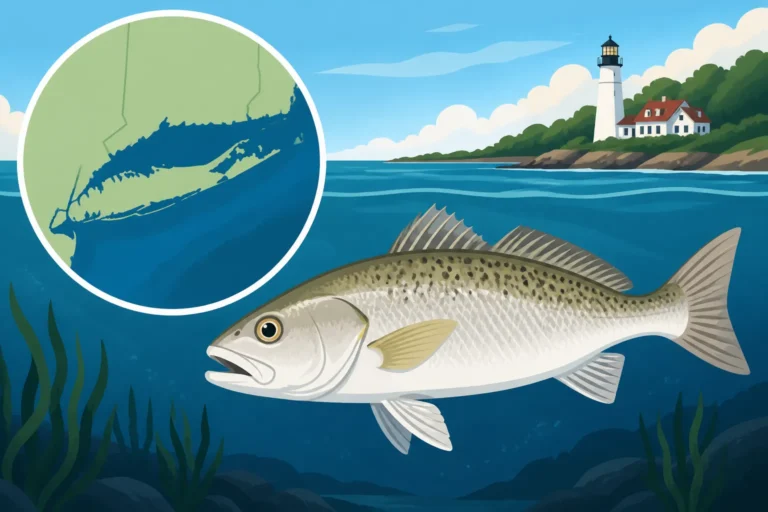
Stepping into the saltwater world of Connecticut means entering the vast expanse of Long Island Sound and its numerous tidal rivers and coastal embayments. Here, salinity levels are much higher, mirroring the ocean, though they can fluctuate in certain areas due to freshwater input from rivers. The Sound itself is a dynamic, nutrient-rich environment, home to an incredible diversity of marine life, including many species that migrate seasonally through our waters. The sheer power of the tides, the vast open water, and the rocky or sandy bottom structures create a different kind of fishing challenge and opportunity.
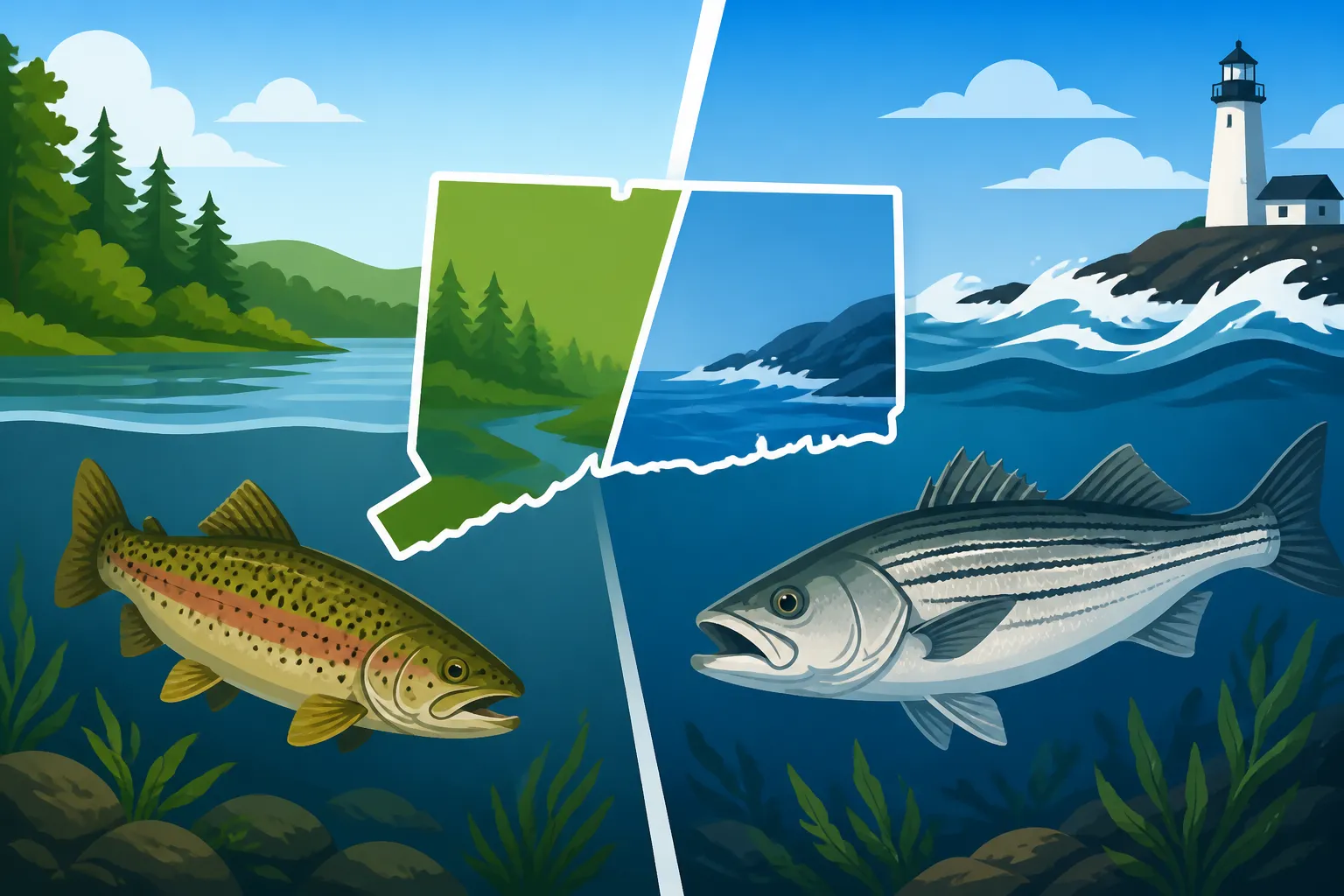
Marine fish have evolved entirely different biological mechanisms to cope with high salt concentrations, often needing to actively excrete excess salt from their bodies. This is why you'll never find a true freshwater brook trout happily swimming alongside a striped bass in the middle of the Sound. The marine environment also brings with it larger predators, vast schools of baitfish, and migratory patterns driven by ocean currents and water temperatures. Species like striped bass, bluefish, and fluke dominate these waters, offering thrilling battles and often substantial catches for those who know their Connecticut Saltwater Fishing Regulations by Species. The sheer scale and open nature of Long Island Sound Fishing Guide can be daunting, but also incredibly rewarding.
Key Freshwater Fish Species in Connecticut
Connecticut's freshwater bounty provides year-round fishing opportunities, each season bringing its own charm and target species. Whether you prefer the serene solitude of a quiet pond or the challenge of a rushing river, our inland waters have something special to offer. Getting to know the specific habits and preferred habitats of these species will drastically improve your chances of a successful day on the water.
Coldwater Favorites: Trout and Salmon
Our state is renowned for its excellent trout fishing, particularly for those who cherish the chillier, clearer waters. Connecticut actively stocks thousands of trout annually, ensuring plenty of opportunities for anglers.
- Brook Trout: These are Connecticut's only native trout species, recognizable by their worm-like markings (vermiculations) on their backs and vibrant red and blue spots. You'll typically find wild brookies in the highest reaches of cold, clear mountain streams, where they thrive in undisturbed environments. They are a beautiful, albeit often smaller, fish that demand a stealthy approach. Their pursuit takes you to some of the most picturesque and quiet corners of the state.
- Brown Trout: Known for their hardiness and ability to grow to impressive sizes, brown trout are a favorite among many anglers. They are more tolerant of warmer water temperatures than brook trout and can be found in a wide variety of rivers and larger lakes. They are also notoriously wily, providing a significant challenge, especially for fly anglers. Many larger rivers like the Farmington and Housatonic are known for their trophy brown trout populations.
- Rainbow Trout: These feisty, acrobatic fish are a staple of Connecticut's stocking program. Easily identified by the iridescent pink or red band along their sides, rainbows are often the first trout species caught by beginners due to their aggressive feeding habits after stocking. They thrive in many of our rivers, streams, and ponds, offering exciting action, particularly during the spring Connecticut Trout Season and Stocking Rules.
- Atlantic Salmon (Landlocked): While less common, some deep, cold lakes in Connecticut, like Crystal Lake, support landlocked Atlantic salmon populations. These are powerful fish that provide a unique trophy fishing experience for dedicated anglers.
Warmwater Gamefish: Bass and Panfish
When the water temperatures rise, our lakes, ponds, and slower-moving rivers come alive with a different set of gamefish. These species are perfect for a relaxing day of fishing, whether from shore or a small boat.
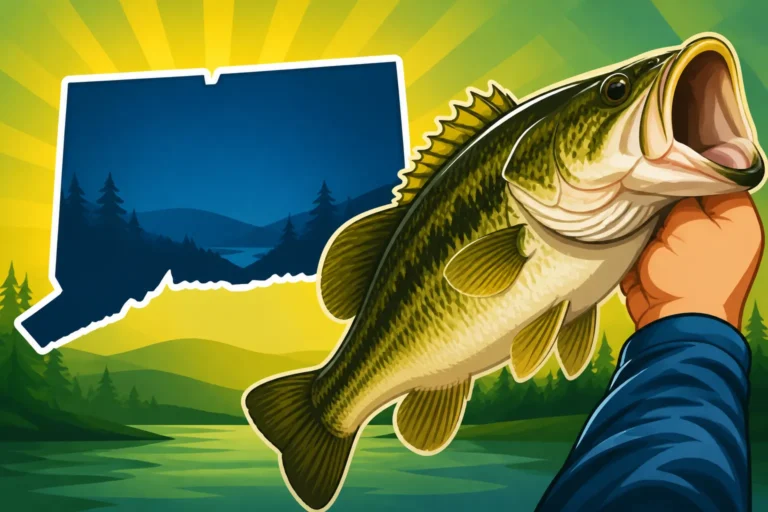
- Largemouth Bass: The quintessential warmwater predator, largemouth bass are abundant in nearly every pond and lake in Connecticut with adequate cover. They love submerged vegetation, fallen trees, and docks, ambushing prey with explosive strikes. Their greenish color and a lateral line that typically extends as a dark stripe make them easily identifiable. Catching a lunker largemouth can be an exhilarating experience, often requiring specific techniques like pitching jigs or topwater frogs into dense cover. You can find excellent selections of bass lures on Amazon to cover all situations.
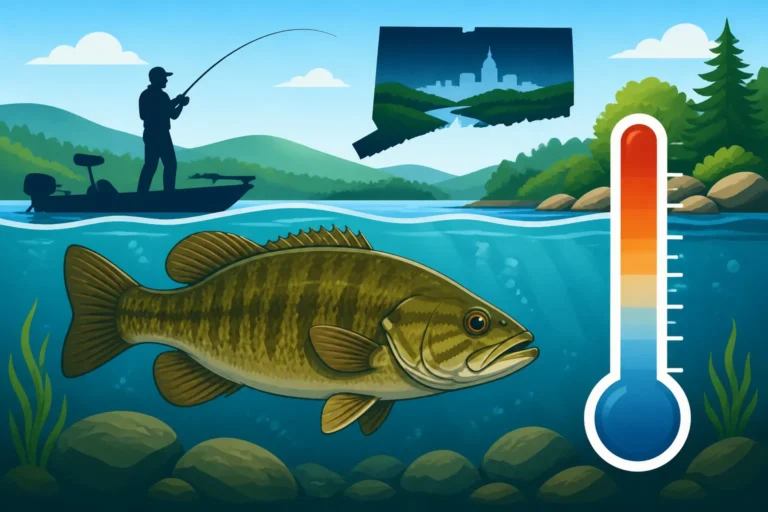
- Smallmouth Bass: Often found in cooler, clearer lakes and especially in rocky rivers like the Housatonic, smallmouth bass are known for their powerful fights and incredible stamina. They prefer rocky bottoms, ledges, and current breaks, feeding on crayfish and baitfish. Distinguished by their bronze coloration and shorter jaw that doesn't extend past the eye, smallmouth offer a completely different challenge than their largemouth cousins. Learning How to Catch Smallmouth Bass in Connecticut Rivers is a rite of passage for many anglers.
- Panfish (Bluegill, Crappie, Perch): These smaller, schooling fish are the backbone of family fishing trips. Bluegill, with their vibrant colors and feisty tug, are ubiquitous in most freshwater bodies. Black Crappie, known for their papery mouths and delicious fillets, school around submerged brush and docks. Yellow Perch, with their distinctive vertical stripes, are another common and tasty catch. They are perfect for teaching kids to fish and can provide endless fun with light tackle.
Other Notable Freshwater Species
Beyond the main gamefish, Connecticut's freshwater habitats are home to several other intriguing species.
- Chain Pickerel: These slender, toothy predators are common in weedy ponds and shallow areas of lakes. They are ambush hunters, often found lurking in vegetation, and provide aggressive strikes, especially in cooler months. While not always a primary target, they can be a fun surprise catch.
- Northern Pike: Found in larger, nutrient-rich lakes like Bantam Lake and Mansfield Hollow, northern pike are the apex predators of our freshwater system. They can grow to impressive sizes and are known for their explosive takes and powerful runs. Targeting pike often requires heavy tackle and specialized lures.
- Catfish (Channel Catfish and Bullheads): These bottom dwellers are found in many lakes and larger rivers. Channel catfish can grow quite large and offer a strong fight, while smaller bullheads are common in muddy ponds. They are often targeted by bait anglers, especially at night.
- Common Carp: While sometimes overlooked, carp are powerful, hard-fighting fish that can grow to enormous sizes in our larger rivers and lakes. They are highly intelligent and offer a unique angling challenge for those who target them with specialized baiting techniques. Many dedicated carp anglers find success with European-style methods, often buying specialized gear from retailers like Amazon.
Here's a quick comparison of some key freshwater fish types:
| Species Group | Preferred Habitat | Key Characteristics | Fishing Technique Examples |
|---|---|---|---|
| Trout | Cold, clear, oxygen-rich rivers & lakes | Agile, sensitive to water quality, often vibrant colors | Fly fishing, light spinning, bait |
| Largemouth Bass | Warm, weedy lakes & ponds, structure | Ambush predator, aggressive strikes, distinct lateral line | Jigs, topwater, crankbaits, plastics |
| Smallmouth Bass | Cool, clear rivers & rocky lakes, current | Strong fighters, bronze color, smaller mouth | Cranks, tubes, finesse jigs, craws |
| Panfish | Nearly all freshwater (ponds, lakes, slow rivers) | Schooling, smaller size, good for beginners & kids | Worms, small jigs, bobbers |
| Pike/Pickerel | Weedy, shallow areas of lakes & ponds | Elongated body, sharp teeth, ambush predators | Spinnerbaits, jerkbaits, large shiners |
Prominent Saltwater Fish Species in Connecticut
The saltwater side of Connecticut's fishing scene is defined by the incredible productivity of Long Island Sound. From fast-moving predators to bottom-hugging delicacies, the Sound offers a vast playground for marine anglers. The tidal flows, varying bottom structures, and migratory patterns dictate when and where you'll find these exciting species.
Migratory Marvels: Striped Bass and Bluefish
These two species are arguably the most iconic saltwater gamefish in Connecticut, known for their powerful runs, aggressive feeding, and seasonal migrations. They provide some of the most thrilling action the Sound has to offer.
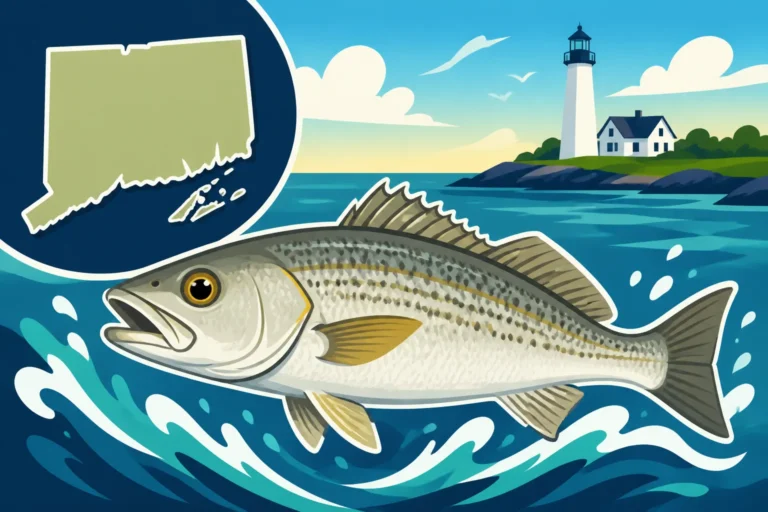
- Striped Bass: The "King of the Surf," striped bass are a highly sought-after species in Long Island Sound. They migrate into our waters in spring, spend the summer feasting on baitfish, and then move south again in the fall. Stripers can range from small "schoolies" to true trophy-sized fish over 40 pounds. They can be found in a wide array of habitats, from rocky shorelines and shallow flats to deep rips and estuaries. Their diet is diverse, making them susceptible to various baits and lures. Anglers often chase them at dawn, dusk, or even through the night, using anything from live eels to large plugs. Mastering How to Catch Striped Bass in Long Island Sound is a lifelong pursuit for many.
- Bluefish: Known as the "chopper" for their razor-sharp teeth and aggressive feeding frenzies, bluefish are a formidable opponent. They arrive in the Sound slightly later than stripers and can be found in large schools, often boiling on the surface as they chase baitfish. Bluefish are less discerning eaters than stripers and will readily attack nearly any lure or bait presented to them, providing fast and furious action. While excellent fighters, their teeth require heavy leaders and careful handling.
Bottom Dwellers and Structure Lovers: Fluke, Blackfish, and Sea Bass
These species provide fantastic table fare and exciting angling challenges, often requiring a focus on specific structures or bottom types.
- Fluke (Summer Flounder): These flatfish are a summer favorite, arriving in the Sound in late spring. They are ambush predators, lying camouflaged on sandy or muddy bottoms, waiting for baitfish and squid to swim by. Fluke fishing typically involves drifting baits (like squid or spearing) or bucktail jigs along the bottom, trying to cover as much ground as possible. They are known for their distinctive "thump" when they strike, and their delicious white fillets. Learn the ins and outs of Fluke Fishing in Long Island Sound for a successful outing.
- Blackfish (Tautog): The ultimate structure fish, blackfish are legendary for their strength and their preference for rocky bottoms, wrecks, and mussel beds. They are notoriously tricky to catch, requiring specialized techniques, patience, and precise bait presentation, usually with crabs or clams. Once hooked, they fight like bulldogs, trying to pull you into the structure. Targeting blackfish is often a fall pursuit, offering some of the most rewarding fishing experiences in Connecticut. Get ready for a battle if you’re fishing for Blackfish (Tautog) Fishing in Connecticut.
- Black Sea Bass: Found over rocky reefs, wrecks, and other hard bottom structures, black sea bass are another popular and tasty bottom fish. They are often caught while targeting blackfish or fluke and readily take jigs and baited rigs. Their distinctive dark color and high dorsal fin make them easy to identify. They provide a strong fight for their size and are excellent eating.
Inshore and Estuarine Species: Scup, Weakfish, and Winter Flounder
These species round out the diverse saltwater fishery, offering additional targets for anglers, particularly in shallower or more protected coastal waters.
- Scup (Porgy): These schooling fish are common over hard bottoms and around rocky areas, even close to shore. They are aggressive eaters and a great option for light tackle, readily taking small pieces of bait like clams or worms. They offer consistent action and are very popular for family fishing trips due to their abundance and willingness to bite.
- Weakfish: Named for their delicate mouth structure, weakfish are beautiful, iridescent fish that can be found in certain areas of the Sound, especially in estuaries and protected bays. They feed on baitfish and squid and are often caught on soft plastics or small jigs. While their populations fluctuate, a good weakfish bite can be incredibly fun.
- Winter Flounder: Also a flatfish, winter flounder prefer colder water than fluke and are typically targeted in early spring or late fall in sandy or muddy bottomed bays and harbors. They are smaller than fluke and are caught by still-fishing with small baits like worms or clams on a simple bottom rig.
Overlap and Transition Zones: Brackish Waters
While the distinction between freshwater and saltwater is largely clear-cut for most species, Connecticut also boasts vital "transition zones" where the two realms meet. These brackish water environments, primarily our estuaries, are dynamic places where salinity levels constantly shift with the tides and river flows. This unique characteristic supports a fascinating mix of species, some of which can tolerate a wide range of salinities, and others that actually spend parts of their lives moving between freshwater and saltwater.
The Dynamic Estuary: Where Rivers Meet the Sea
Estuaries are often referred to as the "nurseries of the sea" for good reason. The mixing of freshwater and saltwater creates a highly productive environment, rich in nutrients and diverse habitats, including salt marshes, mudflats, and oyster reefs. These areas act as critical feeding grounds and protective nurseries for many marine species during their juvenile stages, and they also provide vital habitat for resident brackish water species. Think of the lower reaches of the Connecticut River, the Thames River, or the Housatonic River as they widen and merge with the Sound.
Anglers fishing in estuaries might encounter both freshwater and saltwater species on the same outing. For example, you could be catching largemouth bass or carp in the tidal freshwater section of a river, then move downstream a bit and start hitting striped bass or bluefish as the salinity increases. This versatility makes estuarine fishing incredibly exciting and unpredictable, always offering a chance for a surprising catch. It's a true melting pot of our state's fish populations.
Species That Bridge the Gap: Anadromous and Catadromous Fish
Some fish species have evolved truly remarkable life cycles that see them spending significant portions of their lives in both freshwater and saltwater. These "diadromous" fish are a testament to the incredible adaptability of nature and provide unique angling opportunities.
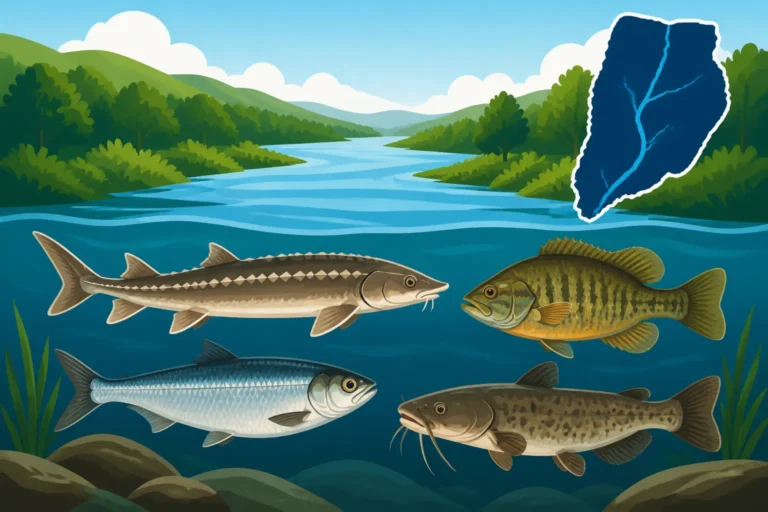
- American Shad: These members of the herring family are anadromous, meaning they spend most of their adult lives in the ocean but migrate into freshwater rivers like the Connecticut River each spring to spawn. The shad run is a celebrated event in Connecticut, drawing thousands of anglers who target these powerful, silvery fish on light tackle. Once the spawning is complete, the adult shad return to the ocean, and the juveniles spend their first summer in freshwater before migrating out to sea themselves.
- Alewives (River Herring): Similar to shad, alewives are another anadromous herring species that undertake impressive spawning migrations into freshwater streams and rivers in the spring. While not typically targeted by recreational anglers, they are a crucial forage fish for many larger predators, both in freshwater (like pike) and saltwater (like striped bass). Their presence is a good indicator of a healthy ecosystem.
- American Eel: The American eel has a truly fascinating life cycle, opposite to that of shad and alewives. These are catadromous fish, meaning they spend most of their adult lives in freshwater rivers and ponds, but migrate to the Sargasso Sea in the Atlantic Ocean to spawn. Juvenile eels (elvers) then make their way back into freshwater, often in incredible numbers. Eels are a common nocturnal catch in many freshwater and brackish environments and are an important part of the food web. You can often find useful eel traps or eel-fishing gear on Amazon if you're looking to target them.
Understanding these transitional areas and the incredible species that navigate them truly highlights the interconnectedness of Connecticut's aquatic environments. Whether you're casting for trout in a mountain stream or battling a striper in the Sound, appreciating the distinct yet sometimes overlapping worlds of freshwater and saltwater fishing enriches every experience.
Disclaimer
This article is for general informational purposes only and does not constitute professional advice. Laws, prices and regulations vary by location and change over time. Consult a qualified professional for guidance on your specific situation.