Best rivers for shad runs in Connecticut
There's nothing quite like the electric anticipation of Connecticut's annual shad runs. If you've ever felt the frustration of missing the peak, or wondered which rivers truly offer the best chances for a memorable catch, you're not alone. This guide is here to cut through the guesswork, offering a detailed look at the prime waterways where these incredible fighting fish make their spring pilgrimage, helping you plan your perfect shad adventure.
The Excitement and Challenge of American Shad Fishing in Connecticut
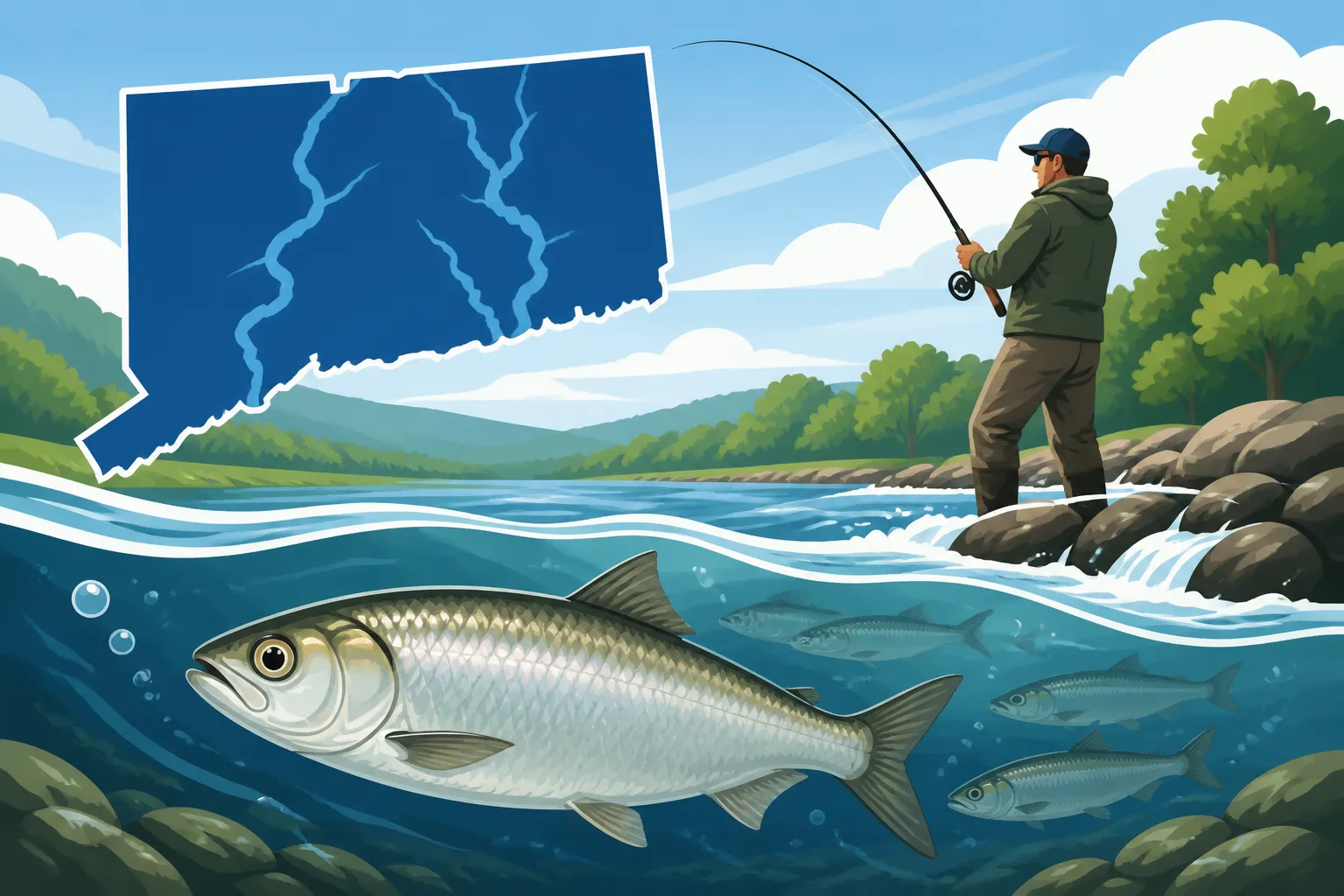
The American Shad ( Alosa sapidissima) is a truly remarkable fish, often called "the poor man's salmon" for its incredible fighting spirit and delectable flavor. Every spring, these anadromous fish leave the saltwater of Long Island Sound and the Atlantic Ocean, migrating up Connecticut's freshwater rivers to spawn. This annual migration creates an exhilarating, albeit sometimes fleeting, opportunity for anglers. It's a rite of spring for many, a chance to shake off the winter blues and tangle with a fish that pulls like a freight train.
The challenge lies in timing and location. These fish move fast, and water conditions, temperature, and even lunar phases can influence their arrival and behavior. Many a hopeful angler has arrived too early to an empty river or too late after the main push has moved through. But when you hit it right, when the shad are thick in the river, the action can be non-stop and absolutely thrilling. It's not just about the fight, either; the sheer spectacle of thousands of fish pushing upstream, sometimes leaping, sometimes swirling, is something every Connecticut angler should experience.
Connecticut's Top Rivers for Robust Shad Runs
While many smaller streams might see a few shad, certain rivers in Connecticut consistently host significant, well-established runs. These are the waterways where you'll find dedicated shad anglers lining the banks, and where the chances of a banner day are highest. Knowing where to focus your efforts is half the battle won.
The Mighty Connecticut River: The Undisputed King
When we talk about shad in Connecticut, the Connecticut River is, without a doubt, the grandaddy of them all. This majestic waterway, the longest river in New England, is home to one of the largest American Shad runs on the East Coast. It's the destination for serious shad anglers, and for good reason. The sheer volume of fish that push up this river each spring is astounding.
The shad enter the mouth of the river, often in late April, and continue their journey northward through May and into early June. The run typically peaks in mid-May. Anglers often target the lower sections first, around towns like Old Saybrook and Essex, as the fish first arrive. As the season progresses, the run moves upstream, past Middletown, Hartford, and even into Massachusetts. Popular spots include the Middletown stretch, particularly below the Portland Bridge, and areas near Enfield Dam where the fish gather before attempting to pass. Access is plentiful, with numerous state boat launches and public fishing areas. For those without a boat, many excellent shore fishing opportunities exist along causeways and public parks. You'll find everything from spin casters to fly anglers here, all trying to entice these silvery torpedoes. If you want to witness American Shad Runs on the Connecticut River in full glory, this is the place to be.
The Scenic Housatonic River: A Western Connecticut Gem
Over in Western Connecticut, the Housatonic River provides another fantastic shad fishing experience. While perhaps not matching the sheer numbers of the Connecticut River, the Housatonic offers a beautiful backdrop and excellent angling opportunities, particularly in its lower reaches. The shad here also begin their migration in late April or early May, typically peaking around the second or third week of May.
Key areas to target on the Housatonic include the stretch below the Derby Dam, often referred to as the "Derby Hole." This area becomes a bottleneck for upstream migrating fish, concentrating them and offering excellent fishing from both boat and shore. Further upstream, areas around Shelton and Southbury also see good runs. The Housatonic's clear, freestone character in some sections also makes it a favorite for fly anglers looking for a more challenging and rewarding experience. There are numerous state boat launches and town-managed access points. The Housatonic is known for its strong current, so understanding how to present your lures effectively in moving water is key. For more on this impressive waterway, check out our Housatonic River Fishing Guide.
The Farmington River: Smaller but Mighty
While primarily known as a premier trout stream, the lower sections of the Farmington River, particularly below the Farmington River Dam in Windsor, also host a respectable American Shad run. This is a fantastic option for anglers in central Connecticut looking for a more intimate shad fishing experience than the vastness of the Connecticut River.
The shad enter the Farmington a bit later than the main stem of the Connecticut, usually starting in mid-May and running into early June, with the peak often hitting around late May. Access is excellent, with several public parks and boat launches, such as those in Windsor and Bloomfield. The river here is narrower and shallower in many spots than the other major shad rivers, which can make for exciting sight fishing opportunities in clear water. Fly fishing for shad on the Farmington is also very popular, offering a different kind of challenge. Don't overlook the Farmington if you're looking for Best Fly Fishing Rivers in Connecticut that also offer shad.
The Saugatuck River: A Coastal Favorite
The Saugatuck River, flowing through Westport and emptying into Long Island Sound, provides a smaller, yet often productive, shad run. This river is a fantastic local option for anglers in Fairfield County. The shad enter the Saugatuck around the same time as the Housatonic, typically starting in early May and continuing through the month.
The key area for shad on the Saugatuck is generally below the small dam in Westport. Public access points, including the popular Jesup Green, offer excellent shore fishing. Parking can sometimes be a challenge, especially on busy weekends, but the fishing can be worth it. The Saugatuck's proximity to the coast means the fish are often fresh from the Sound, and they put up a spirited fight. It's a charming river with a distinct local feel, and a great place to connect with the spring shad migration if you're in the area.
Here’s a quick overview of these prime shad rivers:
| River Name | Primary Location | Peak Run Time | Typical Fishing Style | Key Characteristics |
|---|---|---|---|---|
| Connecticut River | Central/Eastern CT | Mid-May | Boat, Shore, Fly | Largest run, vast, many access points, strong current. |
| Housatonic River | Western CT | Mid-Late May | Boat, Shore, Fly | Scenic, strong fight, Derby Hole bottleneck. |
| Farmington River | Central CT (lower) | Late May-Early June | Shore, Fly | More intimate, clear water, excellent fly fishing. |
| Saugatuck River | Southwestern CT (coast) | Early-Mid May | Shore | Smaller, coastal access, strong fighting fresh fish. |
Timing Your Shad Adventure: When and What to Look For
Successfully intercepting the shad run is all about timing. Unlike many resident fish, shad are migratory, and their presence is fleeting. Knowing when they generally arrive and what environmental cues signal their peak can make all the difference between a slow day and an unforgettable one.
The Calendar and Nature's Cues
Generally, When shad run up the Connecticut River and other major waterways, it starts in late April, peaks in May, and winds down in early June. However, this isn't a hard and fast rule. Mother Nature doesn't consult a calendar! Several factors influence the exact timing:
- Water Temperature: This is perhaps the most critical factor. Shad prefer water temperatures in the 50-60°F range for their upstream migration. Cooler springs will delay the run, while warmer springs can bring it earlier. Many anglers pay close attention to river temperatures reported by local gauges or even carry their own thermometers.
- Rainfall and River Flow: Heavy spring rains can increase river flow and create murky conditions, which might temporarily slow the run or push fish through faster. Conversely, very low, clear water can make them skittish. Stable water levels and moderate flows are often ideal.
- Local Reports and Sightings: This is invaluable intelligence. Keep an eye on local fishing forums, tackle shop reports, and social media. Hearing that "the shad are in at Derby" or "they're hitting below the Portland bridge" is often the best indicator. Also, visually look for activity: splashing, jumping fish, or even increased bird activity (like gulls or ospreys) can signal their presence. You might even see What American shad runs look like on the Connecticut River with large schools moving through.
Checking Local Resources
The Connecticut Department of Energy and Environmental Protection (DEEP) often provides updates on fish migrations, including shad. Their website is a great resource. Local tackle shops, particularly those near the major shad rivers, are also goldmines of up-to-the-minute information. Don't be shy about striking up conversations with other anglers on the riverbank – most are happy to share general conditions, even if they keep their "secret spot" to themselves. Remembering that Connecticut Fishing Seasons by Month can vary annually will help you mentally prepare for potential shifts in the run.
Essential Gear and Techniques for Connecticut Shad
Catching American Shad isn't overly complicated, but having the right gear and employing effective techniques can significantly boost your success. These are strong fish with soft mouths, so a balanced approach is best.
Rods, Reels, and Line
For general shad fishing, a light to medium-light spinning rod, typically 6 to 7 feet long, with a fast action tip is ideal. This allows for long casts of light lures and provides enough backbone to handle a fighting shad, while the soft tip protects their delicate mouths. Pair this with a reliable spinning reel spooled with 6-8 pound monofilament or fluorocarbon line. Braided line can also be used, especially in heavier current, but a fluorocarbon leader (6-8 lb test) is often recommended to reduce visibility and provide some stretch to prevent hooks from tearing out. You can find a wide selection of suitable rods, reels, and lines on Amazon at various price points.
Fly anglers will want a 6 to 8-weight fly rod, typically 8.5 to 9 feet long, paired with a matching weight-forward floating or intermediate sinking line. A fast-sinking tip or a full sinking line can be beneficial in deeper, faster currents. A 7.5 to 9-foot leader tapering to 6-8 lb test fluorocarbon is generally sufficient.
Lures and Flies: The Shad's Weakness
Shad are not typically caught on bait. They are almost exclusively caught on small, flashy lures or flies that imitate small baitfish or simply annoy them into striking.
- Shad Darts: These are the quintessential shad lure. Small, lead-head jigs with a feathered or plastic tail, they come in a variety of colors (chartreuse, pink, white, red, and combinations are popular). Size 1/8 to 1/4 ounce is most common. Many anglers tie their own, but pre-made darts are readily available.
- Small Spoons: Tiny, flashy spoons like ¼ to ½ ounce Johnson Silver Minnows, Kastmasters, or even smaller flutter spoons can be incredibly effective. Silver and gold are classic colors, but sometimes a bit of red or chartreuse can trigger strikes.
- Jigs: Small bucktail or plastic-tailed jigs (1/8 to 1/4 ounce) in bright colors can also work wonders, especially when fished in combination with a dart, creating a tandem rig.
- Flies: For fly anglers, traditional shad flies mimic small baitfish or shrimp. Patterns like Crazy Charlies (pink, chartreuse), Clouser Minnows (chartreuse/white), or small, flashy streamers work well. Size 4-8 hooks are common. You can often find kits or individual flies perfect for shad on Amazon.
Techniques for Success
- Casting and Retrieving: The most common technique involves casting your lure (often a dart, or a dart in tandem with a small spoon) across and slightly upstream. Allow the current to sweep the lure downstream while maintaining a slow, steady retrieve. The goal is to keep the lure near the bottom, where shad often travel, without snagging.
- Drifting: From a boat, you can drift downstream, allowing your lures to tumble naturally with the current. This is particularly effective in wider sections of the Connecticut and Housatonic rivers. Adjust your weight or jig size to stay in the strike zone.
- Fly Fishing: Fly fishing for shad typically involves casting across current with a sinking line or tip, and then swinging the fly through the water column, retrieving with short strips. The key is to get the fly down to the fish. When you feel that distinctive "thump," set the hook with a strip strike!
- Tandem Rigs: Many anglers fish a tandem rig, consisting of two lures tied a foot or two apart. This allows you to present two different colors or types of lures simultaneously and increases your chances of a double hook-up. Make sure your local regulations allow for multiple hooks or lures. You can easily pick up swivels and leader material on Amazon to tie your own rigs.
- Respecting the Fish: Shad have delicate mouths, so play them gently and avoid horsing them in. If you plan to release them, handle them as little as possible and revive them carefully. Learning How to fish for shad right after the spring run starts often involves experimenting with these techniques.
Remember, patience and persistence are key. Some days the fish will be everywhere; other days you'll have to work for every bite. But the reward of a hard-fighting American Shad on the end of your line is truly one of Connecticut's angling treasures.
Disclaimer
This article is for general informational purposes only and does not constitute professional advice. Laws, prices and regulations vary by location and change over time. Consult a qualified professional for guidance on your specific situation.