Best charter captains for fly fishing the Farmington River
Oh, the Farmington River! If you've ever cast a line into its storied waters, you know there's something truly magical about it. It’s one of Connecticut's crown jewels for fly fishing, but let's be real – tackling a river with such a reputation, and all its nuances, can feel a bit overwhelming, especially if you're hoping to unlock its deepest secrets. This guide is all about helping you cut through the noise and connect with the absolute best charter captains and guides for fly fishing on the Farmington, ensuring your next trip is not just good, but truly unforgettable.
Why the Farmington River is a Fly Fishing Paradise (And Why a Guide Helps)
The Farmington River isn't just another stream; it's a celebrated ecosystem, a true haven for trout anglers that draws people from all over the Northeast and beyond. You might have heard whispers of its wild brown trout, the feisty rainbows, and the incredible holdover fish that grow to impressive sizes. But seeing it for yourself, and having someone help you navigate its complexities, is a game-changer.
The Farmington's Unique Appeal
What truly sets the Farmington apart is its exceptional water quality, stable temperatures year-round thanks to bottom-release dams upstream, and a robust stocking program complemented by a thriving wild trout population. This combination creates an environment where trout can not only survive but truly flourish, providing incredible opportunities for anglers. You'll find everything from broad, sweeping runs to tight, technical pocket water, making it a perfect classroom for refining your fly-fishing skills. It’s no wonder it’s often listed among the Best Fly Fishing Rivers in Connecticut. Whether you're a seasoned fly caster or just dipping your toes into the world of fly fishing, the Farmington offers a diverse challenge and a deeply rewarding experience.
What many anglers, even experienced ones, often don't realize is just how intricate the river's sections are. From the wild trout management areas to the trophy sections, each bend, riffle, and pool holds its own secrets and demands a specific approach. Without local insight, you might spend precious hours trying to "figure it out" when you could be actively fishing the most productive spots with the right techniques.
The Value of Local Expertise
This is precisely where a top-notch Farmington River fly fishing guide becomes invaluable. They don't just know where the fish are; they understand why they're there, what they're eating, and how they're behaving on any given day. A good guide has spent thousands of hours on that water, observing, learning, and adapting. They understand the subtle changes in insect hatches, water flow, and even how barometric pressure can affect trout activity. This local knowledge saves you countless hours of trial and error and significantly increases your chances of a successful and educational outing.
Beyond just finding fish, guides are masters of river etiquette and navigating the sometimes-complex Connecticut Fishing Regulations Explained. They'll ensure you're in compliance with special rules, like those found in the Connecticut Farmington River Trophy Trout Stream Rules or specific sections designated as Connecticut Trout Management Area Regulations. They can teach you the subtle art of reading the water, presenting your fly just right, and making adjustments on the fly – no pun intended! It’s like having a seasoned mentor right there with you, translating the river's whispers into actionable advice.
Essential Qualities of a Top Farmington River Fly Fishing Captain
When you're looking to book a guided trip on a river as special as the Farmington, you're not just hiring someone to row a boat or point out fish. You're investing in an experience, a learning opportunity, and a chance to truly connect with the water. So, what should you really be looking for in a top-tier Farmington River fly fishing captain?
Deep Local Knowledge and Experience
This might seem obvious, but it goes beyond simply having fished the river a few times. A truly exceptional Farmington River guide has an intimate, almost instinctive, understanding of every rock, every eddy, and every subtle current. They've seen the river in all its moods – high water, low water, scorching summer days, and frigid winter mornings. They can tell you why a specific pool holds big browns only in the fall, or why a certain riffle is perfect for a summer Caddis hatch.
They're constantly studying the hatches, knowing exactly which fly patterns are needed, whether it’s tiny midges in winter or a robust Sulphur hatch in spring. This hyper-local expertise means they can put you on fish when others are struggling, quickly adapting to changing conditions. They'll know the public access points like Farmington River West Branch best access points and even the lesser-known spots that offer solitude and superb fishing. It’s this deep, nuanced understanding that truly separates the good from the great.
Excellent Communication and Teaching Skills
Here’s a secret: the best guides aren't just great anglers; they're also fantastic teachers and conversationalists. Whether you're a complete novice who needs to learn the basics of casting and reading water, or an experienced angler looking to refine specific techniques like Euro nymphing or dry fly presentation, your guide should be able to tailor their instruction to your skill level and learning style.
They should be patient, encouraging, and clear in their communication. It’s not just about them telling you what to do; it’s about them explaining why. A good guide will help you understand the principles behind their advice, empowering you to become a better angler long after your trip is over. They should also be great company, making the day enjoyable even if the fish aren't cooperating. After all, you're spending several hours together in close quarters, so a positive and engaging personality is a huge plus!
Professionalism and Safety
When you step onto a guide's drift boat or follow them into the river, you're entrusting them with your safety and your day. Professionalism is paramount. This means your guide should be properly licensed (usually a Coast Guard license for drift boat operations, and state guide licenses), insured, and always prioritize safety. They should have all necessary safety equipment on board, from PFDs to first-aid kits.
Beyond the legal and safety aspects, professionalism extends to their demeanor. Punctuality, preparedness, and a clear understanding of the day's plan are all part of the package. They should be calm under pressure, whether it's navigating challenging currents or handling a difficult fishing situation. A professional guide ensures you feel secure, confident, and well-cared for throughout your entire adventure.
Matching Your Fishing Style
Just like individual anglers, guides often have their own preferred styles and specialties. Some guides might be renowned for their dry fly prowess, patiently waiting for the evening hatch, while others are absolute masters of Euro Nymphing Connecticut Trout Streams or throwing streamers for aggressive browns. Before booking, consider what you want to get out of the trip. Are you hoping to learn a specific technique? Target larger fish? Or simply enjoy a relaxing day catching whatever comes your way?
It's totally okay to ask potential guides about their specialties. If you're passionate about Dry Fly Fishing Connecticut Mountain Streams but book a guide who primarily focuses on subsurface techniques, you might end up feeling a little out of sync. Finding a guide whose passion and expertise align with your own fishing goals will undoubtedly lead to a more fulfilling experience. This goes for whether you prefer Wading Techniques for Connecticut Trout Streams or being in a drift boat for Float Fishing the Farmington River.
How to Find Your Ideal Farmington River Fly Fishing Guide
Finding the perfect guide for your Farmington River fly fishing adventure can feel like a mini-quest in itself, especially with so many options out there. But with a little research and the right approach, you can easily connect with someone who will make your trip truly special.
Leveraging Online Resources and Platforms
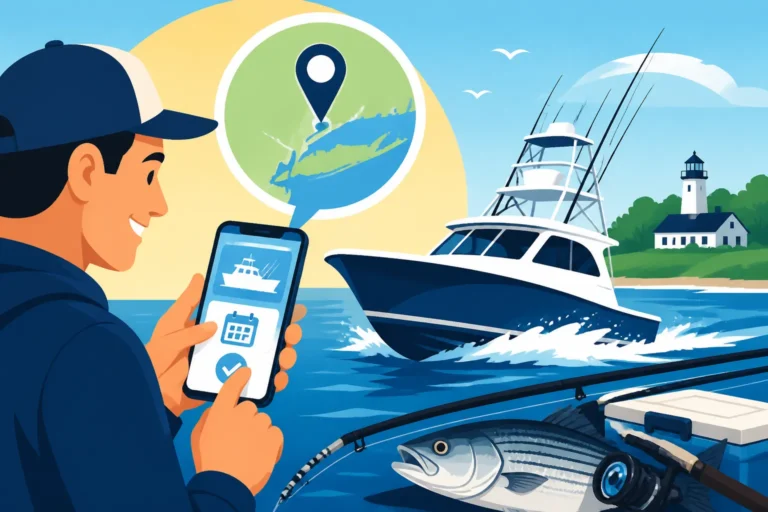
In this digital age, online platforms have become incredibly powerful tools for connecting anglers with guides. Websites like FishingBooker are fantastic starting points. You can browse through profiles of numerous guides, often with detailed descriptions of their services, specialties, and even photos of past catches on the Farmington River. A huge benefit of these platforms is the ability to read reviews from other anglers. These firsthand accounts can give you honest insights into a guide's personality, teaching style, and ability to put clients on fish.
When using a platform like FishingBooker, make sure to filter your search specifically for fly fishing guides operating on the Farmington River. Pay attention to guides who highlight their experience with trout, specific fly fishing techniques (like nymphing or dry fly fishing), and their knowledge of the Farmington's unique sections. Look for guides who offer what you're looking for, whether it's a full-day instructional trip or a half-day outing focused on landing a trophy. Many guides will list that they provide Best Guided Fly Fishing Trips on the Farmington River. Don't be shy about reaching out directly through these platforms with any specific questions you might have.
Asking for Recommendations
Sometimes, the best resources aren't online, but right in your community or local fishing circles. Local fly shops, like those you might find near the Farmington in places like New Hartford or Unionville, are goldmines of information. The folks working there live and breathe local fishing, and they often know the guides personally. They can give you honest, unbiased recommendations based on their interactions and feedback from other customers.
Beyond fly shops, consider asking friends, family, or members of local fishing clubs. Word-of-mouth recommendations often carry the most weight because they come from someone you trust. When you get a recommendation, be sure to ask specific questions: What was their guide's teaching style like? Were they patient? Did they adapt well to changing conditions? Did they seem to genuinely enjoy helping you fish? Gathering a few names and then cross-referencing them with online reviews can give you a well-rounded picture.
Initial Contact and Interviewing Potential Guides
Once you have a shortlist of potential guides, the next crucial step is making initial contact. This is your chance to "interview" them and see if their style and offerings match your expectations. Most guides are happy to chat on the phone or exchange emails to discuss your needs.
Here are some questions you should consider asking:
- "How long have you been guiding on the Farmington River specifically?" This helps gauge their local expertise.
- "What's your guiding philosophy? Are you more about instruction, or putting clients on as many fish as possible?" This helps align expectations.
- "What's typically included in a full-day trip? Do you provide rods, reels, flies, and waders?" This clarifies what you need to bring. (Many guides will include gear, but you’ll almost always need your own Connecticut Fishing License Guide for 2026.)
- "What happens if the weather is bad on our scheduled day?" Understand their cancellation or rescheduling policy.
- "Do you cater to specific skill levels (beginner, intermediate, advanced) or techniques?" Make sure they can meet your learning goals.
- "What's a typical day look like on the river with you?" This gives you a sense of the flow of the trip.
Pay attention to their responsiveness, enthusiasm, and willingness to answer your questions thoroughly. A good guide will be just as interested in understanding your goals as you are in their services.
Here's a quick comparison of what to look for:
| Quality Aspect | What to Look For in a Guide | Potential Red Flags |
|---|---|---|
| Local Knowledge | Specific mentions of Farmington River sections, local hatches, and seasonal patterns. | Vague answers about "any river," general fishing advice, or inability to name specific access points. |
| Teaching Style | Patient, clear explanations, willingness to adapt to your skill level, focus on why techniques work. | Impatience, condescending tone, unwillingness to explain, or only focusing on catching fish themselves. |
| Professionalism | Punctual, well-maintained equipment, clear communication, safety-conscious, organized. | Late, disorganized gear, vague on safety protocols, poor communication pre-trip. |
| Specialization | Alignment with your preferred techniques (e.g., dry fly, nymphing, streamers) or target species (Trout Fishing in Connecticut). | Guide doesn't seem knowledgeable or passionate about your preferred style. |
| Client Reviews | Consistent positive feedback on platforms like FishingBooker, specific praise for teaching and experience. | Multiple negative reviews, recurring complaints about communication, safety, or personality. |
Preparing for Your Guided Farmington River Fly Fishing Trip
Alright, you've done your homework, picked your guide, and the date is set! Now it's time to get ready for your big day on the Farmington River. A little preparation goes a long way in ensuring you have a smooth, enjoyable, and productive trip.
What Your Guide Typically Provides (and What You Should Bring)
One of the great advantages of hiring a guide is that they often supply much of the necessary gear. This is especially true for fly fishing, where specialized rods, reels, and a vast array of flies are usually required. Most Farmington River fly fishing captains will provide high-quality rods and reels suitable for the conditions, as well as all the necessary leaders, tippet, and a selection of flies hand-picked for that day's hatches and water conditions. Some guides may even have waders and boots available, particularly if you're traveling from out of state or are new to the sport. It's always best to confirm what's included when you book.
However, there are definitely things you'll want to bring yourself to ensure your comfort and preparedness:
- Your Connecticut Fishing License Guide for 2026 and Trout & Salmon Stamp: Absolutely essential! Have it purchased and printed or readily available on your phone before you meet your guide. You can't fish without it.
- Appropriate Clothing: Dress in layers! Even on a warm day, mornings can be chilly on the river, and weather can change quickly. Quick-drying fabrics are always a good idea. Bring a good rain jacket, even if the forecast looks clear.
- Waders and Wading Boots: If your guide isn't providing them, make sure yours are in good working order. Comfortable, properly fitting waders and boots are crucial for spending hours in and around the river.
- Hat and Polarized Sunglasses: A hat provides sun protection, and polarized sunglasses are vital for spotting fish and reading the water – plus, they protect your eyes from errant flies!
- Sunscreen and Insect Repellent: Protect yourself from the elements. Mosquitoes and black flies can be a nuisance during certain times of the year.
- Lunch, Snacks, and Drinks: Most guides don't typically provide full meals, so pack plenty of water, some energy-boosting snacks, and a lunch if it's a full-day trip.
- Camera: You'll want to capture those memories, especially if you land a beautiful Farmington River trout! Just be mindful of keeping it protected from water.
- Small Backpack or Dry Bag: To keep your personal items organized and dry.
Setting Expectations for the Day
Before you even meet your guide, take a moment to consider what you truly hope to achieve during your trip. Are you focused on learning new techniques, like mastering Fly Patterns for Connecticut Trout Streams or perfecting your roll cast? Are you chasing a trophy-sized trout? Or do you simply want to enjoy a relaxing day on the water, soaking in the beautiful scenery? Communicating these goals clearly with your guide beforehand will allow them to tailor the experience to your preferences.
On the day of the trip, be open and honest about your skill level. There's no shame in being a beginner, and a good guide will appreciate knowing where you stand so they can provide the most effective instruction. Be prepared for varied conditions; the river can change, and sometimes the fishing can be challenging. An open mind and a willingness to learn and adapt will make your day much more enjoyable, regardless of the fish count. Remember, it's often more about the experience and the lessons learned than just the number of fish caught.
Tipping Etiquette and Appreciation
Guiding is a service industry, and just like other services, tipping is a standard practice and a way to show your appreciation for a guide's hard work, expertise, and dedication. A typical tip for a fly fishing guide generally ranges from 15% to 25% of the trip's cost. If your guide went above and beyond – worked tirelessly to put you on fish, provided exceptional instruction, or just made the day incredibly fun despite tough conditions – a more generous tip is always appreciated.
It's a small gesture that goes a long way in acknowledging their effort and passion. You can offer the tip directly to your guide at the end of the day, usually in cash. Showing your gratitude for a fantastic day on the water ensures that guides continue to provide the top-tier experiences that make the Farmington River such a beloved destination.
Disclaimer
This article is for general informational purposes only and does not constitute professional advice. Laws, prices and regulations vary by location and change over time. Consult a qualified professional for guidance on your specific situation.