Connecticut Blackfish (Tautog) Season Dates
Navigating the ever-changing world of fishing regulations can feel like trying to tie a tiny hook with cold fingers – frustrating, confusing, and sometimes, you just want to give up. For those of us who love chasing blackfish, or tautog as they're officially known, in Connecticut waters, understanding the precise season dates, size limits, and creel limits is absolutely critical. This comprehensive guide is here to untangle all that jargon, giving you a clear roadmap to successfully and legally pursue these formidable fighters, ensuring your fishing trips are filled with more catches and fewer worries about compliance.
Understanding Blackfish (Tautog) and Their Importance in Connecticut
Blackfish are truly a cornerstone of the Connecticut angling experience, especially in our robust Long Island Sound. These bottom-dwelling bruisers offer an exciting challenge and a delicious reward for those who know how to target them. But before we dive into the nitty-gritty of regulations, let's get a good feel for what makes these fish so special and why they're so diligently managed.
Identifying Tautog and Their Unique Habits
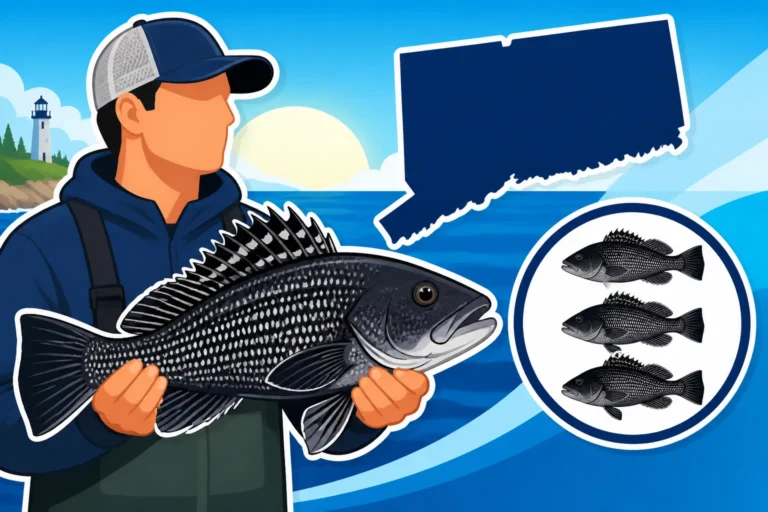
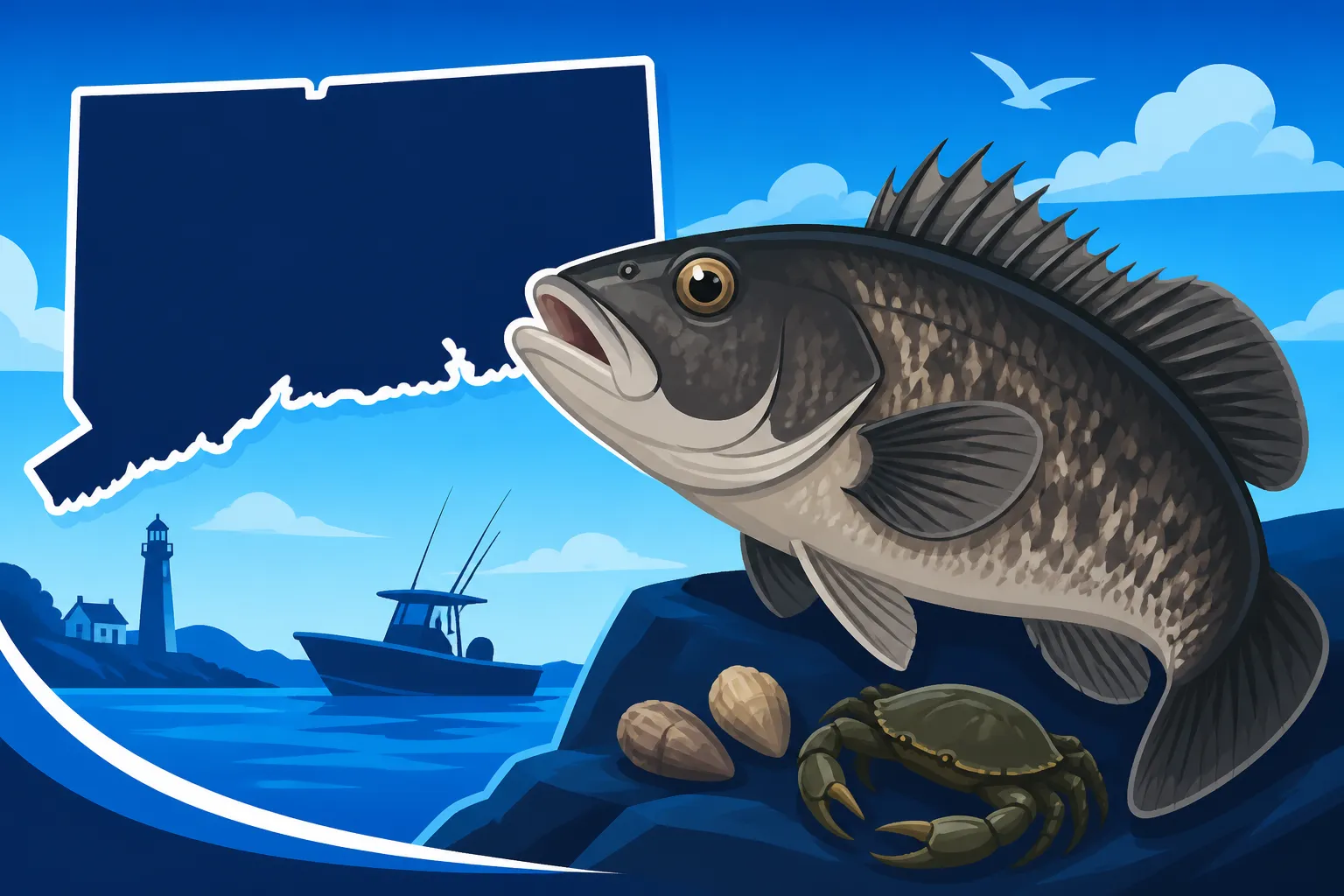
Tautog, or blackfish, are unmistakable once you've seen a few. They typically sport a mottled, dark greenish-gray to brownish-black coloration, allowing them to blend seamlessly with the rocky, mussel-laden bottoms they call home. What really sets them apart, though, are their distinctive, bucktoothed mouths. These powerful choppers aren't for show; they're perfectly designed for crushing the shells of crabs, clams, mussels, and barnacles, which make up the bulk of their diet. You'll often find them lurking in crevices, under ledges, or right next to pilings, waiting for an unsuspecting crab to scuttle by.
Their tenacious fighting style is another hallmark. When hooked, a blackfish will immediately try to "rock you up," darting into the nearest structure to cut your line. This makes for incredibly exciting and often frustrating battles, demanding quick reflexes and strong tackle. Understanding these habits is key to both catching them and appreciating why they are so vulnerable to overfishing if not properly managed. Their reliance on specific structures means that concentrated fishing pressure can quickly deplete local populations.
They're also creatures of habit, often returning to the same structures year after year, which is why local knowledge among tautog anglers is so valuable. Many a seasoned angler will tell you stories of specific rock piles or wrecks that consistently hold large tautog, passed down through generations of local fishermen. This localized behavior, however, also contributes to the need for careful management to ensure these specific spots aren't overfished.
The Ecological and Recreational Value of Blackfish
From an ecological standpoint, blackfish play a vital role in our marine ecosystem. By preying on shellfish and crustaceans, they help keep these populations in check, contributing to the overall health and balance of the Long Island Sound. They're part of the complex food web, connecting smaller invertebrates to larger predators, including other fish and even marine birds. Without a healthy tautog population, certain invertebrate species could proliferate unchecked, potentially altering the balance of the benthic environment.
Recreationally, tautog fishing is an absolute passion for many Connecticut anglers. It's not just about catching fish; it's about the challenge, the camaraderie on the boat, and the pursuit of a fish that demands skill and patience. The thrill of feeling that distinctive "tap-tap-WHAM!" bite and then fighting a strong fish from the depths is unmatched. Furthermore, blackfish are highly prized table fare, known for their firm, white, and delicious meat, making them a desirable target for those looking to bring home a fresh meal.
The deep cultural ties to tautog fishing are also significant. It's a tradition that brings families and friends together, creating lasting memories out on the water. Many anglers eagerly anticipate the spring and fall runs, planning their schedules around optimal tide and weather conditions. This strong recreational interest makes the responsible management of the species even more important, as the economic impact of recreational fishing, from tackle shops to charter boats, is substantial across coastal communities.
Life Cycle and Habitat Preferences
Tautog have a fascinating life cycle that influences their availability to anglers throughout the year. They are relatively long-lived, sometimes reaching over 20 years old, and grow slowly. Spawning typically occurs in late spring to early summer when water temperatures rise, with females releasing eggs that are fertilized externally. The young larval tautog spend some time in the water column before settling down into juvenile habitats like seagrass beds and shallow, structured areas. As they mature, they move to deeper, more complex rocky habitats.
Their strong preference for structure is paramount. You'll find blackfish concentrated around natural rock piles, reefs, mussel beds, and oyster reefs. Man-made structures are equally attractive, including bridge pilings, jetties, docks, breakwaters, and especially shipwrecks. These structures provide both shelter from predators and abundant food sources. Understanding this affinity for structure is critical for anglers, as fishing these areas is where you'll find the most success. This habitat specificity also means that habitat degradation or loss can have a profound negative impact on tautog populations.
During the colder months, tautog tend to move into deeper, offshore waters where temperatures are more stable, often congregating in large groups on offshore wrecks and rockpiles. As spring approaches and waters warm, they migrate back to shallower, inshore structures, making them accessible to a wider range of anglers. This migratory pattern is a key factor in why Connecticut's blackfish season has distinct spring and fall components.
Navigating Connecticut's Blackfish Season Dates and Regulations
Understanding Connecticut's blackfish regulations can feel like deciphering ancient texts, but it's absolutely crucial for responsible angling. The Connecticut Department of Energy and Environmental Protection (DEEP) sets these rules with the health of the fishery in mind, balancing angler opportunity with long-term sustainability. These regulations are subject to change, often on an annual basis, so always consult the latest official sources. It's just like staying on top of the Connecticut Fishing Regulations Explained for all species, really.
Official Blackfish Season Dates for Current and Upcoming Years
Blackfish season in Connecticut typically has two distinct phases: a spring season and a fall season. These periods are strategically chosen to avoid the peak spawning times and to protect the fish when they are most vulnerable, while still providing ample opportunity for anglers. For the most up-to-date and confirmed dates, always refer to the official Connecticut DEEP fishing guide or their website. However, generally speaking, you can anticipate something along these lines for upcoming years, understanding that exact dates may shift by a few days:
- Spring Season: Often runs from around April 1st to May 31st.
- Fall Season: Typically starts around October 1st and continues through December 6th.
It's important to mark these dates on your calendar because missing even a day can mean missing prime fishing opportunities or, worse, inadvertently fishing out of season, which carries penalties. These dates are established through regional management efforts that consider the overall health of the tautog stock across the entire Atlantic coast, not just locally in Connecticut.
Let's look at the general framework for 2024 and what you might expect for 2025 and 2026, though remember to always verify with the official DEEP publications as regulations can change. For 2024, Connecticut's recreational tautog season ran from April 1st to May 31st, then again from October 1st to December 6th. For 2025 and 2026, it's prudent to expect similar windows, but those dates are subject to review and adjustment by the Atlantic States Marine Fisheries Commission (ASMFC) and then adopted by Connecticut DEEP. These bodies work together to ensure a consistent approach to managing migratory species like blackfish across state lines.
Understanding Size and Bag Limits for Tautog
Beyond just the season dates, the size and bag limits are equally important. These regulations are designed to allow fish to reach maturity and spawn at least once before being harvested, helping to maintain a healthy breeding population.
- Minimum Size Limit: For the recreational fishery in Connecticut, the minimum size limit for tautog is typically 16 inches. This means any blackfish you catch must measure at least 16 inches from the tip of its snout to the tip of its tail (total length) to be legally kept. Releasing undersized fish promptly and carefully is not just a legal requirement but an ethical one. You can grab an inexpensive tape measure on Amazon to keep on your boat or in your tackle box to ensure you're always measuring accurately.
- Daily Creel (Bag) Limit: The daily bag limit for recreational anglers in Connecticut varies between the spring and fall seasons.
- Spring Season: Usually, the daily creel limit is one (1) tautog per person.
- Fall Season: This limit typically increases to five (5) tautog per person.
It's crucial to understand that these limits apply per person, per day, regardless of how many trips you take or how many different waters you fish in a single calendar day.
For instance, if you're out fishing with three friends during the fall season, your group could collectively keep up to 20 tautog (5 fish x 4 anglers). However, if one person catches and keeps their limit of five fish early in the day, they cannot continue to fish for tautog to contribute to another angler's limit or their own again later in the day. These strict limits are in place to prevent overharvesting, particularly during the more productive fall migration when tautog are more aggregated. Always keep an eye on your Connecticut Fishing License Guide for 2026 for any updates to these specific numbers.
Here’s a quick overview of the typical recreational blackfish regulations in Connecticut:
| Season Phase | Start Date (Approx.) | End Date (Approx.) | Minimum Size Limit | Daily Creel (Bag) Limit |
|---|---|---|---|---|
| Spring | April 1st | May 31st | 16 inches | 1 fish per person |
| Fall | October 1st | December 6th | 16 inches | 5 fish per person |
Always confirm these dates and limits with the official CT DEEP website or current year's fishing guide, as regulations can change annually.
Specific Regulations for Recreational vs. Commercial Tautog Fishing
It’s important to note that the regulations we've discussed so far apply specifically to recreational anglers. Commercial tautog fishing operates under an entirely different set of rules, often involving permits, quotas, and different season structures. These stricter regulations for commercial harvest reflect the greater potential impact of commercial operations on fish stocks. Commercial fishermen typically have gear restrictions, reporting requirements, and may even be subject to trip limits or vessel limits that recreational anglers are not.
As a recreational angler, you don't need to worry about commercial permits, but it's good to be aware that two separate management schemes are in place. This distinction helps the DEEP and other management bodies to track and control the overall harvest of tautog more effectively. If you're ever thinking about venturing into commercial fishing, you would need to contact the DEEP's Marine Fisheries Division directly to understand the comprehensive requirements for commercial licenses and specific species permits. For most of us just looking for a good day out on the water, sticking to the recreational guidelines is what matters.
Why Blackfish Seasons Change: Factors Influencing DEEP Decisions
It might seem arbitrary when blackfish season dates or limits shift, but these decisions are actually based on a complex interplay of scientific data, regional management, and conservation goals. The Connecticut DEEP doesn't just pull these numbers out of a hat; they're informed by extensive research and collaboration. This is part of the broader effort to manage all species, including ensuring the health of the fishery for species like those covered in the Connecticut Black Sea Bass Regulations for 2026 or the Connecticut Fluke and Summer Flounder Regulations.
The Role of Stock Assessments and Scientific Data
At the heart of any fisheries management decision are stock assessments. These are comprehensive scientific evaluations that estimate the size, health, and reproductive capacity of a fish population. Scientists gather data on age, growth rates, mortality, reproductive success, and harvest levels. This information is then used to model the current status of the blackfish population and predict how it might respond to different fishing pressures. If a stock assessment indicates that the tautog population is declining or is being overfished, regulators will likely implement more restrictive measures, such as shorter seasons, higher minimum size limits, or reduced bag limits. Conversely, if the stock is healthy and robust, there might be opportunities to slightly relax some restrictions.
The collection of this data is a continuous process. Biologists conduct surveys, collect samples from commercial and recreational landings, and monitor environmental conditions. All this information feeds into the stock assessment models, providing a dynamic picture of the fishery. It’s an ongoing process, and the numbers are never static, which is why regulations can be adjusted year after year. It's a dance between human activity and natural fish cycles, and science is the choreographer.
Interstate Management and Regional Collaboration
Tautog, like many other marine species such as striped bass, don't recognize state lines. They migrate along the Atlantic coast, moving in and out of Connecticut, New York, Rhode Island, and other states. Because of this, effective management requires a coordinated approach across multiple jurisdictions. The Atlantic States Marine Fisheries Commission (ASMFC) is a key player in this. The ASMFC is an interstate compact that manages shared marine fishery resources from Maine to Florida. They develop fishery management plans for species like tautog, setting coast-wide harvest limits, season frameworks, and other parameters.
Connecticut DEEP then takes these regional guidelines and implements them into state law. This means that while Connecticut has its own specific season dates and limits, they are usually within the broader framework established by the ASMFC. This collaboration ensures that efforts to conserve the species are consistent and effective across its entire range, preventing one state's liberal rules from undermining another state's conservation efforts. So, a change you see in Connecticut might be influenced by data collected across the entire region or a broader management decision made at the ASMFC level. This is particularly true for migratory species that traverse the Long Island Sound Fishing Guide area and beyond.
Balancing Conservation with Angler Access
Ultimately, fisheries managers face the delicate task of balancing conservation needs with the desire to provide recreational and commercial fishing opportunities. On one hand, there's a responsibility to protect the natural resource for future generations, ensuring sustainable populations. This means preventing overfishing, protecting critical habitats, and allowing fish to reproduce effectively. On the other hand, fishing is a cherished pastime and an important economic activity for many communities, and regulators aim to provide reasonable access to the resource.
This balancing act often leads to tough decisions. For example, if a stock assessment suggests a reduction in harvest is needed, managers must decide whether to achieve that reduction through shorter seasons, reduced bag limits, or increased size limits. Each option has different implications for anglers and the fishery. Public input, often gathered through hearings and advisory councils, also plays a role in these decisions, providing perspectives from the angling community. It's a continuous negotiation, striving for the sweet spot where conservation goals are met without unduly restricting access for passionate anglers who follow regulations and contribute to the sport, often using specific knowledge from guides like Best Techniques for Blackfish Around Structure.
Essential Gear and Techniques for Connecticut Blackfish Anglers
Tautog fishing is a unique discipline that demands specialized gear and tactics. You can't just grab any old rod and expect to pull these structure-loving fish out of their rocky lairs. Having the right tools for the job is paramount to success, and often, what you need can be easily found and purchased, for example, from Amazon.
Recommended Rods, Reels, and Line for Tautog
When it comes to tautog, light tackle often leads to heartbreak. These fish are powerful, and they live in unforgiving environments. You need gear that can take a beating and still perform.
- Rods: Look for a medium-heavy to heavy power rod, typically 7 to 8 feet long, with a fast action. The power is essential for muscling fish away from snags, and the fast action provides the sensitivity needed to detect subtle bites while still having backbone. Many anglers prefer conventional rods for tautog fishing due to their increased power and better control when fighting fish directly under the boat. A good quality graphite or composite rod will offer the best blend of sensitivity and strength. You need to be able to feel the almost imperceptible "tick" as a tautog mouths your bait, but also have the leverage to turn its head before it bolts into a wreck.
- Reels: A sturdy conventional reel with a strong drag system is the weapon of choice. Reels like the Penn Squall or Shimano Torium are popular options. You'll want something that can hold at least 200-300 yards of line and has a retrieve ratio that allows for quick line pickup. A smooth, reliable drag is non-negotiable, as you'll be putting a lot of pressure on it to keep fish from diving into structure. While some anglers use heavy spinning gear, conventional setups generally provide better torque and line control for this specific type of bottom fishing.
- Line: Braided line is king for tautog fishing, primarily because of its zero-stretch properties. This allows you to feel even the slightest tap, which is critical for detecting blackfish bites. A 30 to 50-pound test braided line is a common choice. However, because braid is highly visible and can be easily cut on structure, you’ll need a fluorocarbon leader. A 3 to 6-foot section of 40 to 60-pound test fluorocarbon leader is typically tied to the braid with a strong knot, like an FG or Albright knot. The fluorocarbon offers abrasion resistance against rocks and shells, plus it’s nearly invisible in water, which can be an advantage with wary fish.
Best Baits and Rigs for Successful Blackfish Fishing
Blackfish are largely crustacean eaters, so your bait choices should reflect that. This is where knowing What blackfish eat around structure really pays off.
-
Baits:
- Green Crabs: These are arguably the most effective and widely used tautog bait. You can buy them at most bait shops along the Connecticut coast. Cut them in half or quarters depending on their size and the size of the hooks you're using.
- Fiddler Crabs: Smaller and often harder to find, but incredibly effective, especially for finicky fish.
- Asian Shore Crabs: An invasive species, but tautog love them. Often found foraging along rocky shorelines.
- Hermit Crabs: Another excellent choice if you can source them.
- Clams: While not as durable as crabs, fresh skimmer or surf clams can also entice bites, particularly if blackfish are feeding on mollusks. However, they tend to get picked off more easily by smaller fish.
-
Rigs: The most common and effective rig for tautog fishing is a simple bottom rig with one or two snelled hooks.
- Standard Tautog Rig: This typically involves a heavy sinker at the bottom, with one or two snelled hooks tied above it on dropper loops or directly to the leader. The leader material for the snelled hooks should be strong fluorocarbon (e.g., 30-50 lb test).
- Jigging: While less traditional, tautog jigs have gained popularity. These are heavy leadhead jigs (often 1 to 4 ounces) dressed with a rubber skirt or tipped with a piece of crab. They allow for a more active presentation and can be very effective in strong currents or when fish are holding tight to structure. Often, you'll still tip the jig with a piece of crab.
- Hooks: Use strong, sharp, wide-gap hooks, typically J-hooks or Octopus-style hooks, in sizes ranging from 2/0 to 5/0, depending on the bait size and target fish. The hook needs to be stout enough to withstand the crushing power of a tautog's mouth and the fight.
Locating Prime Blackfish Habitat and Structure
Finding blackfish isn't always about finding the deepest water; it's about finding structure. As discussed, these fish are intimately connected to the bottom.
- Natural Bottom Structure: Look for rocky bottoms, natural reefs, and ledges. These areas offer hiding spots and feeding grounds. Marine charts and good sonar can help you identify these features. Don't overlook mussel beds, which are a prime food source.
- Man-Made Structure: Wrecks, rockpiles created by dredging, bridge pilings, jetties, breakwaters, and even discarded debris can hold significant numbers of tautog. Often, the more complex the structure, the better. Old mooring blocks, derelict docks, and underwater pipelines are also magnets for these fish.
- Tidal Influence: Blackfish fishing is highly tide-dependent. Often, the bite is best during the slack tide (either high or low) or during the initial movement of the tide. Strong currents can make it difficult to hold bottom with your bait, and tautog may be less inclined to feed aggressively. Experimentation is key here, as conditions can vary wildly depending on the specific location.
- Depth: While they can be found in shallow water, especially during spring and fall, tautog often hold in depths ranging from 15 to 60 feet, and even deeper on offshore wrecks. Focus on areas where the depth changes abruptly or where there's a distinct transition from a soft to a hard bottom.
- Electronics: A good quality fishfinder/sonar is your best friend. It helps you identify bottom structure, pinpoint specific rock piles or wrecks, and even mark schools of fish. Learning how to interpret your sonar readings can dramatically increase your success rate. A portable sonar unit, available from Amazon, can be a game-changer for kayak or small boat anglers.
Remember, patience and persistence are key to tautog fishing. You might need to move around a bit to find them, but once you do, the rewards are well worth the effort.
Common Mistakes and Best Practices for Tautog Fishing in Connecticut
Even experienced anglers can make mistakes, and when it comes to tautog, small errors can lead to missed fish, lost tackle, or even regulatory issues. Avoiding these pitfalls and adopting best practices will not only improve your catch rate but also ensure you're fishing responsibly. And speaking of responsible boating, always make sure to review the Life Jacket Requirements for Connecticut Boaters before heading out.
Avoiding Common Regulatory Violations
The most common regulatory violations in blackfish fishing usually stem from a lack of awareness or misinterpretation of the rules. Getting caught out of compliance can result in hefty fines and the confiscation of your catch and gear, which is a major headache no one wants.
- Fishing Out of Season: This is a big one. As we've detailed, blackfish seasons are specific and relatively short. Accidentally fishing outside the designated spring or fall windows is an immediate violation. Always double-check the current year's official DEEP fishing guide before your trip. Set reminders on your phone or mark your calendar prominently.
- Exceeding Bag Limits: Keeping more than your daily limit (1 in spring, 5 in fall) is another frequent mistake. This can happen if anglers aren't keeping accurate count, or if multiple people on a boat are not clear on individual limits. Every angler is responsible for their own catch.
- Keeping Undersized Fish: The 16-inch minimum size limit is non-negotiable. Many anglers underestimate a fish's length, or simply don't bother to measure. Always carry a reliable measuring device and measure every tautog you intend to keep. If it's short, release it immediately and carefully. Don't try to "stretch" a fish to make it legal; conservation officers are very good at spotting this.
- Not Having a Valid Fishing License: While it might seem basic, it's surprising how many people forget to renew their license or assume they don't need one for saltwater fishing. If you're 16 years or older, you need a valid Connecticut Fishing License Guide for 2026 for both inland and marine waters. Make sure you know if you need a specific marine endorsement or an all-waters license. Remember, you can often renew or purchase your license online, and in some cases, you can use Printing or Carrying a Digital Fishing License in Connecticut.
To proactively avoid these issues, make it a habit to review the Connecticut DEEP’s current fishing regulations page a week or two before your first blackfish trip of the season. Ignorance is rarely an excuse in the eyes of the law.
Ethical Angling and Conservation Tips
Beyond simply following the rules, ethical angling practices are vital for the long-term health of the tautog fishery. As stewards of our natural resources, it’s our responsibility to minimize our impact.
- Responsible Release of Undersized Fish: Tautog are notoriously tough fish, but careless handling can still lead to mortality. When releasing an undersized fish, try to handle it as little as possible. Wet your hands before touching it to protect its slime coat. Support its body horizontally, remove the hook quickly (barbless hooks make this easier), and return it to the water headfirst. If the fish appears sluggish, gently hold it in the water, facing into the current, until it regains its strength and swims away on its own.
- Use Circle Hooks: Circle hooks are highly recommended for tautog fishing. They significantly reduce gut-hooking, as they are designed to slide into the corner of the fish's mouth as it pulls away. This makes for much easier and safer releases, especially important for fish that are going to be put back. Many anglers use these as a best practice, even if not explicitly mandated.
- Minimize Lost Gear: Fishing over rocky structure means snags are inevitable. However, choosing the right leader material (heavy mono or fluoro) and checking your knots can reduce line breaks. When you do get snagged, try to free your rig gently rather than just yanking and breaking off, which leaves lead sinkers and hooks on the bottom. Consider using biodegradable sinkers where possible to lessen environmental impact.
- Respect the Resource: Don't high-grade or waste fish. Only keep what you intend to eat and what is legally allowed. If you've caught your limit and the bite is still hot, consider switching to catch-and-release tactics or moving to a different species. Responsible anglers take only what they need, leaving plenty for others and for the future.
By integrating these ethical practices into your fishing routine, you become part of the solution, contributing to a thriving blackfish population for years to come.
Maximizing Your Catch While Respecting the Resource
While adhering to regulations and ethics, there are still plenty of ways to maximize your fishing success when targeting blackfish. It's about smart fishing, not just more fishing.
- Patience and Focus: Tautog bites can be incredibly subtle, sometimes just a faint "tap" or a slight pressure on the line before they commit. Pay close attention to your rod tip. Many anglers call it the "tog tick" – that tiny, almost imperceptible nudge that signals a fish investigating your bait.
- Sharp Hooks are Key: Tautog have bony mouths, and a dull hook will struggle to penetrate. Always start with fresh, sharp hooks, and re-tie if you suspect your hook has dulled on the rocks.
- Vertical Presentation: When fishing over structure, keeping your bait as vertical as possible is crucial. This means matching your sinker weight to the current. Too light, and your bait will swing away from the structure; too heavy, and you won't feel the bite as well. The goal is to keep your bait right in the strike zone, directly on or just above the bottom.
- Strategic Drifting or Anchoring: If you're targeting a large reef or wreck, a controlled drift can help you cover ground and find active fish. However, once you find fish, anchoring directly over the structure allows for precise bait presentation and repeated drops to the same spot. A good anchoring system is paramount when fishing tight to structure.
- Learn from Others and Share Knowledge: Talk to local bait shop owners, other anglers at the dock, and even charter captains. They often have invaluable insights into current conditions, active spots, and what baits are working best. The fishing community is generally very welcoming, and sharing tips helps everyone improve. Learning from a guide who specializes in Best Techniques for Blackfish Around Structure can dramatically shorten your learning curve.
By combining diligent regulation adherence with ethical practices and savvy fishing techniques, you'll find that your time chasing Connecticut's blackfish will be both rewarding and sustainable. Tight lines!
Disclaimer
Please remember that fishing regulations, including season dates, size limits, and bag limits, are subject to change. Always consult the official Connecticut Department of Energy and Environmental Protection (DEEP) website or the most current Connecticut Angler's Guide before heading out on the water to ensure you are fully compliant with all applicable rules and regulations. This guide is for informational purposes only and should not be considered a substitute for official sources.