Connecticut Bantam Lake fishing regulations
It's incredibly frustrating when you're just trying to enjoy a peaceful day on the water, but the fishing regulations feel like a tangled mess of legalese. Navigating the specific rules for a particular lake, especially one as popular and diverse as Bantam Lake, can be a real headache. This guide is here to untangle those knots, giving you a clear, comprehensive understanding of the Connecticut Bantam Lake fishing regulations so you can focus on what matters: catching fish.
Understanding Bantam Lake's Unique Status in Connecticut Fishing
Bantam Lake, nestled in the Litchfield Hills, isn't just any body of water; it's Connecticut's largest natural lake and a jewel for anglers. But with its popularity and unique ecosystem comes a set of regulations that are often a bit more nuanced than your average pond or stream. You can't just assume the statewide rules cover everything here, and frankly, that's where many anglers get tripped up.
Why Bantam Lake Has Specific Rules
The Connecticut Department of Energy and Environmental Protection (DEEP) places special emphasis on Bantam Lake due to several factors. For starters, it's a prime destination for targeting a variety of species, from trophy northern pike and robust largemouth and smallmouth bass to an abundance of panfish. This diverse fishery, combined with its heavy recreational use by boaters, swimmers, and ice anglers, necessitates more tailored rules to ensure sustainability and minimize conflicts. Imagine a free-for-all on such a vital resource – it wouldn't last long! The specific regulations aim to protect spawning fish, manage population sizes, and maintain the lake's delicate ecological balance for future generations of anglers.
General Statewide Rules Still Apply on Bantam Lake
It's crucial to remember that while Bantam Lake has its own set of distinct rules, these are in addition to the general statewide fishing regulations that apply across Connecticut. Think of it like a layered cake: you have the base layer of common sense and statewide law, and then Bantam Lake adds a delicious, but sometimes complex, frosting of unique stipulations. This means you still need to be aware of things like legal fishing methods, prohibited baits, and the requirement for a valid fishing license. If you're new to fishing in the state, getting familiar with the broader Connecticut Fishing License Guide for 2026 and Connecticut Fishing Regulations Explained is an excellent starting point before diving into Bantam's specifics. Don't fall into the trap of thinking Bantam's rules are the only rules!
Key Species-Specific Regulations on Bantam Lake
Now, let's get down to the nitty-gritty: the species you're likely to target and the specific regulations that govern them on Bantam Lake. These are the rules that often differ from other bodies of water, and knowing them can make or break your day – or even save you from a fine.
Northern Pike Regulations
Bantam Lake is legendary for its northern pike fishery, drawing anglers from all over the Northeast hoping to hook a monster. This reputation is precisely why the DEEP has put specific, tighter regulations in place to protect these toothy predators and allow them to reach impressive sizes.
Unlike many other waters in Connecticut where pike limits might be more liberal, Bantam Lake is a designated pike management area. For 2026, the regulation for northern pike on Bantam Lake states that anglers can keep a daily creel limit of two (2) Northern Pike, and they must be a minimum of 26 inches in length. This is a significant length increase compared to general statewide rules which typically have a 24-inch minimum length. The idea behind this larger minimum length is to ensure that a good number of pike survive to maturity and get a chance to spawn multiple times, thus strengthening the population and improving the odds of catching a truly large fish. These regulations apply year-round. Understanding these specific rules is paramount for anyone keen on Bantam Lake Pike Fishing. Make sure your measuring tape is accurate!
Bass Largemouth and Smallmouth Rules
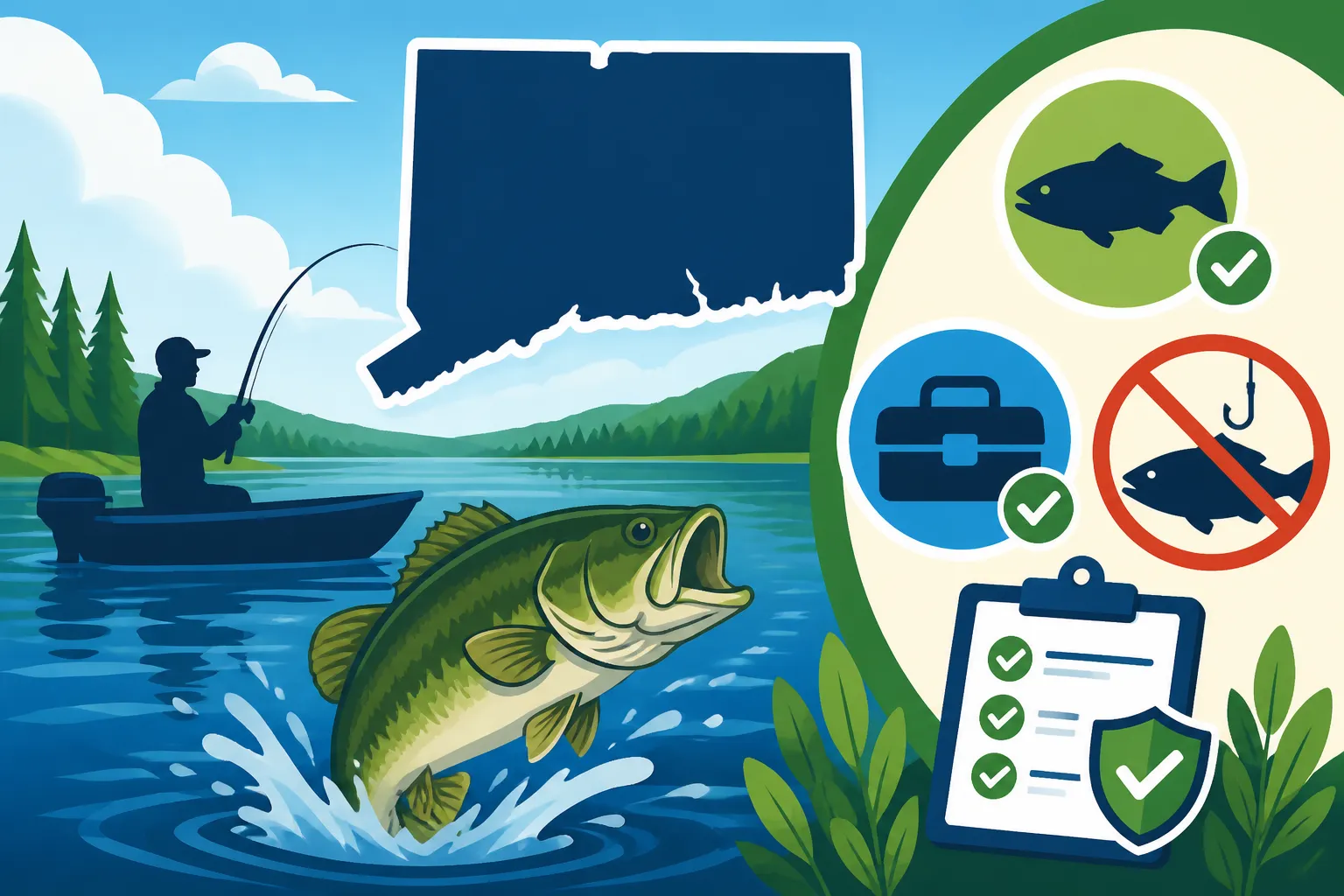
Bantam Lake is also a phenomenal bass fishery, boasting healthy populations of both largemouth and smallmouth bass. Whether you prefer flipping jigs into lily pads for bucketmouths or targeting smallmouth on rocky points, you'll find plenty of action here. The bass regulations on Bantam Lake generally follow the statewide rules for lakes and ponds, but it's always good to confirm.
For both largemouth and smallmouth bass, the daily creel limit is six (6) fish in total, and they must be a minimum of 12 inches in length. However, there's a crucial seasonal nuance to be aware of for bass:
- Opening Day through the Last Day of February: This is typically the catch-and-release only season for bass. During this period, you can fish for bass, but any bass caught must be immediately released unharmed. This protects them during the colder months when they are more vulnerable and less active.
- First Saturday in April through Last Day of February: This is the season when harvest is allowed, meaning you can keep your legal-sized bass within the daily limit.
These dates are pivotal and can shift slightly year to year, so always check the most current Connecticut Fishing Season Dates and Closures or the annual CT DEEP Angler's Guide. Knowing these dates ensures you're fishing legally, whether you're practicing catch-and-release or hoping to bring home dinner. For more specific tactics, check out Bantam Lake Bass Fishing.
Panfish, Crappie, and Perch Regulations
For many, Bantam Lake is the ultimate family fishing destination, and that's largely thanks to its abundant panfish. You'll find plenty of yellow perch, black crappie, bluegill, and sunfish here, offering continuous action for anglers of all ages and skill levels. Thankfully, the regulations for these smaller, prolific species are usually more straightforward.
Generally, for panfish like sunfish (bluegill, pumpkinseed) and yellow perch, there are no specific length limits, and generous daily creel limits are typically in place, often allowing for a combined total of 50 fish per day. For species like black crappie, there might be a more specific limit, often 25 fish per day with no minimum length. These larger limits reflect the healthy populations of these fish and their importance as a food source for larger predators and anglers alike. They are fantastic for introducing kids to fishing, as success is almost guaranteed!
Other Notable Species
Beyond pike, bass, and panfish, Bantam Lake is home to a few other species that anglers occasionally target, each with their own rules.
- Chain Pickerel: Often confused with small pike, chain pickerel are also common in Bantam's weedy areas. The statewide regulation applies here, with a daily creel limit of six (6) fish and a 15-inch minimum length.
- Walleye: While not as abundant as in some other Connecticut lakes, walleye have been stocked in Bantam Lake historically, and a lucky angler might hook one. If you do, be aware that walleye typically have a minimum length of 18 inches and a daily creel limit of two (2) fish.
- Brown Bullhead: These bottom-dwelling catfish are also present and can be a fun catch. There's typically no minimum length limit and a daily creel limit of 25 fish for brown bullhead.
Always remember that these regulations are subject to change. Before you head out, make it a habit to glance at the most current Connecticut DEEP Angler's Guide. It's available as a PDF online, and you can even pick up a physical copy at many bait shops or outdoor retailers.
Boating and Access Regulations for Bantam Lake
Fishing Bantam Lake often involves a boat, whether it's a powerful bass boat, a quiet kayak, or a pontoon for the whole family. But getting on the water means more than just having the right fishing gear; it means adhering to essential boating safety and access regulations. Nobody wants a run-in with the DEEP or local authorities for a boating infraction.
Boating Safety and Operation
Bantam Lake is a popular spot, especially during warmer months, which means boating traffic can be significant. To ensure everyone's safety and enjoyment, several regulations are in place.
- Speed Limits and No-Wake Zones: Generally, Bantam Lake enforces speed limits, especially near the shorelines, public docks, and designated swimming areas, often falling under "no-wake" rules. A no-wake zone means your boat must operate at the slowest possible speed necessary to maintain steerage and produce no appreciable wake. This protects other boaters, swimmers, and the shoreline from erosion. In wider, open areas, higher speeds may be permitted, but always be mindful of other water users.
- Safe Boating Certificate: If you're operating a motorized vessel, especially one over a certain horsepower, you'll likely need a Connecticut Safe Boating Certificate. This isn't just a suggestion; it's a legal requirement for most operators and a critical component of Connecticut Boating Laws for Anglers. Getting this certificate ensures you understand basic navigation rules, safety protocols, and emergency procedures.
- Life Jacket Requirements: This is a non-negotiable safety item. All vessels must carry a Coast Guard-approved life jacket for every person on board. Children under 13 years of age are required to wear a life jacket at all times while on board a vessel, unless they are below deck or in an enclosed cabin. Furthermore, Connecticut has a strict Connecticut Cold Water Life Jacket Rule (October to May), mandating that anyone on a small vessel (under 21 feet) must wear their life jacket during these colder months. It’s always smart to have spares, and a good quality, comfortable life jacket can be found readily on sites like Amazon.
- Navigation Lights: If you're out on the water before sunrise or after sunset, your boat must display proper navigation lights. This is vital for visibility and preventing collisions in low-light conditions.
Public Access Points and Launching
Knowing where to launch your boat legally and conveniently is key to a smooth fishing trip on Bantam Lake.
- Town Beach Launch: One of the primary public access points is located at the Bantam Lake Town Beach in Litchfield. This site offers boat launching facilities, though it might have specific hours of operation or fees, especially during peak season. It's always wise to check with the town of Litchfield or the CT DEEP website for the most current information regarding access and any associated costs.
- Northfield Town Ramp: Another popular access point is the Northfield Road boat launch in Morris, which provides an alternative for getting onto the lake.
- Parking: Be mindful of parking regulations at all access points. Space can be limited, particularly on busy weekends, and illegal parking can lead to tickets or towing. Always use designated parking areas and respect private property.
Common Misconceptions and Staying Compliant
Even with the best intentions, it's easy to make mistakes or misinterpret regulations. A little proactive effort can save a lot of grief. Don't let a simple misunderstanding turn a great fishing day into a costly one.
The Importance of the Latest Fishing Guide
Seriously, this cannot be stressed enough. The Connecticut Angler's Guide, published annually by the CT DEEP, is your bible for fishing in the state. While I’m providing the most current information available, regulations do change. New stocking programs, species management decisions, or environmental factors can all lead to adjustments in seasons, size limits, or creel limits. Relying on outdated information, or worse, word-of-mouth from a buddy who fished there "last year," is a recipe for trouble.
You can typically download the digital version of the guide directly from the CT DEEP website, or you can pick up a physical copy at many bait and tackle shops, town halls, or major outdoor retailers. Some anglers even order a laminated copy from places like Amazon to keep on their boat. Taking the time to actually read the Connecticut Fishing Guide cover to cover, especially the sections pertaining to Bantam Lake, is the smartest move you can make. It’s also important to check for any in-season updates or special announcements from the DEEP, which they often post on their website.
Penalties for Non-Compliance
Fishing without a license, keeping undersized fish, exceeding creel limits, or violating boating safety rules can all lead to significant penalties. These aren't just minor slaps on the wrist; they can include hefty fines, confiscation of your catch, suspension or revocation of your fishing license, and even seizure of your equipment in serious cases. The wardens and environmental conservation police officers (EnCon Police) are out there, and they are well-versed in all the nuances of Bantam Lake’s rules. They're not looking to ruin your day, but they are there to enforce the regulations designed to protect our natural resources. A simple mistake could cost you hundreds of dollars. For a detailed breakdown, you might want to look into Fishing Without a License in Connecticut: Penalties.
Ignorance of the law is not a valid defense. It’s your responsibility as an angler to know and follow the rules. By staying informed and respecting the regulations, you're not only protecting yourself from penalties but also contributing to the long-term health and vitality of Bantam Lake's amazing fishery.
Bantam Lake Fishing Regulations Summary
To help you keep track, here’s a quick summary of the key species-specific regulations for Bantam Lake. Remember, these are specific to Bantam Lake and override general statewide rules where applicable. Always verify with the latest CT DEEP Angler's Guide.
| Species | Minimum Length Limit | Daily Creel Limit | Special Notes |
|---|---|---|---|
| Northern Pike | 26 inches | 2 fish | Specific management area rules, applies year-round. |
| Largemouth Bass | 12 inches | 6 fish (total) | Combined limit for Largemouth & Smallmouth. Catch & Release only during certain months (check current guide). |
| Smallmouth Bass | 12 inches | 6 fish (total) | Combined limit for Largemouth & Smallmouth. Catch & Release only during certain months (check current guide). |
| Yellow Perch | No minimum | 50 fish (total) | Often combined with Sunfish. |
| Black Crappie | No minimum | 25 fish | Generous limits reflect healthy populations. |
| Sunfish (Bluegill, Pumpkinseed) | No minimum | 50 fish (total) | Often combined with Yellow Perch. |
| Chain Pickerel | 15 inches | 6 fish | Follows general statewide rules for this species. |
| Walleye | 18 inches | 2 fish | Less common in Bantam, but possible catch. |
| Brown Bullhead | No minimum | 25 fish | Bottom-dwelling catfish. |
This table is a handy reference, but it's not a substitute for the official DEEP Angler's Guide. Always consult the full guide for the most precise and up-to-date information, including any seasonal changes or additional regulations that may apply to specific lures, baits, or methods.
Disclaimer
Please be aware that fishing regulations are subject to change. While this guide provides information based on current knowledge and recent publications, it is your responsibility to consult the most recent official Connecticut Department of Energy and Environmental Protection (DEEP) Angler's Guide before engaging in any fishing activities. This article is for informational purposes only and does not constitute legal advice.