Best light tackle charters for schoolie stripers
It can be incredibly frustrating when you're dreaming of a fun day out on the water, battling feisty schoolie stripers on light tackle, but all the charters you find seem geared towards trophy hunters with heavy gear. It’s tough to pinpoint the right captain who truly understands the joy of a good fight on lighter rods and reels, rather than just chasing the biggest fish. This guide is here to cut through that confusion, helping you understand what makes a charter perfect for light tackle schoolie striper fishing in Connecticut, and how to find one that delivers that thrilling experience.
Why Light Tackle for Schoolie Stripers is So Much Fun
There's a special kind of magic that happens when you hook into a striped bass, even a smaller one, on light tackle. It's not just about the size of the fish; it's about the pure, unadulterated fight and the connection you feel to the angling experience. If you've ever felt a 25-inch striper pull like a freight train on a medium-light rod, you know exactly what I mean.
The Thrill of the Fight on Lighter Gear
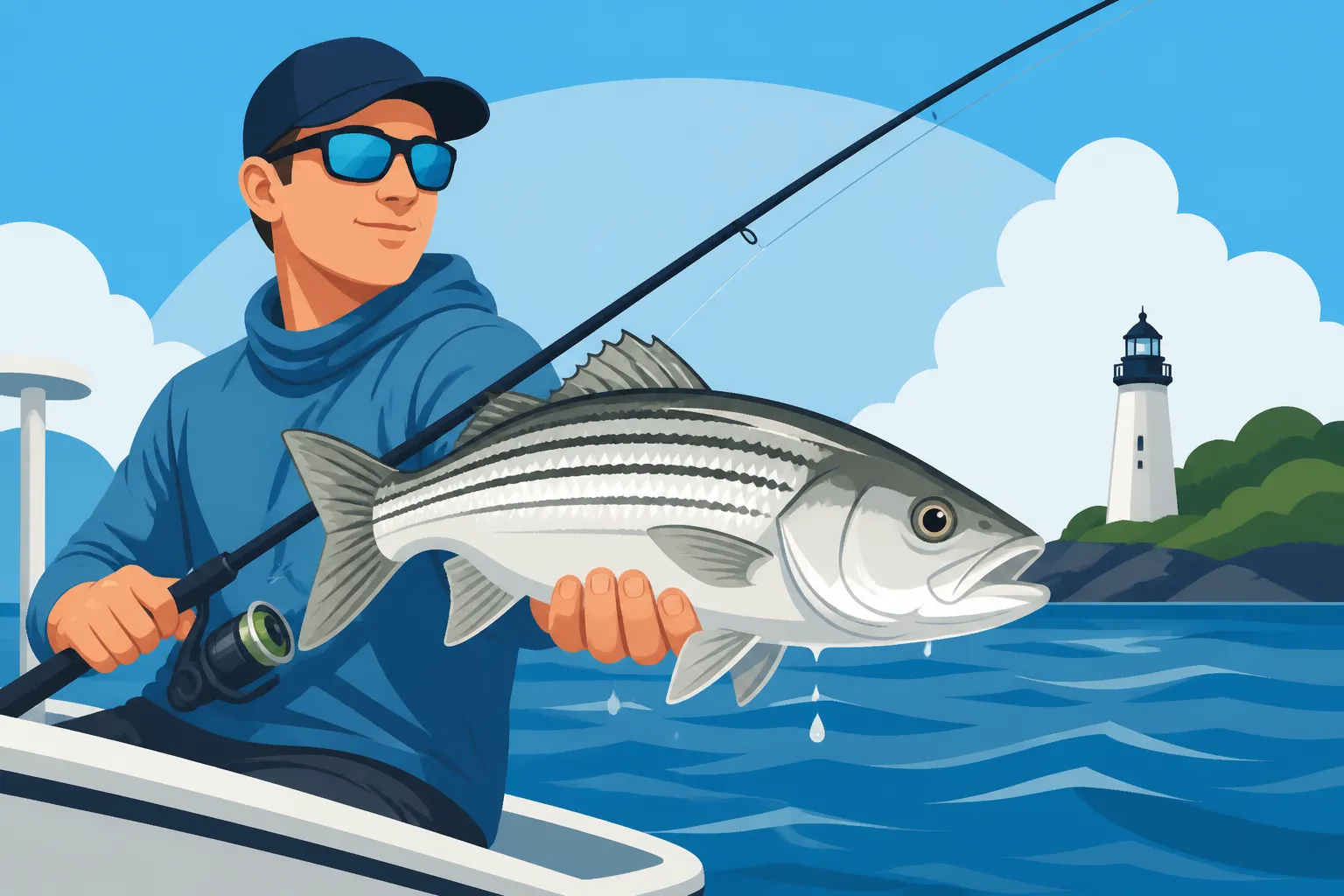
Imagine the subtle tap of a schoolie striper hitting your lure, telegraphing right up through a sensitive graphite rod. Then, the immediate explosion of energy as the fish realizes it’s hooked, making your reel sing as line peels off. On heavier gear, a schoolie might feel like a snagged boot, but on light tackle, every run, every head shake, every dive for cover is amplified. You feel every muscle twitch, every sudden change in direction. It’s an exhilarating dance that demands more skill and finesse from the angler. It transforms what might be an ordinary catch into a truly memorable battle, making you appreciate the fish's power and spirit even more. This isn't just fishing; it's a dynamic, engaging sport that truly tests your abilities.
Ideal for Beginners and Experienced Anglers Alike
Light tackle schoolie striper fishing offers something wonderful for everyone. For beginners, it’s an incredibly accessible and rewarding entry point into saltwater angling. The chances of consistent action are often higher when targeting schoolies, meaning more bites, more hookups, and more opportunities to practice casting, setting the hook, and fighting fish. It builds confidence and skill in a way that slow days chasing elusive giants simply can't. Plus, the lighter gear is easier to handle for those new to the sport or younger anglers just learning the ropes.
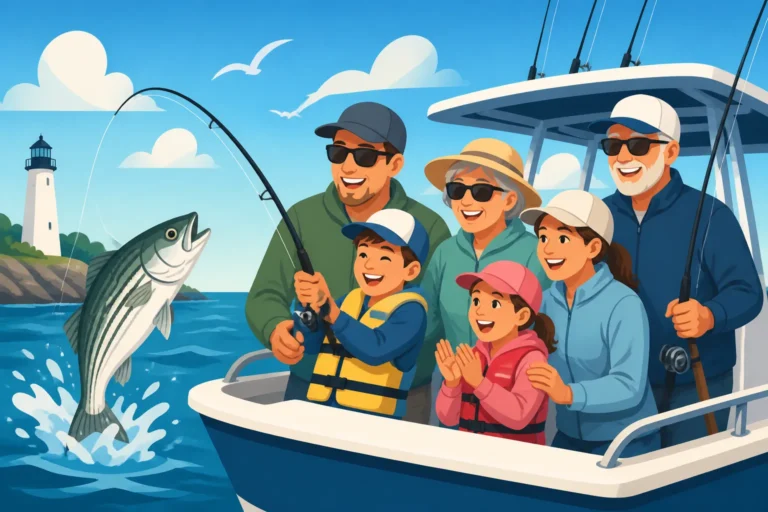
For seasoned veterans, it's a chance to refine their techniques, test new lures, and enjoy the sheer sportiness of angling without the pressure of landing a wall-hanger. Many experienced anglers find immense satisfaction in fooling a feisty striper on a tiny soft plastic or a perfectly presented fly. It’s a return to the roots of fishing—the simple joy of the chase and the connection to the natural world. It’s also fantastic for families looking to introduce kids to the excitement of fishing, as the frequent action keeps boredom at bay.
What to Look for in a Light Tackle Schoolie Striper Charter
Not all fishing charters are created equal, especially when you're looking for a specific experience like light tackle schoolie striper fishing. Finding the right captain and boat is paramount to having a successful and enjoyable trip. It’s about more than just finding a boat that goes out; it's about finding one that specializes in your kind of fishing.
Captain's Expertise and Approach
When seeking out the best light tackle schoolie striper charters, the captain's expertise is your golden ticket. You're looking for someone who doesn't just know where the fish are, but how to target them specifically with light gear in mind. This often means a captain who:
- Has extensive local knowledge: They know the subtle nuances of tidal rivers, estuaries, and protected coves where schoolies congregate, especially during different tides and seasons. They understand Striped Bass Migration Along the Connecticut Coast and can anticipate where the baitfish will be, and consequently, where the stripers will follow.
- Prioritizes active fishing techniques: Instead of just trolling big baits offshore, they're enthusiastic about casting artificials, jigging, or even fly fishing in shallower waters. They'll actively move the boat to keep you on the fish, setting you up for prime casting opportunities.
- Is patient and instructional: A great light tackle captain for schoolies loves teaching, whether it's showing a beginner how to cast properly or helping an experienced angler refine their presentation. They understand that the joy comes from the interaction and the learning, not just the harvest. They'll also be mindful of Connecticut Striped Bass Slot Limit and Season and encourage proper catch and release practices to preserve the fishery.
The Right Gear and Boat Setup
The equipment supplied by the charter makes a huge difference in your light tackle experience. Don't be afraid to ask about it!
- Rod and Reel Selection: Look for charters that provide high-quality, well-maintained spinning rods in the medium-light to medium power range, paired with reels spooled with appropriate braided line (usually 10-20 lb test). This ensures sensitivity and gives you that exhilarating fight. They should also have a good selection of Best Lures for Striped Bass in Long Island Sound that are suitable for light tackle, like soft plastics, smaller poppers, and swimbaits.
- Boat Design and Accessibility: For schoolie stripers, you'll often be fishing inshore, in tighter spaces like river mouths, back bays, or along rocky shorelines. Smaller, nimbler boats like center consoles or bay boats are often ideal. These vessels allow for easy casting from all sides, are shallow-drafting to get into prime skinny water spots, and often have open decks for comfortable movement. A captain who values the light tackle experience will have a boat that facilitates active casting rather than being purely set up for trolling.
Target Waters and Seasons for Schoolies
Understanding where and when to target schoolie stripers is key. Connecticut's diverse coastline and tidal rivers offer fantastic opportunities.
- Prime Locations: Focus your search on charters that operate in areas known for strong schoolie populations. Think about the lower sections of the Connecticut River, the Housatonic River, the Thames River, and the many estuaries and protected bays along Long Island Sound. These areas often have abundant baitfish, which attract eager schoolie stripers. Charters that frequently fish spots like the Norwalk Islands, the Niantic River, or the coastal areas near Stonington are often excellent choices. You might also find some great opportunities near Best Shore Fishing Spots in Connecticut, as schoolies often come close to land.
- Best Time of Year: While stripers can be caught almost year-round, the prime seasons for consistent schoolie action on light tackle are spring and fall. In spring, as water temperatures rise, schoolies migrate into the Sound and push into the rivers and estuaries, hungry after winter. The fall run sees them aggressively feeding as they prepare for their southern migration. Check out guides like Best Time of Year to Fish in Connecticut to align your trip with peak schoolie activity.
Finding and Booking Your Ideal Light Tackle Charter
Once you know what you're looking for, the next step is actually finding that perfect charter. This can feel a bit like searching for a needle in a haystack, but with the right approach, you can connect with captains who share your passion for light tackle action.
Researching Reputable Charters
Start by casting a wide net, then narrowing it down. Word-of-mouth recommendations are golden, so ask around at local tackle shops, marinas, or fishing clubs. Online platforms have also made the search much easier. Sites like FishingBooker are fantastic resources because they allow you to filter by location, target species, and even specific techniques. You can read reviews from other anglers, see photos of catches (often showing the gear used), and get a sense of the captain's personality and approach. This transparency helps you avoid those charters that are primarily focused on large offshore trips if that's not what you're looking for. When using FishingBooker or similar platforms, pay close attention to descriptions that mention "light tackle," "inshore," "estuary fishing," or "casting for stripers." Many Best Fishing Charters in Connecticut will have detailed profiles.
Key Questions to Ask Before Booking
Don't be shy! A good captain will appreciate your genuine interest in their operation. When you call, make sure to ask these questions:
- "Do you specialize in light tackle fishing for schoolie stripers, or is your main focus trophy fish?" This is the most crucial question to ensure alignment. You want a captain who enjoys and prioritizes light tackle schoolie action.
- "What kind of rods and reels do you typically provide for this type of trip?" Confirm they have appropriate light tackle gear. If they talk about heavy conventional gear, it might not be the right fit.
- "What areas do you usually fish for schoolies, and what techniques do you prefer to use?" This will give you insight into their local knowledge and fishing style. If they mention places like the lower Housatonic or the Connecticut River estuaries and talk about throwing soft plastics or poppers, you're on the right track.
- "Is this trip typically catch-and-release focused, or do we keep fish?" While some schoolies can be kept within regulations, many light tackle anglers prefer the sport of catch-and-release. Clarify the expectation beforehand.
- "What's your policy if the weather is bad, and what's your cancellation policy?" Understanding expectations upfront helps avoid any disappointment later. Review What to Expect on a Connecticut Fishing Charter for more insights into the experience.
- "Do I need my own Connecticut Fishing License Age Requirements, or is one covered by the charter?" Generally, you'll need your own, but it's always good to confirm.
Preparing for Your Trip
Once you've booked your ideal charter, a little preparation goes a long way to ensuring a fantastic day.
- Appropriate Clothing: Dress in layers, as weather on the water can change quickly. Even on a sunny day, it can be cooler out on the boat, especially in the mornings or evenings. Bring a rain jacket, even if the forecast looks clear. Non-slip shoes are a must for safety.
- Sun Protection: Sunscreen, a wide-brimmed hat, and polarized sunglasses are essential, even on cloudy days. The sun's reflection off the water can be intense.
- Food and Drink: Bring plenty of water and snacks. Most charters don't provide meals, so pack whatever you need to stay hydrated and energized throughout the trip.
- Personal Gear (Optional): While charters provide rods and reels, you might bring your own favorite light tackle setup if permitted by the captain, especially if you have a specific rod you love. Don't forget your camera to capture those thrilling moments and impressive catches. A great captain, perhaps one you found on FishingBooker, might even help you get that perfect shot!
Common Light Tackle Techniques for Schoolie Stripers in Connecticut
Getting hands-on with the right techniques is what makes light tackle fishing for schoolies so engaging. It’s all about active participation and feeling the fish react to your presentation.
Topwater Action and Soft Plastics
There's nothing quite like the explosive thrill of a striped bass blowing up on a topwater lure. This is often a go-to technique for schoolies, especially during low light conditions or when baitfish are active on the surface.
- Topwater Lures: Smaller poppers, walk-the-dog style baits, and even smaller pencil poppers are incredibly effective. The key is to work them with a twitching retrieve that mimics a wounded baitfish struggling on the surface. Imagine a school of baitfish getting ambushed, and your lure is the one panicking! The visual strike is absolutely electrifying, making your heart pound.
- Soft Plastics: These are arguably the most versatile and consistently productive lures for schoolie stripers. Jigheads paired with soft plastic paddletail swimbaits, jerk shads, or even flukes can imitate a wide range of baitfish. The beauty of soft plastics on light tackle is the subtle action you can impart. A slow retrieve with occasional twitches, allowing the lure to swim just above the bottom or through the middle of the water column, can be irresistible. They're also excellent for probing different depths until you find where the fish are holding. Many captains specializing in this kind of fishing will have a tackle box full of various soft plastic options.
Jigging and Live-Lining
When stripers are holding deeper or being a bit more selective, jigging or live-lining can be the ticket to success.
- Jigging: Vertical jigging with small metal jigs or bucktails can be incredibly effective when schoolies are stacked up around structure like bridge pilings, rocky drop-offs, or submerged humps. The light tackle allows for precise control of the jig, letting you work it with subtle lifts and drops that entice strikes. It's a finesse game where the lightest tap can signal a bite. This technique is often employed in current-rich areas where fish are ambushing bait.
- Live-Lining: Sometimes, natural bait is just what the doctor ordered, especially if the fish are finicky or keyed in on a specific forage. While often associated with larger stripers, live-lining smaller baitfish like peanut bunker, spearing, or even a frisky mummichog on a light circle hook can be deadly for schoolies. On light tackle, the fight of a schoolie on live bait is pure adrenaline. The captain will typically know where to find these local baits. Remember to review Connecticut Circle Hook Requirement for Striped Bass as these are often mandatory when using bait for stripers.
Here's a quick comparison of what you might expect from different charter types:
| Feature | Light Tackle Schoolie Striper Charter | Traditional Trophy Striper Charter |
|---|---|---|
| Primary Goal | High action, fun fights on lighter gear | Landing the largest possible striped bass |
| Target Fish Size | 18-30 inch schoolies (sometimes larger) | 30+ inch "keepers" or "cows" |
| Typical Location | Inshore, estuaries, tidal rivers, shallow bays | Deeper reefs, rips, offshore structure, open Sound |
| Gear Provided | Medium-light to medium spinning rods & reels | Heavy conventional or stout spinning gear |
| Common Techniques | Casting lures (topwater, soft plastics), light jigging, fly fishing | Trolling, live-lining large baits, heavy jigging |
| Angler Experience | Great for all levels, especially beginners and those seeking sport | More focused on experienced anglers, less action |
| Pace of Trip | Often highly active with frequent bites | Can involve long periods between bites, patience is key |
Ultimately, whether you're a seasoned angler looking to hone your skills or a family wanting to introduce kids to the joy of fishing, a light tackle charter for schoolie stripers offers a truly exciting and memorable experience on Connecticut's beautiful waters. Enjoy the chase!
Disclaimer
This article is for general informational purposes only and does not constitute professional advice. Laws, prices and regulations vary by location and change over time. Consult a qualified professional for guidance on your specific situation.