Best charters for drifting for fluke
Finding the perfect charter for a specific fishing technique can feel like searching for a needle in a haystack, especially when you're dreaming of those delicious fluke. It's frustrating to book a trip only to find the captain isn't truly geared up for the method you prefer. This guide is here to cut through that confusion, helping you identify and choose the best Connecticut charters specifically known for their successful drifting techniques for fluke.
Why Drifting for Fluke is So Effective in Connecticut
There's something truly satisfying about drifting for fluke. It’s a technique that just feels right when you're targeting these flatfish, and it often yields fantastic results in the waters of Long Island Sound. Unlike anchoring in one spot or constantly trolling, drifting allows your bait to cover a wider area naturally, mimicking the movement of natural forage, which fluke absolutely key in on.
Understanding Fluke Habits and Habitat
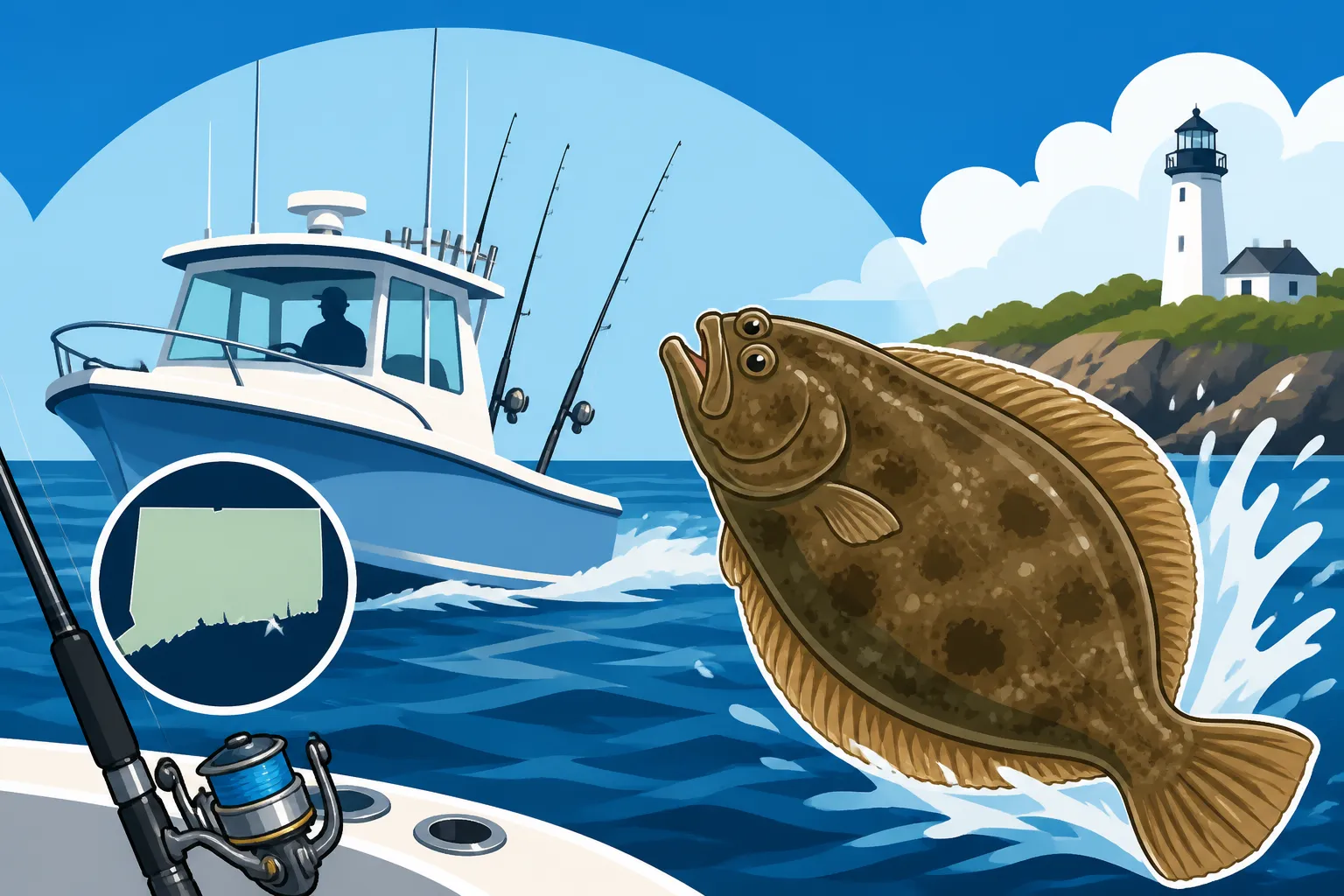
Fluke, also known as summer flounder, are ambush predators. They love to lie in wait, often partially buried in the sand, mud, or gravel bottom, ready to dart out and grab an unsuspecting baitfish or invertebrate. This means they are often found in areas where the bottom topography changes, creating natural ambush points, or where currents bring food to them. Think about those subtle depressions, the edges of channels, or areas where rocky structure gives way to sandy patches. These are prime fluke hunting grounds. A good captain understands these nuances, knowing exactly where to set up a drift to maximize your chances. Understanding Fluke Habits in Long Island Sound is key to success.
The beauty of drifting is that it puts your bait right in front of these camouflaged predators. As your bait or lure slowly moves along the bottom with the current, it appears natural and irresistible to a waiting fluke. When conditions are right, with a gentle breeze and a favorable tide, a well-executed drift can cover a significant amount of productive bottom, increasing the odds that your offering will cross paths with a hungry fish.
The Mechanics of Drifting: What Makes it Work
Drifting essentially means letting the wind and current carry your boat, and by extension, your fishing lines, over a predetermined area. This natural movement is incredibly effective for fluke because it covers ground without making a lot of noise or presenting your bait in an unnatural way, which can happen with a heavily weighted, stationary rig. The subtle bounces and sweeps of your bait along the bottom as the boat moves are often what triggers a strike.
A skilled captain for drifting knows how to manage the boat's speed and direction using a drift sock (sea anchor) or by strategically bumping the engine in and out of gear. This isn't just about going with the flow; it's about controlling the flow. They'll adjust for wind speed, current strength, and even the direction of the tide to ensure your bait is presented perfectly over those prime fluke-holding areas. It’s a delicate dance between man, boat, and nature, and when done right, it can be incredibly productive. This nuanced approach differentiates a truly dedicated fluke drifting charter from one that just happens to drift occasionally.
Key Factors to Look for in a Connecticut Fluke Drifting Charter
When you're shelling out your hard-earned cash for a charter, you want to make sure they're genuinely focused on the kind of fishing you want to do. For fluke drifting, there are specific characteristics that set the best charters apart. You want a boat and a crew that live and breathe this technique.
Captain's Experience and Local Knowledge
This is, without a doubt, the most crucial factor. A captain who has spent decades navigating Long Island Sound specifically drifting for fluke will have an encyclopedic knowledge of the bottom contours, the subtle currents, and the seasonal fluke movements. They'll know exactly which humps, holes, and channel edges are holding fish on a given tide. They understand that fluke can be fickle, and what worked yesterday might not work today, requiring quick adjustments to drift lines or bait presentations.
Look for captains who can talk passionately and knowledgeably about fluke. Ask about their favorite spots for drifting, how they adapt to changing conditions, and what kind of fluke they typically target. Their answers will tell you a lot about their dedication to this specific method. A captain who regularly produces solid fluke catches through drifting has honed their skills over countless hours on the water, learning the subtle art of positioning the boat just right. This kind of specialized expertise is invaluable, far more so than just a general fishing license. You'll find that many of these captains are often booked well in advance, so planning ahead is wise. To broaden your understanding of choosing a charter, check out How to Choose a Connecticut Fishing Charter.
Boat Design and Equipment for Drifting
While almost any boat can drift, certain features make a vessel truly optimized for fluke drifting. You want a boat that offers stability and enough deck space for everyone to fish comfortably without tangling lines, especially during a drift. Open layouts, clear gunwales, and ample rod holders are big pluses. The right electronics are also paramount: a good fishfinder is essential for identifying bottom structure and marking fish, and a reliable GPS plotter helps the captain stay on track over productive grounds.
Beyond the boat itself, consider the tackle. The best fluke charters provide light, sensitive rods and reels spooled with braid that allow you to feel even the slightest tap. They'll have a wide array of leadhead jigs, bucktails, and a steady supply of fresh bait like squid strips, spearing, and Gulp! artificials. Don't be shy about asking what kind of gear they provide. A charter that invests in quality, well-maintained equipment specifically suited for fluke drifting is a strong indicator of their commitment to this style of fishing. This attention to detail can significantly impact your success and enjoyment on the water.
Reputation and Reviews
In today's interconnected world, a charter's reputation precedes it. Before you book, do your homework. Check online reviews and testimonials on platforms like FishingBooker. Pay close attention to what other anglers say specifically about their fluke drifting experiences. Did they catch fish? Was the captain knowledgeable and helpful? Was the boat clean and well-maintained? Did they feel safe and comfortable?
A high volume of positive reviews mentioning successful fluke drifting trips is a strong indicator. Look for consistent themes in the feedback. If multiple people rave about the captain's ability to "find the fish" or their "excellent drifting technique," you're likely on the right track. Be wary of charters with only a few reviews, or those with mixed or negative comments related to the specific technique you're interested in. FishingBooker is a great resource because it often features detailed reports and photos from actual trips, giving you a real glimpse into what you can expect. Remember, a charter can be great for trolling for striped bass but might not be the best choice if your heart is set on drifting for fluke, so be specific in your search criteria.
Popular Connecticut Ports for Fluke Drifting Charters
Connecticut's coastline, bordering the rich waters of Long Island Sound, offers numerous excellent departure points for fluke drifting adventures. From the western stretches to the eastern sound, each area has its own unique characteristics and productive grounds.
Western Long Island Sound Hotspots
The western end of Long Island Sound, including harbors from Greenwich, Stamford, Norwalk, and Bridgeport, can be excellent for fluke. This area features a mix of rocky reefs, sandy flats, and deeper channels, providing diverse habitat for fluke. Charters operating out of these ports often have access to areas with strong currents that create perfect drifting conditions, as well as plenty of baitfish that attract larger fluke.
For instance, charters departing from Norwalk might target the various reefs and rips further out in the Sound, where baitfish congregate and fluke lie in wait. The interplay of tides and structure here means captains need an intimate understanding of the area to consistently put anglers on fish. Drifting over these subtle bottom changes with bucktails and Gulp! can be incredibly productive. These areas can sometimes offer a shorter run to the fishing grounds, maximizing your actual fishing time. If you're looking for charters in this region, consider exploring options from Best Charters Out of Norwalk Connecticut.
Central and Eastern Long Island Sound Opportunities
As you move eastward along the Connecticut coastline, ports like Milford, New Haven, Old Saybrook, and Niantic offer access to different, yet equally productive, fluke grounds. The central and eastern parts of Long Island Sound are characterized by broader expanses of sandy and muddy bottom, interspersed with ledges, wrecks, and artificial reefs. The currents can be stronger here, making controlled drifting even more critical for success.
Charters from Old Saybrook or Niantic, for example, have direct access to the mouth of the Connecticut River and the deeper waters and rips further east. This region is renowned for its potential to hold larger fluke, especially later in the season. These captains often utilize larger boats suitable for the more open waters and can take you to deeper drifts where big "doormat" fluke often reside. They’ll know the precise coordinates of subtle humps or wrecks that hold concentrations of fish. Exploring charters from Best Charters Out of Niantic Connecticut or Best Charters Out of Old Saybrook Connecticut can yield excellent results for those seeking quality fluke drifting experiences. The diverse structure here, from glacial moraines to man-made features, means a knowledgeable captain can always find a productive drift regardless of the conditions.
What to Expect on a Fluke Drifting Charter
Booking a charter, especially for a specific technique like fluke drifting, comes with certain expectations. Knowing what's typically provided, what you should bring, and the rules of the game will ensure you have a smooth and enjoyable trip.
Gear, Bait, and Techniques Provided
Most reputable fluke drifting charters in Connecticut will provide all the necessary fishing gear. This typically includes light-to-medium action spinning or conventional rods, reels spooled with braided line, and an assortment of terminal tackle like bucktails, leadhead jigs, and various fluke rigs. They'll also supply a generous amount of fresh bait, most commonly squid strips, live or frozen spearing, and often Gulp! artificial baits, which are incredibly effective for fluke.
The captain and mate will often demonstrate the proper drifting technique, showing you how to work your bucktail or bait along the bottom, how to detect subtle bites, and how to set the hook effectively. Don't be afraid to ask questions! They are there to help you succeed. While the charter will provide the basics, some experienced anglers prefer to bring their own favorite fluke jigs or scent attractants. This is usually fine, but always check with the captain beforehand. Learning proper techniques is part of the fun, and guides are usually happy to share their expertise on Jigging for Fluke in Long Island Sound versus drifting methods.
Trip Duration and What to Bring
Connecticut fluke charters typically run as half-day (4-5 hours) or full-day (6-8 hours) trips. Half-day trips are great for families or those new to fishing, offering a taste of the action without committing to an entire day. Full-day trips provide more time to explore different drifting grounds and often target larger fish further offshore. The best choice depends on your budget, endurance, and how serious you are about maximizing your catch.
Regardless of trip length, you should bring essential items to make your day comfortable. These include:
- Sun Protection: Sunscreen, hat, and polarized sunglasses are a must, even on cloudy days. The sun reflecting off the water can be intense.
- Layered Clothing: Weather on Long Island Sound can change rapidly. Layers allow you to adapt to temperature fluctuations. A rain jacket is always a good idea.
- Food and Drinks: Pack snacks, lunch, and plenty of water or other beverages.
- Cooler with Ice: For taking your cleaned catch home. Most charters will clean your fish for you.
- Camera: To capture those memorable moments and trophy fluke!
- Fishing License: While some charters may have a blanket license, it's always best practice to have your own Connecticut Fishing License Guide for 2026, especially for marine fishing.
- Motion Sickness Medication: If you're prone to seasickness, take medication before you board the boat.
For a more general overview of what to pack, you might find What to Bring on a Connecticut Fishing Charter helpful.
Catch and Release vs. Keeping Your Catch
Fluke fishing in Connecticut is governed by specific regulations, including minimum size limits, daily possession limits, and sometimes season dates. Reputable charters will always adhere strictly to these rules. The captain and mate will measure your fish, ensuring they meet the legal requirements before placing them in the cooler. Any undersized fluke will be immediately released. It's a good idea to familiarize yourself with Connecticut Fluke and Summer Flounder Regulations before your trip so you know what to expect.
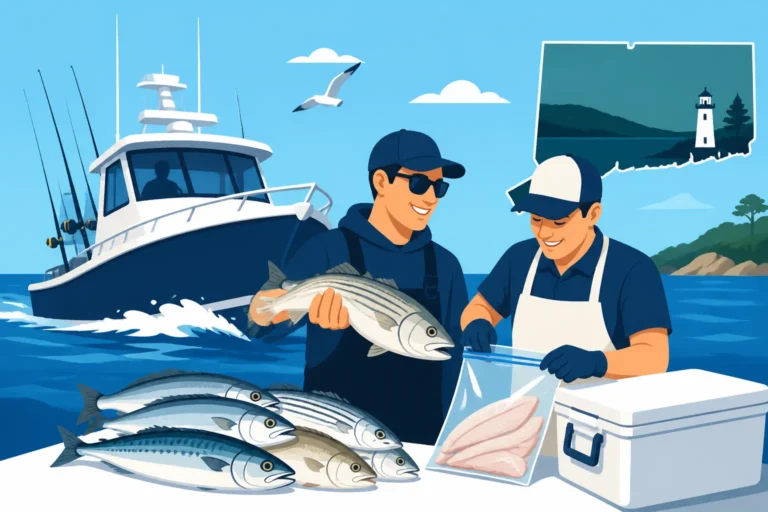
Many anglers choose to keep a legal limit of fluke, as they are fantastic eating fish. The crew will typically clean and bag your catch at the end of the trip, leaving you with delicious fillets ready for the pan. However, catch and release is also a perfectly valid and ethical choice, especially for larger breeding fish. Discuss your preferences with the captain beforehand. They can offer tips for handling fish gently to ensure a high survival rate if you plan on releasing them. Remember, responsible angling ensures healthy fish populations for future generations of anglers.
Disclaimer
This article is for general informational purposes only and does not constitute professional advice. Laws, prices and regulations vary by location and change over time. Consult a qualified professional for guidance on your specific situation.