How to book a fishing charter out of Stonington
Heading out for a fishing charter from Stonington can feel like a big decision, especially if you're not familiar with the local waters or how to pick the right boat and captain. There's a lot to consider, from finding a reputable charter to understanding what's included and how to prepare. This guide is here to walk you through everything you need to know to confidently book your ideal fishing adventure out of Stonington, ensuring a memorable and successful day on the water.
Why Stonington is a Top Spot for Connecticut Fishing Charters
Stonington isn't just a picturesque, historic New England village; it's also a fantastic launching point for some of the best fishing experiences Connecticut has to offer. Its strategic location provides anglers with incredible access to diverse fishing grounds, making it a prime choice for both seasoned veterans and eager newcomers alike.
A Gateway to Diverse Fishing Grounds
One of the biggest advantages of booking a charter out of Stonington is the sheer variety of fishing opportunities at your fingertips. From its docks, you can quickly reach the abundant waters of eastern Long Island Sound, known for its strong currents and rich ecosystems. But the adventure doesn't stop there; Stonington offers some of the quickest access to iconic offshore destinations like Block Island and its surrounding rips, as well as numerous local reefs and wrecks that hold a treasure trove of fish.
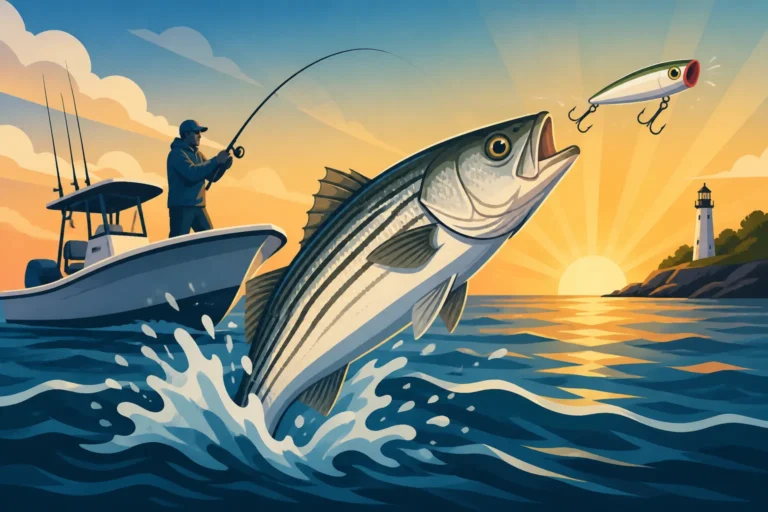
Whether you're dreaming of battling a hefty striped bass, looking to fill your cooler with delicious fluke and black sea bass, or aiming to tackle the hard-fighting blackfish (tautog) around structure, Stonington puts you right in the heart of the action. Charters here often target a mix of these species, depending on the season and prevailing conditions. For example, during the warmer months, you might head out for Striped Bass Fishing in Long Island Sound or spend the day Fluke Fishing in Long Island Sound over sandy bottoms. As the water cools, the focus might shift to blackfish or even a trip further offshore for groundfish. This diversity means you can tailor your trip to your specific angling desires, ensuring there's always something exciting to pursue.
The Charm of Stonington Harbor
Beyond the fantastic fishing, Stonington Harbor itself adds an undeniable charm to your charter experience. Imagine stepping aboard your boat in a quaint, historic village, where fishing has been a way of life for centuries. The harbor buzzes with activity, from commercial fishing boats heading out to local lobstermen tending their traps, providing a genuine maritime atmosphere that really sets the stage for your trip.
After your day on the water, you'll return to a vibrant community where you can unwind. The village offers delightful local shops, art galleries, and fantastic dining options where you can enjoy a delicious meal and recount the day's catches. Some anglers even make a weekend out of it, staying in local inns and exploring the unique character of Stonington. This combination of world-class fishing access and a charming, welcoming atmosphere makes Stonington a truly special place to embark on your next charter adventure, offering a full experience that goes beyond just the fishing itself.
Navigating the Booking Process for Stonington Charters
Booking a fishing charter can feel a bit daunting, especially with so many options out there. It's not just about finding a boat, but finding the right boat and captain for your specific trip. Taking the time to research, ask the right questions, and understand what you're paying for will make all the difference in having a successful and enjoyable day.
Researching and Finding Reputable Captains
Your journey begins with research. The good news is that Stonington has a strong reputation for its professional and knowledgeable charter captains. Start by looking online; reputable platforms like FishingBooker often list many Stonington-based charters, complete with photos, detailed descriptions, and, most importantly, customer reviews. These reviews are gold! They offer real insights into the captain's demeanor, the condition of the boat, the fishing success rates, and the overall experience. Pay attention to comments about safety, communication, and how well the captain caters to different skill levels, especially if you're bringing beginners or kids.
Word-of-mouth recommendations are also incredibly valuable. Talk to local tackle shop owners, other anglers, or even staff at local marinas in the Stonington area. They often have firsthand experience or know someone who does. Once you've narrowed down a few potential charters, check out their individual websites or social media pages. Look for evidence of a valid U.S. Coast Guard license for the captain and proper insurance for the vessel. A professional captain will always be transparent about these credentials, ensuring your safety and peace of mind on the water. Don't be shy about asking for references if you feel the need – a great captain will be happy to provide them.
Key Questions to Ask Before You Book
Before you commit to a booking, having a detailed conversation with the captain or booking agent is crucial. This is your chance to clarify everything and ensure your expectations align with what the charter offers. Don's just assume; ask! Here are some key questions you should absolutely cover:
- Target Species: What species are you most likely to catch during your trip, given the time of year and the trip duration? Are you targeting Striped Bass Fishing in Long Island Sound, Black Sea Bass Fishing in Connecticut, or something else entirely?
- Trip Duration: Is it a half-day (typically 4-5 hours) or a full-day (6-8+ hours) trip? How flexible are they with timing, especially for sunrise or sunset trips?
- What's Included?: This is a big one. Does the charter provide all the necessary fishing gear (rods, reels, tackle)? Is bait included? What about your Connecticut Fishing License Guide for 2026 – do you need to purchase one separately, or is it covered by the boat's blanket license? Many charters do not cover individual licenses, so this is critical to confirm.
- Catch and Keep Policy: What are the current catch limits and regulations for the target species? Does the crew clean and bag your fish at the end of the trip, and is there an extra charge for this service?
- Boat Amenities: Does the boat have a restroom (head)? Is there a shaded area or a cabin? What about seating? These details can significantly impact your comfort, especially on longer trips or in adverse weather.
- Maximum Passengers: How many people can the boat comfortably accommodate? This is important for group bookings.
- Cancellation Policy: What happens if the weather turns bad? What's the policy for rescheduling or refunds due to unsafe conditions?
This list isn't exhaustive, but it covers the most common points that anglers often overlook. A good captain will appreciate your thoroughness and be happy to provide clear answers.
Here’s a quick reference table for your convenience:
| Question Category | Specific Questions to Ask | Why It Matters |
|---|---|---|
| Fishing Specifics | What species are we targeting? What techniques will we use? What are the catch limits? | Sets expectations, ensures alignment with your fishing goals. |
| Inclusions | Is bait, tackle, and gear provided? Do I need a personal fishing license? Is fish cleaning included? | Avoids unexpected costs and ensures you're prepared. |
| Logistics | What is the trip duration? What time do we depart/return? Where do we meet? | Helps plan your day and ensures you're on time. |
| Boat & Crew | What type of boat is it? Are there amenities like a restroom, shade, or seating? | Impacts comfort, especially for longer trips or specific group needs. |
| Policies | What is the cancellation policy for weather? What's the payment schedule (deposit/final)? | Protects your investment and clarifies what happens in unforeseen circumstances. |
| Group Size | What is the maximum number of passengers? Is there a minimum? | Important for planning your group outing. |
Understanding Costs and What's Included
Charter costs can vary widely based on boat size, trip duration, target species, and the captain's experience. When you get a quote, make sure you understand exactly what that price covers. Many charters advertise "all-inclusive," but this term can mean different things to different operators.
Typically, the base rate will cover the boat, captain, fuel for the planned trip, basic bait, and some tackle. However, "extras" can quickly add up if you're not aware. For instance, some charters might charge extra for premium live bait, specific types of lures, or for cleaning a large volume of fish at the end of the day. Gratuity for the captain and any mate is almost always separate and expected; we'll delve into tipping etiquette shortly. Also, as mentioned, your personal Connecticut Fishing License Guide for 2026 is often not included. Double-check if a trout and salmon stamp is needed if you plan to fish for those species in specific waters or if a Connecticut Trout and Salmon Stamp, Explained is relevant to your trip.
Don't hesitate to ask for a detailed breakdown of costs. A reputable charter, whether booked directly or through a platform like FishingBooker, will provide this transparently. Understanding all potential expenses upfront helps prevent any awkward surprises at the end of your fantastic fishing day.
Preparing for Your Stonington Fishing Adventure
You've booked your charter, and the excitement is building! Now, let's talk about how to prepare so you can fully enjoy your day on the water. Proper preparation isn't just about packing a bag; it's about anticipating the conditions and ensuring your comfort and safety.
Essential Gear and What to Wear
The open water can be a dynamic environment, so dressing appropriately is key. Even on a warm summer day, temperatures can be cooler on the water, and conditions can change quickly.
- Layer Up: Always dress in layers. A long-sleeved shirt for sun protection, a light fleece or sweatshirt, and a waterproof/windproof outer shell are ideal. This allows you to adapt to changing temperatures throughout the day.
- Footwear: Choose comfortable, non-slip shoes with good grip. Sneakers, deck shoes, or waterproof boots are perfect. Avoid flip-flops or open-toed sandals, as the deck can get wet and slippery, and hooks are always a possibility.
- Sun Protection: The sun's rays are intensified on the water. Bring a wide-brimmed hat, polarized sunglasses (they help cut glare and see into the water!), and plenty of high-SPF sunscreen. Reapply frequently.
- Cooler: Bring a cooler, but check with your captain first. Some charters have space for your catch on board, while others prefer you bring your own to take your fish home. This is essential for keeping your fresh fillets properly chilled. If you're planning on a particularly large haul, consider reading up on Connecticut Trout Limit and Possession Rules or Connecticut Striped Bass Daily Limit so you know what to expect for your cooler space!
- Camera: You'll want to capture those memorable moments and trophy catches! Make sure it's waterproof or in a protective case.
Remember, less is often more on a boat, but being prepared for the elements is crucial for a comfortable trip.
Food, Drinks, and Comfort Considerations
While some higher-end charters might offer catering, most expect you to bring your own provisions. Pack what you'll need to stay hydrated and energized throughout the day.
- Hydration: Bring plenty of water. It's easy to get dehydrated in the sun and sea air. Sodas, juices, and sports drinks are also good options. Alcohol consumption policies vary by charter, so always ask in advance if you plan to bring adult beverages.
- Snacks and Lunch: Pack easy-to-eat snacks and a lunch that doesn't require a lot of prep. Sandwiches, granola bars, fruit, and chips are great choices. Avoid anything too messy or strong-smelling that might upset stomachs.
- Motion Sickness Remedies: If you're prone to seasickness, take preventative measures before you get on the boat. Over-the-counter medications like Dramamine or Bonine work best when taken an hour or two before departure. Acupressure wristbands are another option. It's always better to be safe than sorry – a queasy stomach can quickly ruin an otherwise perfect day.
- Personal Medications: Don't forget any prescription medications you might need.
- Small Bag: Keep your personal items in a small, soft-sided bag that can be easily stowed away.
Being well-fed, hydrated, and comfortable allows you to focus on the fishing and enjoy the stunning scenery of the Connecticut coastline and Long Island Sound.
Weather and Cancellation Policies
New England weather can be notoriously unpredictable, and safety is always the top priority on a fishing charter. Understanding the weather and cancellation policy is critical for a smooth experience.
- Captain's Discretion: The captain always has the final say on whether a trip goes out. They are monitoring forecasts constantly and know the local conditions best. Even if it looks sunny on shore, rough seas or strong winds offshore could make for an unsafe or unpleasant trip. Trust their judgment – they want you to have a good time and stay safe.
- Communication: Reputable charters will communicate with you in advance if there's any concern about the weather. Make sure they have your best contact number. If you haven't heard from them and the forecast looks iffy, don't hesitate to reach out yourself the day before your trip.
- Rescheduling and Refunds: Most charters offer to reschedule your trip or provide a refund for cancellations due to unsafe weather. However, their specific policies can vary. Some might require a minimum number of paying passengers for a rescheduled date, or have specific windows for rebooking. It's rare for a charter to go out in genuinely unsafe conditions, but always ensure you're comfortable with their policy before you pay a deposit. Checking platforms like FishingBooker often allows you to see the charter's specific cancellation terms right on their listing page, which adds an extra layer of clarity.
Being flexible with your schedule, if possible, can sometimes make it easier to rebook if weather forces a cancellation. Always remember that a canceled trip due to weather is done for your safety and comfort, not to inconvenience you.
Making the Most of Your Stonington Charter Experience
You've done your homework, packed your bags, and now you're finally stepping aboard! To ensure you get the absolute best out of your Stonington fishing charter, a little consideration for communication and etiquette goes a long way.
Communicating with Your Captain
Your captain and crew are there to ensure you have a fantastic and productive day, but they aren't mind readers. Clear and open communication before and during the trip is essential.
- Share Your Goals: Before you even leave the dock, have a quick chat with the captain about what you're hoping to achieve. Are you looking to catch a specific species for dinner, hoping for a trophy photo, or simply want a relaxing day on the water with the family? Letting them know your priorities helps them tailor the trip to your expectations. If you're bringing kids, perhaps mention you're interested in Best Guided Kids Fishing Trips in Connecticut so they can focus on making it a fun, educational experience.
- Be Honest About Experience: If you're a seasoned angler, great! If you're a complete beginner, that's perfectly fine too, but tell your captain. They can offer more hands-on guidance, explain techniques, and ensure you're comfortable with the gear. Don't be embarrassed to ask for help; it's what the crew is there for!
- Speak Up About Concerns: If you're feeling seasick, too hot, too cold, or have any other discomfort, let the crew know immediately. They can often make adjustments to the boat's speed, heading, or location to help you feel better. Similarly, if you're not having luck in a particular spot, a polite inquiry about moving can be made, though the captain will ultimately decide based on their expertise.
- Ask Questions: Fishing is a learning experience! Don't hesitate to ask about the bait, the lures, the fish behavior, or the local area. Most captains love to share their knowledge, and you'll come away not just with fish, but with a deeper understanding of the sport and the local marine environment. This can be especially true if you are fishing in specific areas like the Long Island Sound Fishing Guide or aiming for particular species like those discussed in Blackfish (Tautog) Fishing in Connecticut.
A well-informed captain can make all the difference between an average trip and an extraordinary one. Think of them as your guides and educators, as well as your hosts.
Tipping Etiquette and Appreciation
Tipping is a common practice in the charter fishing industry, and it's an important way to show appreciation for the hard work and expertise of your captain and crew. These professionals work long hours, often starting well before dawn to prepare for your trip and staying late to clean up after.
- Standard Guidelines: The general rule of thumb for tipping a charter boat crew is 15-20% of the total trip cost. If there's a mate, the tip is typically split between the captain and the mate, or you can give it directly to the mate. This percentage applies if you had a good experience, regardless of the size of your catch. Remember, even on a slow fishing day, the crew works hard to put you on fish and ensure your safety and enjoyment.
- Exceptional Service: If your captain and crew went above and beyond—maybe they were incredibly patient with a child, worked tirelessly to find fish in tough conditions, shared valuable knowledge, or provided exceptional service in other ways—consider tipping on the higher end of that scale, or even a bit more.
- When to Tip: It's customary to give the tip at the end of the trip, usually after the boat is back at the dock and your fish have been cleaned and bagged. A discreet handshake with the money folded into your palm is a common way to offer it.
- Why It Matters: For many charter crews, tips are a significant portion of their income. It recognizes their professionalism, knowledge, effort, and dedication. Your tip ensures they feel valued and encourages them to continue providing excellent service for future anglers.
A generous tip for a job well done is not just a payment; it's a genuine thank you for a memorable day on the water, often sealing a positive interaction that makes you want to book with them again.
Disclaimer
This article is for general informational purposes only and does not constitute professional advice. Laws, prices and regulations vary by location and change over time. Consult a qualified professional for guidance on your specific situation.