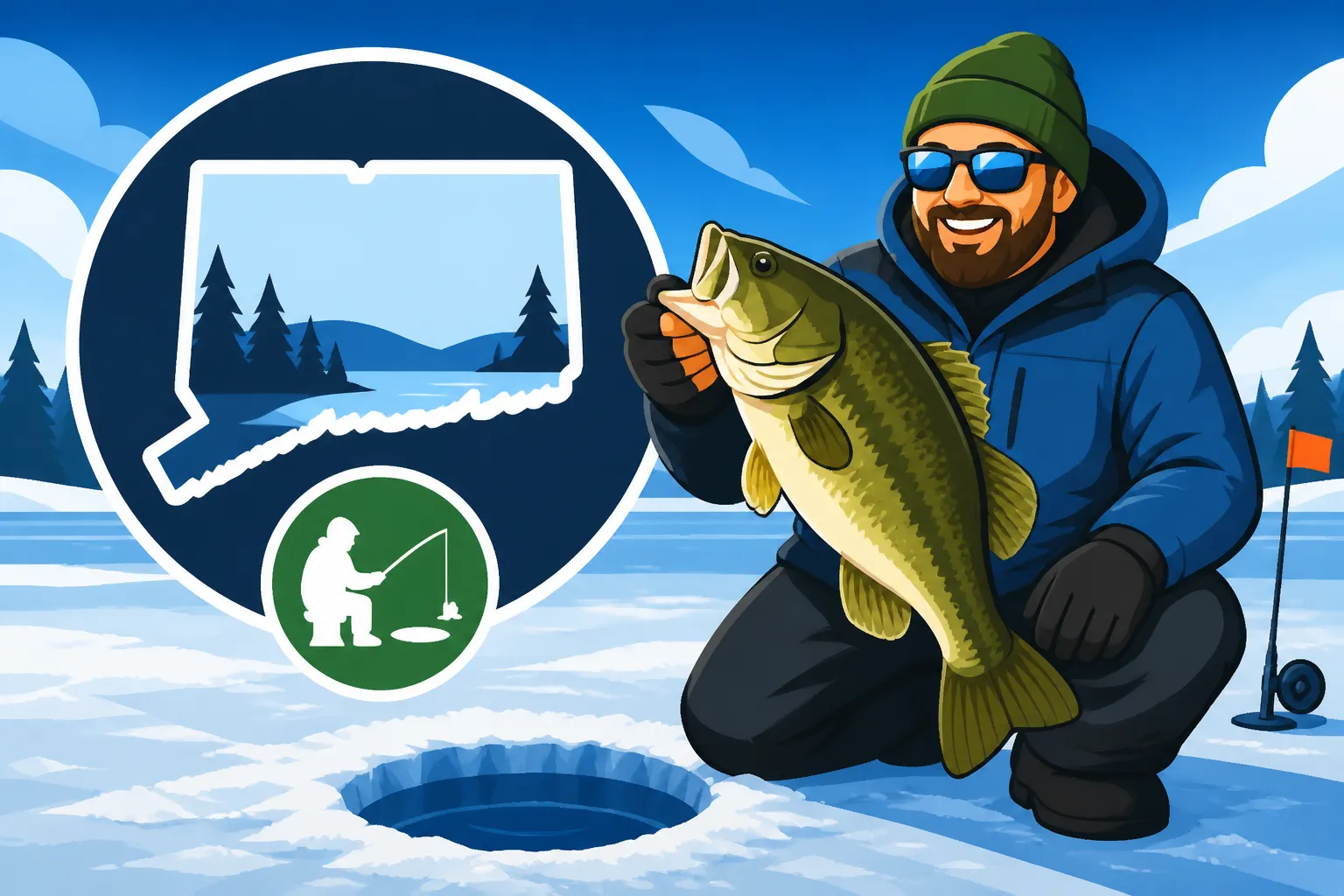
Best ice fishing guides in Connecticut
Let's be honest, the thought of venturing out onto a frozen lake in Connecticut to drop a line can be both exhilarating and a little bit daunting. You’ve got the cold, the unfamiliar equipment, and the big question: where do you even start to find safe ice and, more importantly, where are the fish biting? This comprehensive guide is here to help you navigate those frosty waters by detailing everything you need to know about finding and making the most of a trip with the best ice fishing guides in Connecticut.
Why Consider an Ice Fishing Guide in Connecticut?
Stepping out onto a frozen body of water for the first time can feel like exploring a whole new world. It's nothing like open-water fishing, and it comes with its own unique set of challenges and, frankly, anxieties. Many anglers, even experienced open-water veterans, find themselves a bit lost when the hard water season arrives. That's where a seasoned ice fishing guide becomes an invaluable asset. They’re not just showing you where to drill a hole; they're providing a safe, educational, and often much more productive experience.
Navigating Unfamiliar Waters and Ice Safety
The biggest, most critical concern for anyone heading out onto the ice is safety. Connecticut has a lot of beautiful lakes and ponds that freeze over, but not all ice is created equal, and conditions can change rapidly. What might be safe one day could be treacherous the next, and certain areas of a lake might be safe while others are dangerously thin due to currents, springs, or varying depths. Trying to figure this out on your own, especially if you're new to a particular water body, can be a recipe for disaster.
A professional ice fishing guide knows these waters intimately. They spend countless hours scouting, drilling test holes, and monitoring conditions. They understand the nuances of ice formation, where hidden dangers lie, and how to read the signs of unstable ice. They’re equipped with safety gear like spud bars, ice picks, and rescue throw ropes, and they know how to use them. Imagine heading out with peace of mind, knowing that an expert has assessed the conditions and is constantly prioritizing your well-being. This local knowledge isn't just about finding fish; it's about getting home safely, which is truly priceless. They know that a seemingly solid sheet of ice might hide a dangerous soft spot over an inlet or a deep channel, and their experience helps you avoid those risks.
Mastering Connecticut's Winter Species
Connecticut's waters offer a surprising variety of fish species through the ice, from feisty panfish to elusive trophy pike. But each species often requires a different approach. Are you after the subtle bite of a crappie, the aggressive hit of a chain pickerel, or the delicate finesse required for winter trout? Without specific knowledge, you might be fishing with the wrong bait, at the wrong depth, or in the wrong type of structure for what you hope to catch. It's like trying to navigate a complex labyrinth blindfolded.
A good ice fishing guide has spent years, often decades, understanding the winter habits of these fish. They know what the Northern Pike are doing on Bantam Lake Pike Fishing during a cold snap, or where the yellow perch are schooling on Lake Waramaug. They can read a fish finder like a pro, identifying active schools or solitary predators holding tight to structure. They understand how fish metabolism changes in cold water, making them more lethargic and requiring different presentation techniques. They'll show you exactly how to present a jig for panfish or set up a tip-up for a flag-raising pike. Their insight dramatically increases your chances of a successful and rewarding day on the ice, turning what could be a frustrating blank into a memorable catch.
Gear, Techniques, and Local Expertise
Ice fishing requires specialized gear that most open-water anglers don't own. You need an auger to drill holes, a portable shelter to escape the wind, a heater for comfort, specialized rods and reels for detecting subtle bites, and an array of jigs, spoons, and live bait. Buying all this equipment for a few trips a year can be a significant investment, especially if you're not sure you'll stick with the sport. Plus, knowing how to use it all effectively is another learning curve entirely.
Working with an ice fishing guide eliminates the need for this upfront investment. They provide all the necessary gear – often top-of-the-line equipment that's well-maintained and perfectly suited to the conditions and target species. They'll teach you the specific techniques that work best in Connecticut, whether it's the nuances of jigging tiny tungsten jigs for panfish, setting up multiple tip-ups for pike, or understanding the subtle differences between different types of fish bites. This hands-on instruction in a real-world setting is far more effective than watching videos or reading articles. You'll learn not just what to do, but why it works, empowering you to become a more skilled and confident ice angler in the future. They might even share insights into Ice Fishing in Connecticut more broadly, giving you a better overall understanding of the sport.
What Makes a Great Connecticut Ice Fishing Guide?
Choosing the right ice fishing guide can make all the difference between a frustrating day shivering on the ice and an unforgettable winter adventure. It's about more than just finding someone with a boat (or, in this case, a sled); it's about finding a true expert who prioritizes your experience, safety, and success. Look for certain key qualities and practices that set the best guides apart.
Experience and Local Knowledge
The hallmark of an exceptional Connecticut ice fishing guide is deep-rooted experience and an encyclopedic knowledge of the local waterways. This isn't something you can gain overnight; it's the result of countless hours spent on the ice, year after year, through every imaginable condition. A top-tier guide knows the subtle contours of Candlewood Lake Ice Fishing Access Guide, the preferred feeding lanes on Bantam Lake, or the hidden troughs and drop-offs in smaller, lesser-known ponds. They understand how ice thickness varies in different locations, how winter weather patterns affect fish behavior, and where the safest spots are given the current conditions.
This local knowledge extends beyond just fish locations. They know the subtle signs of changing weather, the best times to target specific species, and even the local regulations for particular bodies of water, which can sometimes have unique rules. They can pinpoint structure like submerged humps, weed lines, and rock piles that hold fish, even under a thick layer of ice. This isn't just about reading a map; it's about an intuitive understanding developed over seasons of hands-on experience. They've seen it all, from whiteouts to warm spells, and they know how to adapt to ensure you have the best possible chance of success and, most importantly, a safe outing.
Safety Protocols and Equipment
Safety simply cannot be overstated when it comes to ice fishing. A great guide treats safety as their absolute top priority, above all else. They don't just talk about safety; they demonstrate it through their actions, equipment, and decision-making. This includes a thorough understanding of ice conditions, regularly checking ice thickness with a spud bar or auger, and knowing the critical safety thresholds. For instance, they'll know that 4 inches of clear, solid ice is generally considered safe for individual foot travel, but much more is needed for groups or snowmobiles.
Their equipment will always be up to par, including a well-maintained, reliable auger, a sturdy portable shelter, a safe heating source (like a propane heater with proper ventilation), and essential safety gear such as ice picks (worn around the neck for quick access), a throw rope for ice rescue, and a fully stocked first-aid kit. They'll also be prepared with a charged phone or satellite communication device for emergencies. Beyond the gear, a great guide will provide clear safety briefings, explain potential risks, and ensure everyone in the group understands and follows safe practices, such as staying within designated areas or walking in a single file line over questionable ice. You should feel completely confident that your guide has thought of every possible contingency to keep you safe and comfortable.
Teaching Style and Client Focus
For many, ice fishing with a guide isn't just about catching fish; it's about learning. A truly great guide understands this and possesses excellent teaching skills. They are patient, clear in their instructions, and able to adapt their approach to different skill levels, whether you're a complete novice who's never held an ice rod or an experienced angler looking to refine specific techniques. They won't just tell you to drop your line; they'll explain why you're using a particular bait, how to detect a subtle bite, and where the fish are likely holding.
Beyond the instruction, a good guide makes the entire experience enjoyable and client-focused. They're friendly, approachable, and genuinely enthusiastic about sharing their passion for ice fishing. They understand that some clients might want a quiet, contemplative day, while others prefer lively conversation and constant action. They’ll cater to your preferences, from managing expectations about catch rates to making sure you're comfortable and warm in the elements. They're also prepared to troubleshoot common issues, like tangled lines or frozen reels, with a calm demeanor. Ultimately, a great guide makes you feel welcome, confident, and excited to be out on the ice, fostering a memorable experience that goes far beyond the number of fish caught.
Finding and Booking Your Ideal Connecticut Ice Fishing Guide
Once you've decided an ice fishing guide is the way to go, the next step is actually finding one! This process can feel a bit like searching for a needle in a haystack if you don't know where to look. Thankfully, there are several reliable avenues and smart strategies to help you connect with the perfect guide for your winter adventure in Connecticut.
Online Platforms and Local Recommendations
One of the most efficient ways to find an ice fishing guide today is through online booking platforms. Websites like FishingBooker specifically list guides and charters by location and specialization. You can often filter for "ice fishing" or "winter fishing" and read reviews from previous clients, which can give you a fantastic insight into a guide's personality, teaching style, and success rates. These platforms also usually provide detailed descriptions of what's included in the trip, target species, and typical trip durations. Connecticut Fishing Charter Cost Guide can give you an idea of general prices for guided trips, though ice fishing specific costs might vary.
However, don't underestimate the power of local recommendations! Visit a tackle shop in a known ice fishing hub like Litchfield, New Milford, or Coventry. The folks working there often know the best local guides personally and can give you an honest assessment. They're immersed in the local fishing community and can provide insights you won't find online. Word-of-mouth from fellow anglers is another gold mine. Ask around in local fishing forums, social media groups, or even at boat ramps during the open water season. Sometimes the best guides are those who operate quietly, built on a reputation for exceptional service and consistently putting clients on fish.
Asking the Right Questions Before Booking
Before you commit to a booking, it's absolutely crucial to have a conversation with your potential guide. This isn't just about logistics; it's about ensuring their services align with your expectations and comfort level. Don't be shy about asking direct questions. Start with the basics: What specific waters do you typically fish for ice fishing? What species do you primarily target during the winter months? This helps ensure they fish in areas you're interested in and for the fish you want to catch.
Then, delve into the practicalities: What equipment do you provide (auger, rods, reels, bait, portable shelter, heater)? What should I bring? What is your policy on ice safety and how do you monitor conditions? What happens if ice conditions are unsafe or the weather is severe – do you reschedule, or offer a refund? Inquire about group sizes, as some prefer intimate one-on-one experiences, while others enjoy larger groups. It’s also wise to ask if they provide a fishing license, though generally, anglers are responsible for their own. Remember, a good guide will welcome these questions and be transparent in their answers, showing their professionalism and commitment to your experience.
Preparing for Your Guided Ice Fishing Trip
Even with a guide providing most of the gear, there are still a few crucial items you'll need to bring to ensure your comfort and enjoyment. Foremost is appropriate clothing. Layering is key for ice fishing! You'll want a base layer that wicks moisture away from your skin, a warm insulating layer (fleece or down), and a waterproof/windproof outer shell. Don't forget warm, waterproof boots, thick wool socks, a hat that covers your ears, and insulated gloves or mittens. It gets surprisingly cold sitting on the ice, even in a shanty with a heater.
You'll also need your valid Connecticut Fishing License Guide for 2026. Even if you're with a guide, you are responsible for having the appropriate license for the species and waters you'll be fishing. Pack plenty of snacks and drinks to stay energized and hydrated throughout the day – hot beverages in a thermos are especially welcome! Sunglasses and sunscreen are also important, as the sun reflecting off the ice can be intense. Lastly, bring a positive attitude and an eagerness to learn! While the guide will handle the bulk of the work, your engagement can significantly enhance the experience for everyone involved.
Common Species Targeted with Connecticut Ice Fishing Guides
Connecticut's frozen lakes and ponds offer a diverse array of fish for the ice angler. While some species are more popular targets, a good guide will know where to find various fish and how to entice them to bite through the hard water. Understanding what fish are commonly targeted can help you choose a guide who specializes in your preferred species.
Northern Pike and Chain Pickerel
For anglers seeking an aggressive fight and the chance at a truly sizable fish through the ice, Northern Pike and Chain Pickerel are prime targets in many Connecticut waters. These predatory fish remain active even in the coldest temperatures, often lurking around weed lines, submerged timber, and sharp drop-offs. Guides specializing in these toothy critters will typically employ tip-ups, rigged with large shiners or suckers, placed strategically across known pike and pickerel haunts. The thrill of a flag popping up, signaling a fish has taken the bait, is an iconic part of ice fishing for these species.
Popular spots like Bantam Lake are renowned for their healthy pike populations, and guides familiar with these waters can put you on the best spots. Pickerel are even more widespread and can be found in many smaller ponds and lakes across the state, offering consistent action. Your guide will teach you how to properly set the hook on a pike or pickerel, and crucially, how to safely handle these fish with their razor-sharp teeth, ensuring both your safety and the fish's well-being for release. They understand the nuances of how these fish hunt in the winter and the ideal bait presentations to trigger a strike. Learning about Northern Pike Waters in Connecticut can give you an idea of where these giants might be found.
Panfish (Perch, Crappie, Bluegill)
If steady action, delicious fillets, and a family-friendly experience are what you're after, then targeting panfish like yellow perch, black crappie, and bluegill is an excellent choice. These schooling fish are abundant in many Connecticut lakes and ponds and are often eager biters through the ice. They provide continuous entertainment, making them perfect for beginners or those introducing children to the joys of ice fishing. Guides will typically set up in areas where these schools congregate, often over deeper flats or near subtle changes in depth.
For panfish, guides will provide ultralight ice fishing rods, perfect for detecting their often subtle bites, rigged with tiny jigs tipped with wax worms, spikes, or small plastics. The technique often involves jigging with small, delicate movements, and a good guide can show you exactly how to present your bait to draw strikes. Catching a bucket full of yellow perch or crappie can lead to a fantastic fish fry, and guides will often assist with cleaning your catch. This type of trip is fantastic for honing your feel for light bites and learning to read your fish finder for those elusive schools.
Winter Trout
Connecticut is well-known for its excellent trout fishing, and that doesn't stop when the waters freeze over. Many lakes and ponds are stocked with trout, offering opportunities to catch rainbows, browns, and brook trout through the ice. Targeting trout in winter requires a slightly different approach than panfish or pike, often favoring finesse and presentation over aggressive tactics. Guides specializing in winter trout know which lakes hold good populations of both recently stocked fish and larger holdovers that have grown wise over the seasons.
They will guide you to areas where trout are likely to cruise, such as deeper open water, points, or sudden depth changes. Techniques often involve small jigs, Swedish Pimples, or tiny spoons, tipped with bait like mealworms or corn, fished slowly and patiently. Some guides might even employ tip-ups with small shiners for larger, more predatory trout. Understanding Connecticut Trout Season and Stocking Rules is key, as regulations can vary. A good guide can help you dial in the delicate presentation needed to entice these colder-water dwellers, making for a truly rewarding angling experience.
Preparing for Your Winter Adventure: Essential Tips Beyond the Guide
Even with the best ice fishing guide in Connecticut, a successful and enjoyable trip hinges on a bit of personal preparation. Beyond the gear your guide provides, there are essential elements you'll need to consider to stay safe, comfortable, and make the most of your time on the ice. Think of these as your personal checklist for a fantastic winter day.
Layering Your Clothing for Maximum Comfort
I can't stress this enough: layering is your best friend when ice fishing. The weather in Connecticut can be incredibly unpredictable in winter, and conditions on the ice can feel much colder due to wind chill. You might start the morning shivering, be comfortable in the afternoon sun, and then get hit with a biting wind by evening. A good layering system allows you to adapt. Start with a base layer made of synthetic material or wool – never cotton, as it holds moisture and will make you cold when wet. This layer wicks sweat away from your skin.
Next, add an insulating middle layer, like fleece or down, to trap warmth. On top of that, you'll need a waterproof and windproof outer shell. Look for insulated ice fishing suits or bibs that are specifically designed for the elements. Don't forget your extremities! A warm hat that covers your ears, a neck gaiter or balaclava, insulated gloves or mittens (often a thin pair for dexterity and a thick pair for warmth), and waterproof, insulated boots with warm wool socks are non-negotiable. Being cold is not fun, and it can quickly ruin an otherwise great day. Your guide will keep you safe, but staying warm is largely up to you!
Staying Hydrated and Fueled on the Ice
It might seem counterintuitive since it's cold, but staying hydrated and well-fed is just as important during ice fishing as it is during summer activities. Your body is working hard to stay warm, and you can still become dehydrated, especially if you're consuming hot beverages that can act as diuretics. Bring plenty of water, and consider a thermos filled with a hot drink like coffee, tea, or hot chocolate – it feels amazing on a chilly day and helps keep your core temperature up.
For food, pack nutrient-dense snacks that are easy to eat with gloves on or quickly in a shanty. Think protein bars, trail mix, sandwiches, or even something warm in another thermos, like soup. Avoid sugary snacks that will give you a quick spike followed by a crash, leaving you feeling colder and lethargic. A well-fueled body performs better and stays warmer, allowing you to focus on the fishing and enjoy the entire guided experience without feeling drained.
Understanding and Respecting Ice Fishing Ethics
While your guide will handle most of the regulatory aspects, it's important for you as an angler to understand and practice good ice fishing ethics. This includes respecting catch limits for species like Connecticut daily trout limit or Connecticut black sea bass daily limit and being aware of any special regulations for specific bodies of water, which your guide will undoubtedly inform you about. If you're planning on keeping fish, know the size and possession limits. If you're practicing catch and release, handle fish gently with wet hands, especially in cold temperatures, to minimize stress.
Always pack out everything you pack in. This means all trash, leftover bait, and any discarded lines or plastics. Leaving litter on the ice or shoreline is not only disrespectful to other anglers and the environment but can also be harmful to wildlife. A good guide embodies these ethics, and by following their lead and adhering to these principles, you contribute to preserving Connecticut's beautiful winter fisheries for everyone to enjoy for years to come.
| Feature | What a Good Guide Provides | What You Should Bring |
|---|---|---|
| Safety | Ice safety assessment, spud bar, ice picks, throw rope, first aid | Awareness, adherence to instructions |
| Gear & Equipment | Auger, ice rods, reels, lures/bait, tip-ups, portable shelter, heater, fish finder | Personal sunglasses, hat, gloves (thin & thick), warm socks |
| Instruction | Techniques, fish behavior, knot tying, fish handling, local spots | Eagerness to learn, patience, questions |
| Comfort | Shelter, heater, local knowledge of conditions | Layered clothing (base, mid, outer), waterproof boots |
| Personal Items | Often nothing beyond the fishing experience | Valid CT fishing license, snacks, water/hot drinks, personal meds |
| Fish Care | Nets, measuring devices, fish cleaning assistance | Cooler for your catch (if keeping), camera |
Disclaimer
This article is for general informational purposes only and does not constitute professional advice. Laws, prices and regulations vary by location and change over time. Consult a qualified professional for guidance on your specific situation.