Special Regulation Waters in Connecticut
It’s a common frustration for anglers in Connecticut: you get your gear ready, you’ve secured your license, and then you open the rulebook to find mentions of "Special Regulation Waters." Suddenly, what seemed like a straightforward fishing trip feels complicated, making you wonder which rules apply where. This guide aims to clear up that confusion, explaining what these special regulations are, why they exist, and how you can confidently navigate them to enjoy some of the best fishing experiences Connecticut has to offer.
What Exactly Are Special Regulation Waters?
It can feel incredibly daunting to need a whole other set of rules beyond your standard statewide fishing license. You've gone through the trouble of getting your Connecticut Fishing License Guide for 2026 and probably feel like you're covered, only to realize that certain cherished spots have their very own nuanced rulebook. Special regulation waters in Connecticut refer to specific bodies of water – whether they're sections of our beautiful rivers, entire lakes, or designated coastal zones – where the standard fishing rules are specifically modified. These modifications aren't put in place to make your angling life more difficult, though it sometimes feels that way! Instead, they're crucial tools used by the state to achieve very particular goals related to conservation, enhancing the quality of the fishing, or protecting sensitive fish populations. They are designed to ensure the long-term health and vibrancy of Connecticut’s diverse fisheries.
The Challenge of Uniform Rules
Imagine trying to manage all the varied aquatic ecosystems across our state with just one blanket set of fishing rules. It would be an administrative nightmare, and frankly, completely ineffective. What might be perfectly acceptable for a heavily stocked community pond could be absolutely detrimental to a fragile, wild trout stream. This is precisely where the concept of special regulations becomes not just useful, but necessary. While the general statewide regulations provide a solid framework, they are broad strokes. Special regulation waters empower the Department of Energy and Environmental Protection (DEEP) to implement more nuanced, localized management strategies. For us anglers, this means we can't simply assume that the general rules will apply everywhere we cast a line. It really pushes us to do our homework for each specific location. This is why having the latest version of the Reading the Connecticut Fishing Guide easily accessible, whether as a print copy or a digital download on your phone, is absolutely non-negotiable for a compliant and successful day on the water.
Conservation and Management Goals
At their core, the primary reasons for establishing these special areas are conservation and the enhancement of the overall fishing experience for everyone. In certain instances, it's about safeguarding particularly vulnerable species, such as native brook trout populations found in some of our smaller, pristine streams. For example, Brook Trout: Connecticut's Native Trout are delicate fish that require specific, stable conditions to thrive, often benefiting immensely from strict catch-and-release rules. In other popular areas, like sections of the Farmington River, the objective might be to cultivate a "trophy" fishery. This allows larger fish a greater chance to grow to impressive sizes, offering more thrilling and memorable catches for anglers who are dedicated to the sport. These specific regulations can encompass a variety of measures, including stringent size limits, reduced creel limits (the number of fish you're allowed to keep), tackle restrictions (such as fly-fishing only or single-hook artificial lures), or even temporary seasonal closures. Each rule is carefully considered to strike a delicate balance: allowing anglers to enjoy and utilize the resource while simultaneously guaranteeing its health and abundance for generations to come.
Common Types of Special Regulation Waters
Connecticut actively uses special regulations, applying them across both our extensive network of freshwater rivers and lakes, and the dynamic marine environment of Long Island Sound. Understanding these different categories can give you a quick, intuitive grasp of the general intent behind the rules, even before you dive into the hyper-specifics of any particular location. Think of it like knowing whether you’re walking into a casual diner or a gourmet restaurant – you already have an idea of the general vibe and expectations, even if you haven't seen the menu yet.
Trout Management Areas (TMAs)
For freshwater anglers in Connecticut, Trout Management Areas are arguably the most recognized type of special regulation water. These are specific stretches of rivers and streams that are actively managed for their trout populations, often receiving substantial and frequent stocking efforts from the DEEP, typically with brown and rainbow trout. Some TMAs also support healthy natural reproduction. The regulations within TMAs are carefully designed to achieve several goals: to distribute fishing pressure more evenly, to boost fish survival rates, and to offer a diverse array of fishing opportunities. You'll often find regulations here that include reduced creel limits, higher minimum length requirements for kept fish, or even specific gear restrictions (like artificial lures only) during certain periods of the year. To truly master these areas, delving into the Connecticut Trout Management Area Regulations is an absolute must. These areas are incredibly popular, providing some of the finest trout fishing in the state, precisely because of these thoughtful and strategic management plans.
Wild Trout Management Areas (WTMAs)
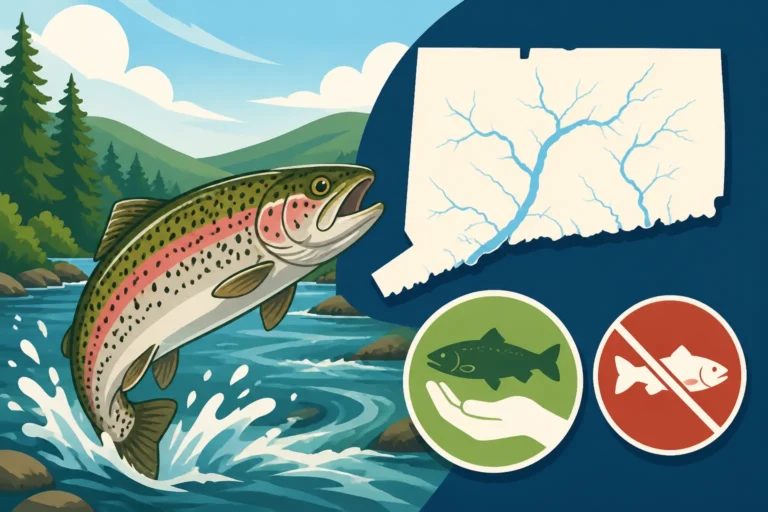
In stark contrast to the heavily stocked TMAs, Wild Trout Management Areas are designated specifically to protect and enhance naturally reproducing trout populations. This typically focuses on our native brook trout and robust wild brown trout. These streams are usually subject to even more stringent regulations, frequently mandating catch-and-release only, and often restricting tackle to artificial lures or flies equipped with single, barbless hooks. The core idea here is not to create a "trophy" fishery through supplemental stocking, but rather to safeguard the genetic integrity and ecological health of these truly wild populations. Fishing in a WTMA offers a unique and often more challenging experience, but the reward of hooking into a truly wild, stream-born trout is immensely satisfying. Given the pristine nature of these waters, you might find yourself exploring more remote, wilderness-like areas, so being prepared with proper hiking and wading gear, which you can easily find on Amazon, is always a smart move.
Trophy Trout Streams
Some special regulation areas are explicitly managed with the goal of producing larger, "trophy-sized" trout. While specific sections within TMAs might have this aim, certain entire stretches of water are designated with this singular focus. These areas typically enforce higher minimum length limits and significantly lower creel limits compared to general open waters. The entire management strategy revolves around allowing fish to grow to impressive sizes, offering dedicated anglers the exhilarating chance at a true bragging-rights catch. This doesn't mean every cast will yield a giant, but the potential for a truly memorable fish is undeniably high. You'll often find these types of waters along prime sections of the Farmington River or the Housatonic, where environmental conditions are ideal for trout to thrive and grow old. These spots are a dream for anglers looking to seriously challenge their skills and potentially land the fish of a lifetime.
Coastal Special Regulation Areas
It’s not just our freshwater systems that benefit from specialized management; our abundant marine waters, particularly Long Island Sound, also have critical targeted regulations. While federal and interstate regulations cover many aspects of saltwater fishing, Connecticut frequently implements its own specific nuances within state waters to protect local fish stocks. For instance, certain coastal areas might have seasonal closures, or unique size and bag limits for popular species like striped bass, fluke, or black sea bass that may differ slightly from broader regional guidelines. These localized areas are absolutely vital for effectively managing popular migratory species as they pass through our state's coastal zones, ensuring that local populations are not overfished. Always be aware that marine regulations can change with surprising speed, so staying current with the Connecticut Saltwater Fishing Regulations by Species is absolutely essential before you embark on any fishing trip on the Sound.
Diving Deep into Key Trout Management Areas
To truly grasp the impact and design of special regulation waters, it's incredibly helpful to examine some real-world examples that are cherished by many Connecticut anglers. These rivers are iconic for a reason, and their continued success as world-class fisheries is a direct result of these carefully tailored rules.
The Farmington River West Branch
Ah, the Farmington. Utter the name "Farmington River" to any serious trout angler in Connecticut, and you're almost guaranteed to see a spark in their eye. The West Branch of the Farmington, particularly the stretch extending downstream from the Hogback Dam, is widely considered the state's premier wild and stocked trout fishery. This section is predominantly managed as both a Trophy Trout Stream and a Catch & Release/Artificial Lures Only zone. This means your fishing efforts will typically involve flies or various artificial lures, often equipped with single, barbless hooks. Crucially, all trout caught in these designated sections must be immediately and carefully released back into the water unharmed. The objective here is crystal clear: to cultivate a population of large, healthy trout that provide an exceptional, challenging angling experience.
Imagine the serene experience of wading through its clear, cold currents, meticulously casting nymphs or delicate dry flies, all the while knowing that the fish you might hook have likely evaded numerous anglers before and are incredibly wary of typical presentations. This inherent challenge is precisely what draws so many devoted fly fishermen to the Farmington. The specific regulations, such as those comprehensively detailed in the Connecticut Farmington River Trophy Trout Stream Rules, are designed to ensure these trout can survive, grow to impressive sizes, and offer truly thrilling encounters. You won't find bait fishing permitted in many of its most productive stretches, a rule that significantly reduces incidental mortality and preserves the high quality of this invaluable natural resource. It's a place where you can genuinely refine your angling skills, and even if a trophy doesn't materialize, the sheer beauty of the surrounding landscape and the purity of the fishing experience are often considered their own reward.
Housatonic River Trout Management Area
Another jewel in Connecticut’s crown for trout enthusiasts is the majestic Housatonic River, particularly its lower section situated below Falls Village. This expansive area is officially designated as a Trout Management Area, renowned for its consistently excellent brown and rainbow trout fishing. While certain sections are strictly catch-and-release, others permit harvest within very specific, carefully managed limits. The Housatonic presents a distinct character compared to the Farmington; it’s often a wider, more powerful river, and it's capable of holding truly massive brown trout, including some spectacular holdovers that have successfully adapted and thrived in the river's dynamic conditions.
The special regulations implemented on the Housatonic are vital for managing this diverse and robust fishery. For instance, specific daily limits on the number of trout you can keep are common, along with strict minimum size requirements, especially for the larger brown trout that draw so much attention. The Housatonic is also celebrated for its incredible insect hatches, particularly caddis and mayflies, making it a beloved destination for dry fly aficionados, especially during the vibrant spring and early summer months. Just as with the Farmington, it is absolutely critical to familiarize yourself with the precise rules that apply to different sections of the river. You can find invaluable details in the Housatonic River Trout Management Area Fishing guide. Considering specific fly patterns or artificial lures that are known to be effective producers in these waters is always a wise strategy, and it’s always prudent to check current river conditions before heading out, as water levels can fluctuate significantly.
Salmon River Trout Management Area
In eastern Connecticut, the Salmon River stands out as another highly regarded Trout Management Area, offering consistently fantastic trout fishing opportunities, especially following the generous stocking efforts undertaken by the DEEP. This river thoughtfully combines readily accessible stretches with more secluded, remote sections, making it appealing to a diverse cross-section of anglers. Like its TMA counterparts, the Salmon River operates under specific regulations crafted to distribute the harvest equitably and to ensure a consistently enjoyable fishing experience throughout the entire season.
During the vibrant spring season, the Salmon River becomes a magnet for anglers on opening day, all eager to target the abundance of recently stocked trout. The regulations here, comprehensively outlined in the general Connecticut Trout Season and Stocking Rules, often include a more generous initial creel limit that may be adjusted as the season progresses. Some stretches of the river might remain open for fishing year-round, while others are managed with a more seasonal focus. It serves as an excellent illustration of how special regulations can skillfully create diverse angling opportunities, allowing both harvest-oriented anglers and those seeking a more challenging catch-and-release experience to thoroughly enjoy the same river at different times or within different designated sections. Keeping a close eye on the Connecticut Interactive Trout Stocking Map, Explained can be a game-changer, helping you pinpoint the optimal times to visit for the freshest stocked fish.
Navigating Saltwater Special Regulations
Long Island Sound, our magnificent state's vast marine playground, also hosts a critical array of special regulations. These are frequently driven by broader regional management plans for highly migratory species but can, and often do, incorporate unique Connecticut-specific nuances. It's not simply about finding the best Long Island Sound Fishing Guide spots; it's fundamentally about understanding how to fish them legally and sustainably.
Striped Bass and Circle Hook Rules
Striped bass are, without a doubt, the most iconic and sought-after game fish in Long Island Sound, attracting thousands of dedicated anglers annually. Due to their immense popularity and critical importance to the ecosystem, striped bass are subjected to rigorous regulations, often featuring slot limits specifically designed to protect prime breeding-age fish. A slot limit mandates that you can only retain fish within a specified size range, meaning both smaller and larger fish must be promptly released. This targeted approach is designed to safeguard both juvenile fish that haven't yet had the chance to spawn and large, mature breeders that contribute significantly to the overall population's health. You can find precise and up-to-date information on the Connecticut Striped Bass Slot Limit and Season to ensure every trip is fully compliant.
A particularly crucial special regulation for striped bass fishing, especially when using natural bait, is the mandatory use of circle hooks. This rule, officially known as the Connecticut Circle Hook Requirement for Striped Bass, represents a significant advancement in conservation. Circle hooks are ingeniously designed to hook fish cleanly in the corner of the mouth, dramatically reducing instances of gut-hooking and thereby vastly improving the survival rate of released fish. When you're fishing with natural bait for stripers, be it fresh bunker, worms, or clams, you are legally required to use a non-offset circle hook. It's a seemingly small adjustment to your tackle, but one that has a massive positive impact on the health and future of the striped bass population. Always ensure you have a generous supply of these essential hooks in various sizes in your tackle box – they are readily available at any reputable tackle shop or through online retailers like Amazon.
Fluke and Black Sea Bass Size Limits
Beyond the excitement of striped bass, other incredibly popular saltwater species, such as fluke (summer flounder) and black sea bass, are also managed under their own set of special regulations. These typically revolve around strict minimum size limits and daily creel limits. These regulations are particularly dynamic, often fluctuating year-to-year based on the latest scientific assessments of fish stocks, making it incredibly important for anglers to stay current with the most recent guidelines.
For fluke, anglers frequently encounter rigorous minimum length requirements. The underlying objective is to allow these delicious flatfish ample opportunity to reach maturity and successfully spawn before they become eligible for harvest. It can be genuinely disappointing to catch a beautiful fluke only to find it's a mere fraction of an inch too short, but these rules are absolutely vital for sustaining future fishing opportunities. Similarly, the Connecticut Black Sea Bass Regulations for 2026 will explicitly detail minimum sizes and daily bag limits. While black sea bass are known for being prolific and aggressive biters, their populations also demand careful and continuous management. Anglers targeting them on submerged wrecks, reefs, or rocky bottoms absolutely need to carry a reliable measuring device and be prepared to promptly and safely release any undersized fish. These precise regulations are fundamental to ensuring that anglers can continue to enjoy the fantastic fishing for these popular species for many years to come. For the most specific and up-to-date details on these regulations, always consult the most current Connecticut Fluke and Summer Flounder Regulations guide before embarking on your next fishing adventure.
Understanding Catch and Release Only Versus Restricted Harvest
The terms "catch and release" and "restricted harvest" are fundamental concepts for comprehending many special regulation waters. While both strategies are employed to effectively manage fish populations, their underlying approaches and the responsibilities they place on anglers differ quite significantly. It's not just a matter of semantics; it represents an entirely distinct philosophy of how we interact with the fishery in that particular area.
The Philosophy Behind Catch and Release Only
"Catch and Release Only" (C&R) waters represent the pinnacle of conservation-driven angling. In these designated areas, every single fish caught must be immediately and meticulously returned to the water unharmed. The intention behind this rule is unequivocally clear: to completely eliminate mortality from harvest, thereby allowing fish to grow larger, live longer, and crucially, contribute more robustly to natural reproduction. This stringent approach is frequently applied in highly productive trout waters or in areas supporting delicate wild populations, as exemplified by many of the Connecticut Catch and Release Fly Fishing Only Waters.
The philosophy of C&R extends far beyond merely unhooking and releasing a fish; it profoundly emphasizes responsible angling practices at every step. This includes the conscientious use of appropriate gear, such as barbless hooks, specifically designed to minimize injury, handling fish gently with wet hands to protect their protective slime coat, and ensuring a swift, efficient release to maximize their chances of survival. Anglers who frequent C&R areas are not typically fishing for the dinner table; their motivation lies in the pure challenge, the immersive experience, and the profound joy of interacting with the resource in the most sustainable way possible. It embodies a deep respect for the fish and the broader ecosystem, understanding that individual actions directly contribute to the long-term health and vitality of the fishery. Many dedicated anglers will even carry a specialized pair of forceps or hemostats (you can find high-quality versions on Amazon that are invaluable for precise knot tying and quick hook removal) to ensure the unhooking process is as quick and stress-free as possible for the fish.
Restricted Harvest Areas: Balancing Sport and Sustenance
In contrast to the strict C&R approach, "Restricted Harvest" areas do permit anglers to retain a certain number of fish, but always with significant limitations when compared to general open waters. These carefully considered restrictions might encompass a variety of measures:
- Reduced Creel Limits: Instead of a typical statewide limit of, for example, five trout per day, a restricted harvest area might only allow anglers to keep one or two fish daily.
- Increased Minimum Length Limits: Fish might be required to exceed a larger minimum size than the standard statewide regulation before they can be legally kept, thereby allowing them to mature further and contribute to spawning.
- Slot Limits: As previously discussed with striped bass, anglers in these areas might only be permitted to keep fish within a very specific size window, effectively protecting both very small, growing fish and very large, invaluable breeding stock.
- Tackle Restrictions: While not always requiring C&R, some restricted harvest areas might impose limitations on the use of natural bait or mandate the exclusive use of artificial lures. This is typically done to reduce incidental mortality on any fish that are caught and subsequently released.
The fundamental goal of restricted harvest is to skillfully balance the understandable desire for anglers to occasionally take home some fish with the absolute necessity of managing the fish population in a sustainable manner. This approach allows for a consumptive use of the resource, but always at a carefully controlled and monitored level. These areas acknowledge that not all anglers exclusively practice catch-and-release, while simultaneously ensuring that fishing pressure does not lead to the depletion of valuable fish stocks. It represents a pragmatic and thoughtful approach to modern fisheries management, striving to satisfy multiple user groups while consistently safeguarding the future health and abundance of the fishery.
Practical Tips for Navigating Special Regulation Waters
It's completely understandable to feel a bit overwhelmed by the sheer volume of specific rules and regulations. However, by adopting a few good habits and practices, you can confidently and compliantly fish Connecticut's special regulation waters, ensuring a fantastic and worry-free experience every time you hit the water.
Always Check the Latest Guide
This crucial piece of advice simply cannot be overstated. Fisheries regulations, particularly those governing special areas and migratory species, are never static. They are subject to annual revisions and, sometimes, even mid-season adjustments if urgent conservation measures become necessary. Relying on an outdated printout or a hazy memory of last year's rules is a surefire way to risk a potential violation and, frankly, ruin what should be an enjoyable day outdoors.
- Official Sources are Key: The single most authoritative and reliable source for all fishing regulations is the Connecticut DEEP Angler's Guide. This comprehensive guide is meticulously updated every year and is readily available for digital download directly from the DEEP website. You can also typically pick up a physical copy at most bait and tackle shops, various town halls, or any DEEP office.
- Utilize Online Resources Wisely: While many online fishing forums and community pages often discuss recent changes or clarifications, always, always cross-reference any information you find with the official DEEP guide. It's an excellent habit to bookmark the relevant DEEP pages on your phone or, even better, download the entire guide as a PDF so you have access to it even when cell service is spotty or nonexistent.
- Ask Experienced Locals (with a grain of salt): Don't hesitate to engage with seasoned local anglers or the knowledgeable staff at your local tackle shop. They frequently possess the most current on-the-ground information and can offer invaluable insights specific to the waters you intend to fish. However, always make sure to verify their advice against the official DEEP guide. Remember, claiming ignorance of the law is never an acceptable excuse for breaking it!
Essential Gear for Special Waters
Fishing in special regulation waters often necessitates specific gear, extending beyond just your rods and reels to include items for safety, precise measurement, and overall convenience.
- Accurate Measuring Device: This is absolutely non-negotiable, particularly in areas with strict minimum size limits, slot limits, or even maximum length limits. A simple, flexible tape measure or a dedicated fish ruler that can be easily attached to your tackle box or boat is a must-have. Never rely on "eyeballing" the length – it's an easy way to inadvertently commit a violation.
- Forceps or Pliers: Essential for quick, safe, and humane hook removal, especially when using barbless hooks in catch-and-release zones. The less time a fish spends out of the water, the significantly better its chances of survival. Long-nosed pliers are excellent for handling toothy species, while fine-tipped forceps are ideal for carefully removing small trout flies.
- Quality Wading Gear: If your plans include hitting river TMAs or WTMAs, investing in high-quality waders and sturdy wading boots with excellent grip is crucial for both your safety and comfort in cold, flowing water. Look for studded or felt-soled boots for superior traction on slippery river rocks.
- Compliant Tackle: Always ensure that your chosen tackle strictly adheres to any gear restrictions for the specific area. If the regulations state "artificial lures only," leave your bait worms at home. If it's designated "fly fishing only," make certain your fly rod is properly rigged and ready. Carrying a diverse selection of fly patterns or artificial lures, especially those known to be effective for specific areas, can dramatically improve your success rate. For instance, when fly fishing the Farmington, a well-stocked box with various caddis, mayfly, midge patterns, and some effective streamers is often key to a productive day.
Respecting Other Anglers and the Environment
Fishing in special regulation waters often means sharing popular, well-loved areas with other enthusiasts. It's not merely about adhering to the letter of the law, but also about embodying the true spirit of responsible and respectful angling.
- Maintain Ample Space: Whether you're wading a river or fishing from a busy jetty, always make sure to give your fellow anglers plenty of personal space. "Crowding" someone is not only impolite but can easily spook fish, disturb the water, and effectively ruin another person's fishing experience. A good rule of thumb on a river is to allow at least 50 feet between yourself and another angler, and often more if the water conditions and layout permit.
- Leave No Trace Behind: Adopt a strict "pack it in, pack it out" mentality, and then some. This means taking home everything you brought, including old fishing line, empty bait containers, food wrappers, and any other trash. Preserving the pristine beauty of these special waters is a collective responsibility that benefits everyone. Many special regulation areas are situated within stunning natural landscapes, and keeping them immaculately clean is vital for both wildlife populations and the enjoyment of future generations of anglers and nature lovers.
- Handle Fish with Care: Even if you are legally allowed to keep fish, practicing responsible fish handling is paramount, especially for those you intend to release. If you plan to release a fish, minimize its time out of the water, avoid touching its delicate gills, and gently cradle it in the water until it swims away under its own power. If your intention is to harvest a fish, dispatch it quickly and humanely. The overall health and abundance of the fishery depend significantly on our collective care and respectful actions.
By taking the time to understand and wholeheartedly respect these special regulations, you are doing much more than simply avoiding potential fines; you are actively contributing to a richer, more sustainable, and more enjoyable fishing future for all of Connecticut. It ensures that iconic places like the Farmington River can continue to produce spectacular trophy trout, and that Long Island Sound remains a vibrant, healthy habitat for striped bass and countless other marine species. So, gear up responsibly, meticulously check the current rules, and go out and truly savor some of the most rewarding fishing experiences our incredible state has to offer!
| Feature | Trout Management Area (TMA) | Wild Trout Management Area (WTMA) | Trophy Trout Stream |
|---|---|---|---|
| Primary Goal | Enhance stocked & wild trout fishing | Protect/enhance wild trout genetics | Grow large, trophy-sized trout |
| Stocking | Heavy, frequent stocking | Little to no stocking | Moderate to heavy stocking for size |
| Gear Restrictions | Varies (artificial lures, fly-only) | Often artificial lures/fly-only, barbless hooks | Often artificial lures/fly-only, barbless hooks |
| Creel Limit | Often reduced (e.g., 2/day) | Usually Catch & Release Only | Often very low (e.g., 1/day) |
| Minimum Length Limit | Varies, often higher than statewide | N/A (Catch & Release) | High (e.g., 16+ inches) |
| Fish Population Source | Stocked + natural reproduction | Primarily natural reproduction | Stocked for growth + holdovers |
| Example Location | Salmon River TMA, parts of Housatonic | Small, remote tributary streams | Farmington River West Branch (upper) |
Disclaimer
Please remember that fishing regulations are dynamic and subject to change. Always consult the most current Connecticut Angler's Guide published by the Connecticut Department of Energy and Environmental Protection (DEEP) before you head out on the water. This article is for informational purposes only and should not be considered a substitute for official regulations.