Connecticut fishing license for state park ponds
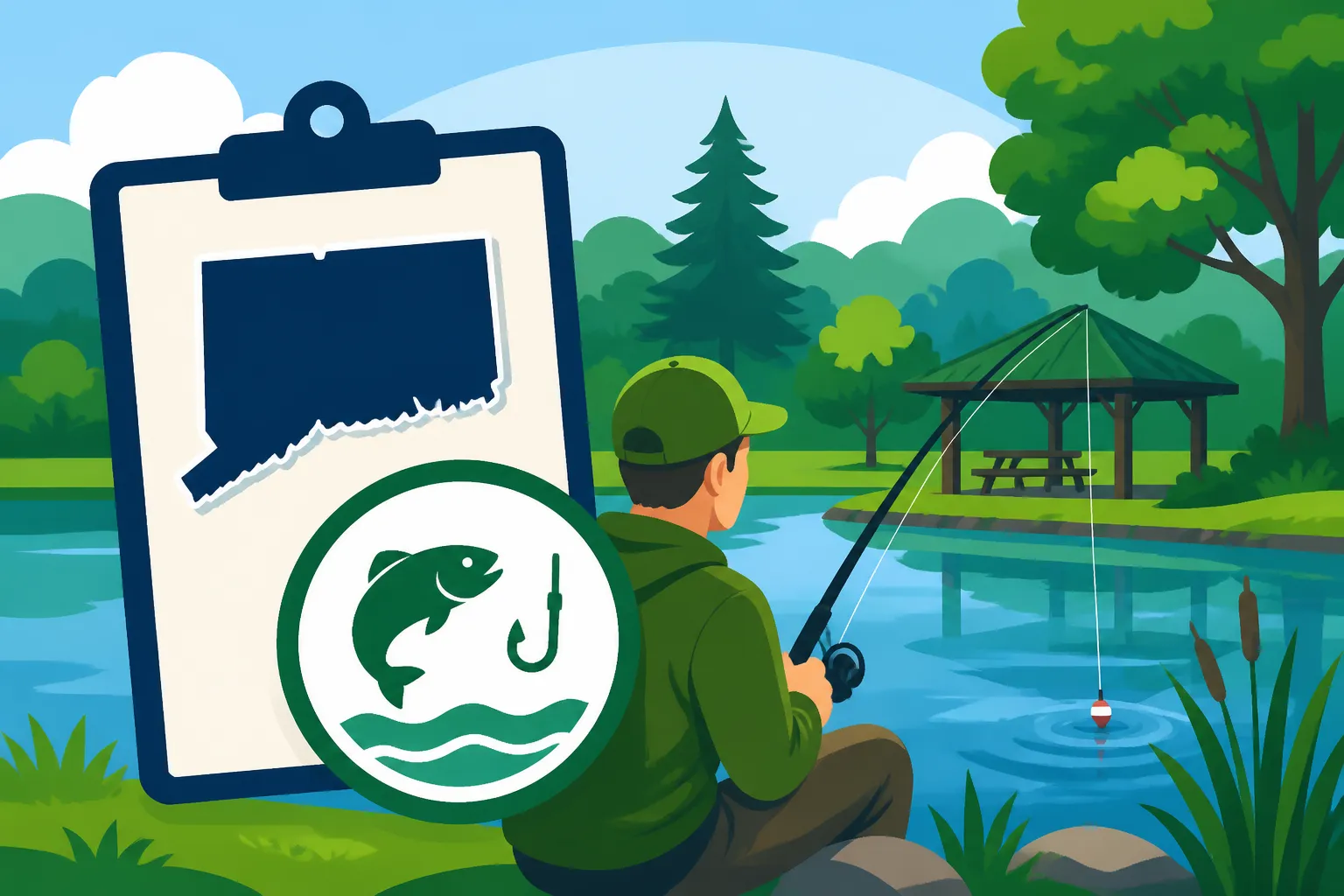
It's a beautiful sunny day, and you're thinking about packing up the rods, grabbing the kids, and heading to one of Connecticut's gorgeous state parks for a peaceful day of fishing. Maybe it's a quiet pond tucked away in the woods, or a larger lake offering stunning views. But then the nagging question hits you: "Do I actually need a fishing license to fish in a state park pond?" Many folks assume that because it's public land, the rules might be different, or perhaps even nonexistent. This is a common and understandable confusion that can lead to an uncomfortable situation if you're not properly prepared. This comprehensive guide is here to clear up any misunderstandings, ensuring you understand exactly what you need to fish legally and responsibly in Connecticut's state park ponds.
The Clear Answer: A Fishing License is Almost Always Required
Let's cut right to the chase: if you're planning to cast a line in almost any of Connecticut's state park ponds or lakes, you absolutely need a valid fishing license, unless you fall into a very specific exemption. This often surprises people, who might associate "state park" with a free-for-all experience. However, fishing, even in these public recreation areas, is a regulated activity designed to protect our natural resources and ensure sustainable angling for everyone.
Why State Park Ponds Are No Exception
The notion that public land equals free fishing is a common misconception, but Connecticut's state parks are not just open spaces; their waterways are actively managed as part of the state's broader fisheries conservation efforts. The Connecticut Department of Energy and Environmental Protection (DEEP) oversees these efforts, and your fishing license fees are crucial to funding them. These fees directly support programs like fish stocking, habitat improvement projects, and scientific research that ensures healthy fish populations for years to come.
Imagine the picturesque waters of Bigelow Hollow State Park or the serene ponds at Day Pond State Park, teeming with trout, bass, and panfish. These vibrant fisheries don't happen by accident. DEEP biologists regularly monitor these waters, and countless thousands of trout, for example, are stocked into many state park ponds each year, especially in spring, to provide excellent fishing opportunities for anglers. Without the revenue generated from license sales, these vital stocking programs and conservation initiatives would simply not be possible. So, when you purchase a license, you're not just getting permission to fish; you're directly contributing to the health and future of Connecticut's aquatic ecosystems, including those beautiful state park ponds you love to visit.
Understanding Inland vs. Marine Waters in Parks
When considering a Connecticut fishing license for state park ponds, it's essential to understand the distinction between inland (freshwater) and marine (saltwater) fishing. Most state park ponds are, by definition, inland freshwater bodies. For instance, if you're fishing for bass and sunfish in the quiet waters of Mansfield Hollow Lake State Park or targeting trout in the pond at Black Rock State Park, you will need an inland fishing license. These waters are entirely freshwater and are typically stocked and managed for freshwater species.
However, Connecticut is a coastal state, and some state parks offer access to both freshwater and saltwater, or even feature brackish ponds influenced by tidal flows. Take Hammonasset Beach State Park, for example; while it’s primarily known for its beachfront, any fishing directly into Long Island Sound or tidal creeks would require a marine fishing license. Similarly, a pond might be freshwater, but if a tidal creek runs into it, introducing salinity, the regulations could shift. The key is to determine if the water body is connected to the ocean and experiences tidal changes. If there's any doubt, an all-waters fishing license covers both inland and marine fishing, offering complete peace of mind, no matter where your state park adventures take you. You can delve deeper into this topic by reading our guide on Connecticut Inland vs Marine vs All-Waters License, Explained.
Types of Licenses and Age Requirements for Park Fishing
Navigating the various types of fishing licenses and understanding age requirements can sometimes feel a bit like deciphering a secret code. However, for fishing in Connecticut state park ponds, it’s generally quite straightforward. Knowing which license applies to you and if you're exempt can save you time and hassle.
The Essentials: Annual Inland and All-Waters Licenses
For the vast majority of anglers heading to a state park pond, one of two primary licenses will be required:
- Annual Inland Fishing License: This is your bread and butter for freshwater fishing. It grants you permission to fish in all inland waters of Connecticut, which includes nearly every pond, lake, and river within our state parks that isn't influenced by tides. If your plan is to target species like largemouth bass, smallmouth bass, pickerel, perch, or the plentiful stocked trout, this is typically the license you'll need. It's a fundamental investment in the state's freshwater fisheries and ensures you can enjoy a wide array of fishing spots, from small, scenic ponds to larger, bustling lakes.
- Annual All-Waters Fishing License: This is the ultimate convenience package for anglers who enjoy both freshwater and saltwater fishing. If you sometimes fish state park ponds but also venture out to the shoreline of Long Island Sound or a tidal river for striped bass, fluke, or bluefish, this single license covers all your bases. It simplifies your licensing needs, removing any ambiguity about whether a particular water body requires an inland or marine permit. While it costs a bit more than a standalone inland license, the peace of mind and flexibility it offers make it a popular choice for many avid anglers.
It's also crucial to remember that beyond these base licenses, if you plan to keep trout or salmon from designated trout waters – and many state park ponds are heavily stocked trout waters – you'll need to purchase a Connecticut Trout and Salmon Stamp in addition to your regular fishing license. This stamp is a small but vital add-on that directly funds the state's trout and salmon stocking programs, further enhancing the quality of fishing in these areas. For a full breakdown of costs, you can consult our detailed guide on How Much Does a Connecticut Fishing License Cost.
Here’s a quick overview of the most common license types relevant to state park fishing:
| License Type | Covered Waters | Key Species | When You Need It for State Parks |
|---|---|---|---|
| Annual Inland | Most freshwater ponds, lakes, rivers | Trout, Bass, Panfish, Pickerel | For almost all state park ponds (freshwater) |
| Annual All-Waters | All freshwater & saltwater | All inland & marine species | If you fish both, or want flexibility, including state park ponds |
| Marine | All saltwater (separate license) | Striped Bass, Fluke, Blackfish, Bluefish | Only for tidal ponds or direct Long Island Sound access in coastal parks |
| Trout & Salmon Stamp | Designated Trout/Salmon Waters | Trout, Salmon (if keeping) | If you plan to harvest trout/salmon from stocked state park ponds |
Age-Based Exemptions and Youth Fishing
One of the best aspects of Connecticut's fishing regulations, especially for families looking to enjoy a day at a state park pond, is the clear age-based exemptions. This makes fishing accessible to younger generations without creating financial barriers.
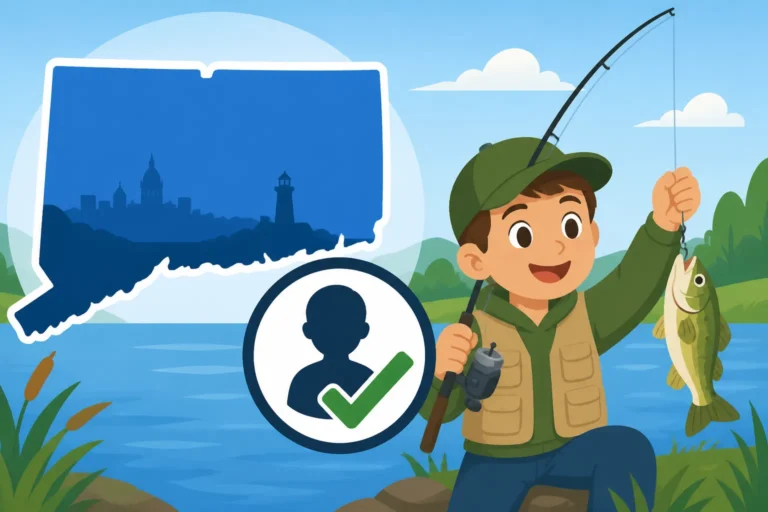
- Children Under 16: This is fantastic news for budding anglers! In Connecticut, any resident or nonresident under the age of 16 does not need a fishing license to fish in any of the state's waters, including all state park ponds. This rule encourages kids to get outdoors, learn about fishing, and connect with nature. So, feel free to bring your younger children or grandchildren to fish at a state park like Kettletown State Park or Wadsworth Falls State Park without worrying about a license for them. This exemption is a core part of the Connecticut Fishing License Age Requirements.
- Youth Fishing Passport: While not a replacement for a license (since those under 16 don't need one anyway), the Connecticut Youth Fishing Passport, Explained is a wonderful program that offers additional benefits and encourages youth participation in fishing clinics and activities. It’s a great way to deepen a young angler's connection to the sport.
- Senior Exemptions: Connecticut also offers a generous benefit for its senior resident anglers. Residents who are 65 years of age or older may be eligible for a free lifetime fishing license. This is a fantastic perk for long-time residents who have contributed to the state and want to continue enjoying its natural beauty and fishing opportunities. Applying for the Connecticut Senior Free Lifetime Fishing License typically involves a one-time process through the DEEP, after which they can fish for life without needing to renew annually. This is a well-deserved recognition for a lifetime of enjoying Connecticut's outdoors. Other free and discounted options may exist for specific groups like disabled residents or veterans, so it's always worth checking Free and Discounted Fishing License Options in Connecticut if you believe you might qualify.
Acquiring Your License and Staying Compliant
Once you understand what kind of license you need, the next step is to acquire it. Thankfully, Connecticut DEEP has made the process incredibly user-friendly and convenient, ensuring you can get on the water and enjoy your state park pond fishing experience without unnecessary delays.
Where and How to Purchase a License
Getting your Connecticut fishing license is simpler than you might think, with several convenient options available:
- Online Through the DEEP Sportsmen Licensing System: This is by far the most popular and efficient method for many anglers. The Connecticut DEEP offers a robust and easy-to-navigate online portal where you can purchase your fishing license 24 hours a day, 7 days a week. You'll simply need to create an account, select the type of license you need (e.g., Annual Inland Fishing License for state park ponds), complete the payment, and you can then print your license immediately at home or save a digital copy to your smartphone. This eliminates the need to travel and queue, making it perfect for last-minute decisions to hit a local state park pond like those at Mashamoquet Brook State Park. Our guide on How to Buy a Fishing License Online in Connecticut provides a step-by-step walkthrough.
- Authorized License Vendors: For those who prefer a more traditional approach or want to support local businesses, fishing licenses are available at numerous authorized vendors across the state. These typically include bait and tackle shops, sporting goods stores (like larger retailers in Waterford or local shops in Newington), and some town clerk offices. These vendors are often run by fellow anglers who can offer valuable local advice on fishing spots in nearby state parks and which baits are currently working best. You can find a comprehensive list of these locations on the DEEP website, or by checking our resource on Where and How to Buy a Connecticut Fishing License.
- DEEP Offices: While often less convenient for most anglers due to limited hours and locations, you can also purchase licenses directly from DEEP offices, such as the main office in Hartford or certain regional offices. This might be an option if you have specific questions that require in-person assistance.
Carrying Your License and Avoiding Penalties
Once you’ve got your fishing license, the next crucial step is to ensure you have it with you whenever you're out fishing in a state park pond. This is not just a suggestion; it's a legal requirement, and compliance is essential to avoid potential fines and disruptions to your peaceful day on the water.
- Physical or Digital Possession: Connecticut law requires you to have your valid fishing license on your person while fishing. This can be a physical printout of your license, which you can easily keep in your tackle box, wallet, or even laminated for durability. Alternatively, a digital copy displayed on your smartphone is also acceptable. Many anglers find the digital option incredibly convenient, as it means one less thing to forget at home. For more details on what's accepted, check out Printing or Carrying a Digital Fishing License in Connecticut. The key is that it must be immediately accessible and legible if requested by a conservation officer.
- Interactions with Conservation Officers: While it might feel a little intimidating to be approached by a law enforcement officer, Connecticut Environmental Conservation Police Officers (ENCON Police) are primarily focused on protecting the state's natural resources and ensuring everyone is following the rules fairly. If an ENCON officer approaches you at a state park pond, such as Burr Pond State Park, simply be polite, cooperative, and present your license when asked. They are there to uphold regulations that ultimately benefit the health of our fisheries.
- Consequences of Non-Compliance: Fishing without a valid license (or without the proper stamps, if required for certain species like trout) is a violation of Connecticut state law. The penalties can be substantial, often involving significant fines that easily outweigh the cost of an annual license. Additionally, your fishing gear could potentially be confiscated, and in some cases, repeated offenses could lead to a suspension of your fishing privileges. Imagine a relaxing family outing at Hopeville Pond State Park turning sour because you overlooked a simple license. It’s simply not worth the risk. Always be sure you’re properly licensed before you cast your first line. You can learn more about the implications in our article on Fishing Without a License in Connecticut: Penalties.
Common Questions and Specific Scenarios for State Park Anglers
Even with your license in hand, fishing in state park ponds can sometimes present unique situations or questions. Understanding additional regulations and best practices will ensure not just compliance, but also a more enjoyable and responsible angling experience for everyone.
Special Regulations in State Park Waters
While a general fishing license is your entry ticket, it's crucial to remember that statewide fishing regulations always apply, and sometimes specific state park waters might have additional, localized rules. These special regulations are put in place for various reasons, often to protect unique fish populations, manage fishing pressure, or enhance certain types of angling.
- Beyond General Creel and Length Limits: Every angler needs to be familiar with the statewide daily creel (bag) limits and minimum length limits for various species. For example, if you're targeting largemouth bass in the pond at Chatfield Hollow State Park, you'll need to adhere to the statewide bass regulations. However, some specific waters might have more restrictive rules. While less common for ponds within state parks, if a park borders or contains a portion of a Trout Management Area (TMA) or a Trophy Trout Stream, those segments of water will have their own distinct regulations regarding tackle, bait, and harvest limits. For instance, the renowned Farmington River, much of which is a TMA, has strict catch-and-release sections or single-hook artificial lure rules that supersede general regulations. It’s always important to consult the Connecticut Fishing Regulations Explained guide annually.
- Signage is Your Friend: The DEEP does an excellent job of posting signage at popular access points for specific water bodies when special regulations are in effect. Always take a moment to read any posted signs at the boat launch or fishing access point of a state park pond, such as those at Mount Tom State Park. These signs will alert you to any unusual rules, such as "catch and release only," "electric motors only," or specific season dates for certain species. Being aware of Special Regulation Waters in Connecticut can prevent an unintentional violation.
Beyond the License: Essential Tips for State Park Fishing
Having your fishing license is just the beginning of a successful and enjoyable day at a state park pond. To truly make the most of your outing, consider these additional tips that go beyond mere compliance:
- Leverage Trout Stocking Reports: Many of Connecticut's state park ponds are heavily stocked with trout, particularly in the spring and fall. Knowing when and where DEEP has stocked can dramatically increase your chances of success. The Connecticut Interactive Trout Stocking Map, Explained is an invaluable tool for this. By checking the map, you can plan your trip to a recently stocked state park pond like those at Southford Falls State Park or Valley Falls Park, ensuring a better chance of reeling in some fresh trout.
- Adhere to Park Etiquette and Rules: Beyond fishing regulations, state parks have general rules designed to protect the environment and ensure a pleasant experience for all visitors. This includes practicing Leave No Trace principles—pack out everything you pack in, including discarded fishing line, bait containers, and other trash. Respect designated swimming areas, hiking trails, and picnic spots, and be mindful of noise levels, especially if there are other families enjoying the park. For example, if you're bringing a small boat or kayak to a pond like those at Wadsworth Falls State Park, be aware of any restrictions on motor types (many state park ponds are electric motors only, or no motors at all). Always check Connecticut Boating Laws for Anglers for rules about vessels.
- Prioritize Safety: Fishing, especially from a boat or kayak on a state park pond, requires safety awareness. Always wear a life jacket, especially if you're alone or fishing with children. Understanding Life Jacket Requirements for Connecticut Boaters is crucial. Be aware of weather changes, stay hydrated, and let someone know your plans, especially if you're exploring a more remote pond. Your safety and the preservation of these beautiful natural spaces are paramount to ensuring a wonderful experience for everyone.
Disclaimer
The information provided in this guide is for general informational purposes only and is subject to change. While we strive to provide accurate and up-to-date information, fishing regulations and license requirements are set by the Connecticut Department of Energy and Environmental Protection (DEEP) and can be amended at any time. It is always the angler's responsibility to consult the most current official Connecticut Fishing Guide and DEEP regulations before fishing.