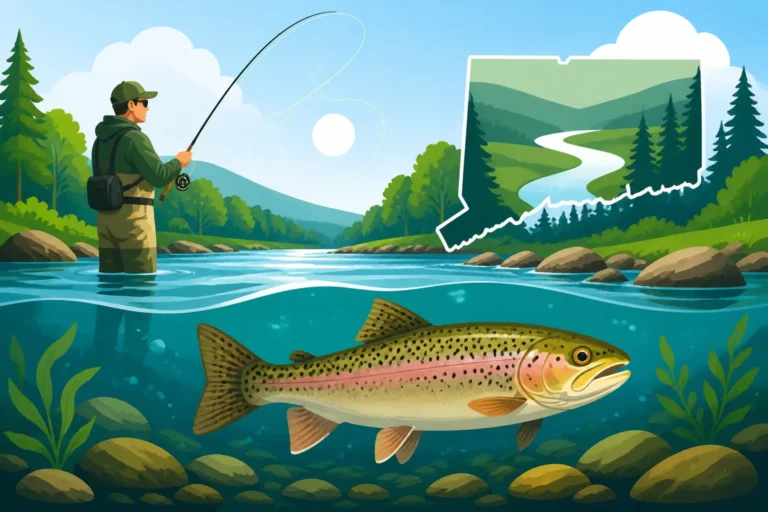
Candlewood Lake Trout Fishing
Trout fishing on Candlewood Lake is one of Connecticut's most unique and rewarding challenges, but it can also be incredibly frustrating. This vast, deep lake holds the promise of big fish, yet figuring out where they are and what they're biting can feel like solving a complex puzzle. This comprehensive guide is here to unravel those mysteries, helping you understand the lake's trout dynamics, master effective techniques, and navigate the nuances to hook into some truly memorable catches.
Understanding Candlewood Lake's Trout Fishery
Candlewood Lake is Connecticut's largest lake, a sprawling body of water that offers more than just scenic views; it presents a dynamic and often challenging environment for trout anglers. Unlike smaller, more predictable ponds or rivers, Candlewood's size and depth mean that understanding its unique characteristics is paramount to finding success. You can't just cast a worm and expect results here; it requires a more thoughtful approach.
Lake Characteristics and Trout Habitats
Candlewood Lake is a hydroelectric impoundment, meaning its water levels can fluctuate, and its bottom contours are incredibly varied. We're talking about everything from steep drop-offs and submerged humps to vast flats and old roadbeds. This diverse underwater topography creates a myriad of habitats for baitfish and, consequently, for trout. The lake is also known for its deep, cold water, which is crucial for trout survival, especially during the warmer months. While the surface might sizzle in July, the depths remain a cool refuge where trout can thrive. Identifying these deeper, cooler sections, often near the old river channels or steep banks, is your first step. Keep an eye on your sonar for areas with a significant thermocline, as trout will often congregate just above or within this cooler layer, seeking comfortable temperatures and oxygen-rich water. Submerged structure, like rocky points, old foundations, and even artificial fish attractors, will hold baitfish, making them prime spots for actively feeding trout.
Trout Species Present and Stocking Program
Candlewood Lake is primarily known for its brown trout and rainbow trout populations. While some wild fish may exist in the lake's tributaries, the fishery is largely sustained by the Connecticut Department of Energy and Environmental Protection (CT DEEP) stocking program. Each year, thousands of trout, mostly rainbows and browns, are introduced into the lake, providing ample opportunities for anglers. These stocked fish grow quickly in Candlewood's rich environment, with many "holdovers" from previous stockings reaching impressive sizes. It’s not uncommon to hear tales of brown trout in the 20-inch range, or even larger, providing a real draw for trophy hunters. The CT DEEP publishes an annual stocking schedule, and understanding when and where trout are introduced can give you a significant advantage, especially early in the season. These fresh stockings often mean more active fish, but also increased fishing pressure. For a general overview of these efforts, check out our guide on Connecticut Trout Season and Stocking Rules.
Prime Seasons and Times for Trout on Candlewood
Timing is everything when it comes to trout fishing on Candlewood Lake. The lake's vastness means that trout can spread out, but certain seasons and even times of day concentrate them in predictable areas, making them more accessible to anglers. Knowing these patterns can transform a frustrating day into a productive one.
Spring and Fall Peak Periods
The absolute best times for trout fishing on Candlewood Lake are typically in the spring, from late March through May, and again in the fall, from late September through November. During these periods, water temperatures are ideal for trout throughout much of the water column, meaning they're more active and often found closer to the surface or in shallower areas than they would be in summer. In spring, as ice melts and water warms, trout will cruise the upper layers, often moving into coves and near shorelines where baitfish are more prevalent. This is when trolling can be incredibly effective, covering large areas with relatively shallow presentations. Similarly, in the fall, as the lake cools down, trout become more active, feeding aggressively to build up reserves for winter. They'll often push baitfish against structure or into shallower areas, providing fantastic opportunities for both trollers and those casting from shore or boat. Mornings and evenings during these seasons are particularly productive, as low light conditions encourage trout to feed more actively.
Summer Deepwater Tactics
Once summer truly sets in and surface water temperatures climb into the 70s and 80s, trout retreat to the cooler, oxygenated depths. This doesn't mean trout fishing shuts down; it just means you need to adjust your strategy significantly. During July and August, trout on Candlewood Lake will be found in 30 to 60 feet of water, often hugging the thermocline. This is when specialized techniques like downrigging or lead core line become essential to get your lures down to the fish. Focus your efforts around deep points, humps, and the old river channel, especially where these features meet cooler water. Your sonar will be your best friend, not only for finding fish but for identifying the precise depth of the thermocline and any significant underwater structure. Fishing early in the morning or late in the evening can still produce some shallower bites, but for consistent action, you'll be plumbing the depths. Even on hot summer days, the deep water bite can be surprisingly consistent if you put in the effort to find the fish.
Essential Gear and Techniques for Candlewood Lake Trout
Tackling Candlewood Lake for trout isn't like casting a fly on a small stream. Its size and the habits of its trout require specific gear and techniques to maximize your chances of success. Investing in the right tools and learning how to use them effectively will pay dividends.
Trolling Setups and Lures
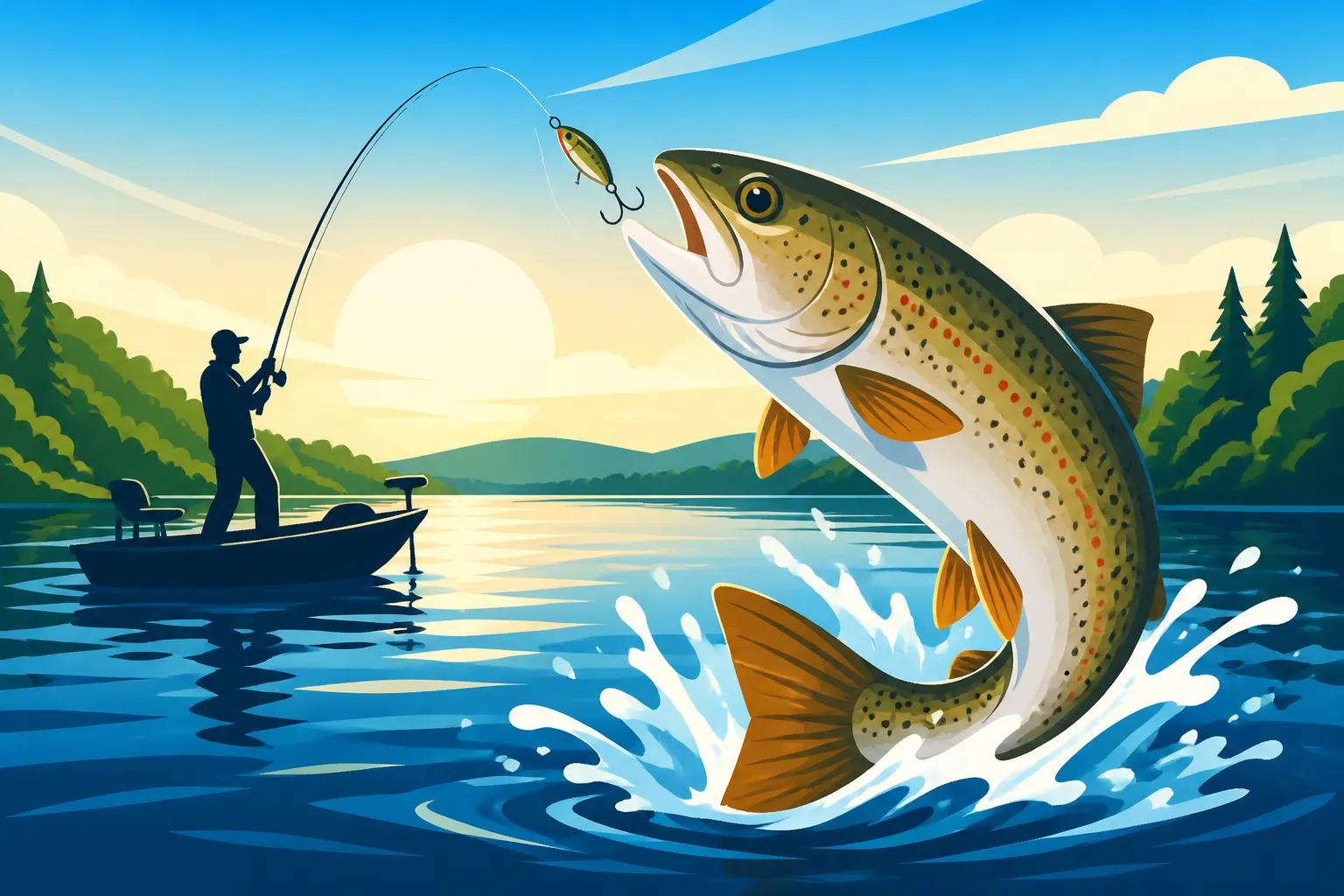
Trolling is arguably the most popular and effective method for covering water and locating active trout on Candlewood Lake, especially for rainbow and brown trout. A good trolling setup typically involves a medium-light to medium-action rod, around 7 to 8 feet long, paired with a reliable line counter reel spooled with 10-15 lb test monofilament or fluorocarbon. While braided line can be used, adding a mono or fluorocarbon leader is crucial for stealth. For getting your lures down to the desired depth, you'll need either lead core line, which changes depth based on color segments and boat speed, or a downrigger system. Downriggers allow you to precisely present lures at a specific depth, which is invaluable when trout are holding tight to the thermocline in summer.
When it comes to lures, Candlewood Lake trout respond well to a variety of options. Small spoons like the Alpena Little Cleo, Dardevle, or Doctor Spoon in silver, gold, or flashy patterns are perennial favorites. Minnow-imitating crankbaits such as Rapala Countdown or J-Spec models, especially in perch, shiner, or firetiger colors, are also highly effective. Trolling flies, particularly streamer patterns, behind a dodger or flasher can also entice strikes. Vary your speed (typically 1.5 to 3 mph) and direction, making S-turns to change the action and depth of your lures, which can often trigger a strike from a hesitant fish. Always pay attention to what depth and speed are producing bites on a given day.
Jigging and Downrigging Approaches
While trolling is often the primary method, jigging can be incredibly effective, especially when you've located a school of trout on your electronics. This method is particularly useful over humps, drop-offs, or around schools of baitfish. Vertical jigging spoons, blade baits, or even soft plastics on a jig head can provoke aggressive strikes from trout holding deep. Look for active fish on your sonar, drop your jig directly to their depth, and impart a twitching or lift-and-drop retrieve. Sometimes a slow, subtle flutter is all it takes, other times a more aggressive snap is needed. The key is to experiment until you find what the fish want.
As mentioned earlier, downrigging is a game-changer for summer trout fishing. This allows you to run multiple lines at precise depths, often with different lures, maximizing your chances. Use a release clip to attach your fishing line to the downrigger cable, then lower the cannonball to your desired depth. When a fish strikes, the line pops free, and you fight the fish directly. This method is particularly effective for presenting live bait, like shiners or small alewives, in the deep-water zone. It’s also excellent for running larger trolling flies or stickbaits that need to be held at a specific depth. Remember that proper downrigger setup and maintenance are crucial for effective and safe use.
Electronics for Locating Trout
In a lake the size and depth of Candlewood, modern marine electronics are not just a luxury; they are an absolute necessity for consistent trout fishing success. A good quality fishfinder and chartplotter combination will dramatically increase your efficiency. Your fishfinder will help you identify baitfish schools, locate individual trout arches, and pinpoint the all-important thermocline. Pay close attention to subtle changes in bottom contour, as these transition zones are often where trout ambush bait.
The chartplotter, with its detailed lake maps, allows you to mark productive waypoints, navigate to specific structures, and retrace successful trolling passes. Features like side-imaging or down-imaging can provide even greater detail, helping you differentiate between structure, bait, and actual trout. Don't just motor around blindly; use your electronics to actively search for signs of life. Mark every fish you see, every baitball, and every change in depth that holds promise. Over time, these marked spots will build a valuable database of productive areas on Candlewood Lake. Many experienced anglers consider a reliable sonar unit their most valuable tool on these large, deep lakes.
Navigating Regulations and Access for Trout Fishing
Before you even think about putting a line in the water on Candlewood Lake, it's absolutely crucial to understand the rules and how to legally access the lake. Ignoring regulations can lead to fines, and not knowing access points can waste precious fishing time.
Connecticut DEEP Regulations Specific to Candlewood
Candlewood Lake falls under the general freshwater fishing regulations of Connecticut, but like many large bodies of water, it can have specific rules. It's imperative to consult the current Reading the Connecticut Fishing Guide published by the CT DEEP annually. This guide outlines everything from season dates and creel limits to length restrictions. For trout, while there are statewide general limits, specific waters might have special regulations regarding slot limits, artificial lures only, or catch-and-release zones. Always double-check the section pertaining to Candlewood Lake to ensure you're compliant. For example, knowing the current Connecticut Trout Limit and Possession Rules is essential. Remember, possession limits apply whether you're actively fishing or just heading home with your cooler. Additionally, anyone aged 16 or older needs a valid Connecticut fishing license. You can find out more about obtaining one in our guide on the Connecticut Fishing License Guide for 2026.
Public Access Points and Boat Launches
Candlewood Lake is surrounded by private property, making public access points a valuable commodity. The main public boat launches are managed by the CT DEEP and other entities. Popular access points include Squantz Pond State Park in New Fairfield, which offers boat launching facilities and shoreline access, and the DEEP launch ramp in Danbury. Other towns around the lake, like New Milford and Sherman, may also have smaller, more localized access points, though these often cater more to kayaks and canoes or require town residency.
When using boat launches, be mindful of rules regarding parking, launch fees, and hours of operation. During peak summer weekends, these launches can get very busy, so arriving early is often a good strategy. For smaller craft, finding a suitable spot to launch a kayak or canoe might be easier, offering access to areas a larger boat can't reach. Always respect private property boundaries and only access the lake from designated public points. If you're bringing a boat, make sure you're aware of Connecticut Boating Laws for Anglers and Life Jacket Requirements for Connecticut Boaters to ensure a safe and legal outing.
Trophy Trout Hunting Strategies
Candlewood Lake holds the potential for truly large trout, particularly brown trout that have grown fat on the lake's abundant baitfish. Catching a trophy here isn't just about luck; it's about intentional strategies and understanding the habits of these larger, more elusive fish.
Targeting Holdovers and Larger Fish
While fresh stockings provide plenty of action, the real monsters of Candlewood are the holdover trout – fish that have survived multiple seasons and put on significant size. These fish are smarter, warier, and often prefer different forage and habitats than recently stocked trout. To target them, you need to think big. Larger baits, such as substantial spoons, bigger minnow plugs (like 5-7 inch Rapalas or Bomber Long A models), or even live alewives or shiners presented on a downrigger, are more likely to attract their attention. These big trout are also often solitary or in small groups, so don't expect to catch a dozen of them. Instead, focus on quality over quantity.
Look for areas with significant deep-water structure, such as deep humps, extensive rock piles, or the edges of the old river channel. These spots provide cover and ambush points for large predators. Early mornings, late evenings, and even night fishing can be highly productive for these bigger fish, as they often feed under the cover of darkness or low light. Dedicate specific trips to targeting these giants, rather than just hoping to stumble upon one while chasing smaller, more numerous fish.
Reading the Lake for Big Trout
Successful trophy hunting on Candlewood Lake means becoming a keen observer of the entire ecosystem. It's not just about finding fish arches on your sonar, but understanding why they are there. Pay attention to water temperature, wind direction, and baitfish activity. If you see schools of alewives or shiners flickering on the surface or concentrated on your electronics, you can bet big trout are not far behind. Birds diving, or even other anglers clustered in an area, can provide clues to where the bait (and thus the predators) are.
Another crucial aspect of reading the lake is understanding its specific contours and features. Candlewood is notorious for its underwater islands, deep saddles, and sudden drop-offs. These are prime ambush points for large trout. Use your detailed lake maps and sonar to thoroughly explore these areas. Don't be afraid to experiment with different depths, even if they seem unconventional. A trophy trout might be holding just off a deep point at a specific depth, waiting for unsuspecting baitfish to pass by. Keeping a detailed log of your catches, including time, depth, lure, and conditions, can help you identify patterns for future success. If you're looking for expert guidance on reading the lake, consider booking a trip with a local guide through platforms like FishingBooker, where experienced captains can put you on the fish.
Common Challenges and Solutions for Trout Anglers
Even for experienced anglers, Candlewood Lake presents its share of challenges when targeting trout. Its size, depth, and ever-changing conditions can test your patience and skill. However, with the right mindset and strategies, these challenges can be overcome.
Dealing with Thermal Stratification
Thermal stratification is a natural phenomenon in deep lakes like Candlewood, especially during the summer. As the surface water warms, it forms distinct layers: a warm upper layer (epilimnion), a transition zone where temperature rapidly changes (thermocline), and a cold, deep layer (hypolimnion). The problem for trout anglers is that while the deep water is cold, it can become deoxygenated, pushing trout into a relatively narrow band within or just above the thermocline. This can make finding them feel like searching for a needle in a haystack.
The solution lies in precise depth control and consistent monitoring of your electronics. Your fishfinder will clearly show the thermocline as a dense band. Trout will almost always be associated with this layer in summer. Use downriggers, lead core line, or heavy jigging spoons to present your lures precisely at these depths. If you're not getting bites at one depth, adjust a few feet up or down. Pay attention to even subtle changes in baitfish presence around this layer. Sometimes, the trout will be just above it, sometimes right in the middle. Continuously check your sonar and make micro-adjustments to your presentation depth until you hit the sweet spot.
Overcoming Fishing Pressure
Candlewood Lake is a popular destination, meaning it can experience significant fishing pressure, especially during peak seasons and on weekends. This pressure can make trout wary and harder to catch, as they've seen every lure and trick in the book. It's a common frustration for anglers to arrive at a prime spot only to find it already occupied by several other boats.
To overcome fishing pressure, consider these strategies:
- Fish Off-Peak Hours: Early mornings (before dawn) and late evenings (after sunset) often see fewer anglers and more active fish.
- Weekday Warriors: If your schedule allows, fish during weekdays when the lake is significantly less crowded.
- Explore New Water: Don't just stick to the well-known hotspots. Trophy trout often reside in less-pressured areas. Use your maps and electronics to find subtle, overlooked structure.
- Stealth and Subtle Presentations: In pressured waters, trout become very line-shy. Use lighter fluorocarbon leaders, downsize your lures, and employ natural bait presentations.
- Vary Your Technique: If everyone is trolling spoons, try jigging or live-lining bait. Thinking outside the box can make a huge difference. Sometimes even slightly adjusting your trolling speed or pattern from what others are doing can make your offering stand out. If you're struggling to find a quiet spot or the fish are particularly finicky, a local guide booked through a service like FishingBooker might offer insights into less-frequented areas or specialized tactics to deal with wary fish.
Table: Popular Trout Lures and Conditions for Candlewood Lake
| Lure Type | Best Conditions / Depths | Key Features | Target Species |
|---|---|---|---|
| Small Spoons | Spring/Fall: Upper water column; Summer: Downrigged | Flashy, wobbling action, various colors | Rainbow, Brown |
| Minnow Crankbaits | Spring/Fall: Trolling/Casting near surface | Realistic baitfish profile, diving lip | Rainbow, Brown |
| Trolling Flies | Year-round: Behind dodger/flasher, various depths | Mimics insects/small baitfish, subtle action | Rainbow, Brown |
| Vertical Jigs | Summer/Winter: Deep water, over structure | Fast fall, reflective, aggressive action | Rainbow, Brown |
| Live Bait (Shiners) | Year-round: Deep water on downriggers/slip floats | Natural scent and movement, highly effective | Brown (Trophy) |
Remember, this table is a starting point. Trout can be finicky, so always be prepared to experiment with different lure types, sizes, and colors until you find what they prefer on any given day.
Beyond the Basics: Advanced Tactics and Local Insights
Once you've mastered the fundamental techniques for trout fishing on Candlewood Lake, it's time to delve into some more advanced tactics and local insights that can truly set you apart. This is where experience, observation, and a willingness to adapt come into play.
Understanding Baitfish Migrations
Candlewood Lake is home to a robust population of alewives, which are a primary food source for its trout. Understanding the seasonal movements of these baitfish is key to consistently locating trout. In spring, alewives often move into shallower areas and coves to spawn, and the trout will follow. As summer progresses, alewives retreat to deeper, cooler waters, and the trout will follow them there. In fall, as water temperatures cool, baitfish can again be found more widely distributed, often schooling up in open water or along contours, which provides fantastic opportunities for active trout.
Keep a close eye on your electronics for large schools of baitfish. Where there's bait, there are almost always predatory fish, and Candlewood's trout are no exception. Often, the biggest trout will be found patrolling the edges of these bait schools, waiting for an easy meal. Trolling through or around these concentrations of bait is usually a highly effective strategy. Consider running a larger lure or a live bait on a downrigger just below a large bait ball to tempt a trophy fish that might be lurking beneath.
The Role of Weather and Water Conditions
Weather patterns and water conditions have a profound impact on trout behavior. A sudden cold front, for instance, can often make trout lethargic and push them deeper, requiring a slower, more subtle presentation. Conversely, stable weather with light winds can encourage them to feed more actively. Overcast days are often excellent for trout fishing, as the diffused light allows them to feel more secure in shallower water throughout the day.
Water clarity is another factor. After heavy rains, the lake might become slightly discolored, which can sometimes make trout less wary, allowing for brighter, more aggressive lures. In very clear water, however, finesse tactics, lighter lines, and natural presentations are usually more effective. Paying attention to wind direction can also help you predict where baitfish (and therefore trout) might be pushed. Wind-blown points or shorelines can often concentrate bait and attract feeding trout. For general guidance on seasonal changes, our Best Time of Year to Fish in Connecticut article offers helpful context.
Planning Your Candlewood Lake Trout Adventure
A successful day of trout fishing on Candlewood Lake starts long before you launch your boat. Proper planning, from checking licenses to packing the right essentials, ensures a safer and more enjoyable experience.
Essential Safety Equipment and Supplies
Given the size of Candlewood Lake, safety should always be your top priority. Make sure your boat is equipped with all required safety gear, including enough life jackets for everyone on board (paying special attention to Connecticut Cold Water Life Jacket Rule October to May if applicable), a throw cushion, fire extinguisher, horn or whistle, and navigational lights. A VHF radio is also a smart addition for communication in an emergency, as cell service can be spotty in some areas.
Beyond boat safety, pack appropriate clothing for changing weather conditions, plenty of water and snacks, sunscreen, and a first-aid kit. If you're using a fishing charter, they will typically provide most of the gear, but always confirm beforehand what's included. For instance, when booking through FishingBooker, you can often see a detailed list of what the captain provides. Having a good set of polarized sunglasses will help you spot subtle changes in the water and potentially even cruising fish. Don't forget a net with a rubberized mesh (better for the fish's slime coat) if you plan on catch and release.
Respecting the Lake and Fellow Anglers
Candlewood Lake is a shared resource, and practicing good angling etiquette is vital for everyone's enjoyment and the health of the fishery. Always maintain a respectful distance from other boats, especially those that appear to be actively fishing or trolling. Avoid cutting off other anglers' trolling paths or casting too close to someone else's line. Proper boat handling is crucial, particularly in busy areas or when approaching docks and launches.
When it comes to the resource itself, practice catch and release for larger trout, especially brown trout, which can be long-lived and are valuable breeders. If you do harvest fish, understand and adhere to all creel limits and ensure you know how to properly handle your catch. Dispose of all trash responsibly, and never leave fishing line, lures, or other debris in the lake or on its shores. By being a responsible angler, you help ensure that Candlewood Lake remains a fantastic trout fishing destination for generations to come.
Conclusion: Embrace the Challenge
Trout fishing on Candlewood Lake is an experience unlike any other in Connecticut. It demands patience, adaptability, and a willingness to learn, but the rewards—the thrill of a screaming reel, the sight of a vibrant rainbow or powerful brown trout, and the sheer beauty of the lake itself—are absolutely worth the effort. Don't be discouraged by its complexities; instead, embrace them as part of the adventure. Arm yourself with the knowledge, the right gear, and a healthy dose of persistence, and you'll find that Candlewood Lake can be a truly magical place to chase trout. Every trip is an opportunity to learn something new, to refine your techniques, and to connect with the unique character of this incredible Connecticut gem.
Disclaimer
The information provided in this guide is for informational purposes only and is subject to change. Always consult the latest Connecticut Department of Energy and Environmental Protection (CT DEEP) fishing regulations before engaging in any fishing activities. Ensure you have the proper licenses and adhere to all local, state, and federal laws. Fishing inherently carries risks, and neither the author nor publisher assumes responsibility for any accidents or injuries.