Lake Lillinonah Fishing Guide
Trying to figure out where to cast your line on a new body of water can feel like solving a complex puzzle, especially when that water is as diverse and intriguing as Lake Lillinonah in Connecticut. This guide is designed to cut through the confusion, offering you an in-depth look at this fantastic fishing destination, from its hidden coves to its most sought-after species, ensuring your next trip is a successful one.
Understanding Lake Lillinonah's Unique Character
Lake Lillinonah is often overlooked by anglers flocking to the more famous Candlewood Lake, but that's a mistake. This sprawling, 1,900-acre impoundment of the Housatonic River offers incredible fishing opportunities, largely due to its unique formation and diverse underwater structure. It's a true gem in western Connecticut, straddling the towns of Bridgewater, Brookfield, Newtown, and Southbury, offering a slightly wilder, less developed feel than some of its counterparts.
Geography and Formation
Lake Lillinonah was formed in 1955 with the construction of the Shepaug Dam by Northeast Utilities (now Eversource) on the Housatonic River. This dam flooded a significant portion of the river valley, creating a long, winding, and relatively deep lake that retains many characteristics of a river system. Its shape is irregular, with numerous coves, fingers, and backwaters, providing an incredible amount of varied habitat for fish. Unlike a natural glacial lake, Lillinonah's bottom structure is heavily influenced by the submerged Housatonic River channel, old roads, foundations, and timber, making it a dream for anglers who love to "read" the water. The constant flow of the Housatonic River through the lake also means there's always fresh, oxygenated water, which is a huge plus for healthy fish populations.
The lake can be a bit intimidating at first glance because of its size and the sheer amount of fishable water. You'll find everything from shallow, weedy flats in the coves to steep, rocky drop-offs along the old river channel. The upper reaches, closer to the inflow of the Housatonic, tend to be shallower and more riverine, while the lower sections near the dam are deeper and more lake-like. This variety is what makes Lake Lillinonah so exciting – you can fish a different style almost every time you visit. It's not uncommon to find yourself navigating around flooded trees and boulders, relics of the landscape before the dam, which all serve as prime fish habitat.
Key Features and Structure
The structure in Lake Lillinonah is what truly sets it apart, offering a complex underwater landscape that holds fish throughout the year. The primary feature is undoubtedly the old Housatonic River channel, which snakes its way through the entire lake. This channel provides deep water access, current breaks, and steep ledges that are magnets for all species, especially during extreme temperatures in summer and winter. Learning to identify and fish these channel edges, often visible on a good fish finder, is paramount to consistent success here.
Beyond the main channel, you'll encounter a smorgasbord of fish-holding structures. There are countless submerged trees, stumps, and brush piles that offer excellent cover for largemouth bass, crappie, and chain pickerel. Rocky points and ledges are plentiful, particularly along the main lake where the river once carved its path. These rocky areas are prime real estate for smallmouth bass and attract baitfish. In the shallower coves and backwaters, especially in the upper half of the lake, you'll find submerged weed beds, lily pads, and emergent vegetation that are ideal for ambush predators like largemouth and pike. Understanding how fish relate to these different types of cover and structure throughout the seasons is key. Whether you're casting towards a thick mat of lily pads or vertically jigging a deep rock pile, Lillinonah has it all.
Target Species and What Makes Them Thrive Here
Lake Lillinonah is a multi-species angler's paradise, boasting healthy populations of both freshwater game fish and panfish. From the hard-fighting bass to the elusive pike, there's a thrill for every type of angler. The lake's rich forage base, including alewives, shiners, perch, and bluegill, ensures that the predatory fish grow large and feisty.
Largemouth and Smallmouth Bass Tactics
Connecticut is renowned for its bass fishing, and Lake Lillinonah certainly contributes to that reputation. Both largemouth and smallmouth bass thrive in this lake, offering diverse opportunities for anglers. Largemouth bass tend to dominate the shallower, weedy coves and areas with ample timber and laydowns, especially where the water warms up faster in the spring. You'll find them lurking under docks, around fallen trees, and amidst dense lily pads. They're ambush predators, waiting for an easy meal to swim by. For these green giants, pitching jigs, Texas-rigged worms, and topwater frogs into heavy cover can be incredibly effective. Consider looking into specific advice on How to Catch Largemouth Bass in Connecticut to refine your approach.
Smallmouth bass, on the other hand, prefer the rockier, deeper, and more current-prone areas of the lake. They often patrol the main river channel edges, rocky points, and submerged humps, especially where the water is clearer and cooler. They are known for their powerful runs and aerial acrobatics. Dropshot rigs with soft plastics, tube jigs, and crankbaits that mimic baitfish are excellent choices for smallmouth. When they're aggressive, topwater presentations over rocky structure can trigger explosive strikes. Understanding the Smallmouth Bass Fishing in Connecticut behavior and habitat preferences will greatly increase your chances of hooking into these bronze beauties. Both species can reach impressive sizes here, with 5-pounders not uncommon, making Lillinonah a legitimate contender for Best Trophy Bass Lakes in Connecticut.
Northern Pike and Chain Pickerel Opportunities
For anglers seeking toothy predators, Lake Lillinonah is one of Connecticut's premier destinations for Northern Pike and Chain Pickerel. These aggressive fish love the lake's abundant weed beds, submerged timber, and shallower backwaters. Pike are often found in the larger, deeper weed flats, particularly in the northern sections of the lake and larger coves, while pickerel are more ubiquitous, inhabiting almost any type of cover from lily pads to submerged brush. The presence of these fish adds an exciting dimension to fishing here, as they often strike lures with incredible force.
Targeting pike and pickerel involves using sturdy tackle and wire leaders to prevent bite-offs. Large inline spinners, spoons, lipless crankbaits, and swimbaits are all highly effective. Live bait, such as large shiners or suckers, fished under a bobber or on a quick-strike rig, can also be deadly, especially for bigger pike. During the winter, when the lake freezes, Lillinonah becomes a prime ice fishing spot for these species. If you're looking for where to find Northern Pike Waters in Connecticut, Lillinonah should be high on your list. Remember, both species have sharp teeth, so a good pair of pliers or a jaw spreader is essential for safe unhooking.
Panfish and Other Resident Species
While bass and pike might get most of the glory, Lake Lillinonah also offers fantastic fishing for a variety of panfish and other species, making it an excellent spot for family outings or simply enjoying a relaxing day on the water. Healthy populations of Bluegill, Pumpkinseed, Black Crappie, and Yellow Perch abound throughout the lake. These smaller, yet feisty, fish are often found in the same areas as largemouth bass – around docks, weed edges, brush piles, and fallen trees.
For panfish, light tackle is the way to go. Small jigs tipped with a grub or a piece of worm, tiny spinners, or simply a hook and bobber with live bait like worms or minnows, will do the trick. The crappie fishing, in particular, can be phenomenal, especially in spring and fall when they school up. They often congregate around submerged brush or standing timber in slightly deeper water. If you're interested in Panfish Fishing in Connecticut, Lake Lillinonah provides ample opportunity. Additionally, Common Carp are present in the lake, particularly in the shallower, muddier sections, and can provide a strong fight for anglers targeting them with corn, dough balls, or specific carp baits.
Essential Techniques and Seasonal Strategies
Fishing Lake Lillinonah successfully often boils down to understanding the seasonal movements of fish and adapting your techniques accordingly. The lake changes dramatically throughout the year, from icy winters to hot summers, and knowing what to use and where to find the fish is crucial.
Spring and Early Summer Success
Spring is a time of renewal on Lake Lillinonah, and the fish become increasingly active as water temperatures rise. Early spring sees the first push of fish into shallower waters, seeking warmer temperatures and preparing for the spawn. This is an excellent time for targeting largemouth bass in northern coves and shallow flats using slow-moving baits like jigs, spinnerbaits, and lipless crankbaits. As the water warms further into late spring, both largemouth and smallmouth bass begin their spawning rituals. Largemouth will be found on beds in protected coves, while smallmouth will seek out rocky areas. Fishing around spawning beds requires a careful, respectful approach; many anglers practice catch and release at this sensitive time.
By early summer, post-spawn bass are actively feeding and can be found transitioning to slightly deeper cover near their spawning grounds, or moving to main lake points and humps. This is when topwater action can explode, especially during low light conditions in the mornings and evenings. Crankbaits, jerkbaits, and soft plastics fished along weed lines and rocky edges become highly effective. For pike and pickerel, the warming water makes them incredibly aggressive, and they'll readily strike large spoons, inline spinners, and swimbaits fished near thick vegetation. Keep an eye on water temperatures; fish activity is directly tied to it. Many anglers consult resources like Connecticut Trout Season and Stocking Rules even for bass lakes to understand general warming trends across the state.
Summer and Fall Approaches
Summer on Lake Lillinonah can be challenging due to high temperatures and increased boat traffic, but it also offers some fantastic fishing if you know where to look. During the hottest parts of the day, fish often retreat to deeper, cooler waters along the main river channel, deep humps, or under dense overhead cover like docks or thick weed mats. Targeting these deeper zones with dropshot rigs, Texas-rigged worms, deep-diving crankbaits, and heavy jigs becomes essential for bass. Early morning and late evening topwater bites can still be phenomenal, particularly over structure or around shady areas. Best Time to Fish Candlewood Lake in Summer can offer some transferable insights for Lillinonah's summer patterns.
As fall arrives, the dropping air and water temperatures trigger a "feed bag" mentality in most species. Fish gorge themselves in preparation for winter, and this can lead to some of the most consistent and exciting fishing of the year. Both largemouth and smallmouth bass will actively chase baitfish, making reaction baits like crankbaits, spinnerbaits, and swimbaits incredibly effective. Look for them schooling up on main lake points, humps, and along the old river channel. Pike and pickerel will also be on the hunt, frequently patrolling the edges of dying weed beds. Vertical jigging in deeper sections of the lake can also produce excellent results for suspended fish, especially as the water cools into late fall.
Ice Fishing on Lake Lillinonah
When winter blankets Connecticut and Lake Lillinonah freezes solid, it transforms into a popular destination for ice anglers. The expansive, diverse structure that makes Lillinonah so good for open-water fishing translates perfectly to the hardwater season. Northern Pike and Chain Pickerel are the prime targets during winter, and their aggressive nature makes them exciting catches through the ice. Jigging spoons, tip-ups rigged with live shiners or suckers, and larger dead baits are all effective. Look for pike in areas with leftover weeds, near drop-offs, or along the edges of the main channel.
Panfish, especially Yellow Perch and Black Crappie, also offer fantastic ice fishing opportunities. They often school up in deeper basins or around submerged brush piles, and can be caught using small jigs tipped with wax worms, spikes, or plastics. Even largemouth bass can be caught through the ice, though they are generally less active. Safety on the ice is paramount; always check ice thickness and conditions before venturing out. For more in-depth knowledge, consider reading up on Ice Fishing in Connecticut rules and tips. Lake Lillinonah offers a unique opportunity to experience a full year of diverse fishing experiences, provided you adapt to its seasonal rhythms.
Access Points, Boating, and Shoreline Fishing
Getting onto and around Lake Lillinonah requires a bit of planning, whether you're bringing a boat or planning to fish from shore. While it's a large lake, access points are somewhat limited, and understanding your options will make for a much smoother fishing trip.
Public Boat Launches and Ramps
For anglers with boats, there are a couple of well-maintained public boat launches on Lake Lillinonah. The primary and most popular access point is the Squantz Pond State Park Boat Launch in New Fairfield, although it's technically located on the northern arm that feeds into the lake. This launch offers multiple ramps, ample parking, and can handle larger trailered boats. It's a great starting point for exploring the upper reaches of Lillinonah and the Squantz Pond area itself.
Another crucial access point is the Lake Lillinonah Boat Launch on Hanover Road in Newtown. This state-operated launch is specifically designed for Lake Lillinonah access, providing a concrete ramp suitable for various boat sizes. It often gets busy, especially on weekends during prime fishing seasons, so arriving early is always a good strategy. Given the lake's size, having a reliable boat that can cover water is a big advantage for exploring its numerous coves and the extensive main channel. However, smaller boats, canoes, and kayaks can also be launched from these ramps, providing access to incredible fishing spots. For a full list of options, you might look into resources like Best Public Boat Launches on Lake Lillinonah. Remember to have all necessary boating safety equipment on board, including life jackets, and be aware of speed limits and no-wake zones, which are strictly enforced in certain areas.
Shore Fishing Spots and Kayak Access
While Lake Lillinonah is best explored by boat due to its size and limited shoreline access, there are still options for anglers who prefer to fish from shore or via kayak. The state boat launches themselves often offer some limited shore fishing opportunities near the ramps, particularly for panfish or carp. Additionally, some smaller, less formal access points or public land adjacent to the lake might provide a few casting spots. However, extensive shoreline fishing is challenging due to private property and steep terrain around much of the lake.
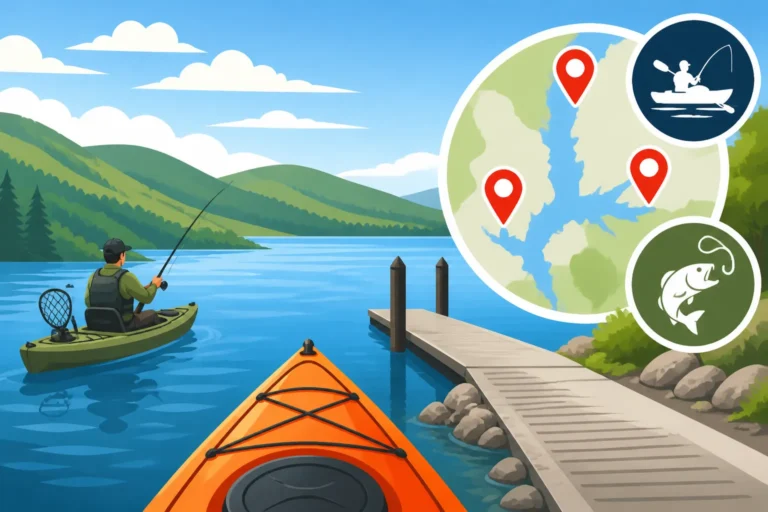
For kayak anglers, Lake Lillinonah is a fantastic choice. The ability to silently paddle into quiet coves, navigate around submerged timber, and explore tight channels inaccessible to larger boats makes a kayak an ideal vessel for targeting bass, pike, and pickerel. Kayaks can be launched from the same public boat ramps, or in some cases, from smaller, more informal pull-offs where legal. Remember, even in a kayak, Life Jacket Requirements for Connecticut Boaters are critical, and wearing one, especially during colder months, is always recommended. When planning your trip, consider using platforms like FishingBooker to scout launch points and get insights from local guides who might know of hidden, smaller access areas perfect for paddle craft. These insights can save you a lot of time and lead you to productive, less pressured waters.
Navigating Regulations and Ethical Angling
Fishing Lake Lillinonah, like any body of water in Connecticut, comes with a set of rules and regulations designed to protect fish populations and ensure sustainable angling for everyone. Being familiar with these guidelines and practicing ethical angling is not just good practice, it's essential.
Lake-Specific Rules and General Connecticut Regulations
While Lake Lillinonah generally falls under the statewide fishing regulations set by the Connecticut Department of Energy and Environmental Protection (CT DEEP), it's always wise to double-check for any specific nuances that might apply to this particular body of water. For instance, some lakes might have special length or creel limits for certain species, or specific tackle restrictions. Typically, you'll need a valid Connecticut Fishing License Guide for 2026 to fish in Lake Lillinonah, just like anywhere else in the state. Always carry your license with you when fishing, whether it's a physical copy or a digital one on your phone.
Beyond the general license requirement, pay close attention to the season dates, minimum length limits, and daily creel limits for species like largemouth and smallmouth bass, northern pike, and panfish. These can change annually, so consulting the current Reading the Connecticut Fishing Guide or the CT DEEP website is non-negotiable before you head out. For example, bass often have a slot limit or specific size requirements to protect the breeding stock. Understanding these nuances helps ensure you're fishing legally and contributing to the long-term health of Lillinonah's fishery.
Conservation and Responsible Fishing Practices
Practicing catch and release, especially for larger breeding fish, is highly encouraged on Lake Lillinonah, particularly for bass and pike, to help maintain healthy populations. If you do choose to harvest fish for consumption, adhere strictly to the daily limits and only keep what you will eat. Proper fish handling is also crucial: minimize air exposure, handle fish gently with wet hands, and use appropriate tools like lip grippers or landing nets. If you plan on a catch-and-release focused trip, discussing this with a guide found through services like FishingBooker can help ensure everyone is on the same page regarding responsible angling.
Beyond fish handling, environmental stewardship is paramount. Never leave litter or discarded fishing line on the shores or in the water. Monofilament line can be particularly deadly to wildlife. Dispose of it properly, ideally in designated recycling bins if available. Also, be mindful of invasive species. If your boat has been in other waters, always clean, drain, and dry it thoroughly before launching into Lake Lillinonah to prevent the spread of harmful plants and organisms. Being a responsible angler means not only following the rules but also actively contributing to the preservation of the natural beauty and ecological health of this incredible fishery for future generations.
| Species | Best Time to Target | Popular Baits / Lures | Common Locations |
|---|---|---|---|
| Largemouth Bass | Spring (pre/post-spawn), Summer (low light), Fall | Jigs, Texas Rigs, Spinnerbaits, Topwater Frogs, Crankbaits | Weedy coves, submerged timber, docks, lily pads |
| Smallmouth Bass | Spring, Summer (deep), Fall | Dropshot rigs, Tube Jigs, Crankbaits, Jerkbaits, Topwater | Rocky points, main river channel edges, humps |
| Northern Pike | Spring, Fall, Winter (ice fishing) | Large Spoons, Inline Spinners, Swimbaits, Live Bait | Deeper weed flats, submerged timber, river channel edges |
| Chain Pickerel | Year-round | Smaller Spoons, Spinners, Swimbaits, Live Bait, Jerkbaits | Any heavy cover, lily pads, shallow weeds |
| Black Crappie | Spring, Fall, Winter (ice fishing) | Small Jigs, Minnows, Grub-tipped jigs | Submerged brush, standing timber, deep pockets |
| Yellow Perch | Year-round, especially Winter (ice fishing) | Small Jigs, Worms, Minnows | Deep basins, weed edges, structure |
Disclaimer
Please note that fishing regulations, conditions, and access points can change. Always consult the official Connecticut Department of Energy and Environmental Protection (CT DEEP) website or current fishing guide for the most up-to-date and accurate information before planning your fishing trip to Lake Lillinonah. This guide is for informational purposes only and does not constitute legal advice.