Farmington River West Branch best access points
It can be incredibly frustrating to hear about a fantastic fishing spot like the Farmington River West Branch, only to then spend more time hunting for parking and public access points than actually casting a line. This guide is here to cut through that confusion, giving you the inside scoop on the best and most reliable access points to this storied Connecticut trout fishery, so you can focus on the fishing, not the logistics.
Understanding the Farmington River West Branch: Connecticut's Premier Trout Fishery
The Farmington River West Branch isn't just any river; it's a legendary stretch of water in Connecticut, renowned for its challenging yet incredibly rewarding trout fishing. What makes it so special is a combination of factors, primarily the consistent cold water from the bottom releases of the Hogback Dam and its designation as a Trophy Trout Management Area (TMA). For anglers, this means a chance at catching truly impressive fish and an immersive experience in a picturesque New England setting.
Why the West Branch is Unique for Trout Anglers
The sheer quality of the fishing on the Farmington River West Branch is what draws anglers from all over the Northeast. The constant influx of cold, oxygen-rich water from the Hogback Dam creates ideal conditions for trout to thrive year-round, even through the summer months when many other rivers become too warm. This consistent cold water allows for a strong population of both stocked trout—rainbow, brown, and brook—and a significant number of wild, naturally reproducing brown trout. It's a truly diverse fishery that demands respect and offers incredible rewards. Many seasoned anglers consider it one of the Best Fly Fishing Rivers in Connecticut, and for good reason. The abundance of insect life, from various caddis and mayfly hatches to stoneflies, provides a steady food source, encouraging strong growth and making for exciting dry fly and nymph fishing opportunities throughout the year.
Trophy Trout Management Area Regulations
Part of what preserves the quality of fishing on the Farmington River West Branch are the specific regulations governing the Trophy Trout Management Area (TMA). This designation means that certain rules apply regarding tackle, creel limits, and fishing seasons that differ from general statewide regulations. For instance, much of the West Branch within the TMA is designated for catch-and-release only or has very specific size and daily limits for trout that can be harvested. Knowing these rules is paramount not only for legal compliance but also for upholding the conservation efforts that make this fishery so robust. You'll want to review the full details found in the Connecticut Trout Management Area Regulations and the broader Connecticut Fishing Regulations Explained before you head out, as these rules are strictly enforced to protect the resource. Typically, there are restrictions on bait, often allowing only artificial lures or flies with single, barbless hooks, depending on the specific stretch of river you're fishing.
Prime Public Access Points Along the West Branch
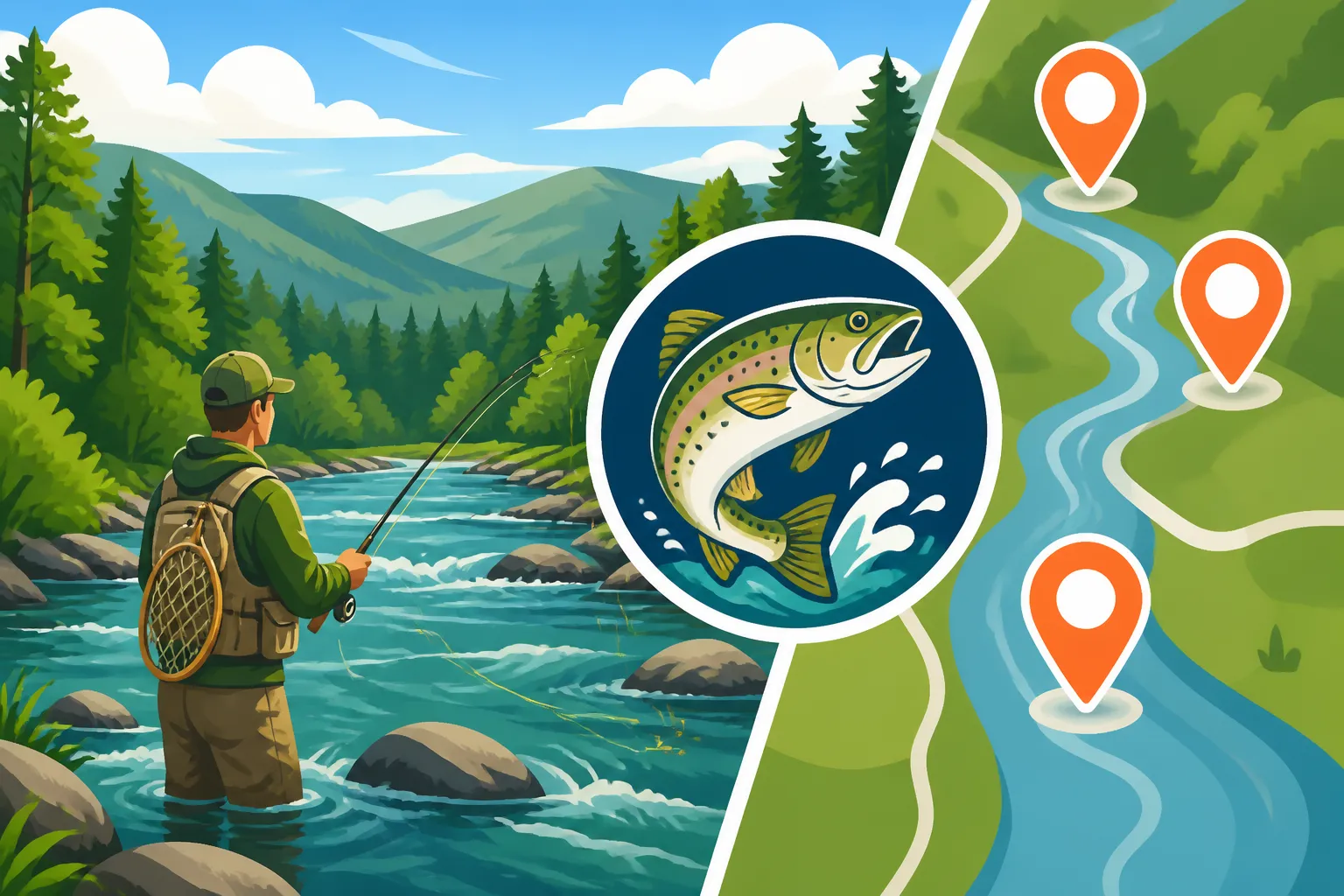
Navigating the Farmington River West Branch to find good fishing access can feel a bit like a treasure hunt, especially for those new to the area. While some stretches are bordered by private land, there are numerous well-established public access points that offer excellent opportunities for wading, bank fishing, or launching a small raft or kayak. Most of these points are easily identifiable, often marked by official Connecticut DEEP signs or simply well-worn paths along the roadside.
Saville Dam Area Access
One of the prime starting points for many anglers is the area directly below the Saville Dam, which holds back the Barkhamsted Reservoir. While the reservoir itself is restricted, the outflow immediately below the dam on the West Branch of the Farmington River is a fantastic place to start. You'll find a dedicated parking lot just off Route 318 in Barkhamsted, near the confluence of the West Branch and the Still River. From this parking area, multiple trails lead down to the riverbank, offering access to some deep pools and fast riffles that hold large trout. This section is often where you'll find some of the biggest holdover trout, benefiting from the immediate cold-water release. It’s a popular spot for those who enjoy a bit of a hike to get to their fishing hole, and the solitude can be excellent, especially during off-peak hours. Remember that the water can be quite cold and swift here, so proper wading gear is essential for safety.
Route 20 Riverton and Colebrook Access
As the Farmington River West Branch flows downstream through Riverton and towards Colebrook, Route 20 runs largely parallel to it, providing abundant roadside access. This stretch is arguably the most famous and heavily fished part of the river, and for good reason – it’s incredibly productive.
- Riverton Center: In the charming village of Riverton, you'll find various pull-offs and designated parking areas. The stretch near the Riverton General Store and the Riverton Bridge is iconic. There's often good parking directly along Route 20 and smaller side roads. Anglers can easily access both sides of the river here, and the pools around the bridge and the bends downstream are known to hold quality fish. This is also a popular spot for those looking for guided trips; you can often find local guides through platforms like FishingBooker who specialize in this famous section.
- Upstream and Downstream from Riverton: Continuing along Route 20 towards the Hogback Dam (upstream from Riverton) and downstream towards Pleasant Valley, there are countless small pull-offs and unmarked paths. Look for areas where the shoulder widens enough to safely park a vehicle. Often, these less-defined spots can lead to more secluded stretches of river. Specific popular spots include the "Greenwoods Road" access points where Greenwoods Road intersects or runs close to the river, and areas near the famed "tubes" (large culverts under the road). Be mindful of private property signs, as some sections might look accessible but are not. The river here offers a mix of riffles, runs, and deeper holes, perfect for various Fly Fishing for Trout in Connecticut techniques.
Pleasant Valley Area Access
Further downstream, the Farmington River West Branch enters the Pleasant Valley area, a hub for anglers due to the presence of the Connecticut Department of Energy and Environmental Protection (DEEP) office and popular state-managed access points.
- Pleasant Valley State Forest/WMA: This area offers ample parking and well-maintained access trails. The DEEP maintains several parking lots off Route 181 and other local roads. You'll find access points that allow you to cover significant stretches of river, from wider, slower sections to more intimate, tree-lined pockets. This area is particularly popular during the spring, following the Connecticut Trout Season and Stocking Rules, as it receives heavy stocking. The "Collinsville to Unionville Access" further downstream is also good, but begins to move into the mainstem Farmington rather than strictly the West Branch. For those looking for a specific guide to help navigate these waters, particularly during peak seasons, checking resources on FishingBooker for local fly fishing guides is a great idea.
Collinsville to Unionville Access
While technically moving beyond the "West Branch" designation as the Still River has joined, this lower section of the Farmington River is still heavily influenced by the cold water releases and offers fantastic fishing. Access here is a bit more spread out and often involves more urban or suburban settings.
- Collinsville Town Center: In the picturesque town of Collinsville, there are public parks and riverwalks that offer access to the Farmington. These spots are often great for family outings or a quick evening fish. Parking is usually available in municipal lots. The river here is wider and often slower, providing different challenges and opportunities for trout, smallmouth bass, and even carp.
- Farmington River Trail: The multi-use Farmington River Trail provides linear access along several miles of the river, including stretches near Collinsville and Unionville. While primarily a biking and walking trail, it offers many points where anglers can step off and access the riverbank. Parking lots for the trail are available in various towns along its route, making it easy to park and walk to your preferred fishing spot.
Navigating Parking and Regulations at Access Sites
Finding the perfect fishing spot on the Farmington River West Branch isn't just about knowing where to go, but also how to legally and respectfully access it. This means paying close attention to parking regulations and understanding the various special rules that apply to different sections of the river. Ignoring these details can quickly turn a great fishing day into a frustrating one with a ticket or, worse, a negative interaction with local authorities or private landowners.
Parking Etiquette and Safety
Parking on the Farmington River West Branch, especially along busy Route 20 in Riverton, requires vigilance. While there are designated state parking areas, many popular spots are simply roadside pull-offs. Always ensure your vehicle is completely off the travel lane and not obstructing traffic. Many shoulders are narrow, so pulling off fully can be tricky. It's wise to park in a way that doesn't block private driveways or farm access gates, even if they appear unused.
Consider these pointers:
- Designated Lots: Always prioritize official Connecticut DEEP or state forest parking lots. These are usually well-marked and have ample space.
- Roadside Pull-offs: If using a roadside pull-off, ensure there's enough room for other vehicles to pass safely. Avoid parking on blind turns or hills where your car might not be seen until it's too late.
- Valuables: As with any outdoor activity, don't leave valuables visible in your car. While generally a safe area, opportunistic theft can occur anywhere.
- Early Birds: During peak seasons, especially on weekends and for events like Connecticut Trout Season Opening Day for 2026, prime parking spots fill up fast. Arriving early can make a huge difference in securing a good spot and enjoying a less crowded experience.
Understanding Special Regulation Zones
As mentioned earlier, much of the Farmington River West Branch falls under specific regulations, particularly within the Trophy Trout Management Area. However, it's not a monolithic set of rules for the entire river. There are often subsections with slightly different requirements. For example:
- Catch-and-Release Only: Certain stretches, particularly the uppermost sections below Hogback Dam, are often designated as year-round catch-and-release only. This means all trout caught must be immediately returned to the water unharmed.
- Artificial Lures/Flies Only: Many special regulation areas restrict bait fishing, allowing only artificial lures or flies. This is a crucial distinction, as using live bait in these zones can result in fines.
- Single, Barbless Hooks: To minimize harm to released fish, some sections mandate the use of single, barbless hooks. This is a common practice among serious trout anglers for catch and release.
- Seasonal Closures or Restrictions: While the West Branch often boasts year-round fishing, specific portions might have seasonal closures or altered regulations. Always consult the official Connecticut Fishing Guide for the most current information. The Connecticut Trout and Salmon Stamp, Explained will also detail how your license contributes to managing these waters.
A quick check of the CT DEEP website or a current printed guide before each trip is highly recommended. Not all access points share the exact same rules, and ignorance is rarely an excuse in the eyes of a conservation officer.
| Access Point Area | Nearest Town | Parking Availability | Primary Access Type | Typical Fish Species Targeted | Notes |
|---|---|---|---|---|---|
| Saville Dam Outflow | Barkhamsted | Dedicated paved lot off Route 318 | Walk-in, Wade | Brown, Rainbow, Brook Trout | Upper-most section, extremely cold water. Expect a short hike to river. Excellent for large holdovers. |
| Riverton Center | Riverton | Roadside pull-offs, limited designated spots | Walk-in, Wade, Bank | Brown, Rainbow, Brook Trout | Most popular and well-known stretch. Can be crowded. Good for both fly and spin. Numerous pools and riffles. |
| Route 20 Roadside | Riverton/Colebrook | Numerous small pull-offs along RT 20 | Walk-in, Wade | Brown, Rainbow, Brook Trout | Less obvious access points, often leading to more secluded water. Requires careful parking. |
| Pleasant Valley DEEP Area | Pleasant Valley | Large paved lots off Route 181 | Walk-in, Wade, Bank, Kayak | Brown, Rainbow, Brook Trout | Heavily stocked area, popular for all skill levels. Offers diverse water types from fast to slower pools. Close to the DEEP office for information. Some of the best opportunities for Farmington River West Branch Trout Fishing are found here, especially after stocking. |
| Collinsville Parks | Collinsville | Municipal parking lots | Bank, Walk-in, Kayak | Trout, Smallmouth Bass, Carp | Wider river, moving into the mainstem Farmington. More urban access, good for families. The Farmington River Trail offers linear access. |
Tips for a Successful Day on the Farmington River West Branch
A day on the Farmington River West Branch is more than just fishing; it's an experience. To truly maximize your enjoyment and success, a little preparation and respect for the environment and fellow anglers goes a long way. This river offers incredible opportunities, but it also demands a certain level of attentiveness and responsibility.
Gear and Techniques for the West Branch
When heading to the Farmington River West Branch, your gear choice will largely depend on your preferred fishing style and the specific conditions. While fly fishing is king on many sections, light spin tackle can be incredibly effective too.
- Fly Fishing: For fly anglers, a 9-foot, 5-weight rod is a versatile choice for most situations, but a 4-weight can be delightful for dry fly action, and a 6-weight can handle heavier nymph rigs or streamers. Essential fly patterns include various nymph patterns (like Frenchies, Pheasant Tails, Squirmy Wormies, egg patterns), dry flies (Caddis, Hendrickson, Sulphur, Trico, terrestrials in summer), and streamers (Woolly Buggers, Sculpin patterns). Understanding Fly Fishing for Trout in Connecticut is key here, and having a diverse fly box is critical.
- Spin Fishing: If you prefer spin fishing, a light-action rod (5-6 feet) with a sensitive tip paired with a small spinning reel spooled with 4-6 lb test line is ideal. Small inline spinners (like Panther Martins, Mepps, Rooster Tails), tiny spoons, or very small stickbaits (like Rapalas) can entice strikes. Soft plastic baits rigged on jig heads can also be highly effective, imitating nymphs or small minnows.
- Wading: No matter your method, proper wading gear is non-negotiable. Felt-soled or rubber-soled wading boots with studs provide the best grip on the notoriously slippery, algae-covered rocks of the Farmington. A wading staff is highly recommended for stability, especially in fast currents or when crossing deeper sections. The river can be deceptively deep and swift, so safety should always be your priority. Check out Wading Techniques for Connecticut Trout Streams for more detailed safety tips.
Respecting Private Property and River Etiquette
The Farmington River West Branch, while boasting excellent public access, also winds through many areas of private property. It is absolutely crucial to be aware of your surroundings and respect all posted signs. Trespassing not only puts you at risk of legal repercussions but also jeopardizes the goodwill between anglers and landowners, which is vital for maintaining access in the long run.
- Look for Markers: Always keep an eye out for "No Trespassing" signs, fence lines, or other indicators of private property. If in doubt, err on the side of caution and find another spot.
- Stay on Public Lands: Stick to designated public access points, state forest lands, or official easements.
- Leave No Trace: Pack out everything you pack in. This includes all trash, discarded fishing line, and any other litter. The beauty of the Farmington River is part of its allure, and we all have a responsibility to keep it pristine.
- Angler Courtesy: The Farmington can get crowded, especially on weekends and during prime hatches. Be mindful of other anglers. Don't crowd someone's fishing spot, and be aware of how your casting might interfere with others. If you see someone catching fish, a friendly wave or a respectful distance is always appreciated. Sometimes, the best way to learn the nuances of a new spot or improve your technique is to observe experienced anglers, or even hire a local expert. Resources like FishingBooker can help you find Best guided fly fishing trips on the Farmington River where local guides can teach you the etiquette and secrets of the river firsthand. Understanding the Best Time of Year to Fish in Connecticut can also help you plan your trip to either seek solitude or join the bustle of a peak hatch.
By being prepared, respectful, and mindful of regulations, your fishing adventures on the Farmington River West Branch will undoubtedly be more enjoyable and successful. Remember, securing your Connecticut Fishing License Guide for 2026 is your first step before even thinking about what access point to hit!
Disclaimer
Please note that fishing regulations, access points, and conditions can change. Always consult the latest official Connecticut Department of Energy and Environmental Protection (DEEP) fishing guide and local advisories before heading out. Safety should always be your top priority when enjoying the outdoors.