How to Catch Smallmouth Bass in Connecticut Rivers
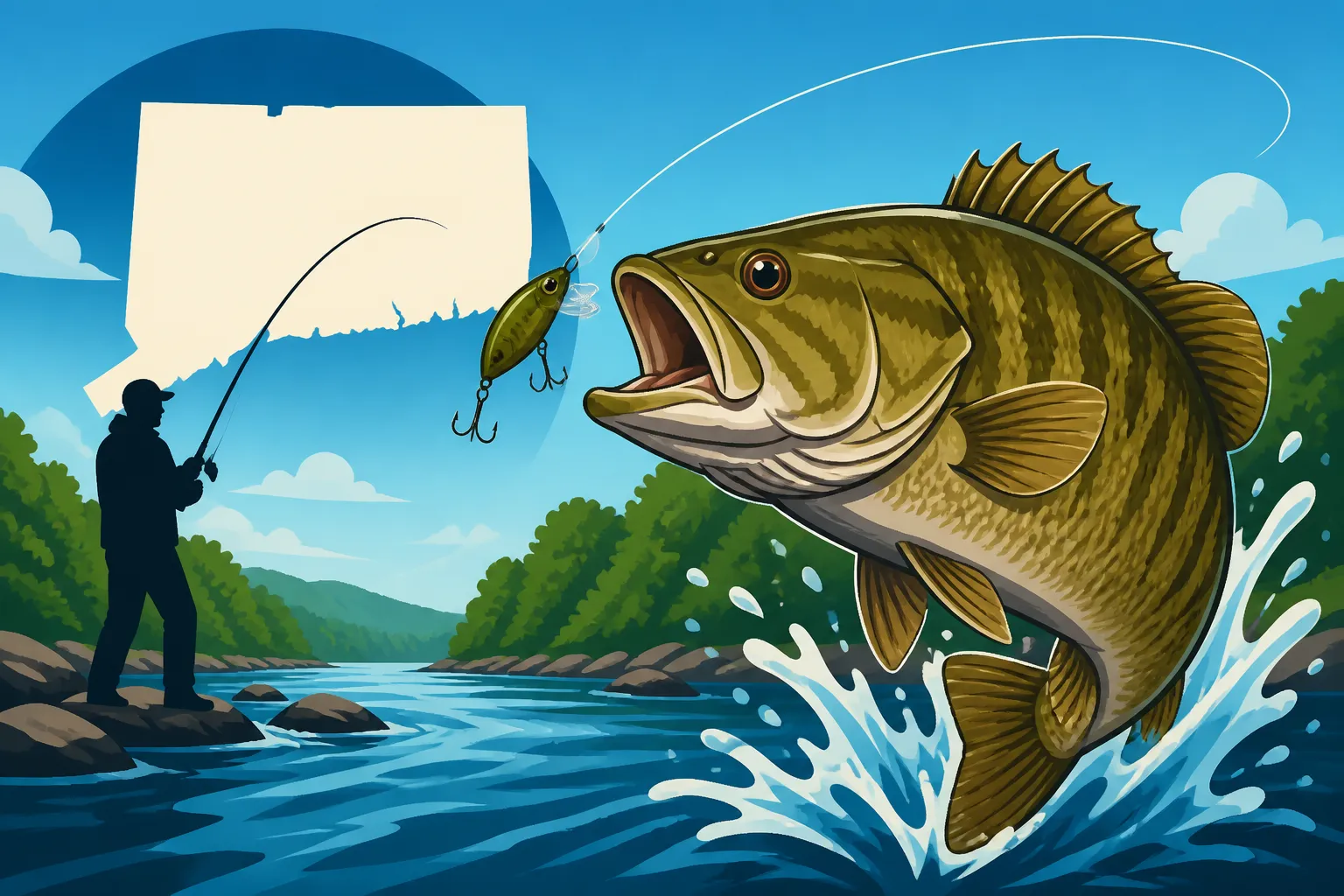
Trying to dial in those feisty smallmouth bass in Connecticut rivers can feel like cracking a secret code. One day you’re on fire, the next you’re casting into what feels like a barren wasteland, leaving you scratching your head and wondering if the fish just vanished. But fear not, fellow angler! This comprehensive guide is here to demystify river smallmouth fishing in our beautiful state, providing you with the knowledge, techniques, and confidence to consistently hook into these bronze beauties, no matter the conditions or the river.
Understanding Connecticut River Smallmouth Bass
Smallmouth bass are truly remarkable fish, known for their aggressive strikes and acrobatic fights. Unlike their largemouth cousins, river smallmouth thrive in moving water and are highly attuned to their environment, making them both challenging and incredibly rewarding to pursue.
Smallmouth Bass Habits on the Housatonic and Other Rivers
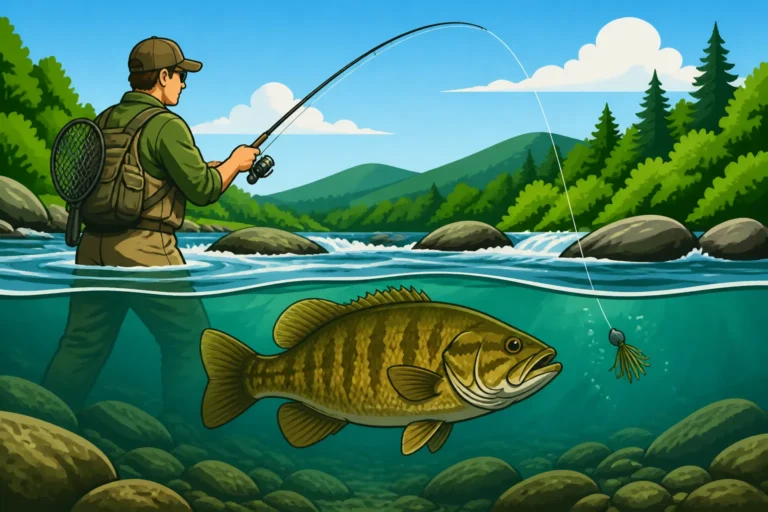
River smallmouth bass are creatures of current and structure. They don't just hang out anywhere; they're strategically positioned to conserve energy while waiting for an easy meal to drift by. In Connecticut's rivers, particularly a prime fishery like the Housatonic River, smallmouth will often be found nestled behind current breaks. Think large boulders, fallen trees, log jams, bridge pilings, or even subtle changes in the riverbed contour that create an eddy or a slower seam of water. These spots offer a respite from the main current while still providing a clear ambush point.
Their diet is quite varied, mirroring the forage available in the river. They're opportunistic feeders, keying in on whatever is abundant. This includes crayfish, which are a major food source and why so many smallmouth lures imitate them, as well as various baitfish like shiners, dace, and sculpins. In insect hatches, they'll even rise to the surface to snatch a meal, making them a blast for fly anglers. Understanding what they're likely eating in a particular river at a given time is a huge part of predicting where they'll be and what they'll hit.
In rivers like the Connecticut River or the Naugatuck River, their habits remain similar: seek current breaks, ambush points, and areas with good forage. The depth they prefer can vary greatly, from just inches of water in shallow riffles to deep pools and scour holes, depending on water temperature, light conditions, and fishing pressure.
Seasonal Movements and Patterns
Smallmouth bass in Connecticut rivers exhibit distinct seasonal movements, and understanding these patterns is crucial for consistent success. It’s not just about showing up; it’s about showing up when they’re in the mood and in the right place.
Spring (Pre-Spawn and Spawn): As water temperatures rise into the low to mid-50s, smallmouth begin to move from their deeper wintering holes into shallower, rockier areas to prepare for spawning. This pre-spawn period is often one of the best times to catch large, aggressive fish as they feed heavily to build energy. The spawn itself typically occurs when water temperatures are consistently in the low to mid-60s. During this time, male smallmouth will guard nests, often becoming very territorial and striking anything that comes too close. While tempting, it's often best practice to avoid targeting actively spawning fish to protect the fishery.
Summer (Post-Spawn and Mid-Summer): After the spawn, smallmouth may disperse a bit, but they quickly settle into their summer patterns. They'll often hold in deeper pools during the brightest parts of the day, especially if the water is clear, moving to the edges of current or shallower riffles during dawn, dusk, or overcast conditions to feed. Areas with good oxygen, such as the heads of pools where fresh current enters, or deeper, cooler pockets, become prime real estate. If you're looking for Best Time of Year to Fish in Connecticut, summer can offer incredible topwater action in the early mornings or evenings.
Fall: As water temperatures begin to drop in late summer and into fall, smallmouth again enter a major feeding phase. They know winter is coming, and they need to pack on the calories. This can be another fantastic time for aggressive strikes, especially with larger, baitfish-imitating lures. They'll often feed actively through the mid-day as water temperatures cool. As fall progresses and water temperatures dip into the 40s, they'll start moving towards their deeper wintering areas.
Winter: In winter, river smallmouth become much less active. They typically retreat to the deepest, slowest-moving pools where they can conserve energy. They still feed, but much less frequently and typically require a very slow, subtle presentation. Fishing for them in winter can be tough, but for those willing to brave the cold, it can yield some surprisingly large fish if you hit the right spot.
Reading the River: Key Structure and Cover
Learning to "read the river" is arguably the most important skill for a smallmouth angler. The river itself tells a story, and understanding its language helps you pinpoint where the fish are hiding.
Riffles, Runs, and Pools: These are the three main components of a river. Riffles are shallow, fast-moving sections where the water tumbles over rocks, creating oxygen and attracting baitfish. Smallmouth might feed on the edges or just downstream of riffles. Runs are deeper, smoother sections of moving water, often connecting riffles and pools. Fish can hold anywhere in a run, especially near subtle breaks. Pools are the deepest, slowest-moving sections. These are crucial holding areas, especially in hot weather or winter, and can hold large numbers of fish. Look for the heads (where current enters) and tails (where current exits) of pools.
Current Breaks: These are gold. Anything that disrupts the main flow of the river creates a slower pocket of water where a smallmouth can rest and ambush prey. This could be a large boulder, a fallen tree, bridge pilings, or even a subtle shelf or depression in the riverbed. Cast your lure so it drifts naturally into or past these spots, imitating disoriented baitfish or crayfish.
Submerged Structure: Beyond visible current breaks, what lies beneath the surface is equally important. Submerged rocks, ledges, log piles, and even old tires can hold fish. These provide cover, shade, and ambush points. Using polarized sunglasses can help you spot some of this hidden structure.
Seams and Eddies: A "seam" is where fast-moving water meets slower water. These are prime feeding lanes. Smallmouth will often sit in the slower water, darting out into the faster current to grab food. Eddies are swirling pockets of slack water, typically found downstream of a significant current break. They often collect food and are excellent spots for fish to hold. Learning How to Fish a River for Smallmouth Bass effectively means understanding these micro-habitats.
Essential Gear for River Smallmouth
Having the right tools for the job can make a world of difference when chasing river smallmouth. You don't need a boatload of expensive gear, but a few key items will significantly boost your success and enjoyment.
Rods, Reels, and Line Selection
Choosing the right rod, reel, and line setup depends a lot on the specific techniques you plan to use and the size of fish you expect to encounter. Versatility is key when fishing rivers.
Rods:
- Spinning Rods: For most river smallmouth applications, a medium-light to medium-power spinning rod, 6'6" to 7'2" in length, is a fantastic all-around choice. This allows for casting lighter lures (like small jigs, tubes, and finesse worms) while still having enough backbone to fight a strong fish in current. A fast action tip is usually preferred for sensitivity and hook setting. For specific applications like heavier jerkbaits or spinnerbaits, a medium-heavy rod might be beneficial.
- Baitcasting Rods: If you're using heavier lures, larger spinnerbaits, or fishing in very heavy current with stronger lines, a medium to medium-heavy baitcasting setup can provide more power and control. A 6'8" to 7'4" rod with a fast action is a good starting point.
Reels:
- Spinning Reels: A 2000 or 2500 series spinning reel is typically ideal for river smallmouth. These sizes balance line capacity with a manageable weight, and provide a smooth drag system crucial for fighting fish. Brands like Shimano, Daiwa, and Penn offer excellent options that you can find easily on Amazon.
- Baitcasting Reels: A standard low-profile baitcasting reel with a gear ratio between 6.X:1 and 7.X:1 will cover most situations. Faster ratios (7.X:1) are great for quickly retrieving line after a cast or for moving fish away from snags.
Line:
- Braid with Fluorocarbon Leader: This is my personal favorite and highly recommended setup for versatility and sensitivity. Spool your reel with 10-20 lb braided line (like PowerPro or Sufix). Braid offers incredible sensitivity, no stretch, and excellent casting distance. Attach a 6-10 lb fluorocarbon leader (2-4 feet long) using an FG knot or a double uni knot. Fluorocarbon is nearly invisible underwater, more abrasion-resistant than mono, and helps present lures more naturally.
- Monofilament: For those who prefer a simpler setup, 8-10 lb monofilament line is a good option, especially for topwater lures or crankbaits where a little stretch can be beneficial. It's also more forgiving for beginners.
- Fluorocarbon (Mainline): While some anglers use fluorocarbon as a mainline, its stiffness and memory can make it harder to cast lighter lures, especially on spinning gear. It's best reserved for leaders in river applications.
Terminal Tackle Essentials
Don't skimp on terminal tackle! Strong, sharp hooks and reliable weights are crucial.
- Jig Heads: A variety of jig heads are essential. Think 1/16 oz to 1/4 oz lead jig heads for tubes, grubs, and small swimbaits. For soft plastic jerkbaits or stick worms, you'll want EWG (Extra Wide Gap) hooks in sizes 1/0 to 3/0. For Ned Rigs, mushroom-style jig heads are key.
- Worm Hooks: Offset shank worm hooks (1/0 to 3/0) for Texas rigging soft plastics.
- Weights: Bullet weights (1/8 oz to 1/4 oz) for Texas rigging, and small split shot or drop shot weights for finesse presentations.
- Swivels and Snaps: While not always necessary, small barrel swivels can help prevent line twist, especially with inline spinners. Avoid using large snaps directly to your lure unless you're changing frequently, as they can sometimes deter strikes on clear water.
Wading Gear and Safety
Wading is often the most effective way to fish Connecticut rivers for smallmouth, allowing you to access prime spots that are inaccessible from the bank. However, safety must always come first.
- Waders: Breathable chest waders are essential for comfort and staying dry. Look for durable material, especially if you'll be scrambling over rocks or through brush. Brands like Simms or Orvis are top-tier, but more affordable options exist and can also be found on Amazon.
- Wading Boots: Don't skimp on good wading boots with felt or sticky rubber soles, possibly with studs, for maximum grip on slippery river rocks. Ankle support is also critical.
- Wading Staff: A collapsible wading staff is an absolute non-negotiable safety item. It helps you maintain balance, probe depth, and test the stability of your footing, especially in unknown water or strong current.
- PFD (Personal Flotation Device): If you're wading in deep or fast-moving water, or venturing out in a kayak or canoe, always wear a PFD. In Connecticut, if you're boating (which includes canoes and kayaks) between October 1st and May 31st, you must wear a life jacket, especially when the water is cold. This is part of the broader Connecticut Cold Water Life Jacket Rule (October to May). Even in warmer months, it's a smart choice for wading.
- Polarized Sunglasses: These are not just for comfort; they are critical for seeing into the water, spotting submerged structure, and even seeing fish.
- Clippers/Pliers: Always carry line clippers and a good pair of fishing pliers (hemostats are great for fly fishing too) for removing hooks and cutting line.
Top Lures and Baits for River Smallmouth
Smallmouth bass are incredibly responsive to a variety of lures and baits. The key is to have a diverse selection and understand when to deploy each one based on water conditions, time of year, and fish behavior.
Hard Baits: Cranks, Jerkbaits, and Topwaters
These lures are fantastic for covering water, generating aggressive strikes, and imitating baitfish or injured prey.
- Crankbaits: Shallow-diving crankbaits (those that run 1-4 feet deep) are excellent for rocky rivers. Choose colors that mimic local baitfish (silver, perch patterns) or crawfish (brown, orange, red). Cast them upstream and retrieve them downstream, letting the current work the lure, or retrieve them across current, allowing them to bounce off rocks. Brands like Rapala (e.g., Shad Rap, Scatter Rap) and Bandit are very popular. Medium-diving crankbaits can also be effective in deeper pools.
- Jerkbaits: These long, slender lures imitate injured baitfish. Work them with a "twitch, twitch, pause" retrieve. The pause is often when the strike occurs, as the lure suspends tantalizingly in the water column. Jerkbaits are particularly effective in cooler water (spring and fall) when fish are more sluggish but still willing to strike an easy meal. Look for suspending jerkbaits from companies like Rapala (X-Rap) or Lucky Craft.
- Topwater Lures: There's nothing quite like a smallmouth exploding on a topwater lure! Poppers (Rebel Pop-R, Storm Chug Bug), walk-the-dog baits (Heddon Super Spook Jr.), and prop baits are incredibly exciting. These are best used in low-light conditions (dawn, dusk, overcast days) or when fish are actively feeding on the surface in warmer water. Focus on casting these around cover, current seams, and the heads/tails of pools.
Soft Plastics: Tubes, Senkos, Grubs, and Swimbaits
Soft plastics offer versatility and a more subtle presentation, often excelling when fish are finicky or in clear water.
- Tubes: The tube jig is a classic river smallmouth killer, imitating crawfish or baitfish. Rig them on an internal jig head (1/16 oz to 1/4 oz) and drag, hop, or swim them along the bottom, especially in current. Brown, green pumpkin, and watermelon colors are staples.
- Senkos (and similar stick baits): While often associated with largemouth, weightless rigged Senkos (Wacky or Texas style) can be deadly for river smallmouth, especially in slower currents or pools. Their natural fall is incredibly enticing.
- Grubs: Single-tail grubs (e.g., Mister Twister, Kalin's) rigged on a jig head are simple yet highly effective. Vary your retrieve from a steady swim to a hop-and-fall. They're great for covering water or probing specific pockets.
- Small Swimbaits: Small paddle-tail swimbaits (2-3 inches) rigged on a lead jig head are fantastic baitfish imitators. They work well with a steady retrieve, or slowly bounced along the bottom. Keitech Swing Impact Fat or Zoom Swimmin' Fluke are popular choices.
For a deeper dive into what smallmouth prefer, check out our guide on Best Baits for Smallmouth Bass on the Housatonic. You can find a vast selection of these soft plastics and jig heads for various river conditions and presentations on Amazon.
Jigs and Spinnerbaits
These categories encompass some of the most consistent smallmouth producers in rivers.
- Jigs:
- Football Jigs: Named for their shape, these jigs excel in rocky bottom environments because they resist snagging and present a crawfish-like profile. Tip them with a small crawfish-imitating trailer.
- Swim Jigs: Designed to be retrieved steadily through the water, often with a paddle-tail swimbait trailer, these are great for imitating baitfish.
- Bladed Jigs (Chatterbaits): These lures combine the flash and vibration of a spinnerbait with the weedlessness of a jig. They create a lot of commotion and can be highly effective for active fish.
- Spinnerbaits: Single or tandem blade spinnerbaits (1/4 oz to 3/8 oz) are excellent for covering water, especially around submerged logs or weed patches (though weeds are less common in fast rivers). The flash and vibration can trigger reaction strikes. White, chartreuse, and perch patterns are common.
- Inline Spinners: Timeless smallmouth catchers! Mepps Aglia, Panther Martin, or Rooster Tail spinners are incredibly effective, especially in smaller sizes (1/8 oz to 1/4 oz). They're fantastic for casting into current seams, riffles, and eddies. Just cast and retrieve steadily; the blade does all the work.
Live Bait Options
While artificial lures are often preferred for their sport and efficiency, live bait can be incredibly effective, especially for beginners or in tough conditions.
- Minnows: Live shiners or small creek chubs are deadly for smallmouth. Rig them with a small hook through the lip or dorsal fin, and drift them naturally through current seams or into pools. Use minimal weight to keep them natural.
- Crawfish: If you can find live crawfish, they are perhaps the single best smallmouth bait. Smallmouth absolutely love them. Hook them through the tail or a tough spot on the carapace and let them crawl along the bottom.
- Worms: Nightcrawlers or smaller garden worms can also entice smallmouth, especially if presented naturally on a small hook with minimal weight.
Always check local regulations regarding the use of live bait, as some areas may have restrictions or require ethically sourced bait to prevent the spread of invasive species.
Proven Techniques for Connecticut Rivers
Success in river smallmouth fishing often comes down to mastering presentation and understanding how to work your lures or baits in dynamic current conditions. It’s a dance between you, the current, and the fish.
Casting and Presentation
This is where the rubber meets the road. Simply casting out and reeling in won't cut it in a river environment.
- Upstream Cast: A common and effective strategy, particularly with jigs, tubes, or even small crankbaits. Cast slightly upstream and across the current, allowing your lure to sink and drift naturally downstream. As it drifts, reel in just enough slack to maintain contact with the lure, letting it tumble or bounce along the bottom. This mimics natural forage drifting with the current and gives the fish an easy target. As the lure swings downstream and eventually across current, be ready for a strike.
- Downstream Cast: While less common for many lure types, a downstream cast can be effective with certain presentations, especially when trying to hold a lure in a specific current seam or eddy. For instance, holding a spinnerbait in a current break and letting it flutter can trigger strikes.
- Across Current Cast: This is often used with crankbaits or spinnerbaits. Cast directly across the current, allowing the lure to swing through a target area. Let the current impart action, and retrieve just fast enough to engage the lure's action. This can be deadly when fish are positioned on the edges of strong current.
- Fan Casting: Don't just cast in one direction. Work an entire section of water by making casts in a fan-like pattern, covering different depths and angles. Start close and work your way out, or vice-versa. Smallmouth often hold in specific spots, and hitting the right angle can be the difference between a bite and nothing.
- Reading the Retrieve: Pay close attention to how your lure is moving and feeling. Is it bouncing off rocks? Is it getting hung up? Adjust your retrieve speed, rod tip angle, and even your lure choice if you're not getting bites or are constantly snagging. A natural, erratic presentation is usually best.
Wading and Bank Fishing Strategies
Wading and bank fishing are quintessential to river smallmouth angling in Connecticut, offering access to intimate waters.
- Stealth is Key: River smallmouth can be spooky, especially in clear, low water. Approach your fishing spots carefully, staying low, avoiding heavy footfalls on the bank, and making long casts. Wearing natural, camouflaged colors can also help.
- Covering Water Efficiently: Don't spend too much time in one spot if you're not getting bites. Smallmouth are often schooled, but if you don't find them quickly, move on. Work a section of river thoroughly, then move 50-100 feet and repeat. Think of it like hunting: constantly searching for signs of life.
- Approaching Likely Spots: When you identify prime smallmouth habitat – a deep eddy behind a boulder, a current seam near a log jam, the head of a pool – approach it from an angle that allows you to make several different casts into the target zone without spooking fish. Often, casting upstream and allowing your lure to drift into the zone is most effective.
- Safety First: We can't stress this enough. Always be aware of your surroundings. The bottom can be treacherous with slippery rocks and sudden drop-offs. Always wear your wading staff and a PFD if there's any doubt about depth or current strength. Knowing the Connecticut Fishing Regulations Explained for safety gear is important.
Kayak and Canoe Fishing Tactics
For those who prefer a floating perspective, kayaks and canoes open up a whole new world of river smallmouth opportunities, allowing you to cover more water and reach otherwise inaccessible spots. You can find excellent Kayak Fishing Techniques for Connecticut Rivers in our dedicated guide.
- Advantages: The primary advantage of a kayak or canoe is mobility. You can drift long stretches of river, covering ground much faster than wading, and access mid-river islands, deeper pools, and specific current seams that are out of reach from the bank.
- Positioning and Anchoring: Use an anchor (a small grapnel or a drag anchor) to hold your position in current when you find a productive spot. This allows you to thoroughly work an area. Without an anchor, you'll constantly be paddling to stay put. Practice positioning your boat so you can cast effectively into current breaks and holding areas.
- Navigating Current: Learn how to use the current to your advantage. Paddle upstream to gain position, then drift downstream, casting as you go. Learn to ferry across current, using the water's flow to move you efficiently.
- Specific Kayak Fishing Techniques:
- Drift Fishing: This is a classic river technique. Position your kayak slightly upstream of a promising area, let out some line, and allow your lure (often a jig, tube, or live bait) to drift naturally with the current, mimicking free-floating forage.
- Eddy Fishing: Paddle into the slack water of an eddy and thoroughly cast to all its edges, especially where the eddy meets the main current. Smallmouth love to lurk in these spots.
- Shoreline and Structure Targeting: From a kayak, you can often get a better angle on shoreline cover like fallen trees or undercut banks that might be difficult to reach from the bank.
Adapting to River Conditions
Connecticut rivers are dynamic environments, and conditions can change rapidly. The truly successful smallmouth anglers are those who can adapt their strategies to whatever the river throws at them.
High Water and Muddy Conditions
After heavy rains, rivers can become swollen, fast, and discolored. While this can make fishing challenging, it's not impossible.
- Finding Fish: Smallmouth will often move out of the main, fast current and seek refuge in slower, calmer areas. Look for them in eddies, behind large current breaks, flooded backwaters, or even near the mouths of smaller tributaries where the water might be clearer. They'll hug the banks more tightly in these conditions.
- Lure Choices:
- Vibration and Sound: In muddy water, fish rely more on lateral line senses than sight. Lures that create a lot of vibration and sound are key. Bladed jigs (Chatterbaits), spinnerbaits with large thumping blades (Colorado blades), and noisy crankbaits are excellent choices.
- Contrast Colors: Bright, contrasting colors like chartreuse, orange, firetiger, or black and blue can be more visible in stained water.
- Larger Profiles: Sometimes a slightly larger lure profile can help fish detect it in poor visibility.
- Presentation: Slow down your retrieve. Fish are less likely to chase a fast-moving bait in strong current and poor visibility. Present your lure right in their face. Try to hold your lure in the slower current, letting the vibration call fish in.
- Safety Concerns: High water means stronger currents and often debris. Be extremely cautious if wading, or consider bank fishing or fishing from a stable boat in safer areas. Always prioritize safety over catching fish. This is particularly relevant when considering Best Techniques for High Water Spring Conditions.
Low Clear Water Conditions
Conversely, prolonged dry spells can lead to low, clear river conditions. This presents a different set of challenges.
- Finding Fish: Smallmouth become much more wary in low, clear water. They'll often seek deeper pools, shaded areas, or heavy cover to feel secure. They'll be easily spooked. Dawn and dusk become prime fishing times, as the reduced light offers them more confidence to move into shallower feeding areas.
- Lure Choices:
- Finesse Tactics: This is the time for subtle presentations. Small tube jigs, Ned Rigs, small grubs, and weightless rigged Senkos in natural colors (green pumpkin, watermelon, brown) are highly effective.
- Natural Colors: Mimic the natural forage. Transparent or subtle hues that blend in are often best.
- Smaller Profiles: Downsize your lures. A smaller offering looks less threatening and more natural.
- Topwater: In low light, a quiet topwater presentation like a walking bait or popper can still draw explosive strikes.
- Presentation:
- Longer Casts and Lighter Line: Keep your distance from the fish. Make long casts to avoid spooking them. Use lighter fluorocarbon leaders (6-8 lb) for maximum stealth.
- Slow and Subtle: Work your lures slowly. Let soft plastics sink naturally. A gentle twitch and pause with a jerkbait can be deadly.
- Target Shade and Structure: Focus on areas with deep shade (overhanging trees, bridge shadows) or heavy cover (large boulders, log jams) where fish feel protected. Many excellent Best Techniques for Low Clear Water Conditions involve maximizing stealth.
Water Temperature and Current Speed
Water temperature and current speed are two of the most significant factors influencing smallmouth behavior in rivers. Understanding their interplay is crucial.
- Water Temperature:
- Cold Water (Below 50°F): Smallmouth are sluggish. They'll hold in the deepest, slowest pools. Extremely slow, subtle presentations with jigs, tubes, or small jerkbaits are key. Don't expect aggressive chases.
- Cool Water (50-60°F): This is often prime fishing. Smallmouth are active and feeding heavily, especially during pre-spawn and fall. They'll be more willing to chase. Crankbaits, jerkbaits, spinnerbaits, and aggressive soft plastic presentations can all be very effective.
- Warm Water (60-75°F): Smallmouth are highly active. Topwater lures, fast-moving crankbaits, and swimbaits can trigger aggressive strikes. They'll be spread out more, actively hunting.
- Hot Water (Above 75°F): Smallmouth can become stressed, especially if oxygen levels drop. They'll seek cooler, oxygenated water, often in deeper pools or at the heads of pools where fresh current brings in oxygen. Fish during low light periods and focus on deeper, slower presentations. Consider catch-and-release with extra care, or even giving them a break if water temperatures are extreme.
- Current Speed:
- Fast Current: Fish will tuck into current breaks (behind rocks, logs, in eddies) to conserve energy. Lures need to be heavy enough to get down and stay in the strike zone, or designed to be worked in current (e.g., crankbaits that dive and deflect).
- Moderate Current: This is ideal. Fish are active and spread out, using current seams and riffles to ambush prey. Most lures and techniques will work well.
- Slow Current/Slack Water: Fish might be more widespread in deeper pools or backwaters. Finesse techniques and slower retrieves can be very effective here, as fish have more time to inspect the lure.
Adjust your lure weight, retrieve speed, and presentation based on how fast the current is moving and how deep you need to get your bait.
Specific Connecticut River Hotspots and Seasons
Connecticut is blessed with several rivers that hold excellent smallmouth bass populations. Knowing where to go and when can drastically improve your chances.
Housatonic River Smallmouth Strategies
The Housatonic River is, without a doubt, one of Connecticut's premier smallmouth bass destinations. Its diverse character, from swift rocky sections to deeper pools, makes it a fantastic fishery. You can dive deeper into this river's specifics with our Housatonic River Fishing Guide.
- Upper Housatonic (e.g., Kent to New Milford): This section is generally narrower, rockier, and has more consistent current. It's fantastic for wading and kayaking. Focus on current seams, eddies behind large boulders, and areas with submerged timber. Small crankbaits, tubes, grubs, and inline spinners are highly effective here. The "Best smallmouth bass lures for the Housatonic in summer" often include topwaters in the mornings and deep-diving crankbaits as the day heats up.
- Lower Housatonic (e.g., Derby to Shelton): As the Housatonic approaches Long Island Sound, it becomes wider and more tidal. While known for its striped bass, the lower sections still hold smallmouth, especially in the freshwater and brackish transition zones. Look for bridge pilings, rocky shorelines, and areas with deeper scour holes. Larger crankbaits, jigs, and even live bait can be productive.
- Access Points: Numerous public access points exist along the Housatonic, including state boat launches and various road-side pull-offs. Always respect private property and leave no trace.
- Seasonal Nuances: In spring and fall, the entire river can be productive. Summer often sees fish moving into deeper, faster, or more oxygenated water. Winter fishing requires targeting the deepest, slowest pools with very subtle presentations.
Fishing Other Notable Rivers: Connecticut, Naugatuck, Quinebaug
While the Housatonic often gets the most attention, other Connecticut rivers also offer exciting smallmouth opportunities.
- Connecticut River: As the largest river in New England, the Connecticut River holds a fantastic population of smallmouth bass, particularly in its freshwater sections above the tidal influence. Look for them around rocky areas, bridge abutments (like those near Hartford or Middletown), and the mouths of tributaries. The sheer size of the river makes a boat (powerboat or larger kayak/canoe) more practical for covering water effectively. Consider targeting the river in spring and fall when fish are aggressively feeding. While primarily known for stripers and shad, the smallmouth fishing is often overlooked.
- Naugatuck River: The Naugatuck River, particularly its lower reaches, has seen significant restoration efforts and now supports a growing smallmouth population alongside its popular trout fisheries. Focus on the sections with good flow and rocky bottom. Wading is a great option here. Small jigs, tubes, and inline spinners are good bets. While often highlighted in articles like Naugatuck River Trout Fishing Spots, its smallmouth fishery is also worth exploring.
- Quinebaug River: Flowing through eastern Connecticut, the Quinebaug River offers smallmouth opportunities, especially in its shallower, rockier sections. It’s less pressured than some other rivers and can offer a more tranquil fishing experience. Look for current breaks and natural structure. Kayak or canoe fishing can be very effective for covering these stretches. You can find excellent Quinnipiac River Smallmouth Bass Access information to help plan your trip, though the Quinebaug offers a similar riverine smallmouth experience.
Best Times of Year to Target River Smallmouth
While you can technically catch smallmouth year-round, certain seasons offer peak action and larger numbers of fish.
- Spring (April – June): This is arguably the best time of year. As water temperatures rise (50-65°F), smallmouth become extremely active during their pre-spawn and spawning phases. They feed aggressively, and you can catch some of the largest fish of the year. Focus on shallower, rocky areas and the heads of pools.
- Summer (July – August): Smallmouth remain active but can become more challenging, especially in the heat of the day or in low, clear water. Early mornings, late evenings, or overcast days are prime. Topwater action can be incredible. Focus on deeper pools, shaded areas, and oxygenated current seams.
- Fall (September – November): Another fantastic season. As water temperatures cool (60-45°F), smallmouth begin their fall feeding frenzy, similar to spring. They pack on calories before winter, often responding well to larger, baitfish-imitating lures like crankbaits and spinnerbaits. Fish can be found in a variety of depths, but will eventually retreat to deeper holes as winter approaches.
Remember, consistent success comes from understanding these seasonal patterns and adjusting your approach accordingly.
Conservation and Best Practices
As anglers, we have a responsibility to protect the fisheries we enjoy. Practicing good conservation habits ensures healthy smallmouth populations for future generations to enjoy.
Catch and Release Tips for River Smallmouth
Smallmouth bass are incredibly resilient, but proper handling is crucial for their survival, especially when practicing catch and release.
- Minimize Fight Time: Bring the fish in as quickly as possible without over-stressing it. Prolonged fights, especially in warm water, can be exhausting for fish.
- Handle with Care: Wet your hands before touching the fish. Avoid touching their gills or eyes. Support the fish horizontally, especially larger ones, to prevent internal injury to their spine and organs.
- Use Barbless Hooks: Crimp down the barbs on your hooks or use barbless hooks. This makes hook removal quicker and less damaging to the fish.
- Quick Hook Removal: Use pliers or a de-hooking tool to remove hooks quickly. If a fish is deeply hooked, especially in the gills, it's often best to cut the line as close to the hook as possible rather than tearing tissue.
- Keep 'Em Wet: Keep the fish in the water as much as possible, especially during warm weather. If you must take a photo, do it quickly and get the fish back in the water immediately.
- Revive Properly: Hold the fish gently in the current, facing upstream, until it can swim away under its own power. Don't simply toss it back; make sure it's strong enough to recover.
Ethical Angling and River Etiquette
Being a responsible angler goes beyond just catch and release. It involves respecting the environment and other users of the river.
- Leave No Trace: Pack out everything you pack in, and pick up any litter you find. The goal is to leave the river bank cleaner than you found it. This includes discarded fishing line, which can be deadly to wildlife.
- Respect Private Property: Always know if you are on public or private land. Obtain permission before accessing private property.
- Mind Other Anglers: Rivers, especially popular ones, can get crowded. Give other anglers plenty of space. Don't wade directly in front of someone, and be mindful of your casting to avoid tangles. A friendly nod or greeting goes a long way.
- Responsible Bait Use: If using live bait, ensure it is sourced responsibly and is legal for the water you are fishing. Never release unused live bait into the waterway, as it can introduce invasive species.
Understanding Regulations
Ignorance of the law is no excuse. It is your responsibility as an angler to know and follow all state and local fishing regulations.
- Connecticut Fishing License: Always carry a valid Connecticut Fishing License Guide for 2026.
- Species-Specific Rules: Smallmouth bass have specific size and creel limits. These can vary by waterbody or even by season. Always consult the current Connecticut Angler's Guide for specific regulations. You can find a detailed breakdown of Connecticut Fishing Regulations Explained on our site.
- Special Regulation Waters: Some rivers or sections of rivers may have special regulations, such as "catch and release only" or artificial lures only. Always be aware of these. The Connecticut DEEP provides an online Angler's Guide and often posts signs at popular access points.
By adhering to these best practices, we contribute to healthy smallmouth populations and ensure our beautiful Connecticut rivers remain fantastic fishing destinations for years to come.
River Smallmouth Lure & Technique Quick Reference
| River Condition | Lure Type(s) Recommended | Retrieve/Technique | Key Considerations |
|---|---|---|---|
| High Water/Muddy | Bladed Jigs (Chatterbaits), Spinnerbaits (Colorado Blade), Noisy Crankbaits, Larger Tubes | Slow, deliberate retrieve; focus on vibration; target eddies & current breaks. | Bright colors (chartreuse, orange); larger profiles; fish tight to bank. |
| Low Clear Water | Small Tubes, Ned Rigs, Weightless Senkos, Small Grubs, Micro Jigs, Subtle Jerkbaits | Finesse presentation; long casts; slow twitch & pause; target deep pools & shade. | Natural colors (green pumpkin, watermelon); light line/fluoro leader; stealth is paramount. |
| Moderate Current | Crankbaits, Jerkbaits, Spinnerbaits, Tubes, Grubs, Inline Spinners, Small Swimbaits | Varying retrieve speeds; bounce off structure; cast upstream/across current. | Versatile conditions; experiment with different lures & depths. |
| Fast Current | Heavy Tubes, Jigs with Craw Trailers, Deeper Diving Crankbaits, Weighted Swimbaits | Cast upstream to allow sink; hug bottom; target strong current breaks & eddies. | Lures must get down quickly; focus on fish holding tight behind structure. |
| Cold Water (<50°F) | Jigs, Tubes (slowly dragged), Suspending Jerkbaits (long pauses) | Very slow, subtle; focus on deepest, slowest pools. | Fish are sluggish; don't expect to cover much water; often light bites. |
| Warm Water (>65°F) | Topwater (Poppers, Walkers), Fast Crankbaits, Swimbaits, Tubes, Jigs | Aggressive retrieves; target early/late day, shaded areas, oxygenated current. | Topwater can be explosive; fish actively hunting; be mindful of fish stress in extreme heat. |
Disclaimer
Always check the latest regulations with the Connecticut Department of Energy and Environmental Protection (DEEP) before heading out, as rules and seasons can change.