Best time of year for trophy brown trout in Connecticut
If you've spent countless hours casting into Connecticut's beautiful rivers and streams, only to find yourself wondering when those elusive, truly monumental brown trout are most active, you're not alone. The quest for a trophy brown can feel like chasing a ghost, especially with ever-changing regulations and fluctuating water conditions. This guide will meticulously break down the absolute best times of year to target those legendary, large brown trout in Connecticut, offering practical advice and seasonal strategies to finally help you land that fish of a lifetime.
Understanding Connecticut's Trophy Brown Trout Havens
Connecticut might be a smaller state, but it boasts some incredible brown trout fisheries, especially in its coldwater rivers and streams. These aren't just stocked fish; many of our waters, particularly in the western and northern parts of the state, hold wild or "holdover" brown trout that have grown to impressive sizes by adapting to the local ecosystem. The key to finding trophy browns lies in understanding their preferred habitats and where they can find ample food and cover throughout the year.
Prime Trout Waters in Connecticut
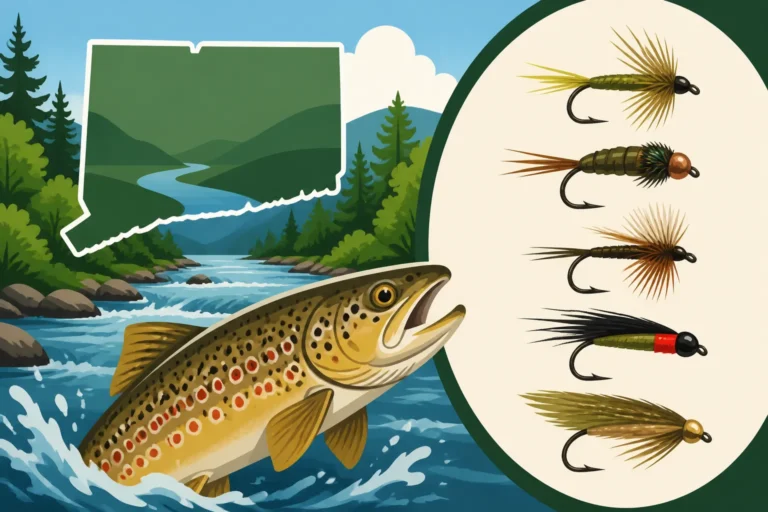
When we talk about trophy brown trout, certain rivers immediately come to mind. The Farmington River, particularly its West Branch, is practically synonymous with large, wily brown trout. This river is renowned for its consistent cold water, rich insect life, and complex structure that provides excellent holding areas for big fish. Anglers flock here from all over New England, and for good reason—the chance of hooking into a truly massive brown is very real. Similarly, parts of the Housatonic River offer robust brown trout populations, especially in its upper reaches before the summer closures. These rivers are designated as "Trout Management Areas" or "Trophy Trout Streams," meaning they often have special regulations designed to protect and grow larger fish. Knowing these specific areas is your first step. Check out the guide on Best Trout Streams in Connecticut for more detailed insights.
What Makes a "Trophy" Brown Trout
Defining a "trophy" brown trout can be subjective, but in Connecticut, most anglers would agree that a brown trout pushing 20 inches or more certainly qualifies. These fish are not just big; they are survivors. They've avoided countless anglers, predators, and environmental challenges, making them incredibly smart and wary. They're often opportunistic feeders, holding in prime lies where they can ambush smaller fish, crayfish, or large insect larvae with minimal effort. Their size isn't just about age; it's about a consistent food source and stable, cold water conditions. A true trophy brown will often exhibit deeper colors and more pronounced kype (hooked jaw) than younger fish. Understanding Brown Trout Habits in Connecticut Streams can give you a significant advantage in figuring out where these older, larger specimens prefer to hide and hunt.
Seasonal Strategies for Targeting Big Browns
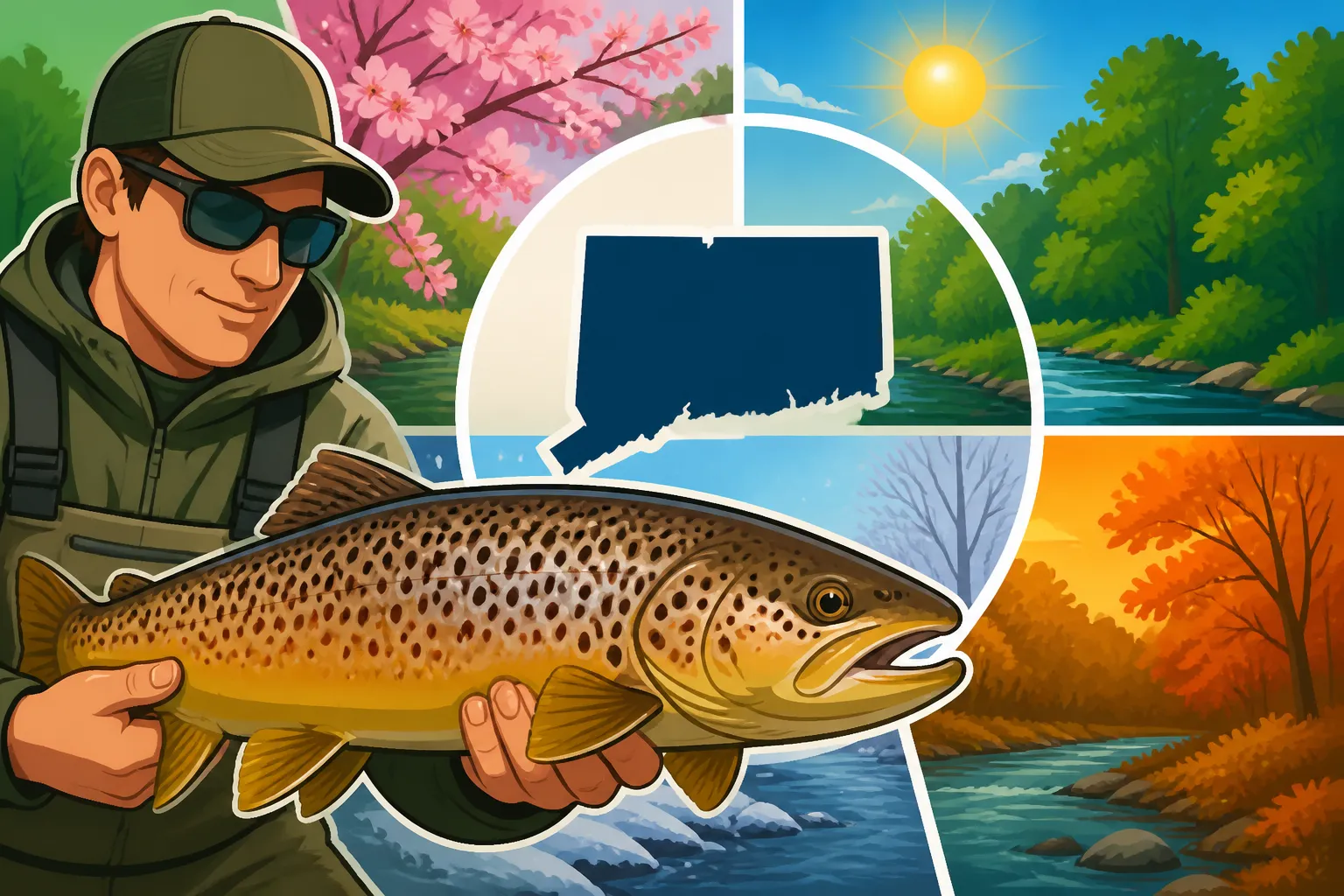
The calendar year in Connecticut offers distinct opportunities for pursuing trophy brown trout. Each season presents unique challenges and rewards, largely dictated by water temperature, flow, and the availability of their primary food sources. You can't approach January fishing the same way you would August fishing, especially when targeting those elusive giants.
Early Spring: The Post-Winter Feast
Many anglers eagerly await "opening day" in Connecticut, which typically marks the start of the harvest season for stocked trout. While opening day can be a blast for numbers of smaller, recently stocked fish, the trophy brown trout scene often heats up a bit earlier, or slightly after, the initial frenzy. Early spring, particularly late March through April, can be phenomenal for big browns. The fish are often recovering from winter and are eager to feed aggressively as water temperatures begin to rise into the mid-40s to low 50s Fahrenheit. High flows from snowmelt and spring rains can make fishing challenging, but they also provide cover for large fish to move around and ambush prey. This is when streamers that mimic baitfish or large nymphs can be incredibly effective. Consider reading our guide on Spring Trout Fishing Techniques for Connecticut Streams for more specific advice.
Late Spring and Early Summer: Hatch Matching and Aggressive Strikes
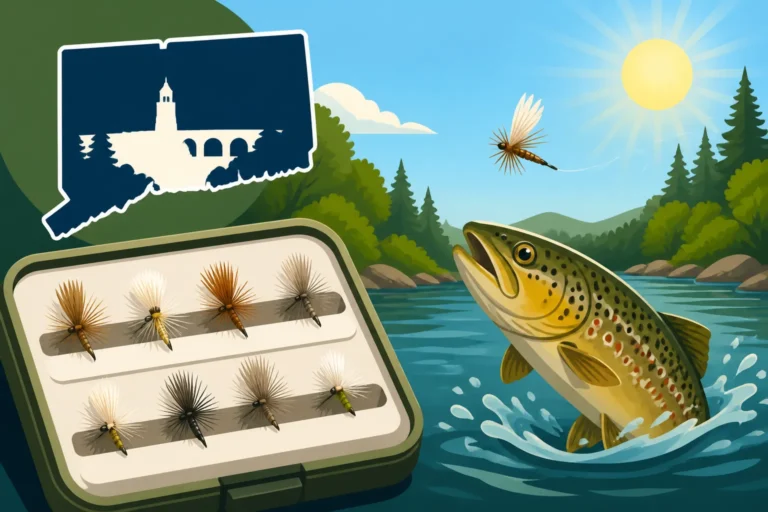
As spring transitions into early summer (May into early June), water temperatures continue to climb, and insect hatches become more prolific. This period can be a fantastic time for trophy browns, especially on rivers like the Farmington or Housatonic where consistent hatches of Caddisflies, March Browns, Sulphurs, and later, Isonychias, can bring big fish to the surface. However, as the temperatures rise further, especially into the 60s, these larger trout become more discerning and often retreat to deeper, cooler pockets of water, or become more active during dawn, dusk, or even after dark. The window for consistent daytime trophy brown trout action might narrow, but the fish that do come out to play are often very aggressive, especially during a strong hatch. You might find success with a variety of fly patterns. If you're into fly fishing, checking out Fly Fishing for Trout in Connecticut would be a great next step.
Fall: The Pre-Spawn Power Feed
Without a doubt, fall is often cited as the prime season for targeting trophy brown trout in Connecticut, especially from mid-September through November. As water temperatures begin to drop back into the optimal range (low 50s Fahrenheit and below), brown trout become incredibly active and aggressive. They are actively feeding to pack on weight before the rigors of their spawning season, which typically occurs from late October through December. This pre-spawn period makes them much more willing to chase larger streamers, spinbaits, or even larger nymphs and bait presentations. They are also often less spooky than in other times of the year, making them slightly more accessible. This is the time when stories of monstrous browns hitting big lures or flies abound. Look for them in areas with good cover, current breaks, and near potential spawning redds, though it's crucial to avoid disturbing actual spawning fish.
Table: Prime Seasons for Connecticut Trophy Brown Trout
| Season | Typical Months | Water Temperature (F) | Key Trout Behavior | Recommended Tactics | Primary Food Sources |
|---|---|---|---|---|---|
| Early Spring | March – April | 40s – 50s | Post-winter recovery, active feeding | Streamers, large nymphs, bait, small spinners | Baitfish, large aquatic insects |
| Late Spring | May – Early June | 50s – Low 60s | Strong hatches, opportunistic feeding | Dry flies, emergers, nymphs, smaller streamers | Aquatic insects (hatches), small baitfish |
| Fall | Mid-Sept – Nov | 40s – 50s | Pre-spawn aggression, heavy feeding | Large streamers, spinbaits, heavy nymphs, eggs | Baitfish, crayfish, larger insects |
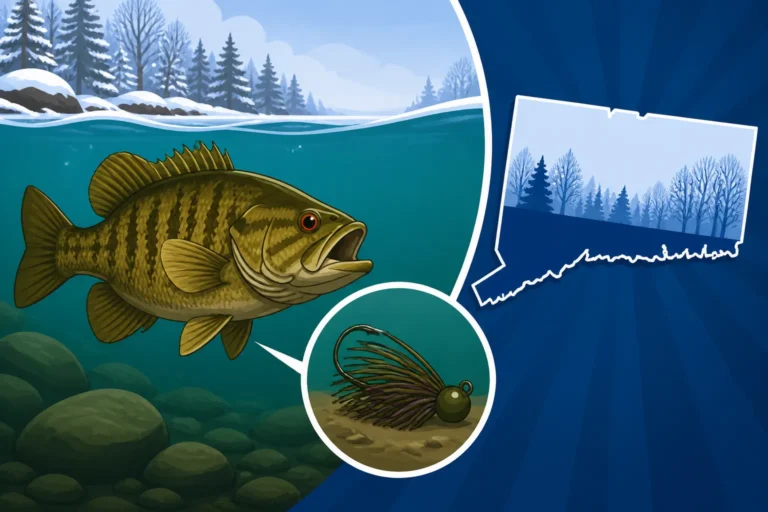
| Winter | Dec – Feb | 30s – 40s | Slow metabolism, opportunistic strikes | Deep nymphing, slow retrieves with small jigs/streamers | Smaller invertebrates, dormant baitfish |
Specific Water Conditions and Their Impact
Water conditions are arguably more important than the calendar date when pursuing trophy brown trout. These fish are highly sensitive to changes in temperature, flow, and clarity. A "perfect" fall day might be terrible if the river is blown out from heavy rain, just as a cold spring day can be amazing if the water is clear and stable.
The Magic Number: Water Temperature
Brown trout are cold-water fish, and their activity levels are heavily influenced by temperature. While they can survive in a wider range, the optimal feeding and active temperature for larger brown trout typically falls between 45°F and 58°F. When water temperatures are too cold (below 40°F), their metabolism slows down, and they become lethargic, requiring a very slow and deliberate presentation. Conversely, when water temperatures get too warm (above 65°F), brown trout become stressed, seek cooler refuges (springs, deeper pools), and their feeding activity can significantly decrease. In fact, fishing for trout in water temperatures exceeding 68°F can be fatal to the fish, even if released, so it's best to avoid it altogether. Understanding What water temperature trout need to survive is crucial for both success and conservation.
Flow and Clarity: Reading the River
Optimal river flow is another critical factor. Moderate flows, where the river isn't too high and muddy, but also not exceptionally low and clear, often provide the best conditions. Higher flows can stir up food sources and provide cover, making fish feel more secure and willing to move. However, excessively high and turbid water makes it impossible for fish to see your presentation and can even displace them. Conversely, very low and clear water conditions, common during summer droughts or prolonged dry spells, make trophy browns incredibly spooky. Every shadow, every errant cast, can send them scurrying for cover. In such conditions, longer leaders, lighter tippets, and stealthy approaches are paramount. This is where subtle presentations, often with small nymphs or emergers, excel.
Gear and Tactics for Success
Catching a trophy brown trout isn't just about being in the right place at the right time; it also demands the right gear and thoughtful tactics. These fish didn't get big by being careless, so your approach needs to be precise and well-suited to the conditions.
Essential Tackle for Big Browns
For fly anglers, a 9-foot, 5 or 6-weight rod is a versatile choice for most Connecticut trout streams, offering enough backbone to handle larger fish and cast bigger flies, yet still sensitive enough for delicate presentations. If you're consistently throwing large streamers or fishing very deep, a 7-weight can be advantageous. A good quality reel with a smooth drag and enough backing is non-negotiable. For spin fishermen, a medium-light to medium action rod, around 6 to 7 feet, paired with a reliable spinning reel spooled with 6-8 pound test fluorocarbon or monofilament line, is ideal. Fluorocarbon is especially useful because of its low visibility in clear water, which can be purchased from retailers like Amazon. Don't forget a sturdy landing net with a rubberized mesh to protect these valuable fish.
Tactics for Each Season
- Early Spring: Focus on subsurface presentations. Large streamers like Wooly Buggers, Sculpins, or articulated patterns in olive, black, or brown can be deadly. Fish them slowly and deliberately, especially around current breaks, fallen trees, and deeper pools. Bait anglers might find success with live shiners or worms.
- Late Spring/Early Summer: Pay attention to insect activity. If fish are rising, try to match the hatch with appropriate dry flies. If no risers are present, nymphing deep with stoneflies, caddis larvae, or mayfly nymphs can be very effective. During this period, when hatches are plentiful, having a good selection of various fly patterns on hand is key, perhaps a well-stocked fly box from Amazon.
- Fall: This is prime streamer and lure time. Large, flashy streamers in natural baitfish colors (silver, olive, brown) or even bright colors can trigger aggressive strikes. For spin anglers, stickbaits, spoons, and larger inline spinners are excellent choices. Concentrate your efforts around spawning gravel, undercut banks, and large rock formations. Remember, Best streamer patterns for Connecticut brown trout provides specific recommendations.
Patience, Stealth, and Persistence
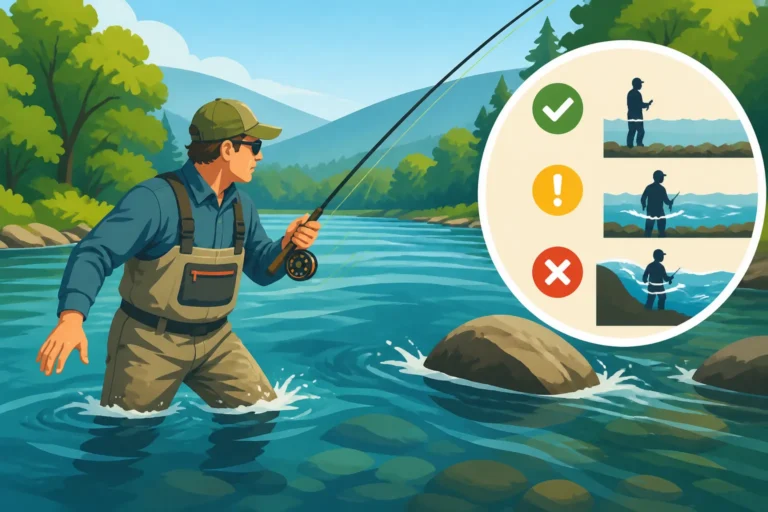
More than any specific lure or fly, the most important tools in your trophy brown trout arsenal are patience, stealth, and persistence. These fish are wary, and they didn't get big by being easy to catch. Approach the water carefully, minimize your silhouette, and make accurate casts. Don't be afraid to spend a significant amount of time thoroughly working a promising stretch of water. Sometimes, a big brown needs to see a presentation multiple times before it commits. A quiet approach and careful wading, often learned through experience on rivers like the Farmington, can make all the difference. Remember, the goal is often just one or two truly special fish, not a high-numbers day.
Conservation for Future Generations
Catching a trophy brown trout is an incredible accomplishment, but it also comes with a responsibility to ensure these magnificent fish continue to thrive. Many of the waters that hold large brown trout are managed under special regulations, such as catch-and-release only, or specific size and creel limits. Always consult the current Connecticut Fishing Guide to understand the rules for the specific body of water you're fishing.
Catch and Release Best Practices
When you do hook into a large brown, handling it with care is paramount, especially if you intend to release it. Use a rubberized net to minimize scale and slime loss. Keep the fish in the water as much as possible; minimize air exposure to just a few seconds for a quick photo. Remove hooks gently, preferably with forceps or pliers, and consider using barbless hooks to facilitate easier release. If the fish is exhausted, hold it gently in the current until it regains its strength and swims off on its own. Every released trophy brown is a future opportunity for yourself or another angler. For detailed information on specific rules, refer to Connecticut Trout Season and Stocking Rules and Connecticut Fishing Regulations Explained. This commitment to conservation ensures that the quest for trophy brown trout remains a cherished pursuit in our beautiful state.
Disclaimer
Fishing regulations in Connecticut are subject to change. Always consult the most current Connecticut Angler's Guide published by the Connecticut Department of Energy and Environmental Protection (DEEP) before heading out on the water. This guide is for informational purposes only and should not be considered a substitute for official regulations.