Best water temperature for trout fishing in Connecticut
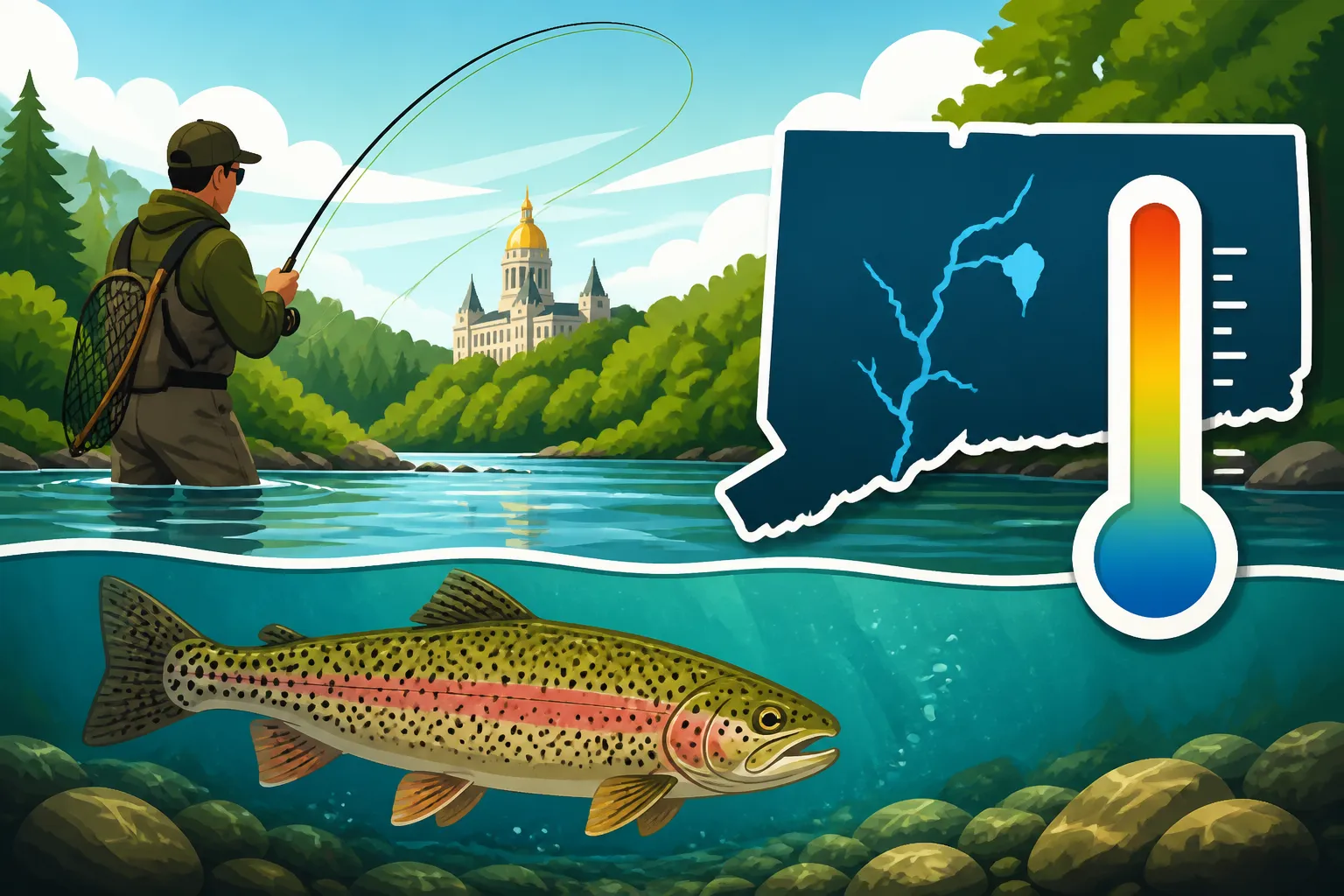
There’s nothing quite as frustrating as heading out to your favorite stream or pond in Connecticut, rods in hand, feeling like everything is perfect, only for the trout to be completely uncooperative. You've checked the stocking reports, picked out your best lures, but they just aren't biting. Often, the hidden culprit isn't your technique or your bait, but something you can't see: the water temperature. This guide will dive deep into how water temperature impacts trout activity and how you can use this knowledge to significantly improve your catch rates across Connecticut's diverse waters.
Understanding Trout and Their Temperature Preferences
Trout are cold-blooded creatures, which means their body temperature is directly influenced by their environment. Unlike us, they can't just throw on a jacket or take a dip in a pool to regulate. This makes water temperature the single most critical factor dictating their metabolism, activity, and even survival. If you want to consistently hook into Connecticut's beautiful brook, brown, and rainbow trout, understanding their thermal comfort zone is non-negotiable.
Why Water Temperature Matters So Much for Trout
Think about it: when you're too hot, you feel sluggish and lose your appetite. When you're too cold, you might conserve energy and not move much. Trout are the same. Their metabolic rate, which governs everything from digestion to swimming speed and oxygen consumption, is directly tied to water temperature. When the water is too cold, their metabolism slows down, making them less active and less likely to chase a meal. They might move to deeper, slightly warmer pockets or hold close to the bottom, conserving energy.
Conversely, when the water gets too warm, a different set of problems arises. Warmer water holds less dissolved oxygen, which trout absolutely need to breathe. This can quickly stress them, making them lethargic and more focused on survival than feeding. Extremely warm water can be lethal, especially for species like brook trout that prefer colder, pristine conditions. This is why knowing the ideal temperature range for each species is so crucial for ethical and successful fishing in our Connecticut waters.
Ideal Temperature Ranges for Different Trout Species
Not all trout are created equal when it comes to temperature tolerance. Connecticut is home to three main species you'll encounter – Rainbow, Brown, and our native Brook Trout – and each has its own sweet spot. Knowing these ranges helps you decide not just when to fish, but also where to focus your efforts for specific species.
Rainbow trout, often stocked generously in our state’s rivers and lakes, are generally the most tolerant of slightly warmer water, with an ideal feeding range typically between 45°F and 65°F. They can tolerate temperatures up to about 70°F for short periods, but sustained exposure above 68°F becomes highly stressful and dangerous for them. You'll find them actively feeding in streams and lakes during spring and fall, and even throughout mild summer mornings if cool water persists.
Brown trout are a bit more resilient and perhaps the most adaptable to varied conditions, but still thrive in cooler water. Their optimal feeding zone is usually between 40°F and 68°F. They can withstand slightly warmer temperatures for longer than rainbows, making them a target in some of Connecticut's larger rivers where water temperatures might fluctuate more. Often, the biggest brown trout are caught when water temperatures are on the lower end of their optimal range, encouraging them to feed aggressively before the colder months.
Our beautiful native Brook Trout, however, are the true cold-water specialists. They absolutely prefer water temperatures below 60°F, with their ideal range sitting comfortably between 40°F and 58°F. Anything above 65°F can be critically dangerous for them, leading to severe stress and high mortality rates, especially if caught and released. If you're targeting brookies, you'll want to seek out the coldest, cleanest headwaters and spring-fed streams that define their preferred habitat. Understanding the unique needs of these species is a key part of responsible angling, especially when considering the implications of What water temperature trout need to survive.
How to Measure Water Temperature Accurately
Knowing the ideal temperature ranges is one thing, but actually figuring out what the water temperature is in your chosen fishing spot is another. Relying on air temperature alone is a common mistake; water heats up and cools down at a different rate. Having the right tools and knowing how to use them is paramount to fishing effectively and ethically, particularly in our diverse Connecticut fisheries.
Essential Tools for Temperature Tracking
The good news is that measuring water temperature doesn't require a huge investment. A simple, reliable water thermometer is your best friend. Many anglers prefer a compact, digital pocket thermometer that can be easily clipped to a vest or pack. These are quick to read and usually quite accurate. You can find a good selection of these on platforms like Amazon, often for under $20, and they'll quickly become an indispensable part of your trout fishing kit.
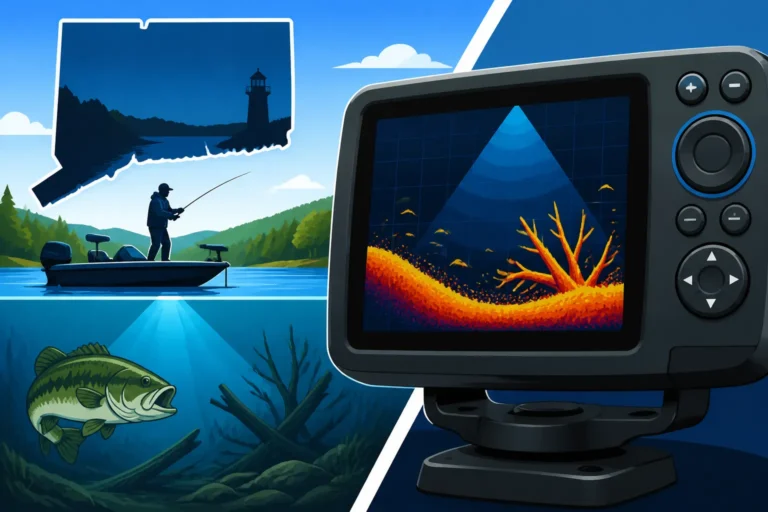
For those with a boat or kayak, a fish finder with a built-in temperature sensor is a fantastic tool. These devices constantly monitor the surface water temperature, and some advanced models can even give you readings at different depths, which is incredibly useful for finding thermal layers where fish might be holding. Even if you're primarily a shore angler, a standalone digital water thermometer is highly recommended. It’s a small piece of gear that makes a huge difference in your approach to fishing.
Best Practices for Taking Readings
Taking accurate water temperature readings is crucial. Don't just dip your thermometer in for a second and pull it out. For reliable results, you need to submerge the thermometer for at least 30 seconds to a minute, allowing it to equalize with the water temperature. If you're wading, take readings in the main current, away from the bank where shallow water might skew the temperature. When fishing a pond or lake, try to take readings at various depths, especially if you have a fish finder, to understand the thermal stratification.
It’s also important to take multiple readings throughout your fishing session, particularly if you’re fishing a long stretch of river or during times of rapidly changing weather. Water temperatures can vary significantly from one section of a stream to another, especially below tributary confluences or spring seepage areas. For instance, a spring-fed section of the Farmington River might hold fish even if downstream sections are too warm, showcasing the importance of being dialed into these microclimates. Keeping a small notebook to record temperatures, along with conditions like time of day, air temp, and success rates, can help you build valuable patterns over time.
Strategies for Fishing Different Temperature Zones
Once you're equipped with your thermometer and know the preferred ranges, it's time to translate that knowledge into actionable fishing strategies. Different temperatures demand different approaches, from your retrieve speed to your choice of lure or fly. Adapting your tactics to the water temperature is often the secret ingredient to a successful day on the water in Connecticut.
Cold Water Tactics Below 45°F
When water temperatures dip below 45°F, trout become lethargic. Their metabolism slows down considerably, and they aren't going to expend much energy chasing a fast-moving lure. This is the time for slow, deliberate presentations. Think about winter fishing or early spring when the ice has just melted. Trout will often hug the bottom or hold in deeper pools, seeking slightly warmer water or simply conserving energy.
Your retrieve speed should be agonizingly slow. Nymphing with dead drifts or slowly dragging weighted flies or small jigs along the bottom can be incredibly effective. Baits like mealworms, corn, or PowerBait, fished on a small hook with minimal weight to allow for a natural drift, can also entice these sluggish fish. These fish aren't actively hunting; they're looking for an easy, high-calorie meal that drifts right into their strike zone. Remember, during these colder periods, the fish are often grouped up in deeper, slower water. Finding these pockets can lead to multiple hookups once you locate them. This is often the case when fishing for trout in areas with Connecticut Trout Management Area Regulations, where fish can hold over winter.
Optimal Water Tactics 45-65°F
This is the sweet spot, the prime time for trout fishing in Connecticut. Within this 45-65°F range, trout are active, their metabolism is humming, and they are feeding aggressively. This is when you can really experiment with a wider array of techniques and presentations. In the spring, as temperatures rise into this range, trout often become incredibly active, especially after fresh stockings. This is a fantastic time for Spring Trout Fishing Techniques for Connecticut Streams.
You can expect trout to respond well to a variety of artificial lures, flies, and natural baits. Spinners like Mepps and Panther Martin, small spoons, or soft plastics can all be very effective. Fly anglers will find success with nymphing, streamers, and eventually, dry flies as insect hatches become more prevalent. Trout will be spread out more, actively patrolling runs, riffles, and eddy lines looking for food. Don't be afraid to cover water and try different retrieve speeds until you find what they're keying in on. The fish are willing, so it's about finding what they want to eat that day. Many anglers find this temperature range perfect for honing their skills at Fly Fishing for Trout in Connecticut.
Warm Water Concerns Above 65°F
Once water temperatures climb above 65°F, especially towards the 70°F mark, it’s time to start exercising extreme caution and, often, consider putting the rods away for trout. As mentioned earlier, warm water holds significantly less dissolved oxygen, and trout, particularly brook trout, become severely stressed. Even if you catch a fish and release it, the chances of it surviving are drastically reduced due to the physiological shock it experiences. This is sometimes called "post-release mortality."
If you absolutely must fish during these warmer periods, target early mornings when water temperatures are at their lowest or focus on areas with cold water refuges, such as spring-fed tributaries, deep pools, or below dams where cooler water might be discharged. Minimize handling time, use barbless hooks, and avoid fighting the fish to exhaustion. Consider switching to targeting other species that are more tolerant of warm water, like bass or panfish. Conservation should always be your top priority, and sometimes, the best choice is to wait for cooler conditions. Many conservation-minded anglers adhere to this principle, especially when fishing Connecticut catch and release only trout streams.
Seasonal Temperature Shifts and Their Impact on Connecticut Trout Fishing
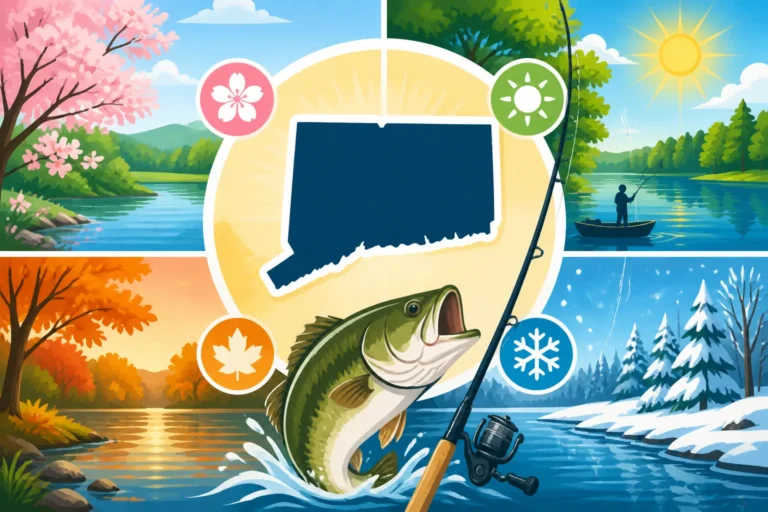
Connecticut experiences distinct seasons, and each brings significant changes to water temperatures across its rivers, lakes, and ponds. Understanding these seasonal shifts is crucial for predicting trout behavior and planning your fishing trips effectively. It's not just about the thermometer reading on any given day, but how that reading fits into the broader seasonal pattern.
Spring Thaw and Early Season Opportunities
As winter's grip begins to loosen, typically in March and April, Connecticut's waters start their gradual warming trend. Snowmelt and spring rains often keep river levels high and temperatures in that prime 45-55°F range, signaling to trout that it's time to become more active. This is a highly anticipated period, kicking off with the famous Connecticut Trout Season and Stocking Rules and opening day. Our state's fisheries division works hard, stocking thousands of trout into rivers and ponds, and these fish are often eager to feed after being introduced to new waters.
During this time, trout will often be found in slower-moving currents, deep pools, and the edges of faster runs, avoiding the strongest flows while still being able to ambush passing food. As water warms further into May, insect hatches become more common, offering exciting dry fly opportunities. It’s a period of increasing activity, and anglers who pay attention to daily temperature bumps will find the most consistent action. The rising temperatures signal increasing metabolism, making trout more willing to move for a meal.
Summer Standoff and Seeking Thermal Refuges
Summer presents the biggest challenge for trout anglers in Connecticut. As June, July, and August bring consistently warm air temperatures, many of our smaller streams and even larger river sections will see water temperatures climb well above the ideal 65°F threshold. During this "summer standoff," trout survival becomes precarious, and their activity levels plummet. They move to cooler, oxygen-rich havens known as thermal refuges.
These refuges can be deep, shaded pools, the mouths of spring-fed tributaries, or areas with significant groundwater seepage. You might find a few intrepid fish in the deepest parts of larger lakes like Best Trout Streams in Connecticut where the cool water persists for longer. If you choose to fish, focus exclusively on these cooler pockets and exercise extreme care with catch and release. Many dedicated trout anglers temporarily shift their focus to species like bass or carp during the heat of summer, returning to trout when conditions improve. This is especially important for native fish like brook trout, which are highly susceptible to warm water stress.
Fall Cooling and Active Feeding
Ah, fall! This is arguably the second-best time, if not the best, for trout fishing in Connecticut. As September rolls into October and November, air temperatures begin to drop, and consequently, our rivers and lakes start to cool down significantly. Water temperatures typically settle back into the prime 45-60°F range, invigorating trout after the summer slump. With winter approaching, trout enter a crucial feeding period, bulking up on calories before the lean months ahead.
This season brings renewed aggression, especially from larger brown trout that might be preparing for their spawning rituals. Streamers, large nymphs, and even some dry fly patterns can be highly effective. The cooler water also means higher dissolved oxygen levels, making the fish more energetic and resilient. This pre-winter feeding frenzy offers some of the most exciting action, making it one of the Best Time of Year to Fish in Connecticut. You can often find great deals on cold-weather fishing gear, including insulated waterproof gloves and thermal layers, on Amazon as the seasons change. Make sure you also pack a good quality cooler or insulated bag, also available on Amazon, if you plan to keep any fish, to maintain their freshness.
| Trout Species | Ideal Feeding Temp Range | Max Tolerable Temp (Stressful) | Seasonal Peak in CT | General Fishing Tips |
|---|---|---|---|---|
| Brook Trout | 40°F – 58°F | 65°F | Early Spring, Late Fall | Seek cold, clear, spring-fed streams. Slow, subtle presentations. High stress above 60°F – minimal handling. |
| Brown Trout | 40°F – 68°F | 72°F | Spring, Fall | Adaptable, but prefer cooler. Can be aggressive with streamers/lures. Seek deeper pools in summer. Stronger fighters in cooler water. |
| Rainbow Trout | 45°F – 65°F | 70°F | Spring, Fall (especially after stocking) | Often found in stocked waters. Respond well to various techniques. Good targets for Best time to fish a stocked trout pond. Watch for stress above 68°F. |
Disclaimer
The information provided in this guide is for general informational purposes only and is subject to change. Always consult the most current Connecticut Department of Energy and Environmental Protection (DEEP) fishing regulations before heading out. Fishing conditions, including water temperatures, can vary significantly and rapidly. Exercise caution and practice responsible angling at all times.