Best bait for fluke in deep channels
It can be incredibly frustrating to head out to your favorite deep-water channel, armed with all the right intentions, only to come up short on fluke. These elusive flatfish can be tricky, especially when they settle into deeper sections of Long Island Sound or one of Connecticut's tidal rivers. This guide is dedicated to unraveling the mystery of what baits truly shine when targeting fluke in those hard-to-reach, deep channels, helping you put more doormats in the boat.
Understanding Fluke Behavior in Deep Channels
Before we even talk about bait, it's crucial to understand why fluke hang out in deep channels and what they're doing there. It's not just a random act; there's always a reason tied to survival, feeding, or comfort. When you grasp their motivations, your bait choices and presentation techniques become far more effective.
Current and Structure Attraction
Deep channels, by their very nature, are often sculpted by strong currents. These currents aren't just a challenge for anglers; they're a buffet line for fluke. The moving water brings a constant supply of food, and the fluke position themselves strategically to ambush whatever drifts by. Think of them as aquatic opportunists, perfectly camouflaged and waiting. Beyond the current, these channels often feature dramatic drops, ledges, humps, and even man-made structures like bridge abutments or old pilings. These features provide vital ambush points, places for them to hide from predators, and breaks from the strongest currents. A big fluke isn't going to expend unnecessary energy fighting a strong current if it doesn't have to; it'll tuck in behind a rock or a submerged ledge, waiting for an easy meal to be swept right into its strike zone. Understanding these nuances is key to knowing where to drop your bait, especially when you're exploring the deep water on a guided trip. Many top guides in the area, often found through services like those offering the Best Fishing Charters in Connecticut, specialize in finding these exact spots.
Forage Fish and Water Temperature
The primary reason fluke are in deep channels is food. These deeper zones often hold concentrations of baitfish like spearing, sand eels, or even juvenile mackerel or bunker. As the seasons change, especially when coastal waters warm up during the summer months, fluke might retreat to deeper, cooler channels where the water temperature is more comfortable. Conversely, during colder periods, these channels can offer more stable temperatures and a consistent food supply than shallower flats. They're looking for that perfect balance of comfort and caloric intake. When you're trying to figure out the Best Time of Year to Fish in Connecticut for fluke, remember that temperature and bait presence in deep channels play a huge role. Knowing the common forage species in your specific deep channel helps immensely in selecting baits that "match the hatch." If there's a strong showing of spearing, for instance, a long, slender bait will often outperform a short, stubby one.
Top Baits for Deep Channel Fluke
Now that we understand why fluke are in the deep, let's talk about the absolute best baits to entice them. These aren't just random suggestions; these are tried-and-true producers that have filled many coolers over the years.
Natural Baits: The Irresistible Scent Trail
When it comes to tempting fluke, especially the bigger "doormats" lurking in deep channels, natural bait often holds an edge due to its scent, texture, and natural appearance. The smell travels through the current, drawing fish from a distance.
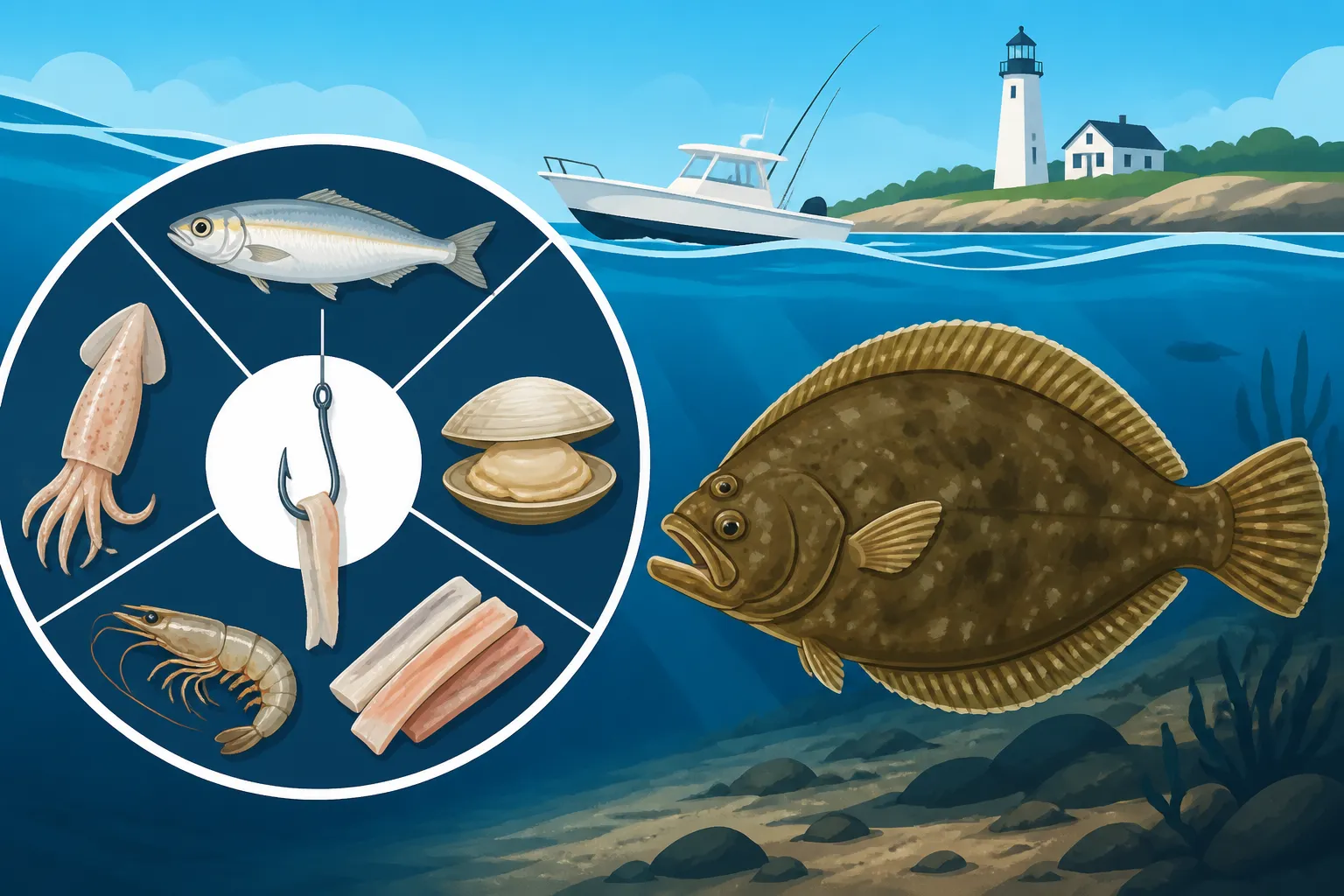
Squid Strips and Spearing
This classic combination is a go-to for a reason. Squid offers a durable, visual, and highly palatable bait that fluke can't resist. Cut your squid into long, slender strips, about 4-6 inches long and a half-inch wide, tapering one end to give it a natural tail action in the current. Thread it onto your hook so the strip dangles enticingly. Adding a whole spearing (also known as silversides) to the hook, with the squid strip trailing behind it, creates an even more appealing package. The flash and subtle movement of the spearing, combined with the scent and undulation of the squid, is often too much for a hungry fluke to pass up. Many anglers keep a supply of these on hand, readily available at most tackle shops or, in a pinch, you can find quality frozen options online through retailers like Amazon.
Mackerel and Bunker Strips
For those targeting truly large fluke in deep, current-swept channels, nothing beats a fresh strip of mackerel or bunker (menhaden). These oily baits release a powerful scent trail that can call in big fluke from a surprising distance. Cut a strip about 6-8 inches long and an inch wide from the belly of a fresh mackerel or a fresh-frozen bunker. The skin should be left on, as it provides durability and flash. The flesh side will bleed scent profusely. The natural oils and strong odor make these irresistible, especially when the fluke are keying in on larger forage. Just be prepared for other species to show interest too! Learning about Striped Bass Fishing in Long Island Sound often involves using bunker, so if you're targeting both, these baits can be very efficient.
Artificial Baits: The Modern Edge
While natural baits are king for scent, artificials have come a long way and offer benefits like durability, consistent action, and the ability to fish them aggressively without them flying off the hook.
Gulp! Alive Baits
Berkley Gulp! Alive baits have revolutionized fluke fishing, offering a scent dispersion that rivals natural bait, combined with the toughness of an artificial. The most popular choices for deep channels are the Gulp! Swimming Mullet, Squid, and Grub, usually in sizes from 4 to 6 inches. White, chartreuse, and pink are perennial favorites. The "Alive" version comes soaking in a potent scent liquid, which is key. These baits, often bought in tubs, can be rigged directly onto a jig head or used as a trailer on a bucktail. They wiggle and pulse with incredible realism in the current, and because they're so robust, you can often catch multiple fish on a single bait. You can easily stock up on various Gulp! shapes and colors from reputable online stores like Amazon.
Bucktail Jigs with Trailers
A bucktail jig is a staple in deep-water fluke fishing. Its hydrodynamic shape allows it to get to the bottom quickly and stay there, even in strong currents. The key is to match the weight to the current and depth. For deep channels, you're often looking at jigs from 1 to 4 ounces, sometimes even heavier. The bucktail itself provides a natural breathing action. However, to truly make it shine for fluke, you absolutely need to add a trailer. This is where your Gulp! baits, or a strip of natural squid or spearing, come into play. The combination of the jig's action and the trailer's scent and movement is a deadly one. When you're jigging for fluke, it's about keeping contact with the bottom, but also giving that jig a seductive lift-and-drop motion. For deeper waters, heavier bucktails are crucial, and you can find a good selection of various weights on platforms like Amazon.
Presentation Matters: Rigging for Deep Channels
Having the best bait is only half the battle; knowing how to present it effectively in deep, current-swept channels is equally important. Your rigging needs to be robust, efficient, and designed to keep your bait where the fluke are.
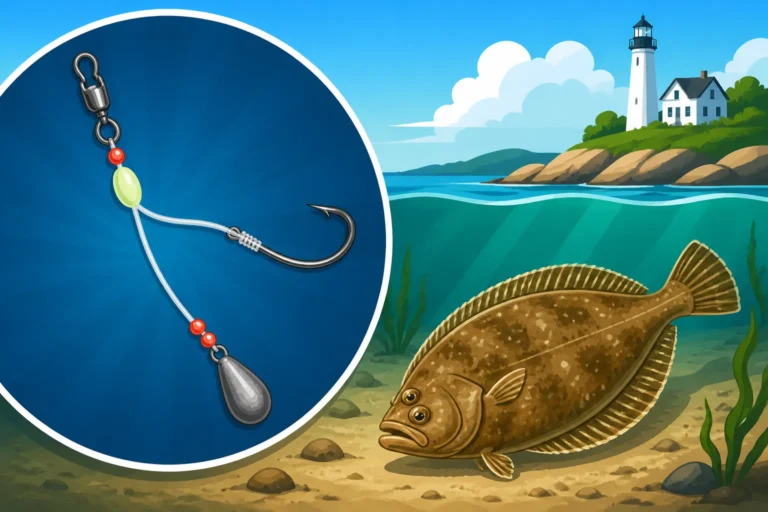
The Classic Three-Way Swivel Rig
This rig is a workhorse for deep-water fluke. It consists of a three-way swivel, a dropper line for your sinker, and a leader for your hook.
- Main Line: Tie your main line directly to one eye of the three-way swivel.
- Sinker Dropper: From a second eye, tie a short section of line (6-12 inches) to your sinker. The key here is to use a lighter breaking strength line for your sinker dropper than your main line. This way, if your sinker snags, you only lose the sinker, not your entire rig and fish.
- Leader: From the third eye, tie a longer leader (24-48 inches) to your hook. The length of the leader can be adjusted based on current and how high off the bottom you want your bait to waft.
- Hooks: Use sharp, strong hooks like 3/0 to 6/0 Kahle or Octopus hooks, appropriate for the size of your bait. For fluke, the Connecticut Fluke and Summer Flounder Regulations will guide you on length limits, but bigger baits and hooks often lead to bigger fish.
The beauty of this rig is that it keeps your bait slightly off the bottom, allowing it to flutter enticingly in the current, while your sinker maintains contact with the channel floor. This setup is particularly effective when drifting with the current, as it presents your bait very naturally.
Heavy Bucktail Jigging
Sometimes, the simplest approach is the most effective. A heavy bucktail jig, tipped with a generous Gulp! or natural bait strip, is a phenomenal way to target deep-channel fluke.
- Single Jig: Tie your main line directly to the jig. This offers maximum sensitivity.
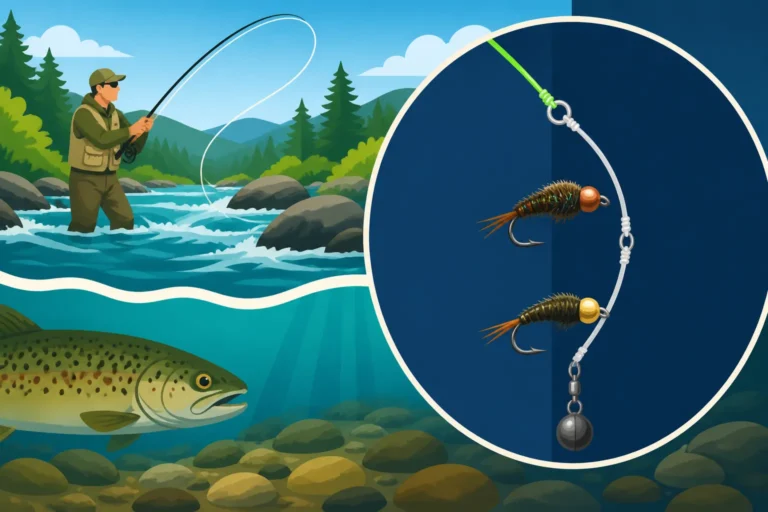
- Tandem Rigs: For added attraction, some anglers will tie a dropper loop about 12-18 inches above their main bucktail, adding a smaller bucktail or a bare hook with a bait strip. This gives you two chances at a bite and often appeals to fluke that might be wary of a single offering.
- Technique: Drop the jig to the bottom, then engage your reel. Lift the rod tip sharply about a foot or two, then let the jig flutter back down on a semi-slack line, always maintaining just enough tension to feel the jig hit bottom. Most bites will occur on the fall. It's a very active style of fishing and can be incredibly rewarding. Mastering Jigging for Fluke in Long Island Sound can significantly improve your catch rates.
Drifting Techniques
Drifting is arguably the most effective way to cover ground in deep channels and present your bait naturally.
- Boat Control: Use a sea anchor or drift sock to slow your drift, especially if the current is strong. This allows your bait more time in the strike zone and keeps your lines more vertical, reducing snags and making bites easier to detect.
- Reading the Sonar: Pay close attention to your fish finder. Look for sudden changes in depth, isolated structures, or concentrations of baitfish. These are prime areas to focus your drift. Remember that Fluke Habits in Long Island Sound often involve holding tight to structure or subtle changes in the bottom contour.
- Weight Selection: Use just enough weight to consistently maintain contact with the bottom. Too little weight, and your bait will fly out of the strike zone; too much, and you'll constantly be snagging. It's a fine balance that often requires adjusting your sinker size as the current changes throughout your drift.
Tips for Success: Deep Channel Fluke Fishing
Beyond the bait and rigging, there are several crucial factors that can dramatically improve your success when chasing fluke in deeper Connecticut channels.
Sharpen Your Senses and Gear
Fluke bites can be incredibly subtle, especially in deep water with a lot of line out. It might feel like a slight tap, a sudden heaviness, or even just your line going slack as the fish picks up the bait and swims towards you.
- Sensitive Rods: Invest in a sensitive, medium-heavy action rod. Graphite rods excel at transmitting those subtle bumps and taps directly to your hands. A good quality braid line (15-30 lb test) is also essential, as it has minimal stretch, maximizing sensitivity.
- Line Watch: Don't just rely on feeling the bite. Watch your line where it enters the water. Any twitch, stop, or unnatural movement can indicate a strike. This is especially true when using bucktail jigs on the drop.
- Sharp Hooks: Always check your hook points. Fluke have bony mouths, and a dull hook will result in missed opportunities. Keep a small hook sharpener handy and use it frequently. You can find excellent hook sharpening tools, along with a wide array of fishing tackle, conveniently on Amazon.
Time Your Tides and Drifts
Tidal movement is absolutely critical for successful fluke fishing, especially in deep channels.
- Moving Water is Key: Fluke are ambush predators that rely on current to bring food to them. The beginning and end of a moving tide (both incoming and outgoing) are often the most productive. Slack tide periods, when the water isn't moving, are generally the slowest. Pay attention to local tide charts for Long Island Sound Fishing Guide locations.
- Optimal Drift Speed: A slow, controlled drift is usually best. It allows your bait to stay in the strike zone longer and gives the fluke ample opportunity to locate and commit to your offering. If the current is too fast, you'll either have to use an impossibly heavy sinker or your bait will be too far off the bottom.
- Multiple Passes: Don't be afraid to make multiple drifts over productive areas. If you catch a fluke, mark the spot on your GPS and try to replicate that drift. Fluke often congregate in specific feeding lanes or around particular pieces of structure within the channel.
Local Knowledge and Regulations
Every deep channel, whether it's in the lower Connecticut River or a specific section of Long Island Sound, has its own quirks. What works one day might not work the next, and local insights are invaluable.
- Talk to Locals: Don't be shy about asking questions at local tackle shops or boat ramps. Anglers are often happy to share general tips, though specific "secret spots" might be harder to extract!
- Study Charts: Navigational charts and bathymetric maps are excellent tools for identifying promising deep channels, humps, and ledges. Knowing what the bottom looks like before you get there can save a lot of time.
- Stay Informed: Always be aware of the current Connecticut Fishing Regulations Explained, especially those pertaining to fluke and summer flounder. These regulations, including minimum sizes and daily limits, can change annually, so it's vital to stay informed to avoid penalties. The state's Department of Energy and Environmental Protection (DEEP) website is a great resource.
Here's a quick comparison of our top deep channel fluke baits:
| Bait Type | Key Advantages | Best for | Common Rigging | Availability |
|---|---|---|---|---|
| Squid Strips | Durable, good scent, visual appeal | Consistent action, all fluke sizes | Three-way rig, bucktail trailer | Tackle shops, grocery stores, Amazon |
| Spearing (Silversides) | Natural flash, subtle movement, natural prey | Combo with squid, smaller fluke | Three-way rig, bucktail trailer | Tackle shops, bait shops |
| Mackerel/Bunker Strips | High oil content, strong scent, large profile | Big fluke, strong currents | Three-way rig, large hooks | Fish markets, tackle shops |
| Gulp! Alive Artificials | Powerful scent, durable, consistent action | Active jigging, repeated drifts | Bucktail trailer, jig head | Tackle shops, Amazon |
| Bucktail Jigs | Fast to bottom, mimics baitfish, versatile | Aggressive fish, precise depth control | Main line, often with trailer | Tackle shops, Amazon |
By understanding why fluke inhabit deep channels and combining the right baits with effective presentation techniques, you'll significantly increase your chances of success. It's a rewarding challenge, and the payoff of a big doormat from the depths is worth every effort!
Disclaimer
This article is for general informational purposes only and does not constitute professional advice. Laws, prices and regulations vary by location and change over time. Consult a qualified professional for guidance on your specific situation.